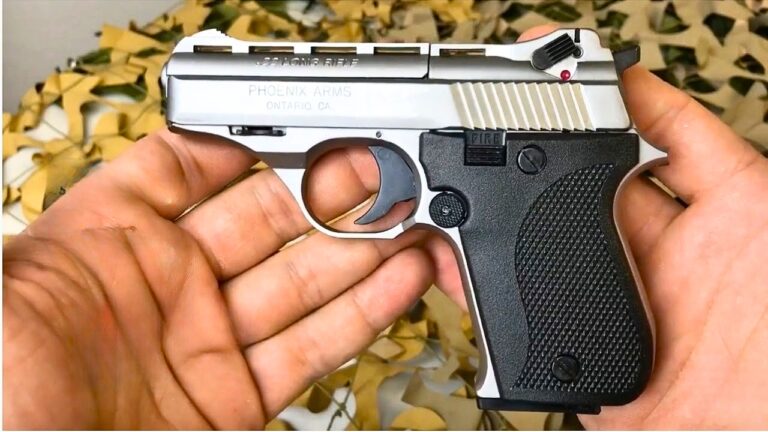
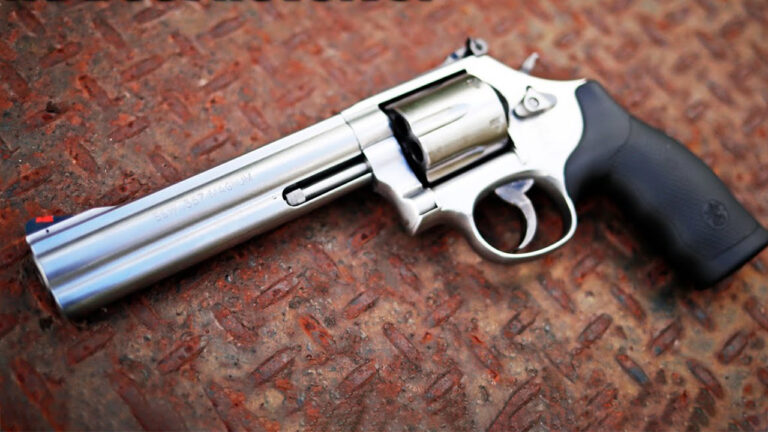
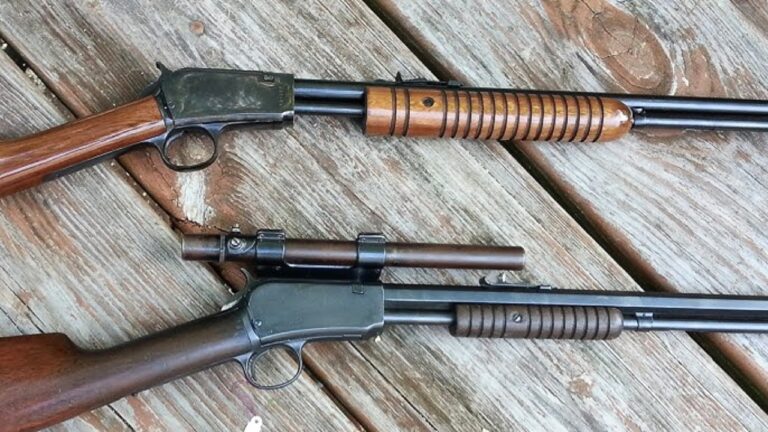
Photo credit: The VSO Gun Channel/YouTube
Some calibers hang around long after their usefulness has dried up. You’ll still find them on store shelves or tucked into gun safes across the country, hanging on thanks to nostalgia, marketing, or sheer stubbornness. Ammo makers keep cranking them out because someone, somewhere, is still asking for them. But ask anyone who’s actually tried to hunt or shoot with these rounds, and you’ll get the same shrug or groan. Maybe they were useful once. Maybe they filled a niche for a short time. But now? They’re more trouble than they’re worth. Limited availability, poor ballistics, bad recoil-to-performance ratios, or accuracy that can’t keep up with modern options—take your pick. These are the calibers that should’ve been allowed to ride off quietly into history. But no, they’re still hanging around, wasting shelf space and tempting folks into bad decisions.
.25-20 Winchester
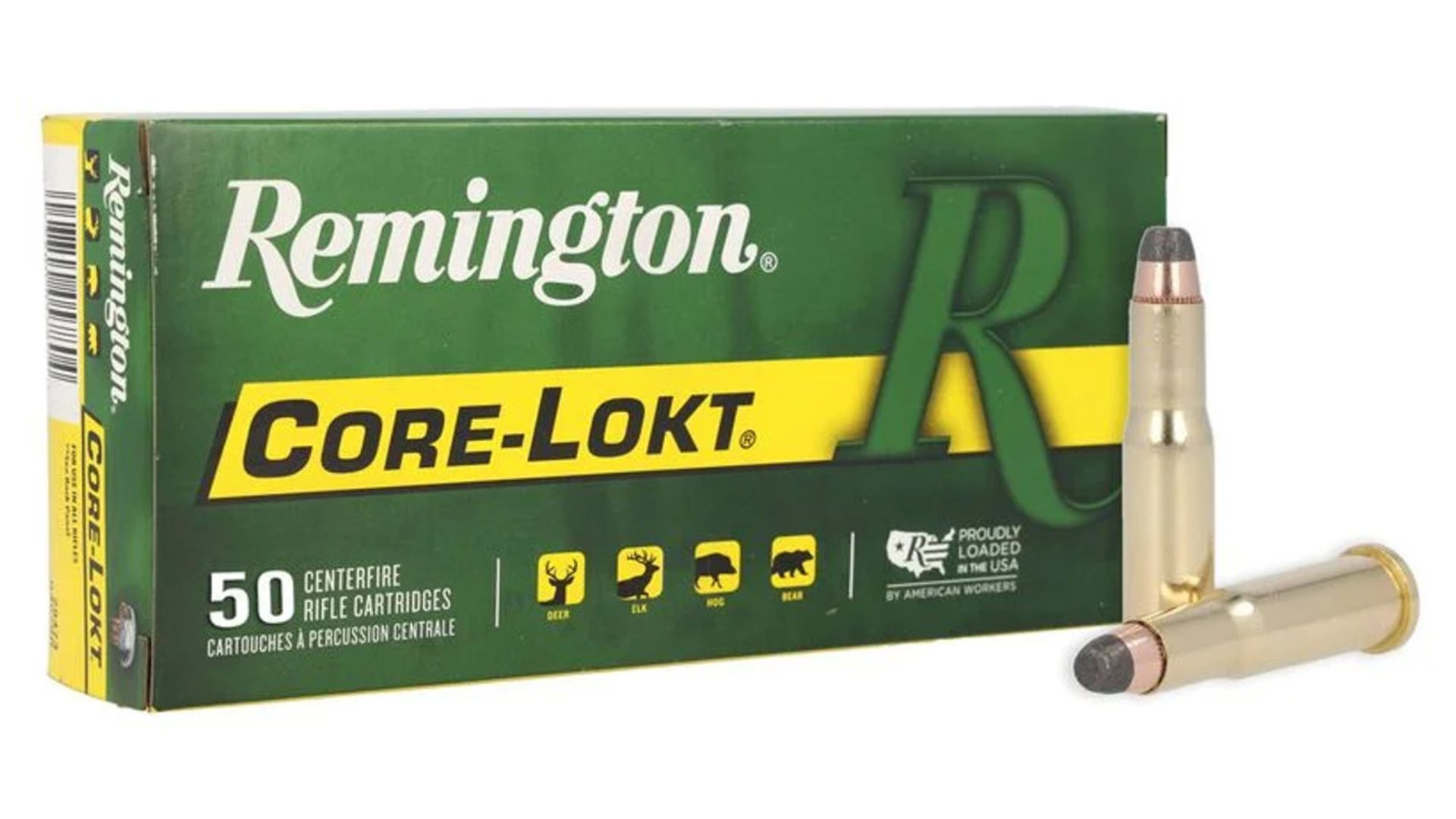
The .25-20 is one of those cartridges that sounds interesting on paper but falls flat in real use. Originally designed for small game and varmint hunting, it’s underpowered by today’s standards and notoriously finicky when it comes to handloading. Factory ammo is expensive and hard to find, and the performance doesn’t justify the hassle.
Hunters talk about it like it’s some hidden gem for squirrels or raccoons, but even rimfire cartridges do that job better now. Ballistically, it lags behind everything else in its class, and it’s not pleasant to shoot or especially accurate in most rifles still chambered for it. Ammo makers still pump out small runs to feed the nostalgia crowd, but this one’s long past its expiration date. If you’ve got one in the safe, keep it for history’s sake—not because it’s useful.
.32 Winchester Special
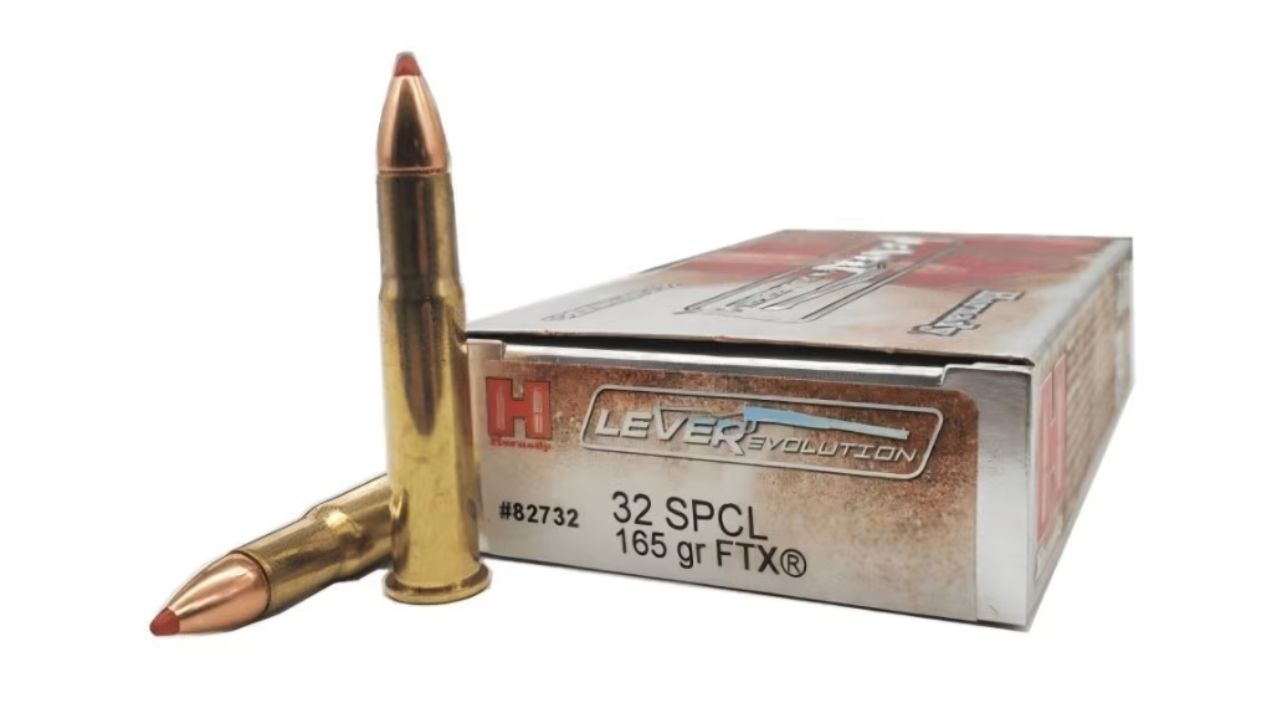
At one time, the .32 Win Special was a solution in search of a problem. Winchester pitched it as a round for handloaders who didn’t want to use the .30-30’s smokeless powder setup. Trouble is, it never really outperformed the .30-30 or found a niche of its own. Accuracy suffers in many rifles, and ammo has always been hit or miss.
You’ll still hear folks call it “great for brush,” but that’s more of a polite excuse than a ringing endorsement. It’s got all the limitations of a .30-30 with none of the widespread availability. Good luck finding ammo at a reasonable price—or at all. Modern .30 caliber rounds have passed it by in both energy and consistency, and nobody’s building anything new around it. This one should’ve been retired back when color TV was still a novelty.
.41 Magnum
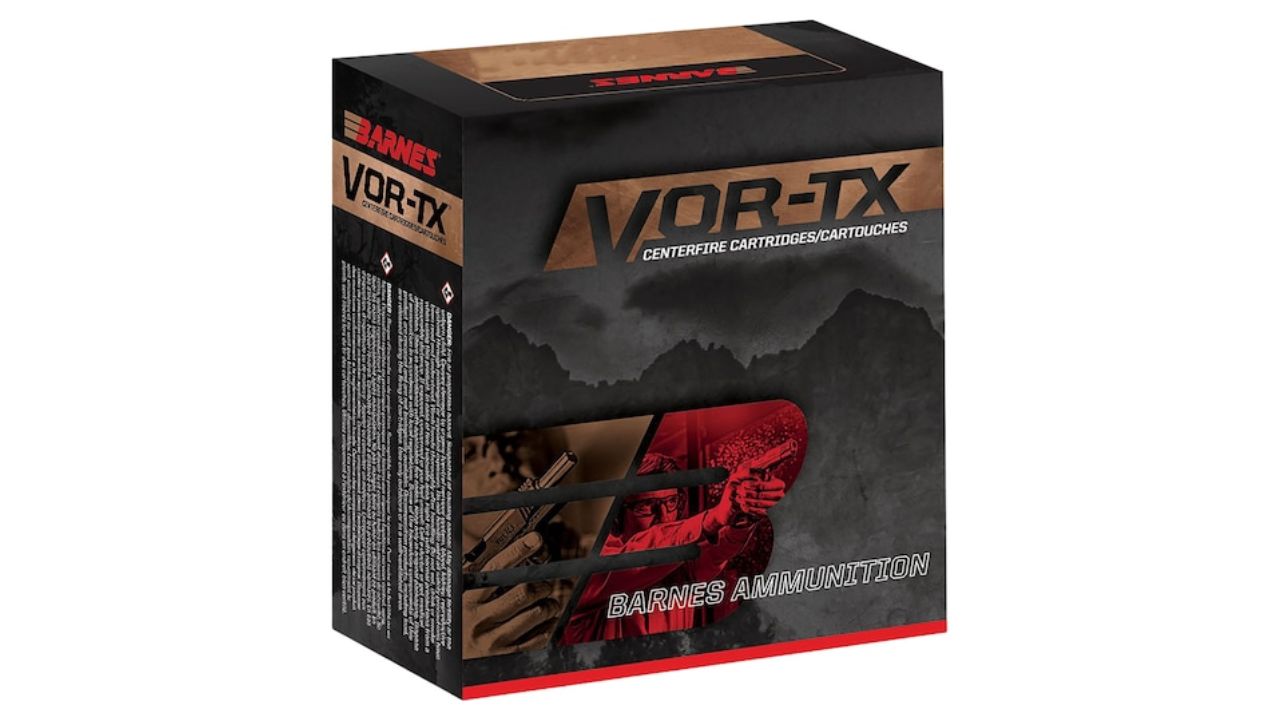
The .41 Magnum has always had an identity problem. It’s more powerful than a .357, but not enough to truly compete with the .44 Magnum. That leaves it stuck in the middle, appealing to a small group of diehards while confusing everyone else. Ammo selection is limited, and when you do find it, it’s pricey and underwhelming for what you’re getting.
Recoil is snappy, and many revolvers chambered in .41 aren’t exactly built with comfort in mind. It doesn’t offer a clear advantage for hunting or defense, and most people who try one end up switching to something more common. Gun writers kept it on life support for decades, but it never lived up to the “best of both worlds” promise. At this point, it’s a caliber that sticks around out of inertia, not merit.
.35 Remington
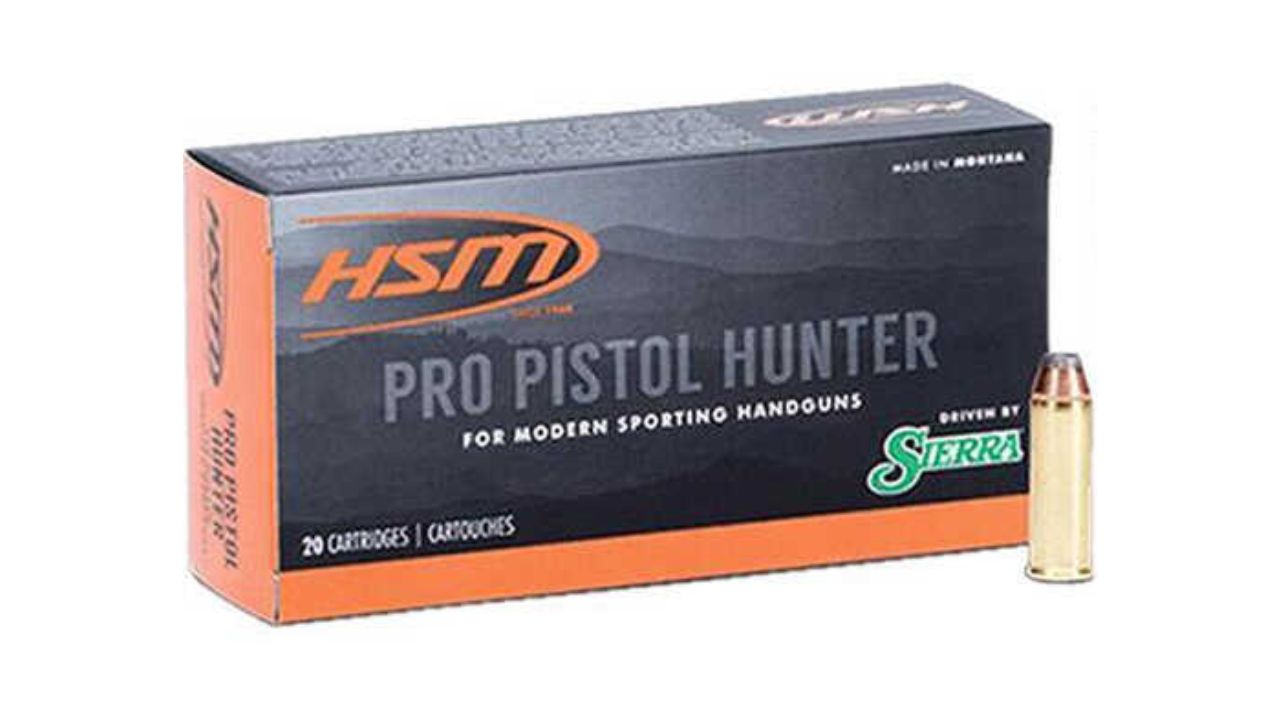
You still hear folks talk about the .35 Remington with a kind of reverence, especially in the Northeast. It was a mainstay in Marlin lever guns, and plenty of deer met their end thanks to it. But that was decades ago. Today, it’s slow, drops like a rock past 150 yards, and ammo is getting scarcer every year.
Most factory loads limp along with round-nose bullets and mediocre energy. Compare it to modern .30 caliber offerings and the difference is hard to ignore. It’s not flat-shooting, doesn’t handle recoil particularly well, and won’t do anything a .30-30 or .308 can’t do better. Folks hang onto it out of loyalty more than logic. The truth is, unless you’re already set up for it, there’s no real reason to get involved with the .35 Remington anymore.
.38 S&W
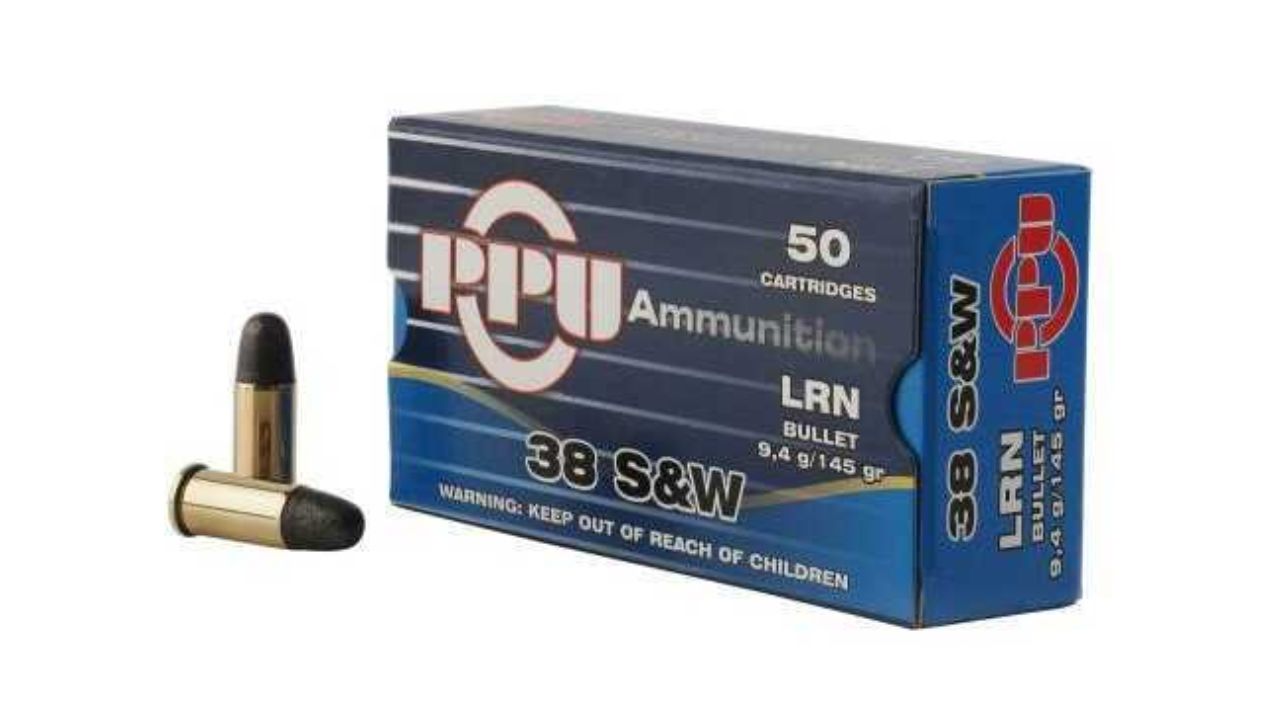
Not to be confused with .38 Special, the .38 S&W is an old, low-pressure round that refuses to fade away. Originally designed for pocket revolvers over a century ago, it’s incredibly weak by today’s standards. Energy is marginal, penetration is poor, and it doesn’t even work in revolvers chambered for .38 Special—despite what some people assume.
Ammo is hard to find and overpriced when you do, and it’s not remotely practical for self-defense. Yet manufacturers still produce small batches, mostly for old top-break revolvers that should’ve retired along with this cartridge. There’s no modern use case where the .38 S&W makes sense, and it hasn’t made sense in a very long time. It’s the kind of round that lingers in dusty ammo drawers and gun shows, not something you actually want to shoot.
.17 HMR in Semi-Autos

This one’s a little different. The .17 HMR is a great little cartridge—fast, flat, and excellent for varmints. But the problem comes when you try to run it in semi-auto rifles. The pressure curve and lightweight projectile make for a cartridge that plays nice in bolt guns but causes headaches in anything self-loading.
Tons of rifles have been recalled or discontinued because they couldn’t handle the cycling without cracking bolts or worse. Still, ammo makers keep pumping out .17 HMR rounds like they’re perfect for autoloaders. They’re not. And shooters who keep trying to force it into semi-autos end up with stovepipes, failures to fire, and broken extractors. It’s not the caliber’s fault entirely—but trying to make it something it’s not has dragged down its reputation. It never belonged in a semi-auto to begin with.
.30 Carbine

The .30 Carbine had its moment in World War II, but that moment has long since passed. It was never meant to be a hunting round, and it’s marginal at best for self-defense. Ballistically, it behaves more like a hot pistol round than a true rifle cartridge. It lacks energy, doesn’t penetrate well, and ammo is surprisingly expensive for what you get.
Some shooters hang onto the M1 Carbine platform out of nostalgia, and that’s fair. But for practical use? The .30 Carbine is outclassed in every direction. It doesn’t do anything a 9mm carbine can’t do with more efficiency and less cost. The days of ammo being cheap and plentiful are long gone. At this point, there’s no good reason to keep it alive outside of historical interest.
.220 Swift
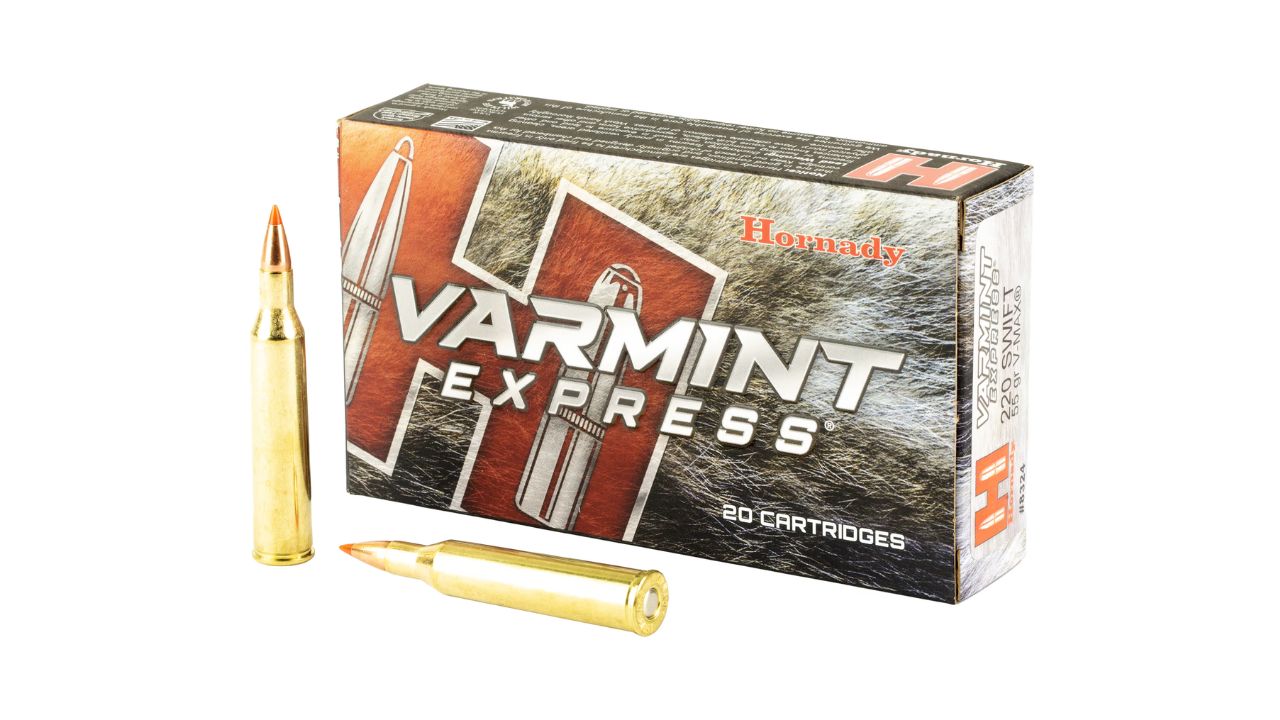
The .220 Swift is legendary for its speed—and also for burning out barrels like they’re paper straws. It was revolutionary once, hitting velocities other cartridges could only dream of. But today, there are better options that offer similar performance without chewing through your barrel life in a few hundred rounds.
Handloading helps manage the heat, but even then, you’re fighting physics. The Swift is temperamental, expensive to shoot, and not as forgiving as more modern .22 caliber options like the .22-250 or .204 Ruger. Ammo makers still load for it, but fewer rifles are being chambered in it for a reason. You’ll hear guys brag about their old Swift now and then—but they’ll also admit they don’t shoot it much anymore. It’s a racehorse that should’ve been retired while it still had a good name.
.257 Roberts

Plenty of old-school hunters still praise the .257 Roberts as a great light-recoiling deer round. But it never really caught on the way it could’ve. Factory ammo is usually watered down, loaded well below its potential, and hard to find outside of specialty shops. Performance is decent, but you can match or exceed it with other cartridges that are easier to get.
Handloaders love to talk about how you can “wake it up,” but that’s a whole project in itself. When a round requires custom loading to even compete with common stuff like the .243 or 6.5 Creedmoor, it’s no longer worth chasing. Ammo makers keep it on life support for the sake of tradition—but it hasn’t been a serious contender in decades. You’re better off with something that doesn’t need a disclaimer.
.45 GAP
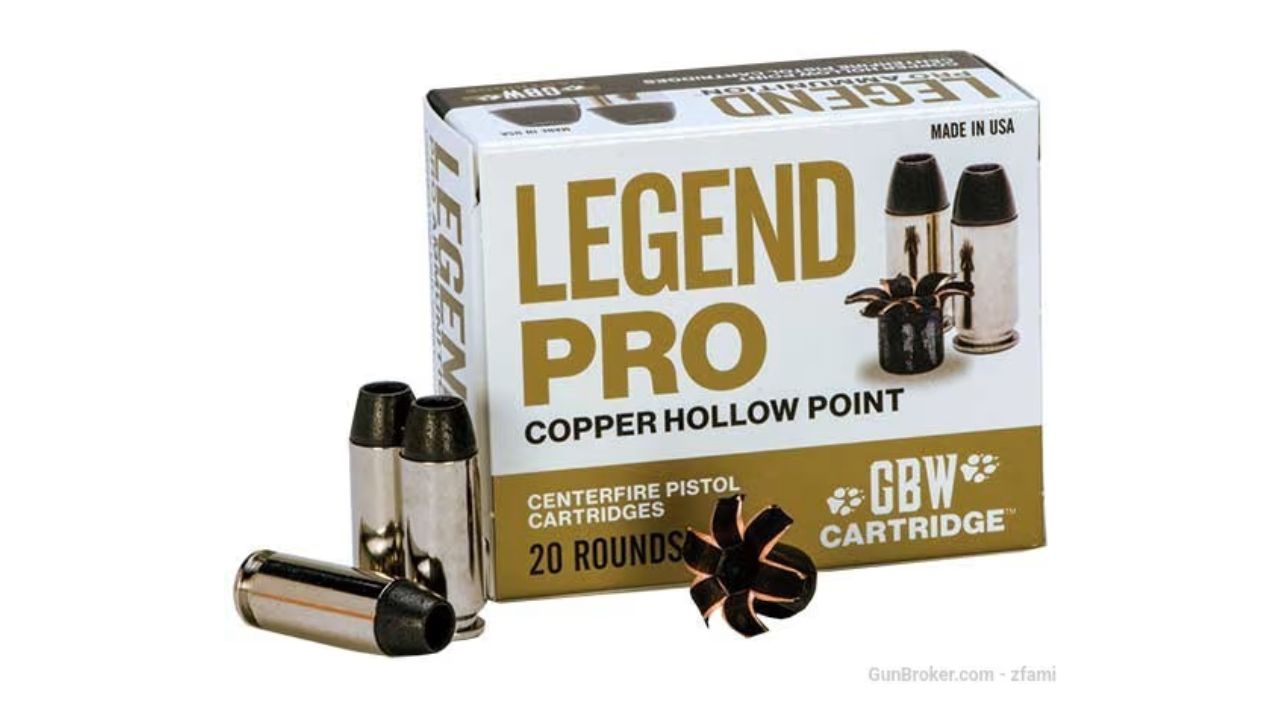
The .45 GAP was Glock’s answer to a question nobody asked. It was supposed to offer .45 ACP ballistics in a smaller frame. Problem is, it didn’t actually outperform .45 ACP, and it ended up being incompatible with everything else on the market. Ammo is scarce, expensive, and often underpowered compared to what it promised.
You won’t find many pistols chambered in it anymore, and those who own one are usually sitting on a pile of brass they can’t reload without hunting down obscure components. The round was DOA for law enforcement, and civilian shooters never really took to it. Still, ammo makers run off small batches every so often, pretending there’s still demand. It’s time to let this one die and stop pretending it was ever needed.
.32 ACP
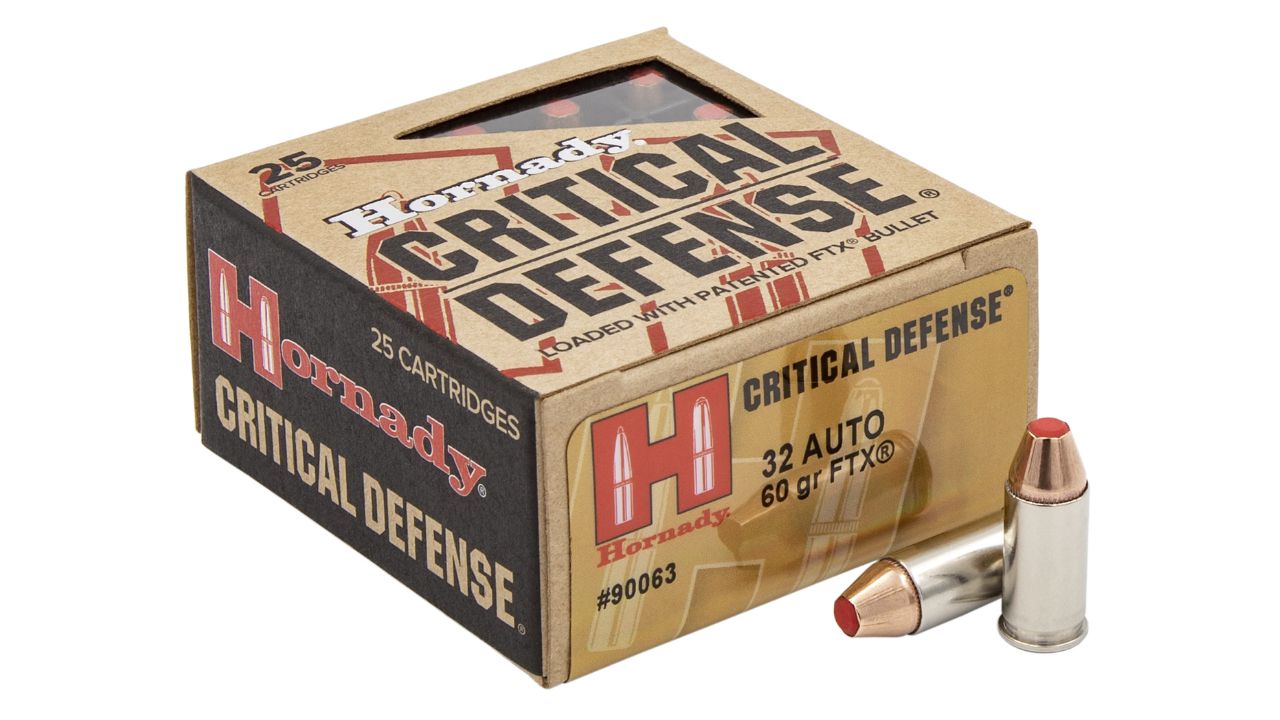
The .32 ACP had a long run in pocket pistols, but that run should’ve ended years ago. It’s underpowered by modern standards, lacks reliable expansion, and doesn’t penetrate consistently. With modern ammo, even .380 has passed it by in terms of performance and availability.
People still talk it up in relation to James Bond or the old European police pistols, but nostalgia doesn’t stop a threat. Recoil is light, sure, but so is the terminal performance. Ammo is overpriced for what little you get, and most guns chambered in it are outdated and unreliable. It’s not flat enough to compete with .22 LR for plinking, and it’s not strong enough for defense. If there’s one handgun caliber we should finally stop pretending has value, it’s this one.
Like The Avid Outdoorsman’s content? Be sure to follow us.
Here’s more from us:
The worst deer rifles money can buy
Sidearms That Belong in the Safe — Not Your Belt
*This article was developed with AI-powered tools and has been carefully reviewed by our editors.