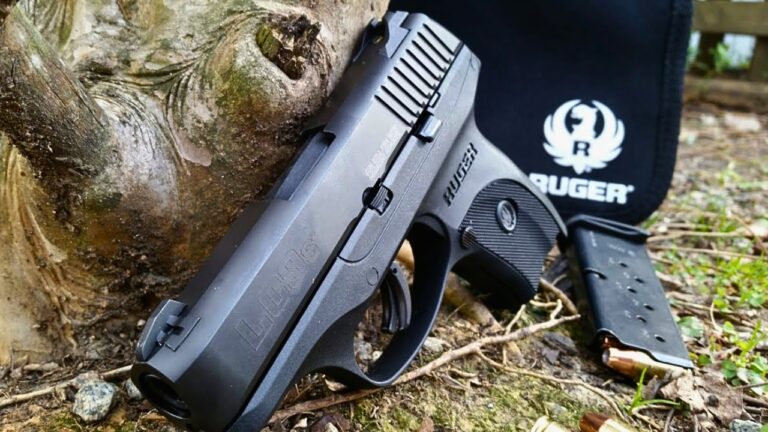
Photo credit: Hammer Striker/YouTube
Pistols that chew through slides don’t always show their flaws right away. Some look and feel fine until the first few hundred rounds start revealing gouges, peening, or uneven wear. A lot of that comes down to metallurgy, tolerances, recoil spring setup, and how the slide interfaces with other parts—especially locking blocks, barrels, and guide rods. Not every gun on this list is a lemon out of the box. Some run great until you push them hard or drop in aftermarket parts that throw the timing off. Others wear prematurely even when left stock. Either way, if you’re running these pistols with high round counts or hot ammo, it’s worth taking a flashlight to your slide every now and then. You might find a surprise or two you didn’t want to see.
Glock 22 Gen 3
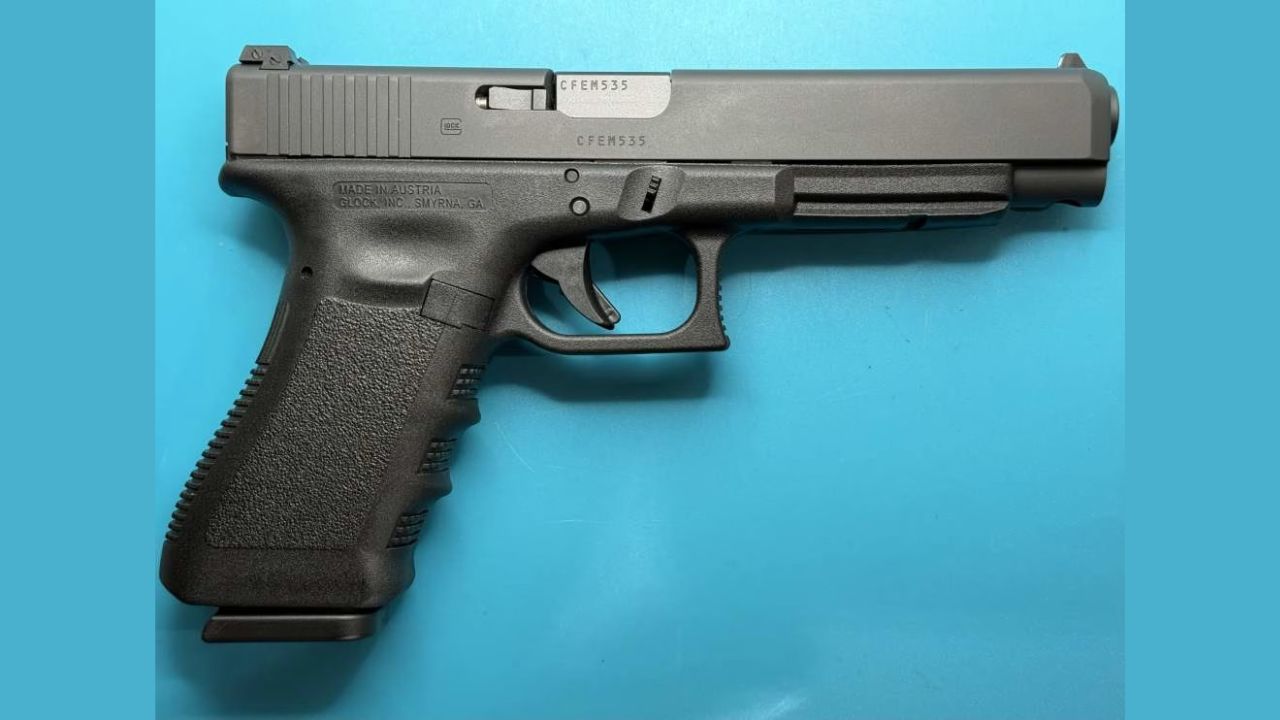
The Gen 3 Glock 22 earned a reputation for battering itself to death in police rotations. The .40 S&W round has a snappy impulse, and early versions didn’t have recoil springs stout enough to handle the abuse. Slide peening near the locking block and guide rod tunnel became a common sight after a few thousand rounds. The frame-to-slide fit isn’t the problem—it’s the slide impacting too hard during lockup. Aftermarket recoil systems helped, but the damage was often already done. You’ll still find Gen 3s in service, but check under the hood. That wear builds fast if you’re not watching.
Sig Sauer P229 .40

The .40-cal P229 is a tank, but that doesn’t mean it ages well. The machined stainless slides hold up better than the alloy frames, but locking lug wear is something you’ll notice sooner than you’d like. Especially with high-pressure duty loads, the lugs and barrel hood start rounding off, and the slide face can take a beating. Some shooters try to stretch recoil spring changes and end up with rails that look hammered. The P229 still runs under stress, but it’s worth checking for uneven wear every 1,000 rounds or so. That slide doesn’t last forever—especially when it’s eating hot .40.
Beretta PX4 Storm

The rotating barrel system in the PX4 can make for smooth recoil, but it also creates some unexpected wear patterns. The cam block that rotates the barrel can dig into the underside of the slide over time. You’ll notice peening around the barrel lug recess and uneven finish wear inside the slide rails. It’s worse if you shoot hotter ammo or delay spring replacements. Beretta’s compact versions seem to suffer more than the full-size, but the issue shows up across the board. With regular inspection, it won’t ruin the gun—but it’s something you can’t ignore if you shoot often.
FNX-45 Tactical
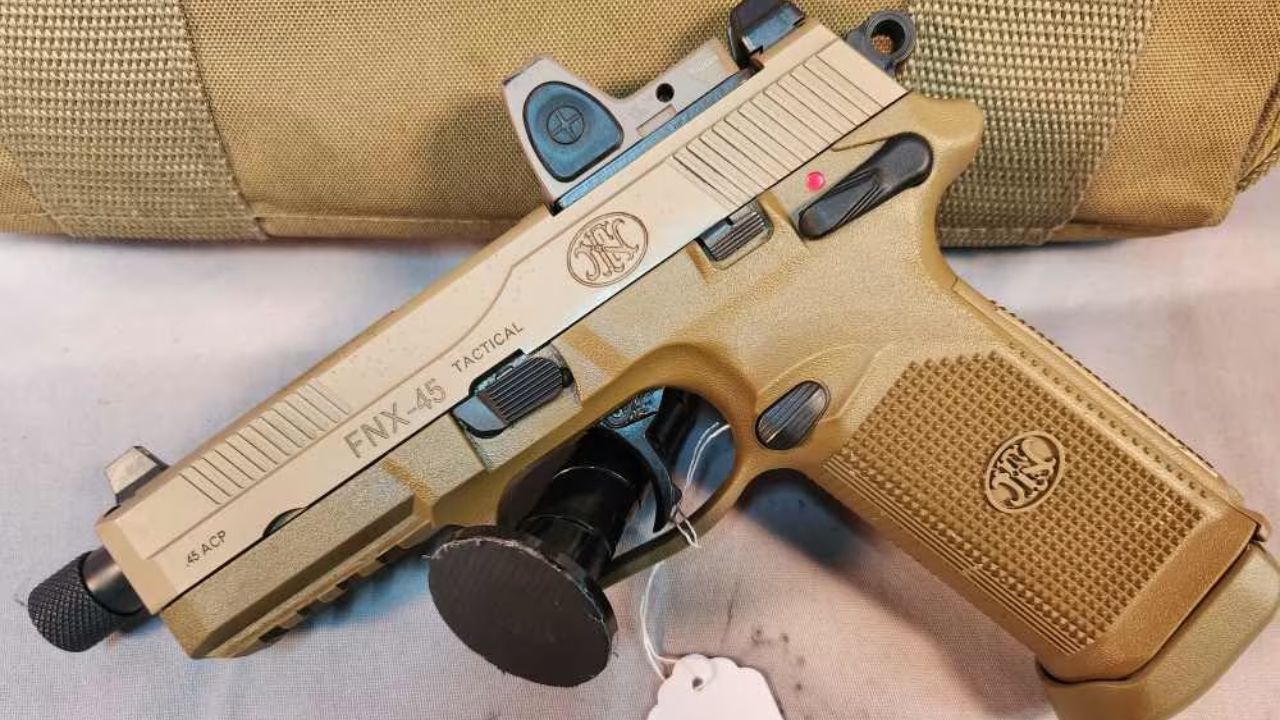
The FNX-45 Tactical is a beast, but it has a known issue with the slide rails and barrel lugs wearing fast under high volume. With a high bore axis and a big .45 ACP slide, the recoil impulse isn’t light. Combine that with a tilting barrel and a lot of moving mass, and you start to see gouging around the slide’s locking recesses and rear rails. The problem doesn’t always show up in the first thousand rounds, but once it starts, it’s hard to ignore. Lubrication helps, but even well-maintained FNX-45s can show unexpected slide wear after extended use.
Springfield XD .40
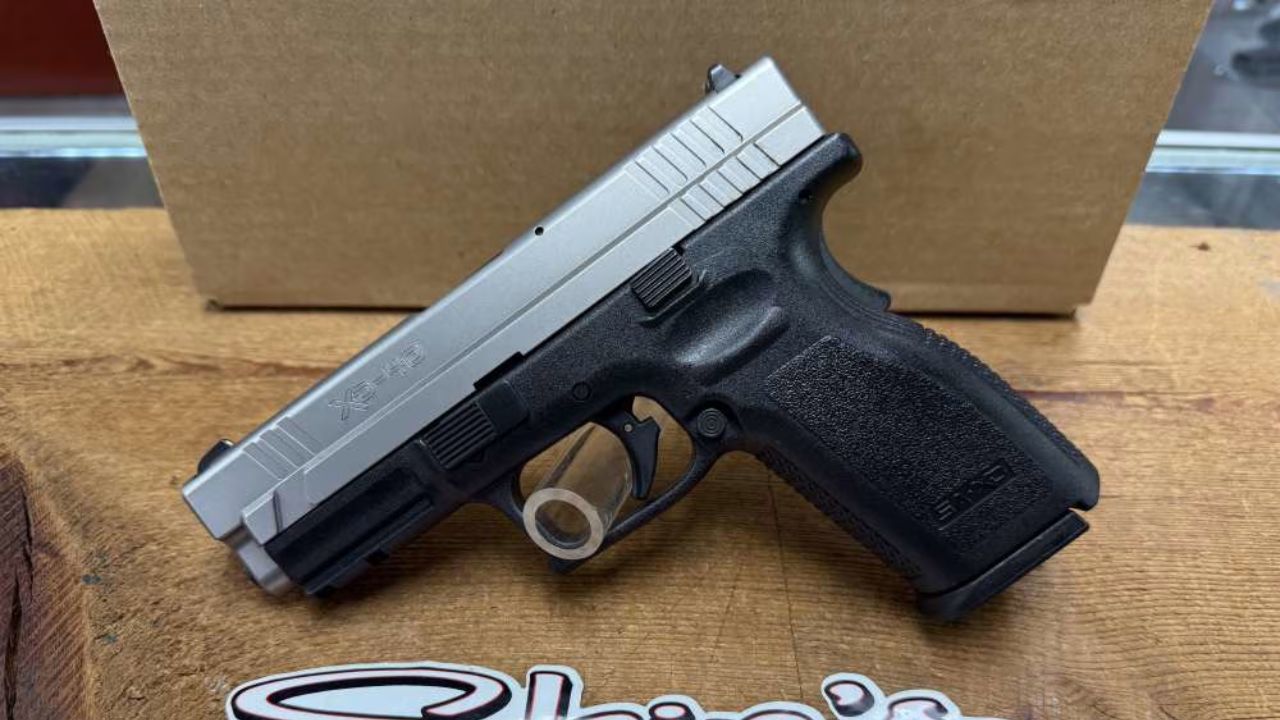
The .40 S&W version of the Springfield XD doesn’t handle slide wear as well as its 9mm counterpart. The slide-to-barrel lockup wears unevenly, and you’ll often find peening near the barrel hood recesses. Recoil is sharp, and the dual-spring recoil system doesn’t absorb it as well as you’d expect. After 1,500 to 2,000 rounds, many users start to see finish wear turn into gouges—especially if you’re using defensive or NATO-spec ammo. The frame rails seem to hold up okay, but the slide wear shows up where you can’t always see it unless you’re looking closely.
Walther CCP

The gas-delayed blowback system in the CCP might reduce felt recoil, but it doesn’t do the slide any favors long-term. The delayed unlock adds stress to the slide’s locking surfaces, and some shooters report finish wear, peening, or galling near the barrel recess. The slide’s internal geometry is tight, and once debris starts building up, it creates uneven contact points. That can snowball into premature wear. It’s not a gun designed for high round counts. If you’re running it regularly at the range, keep an eye on those internals. The slide can start showing fatigue well before you’d expect it to.
CZ P-07
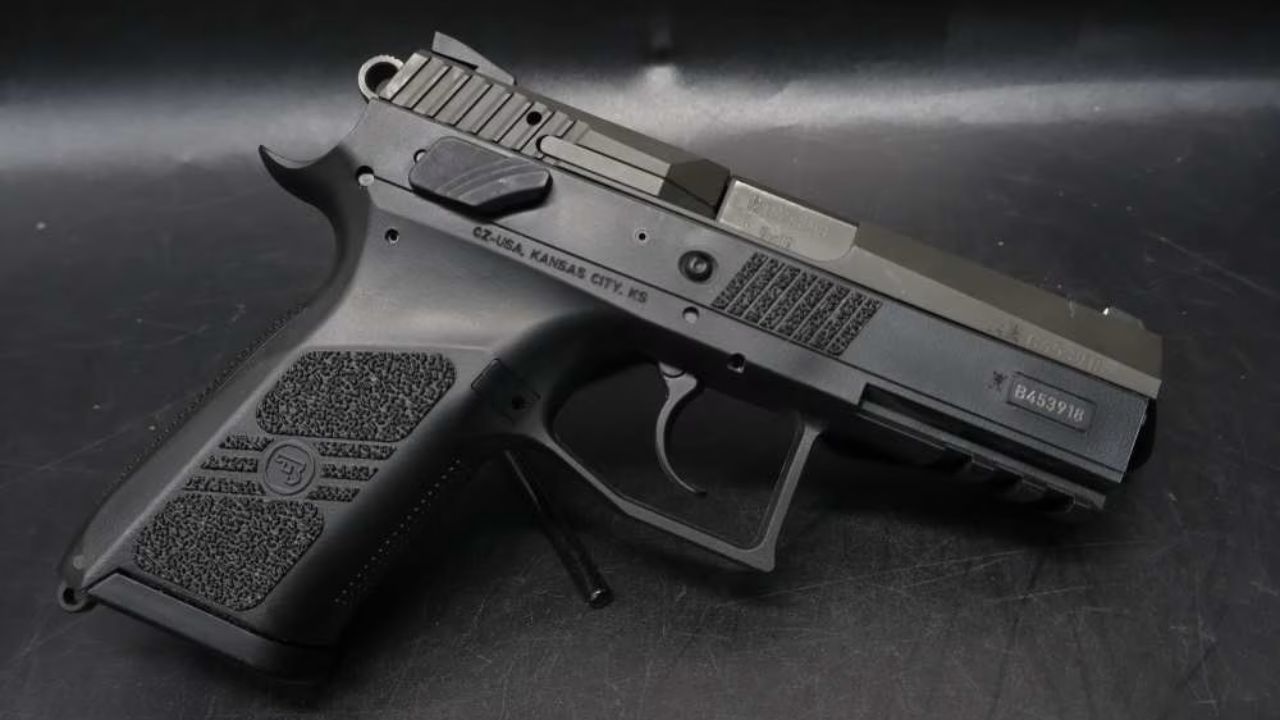
The CZ P-07 is a solid pistol, but some early versions saw slide wear issues—especially where the barrel locks into the ejection port. The dual recoil spring setup helps, but hotter ammo or suppressed use can accelerate wear near the locking block and slide rails. You’ll often see scuffing and wear behind the barrel hood where it impacts the slide during cycling. Later versions improved the finish, but if you’ve got one with high mileage, inspect it under bright light. That smooth DA/SA trigger might feel great, but the slide could be taking more punishment than it shows at first.
KelTec PF-9

The PF-9 wasn’t built to be a range gun, and it shows. After a few hundred rounds, many shooters report galling, wear, or peening inside the slide—especially around the guide rod channel and barrel recess. The ultra-light slide gets battered by the snappy 9mm recoil, and there’s not much surface area to spread the impact. It runs fine when new, but accuracy and function start to decline once the slide starts chewing itself apart. It’s a carry gun, not a training tool. Run it sparingly, or be prepared to replace parts—or the whole slide—sooner than you’d like.
Taurus PT111 G2

The PT111 G2 has been a budget favorite, but its long-term durability isn’t always consistent. The slide shows accelerated wear on the locking surfaces and barrel hood, especially if you’re running steel-cased or hotter loads. Some shooters also report cracking near the ejection port after extended use. The slide finish can wear fast, but more importantly, the metal underneath isn’t the hardest around. It’s fine for casual carry or light range time, but once you get north of 2,000 rounds, expect to see wear that’s more than cosmetic. It’s not a range tank—it’s a short-term option.
S&W SD9 VE
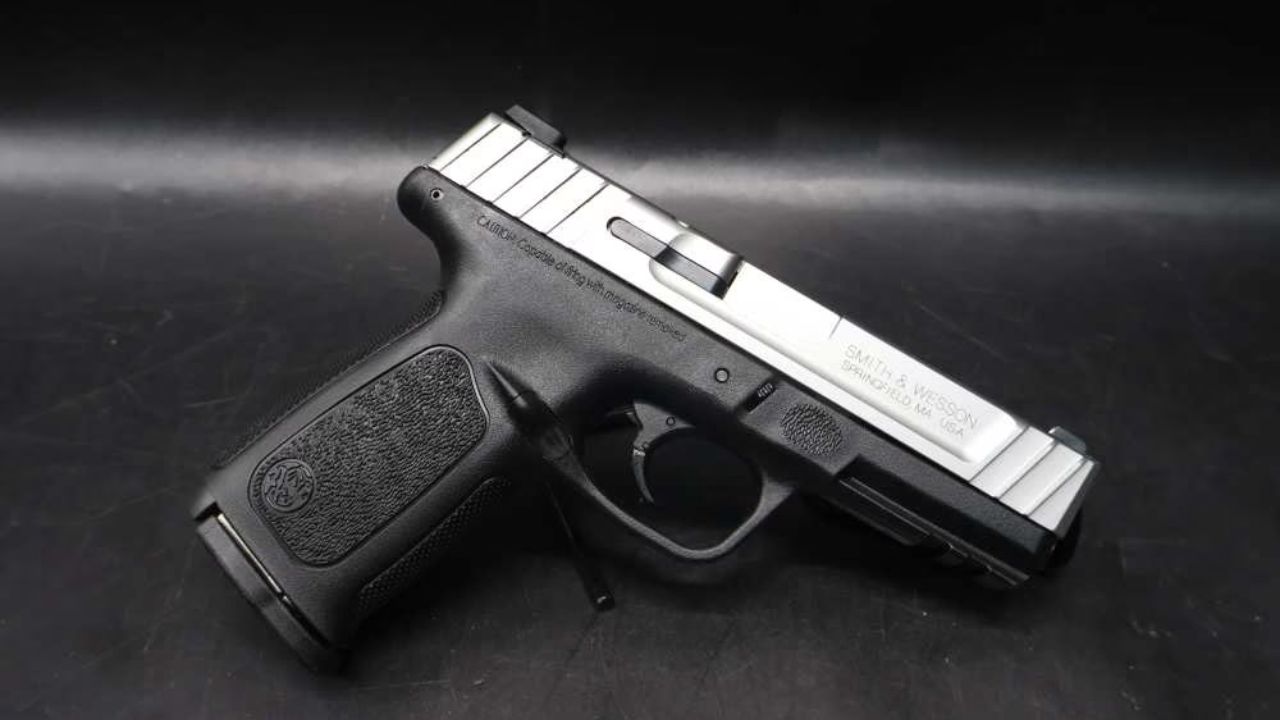
The SD9 VE is built to hit a price point, not a long lifespan. Its slide components—especially the barrel hood recess and rail contact points—start to wear fast under steady use. Even with good lubrication, you’ll see peening and finish loss by the 1,000-round mark. The trigger reset is gritty, and that contributes to inconsistent timing, which can stress the slide during lockup. It’s serviceable as a budget home defense pistol, but frequent shooters often find the slide starts feeling looser over time. If you’re planning to put real mileage on it, you’ll want something with a bit more durability.
Rock Island 1911 A1 GI
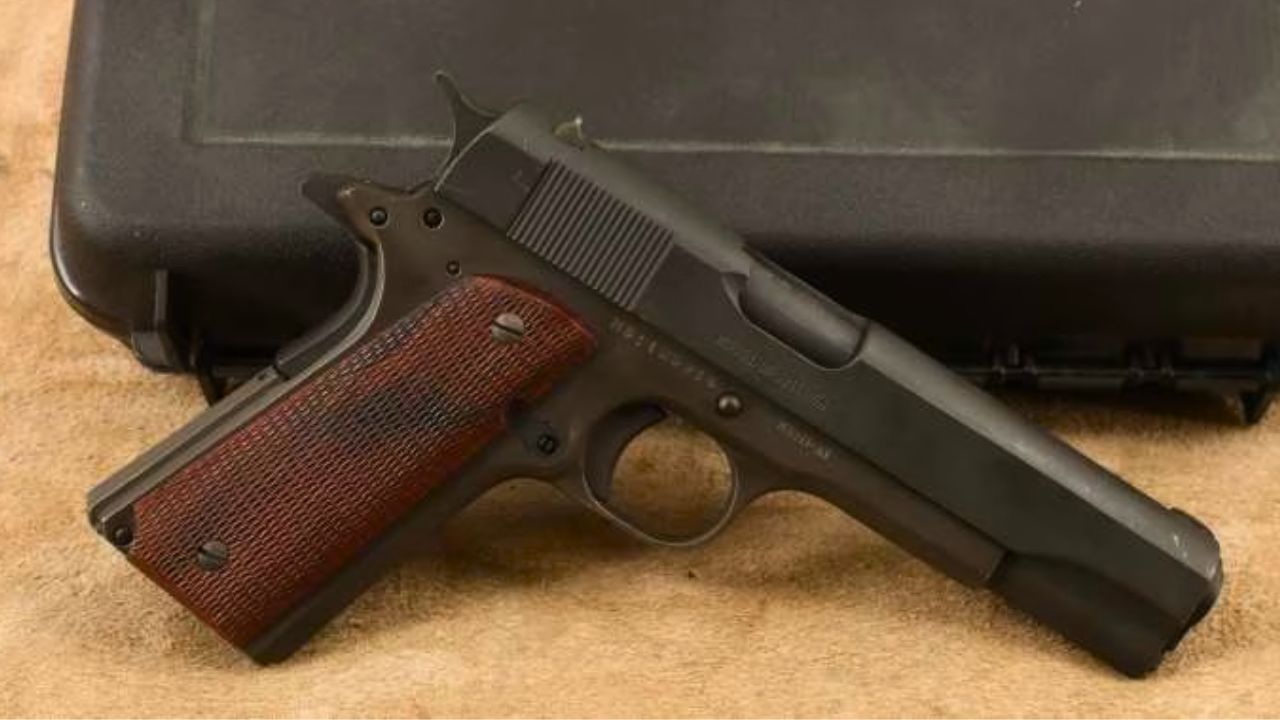
The Rock Island GI 1911 gives you a lot of gun for the money, but don’t expect the slide to hold up like a higher-end build. The parkerized finish wears fast, and under high round counts, you’ll start to see deformation near the slide stop notch and barrel lugs. Fitment from the factory isn’t always tight, which means metal impacts a little harder than it should. That creates more wear on contact surfaces than a properly tuned 1911. It’s great for learning or tinkering, but if you’re shooting thousands of rounds through it, expect the slide to show it.
Like The Avid Outdoorsman’s content? Be sure to follow us.
Here’s more from us:
The worst deer rifles money can buy
Sidearms That Belong in the Safe — Not Your Belt
*This article was developed with AI-powered tools and has been carefully reviewed by our editors.