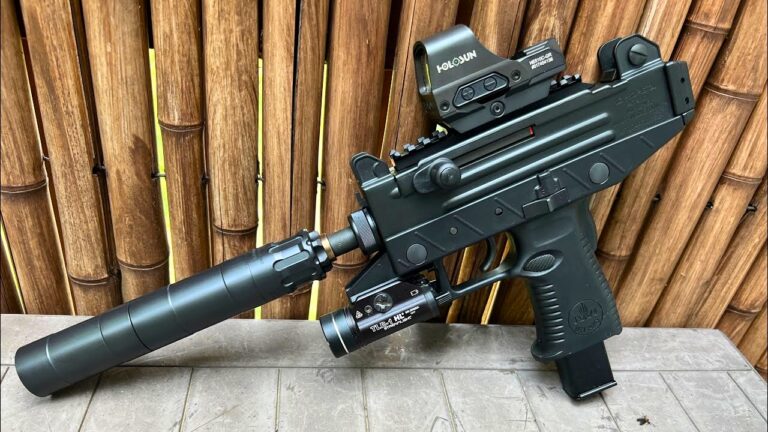
Photo credit: Dmitri T/Shutterstock.com
You hear it all the time—revolvers don’t jam, semis can fail. But that’s not the full story. If you’re looking for a sidearm you can trust, especially when things get ugly or cold, you’ve probably wondered if a six-shot wheelgun really holds the edge over a modern semi-auto. Truth is, both platforms have strengths. Both can—and do—fail. But the kind of failure and when it happens can make a huge difference, especially if your life’s riding on it. And when you dig into how these guns actually perform in the field, the answer isn’t always what the gun counter guy told you. Let’s look at what reliability really means when you’re comparing revolvers and pistols.
Revolvers don’t jam, but they do fail
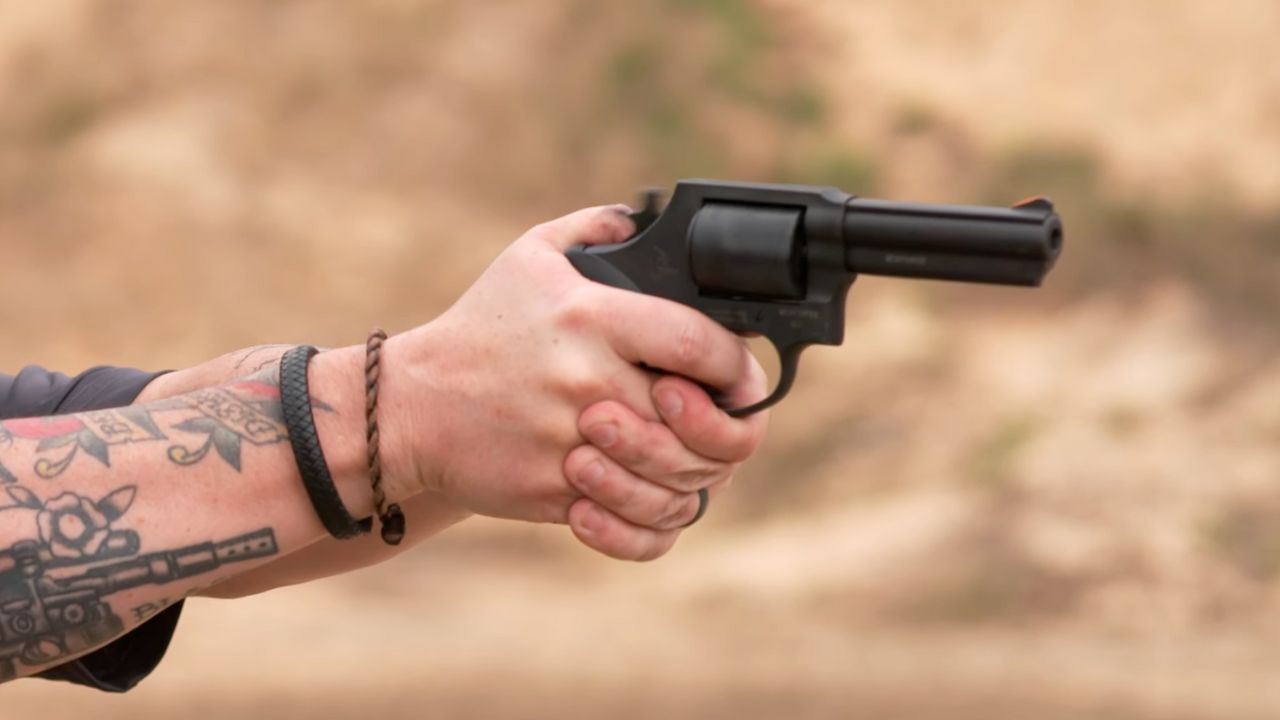
You won’t see a stovepipe in a revolver. You won’t get a failure to feed, or worry if your hollow-points are cycling clean. That’s the big reason people still trust them. But revolvers can lock up tight when they get dirty, out of time, or when debris gets under the ejector star. That failure isn’t quick to clear. It’s not a tap-rack situation. When a revolver fails, it usually fails hard, and you’re done shooting unless you can fix it on the bench. It’s rare—but it does happen, and when it does, it’s game over.
Semis fail more often—but not always fatally
Every semi-auto owner has had a bad round, a limp wrist, or a mag that didn’t seat right. But modern pistols—especially duty-sized models like the Glock 17 or SIG P320—are remarkably good at running through full mags without issue, even in rough conditions. When a failure does happen, you can usually clear it in seconds. You’re back in the fight with a rack and a slap. Unlike a revolver, a pistol gives you the chance to fix the problem fast. That margin can matter more than you think when everything’s moving fast.
Capacity favors the pistol every time

This isn’t new information, but it still matters. A revolver gives you five or six rounds, maybe seven or eight if you’re running something larger. A pistol? Fifteen to twenty isn’t hard to come by, and even micro-compacts are hitting double digits now. If reliability means being ready for whatever’s coming, that round count gives you breathing room. You might never need that many—but if you ever do, a revolver is going to run dry fast. In a world where every shot matters, having more chances on tap can be its own kind of reliability.
Revolvers win when you neglect them
If your gun’s going in a glove box for five years, or you’re the type to skip cleaning until it’s crusty, a revolver won’t mind as much. It’s got fewer springs, no slide to cycle, no feed ramp to clog. Pull the trigger, it goes bang—so long as the ammo isn’t bad and nothing’s rusted solid. That makes it a great choice for backup guns, bugout bags, or rural carry where maintenance gets spotty. Pistol guys might not want to hear it, but when it comes to long-term storage, a revolver doesn’t care how lazy you are.
Pistols are more forgiving of ammo quirks

We all know someone who loads whatever’s cheapest. With revolvers, that can come back to bite you. High primers, swollen brass, or soft lead bullets can cause a cylinder to bind up—fast. With pistols, especially modern striker-fired ones, you’re less likely to see mechanical lockup from bad ammo. Sure, it might not feed clean every time, but it’ll rarely take the whole gun out of commission. If you’re shooting questionable reloads or mixing brands, a pistol might run a little dirtier—but it’ll keep running.
Cold weather exposes both designs
Ever tried to shoot a snub-nose revolver with gloves on? Trigger’s heavy, hammer’s small, and there’s no easy way to fix anything if it gets sluggish. On the flip side, pistols can suffer when lube thickens up or carbon starts to slow the slide. The truth is, neither design is perfect when the mercury drops. But you can train around pistol failures. With a revolver, you’re stuck with whatever that double-action pull feels like in thick gloves. Cold won’t care what you’re carrying. The gun that works best is the one you can actually run.
The right answer depends on your worst-case scenario
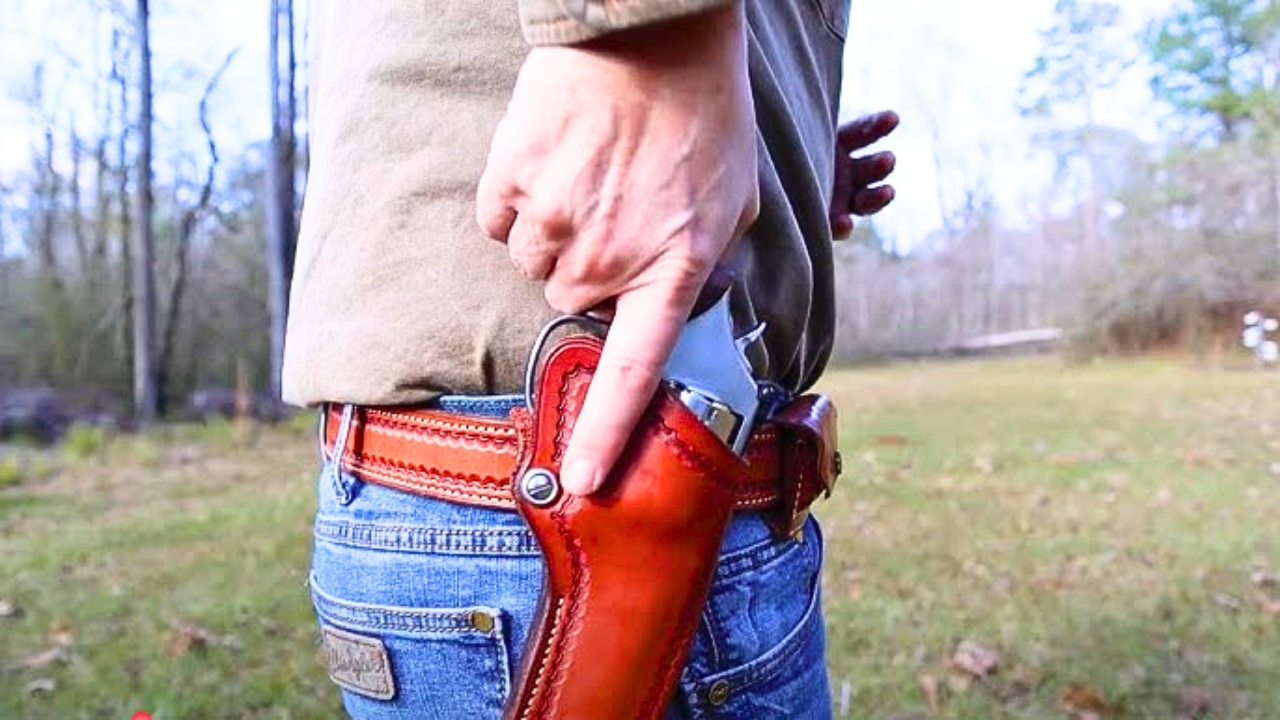
If your nightmare is a one-time life-or-death shot in the dark, a clean, quality revolver might be your best bet. If your nightmare is multiple attackers, reloads under stress, or clearing a malfunction in the mud, a semi-auto has better odds. Reliability isn’t just about how often something breaks. It’s about what happens when it does—and how fast you can get back in the fight. That’s where experience, training, and honest thinking come into play. Not every revolver’s invincible. Not every pistol’s fragile. Know your gun. Know yourself. And plan for the worst day, not the best.
Like The Avid Outdoorsman’s content? Be sure to follow us.
Here’s more from us:
The worst deer rifles money can buy
Sidearms That Belong in the Safe — Not Your Belt
*This article was developed with AI-powered tools and has been carefully reviewed by our editors.