Photo credit: Mehaniq/GunBroker
Ballistics charts can make any cartridge look impressive. High velocity, flat trajectory, and glossy marketing convince hunters that newer automatically means better. But when you get out in the field, numbers can’t tell the whole story. Real hunts expose flaws that paper can’t—like poor bullet construction, erratic performance in bad weather, and cartridges that just don’t hit animals the way they should. Some rounds look exceptional on spec sheets but crumble under practical use. They might perform well on steel or paper, but they fail to anchor animals cleanly or lose steam faster than their reputation suggests.
You’ve probably seen some of these hyped-up calibers praised online, but talk to experienced hunters, and the tune changes. Real-world hunting tests reveal where they come up short—whether it’s marginal energy, bad wind drift, or unreliable expansion. Here are twelve cartridges that look great on paper yet routinely let hunters down when the shooting gets serious.
6.5 Creedmoor
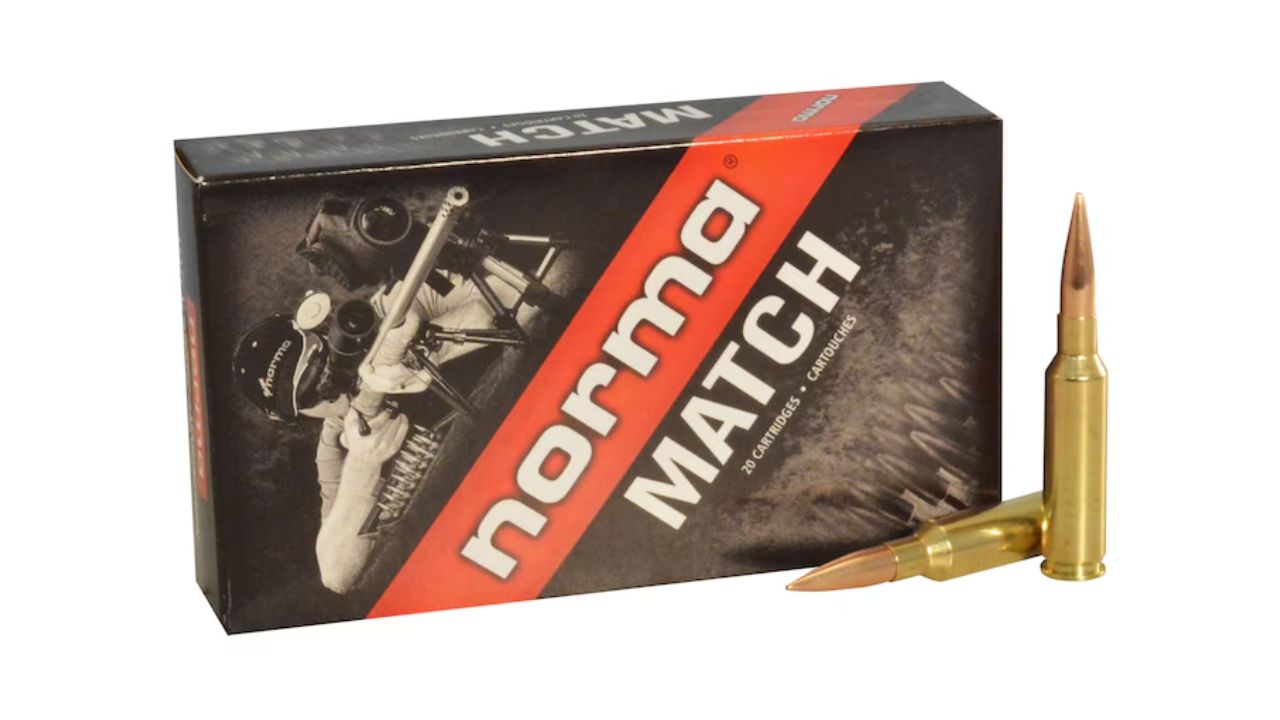
The 6.5 Creedmoor dominates magazine covers and forums, but in the field, it doesn’t always live up to its reputation. It’s efficient, accurate, and low-recoiling—no argument there. The issue is terminal performance. With light-for-caliber bullets and marginal energy on bigger game, it struggles to deliver clean kills on elk or larger-bodied deer unless shot placement is absolutely perfect.
Hunters drawn in by its ballistic charts often forget it’s still a moderate cartridge, not a powerhouse. At longer ranges, it bleeds velocity faster than advertised, and expansion can be inconsistent. While it’s deadly in the right hands, too many shooters treat it like a miracle round. The Creedmoor’s strength is precision, not punch, and that catches newcomers off guard when their first elk doesn’t drop as quickly as expected.
.243 Winchester

On paper, the .243 Winchester looks like the ultimate dual-purpose round—flat-shooting, mild recoil, and capable of taking deer and varmints alike. In reality, it’s a finicky cartridge that demands perfect shot placement and premium bullets. It doesn’t forgive mistakes.
At typical deer distances, it can work beautifully. But stretch it past 200 yards, or use lighter bullets, and you’ll start seeing poor penetration and shallow wound channels. On tough game like hogs or big mule deer, it often fails to exit, leaving minimal blood trails. Many hunters who bought into its versatility end up realizing it’s more of a specialist cartridge. Great for coyotes and small whitetails—but overrated when it comes to rugged, real-world hunting where things rarely go as planned.
.22-250 Remington

The .22-250 Remington looks stellar on paper—blistering velocity, laser-flat trajectory, and pinpoint accuracy. But field experience tells a different story. It’s a varmint round, plain and simple, and it lacks the bullet weight or energy for anything larger. Many hunters learn that the hard way after trying it on medium game like deer or hogs.
Even with premium bullets, the light projectiles can fragment on impact, leading to shallow wounds and long tracking jobs. It’s deadly on coyotes and prairie dogs, but once you use it outside its lane, it becomes unreliable fast. The .22-250’s impressive numbers fool people into thinking it’s more than it is. It shines on the bench, but in the field, energy and bullet weight matter far more than flat trajectories ever will.
.350 Legend
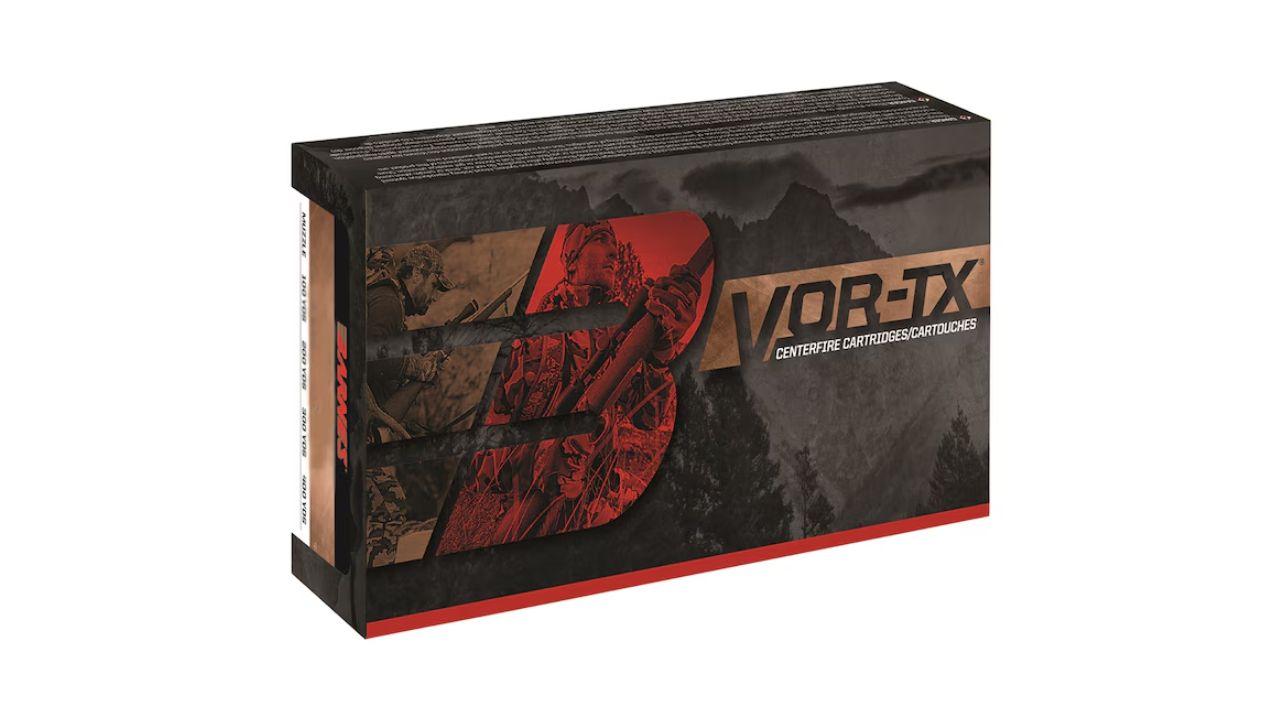
The .350 Legend made a splash with its “modern straight-wall” marketing, but in the field, its limitations show quickly. It’s slow, its bullet selection is limited, and its downrange energy is disappointing. The numbers look better than older straight-walls, but that’s not saying much.
At 100 yards, it performs well enough for whitetails. Beyond that, drop and drift become extreme. Expansion can also be inconsistent, especially with soft-point bullets. Many hunters who bought into the hype expecting a flat-shooting, all-purpose deer cartridge realize it’s more like a .30-30 in performance—and not always as effective. It’s fine for short-range hunts in restricted states, but calling it revolutionary is a stretch. Paper ballistics flatter it more than it deserves.
.224 Valkyrie

The .224 Valkyrie promised to bring long-range performance to AR platforms, but it’s been plagued by inconsistency. On paper, it looks like a dream—high BC bullets, moderate recoil, and extended reach. In practice, it suffers from accuracy issues caused by inconsistent twist rates and bullet stability problems.
Even when it groups well, it underdelivers on energy downrange. Heavier .22-caliber bullets simply don’t carry enough punch for larger game, and expansion is unreliable past a few hundred yards. Many shooters found that their “match-grade” loads didn’t live up to the advertised ballistics in real rifles. It’s a neat concept that works in very specific setups, but in hunting situations, it flops hard.
.300 Blackout

The .300 Blackout looks versatile—one cartridge that can handle supersonic hunting and subsonic suppressed shooting. But on game, especially when using subsonic loads, it’s underwhelming. The heavy, slow bullets don’t expand consistently, and energy falls off quickly past 75 yards.
Even with supersonic ammo, the trajectory drops steeply, making range estimation critical. Hunters expecting clean kills past 100 yards are often disappointed. The .300 BLK excels in tactical roles or for hogs at close range, but it’s a poor performer on anything larger or farther. It’s a cartridge that looks balanced in data charts but proves extremely situational in the field. For most hunters, it’s more novelty than necessity.
7mm-08 Remington
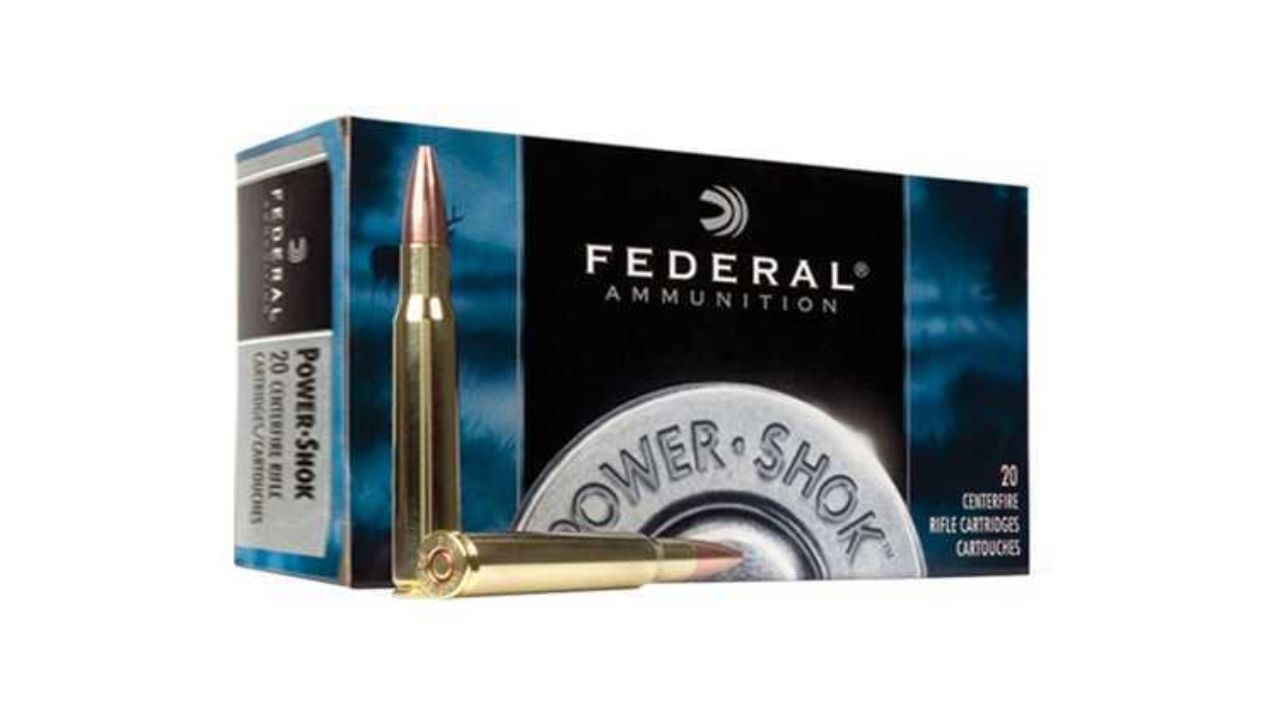
The 7mm-08 has a loyal following, but its performance can be misleading. Ballistically, it looks strong—especially with modern bullet designs—but many hunters find it underwhelming on larger game. The light recoil and mild powder charge make it accurate, but they also limit impact energy at distance.
In the field, that means marginal penetration on elk or heavily built deer, especially with softer bullets. It’s great for youth and recoil-sensitive shooters, but it’s not a do-it-all round. On paper, it sits neatly between the .308 and 6.5 Creedmoor. In practice, it’s often the worst of both worlds—less punch than the .308 and less consistency than the Creedmoor. It performs, but not nearly as dramatically as its charts suggest.
6mm Creedmoor
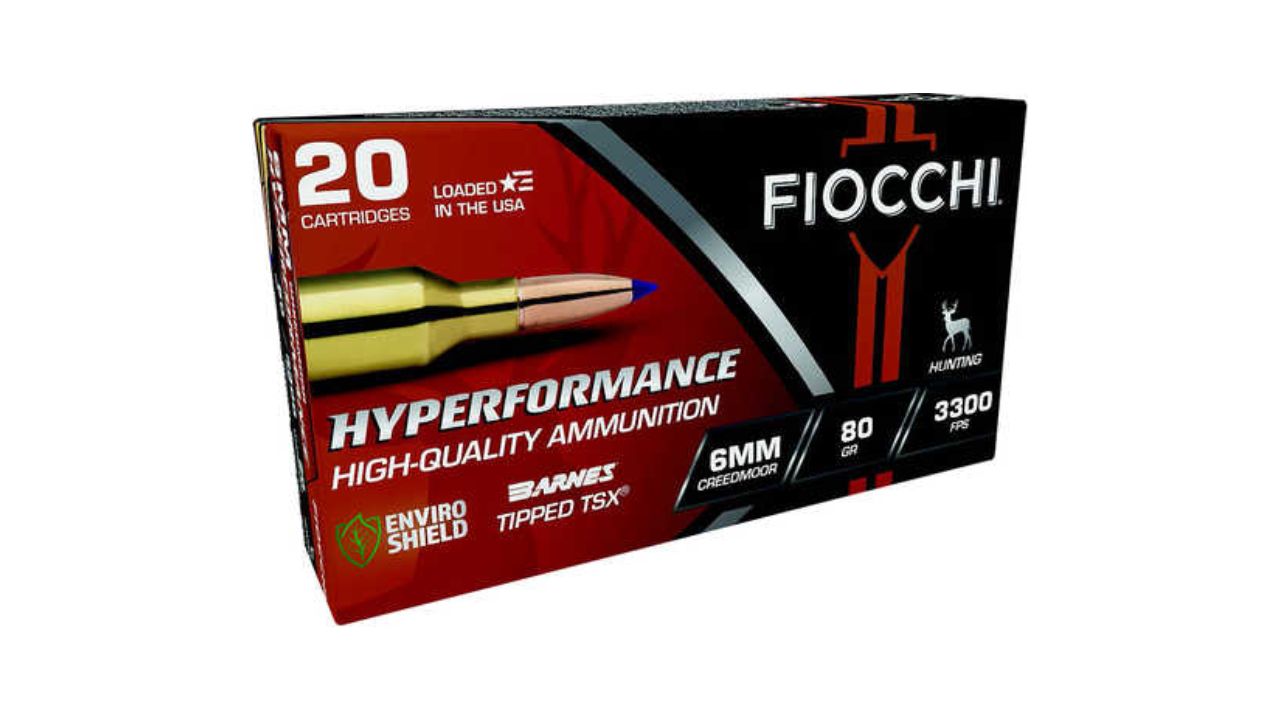
The 6mm Creedmoor’s rise followed the 6.5 craze, promising even flatter trajectories and lighter recoil. It delivers that on paper, but its real-world performance can be disappointing. The small, fast bullets have limited penetration, and on tough game, expansion can be erratic.
Wind drift also becomes an issue at distance—more than many shooters expect. It’s a great round for competition or varmints, but it’s borderline for big-game hunting. In the field, the 6mm Creedmoor behaves more like a glorified .243 than a true hunting powerhouse. For deer-sized game at moderate range, it’s fine. But the moment conditions get rough, or shots stretch, its lightweight bullets start showing their limits.
.25-06 Remington

The .25-06 Remington looks flawless in ballistic tables—high velocity, flat trajectory, and manageable recoil. But those same traits make it unforgiving. The ultra-fast bullets tend to fragment on impact, especially at close range. Hunters chasing long shots often end up with erratic performance on animals that don’t drop as quickly as expected.
Barrel length and twist rate also affect consistency, meaning real-world results vary widely. It’s an accurate cartridge, but it’s temperamental in wind and brutal on barrels. For open-country hunting with controlled-expansion bullets, it’s effective. But for mixed terrain and unpredictable ranges, it’s far less reliable than its data suggests. The .25-06 impresses on paper but frustrates many hunters in practice.
.257 Weatherby Magnum

The .257 Weatherby Magnum’s numbers are stunning—insane velocity and flat trajectories that seem to defy gravity. But that speed is a double-edged sword. On impact, the high velocity often causes bullets to fragment before deep penetration occurs, especially on deer-sized game at closer ranges.
It’s also notoriously barrel-hungry, heating up quickly and losing accuracy faster than most cartridges. In the field, that means you might have a tack driver for the first few shots and a scattergun by the end of a hunt. The .257 Weatherby works beautifully when conditions are perfect, but for most hunters, it’s overkill that underdelivers where it counts—on consistent, ethical kills.
.30-30 Winchester

The .30-30 has a legendary reputation, and it deserves respect for what it’s done historically. But modern ballistics make it clear—it’s dated. On paper, its energy and trajectory are borderline acceptable for big game, but in the field, those limits become painfully obvious.
The round drops fast, sheds energy quickly, and struggles with consistent expansion from older flat-nose designs. Within 100 yards, it’s effective. Beyond that, it’s unpredictable. Hunters relying on ballistic charts might think it’s capable of more, but wind, drop, and bullet construction say otherwise. It still works fine for brush hunts, but in open country, it’s one of those cartridges that’s all nostalgia and little precision.
.450 Bushmaster
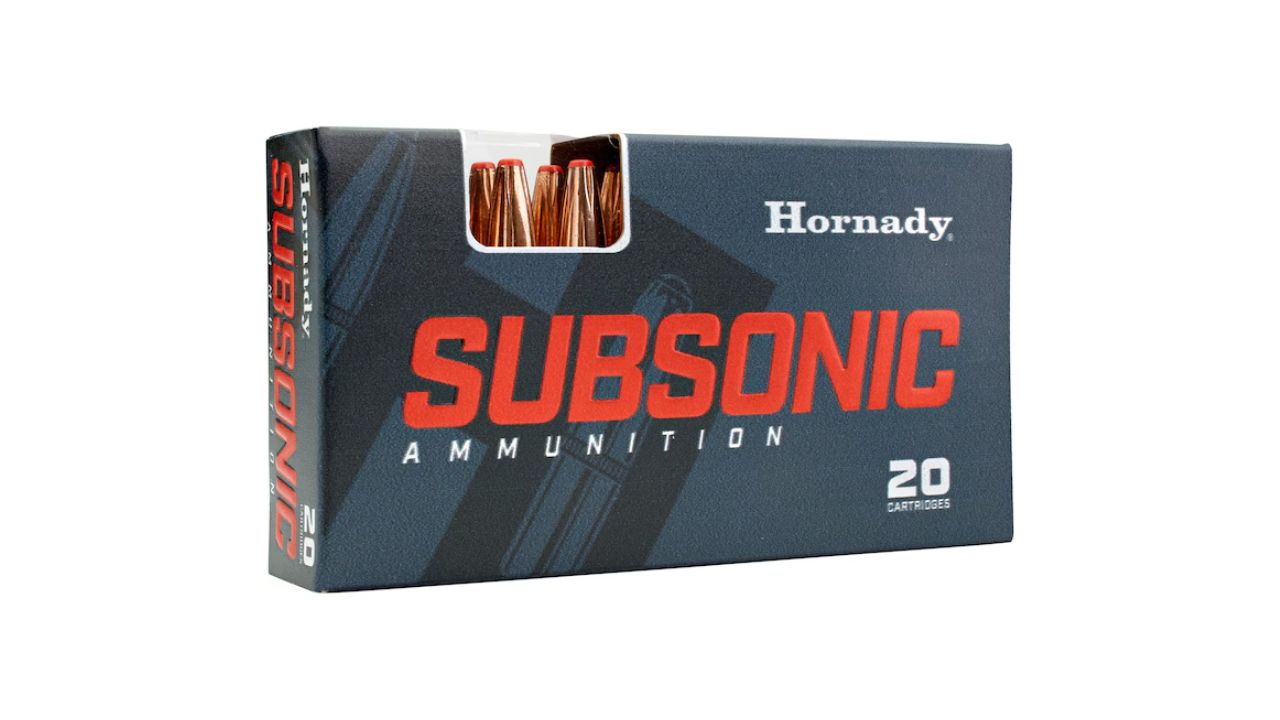
The .450 Bushmaster promises big-bore performance in a semi-auto platform, but it doesn’t deliver consistent field results. It hits hard up close but loses steam fast past 150 yards. On paper, it looks like a modern powerhouse; in reality, it’s slow, loud, and inaccurate beyond its comfort zone.
Its trajectory is more akin to a shotgun slug than a rifle cartridge, and that makes longer shots unpredictable. Many hunters like it for its compatibility with AR rifles, but few keep it once they realize how limited it is in practice. The .450 Bushmaster looks impressive in print, but in real-world hunting, it’s a short-range thumper that struggles to back up its numbers.
*This article was developed with AI-powered tools and has been carefully reviewed by our editors.