Photo credit: timotheos/Shutterstock.com
Every season, hunters buy a rifle they’re sure will change the game—something new, flashy, or different from what’s worked for decades. Then reality sets in. The trigger feels gritty, the bolt binds, or the accuracy never quite comes together. Maybe it’s too heavy to carry up a ridge or too light to hold steady in a crosswind.
By the time deer season ends, that rifle’s already on the trade-in list. The truth is, not every gun that looks good in the catalog performs in the woods. These are the rifles that promise a lot, disappoint more, and teach expensive lessons before the season is even over.
Remington 783
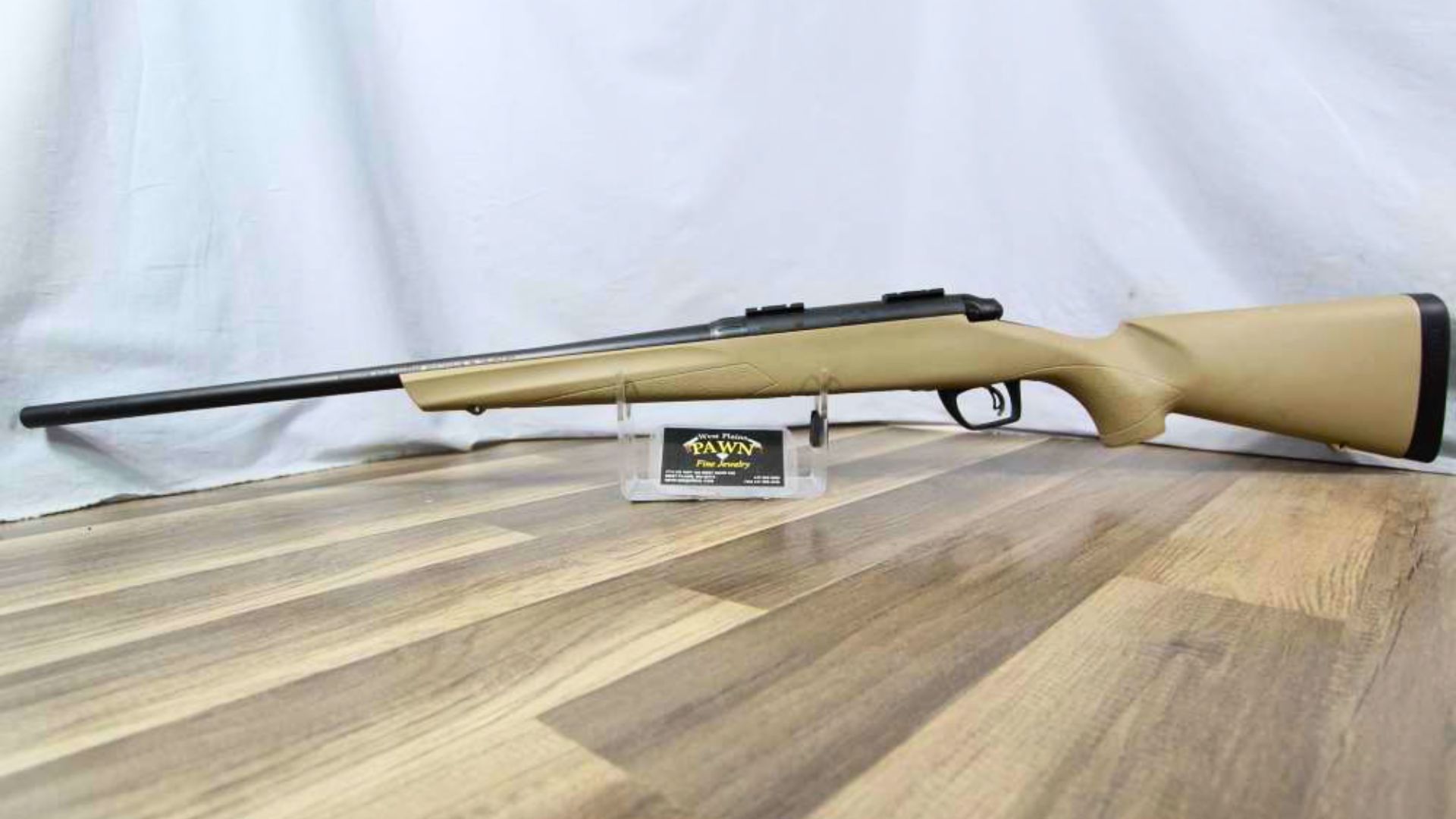
The Remington 783 was supposed to be a budget-friendly alternative to the 700, but it never quite won over hunters. The action feels rough, the stock flexes, and the trigger—though adjustable—never feels consistent. Accuracy is hit or miss depending on the barrel and ammo combination.
It’s not unreliable, but it doesn’t inspire confidence either. In cold or wet weather, the cheap finish and plastic parts start showing their price point quickly. Hunters who picked one up to “get by for the season” often end up frustrated before November’s out. It’s a rifle that does its job on paper but lacks the refinement and dependability you want in the field.
Mossberg Patriot Synthetic

The Mossberg Patriot looks appealing for the money—spiral-fluted bolt, classic lines, decent trigger—but its lightweight stock and rough feeding leave many hunters disappointed. The rifle feels hollow and unbalanced, especially with heavier optics. It’s easy to carry, but it doesn’t sit steady on shooting sticks or in the blind.
Accuracy varies wildly between rifles, with some grouping well and others throwing flyers no matter what you feed them. Hunters who wanted a “budget bolt gun that shoots like a dream” often find themselves checking listings for used Savages or Tikkas halfway through the season. The Patriot isn’t a disaster, but it’s a reminder that looks and specs can’t make up for inconsistent build quality.
Winchester XPR

The Winchester XPR entered the market with solid intentions—modern features at a reasonable price—but it hasn’t aged well with serious hunters. The bolt feels loose, the polymer stock is overly flexible, and the factory trigger doesn’t break clean. When you’re in a stand with gloves on, that vague trigger wall feels worse.
It shoots decently with the right ammo, but field reliability isn’t its strong suit. The action tends to pick up debris easily, and the magazine fit can get sloppy over time. Many hunters trade theirs before the season’s over for something that feels more substantial. The XPR promised to modernize Winchester’s hunting line, but for most, it feels like a step backward.
Savage Axis II XP

The Axis II XP package rifles sell well because they come ready to hunt, but they often disappoint once you get them sighted in. The included scope is barely adequate, the stock is flimsy, and the overall balance makes offhand shooting awkward. You can make them shoot well with upgrades, but that defeats the purpose of buying a budget “turnkey” setup.
The rifle’s accuracy potential is there, but it takes too much tinkering to bring it out. After a few frustrating range sessions, most hunters start wishing they’d spent a bit more for something that’s field-ready from the start. The Axis II XP is the perfect rifle for learning what you don’t want to compromise on.
CVA Cascade

CVA earned respect for their muzzleloaders, but their Cascade bolt-action rifles haven’t impressed everyone. While lightweight and attractive, they often suffer from erratic accuracy with factory ammo. The triggers feel inconsistent from gun to gun, and some hunters report sticky bolt lift after a few boxes of rounds.
It’s marketed as a rugged mountain rifle, but the fit and finish tell a different story. The coating scratches easily, and the recoil pad feels cheap. For hunters who bought one expecting “Tikka-like” accuracy at half the price, the Cascade quickly turns into a regret. It’s not a total flop, but it’s one of those rifles you spend more time adjusting than actually hunting with.
Howa 1500 Mini Action
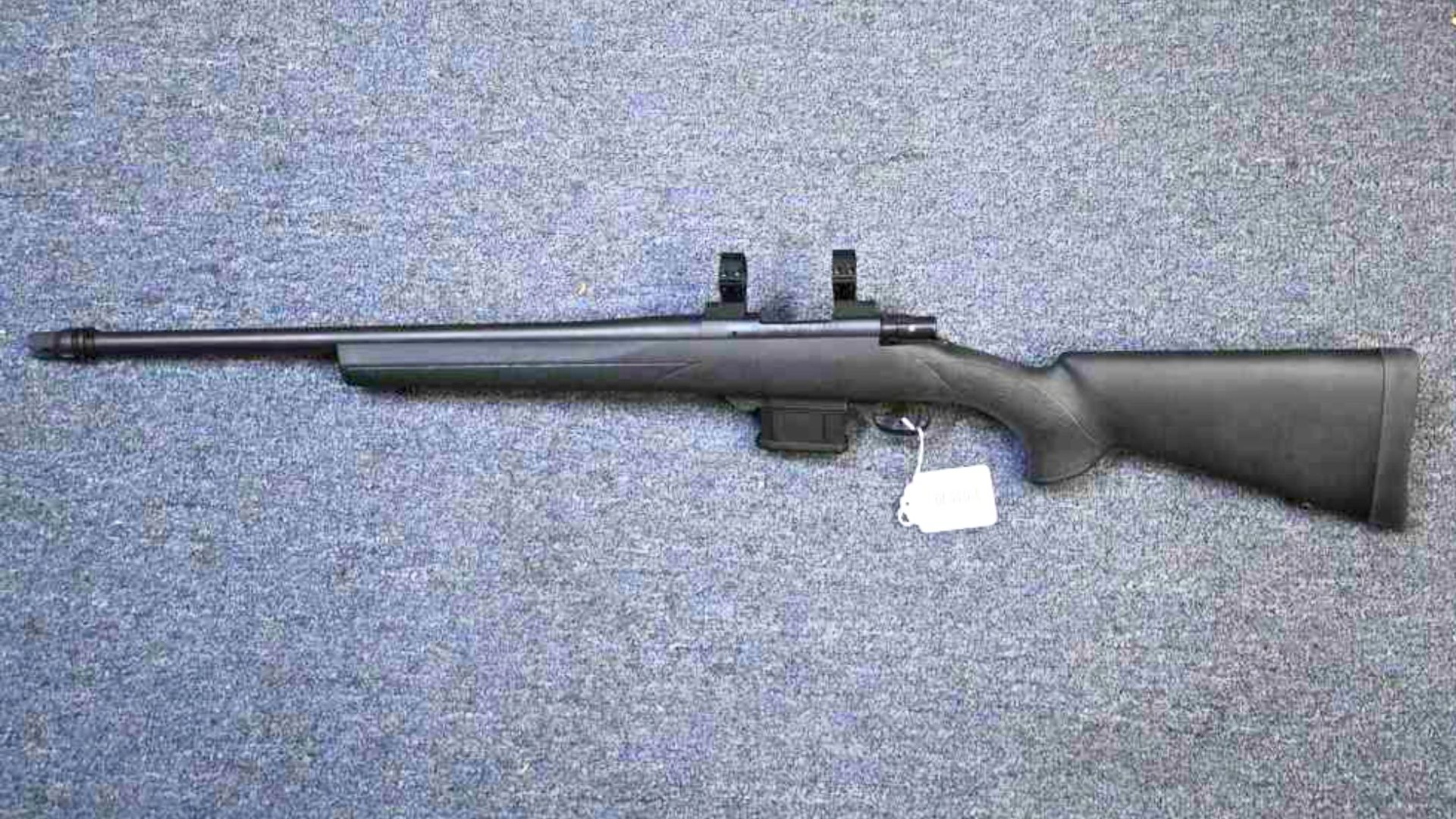
The Howa 1500 Mini Action gets points for concept—lightweight, short-throw bolt, and good accuracy potential—but the execution can frustrate hunters. The magazines are awkwardly long, the release is finicky, and feeding isn’t always smooth. The bolt feels decent, but the cycling lacks the slickness of a rifle in its price range.
For small-caliber hunters chasing varmints or deer in open country, it’s functional. But in cold conditions or quick follow-up situations, it can jam or misfeed if you’re not deliberate. Those who bought it as a lightweight mountain rifle often move on fast, realizing a little extra weight in a full-size action saves a lot of headaches in the field.
Ruger American Go Wild Edition
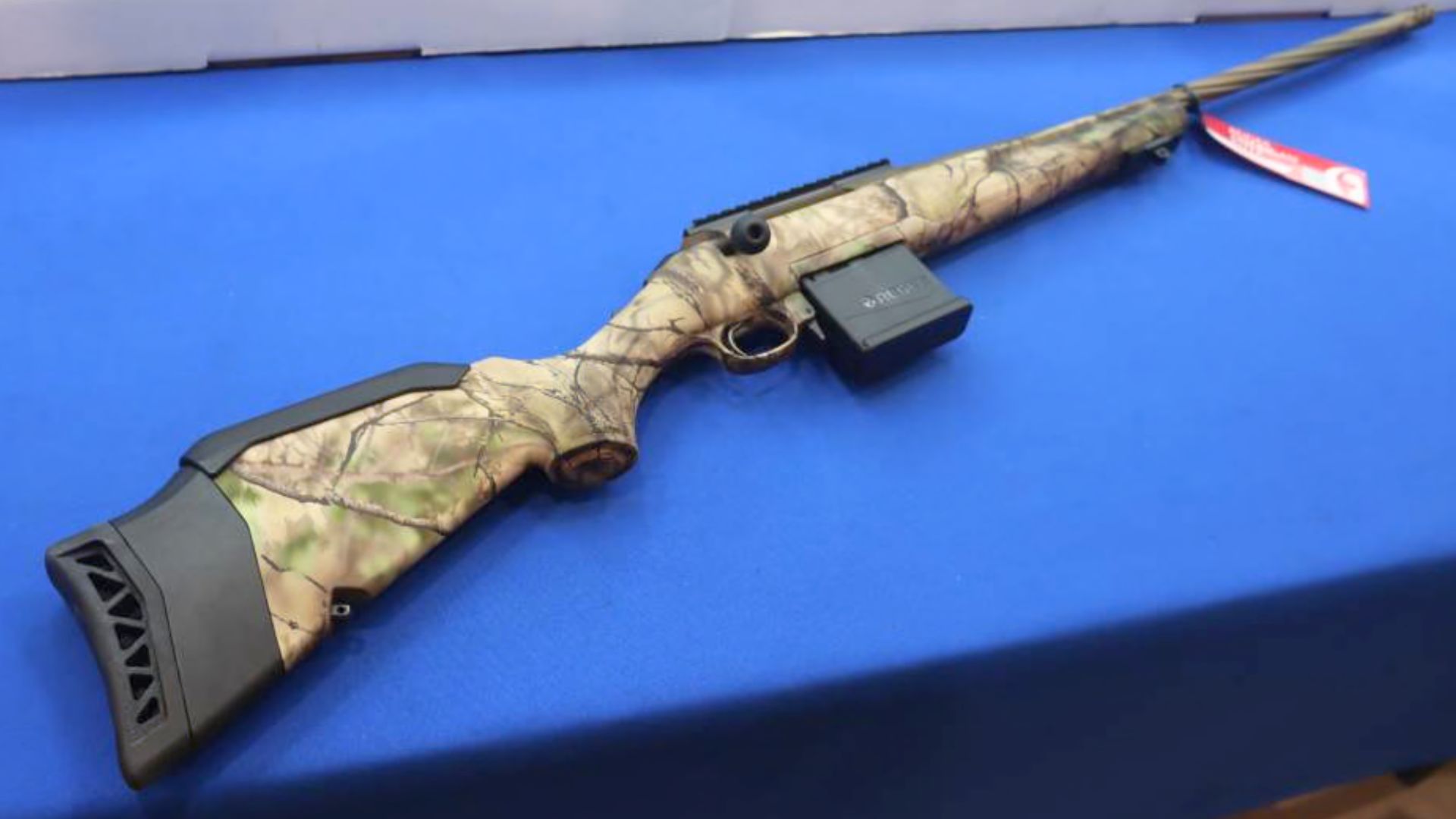
The Ruger American line is popular, but the Go Wild editions have left more than a few hunters cold. The camo and cerakote look nice, but the same problems persist—mushy triggers, stock flex, and random accuracy. The mag system can be temperamental, especially with longer cartridges like .30-06 or 6.5 PRC.
You’ll find yourself chasing zero after every trip, wondering why groups shift between sessions. It’s not unreliable, but it feels inconsistent—a trait that drives most hunters crazy. After a few hunts and a handful of missed opportunities, the Go Wild usually goes back to the store. It’s a rifle that looks better online than it performs on opening morning.
Weatherby Vanguard Synthetic

The Weatherby Vanguard name still carries weight, but the base synthetic models don’t live up to the brand’s reputation. They’re accurate, sure—but they’re also heavy, clunky, and awkwardly balanced. The factory trigger has noticeable creep, and the stock design makes it hard to shoot comfortably offhand.
Many hunters find themselves frustrated by how nose-heavy it feels once optics are mounted. It’s reliable, but not enjoyable to carry or shoot for long. Most end up realizing that for the same money, they could have picked something lighter and more modern. The Vanguard is built like a tank—but unfortunately, it feels like one in your hands.
Thompson/Center Compass II
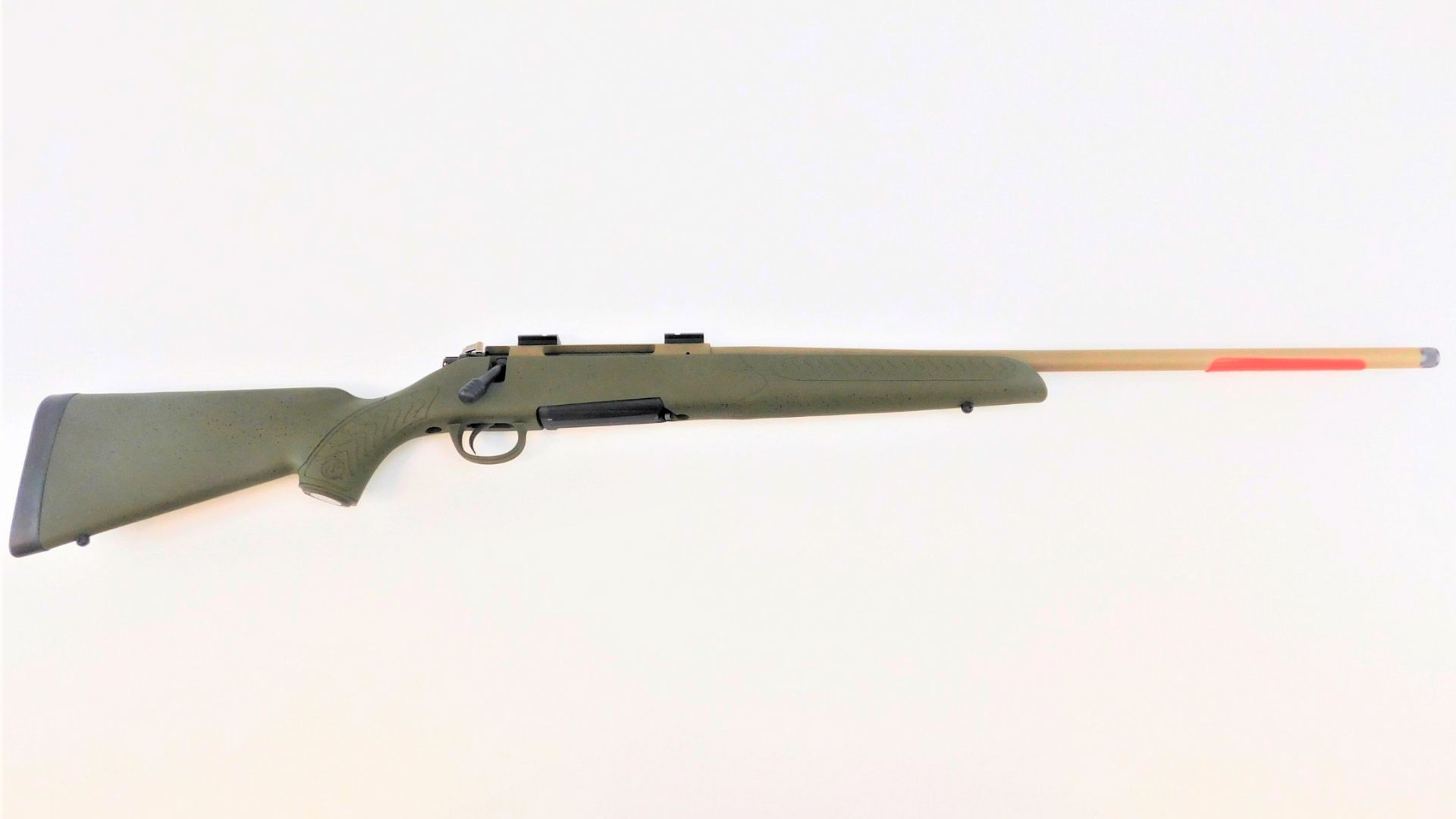
The Compass II was supposed to fix the flaws of the original Compass, but it didn’t quite get there. The trigger improved, but the action is still gritty, and the stock feels hollow. Accuracy can be excellent in perfect conditions but inconsistent in cold or humid weather.
It’s a rifle that looks like a bargain on paper but feels cheap in the hand. The bolt handle design also tends to catch on clothing when slung, which sounds minor until you live with it for a full season. By December, most Compass owners have their eye on something smoother, lighter, and more predictable.
Browning AB3
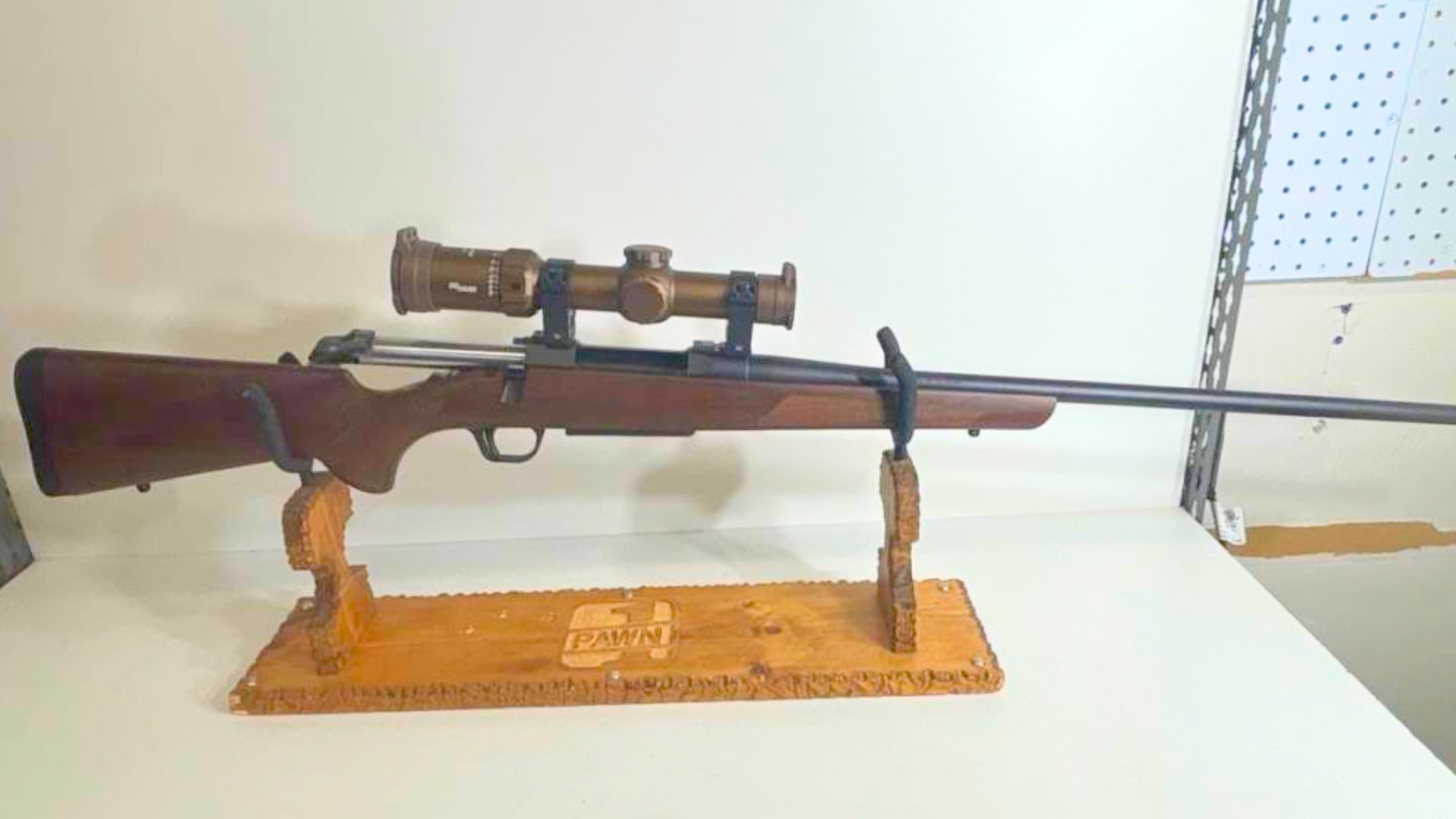
The Browning AB3 came out as a budget-friendly alternative to the X-Bolt, but it’s one of those rifles that never feels quite right. The action lacks the polish Browning is known for, the trigger feels spongy, and the stock flexes under pressure. It’s accurate enough, but it doesn’t inspire confidence when you’re in the stand and light’s fading.
Many hunters find themselves disappointed that a Browning-branded rifle feels this rough. It’s not unreliable, but it lacks the refinement you expect at its price point. Most AB3 owners end up trading it for an X-Bolt or a Tikka before the season ends, realizing the “budget Browning” name doesn’t mean much when the rifle won’t group consistently.
Bergara B-14 Ridge Wilderness
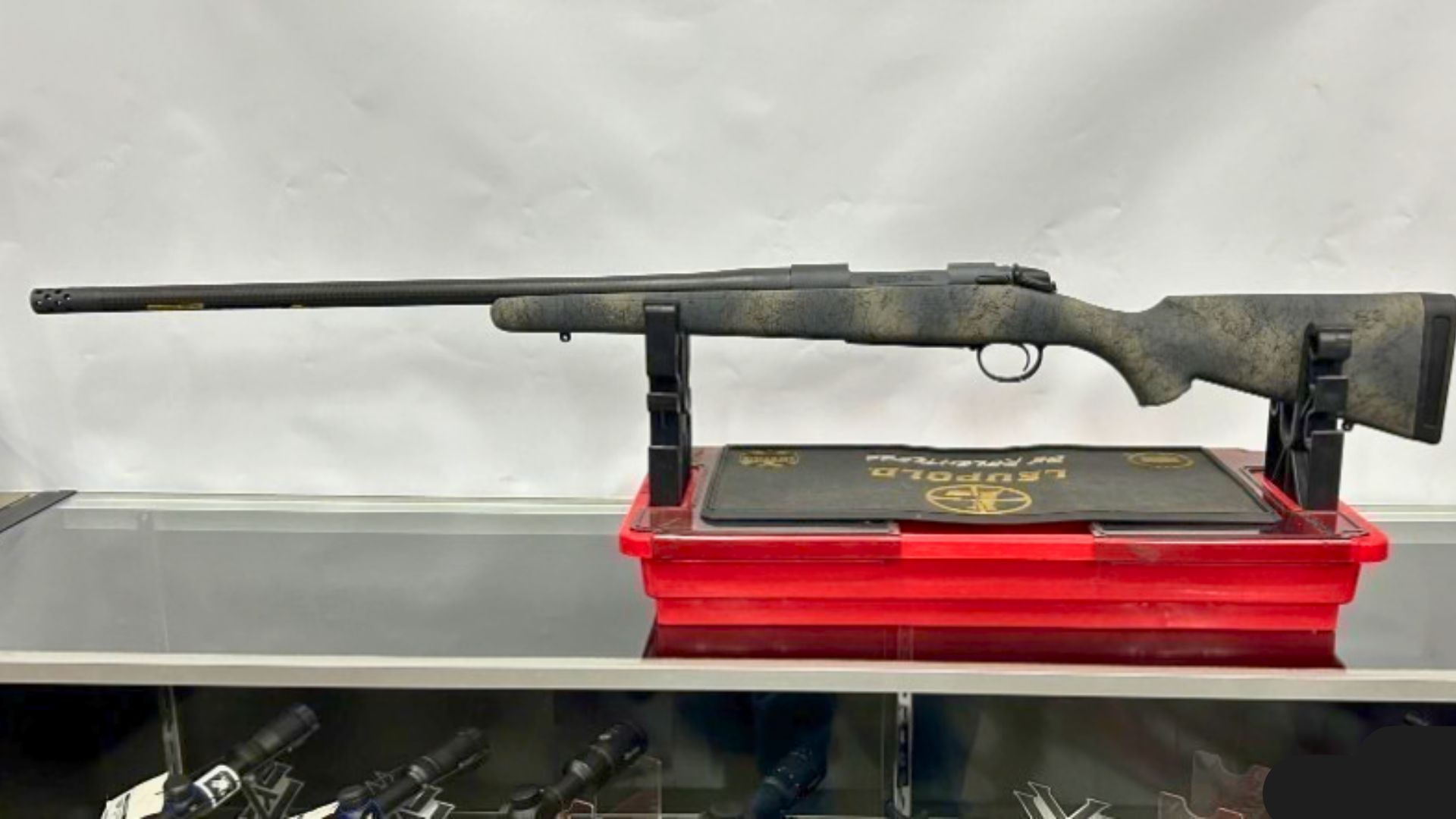
Bergara makes great rifles, but the Ridge Wilderness series hasn’t lived up to the hype for many hunters. It’s heavier than advertised, the finish scratches easily, and some rifles show erratic accuracy with certain loads. The adjustable trigger feels mushy compared to other Bergaras, and the action doesn’t have the same smoothness that made the brand popular.
It’s still a good rifle, but not at the price it commands. Hunters expecting a premium experience often end up disappointed by mid-tier performance. For some, it’s the perfect example of spending more but getting less—and realizing that name recognition doesn’t always equal field satisfaction.
Like The Avid Outdoorsman’s content? Be sure to follow us.
Here’s more from us:
The worst deer rifles money can buy
Sidearms That Belong in the Safe — Not Your Belt
*This article was developed with AI-powered tools and has been carefully reviewed by our editors.