Photo credit: Iraqveteran8888/YouTube.
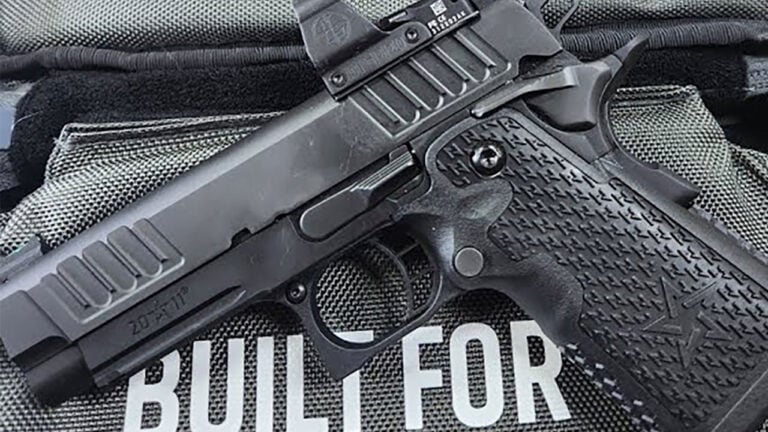
The 1911 is one of those pistols people think they already know. Even folks who have never owned one usually know the outline: single-action, .45 ACP, John Browning, military history, huge aftermarket. But the deeper you get into the platform, the more you realize how much of the story gets flattened into a few clichés. The 1911 was not just a “big Army .45.” It was the product of years of redesign, Army testing, cartridge development, wartime manufacturing pressure, and later changes that shaped what most shooters now think of as a “classic” 1911.
That is also why the 1911 keeps hanging around. It is old, but it never stayed frozen in one moment. The original military gun, the later 1911A1, the commercial Colt guns, the modern 9 mm versions, and today’s custom and production pistols all come out of the same basic line. Here are 15 facts about the 1911 that tend to surprise even people who already like the gun.
1. The Army adopted the pistol and the cartridge at the same time

A lot of people talk about the 1911 like the pistol came first and the cartridge just naturally went with it. In reality, the Army formally adopted both the pistol and the .45 ACP cartridge on March 29, 1911. American Rifleman notes that the Colt Model 1911 pistol and the “Cal. 45 Automatic Pistol Ball Cartridge, Model of 1911” were adopted together.
That matters because it shows the 1911 was not just a gun that happened to use .45 ACP. The pistol and cartridge were part of the same military answer to the same problem. The platform and the round were built into one another from the start.
2. It was not Browning’s first Colt auto-pistol by a long shot
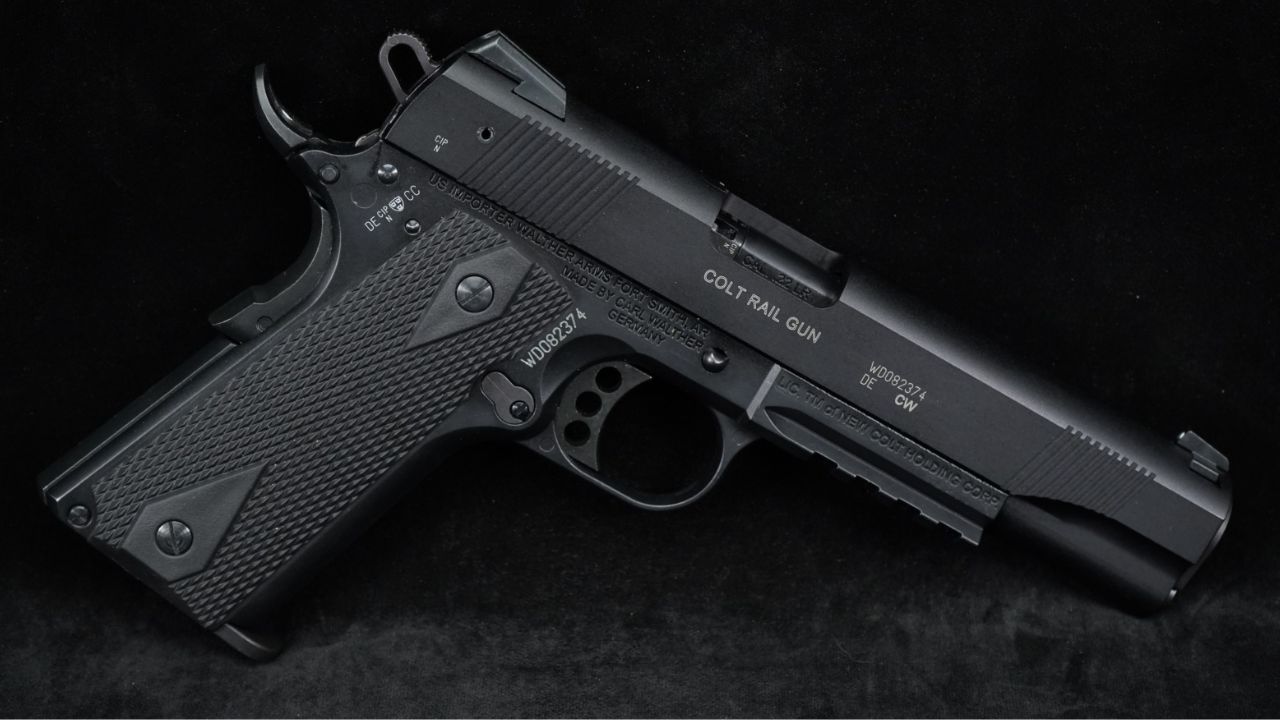
The 1911 feels so iconic that people sometimes talk like Browning sprang fully formed into that design. He did not. American Rifleman’s look at Colt’s early automatic pistols points to the Colt Model 1900 as a landmark design and part of the evolutionary path that led to later pistols, including the 1911.
That is one of the more interesting parts of the 1911 story. It came out of a whole family of earlier Browning-Colt autos, not out of nowhere. By the time the 1911 arrived, a lot of the design thinking had already been worked through in earlier commercial and military experiments.
3. The .45 requirement was pushed by earlier Army dissatisfaction with .38 revolvers

The 1911 did not become a .45 because somebody randomly liked big bullets. The U.S. Army article on Browning says the M1911 replaced the smaller and less powerful .38 Long Colt revolvers, while American Rifleman ties the move toward .45 caliber directly to the Thompson-LaGarde tests and subsequent Army preferences.
That backstory matters because it shaped the whole pistol. The Army wanted more stopping power, and that demand helped steer both cartridge and pistol development. The 1911’s identity as a .45 was tied to military lessons and ordnance requirements, not just marketing.
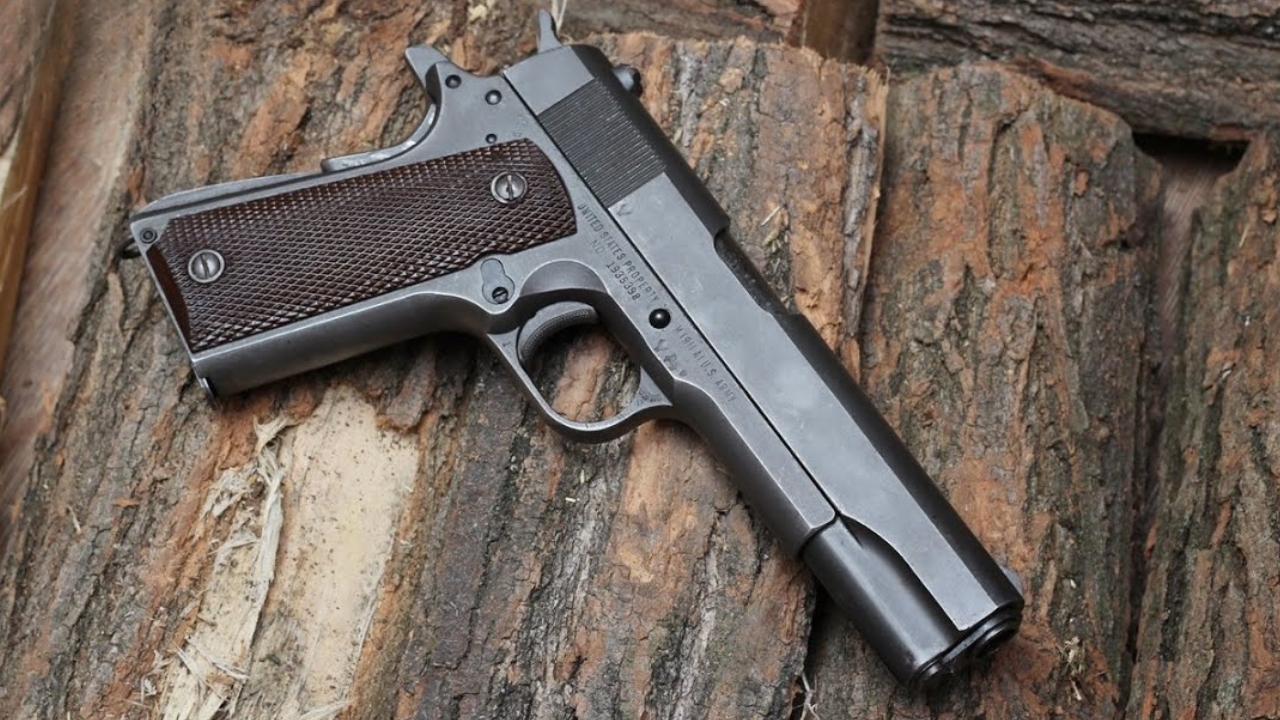
4. The “1911” most people picture is often really the later 1911A1

A lot of shooters say “1911” when what they really mean visually is the later 1911A1 pattern. American Rifleman notes that the pistol needed some modification before it was fully acceptable for most shooters, and Springfield Armory’s U.S. Model 1911 coverage says later improvements led to the very popular M1911A1.
That is why details like the shorter trigger, arched mainspring housing, longer grip safety spur, and frame relief cuts matter in the gun’s history. The 1911A1 was not a whole new pistol, but it changed the feel enough that many shooters now mentally blend the two versions together.
5. Springfield Armory made M1911s too, not just Colt
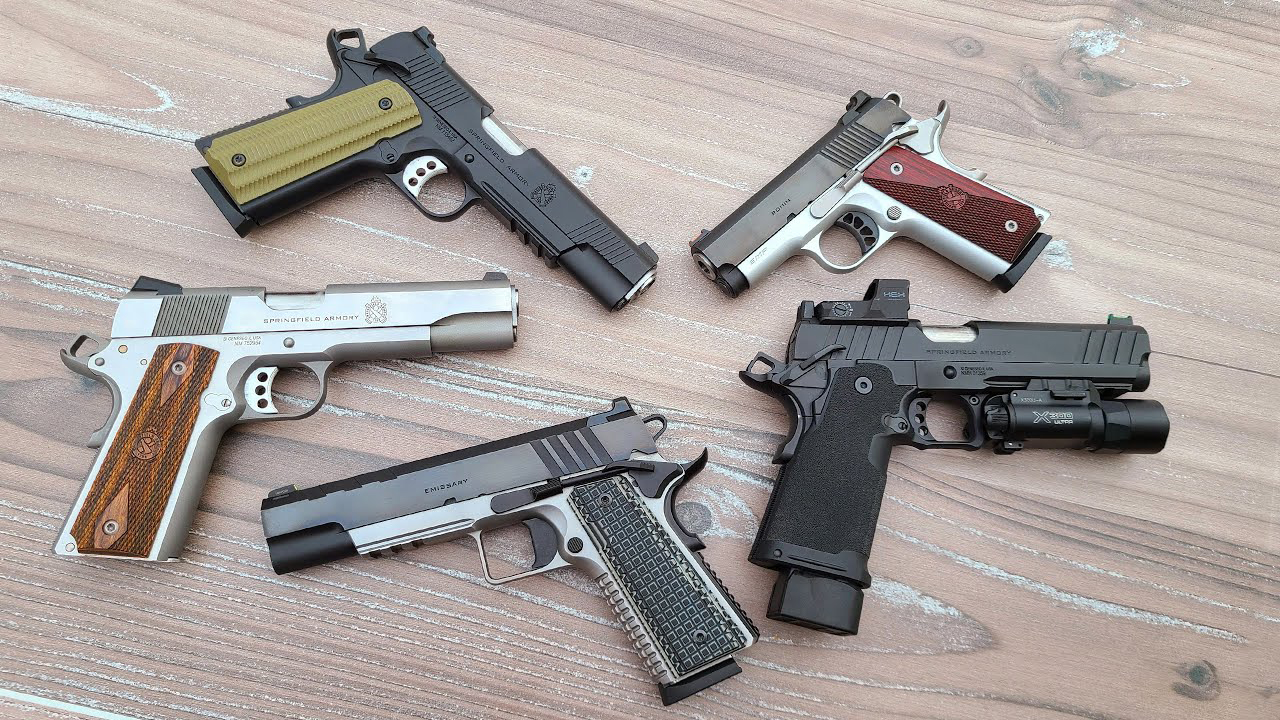
A lot of people hear “1911” and immediately think “Colt only.” Colt absolutely owns a huge part of the story, but Springfield Armory military arsenal also built U.S. Model 1911 pistols. American Rifleman notes that Springfield Armory was asked to supplement Colt’s supply line to the U.S. Army.
That surprises a lot of shooters because today’s commercial Springfield Armory brand creates some confusion with the original federal arsenal. But historically, the U.S. military did not rely on Colt alone during the early life of the pistol.
6. It was adopted after years of testing, not some quick handshake deal

The legend of the 1911 can make it sound like the Army instantly recognized greatness and signed off. Colt’s own timeline says the pistol was adopted only after years of rigorous testing and competition.
That longer testing story matters because it helps explain why the pistol was taken so seriously once adopted. It was not a casual pick. It survived formal competition and evaluation in a period when the Army was actively rethinking what a service sidearm should be.
7. Its short-recoil operating system became hugely influential

The 1911 is old, but one reason it still matters is that its short-recoil design became foundational. The Army’s Browning article says the short-recoil design of the M1911 is the basis for almost all modern self-loading handguns.
That does not mean every modern semi-auto is just a copied 1911. It means the 1911 helped lock in the importance of a locked-breech, short-recoil pistol system in serious service-handgun development. Its influence goes way beyond just “lots of people still like .45s.”
8. The original pistol was tied to a military moment Americans still forget
The 1911’s official adoption date lands in a much more specific historical moment than a lot of people realize. American Rifleman notes that the official adoption came on March 29, 1911, in the same month U.S. troops were sent toward the Mexican border amid violence tied to the Mexican Revolution era.
That does not mean the pistol was invented for one border problem, but it does remind you the 1911 entered service in a U.S. military that was already dealing with modern instability close to home. The gun’s story is tied to real early-20th-century military anxieties, not just later World War imagery.
9. It became famous in .45 ACP, but the platform did not stay .45-only forever
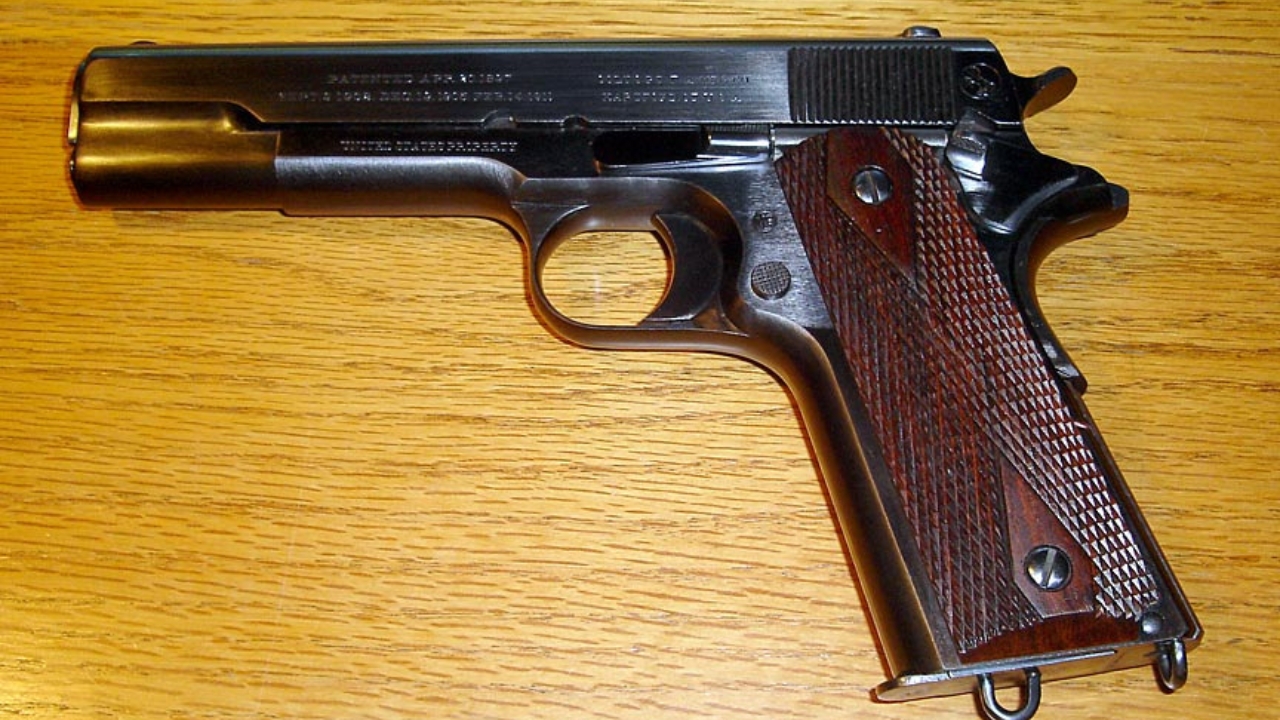
The 1911 is strongly associated with .45 ACP for good reason, but that was never the end of the story. American Rifleman’s coverage of 1911 chamberings notes that the platform eventually expanded well beyond .45 ACP, including .38 Super and later 9 mm variants.
That surprises traditionalists sometimes because the public image of the 1911 is still so tied to .45. But commercially and competitively, the platform became a lot broader. Modern 9 mm 1911s are not some bizarre new betrayal of the design. They are part of the platform’s long adaptation to what shooters want.
10. The 1911’s single-stack magazine is one reason double-stack 1911s became such a big deal later

People often talk about the 1911’s grip and trigger first, but magazine design matters just as much to the platform’s legacy. American Rifleman’s 2025 guide to double-stack 1911s points out that one of the original design’s key limitations is its single-column magazine with single-digit .45 capacity.
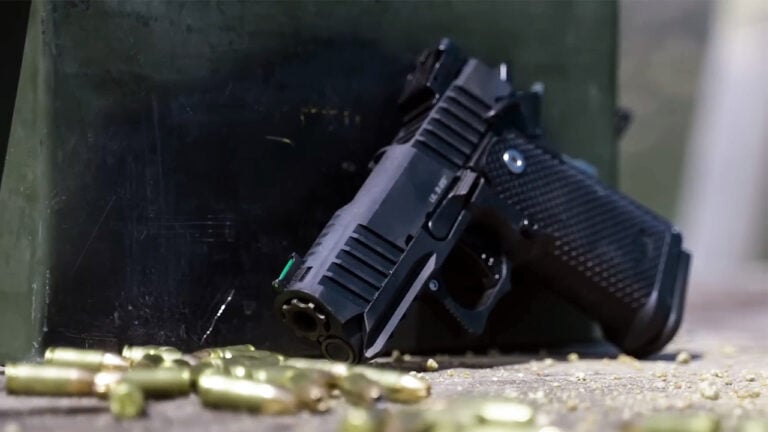
That is a big reason the “2011” and other double-stack descendants became such a major lane later. The original 1911 had excellent ergonomics for many shooters, but its traditional magazine layout also gave later designers one obvious place to push the concept further.
11. Wartime demand helped turn it from a service pistol into an institution

Colt’s timeline notes that when the U.S. entered World War I in 1917, Colt ramped up 1911 production to help arm the war effort. That production surge helped lock the pistol into national military identity in a way peacetime use alone probably would not have.
Once a sidearm gets pulled into major wartime production and widespread issue, its story changes. It stops being just a successful design and starts becoming part of how generations of servicemen understand military sidearms. The 1911’s reputation did not come only from technical merits. War expanded its myth and its footprint fast.
12. The original Army version did not fit every shooter equally well

The 1911’s reputation today can make it sound like it was ergonomically perfect from day one. It was not. American Rifleman specifically notes that the pistol required modifications before it was completely acceptable for most shooters.
That is an important corrective to the myth. The platform became beloved, but it also evolved because real users needed changes. The 1911A1 improvements were not cosmetic trivia. They were responses to how the gun fit and handled in actual hands.
13. The 1911 stayed commercially alive because it kept changing with shooters
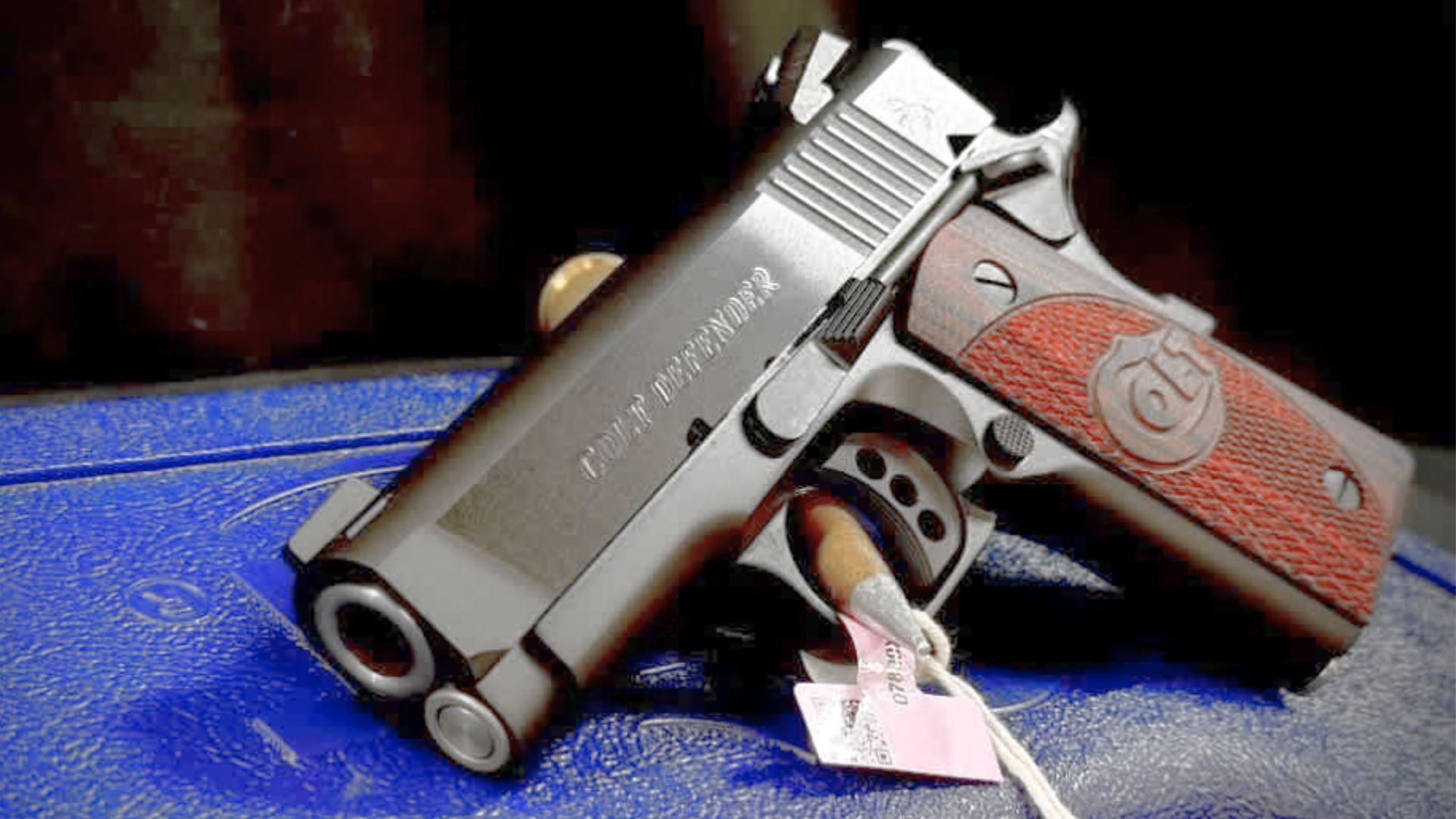
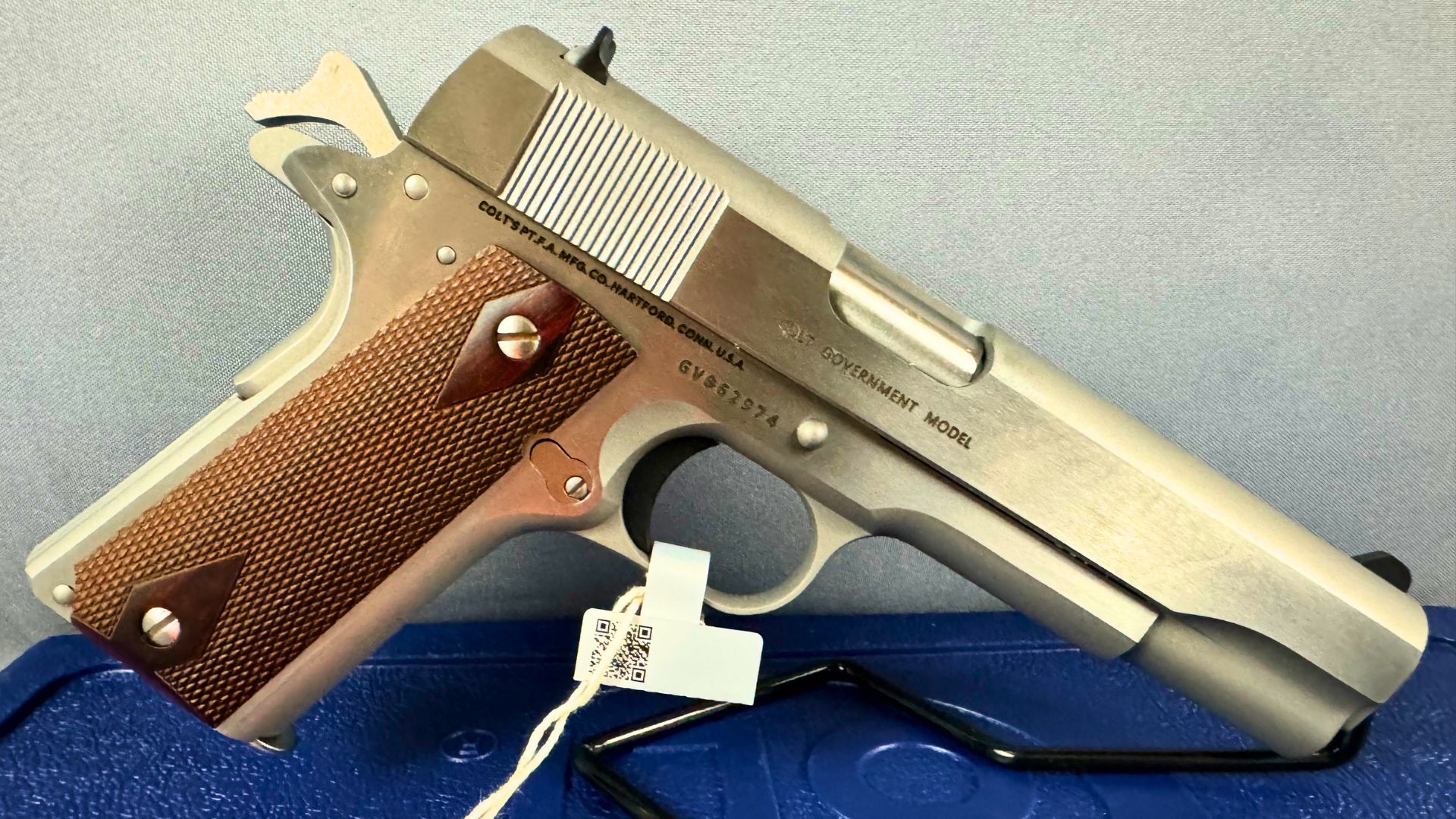
A lot of service pistols become historical footnotes once militaries move on. The 1911 did not, and one reason is that manufacturers kept adapting it. American Rifleman’s 2023 look at modern Colt production says today’s M1911 reflects what shooters want now, not just what the Army wanted in 1911.
That is one of the biggest reasons the platform survived so well. The 1911 was never left alone as a museum piece. Sights changed, safeties changed, beavertails changed, chamberings expanded, and modern production methods reshaped the commercial gun. It stayed alive because companies kept translating the design into current demand.
14. The 1911’s legend owes as much to simplicity and serviceability as to power
People often reduce the 1911 story to “big .45 bullet.” The Army article on Browning says the .45 had better stopping power, but it also emphasizes that Browning’s simple design made the pistol easy to operate and clean.
That second part matters a lot. Military sidearms do not build century-long reputations on power alone. Ease of use, maintenance, and field serviceability matter just as much. The 1911 became famous because it was not only powerful for its time. It was also practical enough to live with in military hands.
15. The 1911 is old enough to feel fixed in time, but its story is still moving

One of the most surprising things about the 1911 is that its history still does not feel finished. Colt is still making them. New 9 mm versions keep drawing shooters in. Double-stack descendants keep growing. And the gun still sits in that unusual place where it is simultaneously a military relic, a carry gun, a competition platform, a collector piece, and a customization obsession.
That is pretty rare. Most guns this old become one thing. The 1911 kept becoming several things at once. That is probably the most surprising fact of all: more than a century later, people are still arguing over the best version because the design never really stopped living.
Like The Avid Outdoorsman’s content? Subscribe to our newsletter so you never miss an article.
Here’s more from us: