Photo credit: Bridges Photography/Shutterstock.com
You head to the range expecting to tighten things up, only to walk away shaking your head at groups that look like they were made with buckshot. It happens. Some rifles never group well, no matter what ammo you feed them. Sometimes it’s poor bedding, a sloppy barrel crown, a gritty trigger, or soft action screws. Other times, the gun’s design just doesn’t prioritize precision. Either way, when a rifle throws rounds all over the target, confidence dies quick. These are the rifles that frustrate seasoned shooters and leave newer ones questioning their ability. They’re not always unreliable, and they might run fine mechanically—but if your goal is tight, repeatable groups, these rifles miss more than they hit. Here are 15 specific models known for inconsistent accuracy that can leave you wondering whether your target was moving or your scope is cursed.
Remington 770

The Remington 770 is a poster child for rifles that disappoint at the range. It was built to be affordable, but too much was sacrificed in the process. The molded plastic stock flexes with even a light bipod or tight sling. The action feels gritty, and the bolt-to-receiver fit is loose enough to introduce inconsistencies in lock-up.
But the real problem is how it throws rounds. You can try different ammo, torque the screws, clean the barrel, even swap the scope—and still get groups that wander more than they tighten. Some 770s shoot okay, but many pattern like they’re bored. Even for close-range deer work, it’s hard to trust the rifle when the spread opens up beyond two inches at 100 yards. Plenty of hunters give it one season and then move on to something they can actually dial in with confidence.
Century Arms C308
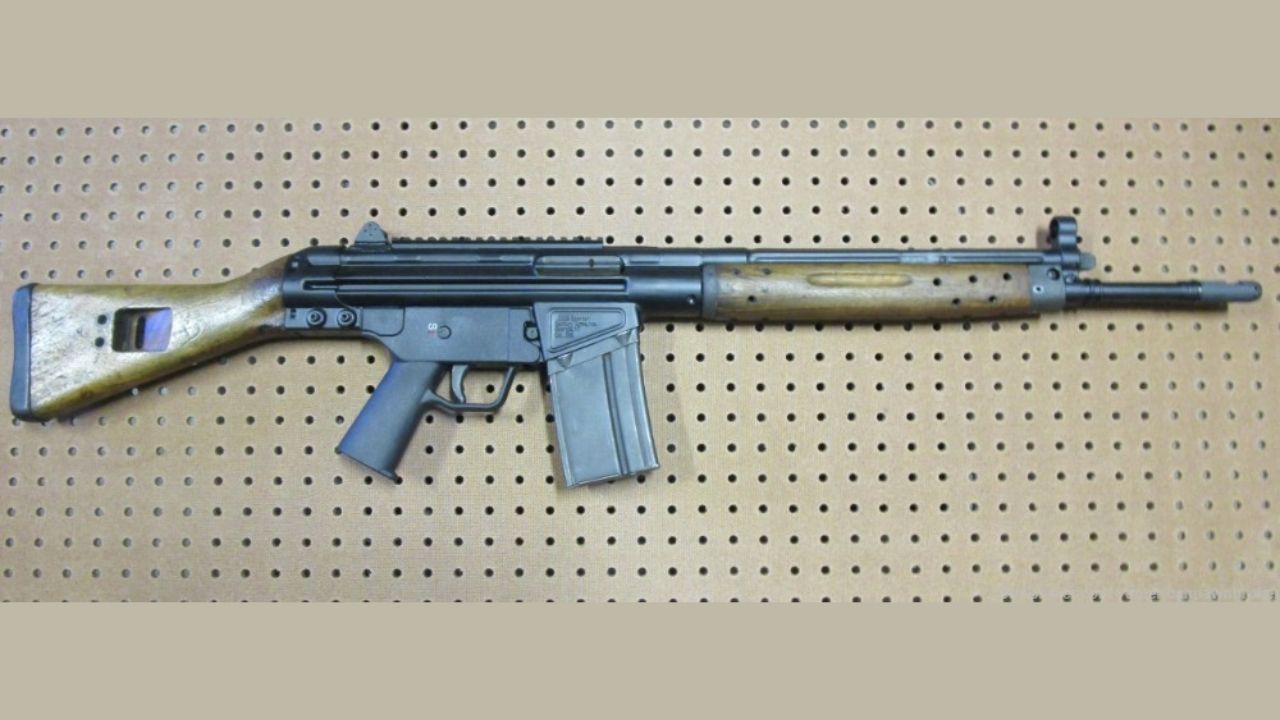
The Century Arms C308, a clone of the HK G3, offers battle rifle vibes in a semi-auto package—but you’re lucky to see anything close to a 3-inch group at 100 yards. The sights are crude, the triggers are long and heavy, and the fluted chamber adds wear to brass without helping consistency.
Part of the issue is surplus parts and how Century fits them together. Barrel crowning and headspace vary from rifle to rifle, and that’s assuming the trunnion’s aligned correctly. Even with quality ammo, the C308 tends to throw fliers you can’t call. Add in the gritty break and heavy recoil impulse, and it becomes more of a range novelty than a serious marksman’s tool. It’s fun to shoot, sure—but if you’re expecting precision, you’ll be chasing your zero every range trip.
Ruger Mini-14 (older models)

Early Ruger Mini-14s had a reputation for being reliable but not accurate. They’d run all day, but your target would look like it was hit with buckshot. The thin barrel profile heats up fast, and once it does, groups start walking. It’s a warm barrel, not a hot one, that begins the scatter.
The iron sights are decent, but the receiver design makes optic mounting tricky unless you upgrade parts. Combine that with a heavy trigger and loose action fit, and you’re not shooting tight cloverleafs any time soon. Ruger made improvements in later production, but plenty of early Minis still float around and frustrate shooters trying to dial them in. If you want reliable plinking and can live with “minute of paper plate,” they’re fine. But if you need tight groups, especially past 100 yards, you’ll want to look elsewhere.
Mossberg MVP Patrol (.308)

The Mossberg MVP Patrol in .308 tries to pack tactical features into a budget bolt gun, but accuracy isn’t its strong suit. It accepts AR-10 mags, which is handy, but the inconsistent mag fit can actually affect bolt function and chamber alignment. That alone can cause shot-to-shot variation.
Then there’s the trigger—some are crisp, others feel mushy out of the box. The lightweight barrel profile heats up quickly, and once warm, group sizes balloon. You might get a solid first group, only to see the next mag print 4 inches left and 2 inches low. The synthetic stock doesn’t help much with rigidity, and unless you bed it properly, you’ll be chasing a moving zero. It’s a cool concept, but real-world shooters often find that the MVP Patrol scatters more than it stacks.
Remington R25 GII
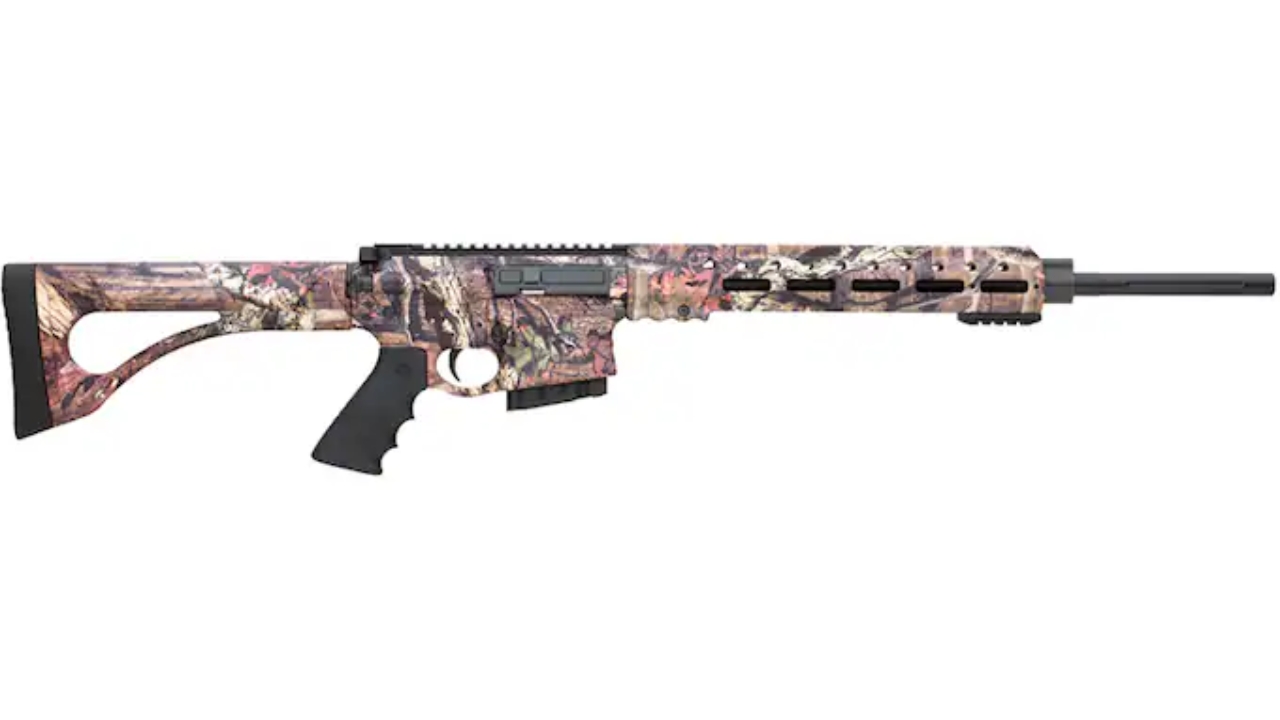
The Remington R25 GII is built on an AR-10 platform and marketed for hunters, but its accuracy often falls short. The trigger is nothing special, and the heavy contour barrel doesn’t guarantee precision. What really kills groups is inconsistency between uppers and lowers. Some rifles have noticeable slop, and that play affects repeatability.
A few lucky owners get good shooters, but many struggle to hold a group under 2.5 inches with factory ammo. Once the barrel warms up, spread increases, and if you bump your sling or rest awkwardly, you’ll see point-of-impact shift. At the price it originally sold for, it left a lot of shooters disappointed. The R25 GII looks like a precision tool—but it often prints like a budget semi-auto.
Winchester Wildcat 22

The Winchester Wildcat 22 is affordable, lightweight, and designed for casual plinking, but it’s not built for tight groups. The polymer receiver and aluminum barrel are light, but also flex under pressure. That translates into inconsistent lock-up and variable shot placement.
Even with match-grade .22 LR ammo, the Wildcat struggles to stay inside 2 inches at 50 yards. The trigger has a long pull and soft break, which makes it tough to shoot cleanly off bags. The optic rail is molded into the polymer, and if you over-tighten your rings even slightly, you can warp the whole top end. It’s a fun little gun to shoot tin cans or squirrels at close range, but don’t expect ragged holes. You’ll spend more time wondering what shifted than dialing in a tight zero.
Marlin Model 795
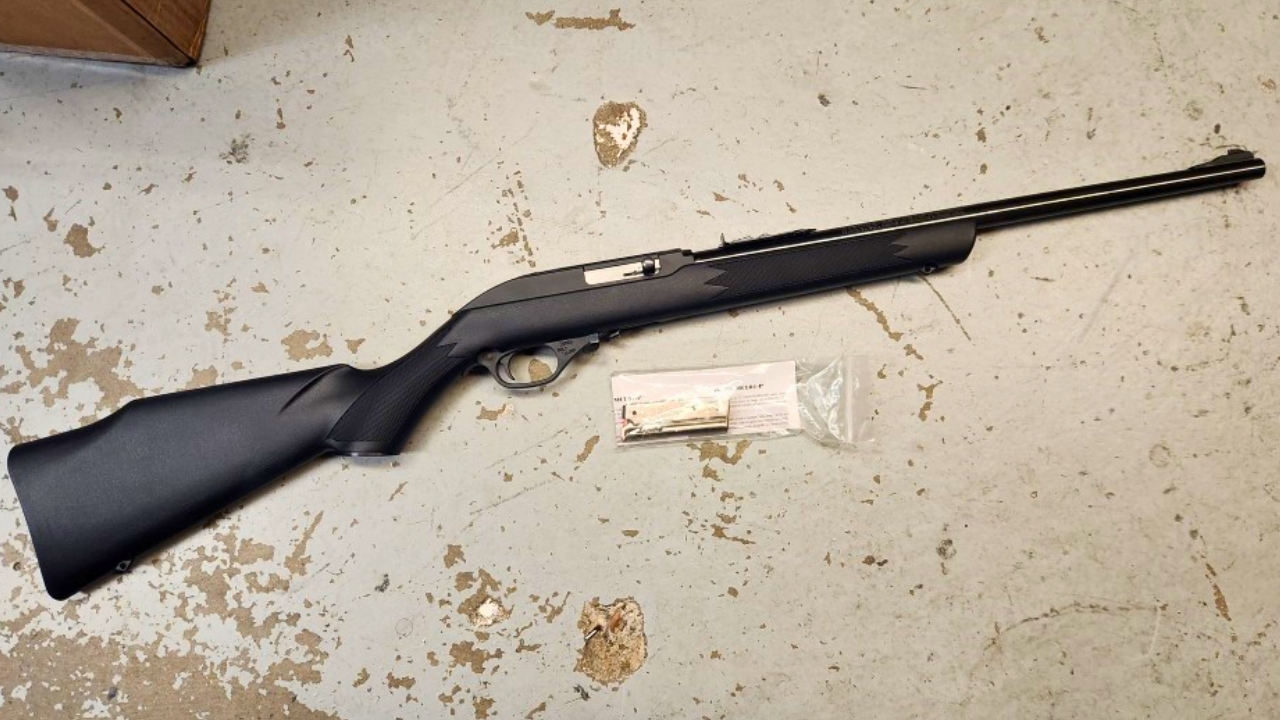
The Marlin Model 795 is a favorite among budget rimfire shooters, but it’s far from consistent. Accuracy varies wildly from rifle to rifle. Some seem to like specific loads, but most struggle to group tighter than 2 inches at 50 yards—even from a rest.
The factory sights are fine for close work, but if you mount a scope, expect wandering zero unless you upgrade the rail and rings. The synthetic stock flexes easily, and if you’re using a bipod or applying sling pressure, that barrel can shift. The trigger’s nothing to brag about either. For plinking or informal target work, it’s serviceable. But for consistent accuracy? Most shooters walk away disappointed, especially if they expected it to compete with a Ruger 10/22 or CZ.
DPMS Oracle (AR-15)
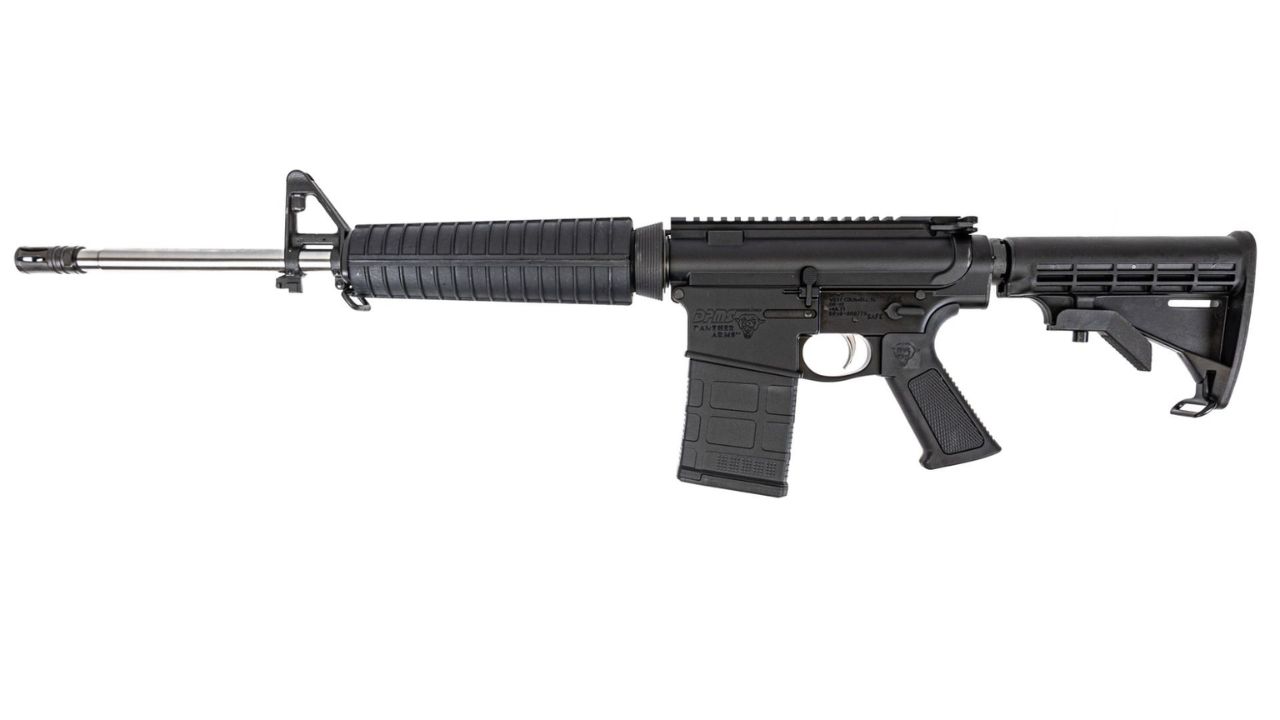
The DPMS Oracle is often someone’s first AR because of the low price, but it’s not known for tight groups. The mil-spec trigger is gritty and breaks inconsistently, and the upper-to-lower fit is often loose. That wobble between receivers translates into vertical stringing when shooting from a rest or bipod.
The barrel is serviceable for casual use, but accuracy past 100 yards gets dicey unless you upgrade parts. Some rifles shoot better than others, but most print groups that look more like a spread than a string. It’s fine for steel at close range, but if you’re aiming for sub-MOA performance out of the box, the Oracle will let you down. You can tighten things up with a new trigger, float tube, and barrel—but then you’ve spent more than you wanted. A lot of folks outgrow it fast once they realize they’re chasing consistency with a rifle that doesn’t deliver it.
Norinco SKS (commercial import)

The Norinco SKS is tough, reliable, and fun to shoot—but it’s not a precision rifle by any stretch. Most commercial imports have loose tolerances and varying barrel quality, which makes accuracy a gamble. Some will print decent 3-inch groups at 100 yards, while others throw rounds like a drunk playing darts.
The sights aren’t great, and mounting optics requires aftermarket solutions that often introduce their own problems. Add in surplus ammo with wide velocity variation, and you’ve got a setup where every third shot goes somewhere weird. If you’re looking to plink or enjoy old military-style shooting, the SKS fits the bill. But don’t expect clean groups or repeatable shot placement unless you put in serious work—and even then, the results often stay in “shotgun pattern” territory.
Rossi RS22

The Rossi RS22 is often praised as a budget .22 semi-auto, and for casual plinking it’s not bad. But when you start trying to zero it or print small groups, the flaws show up quick. The lightweight stock has a lot of flex, especially near the forend. That barrel isn’t free-floated, and pressure from your support hand can shift point of impact.
The trigger is long and spongy, which makes consistent break timing tough. Add in mass-produced barrels with loose tolerances, and you’ve got a rifle that prints inconsistent groups no matter how careful you are. At 25 yards, it might look okay. At 50 or more, you’ll start wondering if your scope is loose—or if you’re losing your touch. The RS22 gets folks shooting, but it rarely keeps them satisfied once they start caring about where their shots land.
Bushmaster XM15-E2S (Carbon 15)

The Carbon 15 variant of the Bushmaster XM15-E2S was marketed as a lightweight AR option, but the polymer upper and lower introduce too much flex. That means your optic rail moves, your barrel alignment shifts slightly under pressure, and the whole platform feels inconsistent shot to shot.
It’s also got a rough trigger and a lot of internal variation from rifle to rifle. Even with decent ammo, it’s not unusual to see groups open up past 2–3 inches at 100 yards. If you’re just ringing steel or shooting casually, it’s fine. But for precision or longer-range shooting, the Carbon 15 doesn’t inspire confidence. That scatter you see on paper isn’t always you—it’s the platform moving beneath you. Most shooters eventually replace it with a traditional aluminum upper/lower combo.
Kel-Tec SU-16C
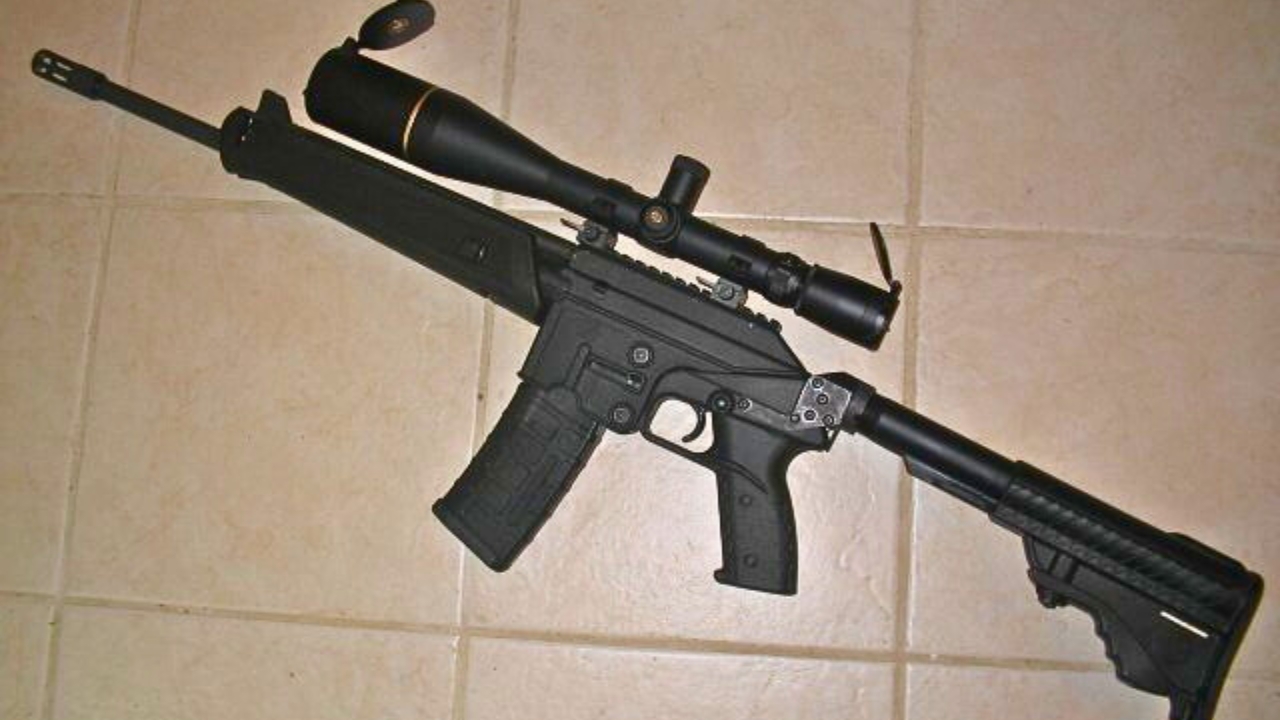
The Kel-Tec SU-16C is a folding, lightweight .223 rifle with some clever features—but tight groupings are not one of them. The polymer receiver flexes during firing, and the forend can press on the barrel, affecting harmonics. Even with decent optics, the zero often wanders.
Recoil isn’t harsh, but it’s snappy, and the lightweight build amplifies every movement. Shooters report a lot of vertical spread and unpredictable flyers, even with match ammo. The trigger is mushy, and the sight picture isn’t great with irons. It’s a fun trail gun or backpack rifle, but if you’re hoping for sub-2-inch groups, you’ll be frustrated fast. The SU-16C’s strength is portability, not precision—and it shows every time you stretch it out past 50 yards.
Iver Johnson M1 Carbine
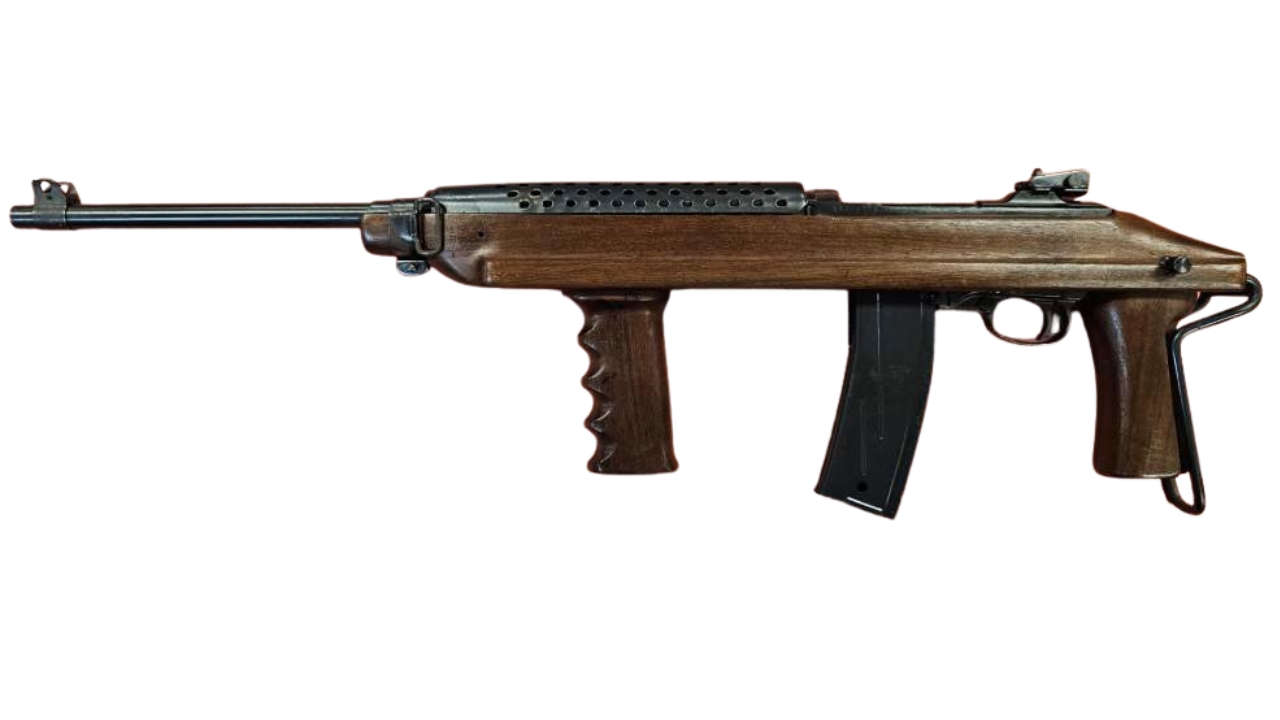
Iver Johnson’s reproduction M1 Carbines were meant to bring back the classic feel of a WWII icon, but they often fall short when it comes to accuracy. Many users report inconsistent groups, even with quality .30 Carbine ammo. Barrel fitment can vary, and so can headspace.
The sights are usable, but not great, and there’s a lot of movement in the stock-to-receiver fit. That slop, combined with a vague trigger and light barrel profile, creates noticeable shot dispersion. While it’s fine for plinking or close-range work, don’t expect tight clusters at 100 yards. Many owners enjoy the nostalgia—right up until they start chasing zero on a paper target. The groups often resemble a shotgun blast more than a controlled string.
H&R Handi-Rifle (.223 Rem)

The H&R Handi-Rifle is a break-action single-shot rifle that’s been chambered in everything from .22 Hornet to .45-70. The .223 version sounds like it should be a tack driver—but often it’s not. The barrel lock-up can get loose over time, and even fresh out of the box, it’s not always consistent.
Add in a heavy trigger and a basic scope mount, and your groups start looking messy. Recoil is minimal, but if you rest it improperly or apply uneven pressure, you’ll see POI shift dramatically. Many shooters report needing to “learn” how the rifle wants to be held just to keep things inside 3 MOA. Some rifles shoot better than others, but too many fall into the category of “fun until you try to get serious.” It’s a cool concept, but the execution often leads to more scatter than satisfaction.
*This article was developed with AI-powered tools and has been carefully reviewed by our editors.