Photo credit: AdamHill – CC0/Wiki Commons
If you’ve ever drawn a pistol and felt like it was shifting in your hand as you settled into your stance, you’re not imagining it. Some pistols don’t point naturally. Others are top-heavy. Some rock side to side during recoil or slide in your palm during fast transitions. And it doesn’t always come down to hand size or grip strength — sometimes the gun’s balance, grip angle, texture, or weight distribution is just off. A pistol that doesn’t anchor well in your hand will slow you down, affect your control under recoil, and leave you second-guessing your next shot. Here are 14 specific pistols that tend to wobble, rock, or feel off-balance in real-world use. You might like how they shoot at the bench, but once you start running drills or carrying them all day, you’ll notice the wobble — and it’s hard to un-feel it after that.
Glock 43X

The Glock 43X feels great when you pick it up, but once you start shooting, especially under speed, it can feel like it’s pivoting in your palm. The thin grip doesn’t give you much surface area to lock down, and the slick front strap doesn’t help. If you’ve got larger hands or shoot with a thumbs-forward grip, the gun feels like it’s floating during recoil.
The longer grip with the short slide also throws off the balance a bit. It’s front-light and doesn’t return to target as quickly as you’d expect from a Glock. For slower shooting or appendix carry, it works well. But if you run fast transitions or one-handed drills, the 43X has a tendency to wiggle mid-cycle. Add an aftermarket grip sleeve and you’ll likely tame it—but out of the box, it’s one of those pistols that can feel like it’s not fully locked into your hands.
Smith & Wesson M&P Shield EZ 9mm
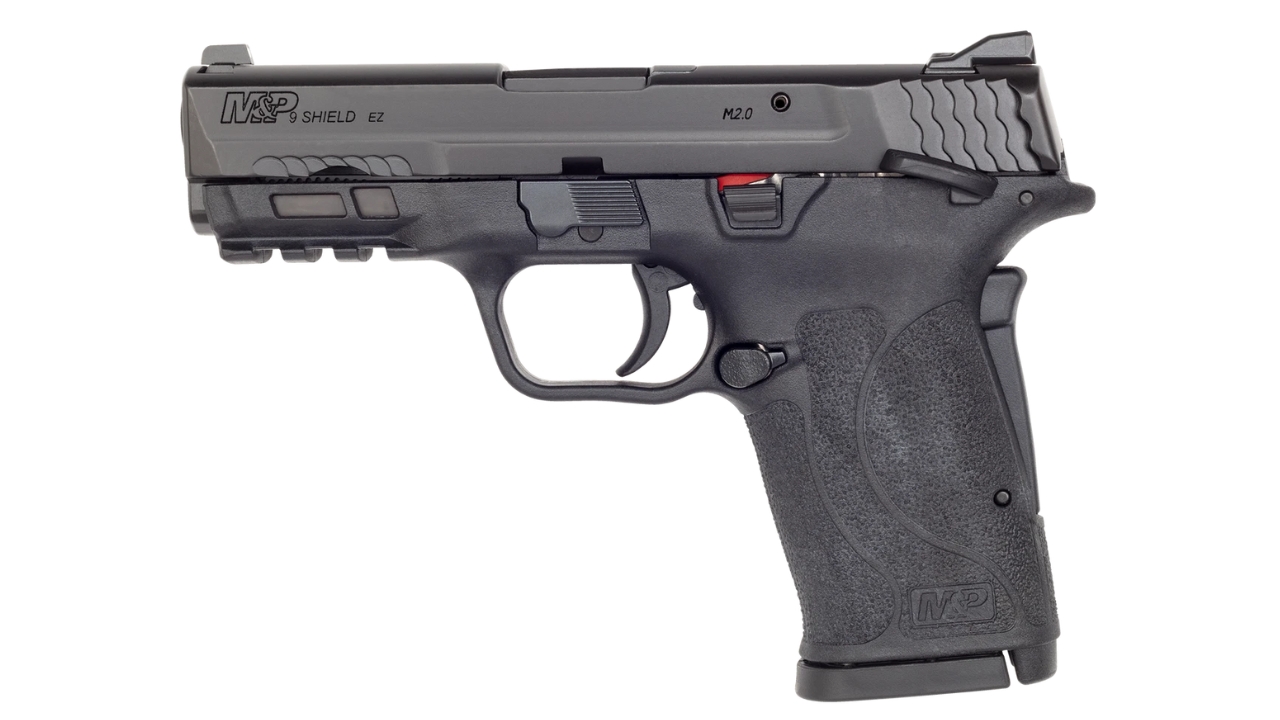
The Shield EZ in 9mm was designed to be easy to rack and shoot, and it delivers on that. But the design comes with a tradeoff — it’s a little too light and soft in the frame. That means under recoil, especially with hotter loads, it feels like it jumps in your hand. The backstrap safety also sits in a way that can make the grip feel uncertain if you don’t press it fully with the web of your hand.
The grip texture is mild, and the angle doesn’t encourage deep lock-in like the standard M&P series. If you’ve got larger hands, you’ll notice that the gun doesn’t fill your palm, which makes it rock left to right under recoil. Even shooters with smaller hands sometimes feel it shift slightly between shots. It’s controllable, but that floating sensation never really goes away unless you change the grips or choke up unnaturally high.
SIG Sauer P365 SAS

The P365 SAS is built for ultra-deep concealment, but its smooth frame and lack of traditional sights make it a weird one to handle. Because there are no front or rear sights to brace your grip against, the slide feels oddly short and flat — and that makes the gun feel like it’s rolling during fast strings. The frame is slim and smooth, and there’s not much texture to bite into your hand.
If you’ve got dry hands or are running it without gloves, it can feel like it’s slipping upward during recoil. The SAS is great for snag-free carry, but it sacrifices grip confidence in the process. It’s not the most comfortable gun to shoot fast or under stress. That wobble sensation becomes especially noticeable if you’re doing one-handed drills or trying to regrip between reloads. You won’t notice it with slow range fire—but carry it every day and run a few drills, and it shows.
Walther PPS M2

The Walther PPS M2 has a comfortable, slim profile that feels ergonomic at first, but in live fire it has a tendency to shift around a bit. The grip is narrow, the backstrap is fairly flat, and the texturing isn’t aggressive. That combination makes it hard to really lock in. Under recoil, the gun can pivot slightly side to side, especially if your hands are on the larger side.
Because of the thin profile, your support hand also has less to cling to. You can run it well if you grip high and tight, but it takes more conscious effort than you’d expect. If you’re shooting in wet or cold conditions, that minor shift turns into a full-on slide. It’s accurate and easy to carry, but it doesn’t anchor the way you’d want for fast follow-up shots. The wobble isn’t dramatic—but it’s enough to knock you off rhythm if you’re trying to move fast.
Taurus G3C

The Taurus G3C packs a lot into a budget-friendly pistol, but its grip texture and frame geometry can make it feel like it’s moving under your fingers. The grip has a wide base, but the upper portion near the tang feels slim and doesn’t give you much leverage during recoil. Combine that with aggressive texture that doesn’t cover enough surface, and you end up with a pistol that shifts around just a bit more than you’d like.
For some shooters, especially those with big hands, the G3C feels like it’s rocking back slightly after every shot. That delays follow-ups and makes your support hand work overtime to keep things steady. Even with a good two-handed grip, the balance feels a little top-heavy. It’s reliable enough, but the control isn’t confidence-inspiring. Once you notice the wobble, it’s hard to ignore — especially if you’re used to pistols that snap right back on target.
Kel-Tec P11
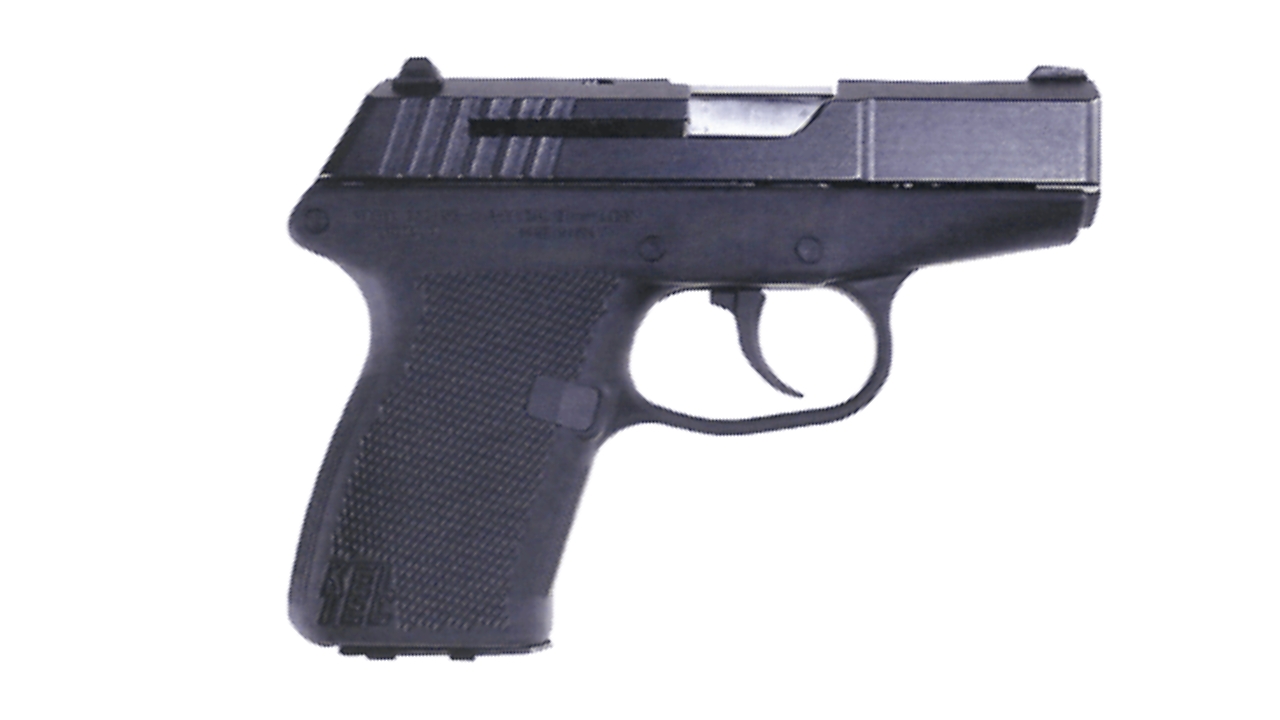
The Kel-Tec P11 is lightweight and compact, but it doesn’t give you much to hold onto. The grip is short, the frame is slick, and the trigger pull is long and heavy — all of which make it feel unstable in the hand. Even with the finger extension on the mag, there’s not much anchoring the gun into your palm.
When you press that long trigger, the whole frame tends to shift slightly, and recoil feels abrupt for such a small gun. After the first few shots, you start adjusting your grip just to keep the gun from twisting. That constant correction turns into a wobble you can’t shake. Add in the vague reset and heavy slide, and you’re fighting the gun more than you’re working with it. It’s small enough to carry easily, but most shooters find that it never feels fully secure once the shooting starts.
SCCY CPX-2

The SCCY CPX-2 tries to offer a lot in a compact size, but its lightweight polymer frame and chunky slide create a weird balance. The grip is thick and somewhat blocky, but it doesn’t feel connected to the slide’s movement. When you shoot, the recoil feels disconnected — like the slide is bouncing above your grip rather than working with it.
The long, heavy trigger pull makes you press harder than usual, which exaggerates that movement. The result is a gun that feels like it’s floating during every shot cycle. You can shoot it okay at slow speed, but the second you start running drills or stringing shots together, the pistol starts to feel unstable. It’s not that it’s uncontrollable — it’s that it feels like you’re fighting to stay aligned the whole time. If you’re someone who values a locked-in feel, the CPX-2 will leave you frustrated.
Beretta Nano

The Beretta Nano’s snag-free design is great for concealment, but the smooth frame and short grip make it feel loose once you start firing. There’s very little texture to hold onto, and the lack of external controls means fewer reference points to anchor your grip. It doesn’t help that the recoil impulse feels a little snappy for the size.
After each shot, the gun wants to shift upward and tilt slightly to one side. You’ll find yourself re-gripping more than usual, especially during fast follow-ups. The Nano also has a high bore axis compared to other carry pistols in its class, which makes muzzle rise worse than you’d expect. It’s not a dealbreaker for slow-paced carry use, but the second you try to run it hard, that wobble starts creeping into your groupings. A gun that small should feel tighter in the hand — this one never quite does.
Springfield XD-S Mod.2 9mm

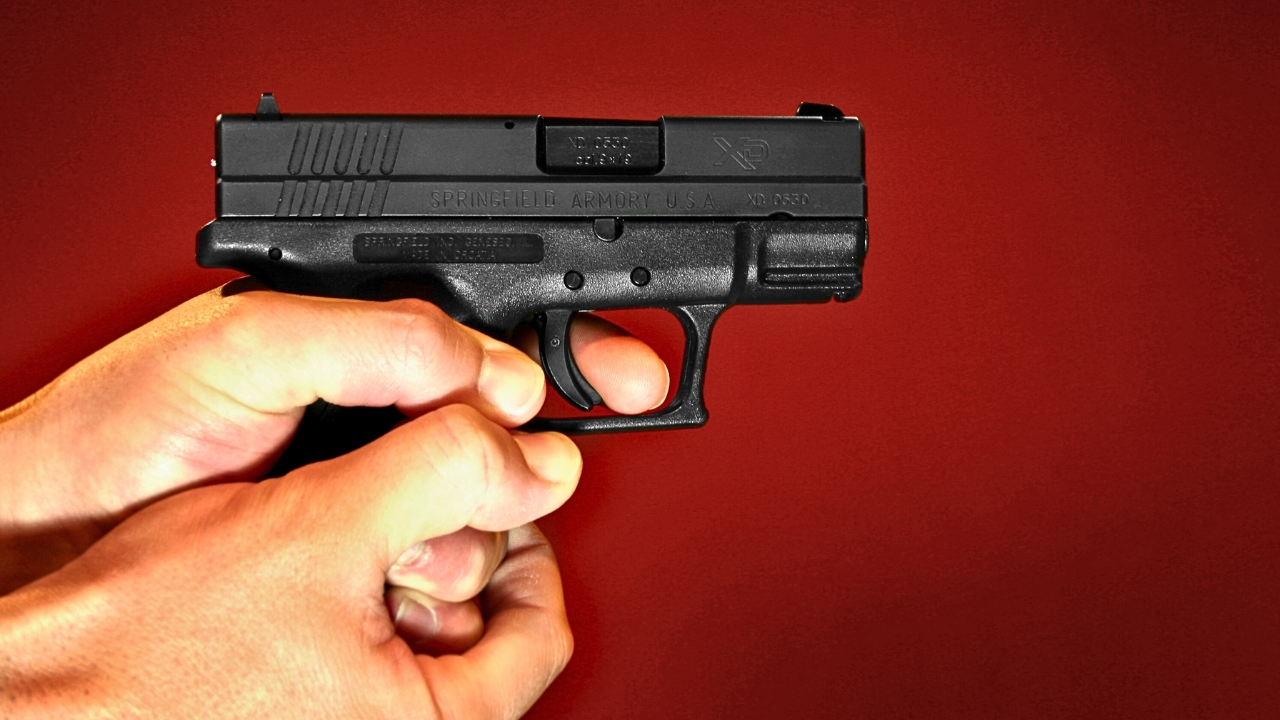
The Springfield XD-S Mod.2 in 9mm offers a slim profile and is easy to conceal, but it tends to wobble more than you’d like under recoil. The grip width is narrow, and the front strap texture, while improved from earlier models, still isn’t aggressive enough to lock the gun into your hand. The result is a pistol that shifts slightly with each shot, especially if your grip isn’t perfect.
The beavertail helps prevent slide bite, but it also adds a sense of length without much actual grip surface. Combine that with a snappy recoil impulse in a lightweight frame, and it feels like the gun is trying to move upward and outward after every trigger pull. It’s fine for carry and slow practice, but if you run drills or shoot fast-paced courses, the shift in your hand becomes distracting. Even with a pinky extension, it lacks that solid, planted feel you want in a carry gun.
Remington RM380

The Remington RM380 is extremely compact, which makes it easy to pocket carry—but that size comes at a cost. The grip is short, slick, and doesn’t offer much control during recoil. You’ve got very little to wrap your fingers around, and the rear of the frame doesn’t provide much support for your palm. It ends up feeling like the gun wants to twist or jump out after every shot.
The recoil isn’t overwhelming, but it’s abrupt. Without enough grip surface or texture, your follow-up shots start slower and less controlled than they should be. Even with extended mags, the RM380 never really settles into your hand. That wobble might be tolerable for backup or deep concealment use, but for anything else, it gets old fast. A pistol this small should inspire confidence in close quarters — this one feels more like you’re holding on for dear life.
FN 503

The FN 503 is well-made and accurate, but it’s another slim-frame single-stack that tends to shift in the hand under recoil. The backstrap has a shallow curve that doesn’t do much to contour to your palm, and the front strap lacks aggressive texture. It’s not slippery exactly — but it doesn’t offer much feedback either.
The real issue shows up during fast strings. As soon as you start pressing the trigger rapidly, the gun feels like it’s dancing upward and rolling slightly off-axis. For shooters with strong grip fundamentals, it’s manageable, but it still takes more effort than other carry guns in its class. If your grip slips even a little, the gun reminds you instantly with muzzle flip and slow returns to target. The 503 is soft-shooting in slow fire, but once you speed things up, that loose, floaty feel creeps in and throws off your timing.
Bersa Thunder 380

The Bersa Thunder 380 is often recommended as an affordable carry pistol, but its design leads to a lot of movement in the hand. The grip panels are narrow, and the smooth finish doesn’t help with retention. The bore axis is relatively high for a .380, and the slide feels hefty compared to the frame, which makes the recoil impulse feel top-heavy.
During recoil, the pistol wants to rise and pivot slightly, even with light loads. Add in a fairly long double-action trigger pull and a small grip surface, and you’re constantly fighting to keep the gun in place. It’s reliable and accurate enough for basic carry, but it doesn’t offer the kind of locked-in control you get from more modern .380s. A lot of shooters end up modifying grips or switching to something else entirely because they never quite feel like the Bersa is planted in their hands.
Glock 36

The Glock 36 is Glock’s answer to the slim .45 carry gun market, but its proportions make it a challenge to shoot comfortably. It’s a single-stack .45 ACP, so you’ve got a relatively thin grip trying to manage a powerful cartridge. The grip texture is decent, but the short grip length and the snappy recoil make it feel like the pistol is rocking with every shot.
You can manage it with a tight grip and proper stance, but the weight distribution doesn’t help. It’s muzzle-heavy and the recoil impulse is a little abrupt, especially compared to Glock’s double-stack .45s. For a lot of shooters, the gun never really settles in the hand—it feels like it’s squirming during the cycle. For controlled, slow shots, it’s fine. But if you want fast follow-ups and consistency, the wobble can get in your way.
Kahr CW9

The Kahr CW9 is slim, lightweight, and has a smooth trigger, but the grip design isn’t ideal for locking in under recoil. The front and back straps are narrow, and the minimal texturing means there’s not much keeping the gun from shifting slightly during a fast string of fire. The long trigger pull makes you press through a full arc, and that can make the gun start to roll as you squeeze.
With practice, it can be managed—but many shooters find themselves adjusting after every couple of shots. It’s not violent, but it’s distracting. The CW9 excels in concealability, but it doesn’t give you that same “anchored” feel that inspires confidence. If you’re training seriously or running drills, that shifting grip gets old quick, and you’ll start looking for something with more natural point and hold.
*This article was developed with AI-powered tools and has been carefully reviewed by our editors.