Photo credit: Gun&ShotTV/YouTube
Every collector has a moment they replay. Standing at a counter, scrolling a listing, or handling a rifle at a show and thinking, I’ll come back to it. Sometimes the money wasn’t there. Sometimes it didn’t seem urgent. Sometimes it just didn’t feel special yet. Then production stopped, imports dried up, laws changed, or demand exploded—and suddenly that decision became permanent.
This list isn’t about obscure one-off prototypes. It’s about real guns that were once attainable, widely available, and now sit firmly in the category of missed forever. These are the guns collectors still talk about in hindsight, usually followed by a long pause and a price comparison that hurts to say out loud.
Pre-ban Colt AR-15 (SP1 and early Sporter models)
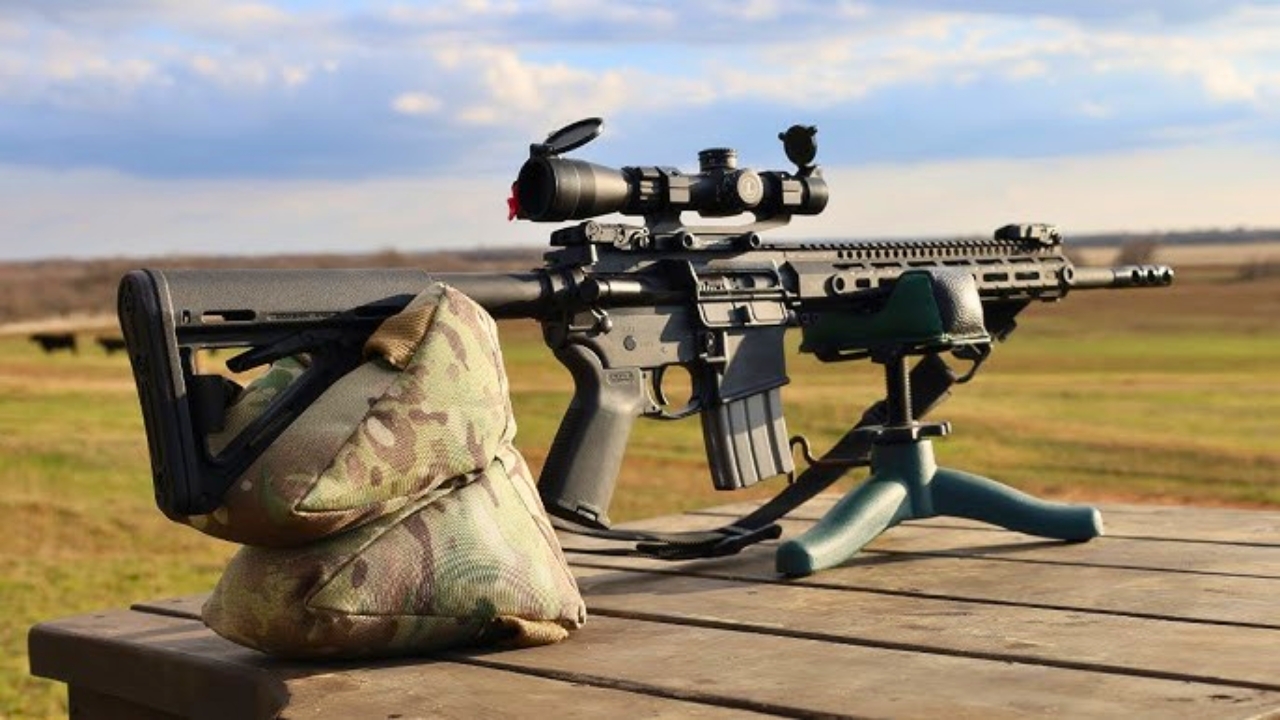
For years, early Colt AR-15s were treated like leftovers from a less exciting era. They didn’t have rails, they didn’t look “tactical,” and they weren’t dripping with modern accessories. A lot of collectors passed on them because cheaper ARs were everywhere and newer designs seemed more practical. That mistake became obvious once bans, state laws, and shifting legal definitions locked pre-ban Colts into a category no modern rifle can enter.
The regret isn’t only financial, though prices certainly reflect it now. It’s historical. These rifles represent the civilian roots of the AR platform, carrying Colt markings that clones simply don’t replace. Once the window closed, it closed for good. Anyone who thought they’d “grab one later” learned the hard way that later sometimes never exists.
Transferable HK MP5
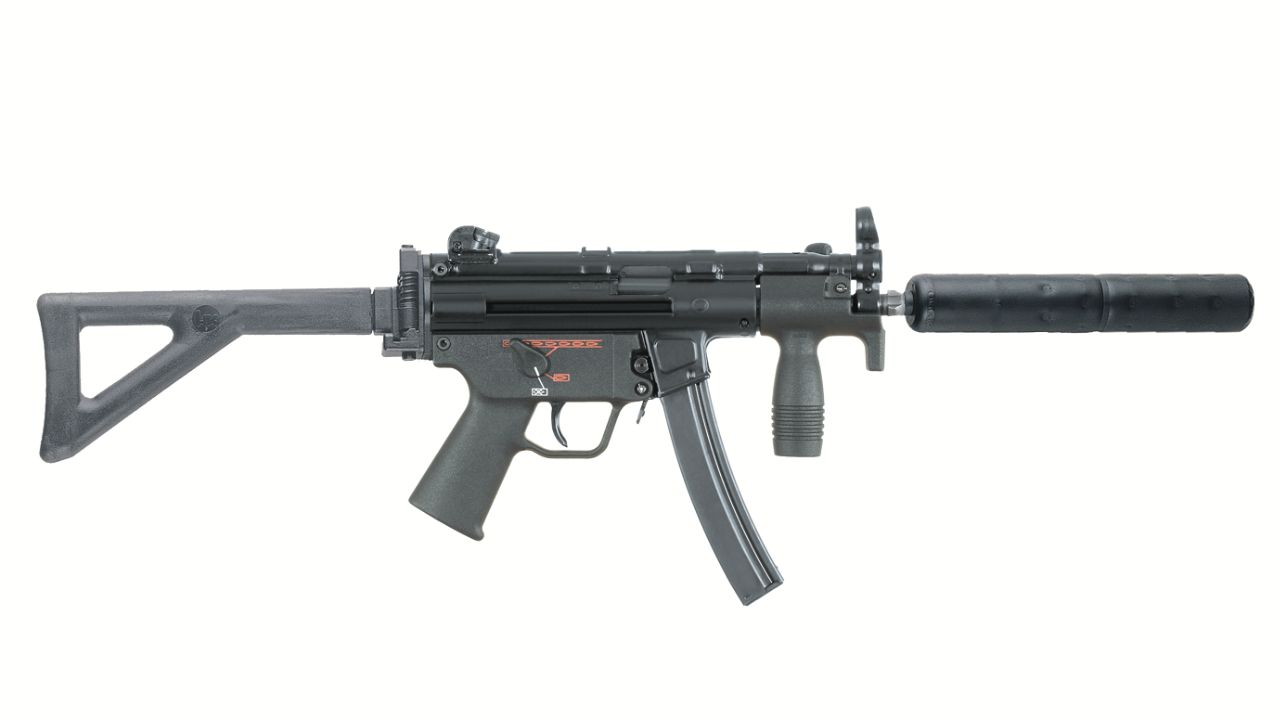
Very few NFA collectors truly believed transferable MP5s would stay affordable forever, yet many still hesitated when prices were merely “high” instead of astronomical. At the time, it felt reasonable to wait, assuming something else would come along or prices might cool. Instead, supply froze permanently while demand only grew stronger.
The MP5 isn’t just another submachine gun. It’s tied to decades of military, law enforcement, and counterterrorism history, and its cultural footprint is massive. Once transferable examples became fixed in number, every delay turned into permanent regret. Today, collectors don’t debate whether they want one—they debate whether they can ever justify the cost. That regret traces directly back to a moment when the decision felt optional.
Russian-made Saiga rifles (pre-import ban)
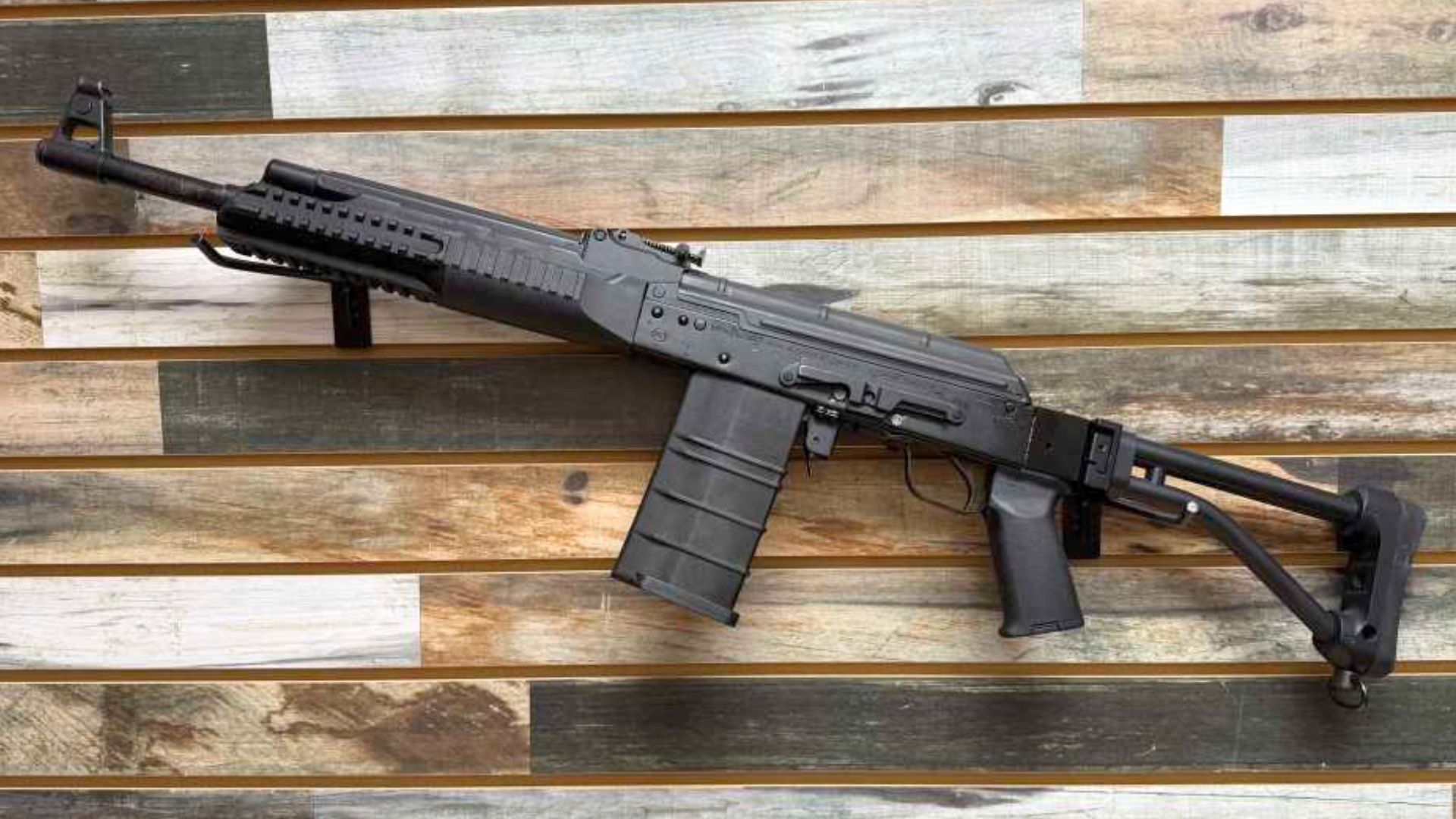
Saiga rifles were once treated as rough starting points rather than collectibles. People bought them cheap, converted them casually, or ignored them altogether because better-finished AKs were still being imported. The assumption was simple: Russian AKs would always be available in some form. Sanctions proved how wrong that thinking was.
Once imports stopped, Saigas instantly shifted from common to untouchable. Converted or not, they became the last widely available Russian-made civilian rifles in the U.S. market. The regret comes from underestimating geopolitics. Collectors learned that supply can disappear overnight—and once it does, no amount of money recreates legitimacy or origin. A missed Saiga is a missed chapter of firearms history.
Belgian Browning Hi-Power

For decades, the Hi-Power lived in a strange middle ground. Everyone respected it, but few felt urgency to buy one. Polymer pistols were taking over, striker guns were cheaper, and collectors assumed Hi-Powers would always be around. Then production slowed, quality shifted, and Belgian examples quietly became finite.
Only after they were gone did demand truly surge. Collectors realized there was no modern replacement for a true Belgian Hi-Power—only reinterpretations. The regret isn’t just about rising prices; it’s about missing a foundational design while it was still sitting in cases nationwide. Once availability vanished, the Hi-Power moved from “classic” to “irreplaceable,” and that transition happened fast.
Smith & Wesson pinned-and-recessed revolvers
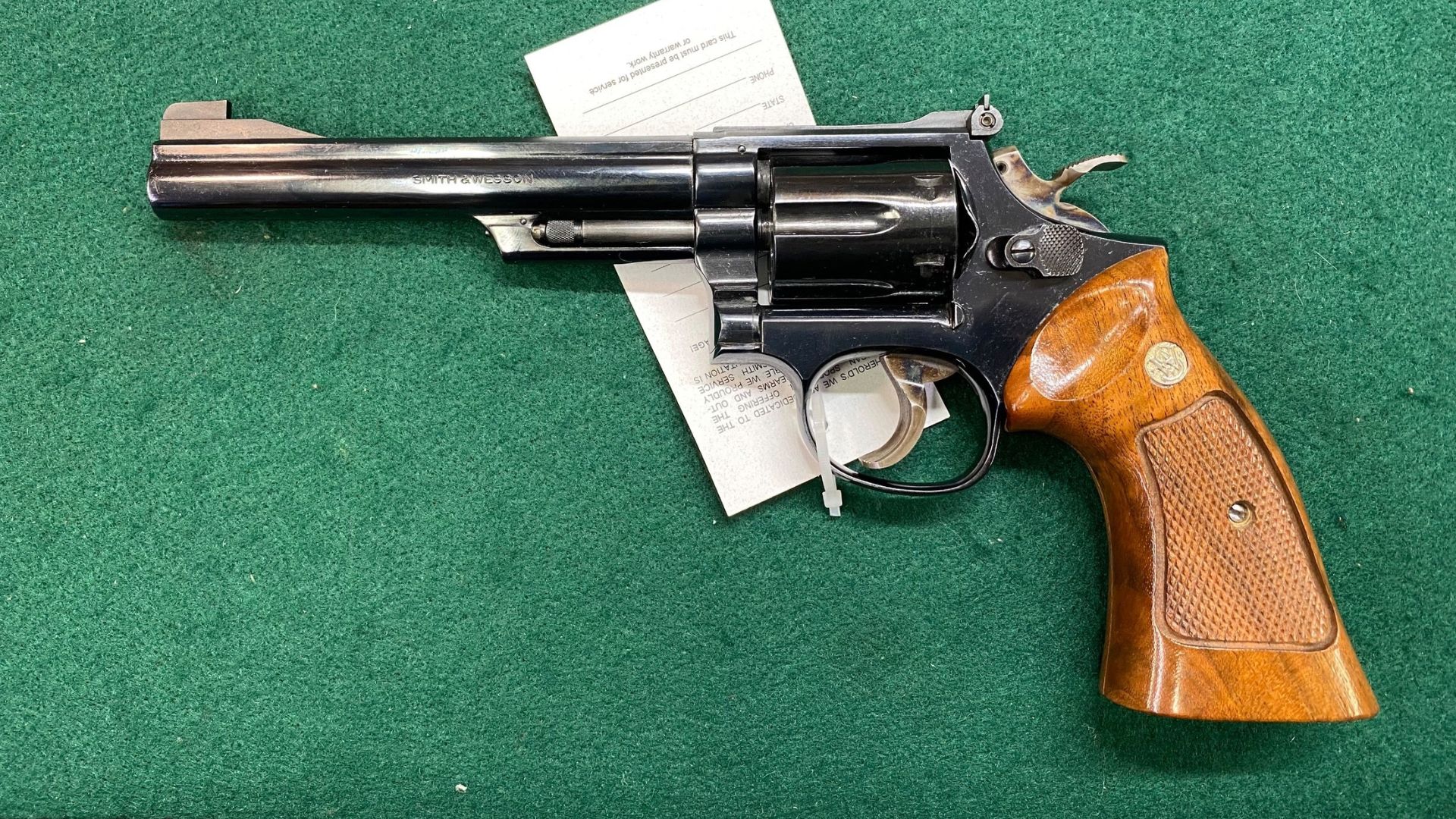
Pinned-and-recessed Smith & Wesson revolvers were once simply considered “older production.” Collectors appreciated them, but few treated them as disappearing artifacts. Manufacturing changes and cost-cutting slowly ended that era, turning those revolvers into markers of craftsmanship that no longer exists in modern production.
Regret here comes from misunderstanding permanence. Once S&W moved on, they never went back. Those revolvers weren’t just different—they were built under a philosophy that prioritized machining time over margins. Collectors who passed on clean examples now face scarcity and escalating prices, all tied to the realization that some manufacturing practices end forever, not cyclically.
Swiss-made SIG P210

The Swiss P210 was never cheap, but for a while it was reachable. Collectors admired its precision, read about its accuracy, and told themselves they’d eventually own one. When Swiss production ended and the pistol’s reputation solidified permanently, prices climbed into a different universe.
The regret is magnified because no modern equivalent truly replaces it. Later variants exist, but original Swiss P210s occupy a space of hand-fitted precision that would be economically impossible to recreate today. Missing that buying window means accepting that ownership now requires collector-level spending, not enthusiast-level curiosity.
Original Galil imports
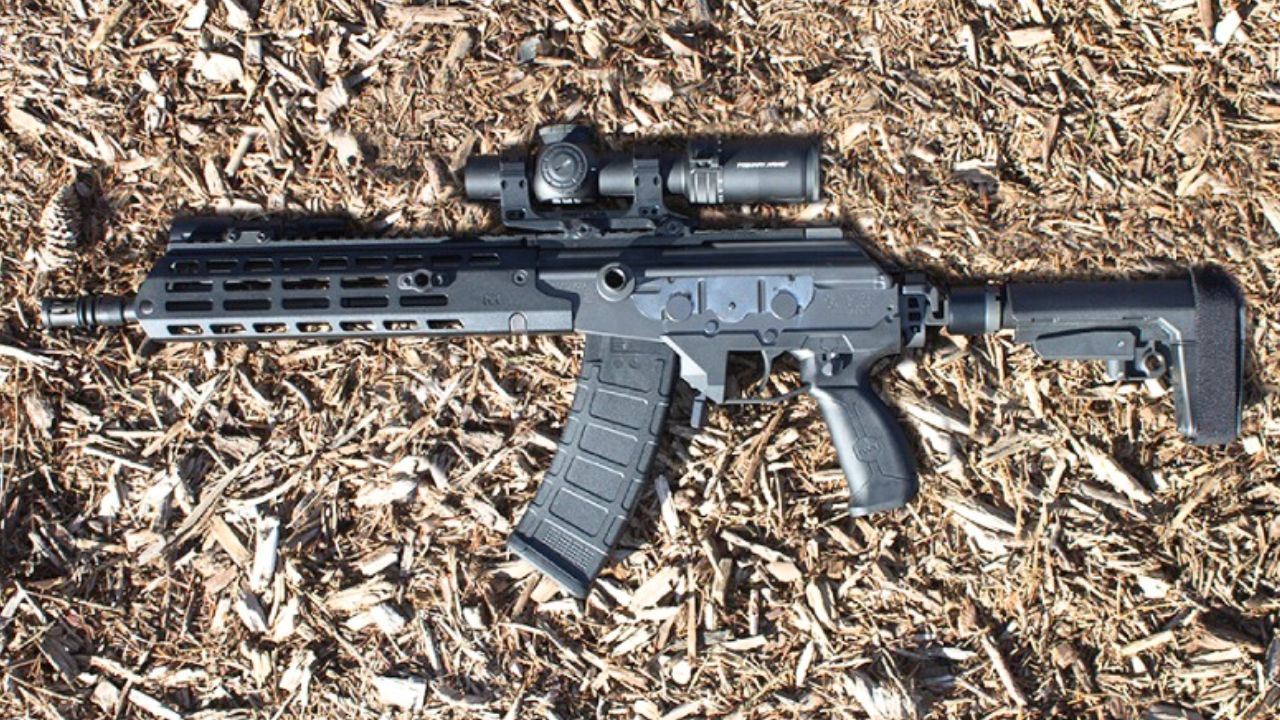
The Galil suffered from bad timing. It was heavy, expensive, and awkward compared to standard AKs, so many buyers dismissed it as an oddity. What they missed was uniqueness. Import restrictions eventually ended availability, and suddenly the Galil became a closed chapter instead of a curiosity.
Collectors now chase originals precisely because nothing else fills that niche. The regret comes from confusing “unpopular at the moment” with “unimportant long term.” Once imports stopped, the rifle’s historical and mechanical distinctiveness finally got its due—but by then, supply was already gone.
Pre-reissue Colt Python
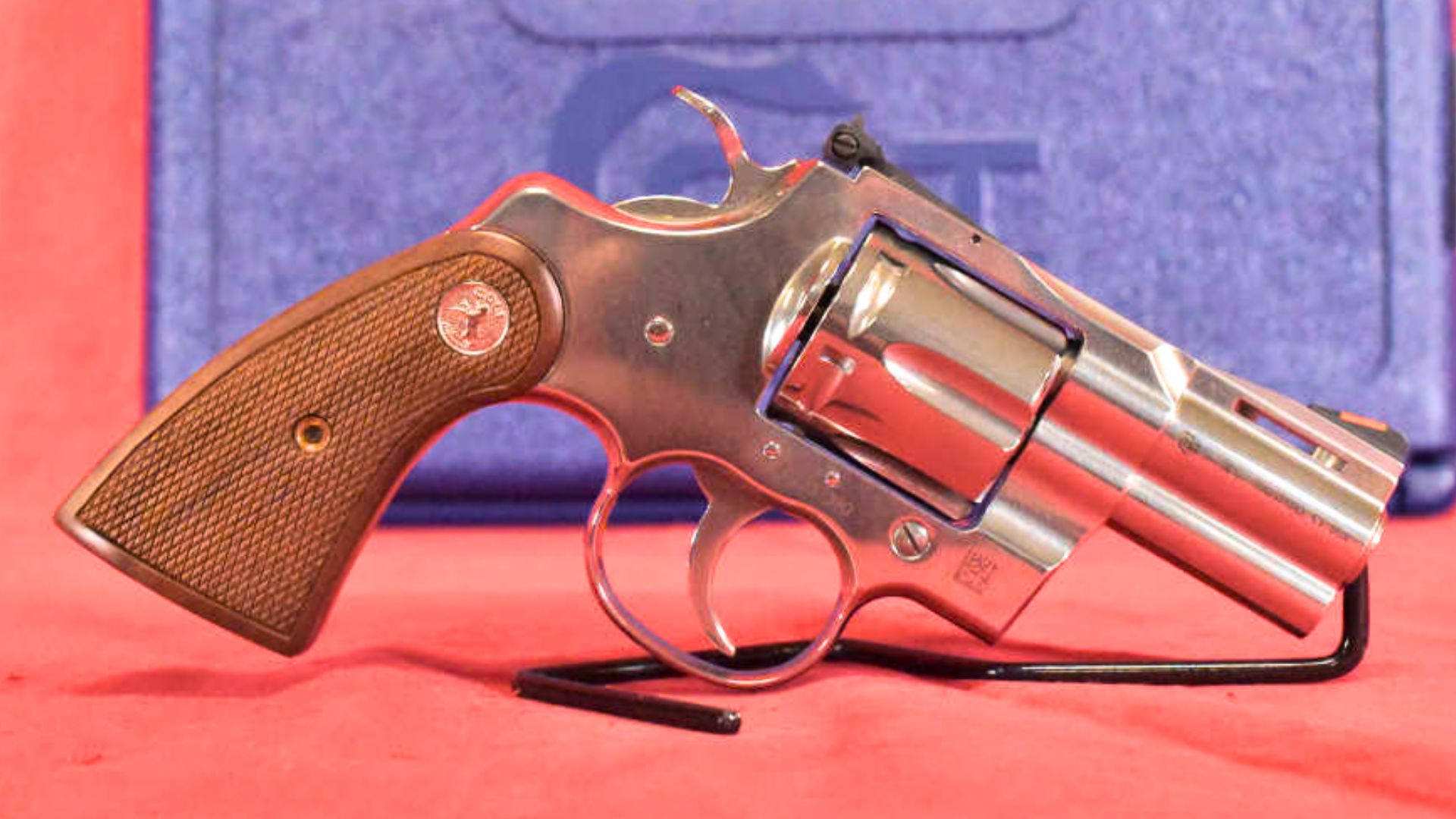
Before Colt reintroduced the Python, original examples were already climbing, but many collectors hesitated, worrying about price or fragility. When production ended originally, values surged. When the reissue arrived, originals didn’t lose value—they gained separation.
The regret comes from misunderstanding reissues. Instead of replacing originals, reissues highlight their craftsmanship and scarcity. Collectors who passed thinking a modern version would scratch the itch learned that hand-fitted classics don’t get cheaper once nostalgia becomes scarcity.
FN FAL imports

For a long time, FN FAL rifles were common enough that collectors didn’t feel urgency. Then imports slowed, kits dried up, and complete original rifles became scarce. The platform’s global military history only increased its appeal once availability ended.
The regret lies in assuming surplus markets last forever. Once they dry up, they don’t refill. Collectors who waited discovered that “still available” is not the same as “always available,” especially for military heritage rifles.
Pre-64 Winchester Model 70

The pre-64 Model 70 is one of the clearest examples of collectors confusing availability with permanence. For years, these rifles were respected but not treated as urgent buys. Plenty were still floating around gun shops and estate sales, so collectors assumed they’d always be there. Then Winchester changed manufacturing methods, and the difference between pre-64 and post-64 rifles became impossible to ignore.
The regret today isn’t just about value, although prices reflect it. It’s about missing a benchmark of American rifle craftsmanship while it was still taken for granted. The pre-64 Model 70 represents an era when machining time mattered more than production speed. Once that era ended, it never came back. Collectors who passed learned that some “classic” guns don’t age slowly — they jump categories almost overnight.
West German SIG pistols

For a long time, West German SIG pistols were treated as working guns, not collector pieces. They were carried, shot, and traded without much thought given to rollmarks or origin. When production shifted away from Germany, collectors slowly realized those markings weren’t cosmetic — they represented a specific manufacturing period that would never return.
The regret comes from not recognizing that transition in real time. Once demand caught up, clean West German examples became harder to find and noticeably more expensive. These pistols aren’t rare because they were limited runs; they’re rare because most were used hard and never preserved. Passing one up now feels different than passing up a modern SIG — it feels like missing a piece of industrial history that quietly ended while no one was watching.
Original IMI Desert Eagle
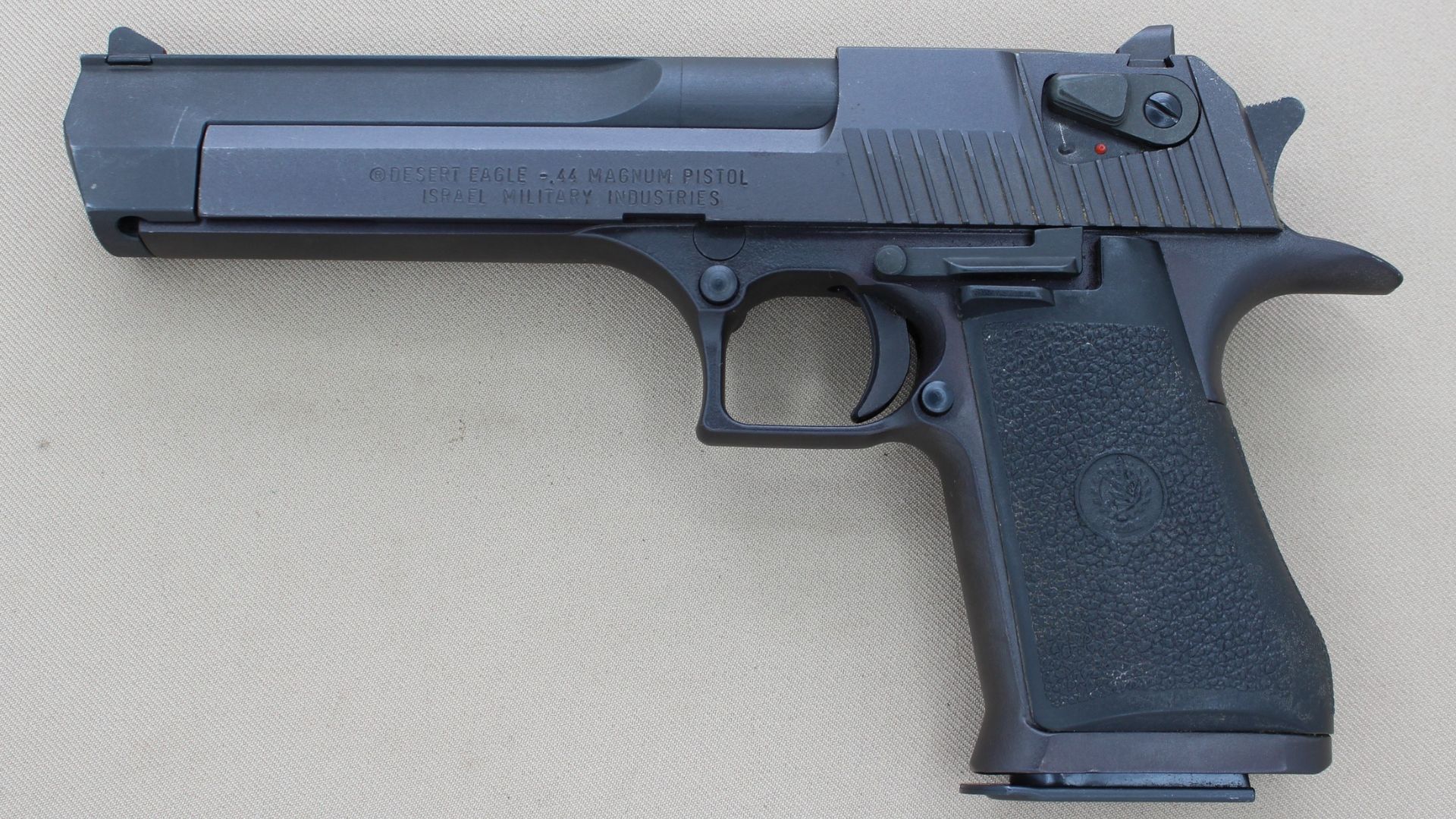
The Desert Eagle was easy to dismiss for years because it looked impractical and over-the-top. Many collectors treated it as a novelty instead of a serious acquisition, especially when cheaper or newer production versions were readily available. What they overlooked was origin. Early IMI-produced Desert Eagles represent the true beginning of the platform, before production moved and branding changed.
Once collectors started caring about provenance, original IMI guns separated sharply from later examples. The regret isn’t that people didn’t buy a Desert Eagle — it’s that they didn’t buy the right one when prices were still reasonable. Cultural impact, movie exposure, and scarcity eventually collided, and by then the opportunity window had already closed.
Early CZ-75 imports

Early CZ-75 imports were quietly influential, which made them easy to overlook. They didn’t arrive with flashy marketing or a loud reputation, so collectors often ignored them in favor of more established Western brands. Meanwhile, the CZ-75 design was shaping future handgun ergonomics in ways people didn’t fully appreciate yet.
The regret today comes from hindsight clarity. Once shooters and collectors recognized how foundational the CZ-75 really was, early imports became desirable almost overnight. Unfortunately, supply had already dried up. Many of these pistols were used heavily or modified, making clean originals scarce. Passing them up when they were “just another steel pistol” now feels like missing the early edition of a book everyone agrees changed the genre.
Transferable M16
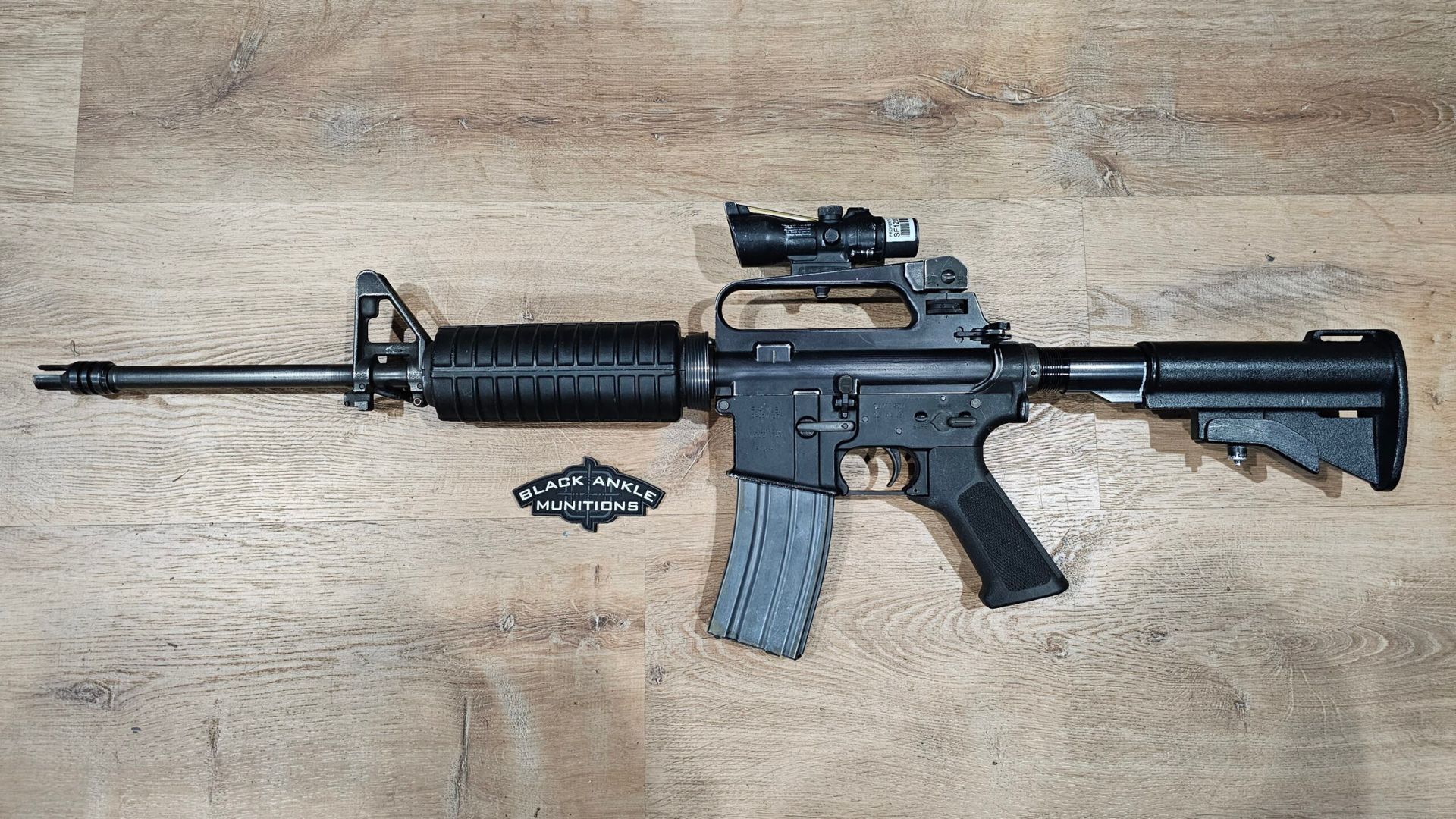
This is the regret that ends all arguments. Anyone who could have bought a transferable M16 when prices were still painful-but-possible wishes they had. Once the registry closed, the market froze permanently. There is no future import, no production restart, and no workaround that recreates legal transferability.
The regret here is absolute. Every year that passes only widens the gap between those who bought early and those who waited. It’s the clearest lesson in firearms collecting: some windows do not reopen. Missing the transferable M16 market isn’t about missing a deal — it’s about missing a category of ownership that is now permanently out of reach for most collectors.
Like The Avid Outdoorsman’s content? Subscribe to our newsletter so you never miss an article.
Here’s more from us: