Photo credit: Backfire/YouTube
If your rifle prints tight groups for three shots then suddenly throws the fourth, you’re not imagining it. Some barrels walk when they heat up, and it’s not always because of bad technique or cheap ammo. Heat does strange things to metal, especially when barrels are thin or improperly bedded. You can zero a rifle on a calm morning and still miss a follow-up at 200 yards after a few strings. That’s frustrating when your tag is on the line. Whether it’s barrel whip, pressure points, or stress in the steel, wandering point-of-impact is a real problem—and some rifles are worse about it than others.
Ruger American Standard
The Ruger American gets a lot right, especially for the price, but heat stability isn’t its strong suit. That pencil barrel heats up fast, and the bedding system—while decent—isn’t always consistent shot-to-shot once things get warm. Most folks running them see great three-shot groups, then flyers start showing up. If you’re taking slow shots off a bench or tagging deer with one cold shot, you probably won’t notice. But stretch it out or run five-shot groups in warm weather and you’ll see what I mean. It’s a great truck rifle, but not one you want for heavy volume.
Savage Axis II
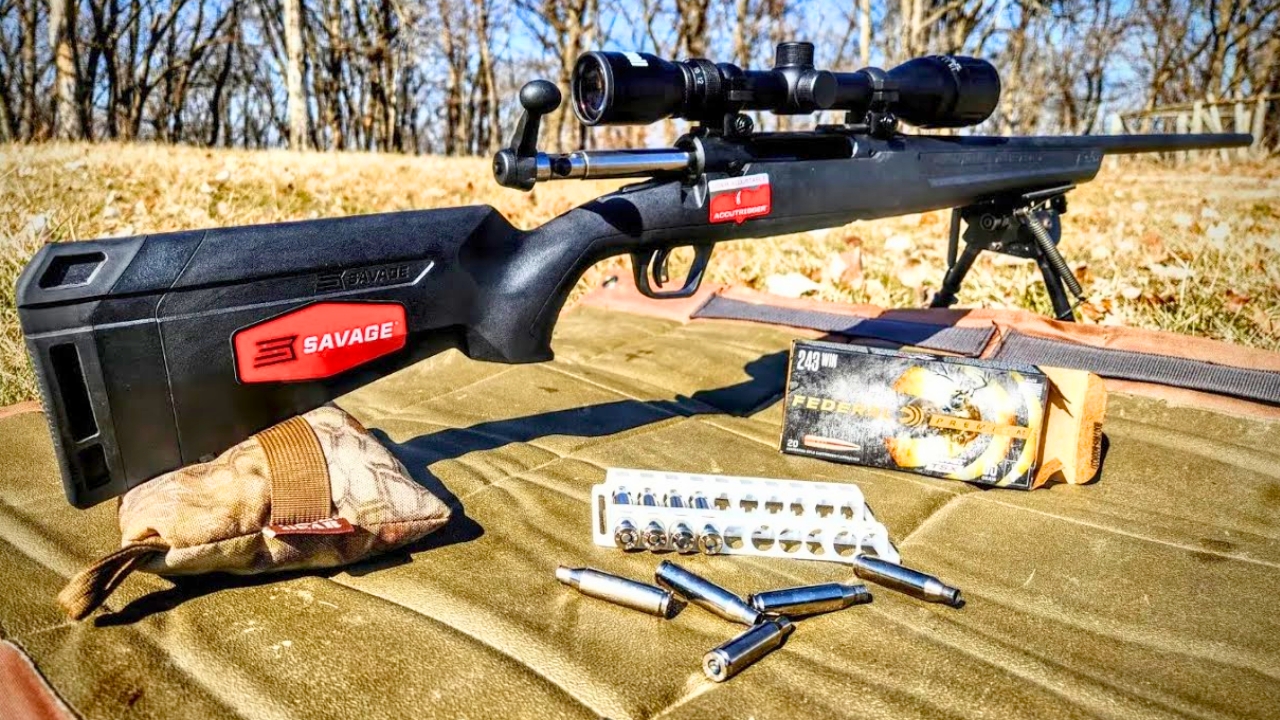
The Axis II is another budget-friendly rifle that does fine with hunting-style pacing but loses composure when it heats. The action is smooth enough, and the trigger isn’t bad at all, but that thin barrel paired with a lightweight synthetic stock makes for some erratic behavior after three or four shots. It’s especially noticeable when you’re trying to dial in a load or confirm drop at range. Groups tend to string vertically as the heat builds. For hunting, it’s still serviceable. But if you need repeatable precision or plan to run it hard at the range, it starts to show its limits fast.
Browning X-Bolt Composite Stalker
The X-Bolt is known for solid out-of-the-box performance, but models like the Composite Stalker with a sporter barrel can drift once you start putting heat through them. The barrel channel isn’t always perfectly floated, and pressure points can show up when the stock flexes. The result is a rifle that groups well cold but starts throwing shots wide after repeated firing. If you’re a slow, deliberate shooter, you’ll probably never notice. But if you’re practicing for elk season with longer shot strings or getting data at range, you’ll want to let this one cool between groups or be ready for some head scratching.
Winchester XPR

The XPR is a capable rifle for the money, but its thin barrel profile and injection-molded stock don’t help with heat stability. The first two or three shots will often land close enough, but the fourth and fifth might start drifting off target, especially at longer ranges. Some of that comes from the barrel heating unevenly, and some comes from how the stock reacts under pressure. It’s a fast-handling rifle that does its job in the woods, but it’s not ideal if you’re doing any kind of extended shooting session. You’ll want to keep your pace slow if you care where each round lands.
Remington 783
The 783 surprised a lot of folks by being a decent shooter right out of the box, but that budget-minded barrel and stock pairing show their flaws once the rifle heats up. Cold-bore groups can be impressive, and the trigger is serviceable, but accuracy tends to fall apart after a few rounds. Barrel whip and inconsistent harmonics start to show up quickly. This one wasn’t built for sustained fire, and it shows. For a hunting rifle that’ll only ever fire one or two shots per trip, it’s fine. But don’t count on it to hold tight at the range unless you let it cool way down.
Mossberg Patriot

The Mossberg Patriot is another rifle that shoots better than you’d expect for the price—at least until it doesn’t. Heat build-up causes vertical stringing in a lot of examples, especially in magnum calibers. The barrel is thin, and the stock doesn’t do much to control flex or tension points. The rifle is light, which makes it nice to carry, but also means it warms up fast. You can zero it reliably if you shoot slow and steady, but try running a full box through it and see what happens. This is one of those rifles that shows its best face cold.
Weatherby Vanguard Synthetic
The Vanguard is built on the Howa 1500 action and known for solid cold-bore accuracy, but some synthetic-stocked models will walk a bit once hot. The sporter-weight barrels heat quickly, and depending on how they’re bedded in the stock, pressure points can mess with consistency. You may not see it at 100 yards, but once you stretch out or try for five tight shots in a row, the shift becomes obvious. It’s not as bad as some budget rifles, but it’s not immune either. If you shoot moderate-paced groups or give it time to cool, it’ll still hold its reputation well.
Like The Avid Outdoorsman’s content? Be sure to follow us.
Here’s more from us:
The worst deer rifles money can buy
Sidearms That Belong in the Safe — Not Your Belt
*This article was developed with AI-powered tools and has been carefully reviewed by our editors.