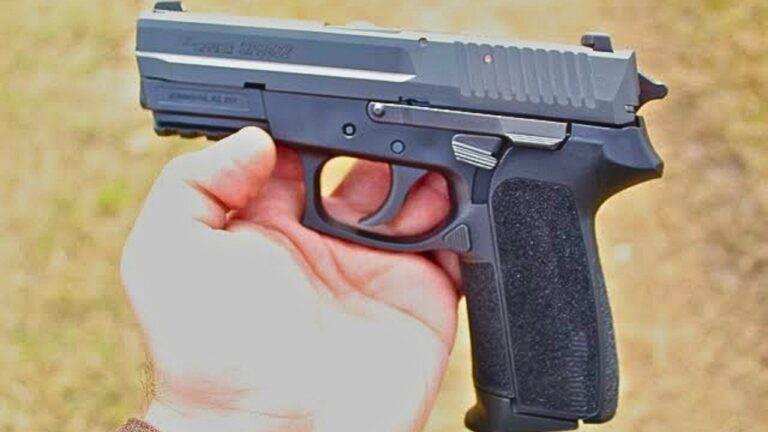
Photo credit: Zamrznuti tonovi/Shutterstock.com
If you’re looking for a fast, heads-up sighting system, the choice usually comes down to red dot or holographic optics. Both give you quick target acquisition and allow you to shoot with both eyes open, but the way they work—and how that affects your shooting—differs more than you might think. Understanding those differences will help you pick the right tool for your setup, whether you’re mounting it on a home defense rifle, a competition gun, or a duty weapon. Here’s what you should know before you spend the money.
How the Technology Works
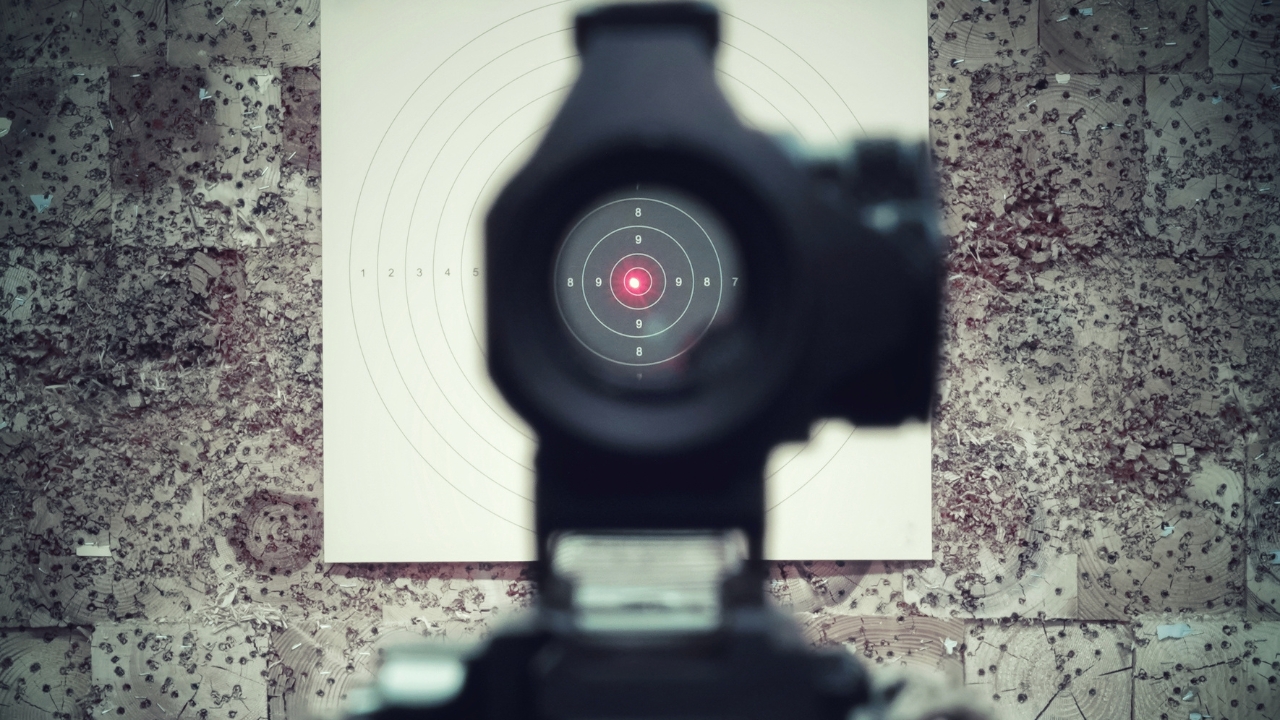
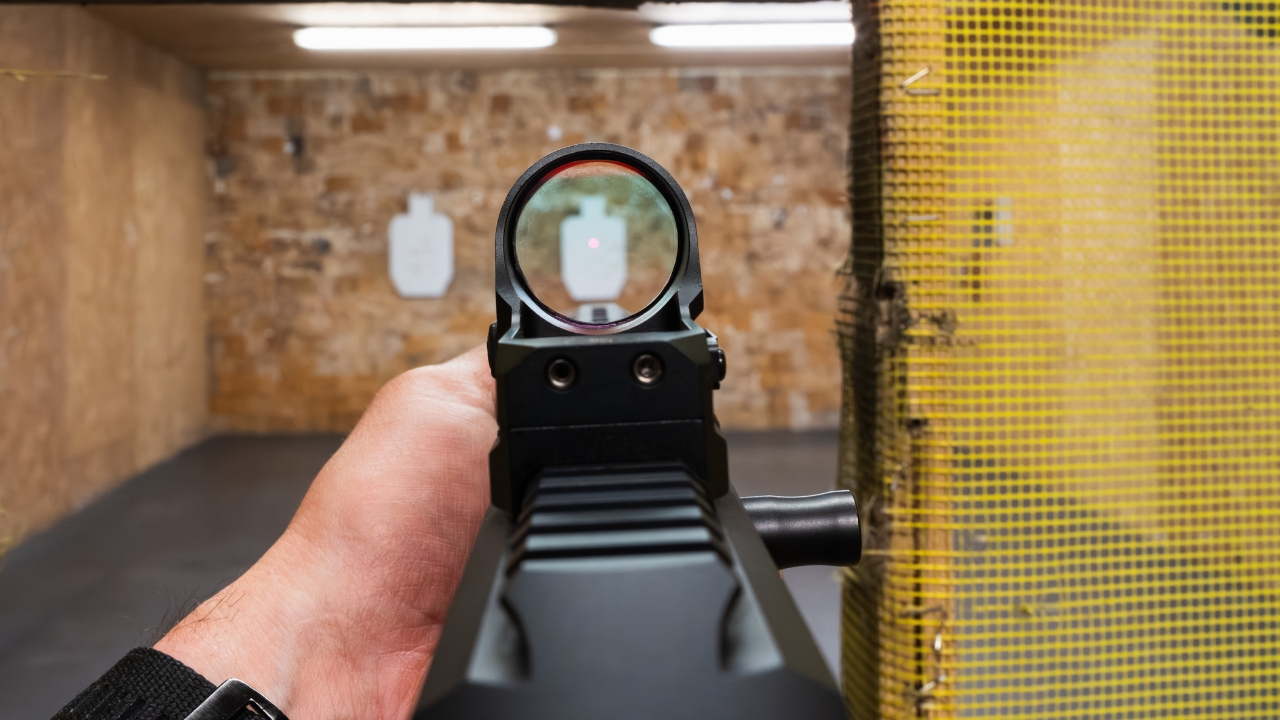
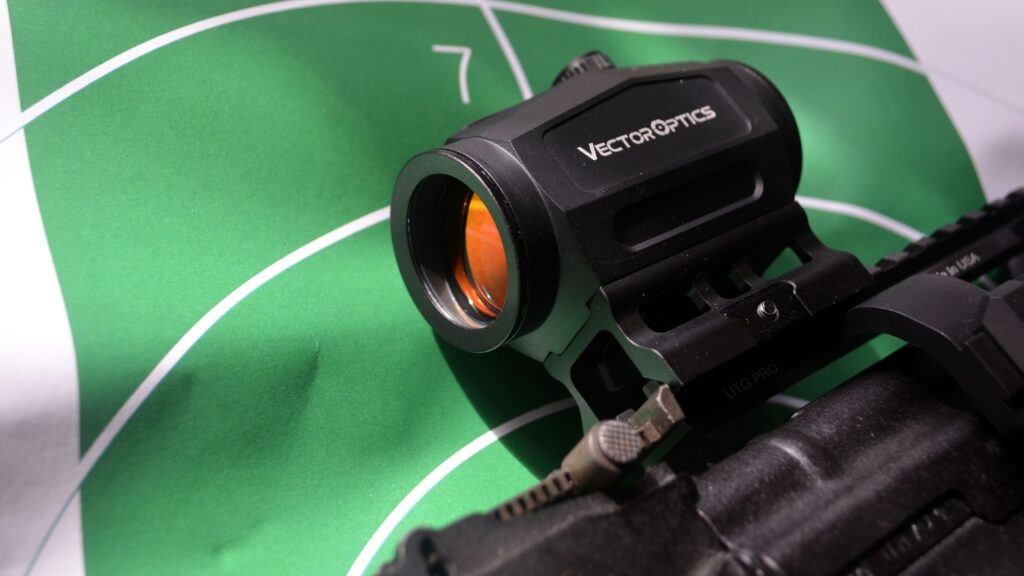
Red dots use an LED to project a simple dot onto a coated lens, while holographic sights use a laser to display a reticle that appears to float in your field of view. The difference in projection changes how the sight reacts to movement and parallax.
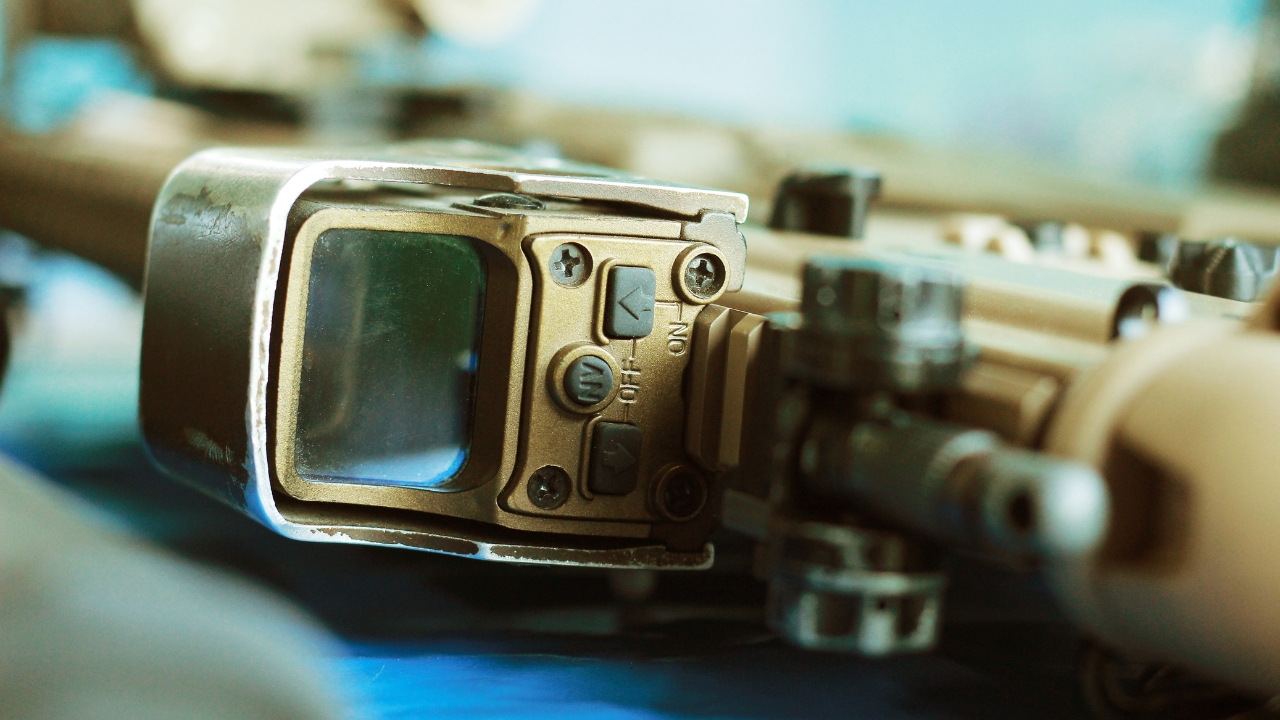
Holographics generally keep the reticle in the same spot in your sight picture even if your head shifts slightly, which can help in awkward shooting positions. Red dots are simpler and more efficient but can show more parallax at extreme angles.
Reticle Options and Clarity
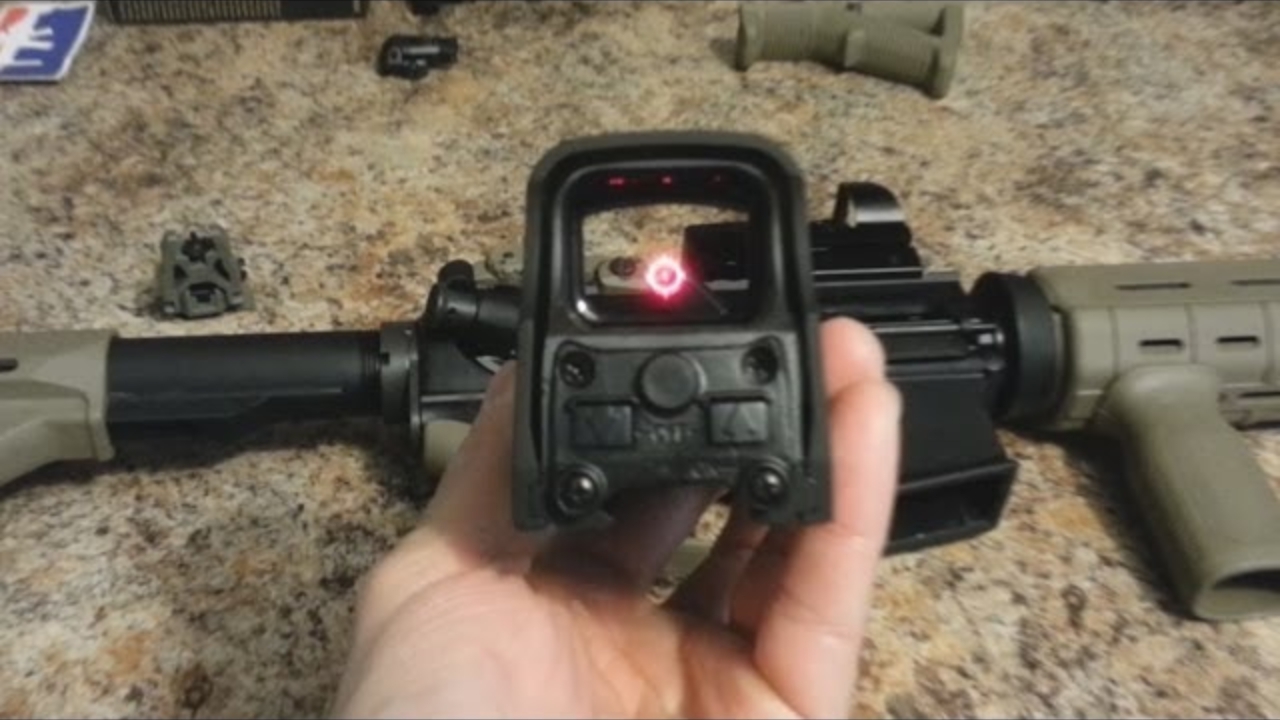
Red dots usually offer a clean, single dot—fast to pick up but limited in range estimation or holdovers. Holographic sights often have more complex reticles, like a 65 MOA circle with a 1 MOA center dot, giving you extra reference points.
If you have astigmatism, holographic reticles can appear crisper than red dots, which sometimes look smeared or starburst under those conditions. The tradeoff is that holographics tend to draw more power.
Battery Life
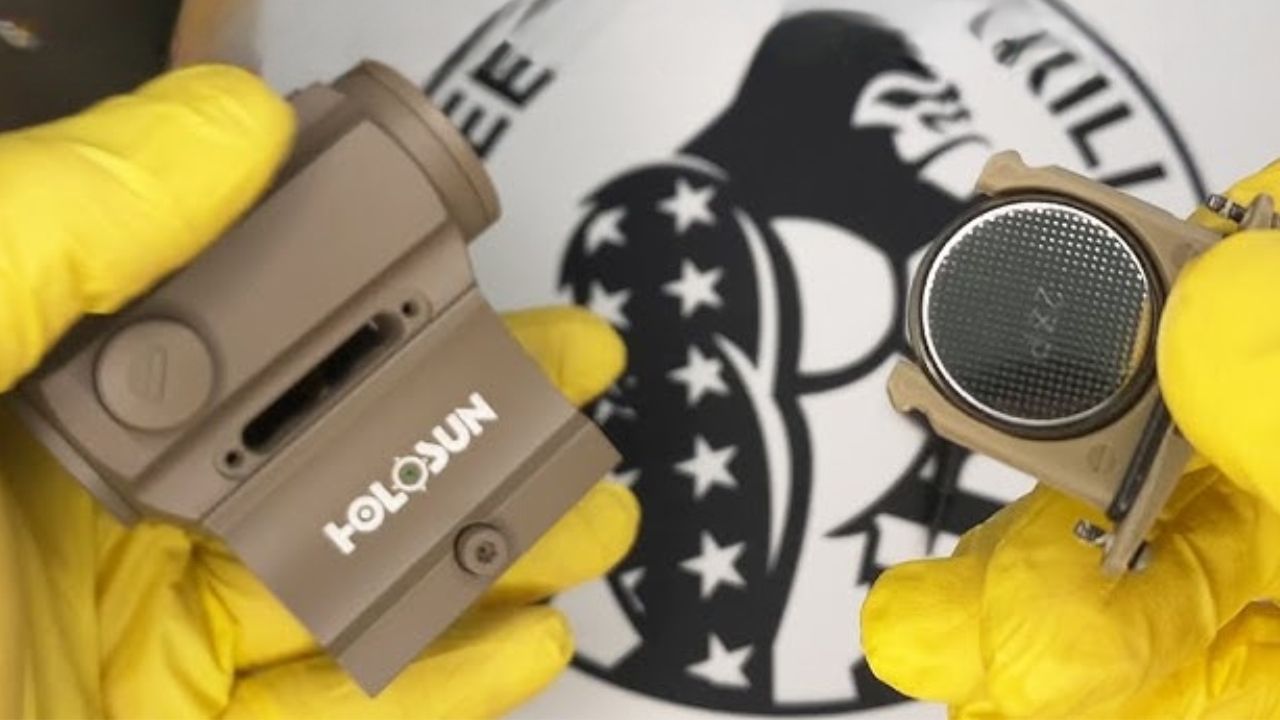
Battery life is one of the biggest differences. Quality red dots can run for years on a single battery thanks to their low-power LED. Holographic sights, on the other hand, often measure battery life in hundreds of hours.
If you’re setting up a rifle for home defense or long-term readiness, a red dot’s efficiency is hard to beat. For duty or range use where you can monitor power closely, a holographic can still be worth it.
Durability and Environmental Resistance
Both styles are built tough by reputable manufacturers, but red dots have fewer moving parts and electronics, which gives them a slight edge in overall durability and resistance to shock.
Holographics still hold up well in real-world conditions, but their internal laser systems can be more vulnerable to extreme cold or heat. If you’re operating in harsh climates, that’s worth considering.
Field of View and Eye Box
Holographic sights often feel like they have a wider field of view, even if the actual window size is similar to a red dot. That’s partly due to the way the reticle appears at a set distance in your vision.
A more forgiving eye box in a holographic can help when you’re shooting from awkward positions or around cover. Red dots, while still good, can be less forgiving of extreme head movement.
Magnifier Compatibility
Both sight types work with magnifiers, but holographic reticles tend to maintain their size better when magnified, since they’re usually 1 MOA dots or finer. Red dot reticles can appear larger and cover more of the target when magnified.
If you plan to run a magnifier regularly, a holographic sight might give you a clearer, more precise aiming point at distance.
Cost and Weight
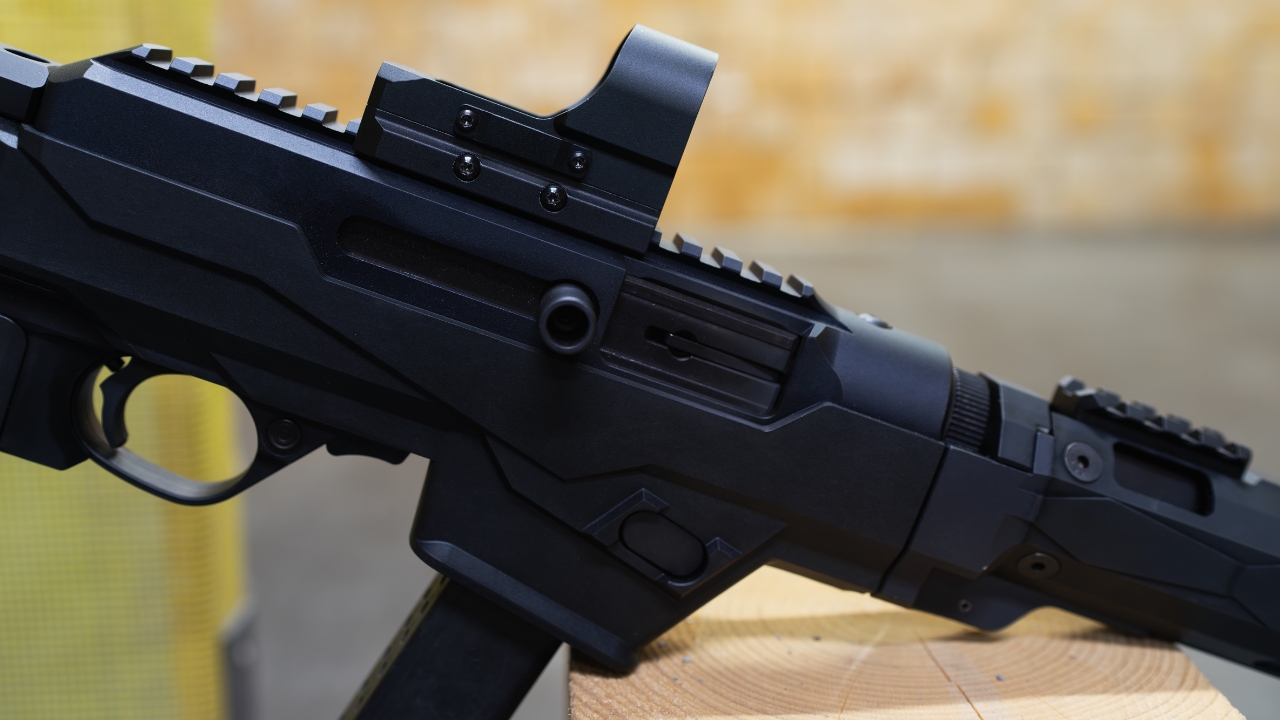
In general, holographic sights are more expensive and slightly heavier due to the complexity of the technology. Red dots can be lighter, more compact, and much cheaper while still delivering great performance.
If budget is tight or you’re trying to keep your rifle light, a red dot makes sense. If you want the benefits of a more complex reticle and can handle the extra cost, a holographic might be worth the investment.Tools
*This article was developed with AI-powered tools and has been carefully reviewed by our editors.