Photo credit: Cabela's
Some rifles roll off the line and make you wonder how they ever got greenlit. Whether it’s poor accuracy, awful ergonomics, or reliability that’s more miss than hit, a few models flat-out missed the mark. These aren’t just “not great” rifles—they’re the ones that probably should’ve stayed on the drawing board.
Century Arms C308

The C308 tried to clone the classic HK91/G3 design, but the execution left a lot to be desired. Sloppy fit and finish, inconsistent headspacing, and questionable reliability made this rifle hard to trust.
If you got a “good one,” it ran okay—but there were too many lemons in circulation. When your rifle’s reliability is a coin toss, it’s probably time to rethink the release.
Winchester Model 100

On paper, the Model 100 seemed like a solid semi-auto hunting rifle. But then came the recalls and the slam-fire issues. A worn firing pin could cause it to go off without pulling the trigger—not exactly confidence-inspiring.
Even after fixes, the rifle’s heavy trigger and sluggish cycling didn’t do it any favors. It quietly faded away, and most folks were fine with that.
Remington Nylon 76 “Trailrider”

This lever-action .22 looked interesting but ended up being a strange experiment that didn’t quite work. The plastic construction was ahead of its time but felt flimsy, and the action wasn’t smooth.
It didn’t offer much over a basic bolt- or semi-auto .22, and the controls were awkward. Collectors might like them, but most shooters passed them up for good reason.
FN F2000

The F2000 had a sci-fi vibe and some cool ideas, but the execution was clunky. The forward-ejecting bullpup was meant to solve problems—it mostly created new ones.
The trigger felt like it belonged on a toy, and the rifle’s balance was awkward. It also came with a hefty price tag for something most folks didn’t find practical outside a movie set.
Remington 7400

This semi-auto hunting rifle never really earned a reputation for durability. Frequent jamming and poor accuracy made it a gamble in the field. If you shot light loads, it struggled to cycle. If you shot heavy loads, it beat itself up.
Gunsmiths often groaned when one came through the door. It looked okay, but performance-wise, it was a headache.
Armalite AR-180B

Armalite tried to bring back the AR-180 with polymer lower parts and a few changes. Unfortunately, it never felt quite right. The construction was cheap, and it didn’t run nearly as smooth as the rifles it was based on.
It was supposed to be a budget-friendly alternative to an AR-15, but most folks decided to just stick with ARs instead.
Ruger Mini-14 (Early Models)

Before Ruger made some much-needed improvements, the early Mini-14s were scatterguns past 100 yards. Accuracy was hit or miss—literally. You’d be lucky to keep groups inside a pie plate.
They looked cool and ran okay up close, but for anything beyond plinking or barn defense, they were a letdown. Later models got better, but the early ones gave the platform a bad name.
SIG556R

SIG tried to combine the AK platform with their own 556 series, but it didn’t quite pan out. The rifle had feeding problems with steel-case ammo—which kind of defeats the purpose of an AK-style rifle.
It also weighed a ton and felt front-heavy. Fans of either platform were left unimpressed, and SIG eventually moved on.
Mossberg 472 “Puma”

Mossberg’s attempt at a lever gun never really caught on. The action wasn’t smooth, and it lacked the solid feel of a Marlin or Winchester. The sights were crude, and the finish felt cheap.
It might’ve worked for someone on a tight budget, but even then, there were better options. It disappeared from shelves almost as fast as it showed up.
Calico M100

Futuristic looks and a helical magazine that held 100 rounds? Sounds cool—until you actually try to use one. Jams were common, loading the mag was a chore, and the plastic build didn’t inspire confidence.
It was the kind of gun that wowed you at a glance and let you down at the range. Most folks shelved it after a couple of sessions.
Norinco NHM-91

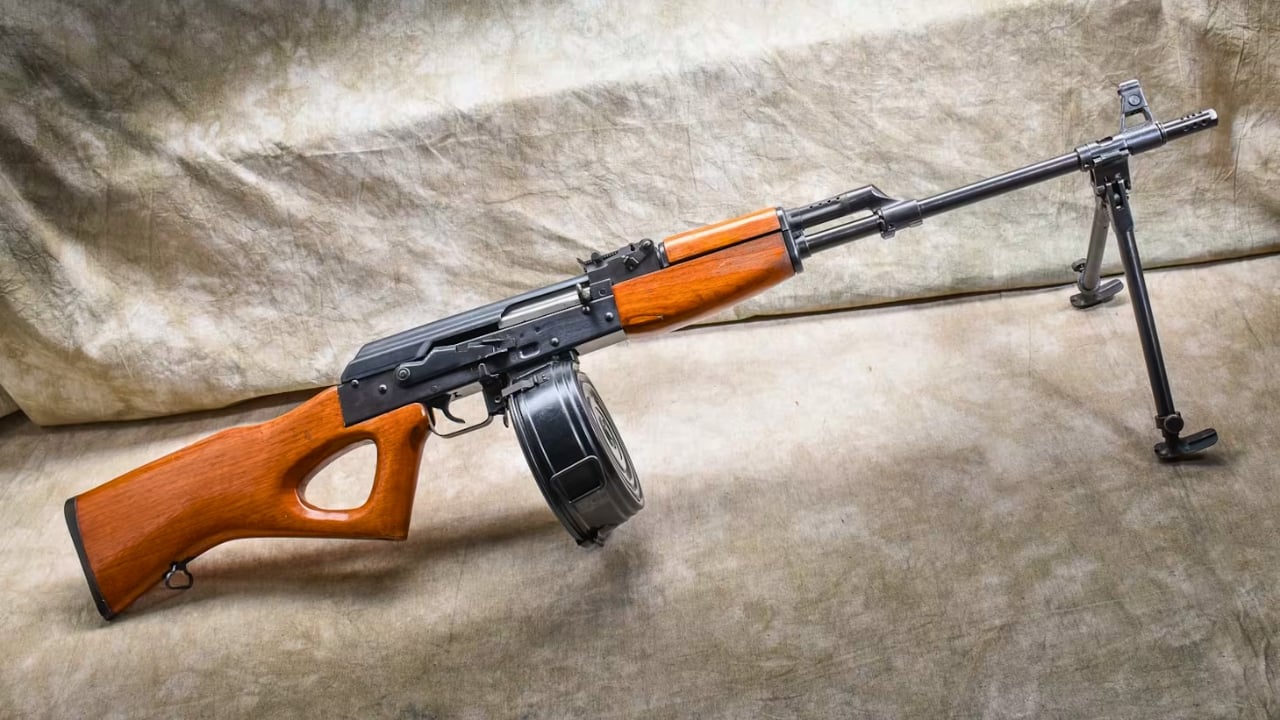
This AK-style rifle tried to copy the RPK’s look with a long barrel and thumbhole stock, but it ended up being awkward and front-heavy. Accuracy wasn’t much better than your run-of-the-mill WASR.
It had that typical Norinco roughness, and the weird stock didn’t help. Some got converted to standard AKs, but out of the box, it was more clumsy than useful.
Bushmaster Carbon 15

Bushmaster tried to go ultralight with the Carbon 15 series, but it came at the cost of durability. The carbon-reinforced polymer lower felt fragile, and some models had trouble holding up under regular use.
It had its fans, but many shooters found themselves dealing with cracked receivers and poor long-term reliability. Lightweight isn’t worth much if the rifle can’t hold together.
US Rifle M14 (Civilian Clones)

Not all M14 clones are created equal. Some civilian versions, especially early Springfield Armory models, had questionable receivers and inconsistent accuracy. Add in the heavy weight and complicated optics mounting, and you’ve got a tough sell.
Enthusiasts kept them alive, but most practical shooters moved on to rifles that were easier to live with—and more accurate out of the box.
*This article was developed with AI-powered tools and has been carefully reviewed by our editors.