Photo credit: MMXeon/Shutterstock.com
Feeding issues are one of the fastest ways to lose trust in a handgun. A pistol can have great ergonomics, impressive accuracy, or sleek lines, but if it won’t cycle properly, it’s not worth carrying. Some designs are plagued with weak magazine geometry, poorly cut feed ramps, or ammo sensitivity that makes them choke under conditions other handguns handle with ease. Over time, shooters learn which pistols have reputations for running and which ones never seem to feed right no matter how many tweaks or upgrades are thrown at them. If you’ve ever fought through stovepipes, nose dives, or constant failure-to-feeds, you know exactly what I’m talking about. These are the handguns that have built their names around frustrating reliability problems at the feeding stage.
Colt All-American 2000

The Colt All-American 2000 was supposed to bring Colt back into the modern polymer handgun market, but feeding problems sank it. The pistol often struggled with nose dives and failures to feed due to poor magazine design and awkward geometry. Shooters quickly discovered that reliability wasn’t there, no matter what ammo you ran.
The gun also suffered from a heavy trigger and bulky frame, but feeding issues were what doomed it in the end. Colt tried to market it as a competitor to Glock and SIG, but its reputation fell apart when users couldn’t make it through a box of ammo without malfunctions. Even aftermarket support never really solved the problem. Today, it’s remembered as one of Colt’s most embarrassing attempts at a modern service pistol. If a handgun won’t feed reliably, it’s done—and the All-American proved that in spades.
Luger P08

The Luger P08 is iconic, but anyone who has spent time shooting one knows it isn’t reliable when it comes to feeding. The toggle-lock design looks impressive, but it’s notoriously sensitive to dirt, ammo, and even how you hold the gun. Nose dives and stovepipes are common, especially with anything other than hot European ammo.
Part of the issue is the magazine—its geometry isn’t forgiving, and the gun demands consistent spring tension to function. In the field, especially during wartime, that meant it often failed when conditions weren’t perfect. Collectors love it, and it’s a fine piece of engineering history, but as a shooter it will leave you frustrated. The Luger shows how complexity works against reliability. A design that can’t feed consistently under stress isn’t practical for anything beyond display. It might be beautiful and historically important, but as far as dependable function, the P08 has always struggled to earn that respect.
Kimber Solo

The Kimber Solo looked like a premium micro-9mm option, but it quickly earned a reputation for failing to feed. It was extremely picky about ammo, often choking on anything other than premium defensive loads with specific bullet profiles. Shooters expecting reliability from an expensive carry pistol were sorely disappointed.
The design had sharp recoil in a small package, which didn’t help matters. But it was the feeding issues that truly buried it. Nose dives, failure to go into battery, and misfeeds were reported by owners everywhere. Kimber eventually discontinued the Solo after years of complaints, replacing it with other models that were more dependable. The Solo is a good example of how poor reliability can destroy a carry pistol’s credibility. Even if it looks great and feels solid in the hand, none of that matters when it won’t run consistently. The Solo is remembered more for malfunctions than performance.
Taurus PT-22

The Taurus PT-22 was meant to be a budget-friendly pocket pistol, but its feeding reputation is abysmal. The tip-up barrel design made it convenient to load, but the pistol often struggled to feed reliably from the magazine. Rimmed .22 LR cartridges already present challenges, and the PT-22’s execution made them worse.
Owners often report constant stovepipes, failure-to-feed issues, and jams that require stopping to clear. With .22 LR, some hiccups are expected, but the PT-22 goes well beyond that into unacceptable territory. In a defensive handgun—especially a pocket carry—feeding problems aren’t just frustrating, they’re dangerous. Taurus never managed to fully clean up the design, and the pistol has lived under that shadow ever since. If you want a reliable rimfire pocket pistol, there are better options. The PT-22 is an example of how poor magazine and feed ramp design can ruin an otherwise practical concept.
AMT Backup (.380)

The AMT Backup in .380 ACP is a notorious example of a handgun that never fed right. Small, stainless, and marketed as a deep-concealment option, it looked appealing on paper. In practice, its feeding problems made it infamous. Failure-to-feeds, jams, and nose dives were constant complaints.
The heavy trigger and stiff controls didn’t help, but the unreliable cycling sealed its reputation. Owners often found themselves spending more time clearing jams than shooting. In a caliber and platform meant for defensive carry, that’s unacceptable. While AMT produced several versions of the Backup, the .380 stands out as one of the worst offenders. Collectors may hold onto them as curiosities, but nobody carries them with confidence. The AMT Backup shows that a concealed-carry gun without reliable feeding is little more than dead weight. Its reputation continues to follow it decades after production ended.
Walther PPK (.380 ACP versions)

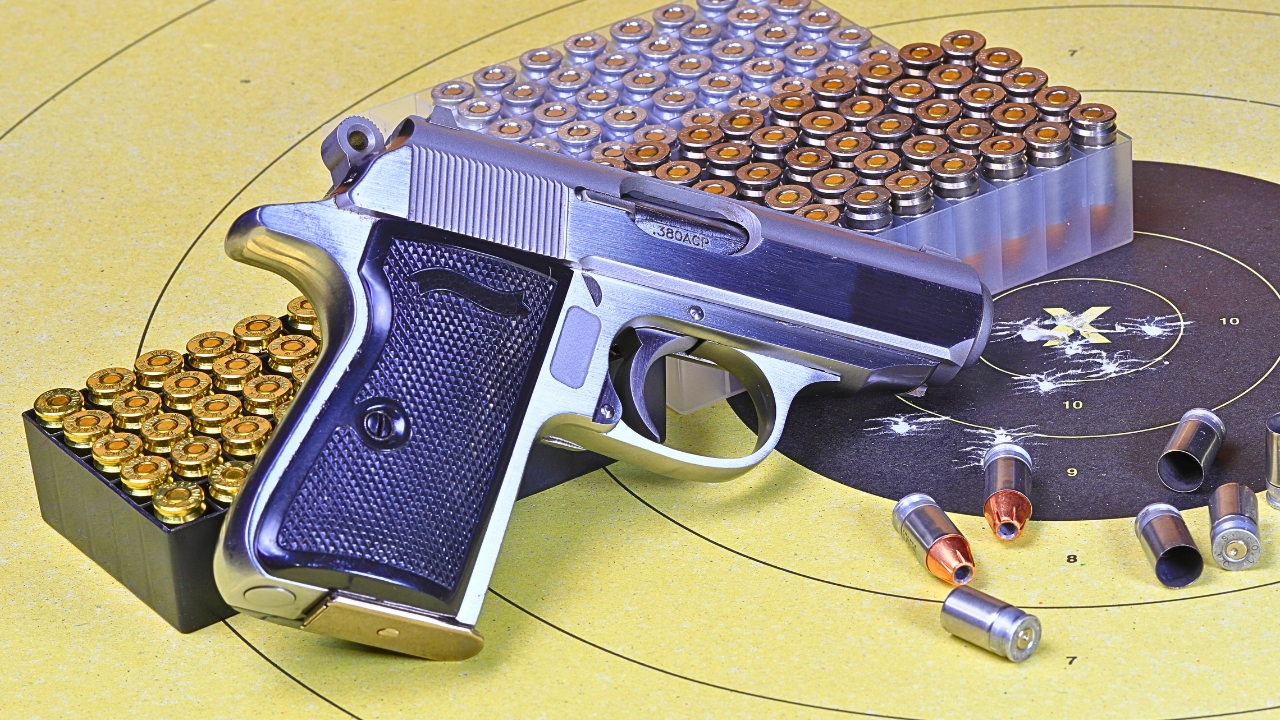
The Walther PPK has Hollywood fame, but the .380 versions are known for being picky feeders. The straight blowback design and short feed ramp don’t always play well with modern hollow points. Many owners report constant hang-ups unless they stick with hardball ammo.
The problem isn’t so much the basic design as it is its age and sensitivity. A small change in bullet profile can cause jams, and weaker magazines only make things worse. While European police once carried it confidently, today’s shooters find it less forgiving compared to modern compact pistols. You can make a PPK run reliably with careful ammo selection, but the fact that you have to is the issue. In defensive carry, a gun that can’t feed a variety of loads isn’t ideal. The PPK may be stylish and historic, but its feeding quirks make it a frustrating choice for many modern shooters.
Desert Eagle (.50 AE)
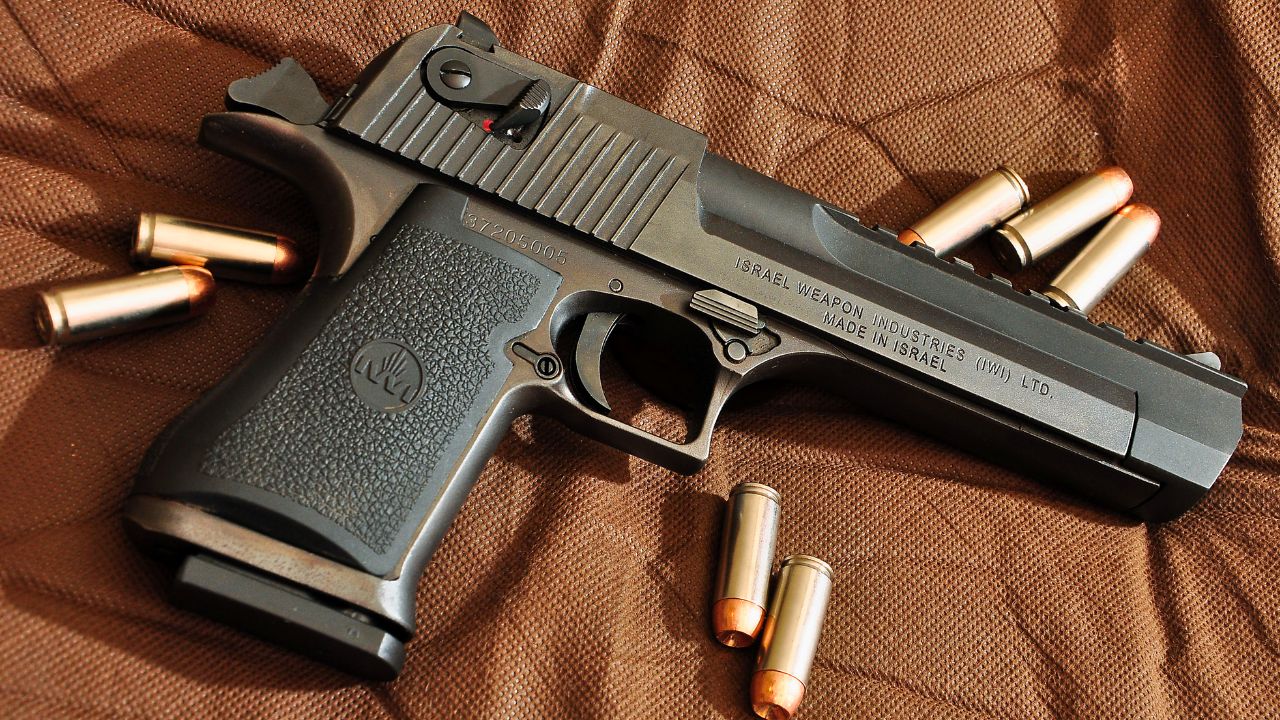
The Desert Eagle is an eye-catching pistol, but anyone who’s fired one knows it has a reputation for feeding issues. With massive cartridges and a gas-operated system, it requires specific ammo to cycle properly. Underpowered loads or poor grip lead to constant failures to feed and jams.
It’s less a matter of poor design and more that the platform pushes the limits of what’s practical in a handgun. The huge cartridges, heavy slide, and unique action all add up to a pistol that isn’t forgiving. Feeding issues are common unless conditions are perfect. That’s why most shooters see the Desert Eagle as more of a novelty than a serious tool. It can be fun at the range, but as far as consistent reliability, especially with feeding, it falls short. The Desert Eagle may impress visually, but its performance is plagued by the same feeding struggles it’s had for decades.
SIG Mosquito

The SIG Mosquito looked like a smaller, affordable way to enjoy the SIG design, but it turned into one of the most notorious jam machines in recent memory. Feeding problems were constant, with nose dives, stovepipes, and failures to go into battery plaguing nearly every shooter who bought one.
The .22 LR cartridge is notoriously finicky in semi-autos, but the Mosquito seemed to amplify every issue. It was extremely ammo-sensitive, running poorly unless fed very specific high-velocity rounds. Even then, reliability was never guaranteed. Shooters expecting a quality SIG experience were disappointed to find a handgun that couldn’t get through a magazine without malfunctions. Its reputation became so poor that it’s now mostly remembered as a mistake in SIG’s lineup. Feeding issues define the Mosquito more than anything else, and that makes it a clear entry on this list of handguns that never run right.
Raven MP-25

The Raven MP-25 is a cheap Saturday night special that’s known for unreliable feeding. Chambered in .25 ACP, it often fails to feed properly due to poor machining, rough feed ramps, and weak magazines. Owners quickly realize that reliability was never a priority in its design.
Failures to feed, jams, and misaligned cartridges are all common with the MP-25. Combine that with its questionable durability and safety record, and you have a pistol that’s a headache to shoot. While it was inexpensive and sold in huge numbers, its lack of reliability kept it from ever being respected. Feeding issues are at the heart of why it’s so often criticized. A defensive handgun has to run, and the MP-25 rarely does without problems. For many shooters, it represents the bottom tier of reliability in semi-automatic pistols.
Jennings J-22

The Jennings J-22 is another inexpensive handgun that built a reputation on malfunctions. Feeding problems were constant, thanks to poor design, soft metals, and magazines that rarely worked as intended. Rimfire pistols can be finicky, but the J-22 pushed that reputation to the extreme.
Owners often reported jams nearly every magazine, regardless of ammo type. The feed ramp was rough, tolerances were loose, and overall build quality was poor. Even when cleaned and lubricated, it was hard to keep running. Feeding failures defined the pistol for decades, making it a joke in most shooting circles. While it may still show up as a cheap option at gun shows, anyone who’s experienced one knows it isn’t worth the trouble. A handgun that can’t feed consistently has no real place in the field or on the range, and the J-22 is one of the most glaring examples.
Intratec TEC-9

The Intratec TEC-9 gained notoriety for its looks and capacity, but shooters quickly learned that feeding reliability wasn’t one of its strengths. Poor magazine design and sloppy machining meant frequent jams, nose dives, and failures to feed. Even with quality ammo, it rarely ran without issues.
The gun’s reputation became tied to malfunctions, to the point where it’s often mocked by shooters who’ve used one. While it looks intimidating, its actual performance is disappointing. Feeding failures are common enough that most owners never trusted it for anything beyond range novelty. With its awkward ergonomics and poor build quality, the TEC-9 never had much of a chance to be reliable. Feeding issues were the most obvious flaw, making it one of the most maligned handguns of its era. Collectors may find it interesting, but shooters know it’s not a gun you can depend on to run a full magazine cleanly.
Lorcin L380

The Lorcin L380 is widely considered one of the worst handguns ever made, and its feeding issues are a big reason why. Cheap construction, poor magazines, and rough feed ramps combined to create a pistol that was more prone to jamming than firing smoothly.
Owners often complained about constant failure-to-feeds and nose dives, no matter what ammunition they used. The pistol’s loose tolerances made accuracy questionable, but the inability to cycle properly was the real problem. As a budget carry option, it failed completely because reliability wasn’t there. Over time, the L380 became part of the “Saturday night special” reputation that hurt the image of many inexpensive pistols. Feeding issues defined it, making it a firearm most shooters warn others away from. It might look like a functional handgun, but its record shows otherwise. The Lorcin L380 is a case study in how not to build a reliable semi-auto.
*This article was developed with AI-powered tools and has been carefully reviewed by our editors.