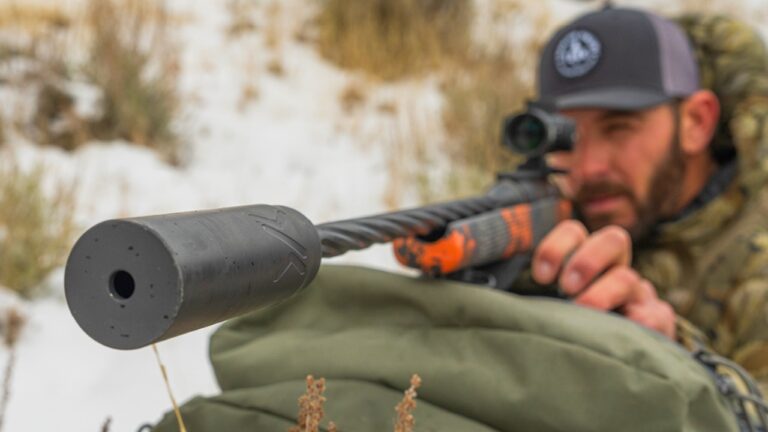
Photo credit: Brnokhan/YouTube
Sometimes a gun earns a loyal following not because it thrives in real conditions, but because shooters go out of their way to protect it from anything tough. You’ve seen it before — rifles that only come out on perfect days, pistols wiped down every magazine, or shotguns kept in the safe because a scratch might crush someone’s soul.
When a gun needs that level of pampering just to stay functional, it tells you everything you need to know. These are the guns folks baby because real use exposes flaws they’d rather not admit.
Remington Model 597
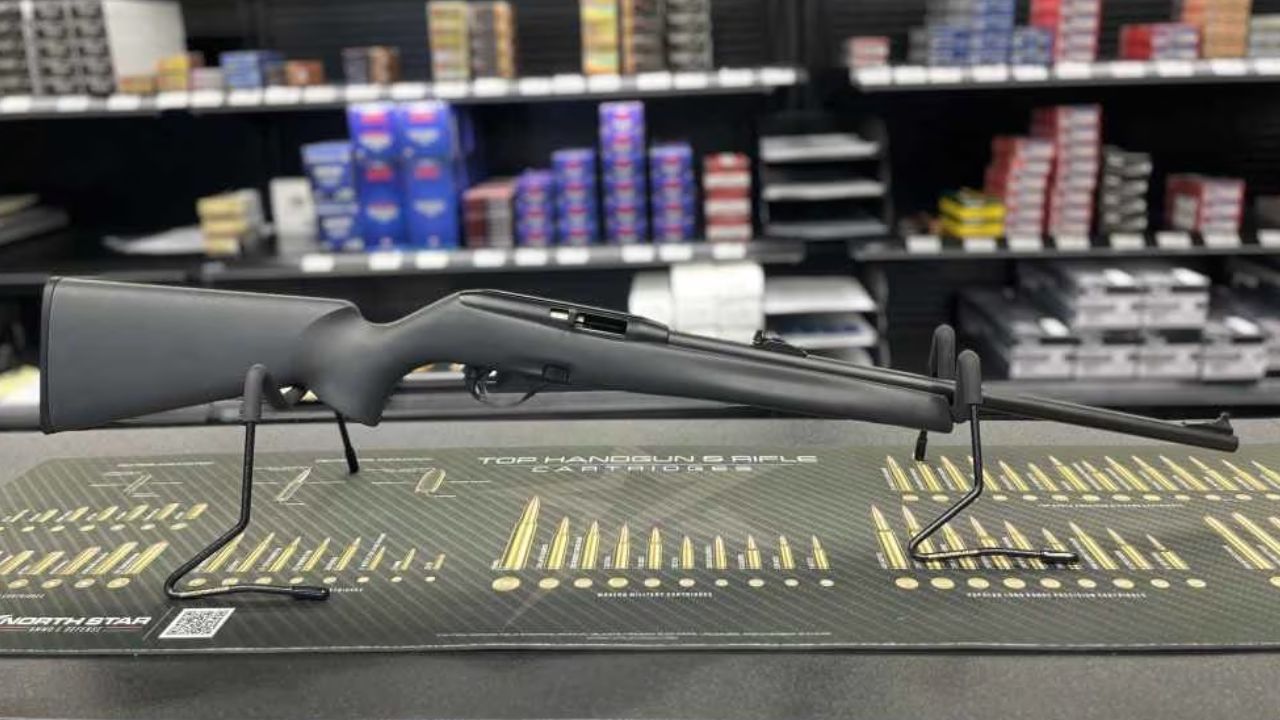
The 597 always feels good on the bench, but you quickly notice how sensitive it is to fouling and mag issues in the field. When conditions get even a little dirty, the feeding cycle becomes unpredictable. A lot of owners end up cleaning it constantly or switching magazines just to keep it alive. That’s why many shooters treat it like a range-only rifle. It can shoot well enough when everything is perfect, but once you introduce dust, uneven ammo, or fast-paced plinking, you start to understand why it never gained the rugged reputation of other rimfires.
Browning BAR ShortTrac

The ShortTrac looks premium, and there’s no denying the smooth feel when you handle it. But out in real hunting conditions, you see how fussy it can be with both temperature changes and inconsistent ammunition. It’s a rifle people carry carefully and break down often because reliability dips if it isn’t kept spotless. The gas system is smooth when clean, but it gums up faster than most semiautos in the same class. It’s a rifle you can enjoy, but only if you’re prepared to treat it like a delicate instrument rather than a workhorse.
Kimber Montana

The Montana has undeniable mountain rifle appeal — light, sleek, and built to look the part. But its featherweight profile makes it extremely sensitive to how you shoot it. Many owners end up babying it, carrying it more than firing it, because the thin barrel heats quickly and shifts impact if you’re not careful. Combine that with occasional feeding quirks, and you see why it often becomes a “fair-weather” rifle. It’s not that it can’t perform, but you’re constantly aware that pushing it too hard exposes the limitations of that lightweight design.
Winchester Model 94AE in .307 Winchester

This version of the 94AE is interesting historically, but in real use it demands more attention than most lever guns. The cartridge is stout, and the action doesn’t always love being run hard or dirty. Shooters who own them often treat them gently, oiling frequently and avoiding rough environments. It’s a rifle that rewards careful handling, not fast cycling in bad weather. While accurate enough for moderate ranges, it’s not the kind of lever gun you hand a new hunter and expect trouble-free performance under pressure.
Ruger Mini Thirty

The Mini Thirty earns affection for its handling, but when exposed to heavy use, it often shows how picky it can be with steel-case ammo and fouling. The action cycles well when clean and fed decent brass, but that’s exactly why so many shooters baby these rifles. They run them gently and clean them often because performance gets unpredictable once the carbon builds. The design has charm, but it’s not a rifle you casually beat up and expect to run flawlessly in the mud or dust.
Marlin XL7
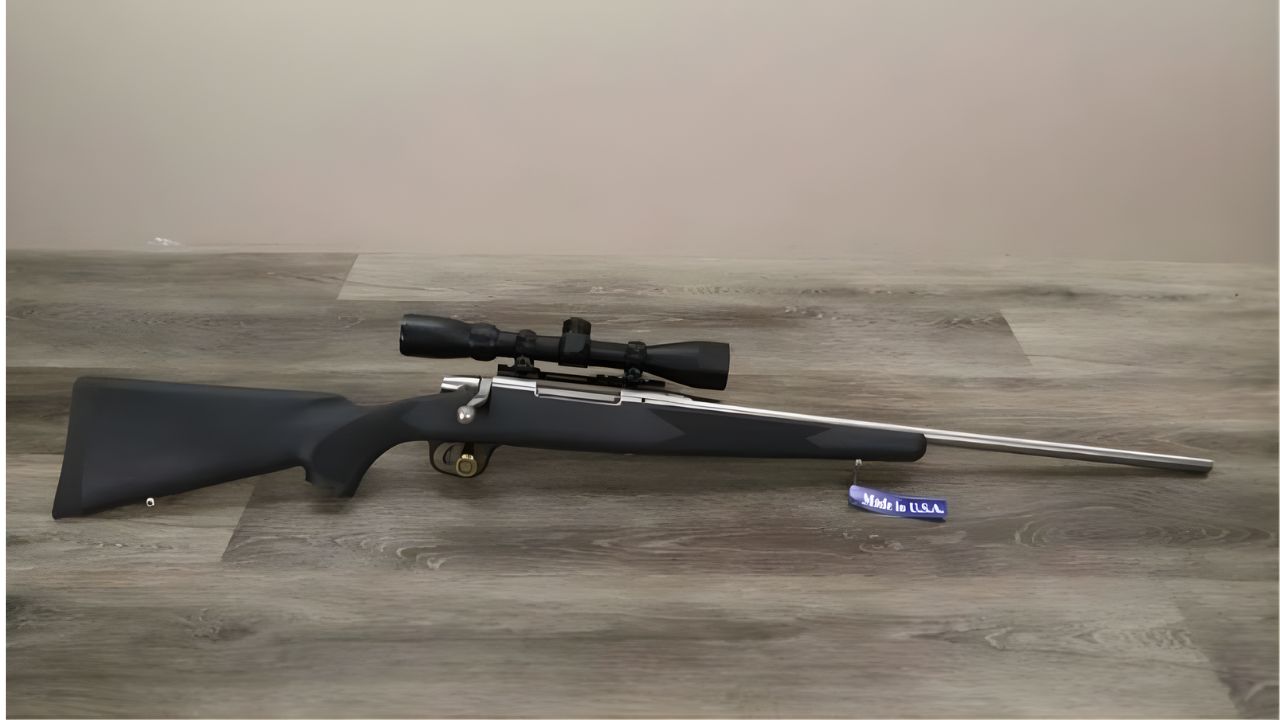
The XL7 shoots well for the price, but it’s a rifle that thrives only when you treat it carefully. Its lightweight stock and budget internals don’t always handle repeated recoil or rough rest setups without developing pressure-point issues. That’s why so many owners keep it clean, dry, and mostly on the bench. It can group nicely when conditions favor it, but the consistency fades once you introduce moisture, field bumps, or colder temperatures. It’s a budget rifle you can enjoy — as long as you don’t push it beyond its comfort zone.
Mossberg 464
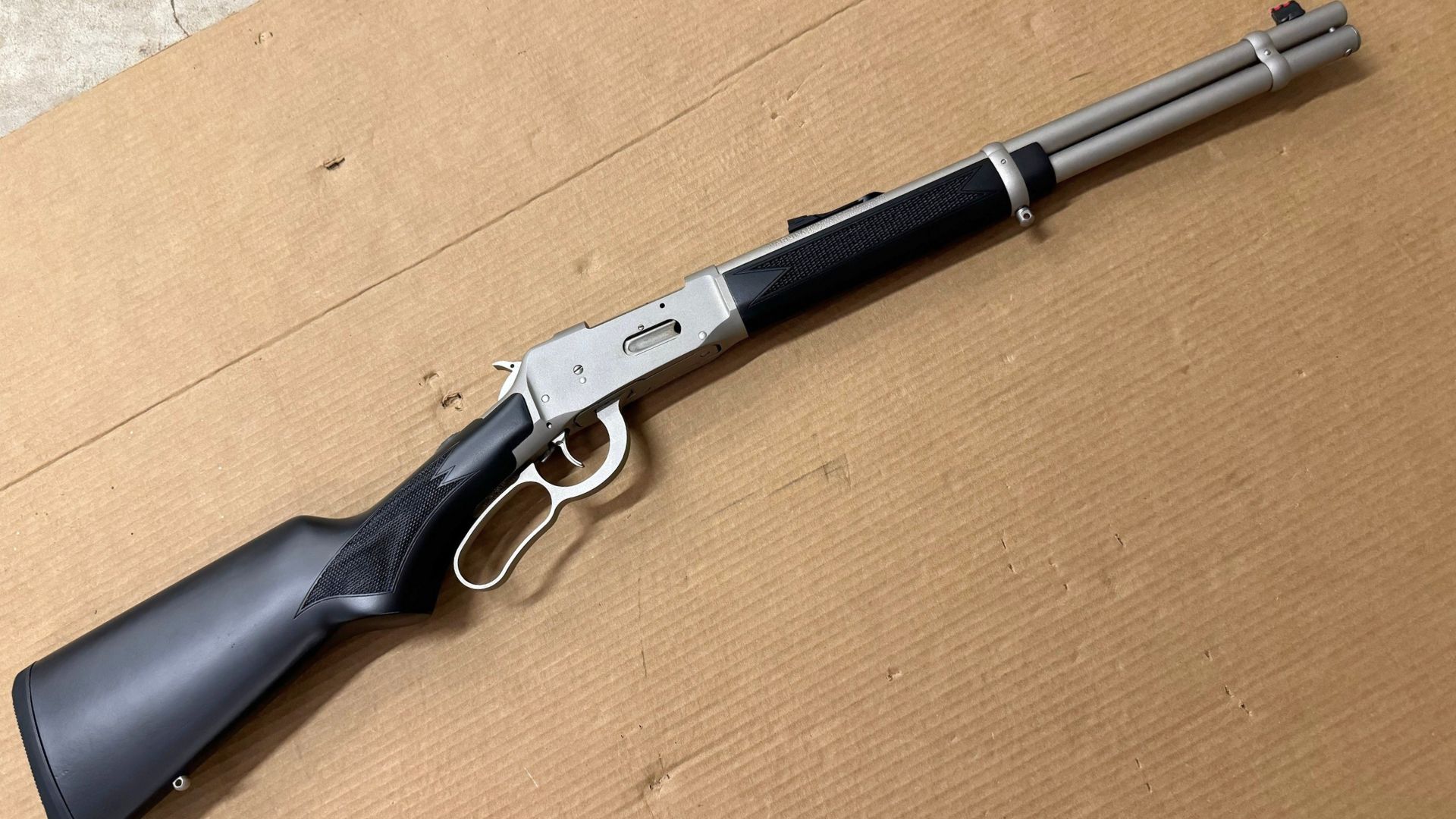
This lever gun looks great and cycles smoothly when clean, but real use reveals how quickly the action can choke on dirt, unburned powder, or cheap ammo. Owners tend to treat them gently, avoiding the kind of hard running that a Winchester or Marlin can shrug off. The wood finish also dings easily, which adds to the protective mindset. It’s a fun rifle for relaxed shooting, but if you were to drag it through heavy brush or cycle it aggressively in rain, you’d immediately understand why many shooters baby it.
CZ 557

The 557 is known for good accuracy, but its traditional bedding and action design don’t always stay consistent in harsh weather. Moisture, shifting temperatures, and rough handling can alter point of impact faster than you expect. That’s why a lot of owners keep theirs in padded cases and limit exposure to bad conditions. It performs well when it’s treated kindly, but it’s not the rifle you subject to hard knocks or long off-trail hauls. It’s built for careful shooters who don’t mind maintaining a tight routine.
Weatherby Vanguard S2 Stainless

The S2 shoots extremely well when conditions are controlled, but it’s one of those rifles that rewards meticulous cleaning more than rugged use. Even though it’s stainless, the action and trigger can feel less forgiving when dust or moisture start to build. Many owners end up wiping them constantly and avoiding mud or sand. It’s not that the rifle is fragile — but to keep that excellent accuracy, shooters often baby it more than they would a true field rifle. It’s a precision-minded setup that doesn’t thrive in chaos.
Tikka T3 Lite in magnum calibers

The T3 Lite is loved for its smoothness, but in magnum chamberings the platform becomes something shooters handle too gently. The lightweight stock amplifies recoil, and long sessions reveal how much flex and shift can affect performance. A lot of owners protect them from rough rest setups or repeated follow-up shots because groups open quickly when the barrel heats. It’s a fine hunting rifle, but it’s not built for sustained or abusive use. People baby them because they know pushing them too hard reduces the magic.
Howa 1500 Lightweight
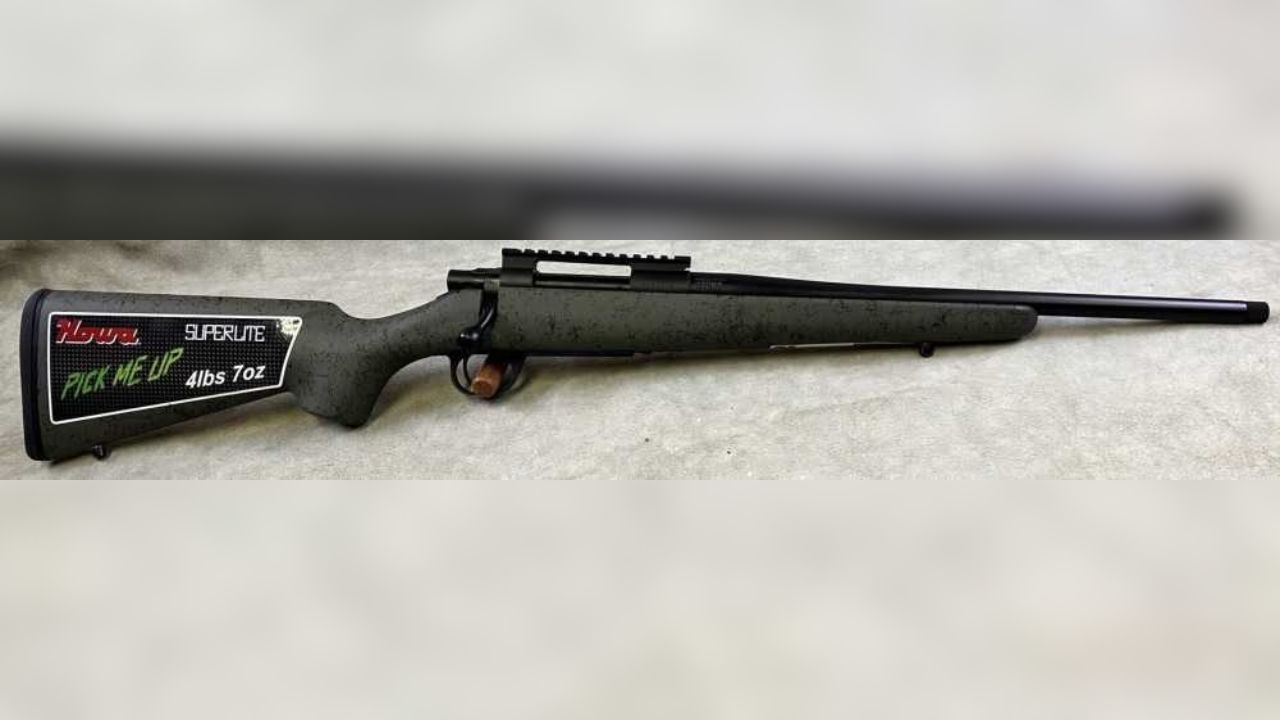
The lighter variants of the Howa 1500 can shoot well, but they react more dramatically to barrel heat and stock pressure than the standard models. Many owners end up tightening screws, checking torque often, and avoiding fast-paced shooting because things walk quickly under stress. These rifles do their best work when you treat them gently and avoid heat. That’s why they’re often babied — they shoot great when carefully managed but get unpredictable when you run them like a sturdier, heavier rifle.
Remington 740 Woodsmaster
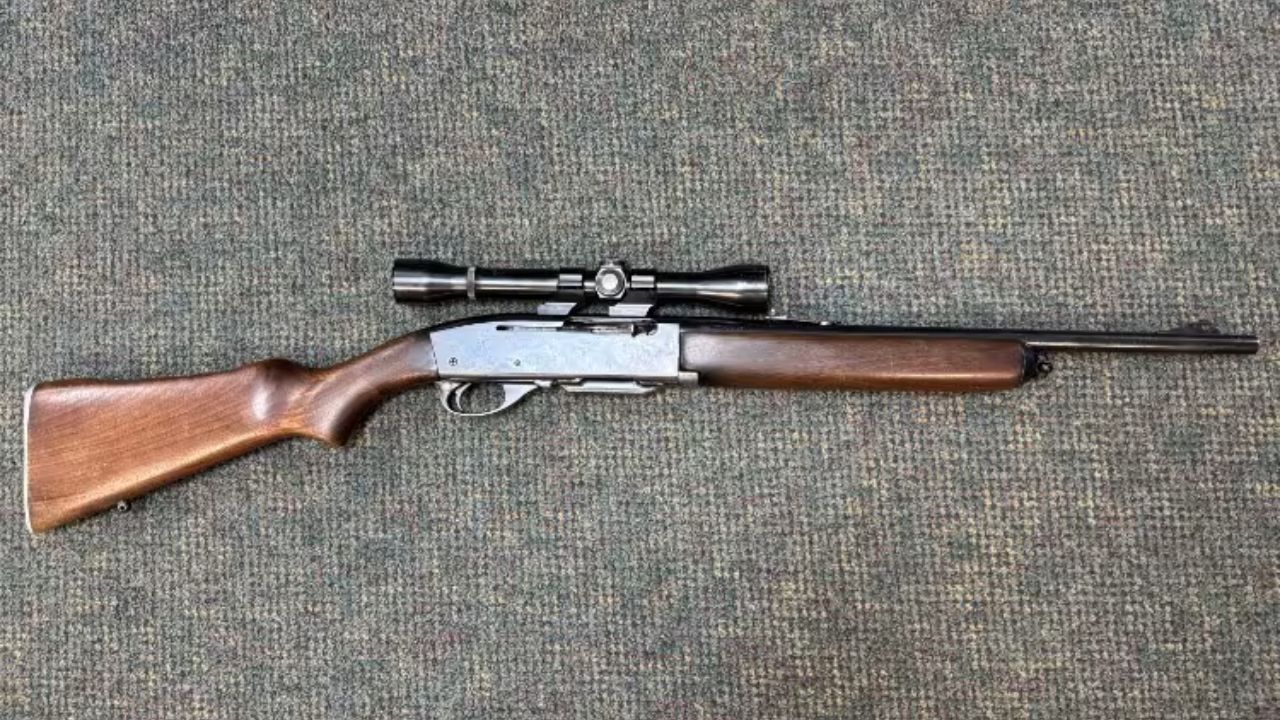
The Woodsmaster has a long history, but its reputation for sensitivity to fouling and weak extraction is well earned. Shooters who keep them running often baby them endlessly: constant cleaning, choosing specific ammo, and avoiding cold, wet environments. It’s one of the few semiauto hunting rifles where owners openly admit it needs pampering. Treat it gently and it can serve, but push it hard and failures start stacking quickly. That’s why these rifles rarely see rugged field use today.
Henry Long Ranger
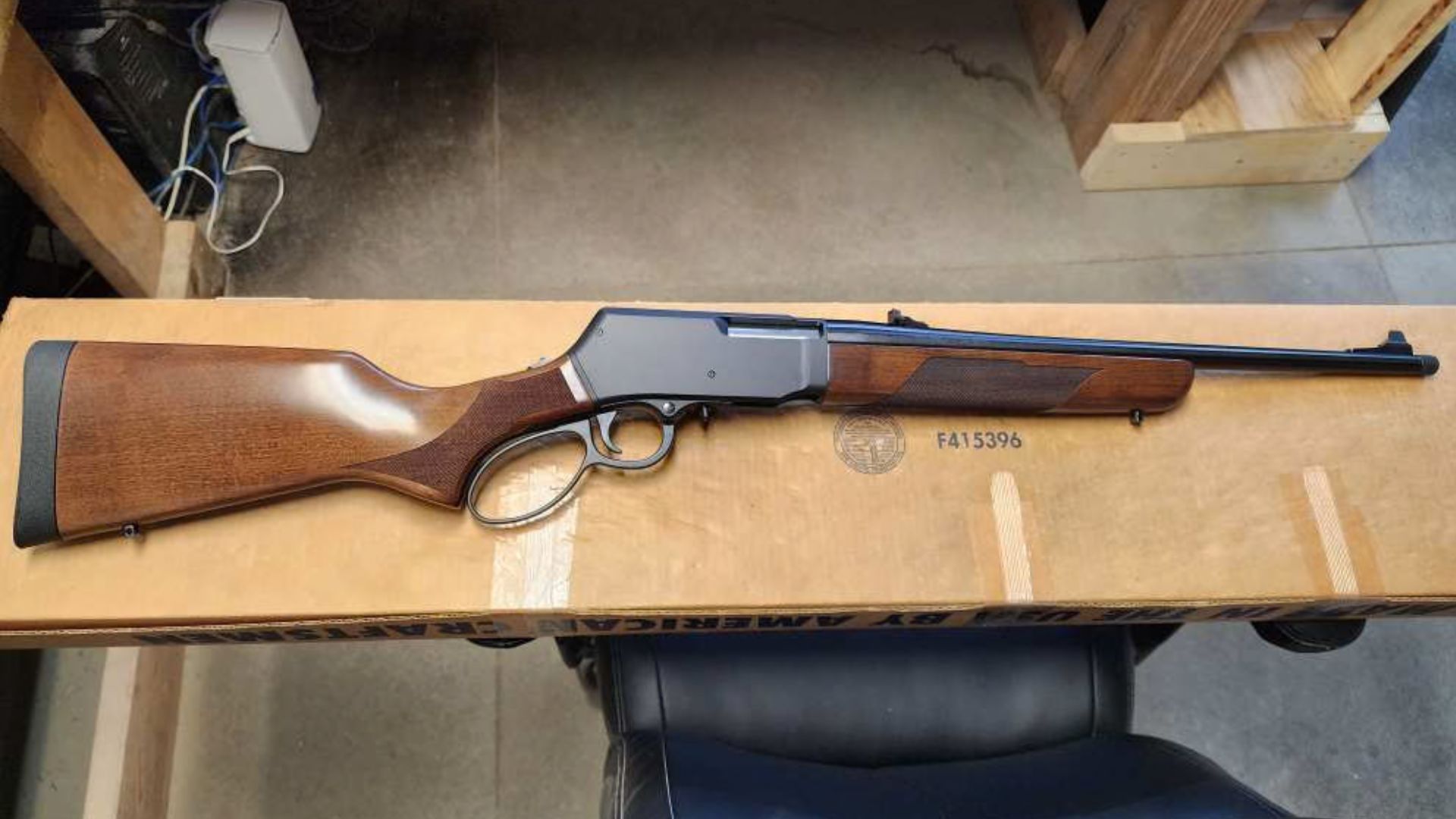
The Long Ranger offers a modern twist on lever guns, but its internal design is more complex than many expect. Dust, grit, and moisture affect it faster than traditional lever designs. Owners who love them tend to keep them spotless and avoid environments that might tax the action. It’s accurate and smooth, but it’s not the rifle you want to drag through swampy timber or rocky terrain. It performs best when treated more like a precision rifle than a rugged lever gun.
Browning BLR Lightweight
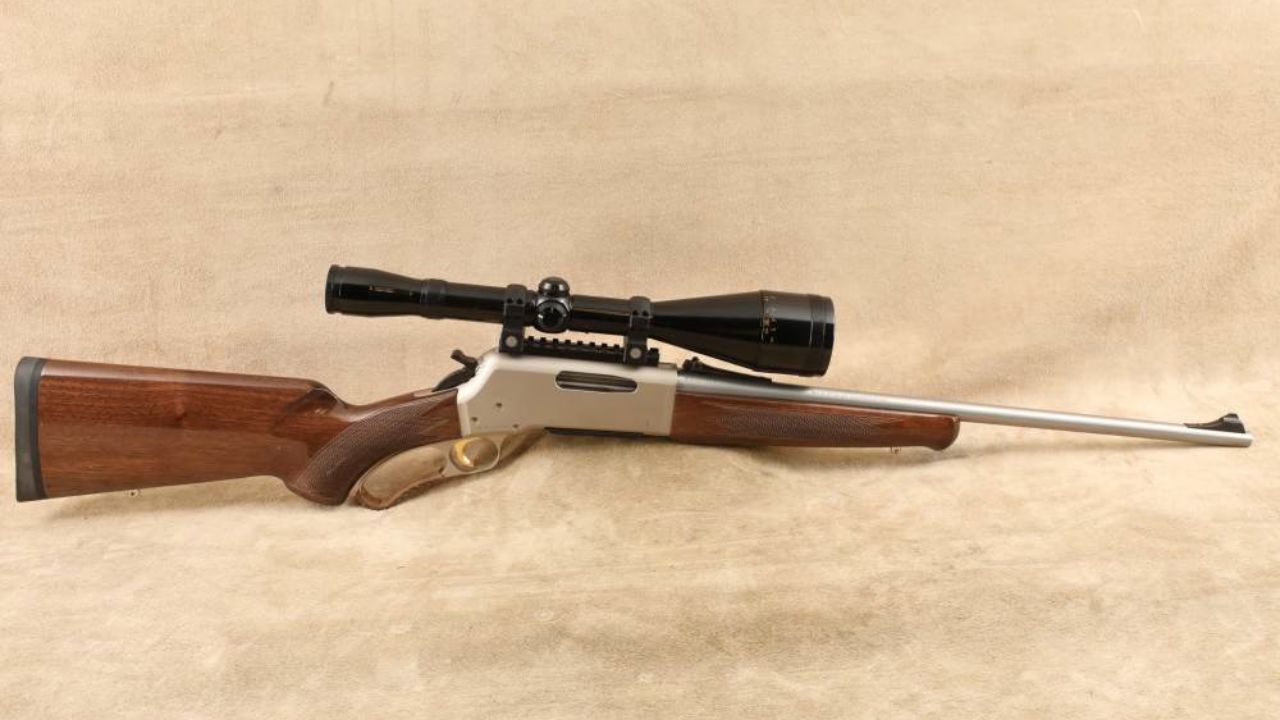
The BLR Lightweight handles beautifully, but its gear-driven action and tight tolerances mean it doesn’t always shrug off field abuse the way classic levers do. Once dirt enters the system, cycling gets noticeably stiffer. That’s why so many owners baby these rifles, maintaining them frequently and carrying them carefully. They shoot well and carry nicely, but they’re not the rifles you take into conditions where grit and rain are guaranteed.
Savage 99 (late production)

Early 99s were famously durable, but later models weren’t built to the same standard. Many shooters who own late-production rifles avoid subjecting them to rough terrain because the actions loosen and accuracy shifts faster than expected. They become safe queens — admired, gently shot, and rarely pushed. When used within narrow limits, they’re enjoyable, but they’re simply not the rugged, abuse-ready rifles some expect when they hear the 99 name. Owners baby them because the rifles don’t forgive real-world use the way older ones did.
Like The Avid Outdoorsman’s content? Subscribe to our newsletter so you never miss an article.
Here’s more from us: