Photo credit: Beyond Seclusion/YouTube
A rifle that shoots a tight group once is nice. A rifle that shoots a tight group every time you take it out is the one you keep. Day-to-day accuracy swings usually come from one of three things: the rifle system isn’t stable (hardware, bedding, optic mount), the barrel is heat-sensitive, or the platform is more dependent on consistent technique than the owner realizes.
These rifles show up often in stories where “it shot great last time” and then “today it’s all over the place,” even when the shooter swears nothing changed.
Ruger Mini-14 (older models)

Older Mini-14s are the poster child for shifting point of impact as the barrel warms and as shooting pace changes. One day you shoot three slow shots and it looks decent. Another day you shoot faster or in hotter weather and your impacts start walking. That’s not a shooter problem—it’s a thin barrel reality.
Hunters feel this when they confirm zero with a slow group and then have to take a quick follow-up shot in the field. If the rifle behaves differently depending on cadence, it doesn’t feel trustworthy. That’s why older Minis are loved for reliability but criticized for consistency.
Remington 770
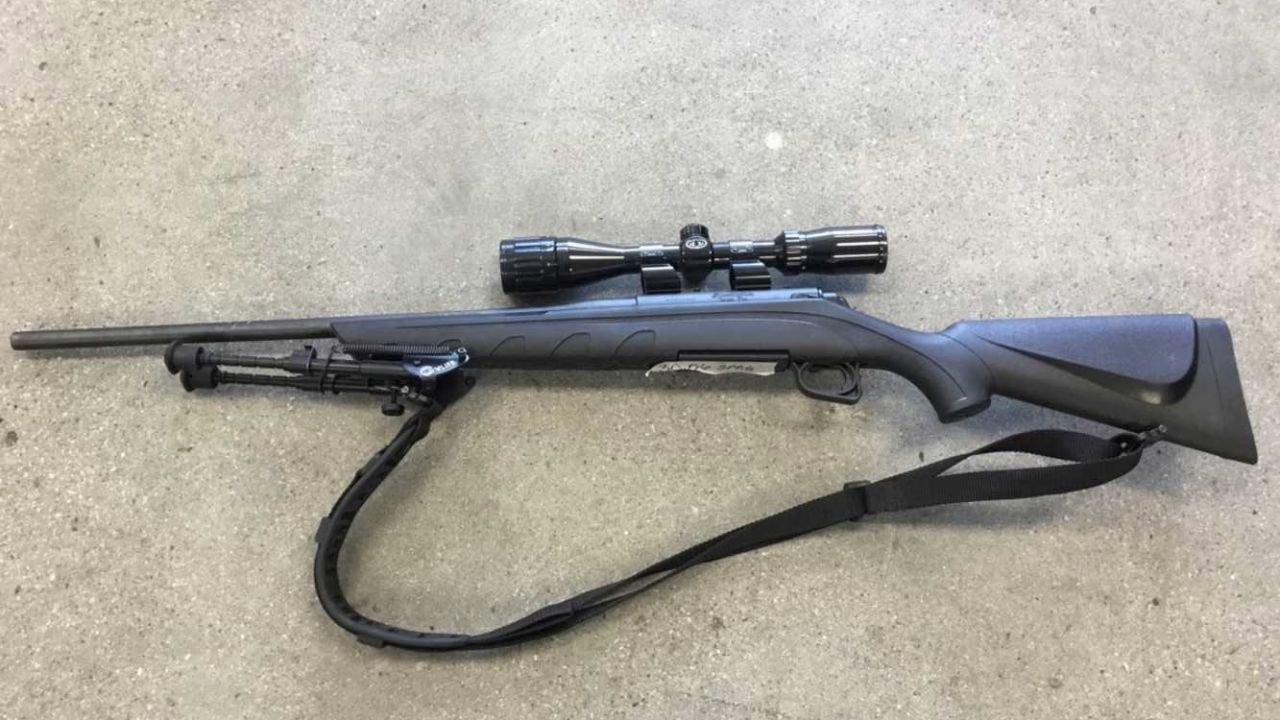
The 770 shows up here because it often lives with cheap optics, questionable mounts, and inconsistent hardware stability. One day it groups okay, the next it’s wandering because something shifted or the optic isn’t tracking true. The rifle becomes a “did I bump it?” gun.
Day-to-day inconsistency is brutal because it makes you chase ghosts. Owners swap ammo, clean barrels obsessively, and change rests—when the real issue is often the mount system and overall build quality. If the rifle system isn’t stable, accuracy won’t be stable.
Remington 710
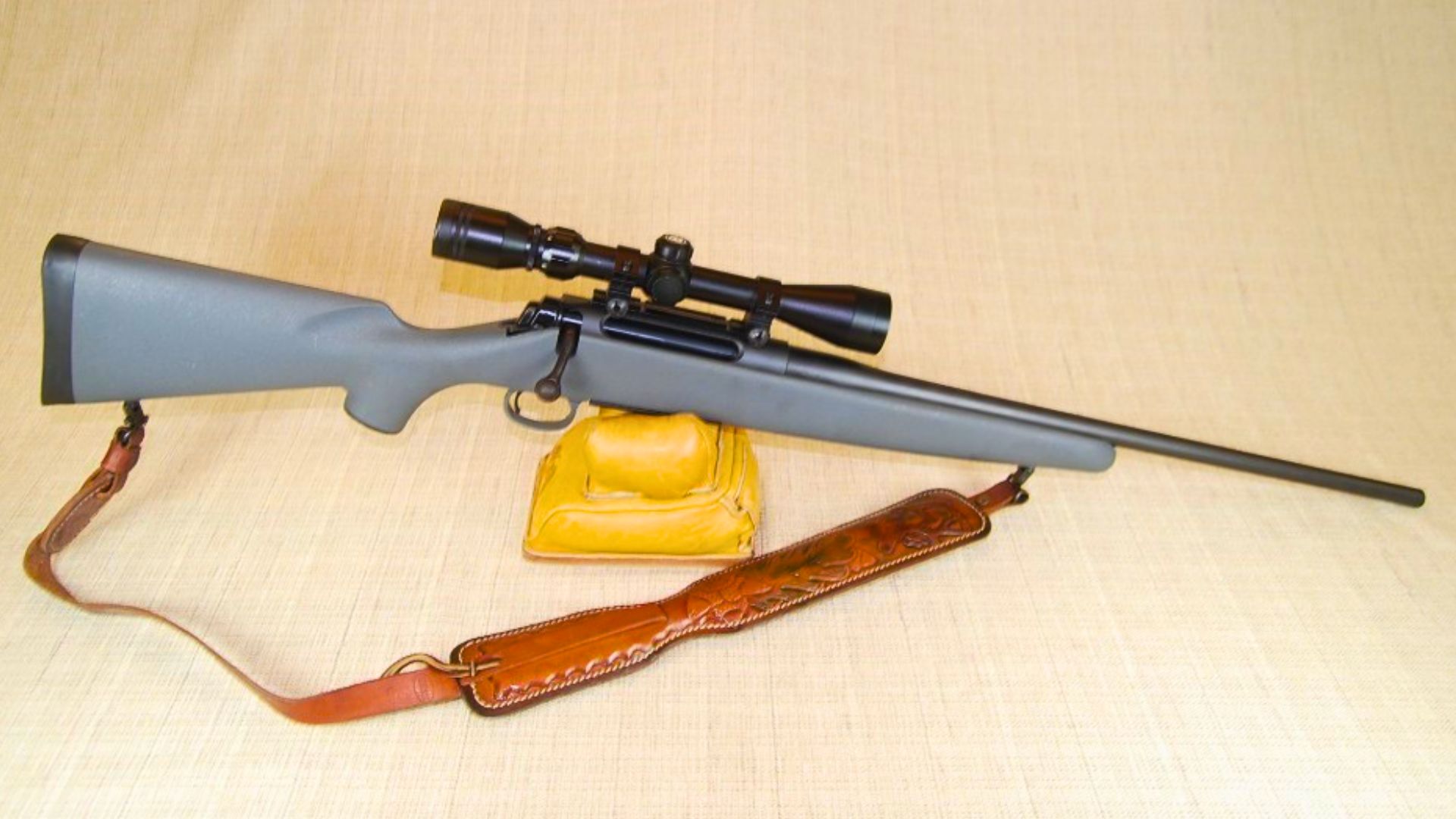
Similar story: inconsistent feel, rough operation, and the tendency to be paired with bargain optics creates a system that doesn’t repeat. Some days it behaves, some days it doesn’t. If you’re the kind of hunter who shoots a few rounds and calls it good, you might not notice until it costs you.
Once you lose confidence in a rifle, every group becomes suspect. That’s what makes the 710 such a frustrating owner experience: you’re never quite sure if today is a “good day” or a “bad day.”
Mossberg Patriot

The Patriot can shoot, but it’s known for being a bit of a mixed bag across individual rifles. Stock flex, bedding differences, and the common package-scope setups lead to day-to-day swings. Hunters often report groups that change depending on how the rifle is rested or how tight the action screws are.
When a rifle is sensitive to small changes in support pressure, it will absolutely feel inconsistent. A sandbag one day, a bipod the next, a hard rest on a blind rail later—point of impact can shift. If you don’t lock down the system, you’ll be guessing.
Thompson/Center Compass

The Compass often appears in “it changed” stories because of stock and bedding sensitivity. Many budget rifles are fine, but some are more prone to pressure shifts and flex that change how the barrel behaves. That can make a rifle seem accurate one day and mediocre the next.
This is especially true for hunters who shoot off different rests each time. If the rifle’s point of impact changes with fore-end pressure, you’ll see day-to-day variation even with the same ammo. It feels like the rifle has moods.
Savage Axis

The Axis can be a good shooter, but early or base versions can be more sensitive to triggers, stock feel, and setup quality. It also often gets paired with cheap optics. That combination can create inconsistent results day to day, especially if the shooter’s fundamentals aren’t consistent behind a heavier trigger.
A rifle that requires perfect trigger control to shoot its best will punish average hunters. One day your trigger press is clean and the rifle looks great. Another day you’re rushed or cold and it opens up. That’s “day-to-day accuracy” from the owner’s perspective, even if the rifle is just exposing variability.
Ruger American
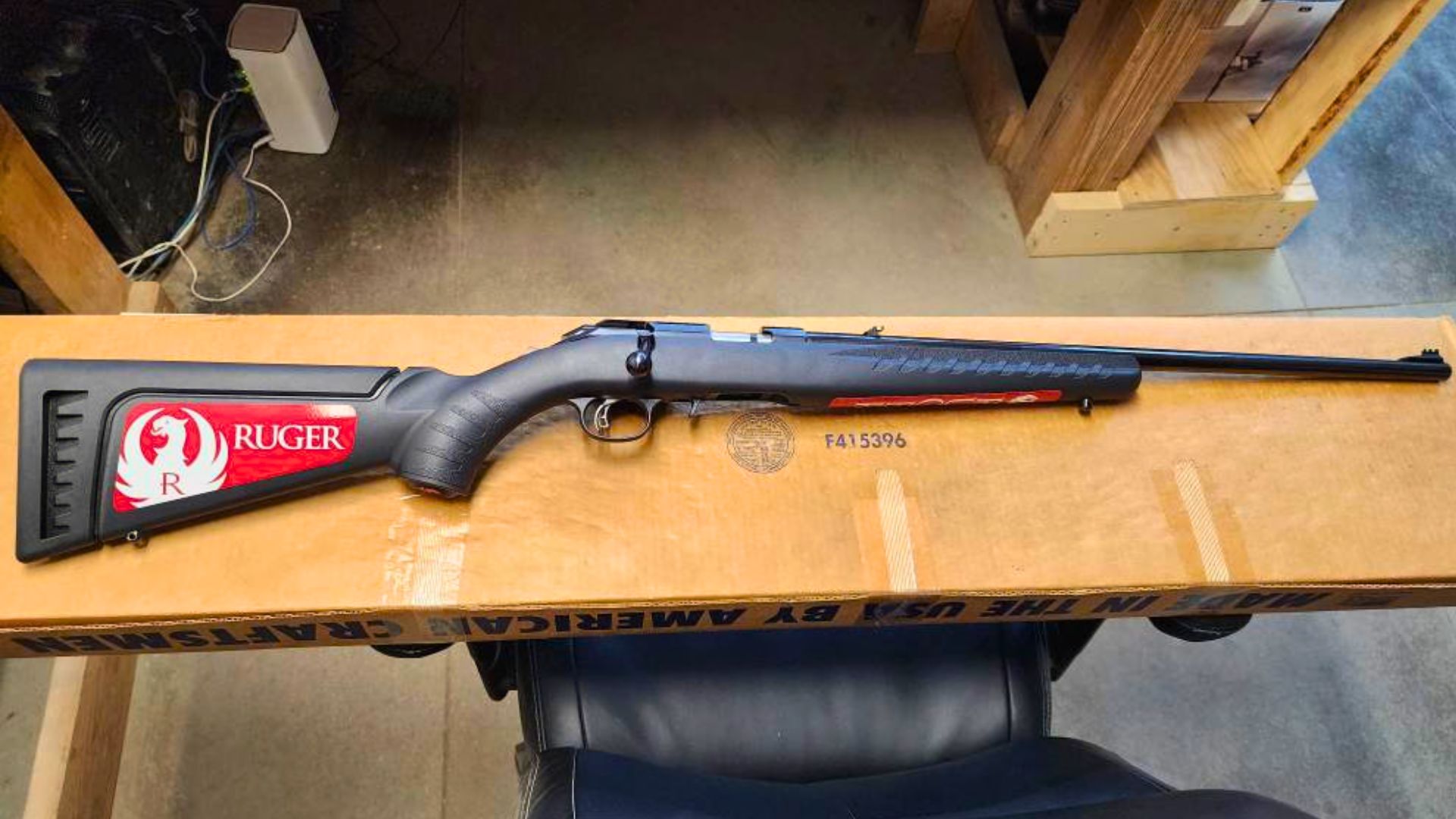
The Ruger American is often accurate, but many owners don’t torque their hardware properly and don’t verify it over time. That’s when a rifle that shot well last month suddenly feels off. The rifle gets blamed, but the real issue is that the system shifted.
Cheap optics can also create day-to-day swings. Some scopes don’t return to zero consistently or don’t track true. When your optic is lying to you, the rifle feels inconsistent. The American ends up on this list because it’s so often sold as a budget package.
Winchester XPR

The XPR can shoot, but again, the day-to-day swing often comes from how it’s commonly owned—budget scope, budget mounts, little maintenance. Many hunters don’t shoot enough to notice a slow drift in zero until the next range trip, when it’s suddenly “not where it was.”
If you treat the rifle as a tool and verify your setup regularly, it can be stable. But the reality is most people don’t. They buy it, shoot a box, and hunt. That’s how “it changes day to day” becomes a common complaint.
SKS (ammo lot variation)

SKS accuracy can vary a lot depending on ammo. One lot of surplus prints fine, another lot prints higher or lower, and suddenly the rifle seems inconsistent. A lot of owners don’t realize how much steel-case surplus ammo can vary between manufacturers and lots.
Combine that with aftermarket scope mounts that aren’t truly rigid and you get a rifle that feels different every trip. It’s not a platform built for modern precision, and the way people feed it and modify it often amplifies the inconsistency.
Century Arms VSKA (AK pattern variability)

AKs are reliable, but accuracy and consistency are a different conversation. Some AK-pattern rifles are more consistent than others, and when you get into U.S.-built examples with mixed QC histories, you can see bigger swings. Add different ammo types and you’ll see point-of-impact changes that feel random to casual shooters.
Most people also don’t mount optics on AKs with the same care they do on bolt guns. If your mount solution isn’t rock solid, your “day-to-day accuracy” will absolutely drift. Hunters trying to use these as serious field rifles often learn that the platform demands more setup discipline than they expected.
Bear Creek Arsenal AR-15

Budget ARs can have day-to-day swings because barrel quality and assembly consistency vary. One day it groups acceptably, another day it opens up, especially if you’re shooting faster or in different temperatures. Cheap barrels can be more heat sensitive, and that translates into inconsistent results.
ARs also punish inconsistent support pressure and sling tension. If the rifle isn’t built with a quality barrel and a stable optic mount, small changes in how you shoot can look like “the rifle changed overnight.” That’s not what hunters want.
PSA AR-15

Palmetto builds some solid rifles, but budget configurations can vary, and accuracy consistency depends heavily on the barrel and assembly. A good PSA can be very consistent. A basic one with a bargain optic setup can feel like it changes depending on how it’s treated and how it’s shot.
If you’re hunting with a basic AR, you need to treat your optic mount and hardware like serious equipment. A lot of owners don’t. That’s where day-to-day drift shows up and confidence starts dropping.
Ruger 10/22

Rimfire is notorious for day-to-day swings because ammo consistency is not like centerfire. Temperature, humidity, and different bulk packs can all change point of impact. People expect their 10/22 to shoot the same every time, then get confused when it prints differently on a cold morning.
The 10/22 is a great rifle, but it teaches a lesson: if you want consistent rimfire results, you need consistent ammo and consistent setup. If you don’t control those variables, accuracy will feel like it “changes” constantly.
Marlin Model 60
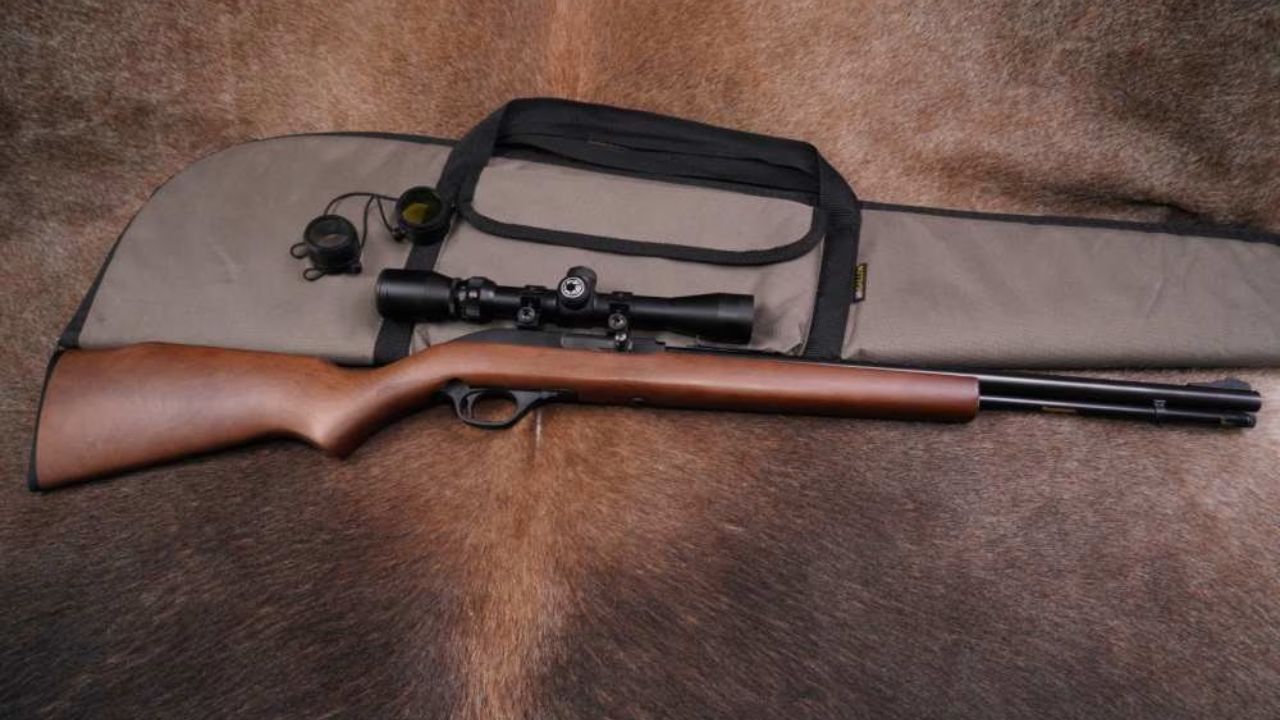
The Model 60 is another rimfire that can be accurate, but it’s sensitive to ammo and cleanliness. As it gets dirty, function and consistency can change. Many owners shoot it casually, don’t maintain it often, and then wonder why groups drift from one outing to the next.
Rimfire fouling builds quickly, and older rifles can be more sensitive to it. A Model 60 that’s clean and fed ammo it likes can shoot great. A Model 60 that’s dirty and fed random bulk ammo can feel unpredictable.
Rossi RS22

The RS22 is a budget rimfire that can be fun, but it’s not built for consistent precision across varying ammo and conditions. It can shoot decent groups with what it likes, then open up with a different bulk pack, making it feel like the rifle “changed.”
A lot of owners don’t realize how much rimfire performance is an ammo lottery. With a budget .22, that lottery gets louder. If you want a rimfire that repeats, you often have to spend more—or at least be more selective about ammo.
Like The Avid Outdoorsman’s content? Be sure to follow us.
Here’s more from us: