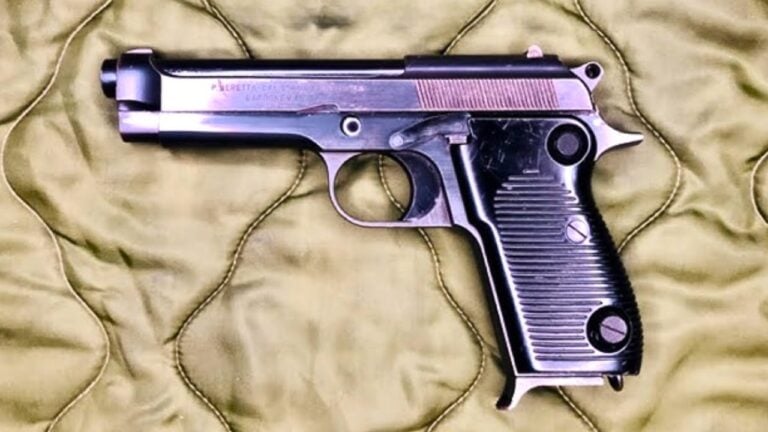
Photo credit: Dmitri T/Shutterstock.com
There’s nothing worse than trusting your carry gun, loading up with quality defensive ammo, and then watching it nose-dive into the feed ramp. Some handguns simply weren’t built with jacketed hollow points in mind. Older designs, tight chambers, steep feed ramps, or odd magazine angles all play a role. Even today, a few modern pistols still choke on certain bullet profiles, especially those with wide cavities or sharp edges.
Testing your defensive ammo isn’t optional—it’s the only way to know if your pistol will cycle it reliably. The following handguns have all earned reputations for being finicky with jacketed hollow points, even when using top-tier brands. They’re accurate, durable, and even beloved in their own right, but they can turn into jam machines when you feed them the wrong stuff.
Colt 1911 (GI-style)
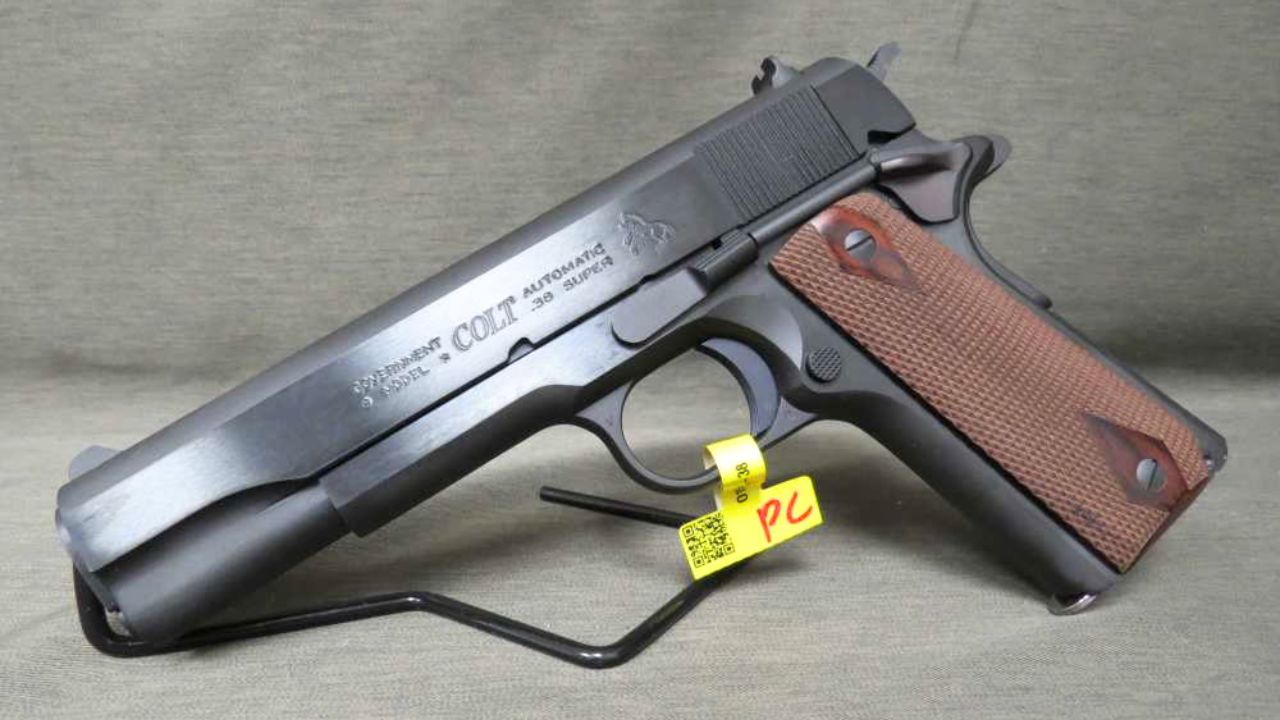
The original 1911 was designed in an era when only full metal jacket ammo existed. Its feed ramp geometry, magazine angle, and short throat were tailored specifically for 230-grain ball rounds. Hollow points with sharp edges or wide mouths can hang up on the feed ramp before chambering, especially in unmodified Government or Commander models.
Modern 1911s with polished feed ramps and throated barrels handle JHPs much better, but GI-pattern pistols are still hit or miss. Winchester White Box or Federal HST may run fine, but wide-mouthed bullets like Hornady XTPs often cause issues. If you’re running an older or mil-spec 1911, test any hollow point load thoroughly before trusting it for carry.
Walther PPK
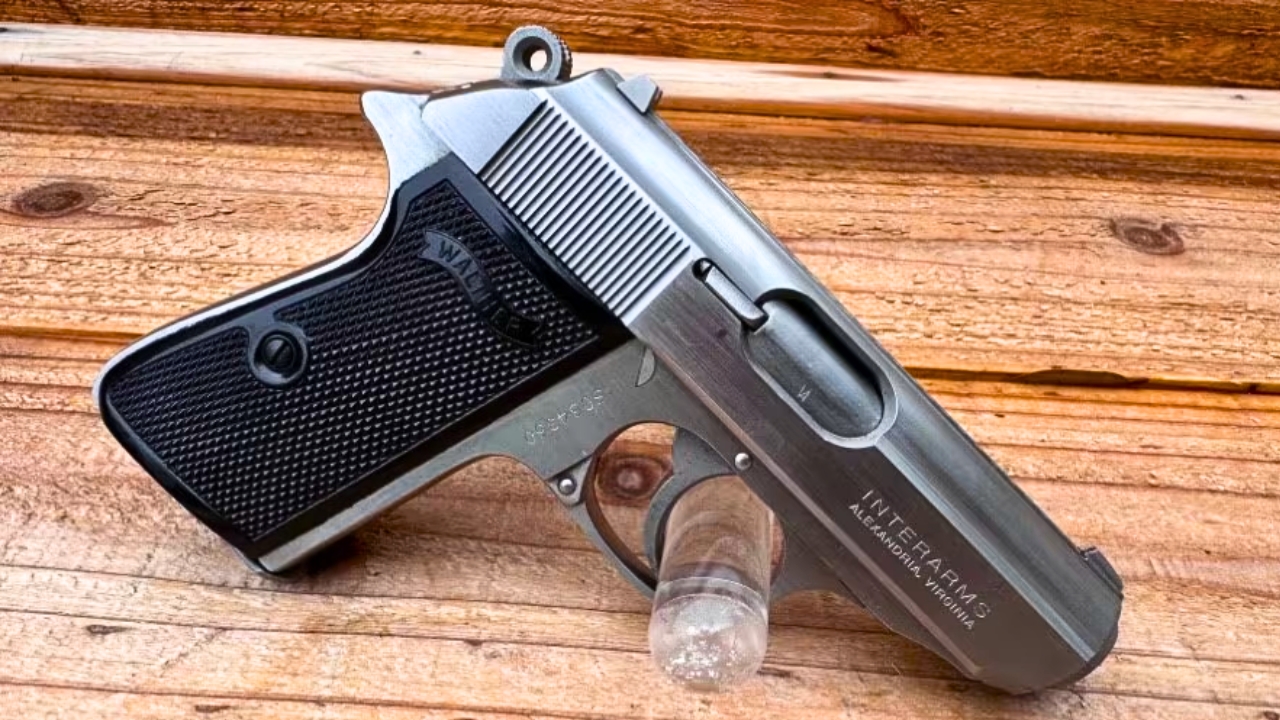
The Walther PPK is a classic, but it’s notoriously picky with ammo. Designed in the 1930s for European 7.65mm FMJ (and later .380 ACP), it has a steep feed ramp and short magazine angle that doesn’t play well with hollow points. The wide cavity of modern defensive ammo tends to snag, leading to nose-up jams.
Some owners polish the feed ramp or switch recoil springs, but even then, reliability is inconsistent. FMJ rounds like Winchester 95-grain feed flawlessly, while JHPs often struggle. It’s a fine pistol for nostalgia or light range work, but unless you’ve tested your carry load thoroughly, it’s best kept to ball ammo for self-defense.
Makarov PM
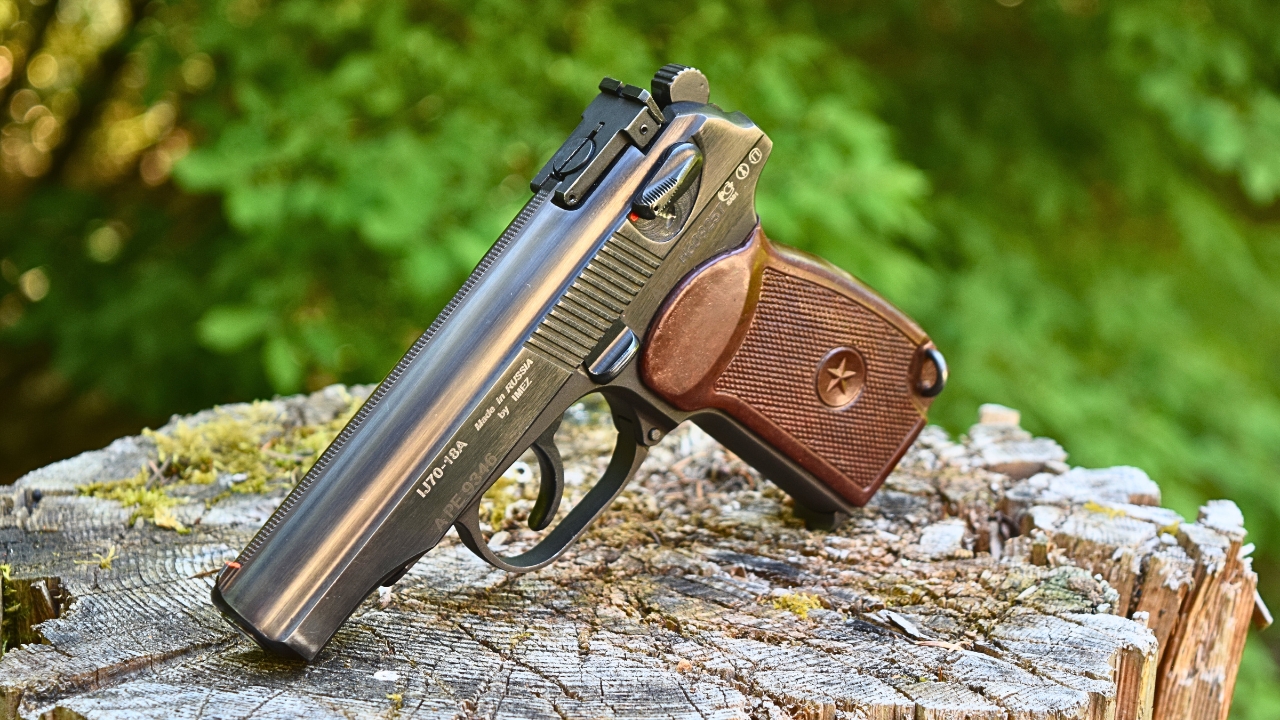
The Soviet Makarov PM was built for reliability under brutal conditions—but only with steel-cased, round-nosed ammo. Its feed ramp and magazine were never intended for wide-mouth hollow points. The result is predictable: even premium 9x18mm JHPs can hang on the feed lip or wedge against the chamber mouth.
Some shooters have success with Hornady Custom or Silver Bear JHPs, but many still experience random stoppages. A light polish helps, though it rarely fixes the issue entirely. The Makarov will eat FMJ all day long, but hollow points often turn this tank of a pistol into a jam-prone mess.
Beretta 92FS

The Beretta 92FS is famous for reliability, but certain early models with rough feed ramps and worn magazines have trouble feeding blunt-nosed hollow points. The long feed path from magazine to chamber makes bullet shape critical. If the hollow point’s ogive is too short, it can nosedive into the frame before chambering.
Newer variants like the M9A3 and 92X have improved feed geometry, and most modern JHPs cycle perfectly. Still, older pistols—especially with decades-old magazines—can be picky. Winchester PDX1 and Speer Gold Dot tend to work best, while truncated-cone or flat-tip JHPs can jam in high-mileage guns.
SIG Sauer P230 and P232
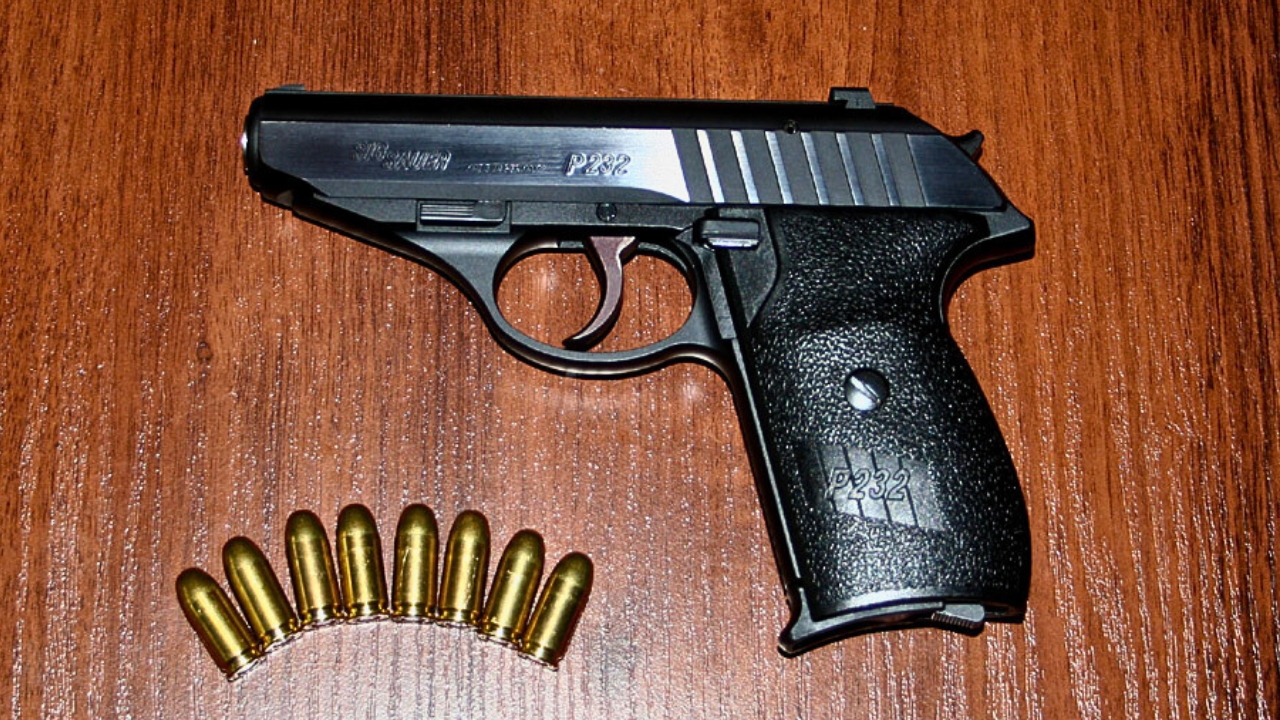
The SIG P230 and P232 are sleek, well-balanced .380 ACP pistols, but their European heritage shows when it comes to ammo preferences. They were designed around FMJ rounds, not modern JHPs. The feed ramp angle and tight chamber tolerances cause trouble with wide or sharply cut bullets.
Shooters often report flawless cycling with Fiocchi and Sellier & Bellot FMJs but stoppages with defensive loads like Federal Hydra-Shok or Hornady Critical Defense. Even with a polished ramp, reliability remains hit or miss. For carry, these guns perform best with round-nosed ammunition—they simply weren’t meant for wide-cavity hollow points.
CZ 82 / CZ 83

The CZ 82 and 83 are tough, accurate pistols chambered in 9×18 Makarov and .380 ACP, respectively. Both run flawlessly with FMJ but often stumble with jacketed hollow points. The magazine feed angle and short feed ramp contribute to nose-dive jams, especially with blunt-tipped bullets.
Hornady and Silver Bear hollow points sometimes cycle, but others won’t make it past the first magazine. Polishing and stronger springs help, but reliability still varies gun-to-gun. These pistols were built during a time when Eastern European ammunition meant round-nose, full-metal rounds only. Stick with what they were designed for, or expect frustration.
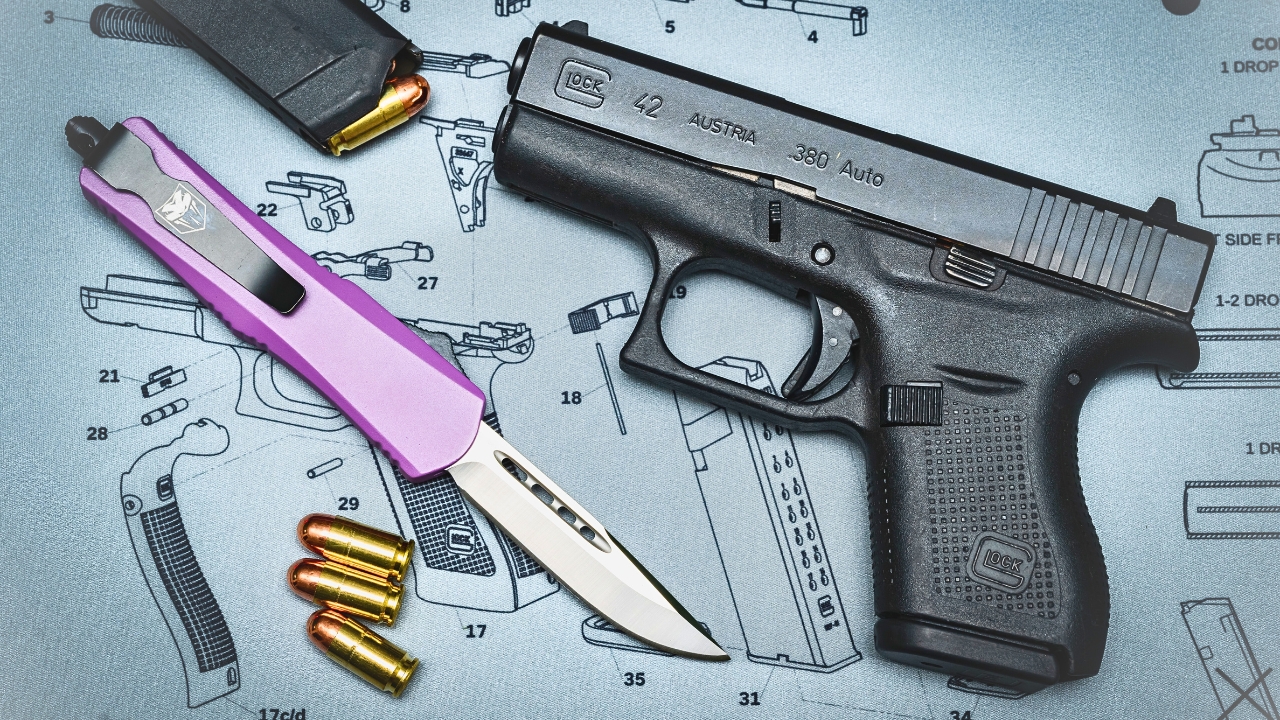
Glock 42

The Glock 42 brought Glock reliability to .380 ACP—mostly. While it runs ball ammo like a sewing machine, certain jacketed hollow points cause feeding issues, especially those with shorter overall length. Early models were particularly sensitive to Winchester and Remington JHPs that would nose-dive or fail to fully chamber.
Glock addressed many of these issues with updated magazines and feed ramp tweaks, but even now, ammo selection matters. Federal HST Micro and Hornady Critical Defense tend to feed the most reliably. Anything with a wide, flat tip can still give you problems. Test before you trust—it’s that kind of gun.
Kahr CW9

The Kahr CW9 is known for its slim profile and accuracy, but its steep feed ramp and tight chamber tolerances make it sensitive to hollow points. Early break-in periods often reveal feeding problems with shorter, sharp-edged bullets like Remington Golden Sabers.
Once the ramp smooths out after a few hundred rounds, it improves, but some bullet profiles still fail to feed consistently. Kahr pistols run exceptionally well with Federal HST or Speer Gold Dot, but other designs can nose-dive. If you’re running a CW9 for carry, find one load that runs 100% and stick to it—it’s a platform that rewards patience and consistency.
Smith & Wesson Model 39
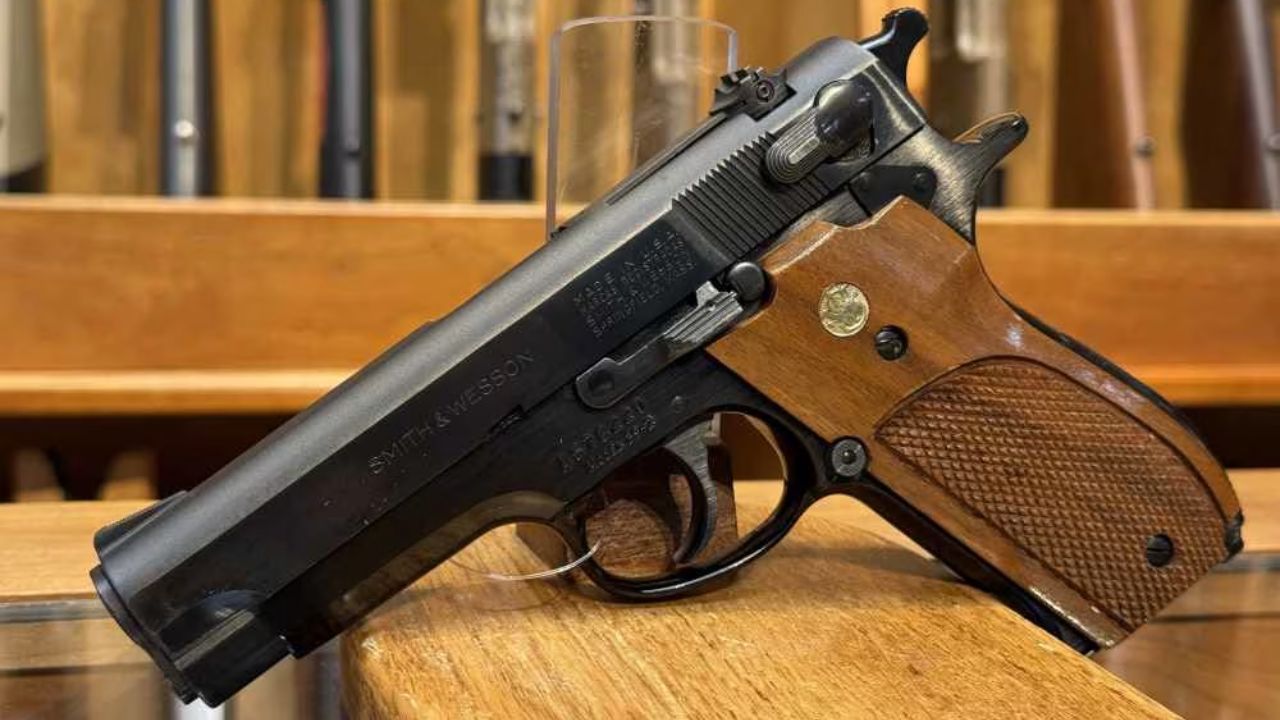
The Model 39 and its descendants were America’s first major 9mm semi-autos, but early designs were notoriously picky with anything but FMJ. Feed ramp geometry and older magazine designs didn’t cooperate with wide hollow points. Later “-2” models improved reliability, but even then, heavy or blunt bullets caused jams in some guns.
Shooters found that Winchester SilverTips or Federal 9BP soft-nose JHPs worked better due to their tapered shapes. Still, the 39’s design roots are from a time before hollow points were standard defensive fare. It’s an accurate and nostalgic gun, but one that prefers smooth, rounded noses over aggressive cavities.
Browning Hi-Power

The Browning Hi-Power is another classic that predates hollow-point popularity. Early feed ramp cuts and steep magazine angles mean it was tuned for 9mm ball ammo. Modern hollow points can snag at the base of the feed ramp or fail to chamber cleanly.
Polished ramps and throated barrels help dramatically, and some later Mk III variants feed JHPs without issue. Still, unmodified Hi-Powers—especially older Belgian models—can be temperamental. Speer Gold Dot and Winchester Ranger loads tend to run best. Anything with a wide cavity or truncated cone shape? That’s where things get sketchy.
Star BM

The Spanish Star BM has a cult following for good reason—it’s a well-built, all-steel single-action pistol. Unfortunately, its feed system was designed for military ball ammo, and it doesn’t love jacketed hollow points. The short feed ramp and steep cartridge angle cause the nose to catch, particularly with wide-mouth bullets.
Some owners have polished their ramps or swapped magazines for improved reliability, but results vary. It’s not a bad pistol—just one that belongs to another era. Feed it FMJ, and it runs like a champ. Try to run Federal HST or Hornady XTPs through it, and you’ll quickly learn why many carry it with ball ammo only.
Luger P08
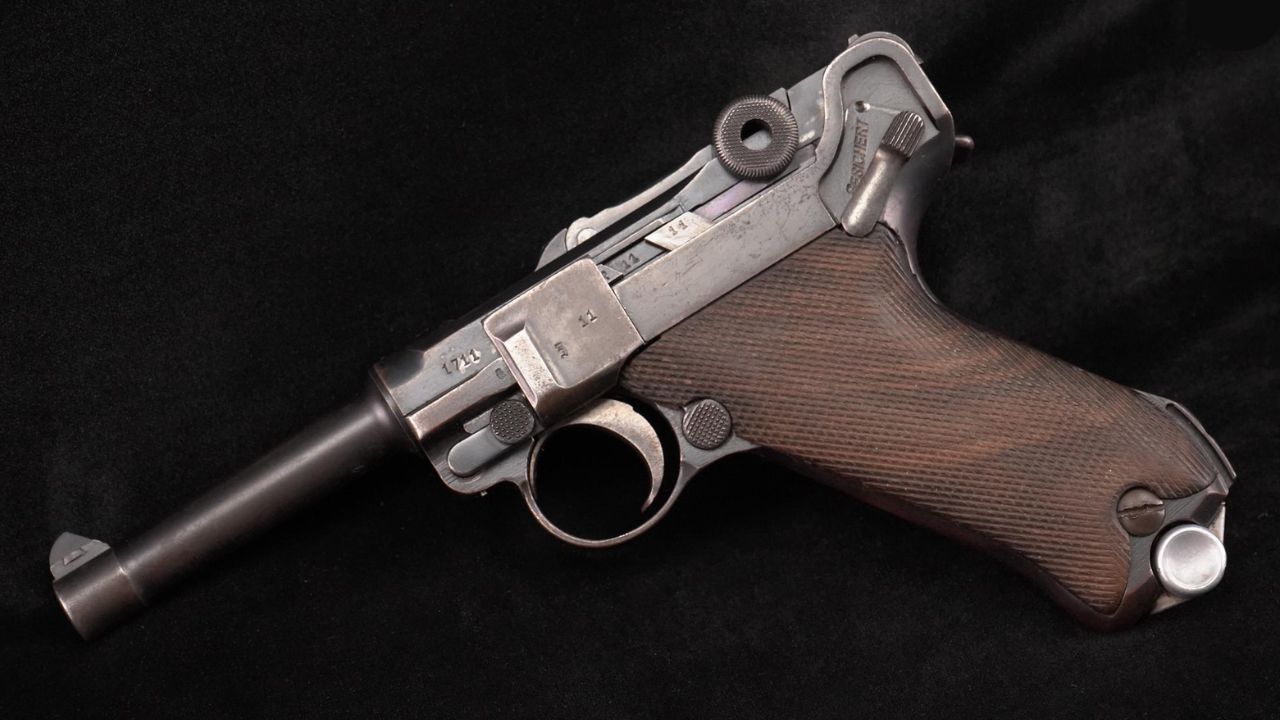
The Luger P08 is iconic but famously picky. Designed in the early 1900s, it was made for long, tapered 9mm FMJ rounds. Hollow points with shorter ogives or wide cavities completely throw off its delicate feed geometry. The toggle-lock system is sensitive to any change in overall cartridge shape or recoil impulse.
Even premium defensive loads often fail to chamber smoothly or eject properly. A well-tuned Luger can run flawlessly with FMJ, but hollow points nearly always cause trouble. It’s a mechanical masterpiece, but one best enjoyed as a collector or range toy—not as a modern defensive pistol.
SIG Sauer P938
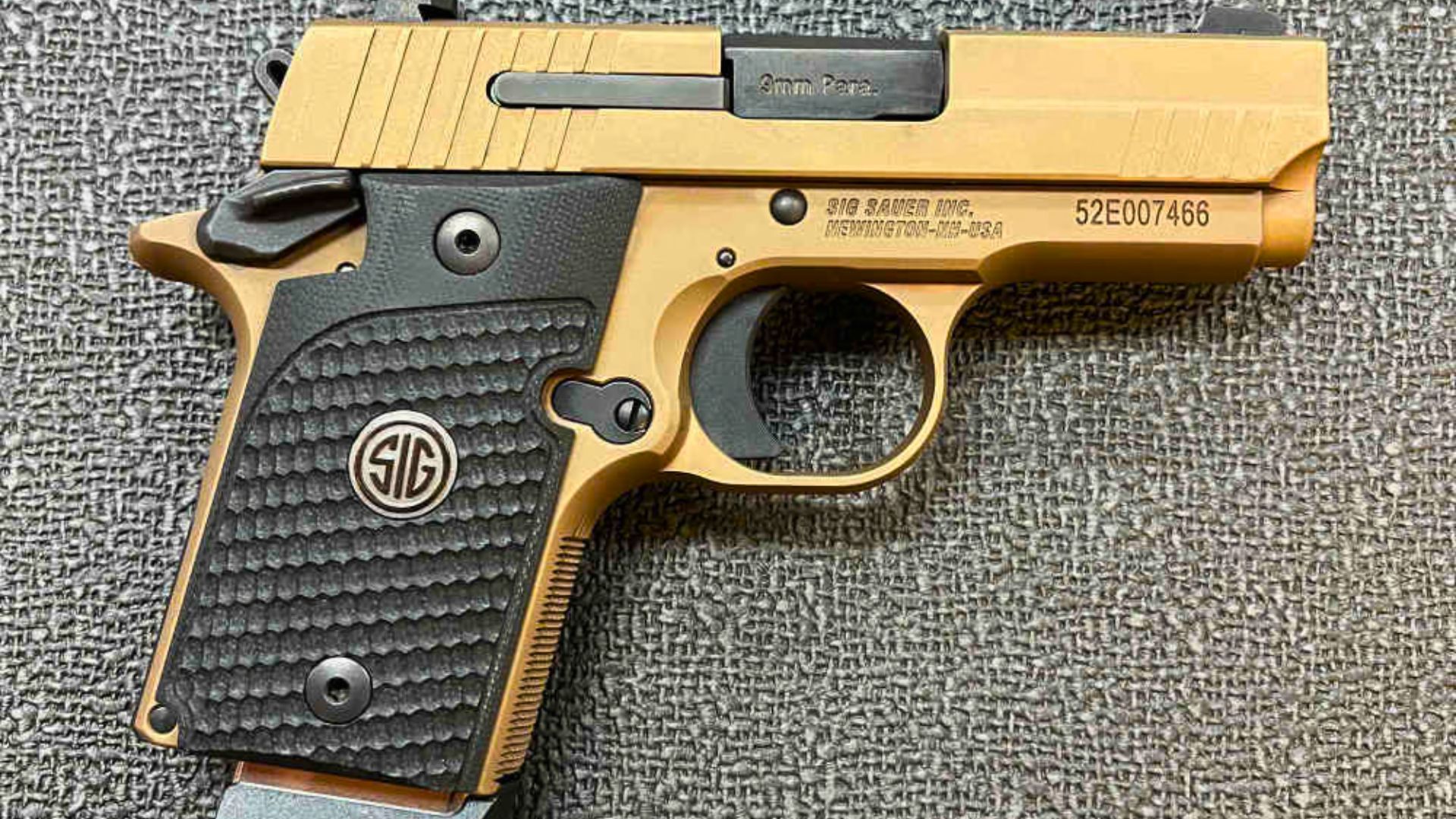
The SIG P938 is a beautifully compact 9mm pistol, but its short slide stroke and steep feed ramp make it particular about ammo. Some hollow points—especially those with large cavities—can jam against the ramp before entering the chamber. The recoil spring setup adds to the sensitivity.
Federal HST Micro and Speer Gold Dot Short Barrel loads tend to feed best, while others like Winchester Ranger-T can cause nose-dives. Once broken in, many P938s run better, but the design still demands ammo testing. It’s a pocket pistol with performance potential—if you find the right round to feed it consistently.
*This article was developed with AI-powered tools and has been carefully reviewed by our editors.