Photo credit: 411 Outdoors LLC/YouTube
A gun doesn’t have to break to let you down. Most of the time, disappointment shows up way earlier—when it won’t group, won’t feed smoothly, won’t hold zero, beats you up to shoot, or turns every range day into a troubleshooting session. These are the guns that might technically “work,” but they don’t do what you bought them to do, and you end up replacing them long before they ever truly fail.
This is the stuff hunters and shooters sell with the same line every time: “Nothing wrong with it… I just don’t shoot it anymore.”
Remington 770
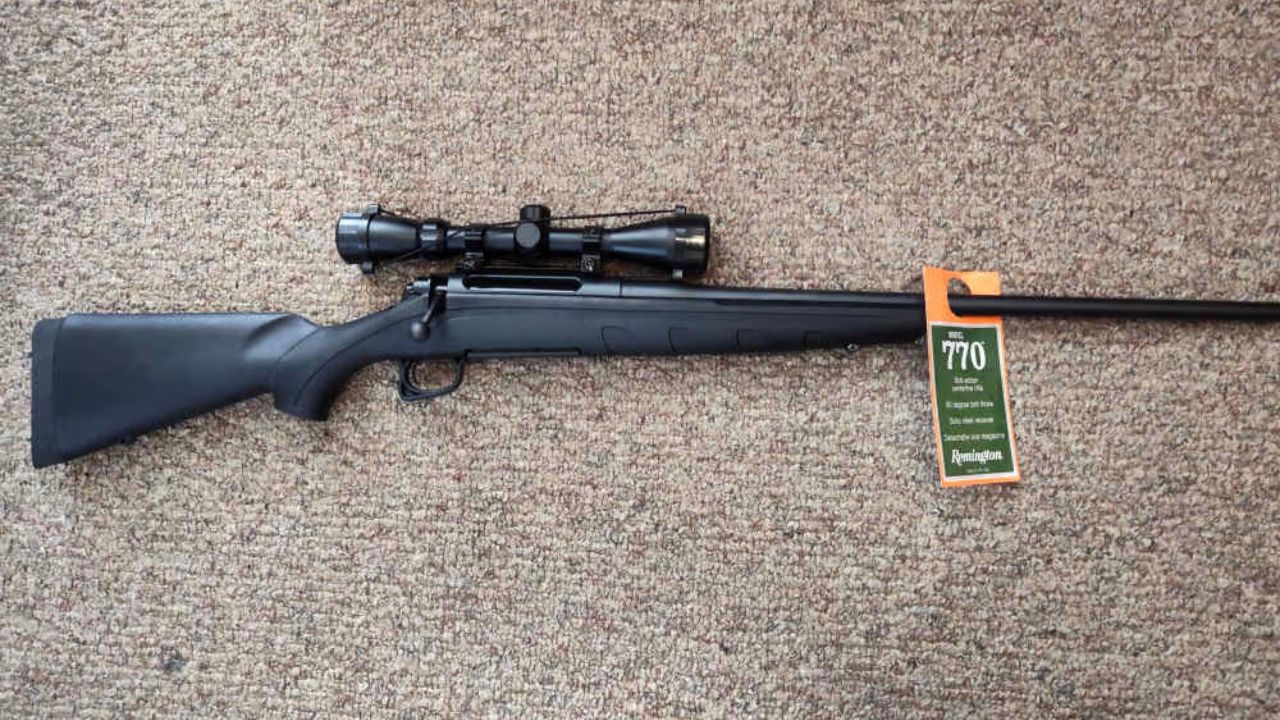
The 770 disappoints early because it rarely inspires confidence. The action feels rough, the whole rifle feels built to a price point, and the common package optics setups are notorious for being the weak link. A lot of guys sight it in, get a passable group, and then spend the rest of the season wondering if it’s still on.
It usually doesn’t “break” in a dramatic way. It just keeps being mediocre. When a rifle makes you second-guess your zero and your fundamentals, it’s already failing you as a hunting tool—even if it still fires every time you pull the trigger.
Remington 710
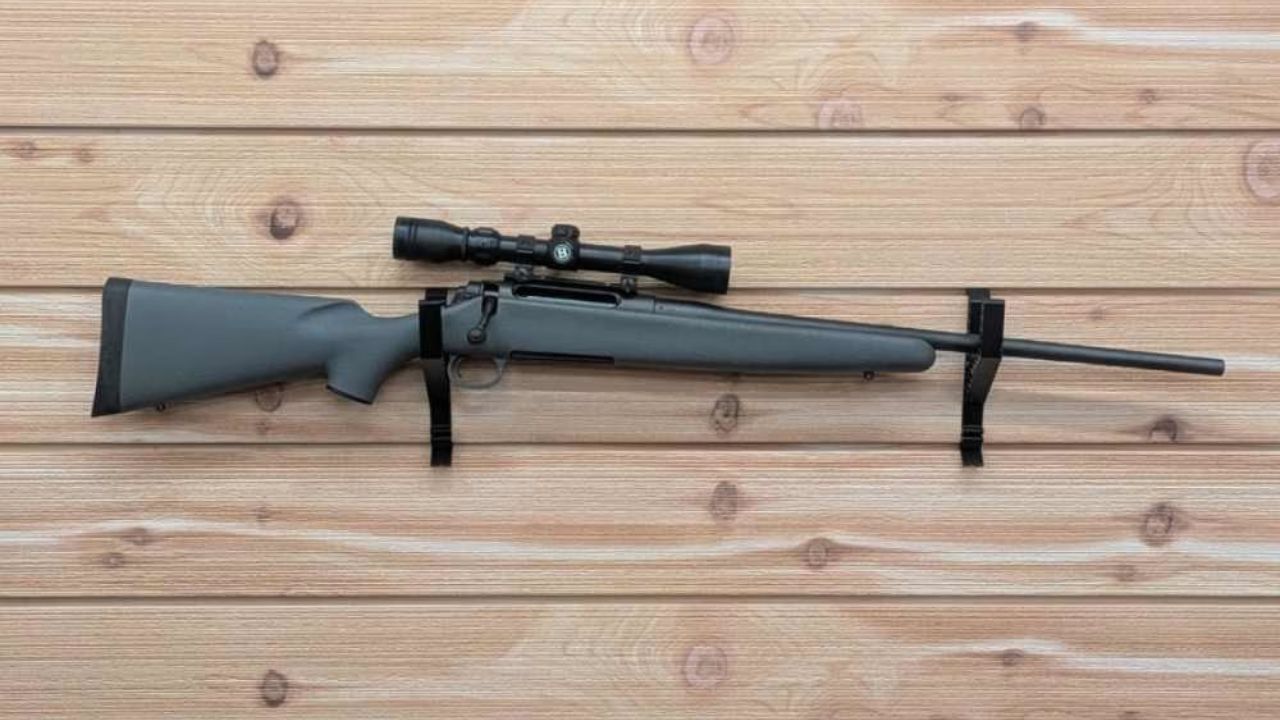
The 710 is another one that frustrates owners quickly, usually through rough cycling, extraction issues, or groups that never get where you want them. It’s the kind of rifle that makes you work harder than you should just to do basic rifle things—like chambering smoothly and extracting cleanly.
Most guys don’t want to pour money into fixing a budget rifle that still won’t feel great afterward. So it gets sold. Not because it’s shattered. Because living with it is annoying, and there are too many better options that don’t fight you.
Mossberg Patriot (package versions)

The Patriot can be fine, but the “package” setups disappoint early for a reason: bargain optics and mounts combined with a rifle that can be sensitive to setup. You’ll hear the same story—shot decent on day one, then groups changed, zero moved, or the scope started acting funny.
The rifle might not be the whole problem, but the system is. And most hunters aren’t interested in diagnosing whether the rifle, scope, rings, or screws are the culprit. They just know they don’t trust it. Once you don’t trust your rifle, it’s already done.
Savage Axis (base models)

The Axis disappoints early for a lot of people because it feels like a “starter rifle” in every sense: basic stock feel, sometimes rough trigger depending on generation, and a general lack of refinement. Some Axis rifles shoot surprisingly well. But the ownership experience can still feel cheap.
The bigger issue is that many Axis rifles are bought by newer shooters who need the rifle to be forgiving. A heavy or gritty trigger and a flexible stock don’t help a new hunter build confidence. When a rifle doesn’t make learning easier, it disappoints long before it ever breaks.
Thompson/Center Compass
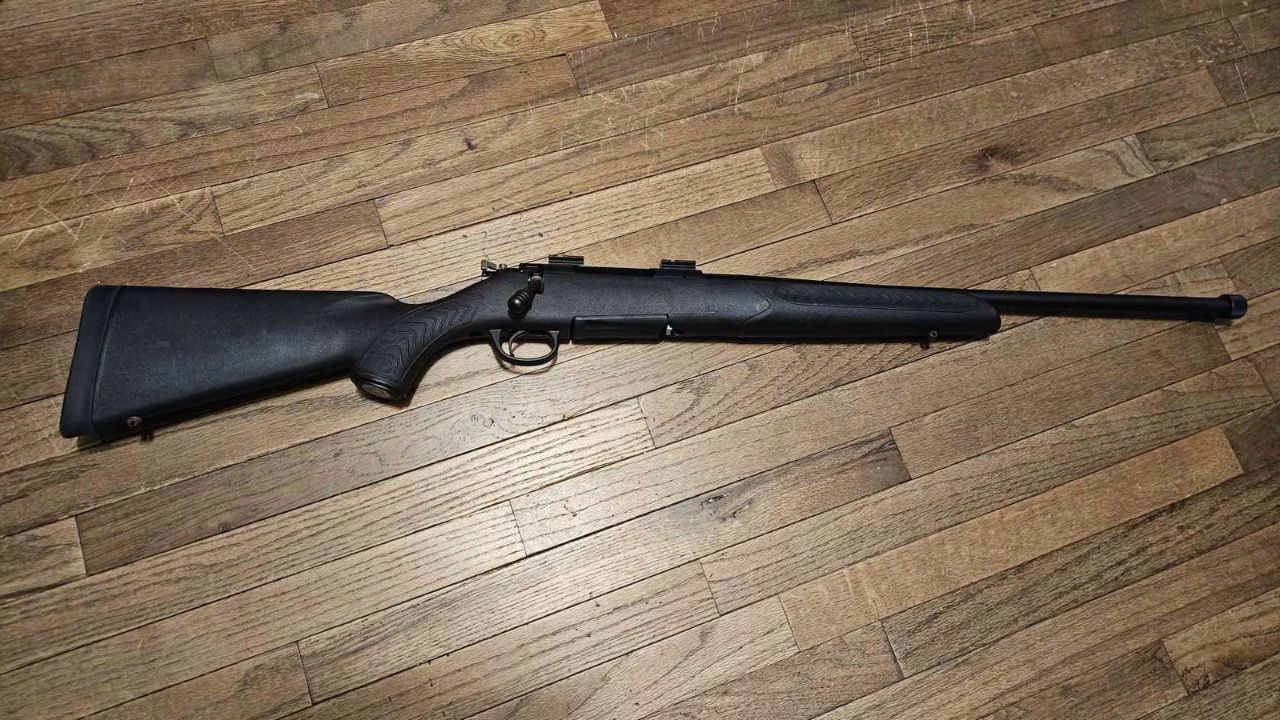
The Compass is another budget rifle that can shoot okay, but it often disappoints through inconsistency. Stock flex, bedding sensitivity, and “it groups with this ammo but not that ammo” behavior can frustrate owners who expected a simple plug-and-play rifle.
Most people buy these to save money and get a reliable hunting tool. They don’t want to learn torque specs, bedding, or why rest pressure changes point of impact. If a rifle forces you into that learning curve immediately, it stops feeling like a bargain.
Ruger American (cheap optics pairing)
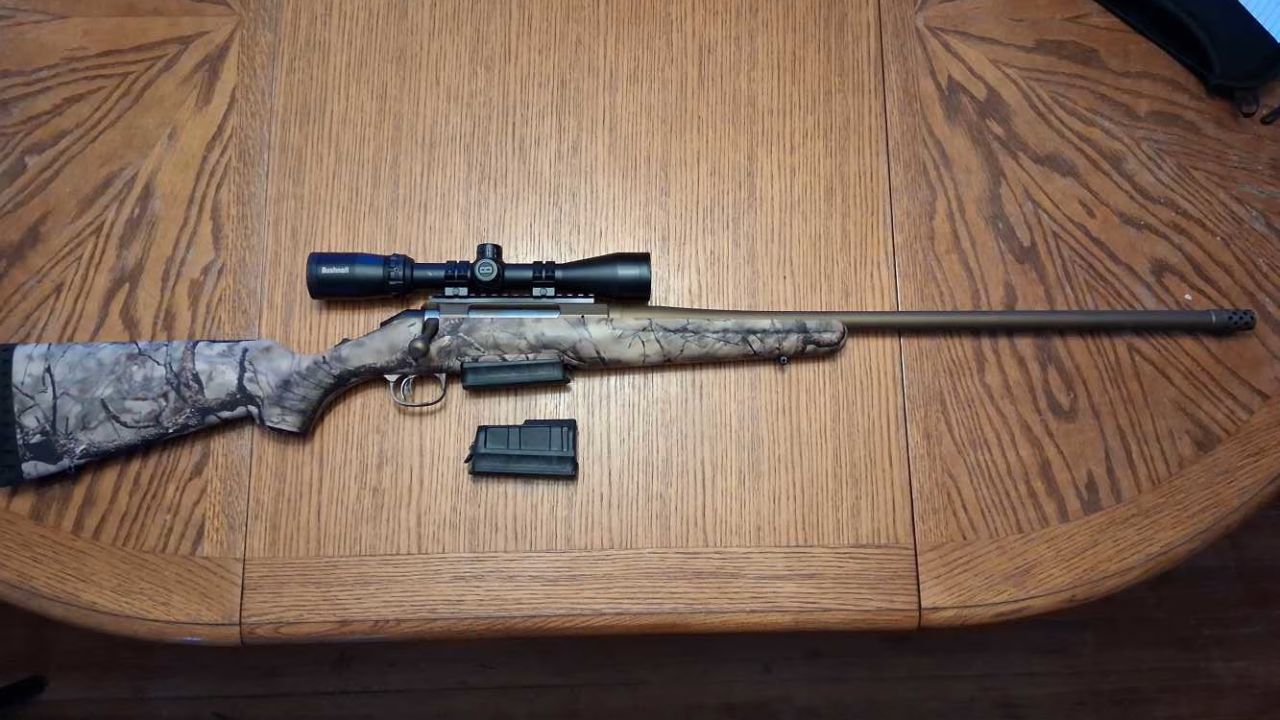
Ruger Americans can be legit shooters, but they disappoint early when they’re paired with bargain scopes and mounts and treated like the rifle is the problem. Plenty of “Ruger American won’t group” complaints are really “cheap scope won’t track” complaints.
The disappointment is still real because the buyer doesn’t care whose fault it is—they just care that the whole setup isn’t giving them repeatable confidence. A good rifle can still be part of a disappointing system if the optic package is weak.
Ruger Mini-14 (older models)
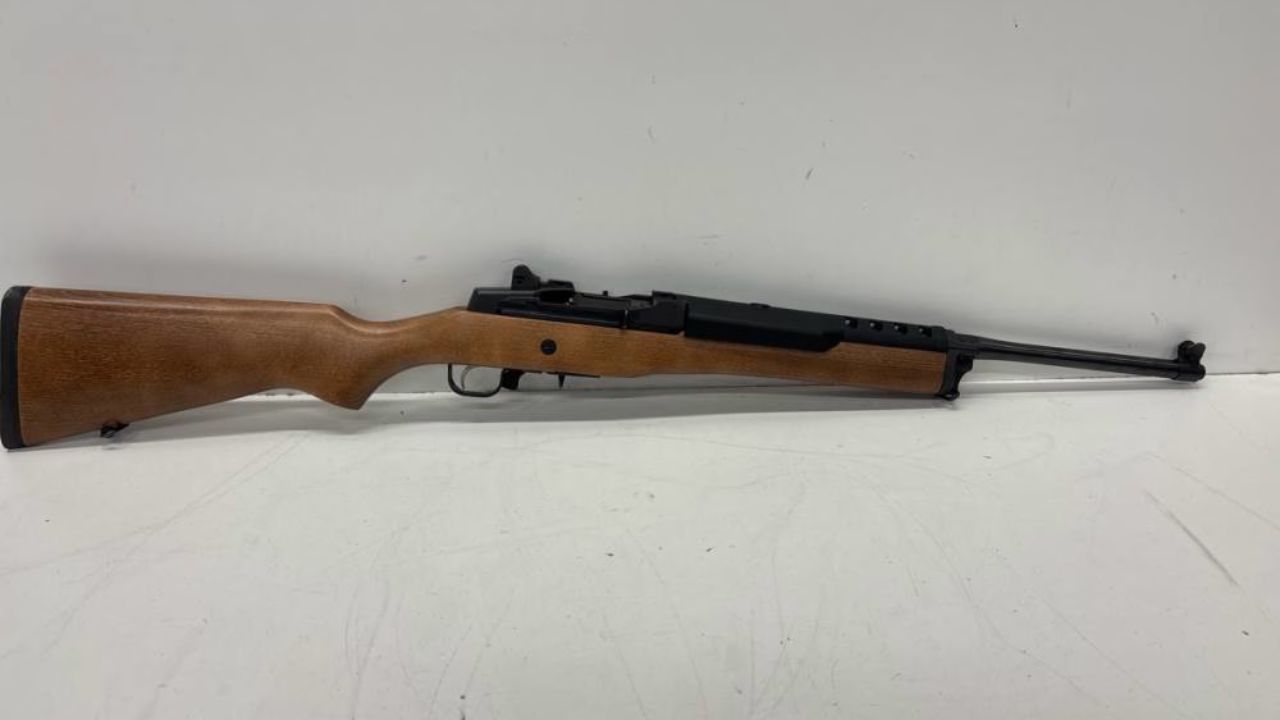
The older Mini-14 disappointment is usually accuracy and heat shift. The rifle runs reliably, but groups open up quickly and point of impact can walk as the barrel warms. People expect a “do everything ranch rifle,” then find out it’s more of a “first shot counts” gun unless you put money into accuracy fixes.
It’s not a failure. It’s just not what many buyers thought they were buying. If you want consistent groups, most people end up moving on to an AR or a bolt gun rather than trying to make an older Mini into something it was never meant to be.
SKS (with optics mounts and mixed ammo)
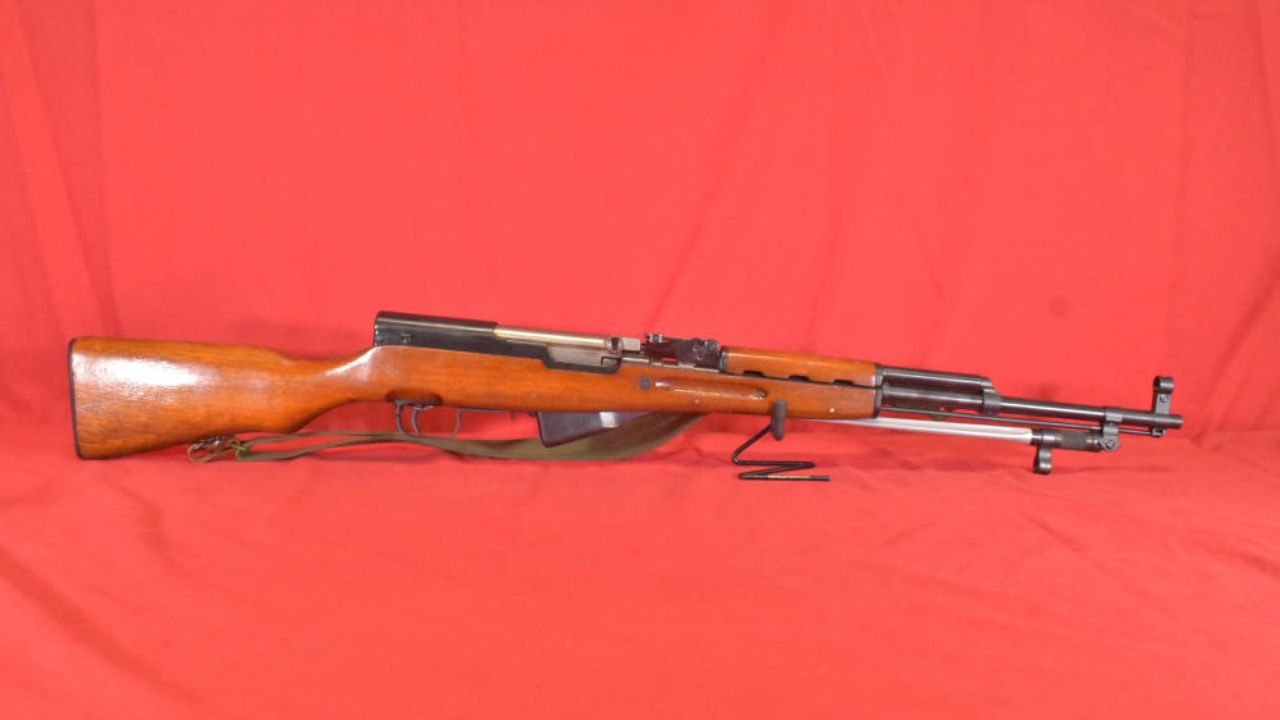
An SKS can be dependable, but disappointment shows up when people try to modernize it. Cheap optics mounts, inconsistent surplus ammo, and the platform’s limitations turn into groups that don’t repeat and a rifle that never feels truly dialed in.
The SKS usually doesn’t break. It just never becomes what the owner wanted—a scoped, repeatable, modern-feeling hunting rifle. It’s best enjoyed as what it is. When you try to force it into a role it doesn’t own, frustration shows up fast.
Century Arms VSKA (AK pattern expectations)

A lot of people buy AKs because they want “runs forever.” The disappointment with certain U.S.-built AKs is that the trust isn’t automatic. Even if the rifle runs, concerns about long-term durability, parts quality, and overall build consistency can keep it from ever feeling like a rifle you bet a hunt on.
And accuracy expectations can also disappoint. Many buyers expect better groups than they actually see, especially with cheap steel-case ammo. The rifle might keep shooting, but you may stop trusting it long before it fails.
Bear Creek Arsenal AR-15

Ultra-budget ARs disappoint early because consistency isn’t guaranteed. Some shoot okay. Some are rough. Some have barrels that just don’t group well. When you buy the cheapest version of a platform that’s capable of real accuracy, you’re rolling the dice on what you get.
The disappointment shows up when you start comparing it to a slightly better build and realize you spent your time diagnosing gas issues, reliability quirks, or “why won’t it group” problems instead of training. A hunting rifle should build confidence, not eat your weekends.
Taurus PT111 G2 / G2C

The G2C got popular because it’s affordable and compact, and plenty of them run. The disappointment is usually shootability and long-term confidence. Triggers can be inconsistent, sights aren’t always great, and the overall experience often feels like a compromise that you notice every time you try to shoot tight groups fast.
Most people who start with a G2C end up upgrading once they’ve shot better pistols. The Taurus didn’t “fail.” It just showed them what they were missing: a smoother trigger, better ergonomics, and a more confidence-building carry experience.
SCCY CPX-2

The CPX-2 disappoints early because that heavy trigger makes accurate, fast shooting harder than it needs to be. It may function, but if you can’t consistently keep shots where you want them under speed, it’s not doing its job as a carry tool.
This is a common “first carry gun” purchase that becomes a “I’m going to sell it and buy something better” purchase. Not because it broke. Because the shooter realized they were fighting the gun instead of learning the skill.
Walther P22

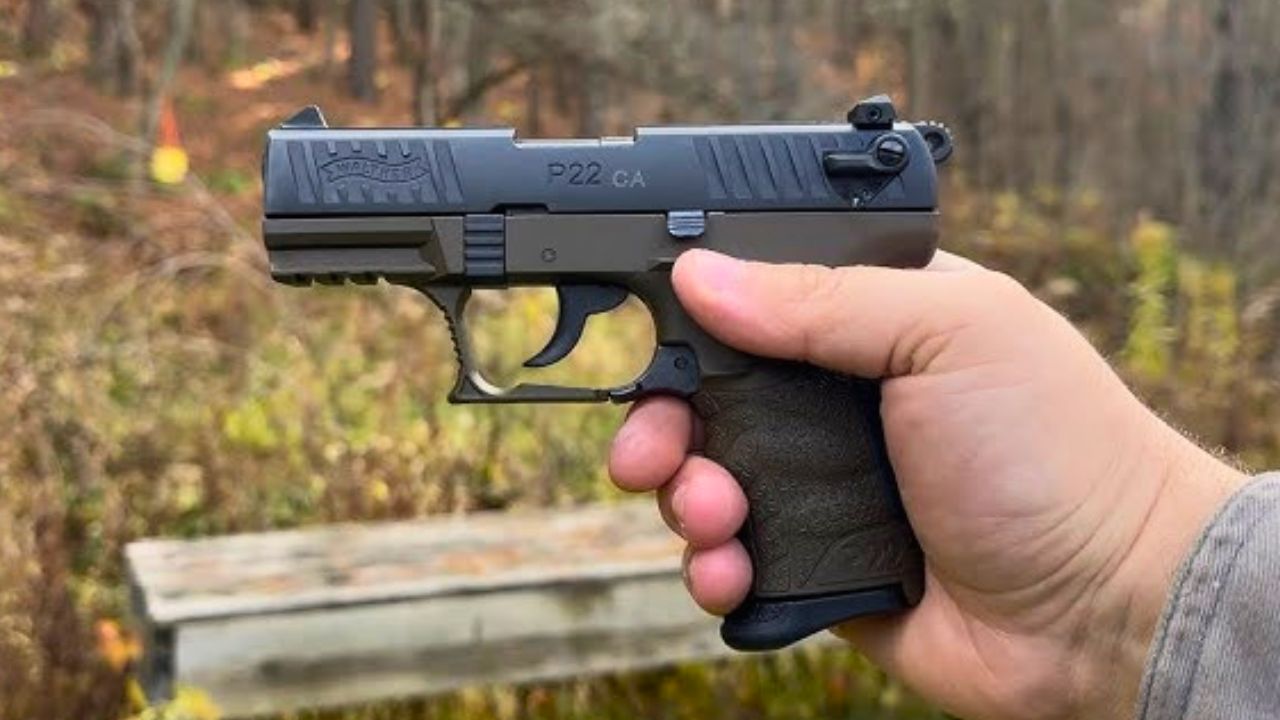
The P22 disappoints because it often fails at what people buy it for: easy, cheap training. Ammo sensitivity and fouling-related stoppages can turn a fun range session into constant clearing and reloading. That’s not the role you want for a trainer pistol.
Many owners quit on it quickly. They want a rimfire that runs, not one that needs a specific ammo recipe and frequent cleaning to behave. It’s a gun that can “work,” but still be annoying enough that people stop bringing it.
SIG Sauer Mosquito

Same theme as the P22, with the added frustration that people expect more because it says SIG. The Mosquito’s reputation for being picky is well-earned. When you buy a .22 pistol to practice fundamentals, you don’t want the gun to be the variable.
A gun that constantly interrupts training disappoints long before any part actually fails. The owner doesn’t trust it, doesn’t enjoy it, and eventually replaces it with something that’s simply more consistent.
Remington R51

The R51 disappointed a ton of buyers because it promised a carry-friendly pistol with a unique system and then delivered inconsistent reliability—especially in the early production runs. When a carry gun doesn’t inspire immediate trust, it doesn’t last long in someone’s rotation.
Even if the gun doesn’t “break,” that initial trust gap is hard to recover from. People move on, not because the pistol is shattered, but because the thought of relying on it feels dumb. That’s the worst kind of disappointment.
Like The Avid Outdoorsman’s content? Subscribe to our newsletter so you never miss an article.
Here’s more from us: