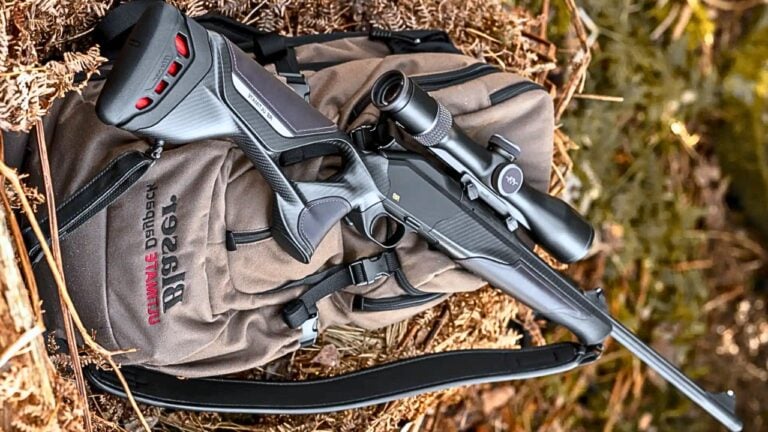
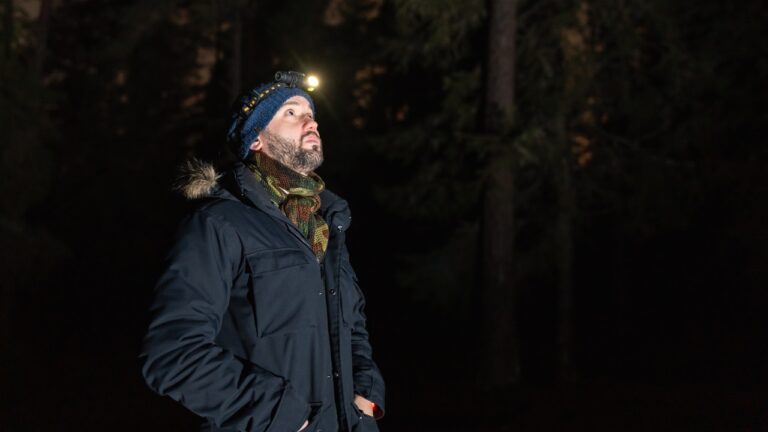
Photo credit: ZoranOrcik/Shutterstock.com
Hogs aren’t new, but they’re smarter—and more stubborn—than most folks give them credit for. You don’t need the latest gear or trendy setups to bring one down. The old-school stuff still works, especially if you know how to use it right. Whether you’re chasing them through thick brush or waiting them out at night, tried-and-true methods still put pork on the ground. Here are ten solid hog hunting tactics that keep working year after year—no gimmicks, just what gets it done.
Hunt the Wind, Not the Clock

Hogs don’t play by the same daylight rules as deer. You can catch them at all hours, especially at night or just before dawn. But no matter the time, your scent matters more. These animals have noses that’ll bust you long before they see or hear anything. Always set up with the wind in your favor, even if it means adjusting last minute. You can have the perfect setup, but if your scent is blowing their way, the hunt’s over before it starts.
Set Bait and Let Them Build Confidence
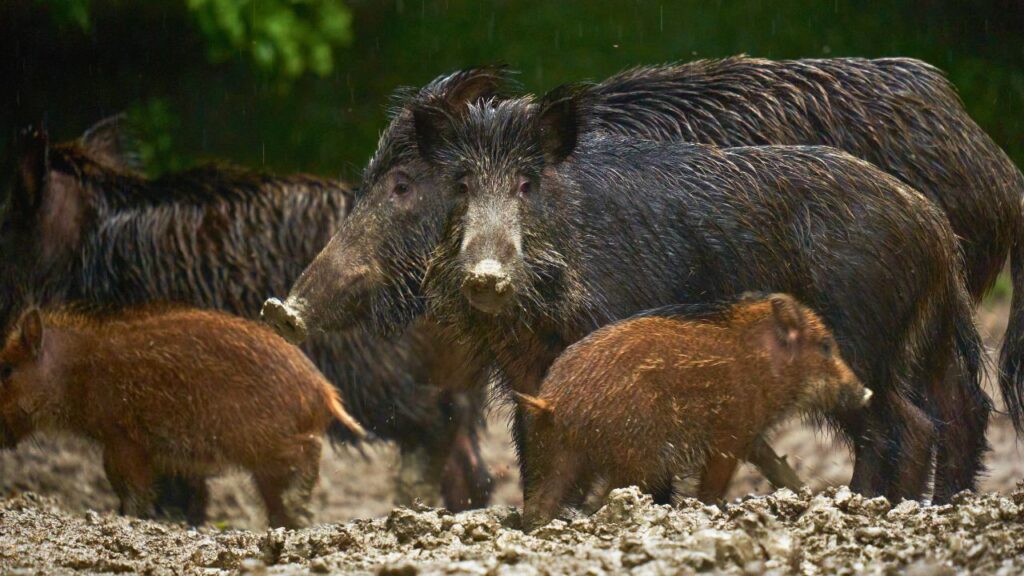
Dumping corn and sitting on it once won’t do much. Hogs are cautious when it comes to new food sources. You’ve got to bait consistently and give them time to feel safe. Keep it simple—corn, soured grain, or even used cooking oil does the trick. Let them come in a few nights before you move in. Once they feel like they own the spot, they’ll get sloppy. That’s when you make your move and catch them relaxed and committed.
Follow the Sign, Not Just the Spot

It’s easy to sit on a food plot or feeder, but the real action is often just out of sight. Look for fresh rooting, wallows, and muddy trails. Hogs leave a mess wherever they go, and those signs are like a map. Don’t be afraid to move if your current spot feels cold. Tracks and torn-up ground mean they’re active. If you’re not seeing fresh sign, odds are you’re hunting the memory of hogs—not where they actually are.
Thermal Gear After Dark

Night hunting might sound high-tech, but thermal imaging is one tool that lives up to the hype. Hogs are often most active after dark, and thermal gear makes them stand out like a beacon. You don’t need to break the bank—plenty of affordable scopes and monoculars work well enough. Once you get used to scanning with thermal, you’ll wonder how you hunted without it. Just be sure to know your backstop and surroundings—visibility might be better, but safety still matters.
Keep It Quiet and Stay Put

Hogs don’t always spook like deer, but once you bump them, they’re gone for the night. A lot of folks ruin good setups by getting antsy or making too much noise. If you’ve got fresh sign and the wind’s right, settle in and stay patient. Don’t stomp around checking bait or adjusting your blind at the last minute. Let the woods calm down. Hogs will circle in cautiously, and the quieter you are, the better your odds when they finally show.
Use Traps Where Legal

If you’re serious about controlling numbers, trapping still gets the best results. It’s not always exciting, but it works—especially for groups that are hard to catch any other way. Traps let you take out whole sounders at once without firing a shot. The key is pre-baiting and being patient. Let them get comfortable walking in and out before you drop the gate. If you’ve got access to land and hogs are tearing it up, trapping is a game changer.
Watch the Water When It’s Hot

During the warmer months, hogs need water just like anything else. Creeks, ponds, and wallows become prime hunting areas, especially late in the day. If the temps are high and you’re not seeing movement elsewhere, post up near a muddy spot with shade and water. You’ll often catch them coming in to cool off or root around. Just be ready for a close shot—cover can be thick, and they don’t always give you much of a warning before they appear.
Know When to Get Aggressive

Sometimes, sitting still won’t cut it. If you hear them crashing through the brush or grunting nearby, don’t be afraid to move. Spot-and-stalk works if you’re quiet and know the land. Get the wind right, move slow, and listen. A lot of hogs get dropped by folks who weren’t afraid to go in after them. You won’t get a shot every time, but if the sign is hot and you’re playing it smart, moving in can make the difference.
Don’t Sleep on Dog Hunts

It’s not for everyone, but hunting with dogs is still one of the most effective ways to find and catch hogs. When done right, it’s fast, loud, and gritty—and it puts you right in the middle of the action. Good dogs can track and hold hogs you’d never find otherwise. If you’re looking to cover ground and work thick areas, this is a solid option. Just be sure to team up with someone who knows what they’re doing. It’s not a solo act.
Scout More Than You Hunt

It’s tempting to rush in the second you see rooting, but the guys who scout hard usually have the best hunts. Use trail cams, walk the property, and learn the patterns. Are they hitting feed at night? Moving with the moon? Traveling from bedding to food on a regular path? The more you know ahead of time, the better you can time your sit or stalk. Hog hunting is a lot easier when you already know where they’ll be.
*This article was developed with AI-powered tools and has been carefully reviewed by our editors.