Photo credit: Puttawat Santiyothin/Shutterstock.com
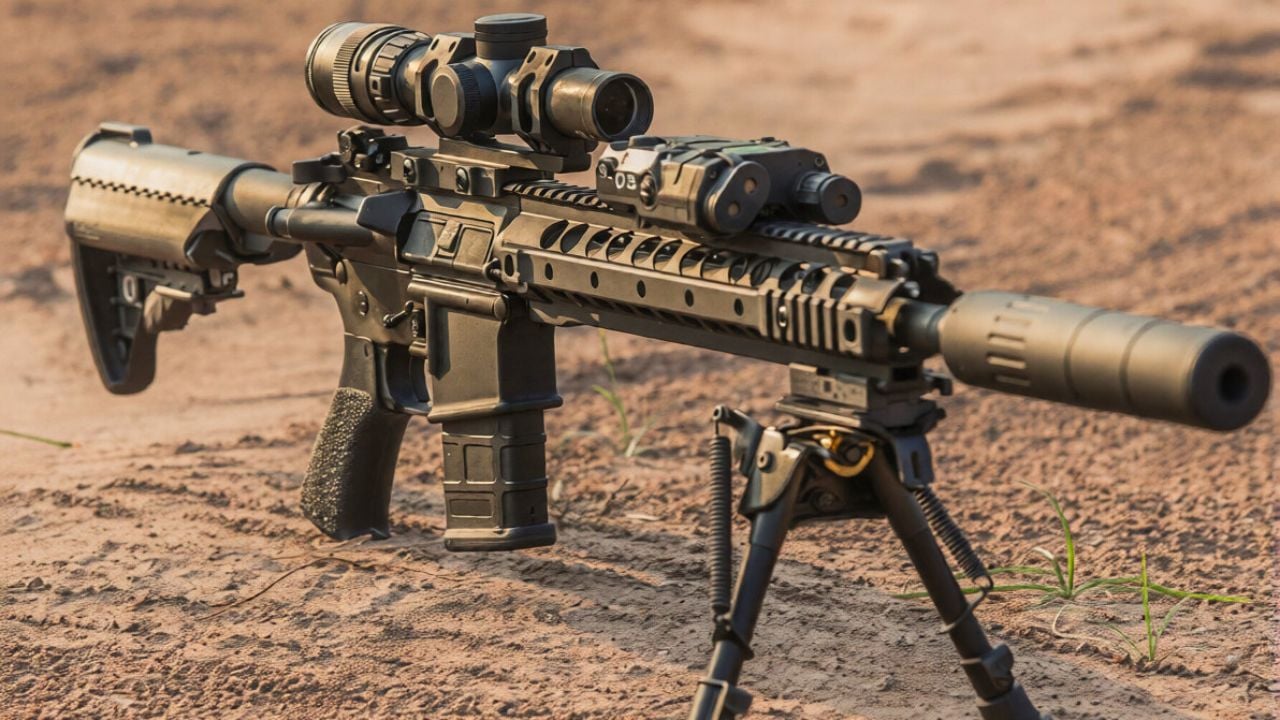
I’ve made more than one purchase that looked great online and felt like it would instantly improve my setup, but the flashy AR accessory I bought a while back stands out because of how quickly it proved useless. It had all the right marketing behind it. It promised better control, faster handling, and a noticeable edge over a standard setup. It looked aggressive, modern, and like something you’d expect to see on a high-end rifle. I convinced myself it would make a real difference. The problem was, once I got it on the rifle and actually started using it, nothing meaningful changed. The gun didn’t run better. My shooting didn’t improve. And the only thing that really stood out was how unnecessary it felt after the novelty wore off.
It added complexity without adding value
That’s one of the biggest red flags I’ve learned to watch for. If a piece of gear adds more to think about without improving performance, it’s probably not worth having. This accessory did exactly that. It gave me something else to adjust, something else to work around, and something else that didn’t really contribute to the job. At the range, it didn’t help with control. It didn’t make transitions cleaner. It didn’t improve consistency. It just sat there, looking like it should matter more than it actually did. I found myself focusing on it instead of the fundamentals, which is a problem in itself. Good gear supports what you’re already doing. It doesn’t distract from it.
I fell for the idea more than the function
Looking back, the mistake wasn’t just buying the accessory. It was buying into the idea behind it without asking the right questions first. I wanted it to make a difference, so I assumed it would. I didn’t stop and think about whether it solved a real problem I was having. That’s how a lot of unnecessary gear ends up on rifles. It fills a perceived gap instead of an actual one. The AR platform is especially vulnerable to that because there are endless add-ons designed to look like upgrades. Some of them are useful. A lot of them are not. If a rifle is already running well and shooting the way it should, adding something just because it looks like an improvement is a quick way to clutter a solid setup.
More parts means more chances for issues
Another downside I noticed was how adding one more component created more opportunities for something to go wrong. It wasn’t a major failure point, but it introduced small annoyances. Slight movement, extra weight in a spot that didn’t need it, and one more thing to keep track of when cleaning or adjusting the rifle. None of those problems were serious on their own, but together they made the rifle feel less clean and straightforward. One of the strengths of a well-built AR is how simple and consistent it can be when left alone. Adding unnecessary parts chips away at that. The more you bolt on, the more you have to manage. And if those additions don’t bring real benefit, you’re trading simplicity for nothing.
The rifle was better before I touched it
That was probably the most frustrating realization. The rifle didn’t need help. It was already doing what it was supposed to do. The accessory didn’t improve reliability, accuracy, or handling in any meaningful way. If anything, it made the setup feel less balanced. Once I took it off, everything went back to normal. That’s when it clicked. Not every upgrade is actually an upgrade. Some are just changes that look impressive but don’t translate into better performance. I’ve become a lot more cautious since then about what I add to a rifle. If it doesn’t clearly solve a problem or improve something measurable, it’s not worth complicating the setup.
Practical upgrades beat flashy ones every time
There are definitely upgrades that matter. A quality optic, a dependable sling, a solid trigger, and reliable magazines all make a difference you can actually feel. Those are the kinds of things worth spending money on. Bass Pro carries plenty of those practical upgrades, and they tend to earn their place quickly because they improve how the rifle performs or how it’s handled. The flashy accessory I bought didn’t fall into that category. It looked the part but didn’t deliver where it counted. That’s a lesson I’ve carried forward. If a piece of gear doesn’t improve performance, reliability, or usability in a real way, it’s probably not helping as much as it claims.
I pay more attention to problems now before buying solutions
The biggest change for me after that purchase is how I approach new gear. Instead of asking what looks like an upgrade, I ask what problem I’m actually trying to solve. If I can’t answer that clearly, I don’t buy anything. That simple shift has saved me money and kept my setups cleaner and more effective. It’s easy to get caught up in what’s new or what looks good on someone else’s rifle. It’s harder to stay disciplined and keep things focused on what actually works for you. That accessory taught me that lesson quick. Not everything that looks like progress moves you forward. Sometimes it just gives you something new to take off later.
Like The Avid Outdoorsman’s content? Subscribe to our newsletter so you never miss an article.
Here’s more from us: