Photo credit: Harry Collins Photography/ShutterStock.com
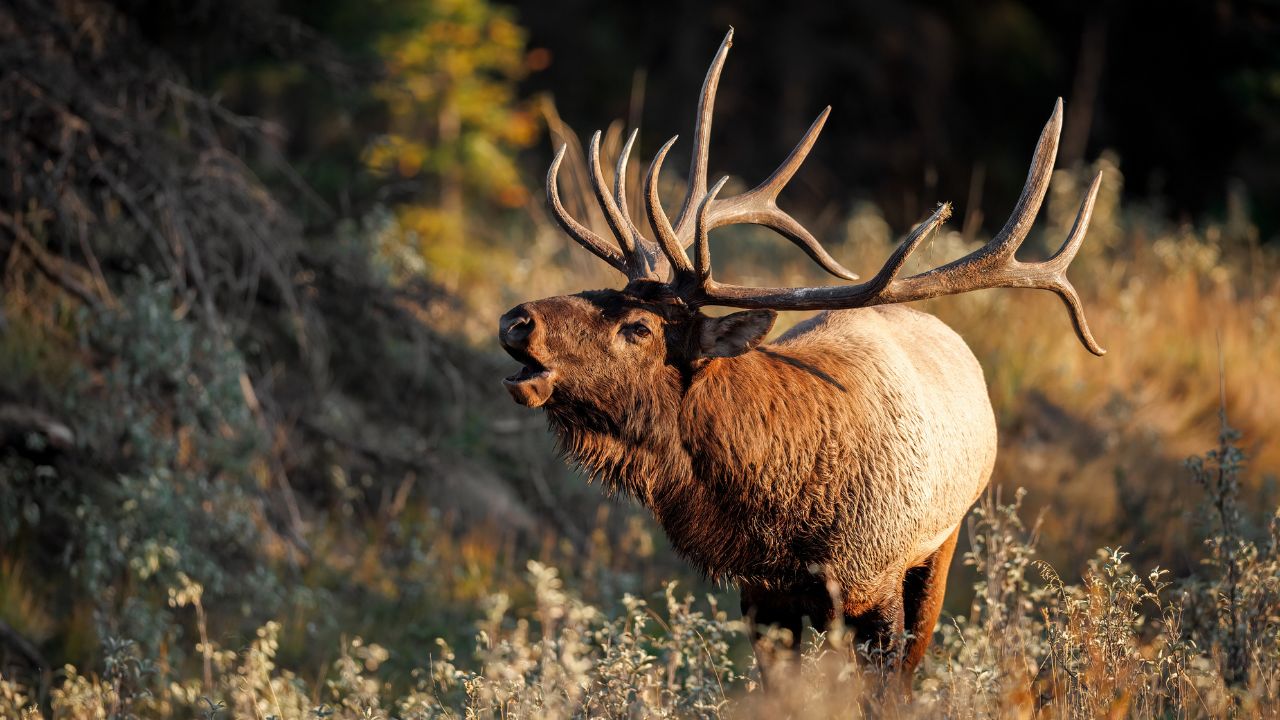
Every elk hunter learns fast that not every round that looks powerful on paper delivers in the field. Elk are massive, tough animals with heavy bone and thick muscle, and they demand cartridges that penetrate deep and hold together. Plenty of rounds marketed as hard-hitting fall short once you face those conditions. A bullet that mushrooms too quickly or runs out of steam before it gets through the vitals can leave you with a wounded animal instead of meat in the freezer. What works fine on deer or hogs doesn’t always translate to elk hunting success. If you’re serious about putting one down cleanly, you need to know which calibers and loads don’t live up to the hype. These are the rounds that promise “knockdown power” but tend to fail when it comes to taking down an animal as rugged and unforgiving as an elk.
.243 Winchester
Plenty of hunters grew up shooting the .243 Winchester, and it has a strong reputation for deer and varmints. But when you step up to elk, the .243 starts to show its limits. The small, fast bullet can penetrate well enough on lighter game, but it often doesn’t have the weight or momentum to get through the heavy shoulder or ribs of a bull elk.
Even with premium bullets, you’re relying on perfect shot placement and short distances. That’s a gamble many elk hunters aren’t willing to take. While it might drop a calf or cow under ideal conditions, it’s not a reliable option for bulls. If you’ve used it successfully, you probably already know those cases were exceptions, not the rule. Most guides will tell you flat out—leave the .243 at home when chasing elk.
6.5 Creedmoor
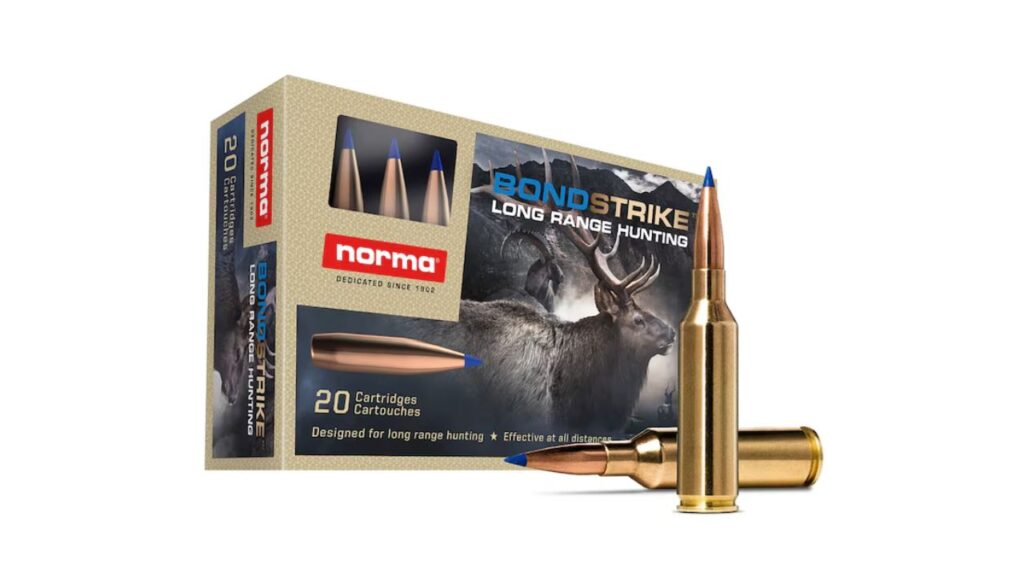
The 6.5 Creedmoor has exploded in popularity for its accuracy and mild recoil, and many hunters have tried it on elk. While it can kill an elk with careful bullet choice and precise placement, it doesn’t consistently deliver the penetration needed at longer ranges. The round was built for target shooting, not smashing through bone and muscle on a 700-pound animal.
A well-constructed bullet like a Partition or bonded design can improve performance, but the Creedmoor still runs short on horsepower compared to bigger elk rounds. Hunters often see shallow penetration or bullets breaking up before reaching vital organs. The 6.5 is a fine deer rifle and a solid range caliber, but when you’re climbing ridges after elk, it’s risky. More often than not, it leaves hunters wishing for more cartridge behind their bullet.
.25-06 Remington
The .25-06 Remington is fast, flat-shooting, and plenty of hunters love it for pronghorn and deer. On elk, though, its light-for-caliber bullets don’t hold up well. Even with bonded or partitioned designs, they tend to fragment or fail to penetrate deeply enough through the big bones and dense muscle of a bull.
Some hunters have clean kills with the .25-06, but those cases usually involve close range and perfect shot angles. If you hit shoulder or a steep quartering angle, the bullet often won’t reach the vitals. That kind of unpredictability is what makes it a poor choice for elk. While it shines as an antelope and mule deer rifle, elk hunting exposes the limits of what the .25-06 can really handle.
.257 Weatherby Magnum
On paper, the .257 Weatherby Magnum looks like a powerhouse with its blistering speed and flat trajectory. In reality, the lightweight bullets it pushes at extreme velocity tend to blow up on impact. That’s great for coyotes and even deer, but it doesn’t give you the deep penetration needed on an elk’s chest cavity.
The energy looks impressive in the ballistics chart, but speed alone doesn’t guarantee clean kills on big game. Once you add heavy bone and long shot angles into the mix, the .257 quickly falls short. Plenty of Weatherby fans have tried it, but most will admit it isn’t a dependable elk round. It’s a cartridge built for long-range antelope and open-country deer, not animals that weigh half a ton and can soak up punishment.
7mm-08 Remington

The 7mm-08 Remington is beloved for its mild recoil and versatility on deer-sized game. Some hunters stretch it to elk, but its limitations show fast. Even with premium bullets, it doesn’t carry enough energy past moderate distances to reliably drive through shoulders or quartering shots.
If you’re close and aiming for ribs, you can make it work, but elk hunting rarely gives you that perfect angle. The cartridge simply wasn’t built for big animals, and while it’s efficient, it lacks the authority of larger 7mm or .30 caliber rounds. It’s a fantastic choice for young or recoil-sensitive hunters chasing deer, but for elk, it often leaves hunters chasing wounded animals instead of dragging out meat.
.300 Blackout
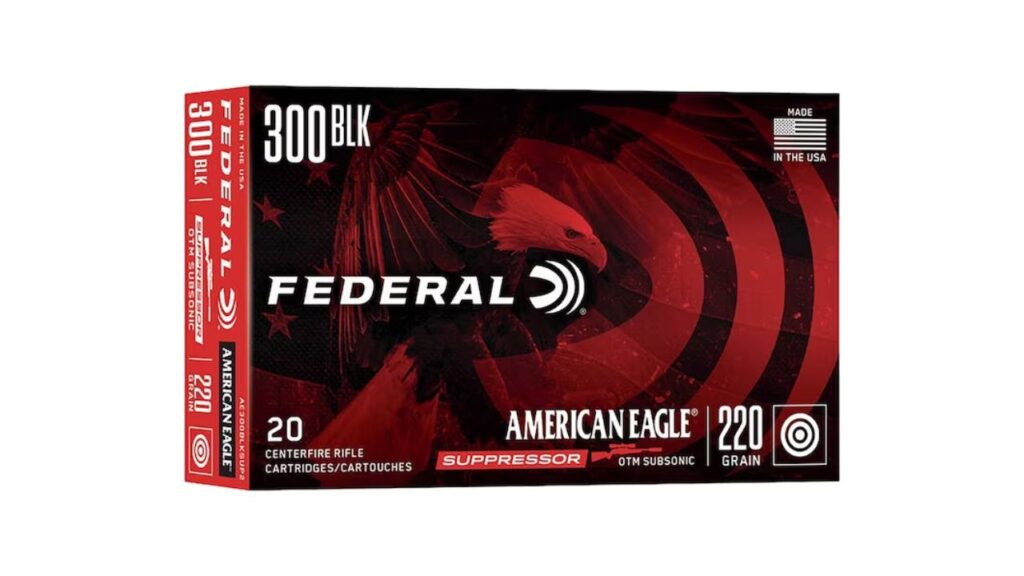
The .300 Blackout has become popular in AR platforms, and while it’s effective on hogs and deer inside 150 yards, it’s completely out of its league on elk. The low velocity and heavy reliance on expansion leave you with shallow wound channels that don’t do enough damage to bring down an animal that can weigh 800 pounds.
Even with the heaviest bullets, the Blackout runs short on penetration. It’s not a question of bullet choice or shot placement—it’s simply not enough cartridge for the job. If you take it elk hunting, you’re stacking the odds against yourself. It’s a fun, versatile round for many applications, but elk hunting shouldn’t be one of them.
.30-30 Winchester
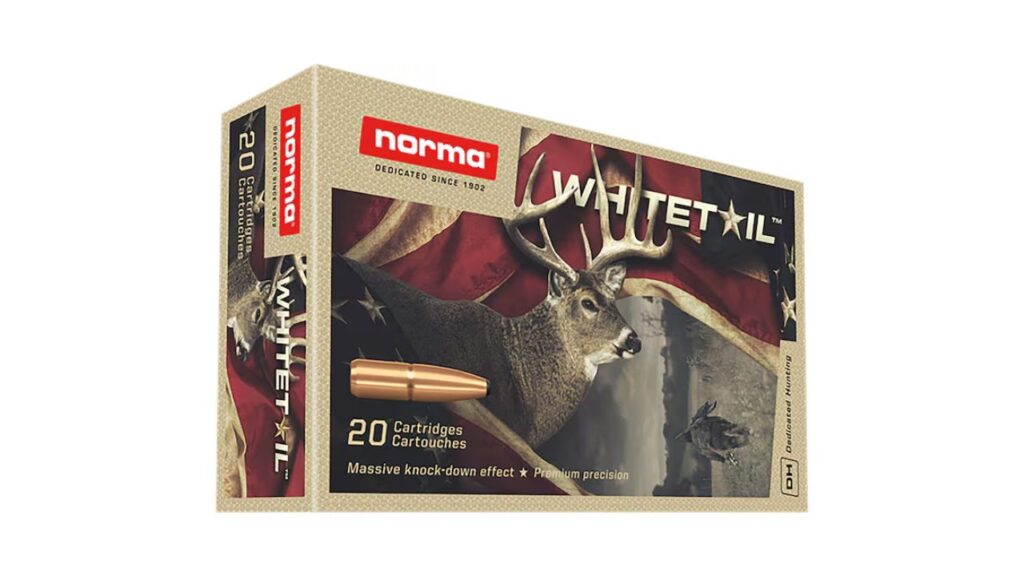
The .30-30 has put plenty of deer on the ground and even some elk in the early days of western hunting. But compared to modern options, it lacks the energy and reach needed for ethical elk hunting. Its rainbow trajectory and limited power mean you’re restricted to close ranges and very specific shot angles.
Hunters who’ve killed elk with the .30-30 usually had to stalk incredibly close, and even then, success depends heavily on avoiding the shoulder. On a bull elk, a .30-30 round often fails to penetrate far enough to reach vitals, especially at ranges beyond 100 yards. It’s a cartridge that shines in the whitetail woods but leaves a lot to be desired on the open ridges and timber where elk are found.
6mm Creedmoor
Like its bigger brother, the 6mm Creedmoor is a tack-driver at the range, but it simply isn’t built for large game. The bullets are too light, and while they expand nicely on deer, they don’t have the mass to break through elk shoulders or drive deep into the chest cavity.
Plenty of hunters try it because of its accuracy and low recoil, but elk are not the place to gamble. Even with bonded or copper bullets, the 6mm lacks the energy needed for reliable penetration. It might drop an elk under perfect conditions, but far too often, it results in long tracking jobs and wounded animals. Save this one for varmints and deer, not bulls.
.220 Swift

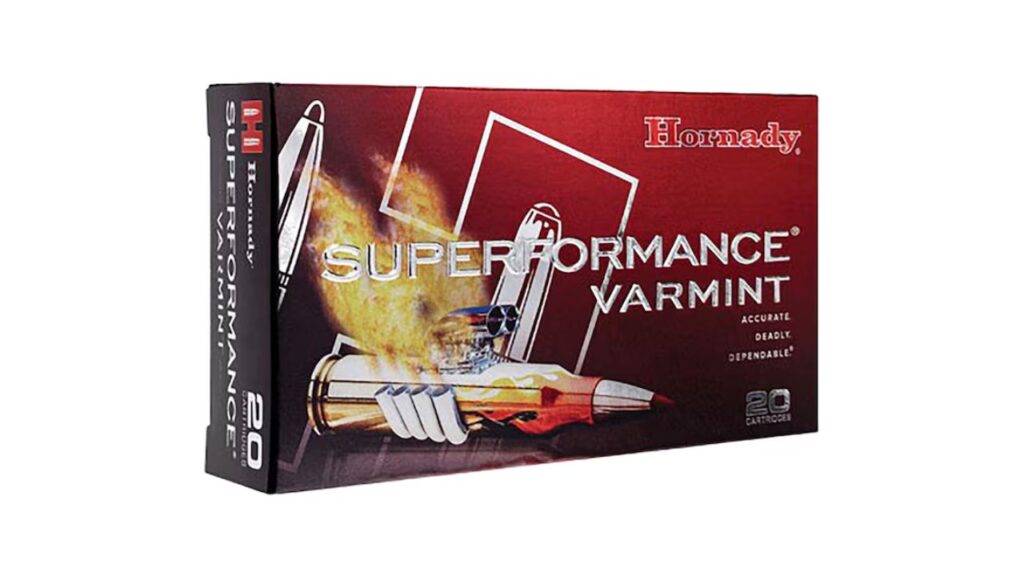
The .220 Swift has legendary velocity and is a favorite for varmint hunters. But all that speed doesn’t make it an elk cartridge. The tiny bullet simply doesn’t have the sectional density or energy to push through elk-sized targets. It fragments easily, leaving shallow wounds that may look dramatic but don’t penetrate to vitals.
Even with controlled expansion designs, you’re working with a bullet weight far below what’s needed for elk. This is a cartridge designed for prairie dogs, coyotes, and foxes—not animals weighing several hundred pounds. It’s fun to shoot and impressive on varmints, but it’s nowhere near ethical for elk hunting.
.270 Winchester with Light Bullets
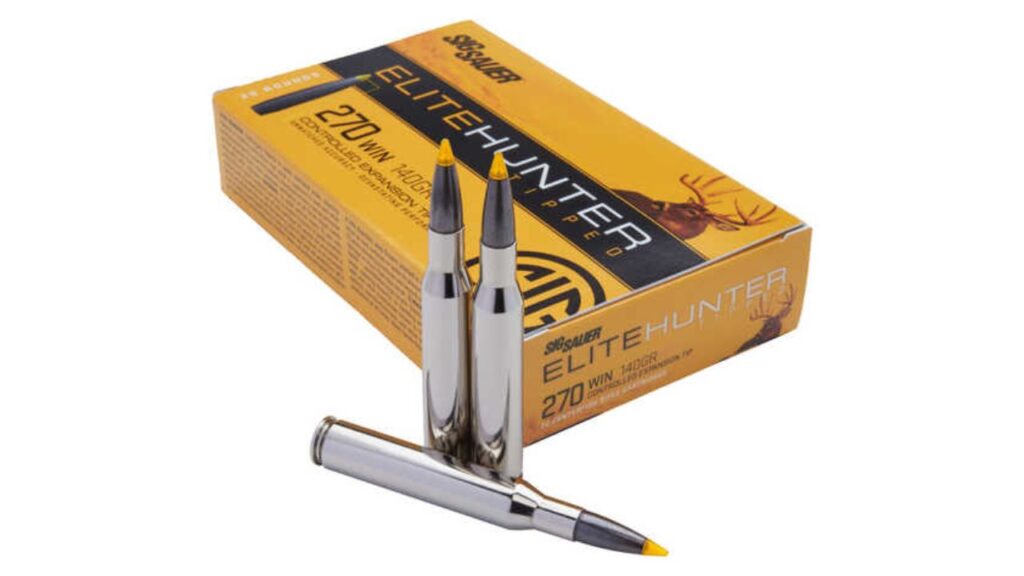
The .270 Winchester can absolutely be an elk cartridge when loaded with 150-grain or heavier controlled expansion bullets. But too many hunters load it with lighter 130-grain bullets meant for deer, and that’s where the problems start. Those lighter bullets often don’t hold together when they hit heavy bone or thick muscle.
The .270 has the velocity, but without proper bullet weight and construction, penetration fails. Many hunters blame the caliber when really it’s the bullet choice. If you’re going to carry a .270 after elk, you need to feed it the right ammunition. Otherwise, you’ll end up with a cartridge that promises “knockdown power” but fails in real-world elk country.
.280 Remington with Inadequate Bullets
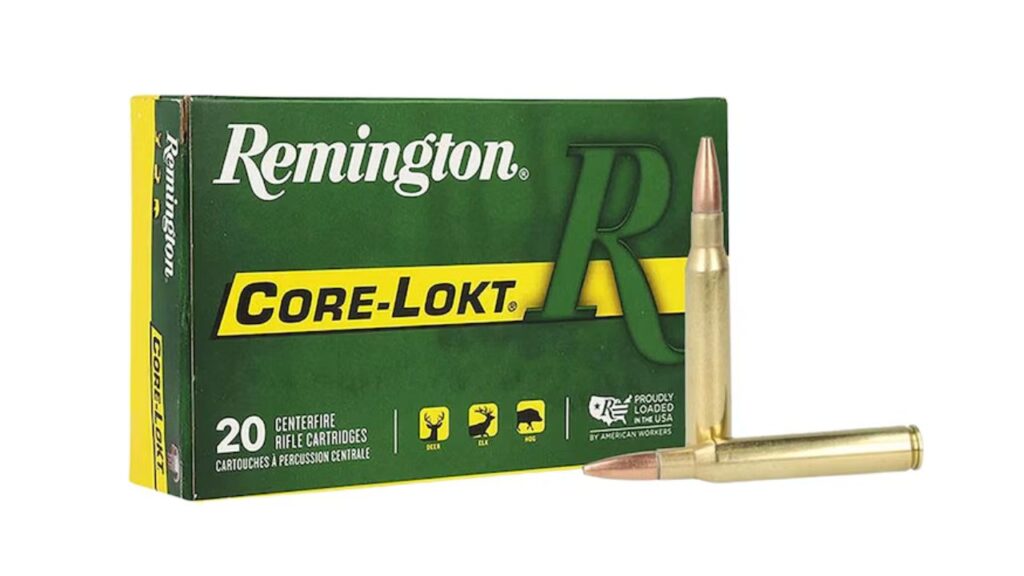
Like the .270, the .280 Remington can be effective on elk with the right bullets, but too many hunters rely on lighter deer loads. The round itself has the case capacity and velocity, but if you’re using 140-grain bullets designed for expansion on deer, you’re setting yourself up for trouble.
Those lighter bullets often fragment and fail to penetrate enough to anchor a bull elk. A 160-grain Partition or bonded bullet can change the story, but too many hunters ignore that detail and end up disappointed. The caliber has potential, but when fed the wrong bullet, it falls into the same trap as other lighter-recoiling cartridges—plenty of promises, not enough performance.
*This article was developed with AI-powered tools and has been carefully reviewed by our editors.