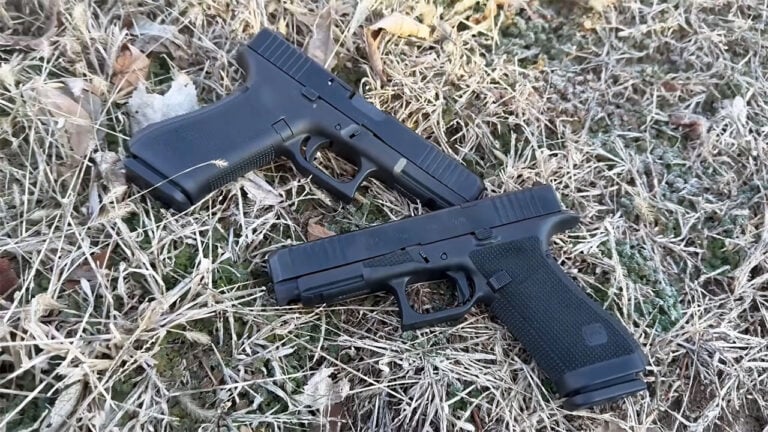
Photo credit: Herrington Arms/YouTube
The FN 509 was supposed to be a big deal—born from the XM17 trials and backed by a company that’s been arming militaries for over a century. But it landed on the civilian market like a wet blanket. Not because it was bad. Because shooters didn’t understand what they were getting.
It wasn’t flashy, didn’t carry the fanfare of a Glock or SIG, and never went viral on YouTube for some tricked-out custom job. But if you’ve actually run one through training, field use, or rough carry conditions, you know this gun punches well above its popularity.
The 509 didn’t fail. We failed to give it the credit it earned. Here’s why it still deserves a second look.
Built to Compete at the Top
The FN 509 wasn’t designed for the weekend plinker crowd—it was made to win the military’s handgun contract. That means it was pressure-tested, drop-tested, and torture-tested more than anything most civilians will ever carry.
It held its own through mud, sand, and impact tests that took other guns out of the running. Just because the Army went with SIG doesn’t mean the 509 was a failure—it means FN built a gun to meet hard-use standards most shooters never think about.
You’re getting mil-spec-level reliability in a package nobody’s bragging about. That’s not hype. That’s a missed opportunity.
The Grip Everyone Keeps Sleeping On

Plenty of guns claim “ergonomics,” but the 509 grip actually fits real hands. It locks in high with smart texturing—not sandpaper—and the angle works whether you’re squared off at a target or moving off-line during drills.
The beavertail isn’t oversized, but it lets you choke up tight without getting bit. And FN didn’t cheap out on grip modules—they made sure the controls, backstraps, and stippling patterns worked with gloves or slick hands.
It’s one of the only striker-fired grips that feels like it was built by someone who actually carried a pistol in a real fight.
No Shortcuts on the Trigger System
The factory 509 trigger doesn’t get much praise—and that’s partly why it didn’t catch fire. It’s not soft. It’s not light. But it’s consistent and deliberate, which is exactly what you want in a defensive pistol.
Reset is short, tactile, and audible. It breaks the same way every time, with no surprise stacking or odd take-up. You can run it fast with practice, and it doesn’t mask sloppy fundamentals like some of the “match” triggers do.
It wasn’t built to flatter casual shooters. It was built to perform under pressure.
Factory Sights That Aren’t an Afterthought

FN didn’t slap on plastic placeholders and call it good. Most 509 models ship with steel sights—either three-dot setups or blackout rears with high-contrast fronts.
Some variants, like the 509 Tactical, go even further with suppressor-height night sights ready for optics co-witnessing. These aren’t gimmicks. They’re durable, snag-free, and usable in low light without needing an upgrade.
In a market flooded with aftermarket sight swaps, FN gave you what you needed right out of the box.
Optics-Ready Before Everyone Jumped In
The 509 Tactical was ahead of the curve on red dot readiness. Long before half the striker-fired market caught on, FN built a mounting system that actually worked.
The optics plate system is solid, the suppressor-height sights co-witness cleanly, and there’s enough clearance to run most major dots without weird fit issues.
For a long time, it was one of the only full-size optics-ready pistols you could trust straight from the factory.
More Configurations Than Most Think

People talk about the Glock 19 or the SIG P320 like they’re the only pistols with a lineup. But FN built out the 509 into a full family—Compact, Midsize, Full Size, Tactical, LS Edge, MRD.
You’ve got threaded barrels, optics-ready slides, extended mags, and competition tweaks. They just never made a fuss about it.
If you like options but hate buying a base gun and dumping $400 in upgrades just to get there, the 509 lineup quietly gives you more than you think.
It Handles Recoil Like a Bigger Gun
One of the surprises with the 509—especially the Tactical and Midsize—is how flat it shoots. The bore axis is low, the slide has just enough weight, and the recoil impulse feels more controlled than most polymer pistols in the same class.
Follow-up shots stay on target, and it doesn’t slap your palm after long range sessions. That’s not something you always notice in the first few mags, but it matters when you’re pushing past 300 rounds in a day.
It’s a workhorse, not a drama queen.
It’s Overbuilt Where Others Cut Corners

Pick up a 509 next to some of the cheaper striker guns, and you’ll feel the difference. The barrel lugs, slide rails, guide rod, extractor—all oversized and built to last.
You’re not going to break this thing during a weekend class or after 10,000 rounds. And FN didn’t skimp on internals just to shave weight or cost.
It’s built like a pistol you can trust your life to, not like one you grab off the shelf because it was twenty bucks cheaper.
Nobody Talks About Its Reliability—Because It’s Boring
This might be the most important point. The 509 runs. It feeds everything, eats junk ammo, and keeps going dirty. It doesn’t jam unless you do something wrong.
But because it isn’t flashy and doesn’t have a cult following, nobody brags about it. That’s fine. Let everyone else chase trends.
If you want a gun that keeps working when other platforms start acting up, the 509 quietly checks that box.
The Price Never Matched the Performance
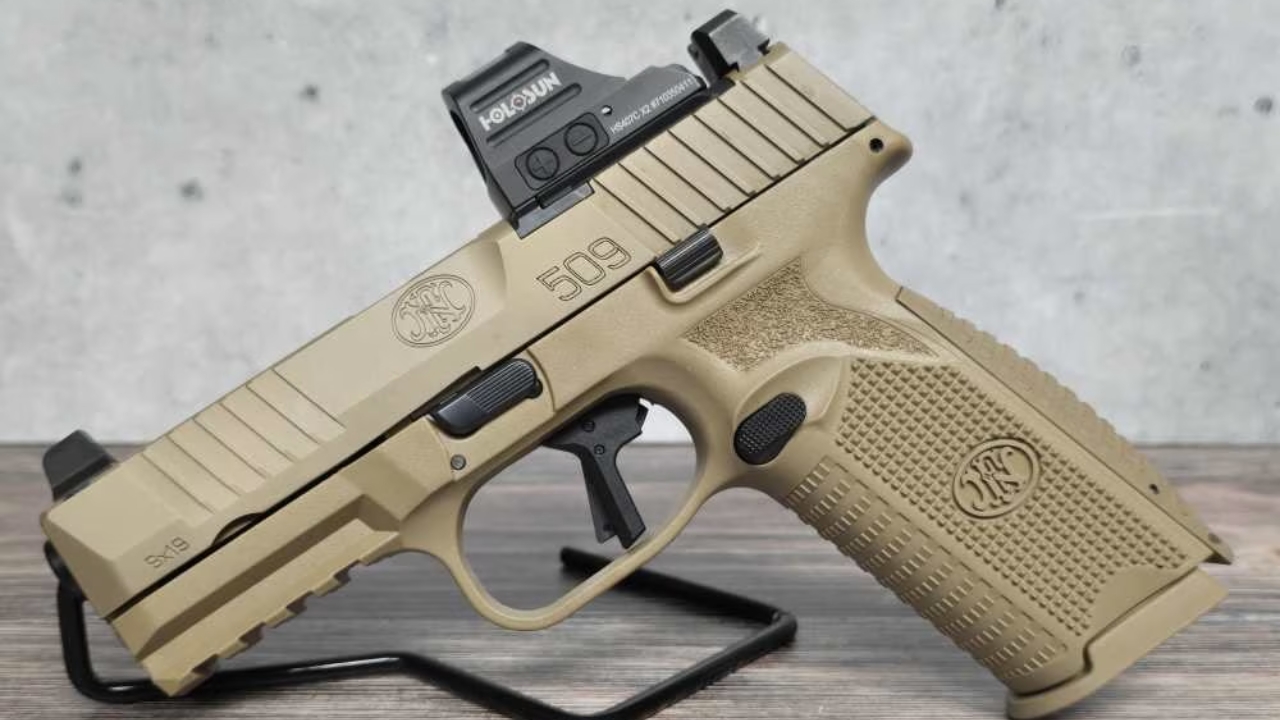
FN priced the 509 family somewhere between Glock and SIG—but shooters saw it as high because it wasn’t a name they carried on duty or saw in gun shop fan clubs.
But dollar for dollar, you’re getting more steel, more durability, better sights, and a platform that came from military-grade development—not budget engineering.
It’s not cheap. But it’s fair. And if you’ve run enough pistols to know the difference, you’ll see the value.
Like The Avid Outdoorsman’s content? Be sure to follow us.
Here’s more from us:
*This article was developed with AI-powered tools and has been carefully reviewed by our editors.