Photo credit: GunsAreArt/Youtube
Walk into enough duck camps, ride in enough muddy trucks, and you start noticing the same pattern: the best shotguns in the group aren’t always the ones getting the glossy two-page spreads. A lot of serious hunters run guns they’ve owned forever, bought used, or inherited, and they keep quiet about them because they just work. They point right, they run dirty, and when it’s sleeting sideways they don’t turn into a science project.
This isn’t a list of “latest and greatest.” It’s a list of shotguns that have been quietly earning their keep in blinds, timber, cattails, and cut corn for a long time. Some are ugly. Some are heavy. A few are sleepers that never got trendy. If you see one at a gun show with honest wear, don’t laugh too fast.
1. Browning BPS (bottom-eject pump)

The BPS has been making birds disappear for decades, and it does it without throwing empties across your buddy’s face. Bottom eject is a real advantage in a cramped blind, and it makes the gun naturally friendly for left-handed shooters without a bunch of workarounds.
They’re also slicker than most pumps once they’re broken in, with that “on rails” feel. The downside is weight. Carry one all day upland hunting and you’ll notice, but on a cold morning over decoys, the extra heft helps you stay smooth.
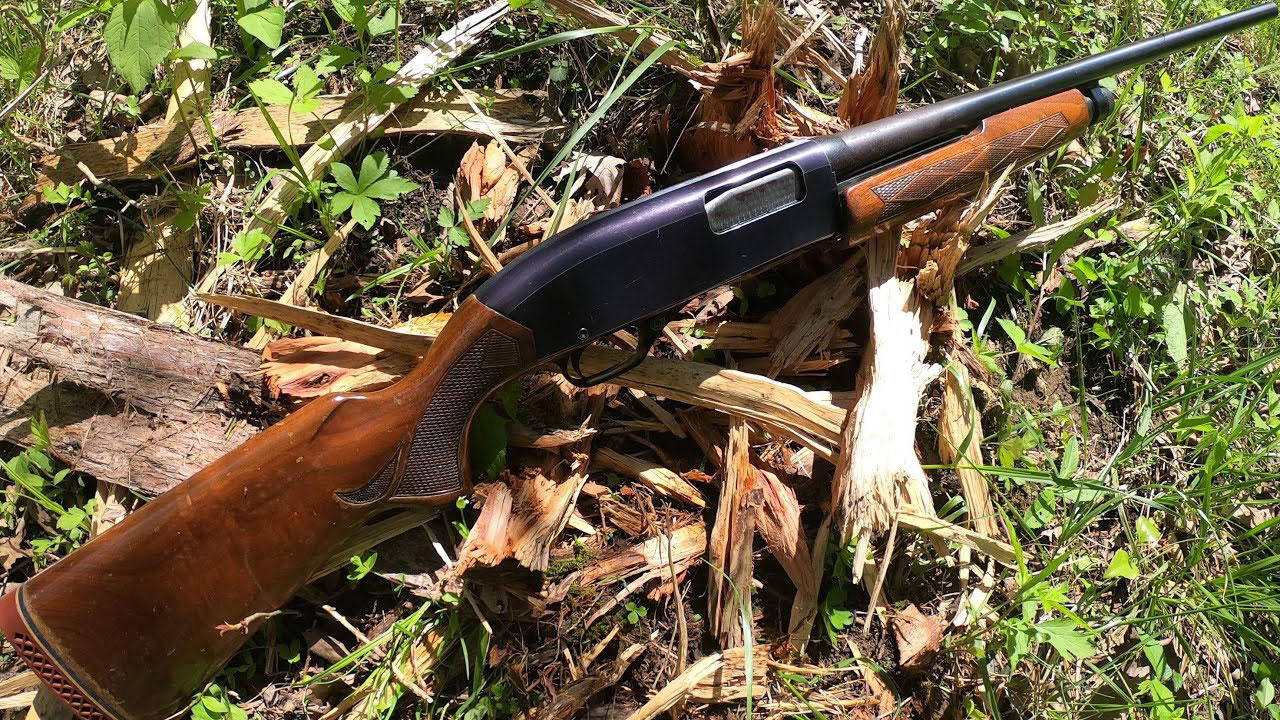
2. Winchester Model 1400 (gas semi-auto)

The 1400 doesn’t get the respect it deserves because it came from an era people like to joke about. I’ve seen them run for years on cheap field loads, and the gas system soaks up recoil better than a lot of modern “lightweight” guns.
Where folks get into trouble is neglect. Keep the gas parts reasonably clean and don’t treat it like a rental car, and it’ll keep killing birds. If you find one that hasn’t been “kitchen-table gunsmithed,” it can be a steal.
3. Ithaca Model 37 (Featherlight)
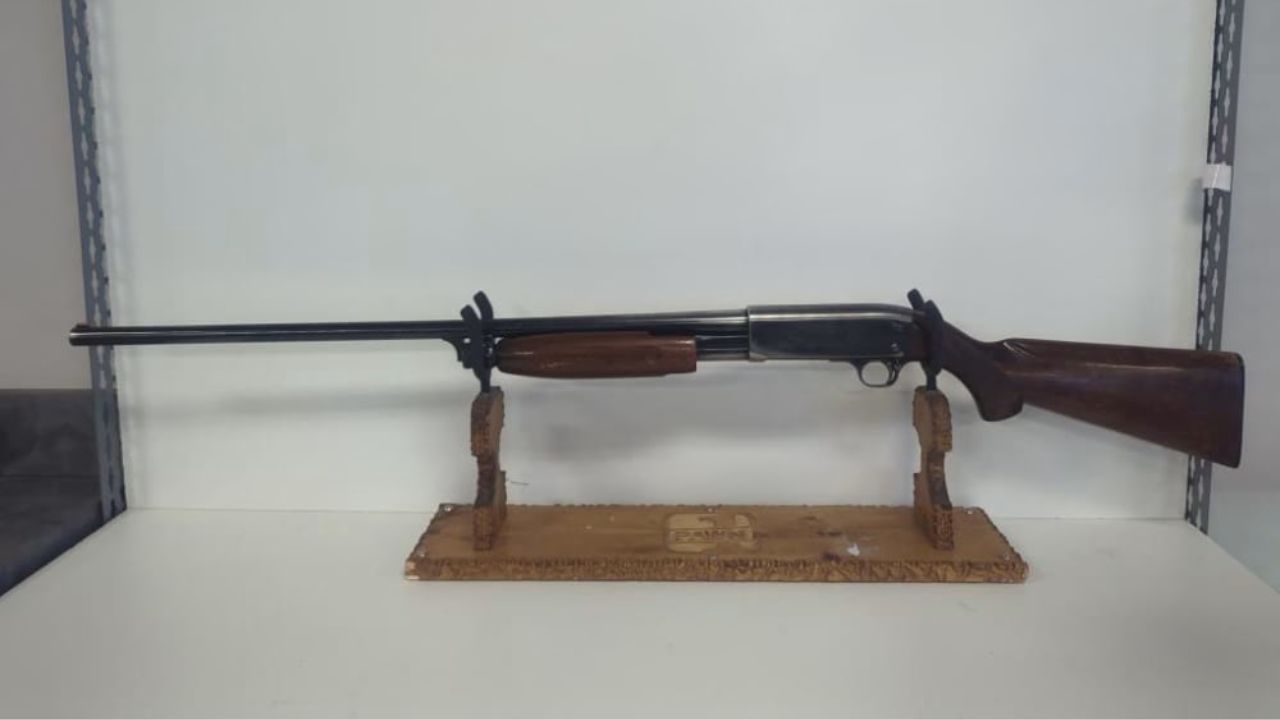
This one has a following, but it still doesn’t get written about the way it should. The Model 37 carries like a wand and points like your finger, and that matters more than internet opinions when a rooster blows out of the grass at ten yards.
It’s also bottom-eject, which keeps debris out and hulls down. Older ones can have stiff actions until you learn them. Still, it’s one of those guns that makes you wonder why you ever thought you needed something “tactical” for hunting.
4. Remington Model 11 (long-recoil autoloader)
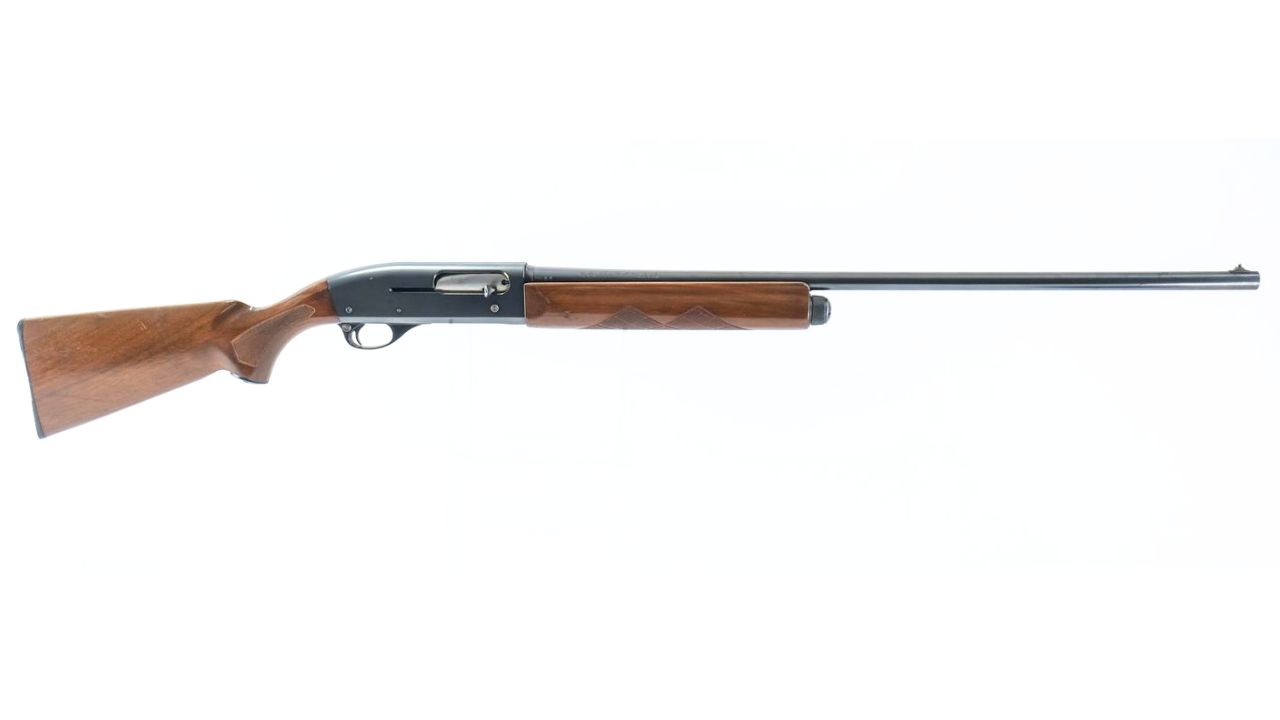
If you grew up around old-timers, you’ve probably seen one leaning in a corner like it’s nothing special. It’s basically the American side of the Browning Auto-5 story, and it flat-out works if it’s set up right.
The recoil system and friction rings confuse people, so they get labeled “finicky.” They’re not finicky, they’re just not idiot-proof. When adjusted for the loads you’re shooting, they’ll run in nasty weather and keep going long after newer guns start choking.
5. Beretta AL390 (gas semi-auto)
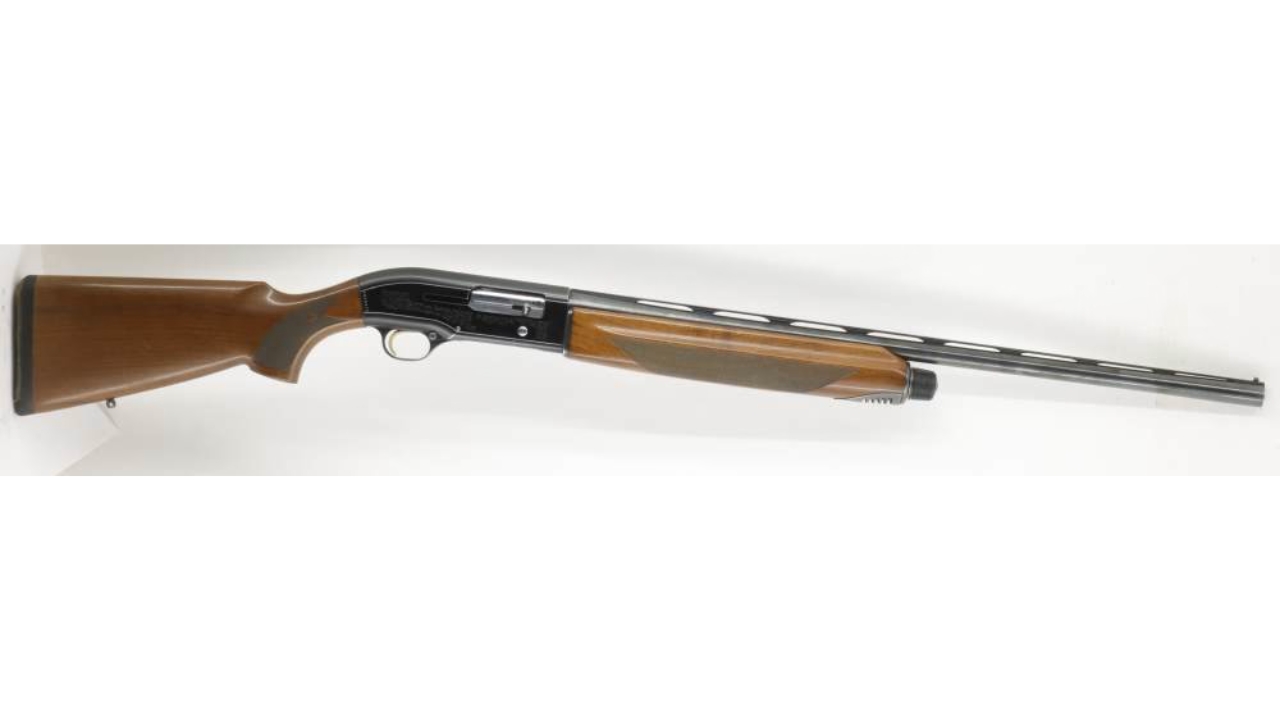
The AL390 is one of those shotguns that feels boring until you start counting how many rounds it eats without drama. Soft shooting, reliable, and balanced in a way that makes you swing through birds instead of slapping at them.
It doesn’t have the hype of some newer Berettas, and you won’t see it pushed hard in print these days. But a clean AL390 is still a serious waterfowl gun, and replacement parts aren’t a nightmare if you stick with common configurations.
6. Franchi 48 AL (long-recoil, lightweight)

The 48 AL is what happens when you want a semi-auto that carries like a feather. Upland hunters who walk miles notice that kind of thing. It’s quick to the shoulder and fast on that second shot when a covey breaks in two directions.
It’s not the softest shooter, especially with heavier loads, because it’s light and uses a long-recoil setup. But as a “cover miles, shoot fast” gun, it’s better than most folks realize.
7. Benelli M1 Super 90 (inertia semi-auto)
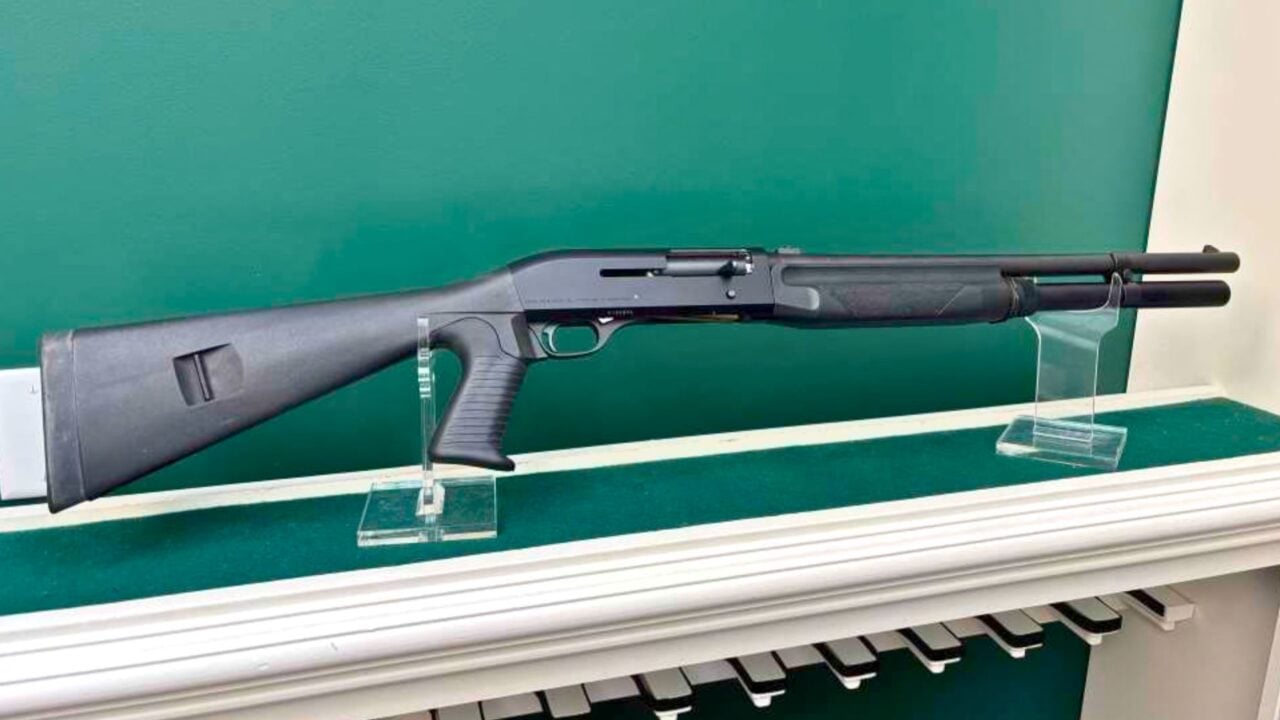
Everybody talks about newer Benellis, but the M1 has been quietly stacking birds since before a lot of today’s marketing departments were born. Inertia guns like a firm mount, and the M1 rewards good form with dead-simple reliability.
They’re not fancy, and they can feel a little lively with heavy waterfowl loads. Still, if you want a semi-auto that shrugs off mud and cold, the M1 has earned its reputation the hard way.
8. Mossberg 835 Ulti-Mag (overbored pump)
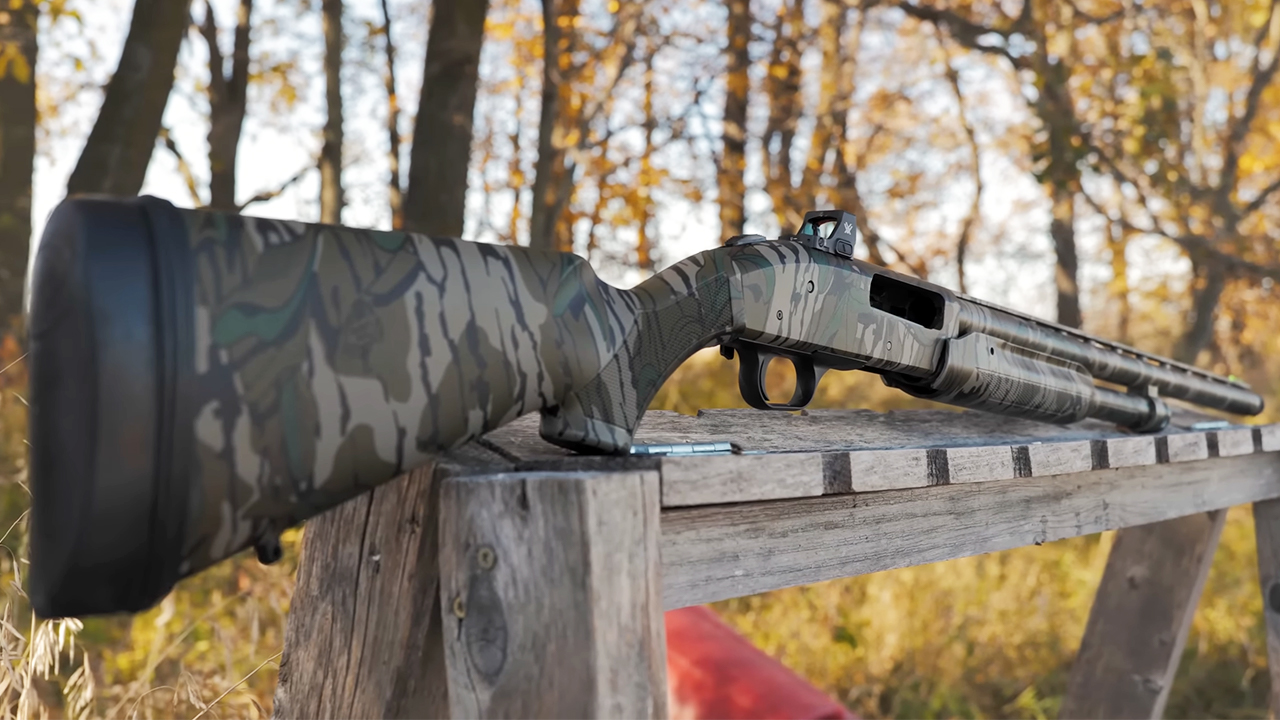
The 835 gets dismissed as the “cheap big-shell” pump, but it’s a legitimate tool if you’re chasing late-season geese or shooting heavy turkey loads. That overbored barrel does tame some of the punishment, and the gun patterns well with the right choke.
It’s not refined. The action won’t feel like a hand-fitted classic. But it’ll take abuse, live behind a truck seat, and keep going. There is nothing fancy about it, and that is kind of the point.
9. Stoeger Model 2000 (inertia semi-auto)
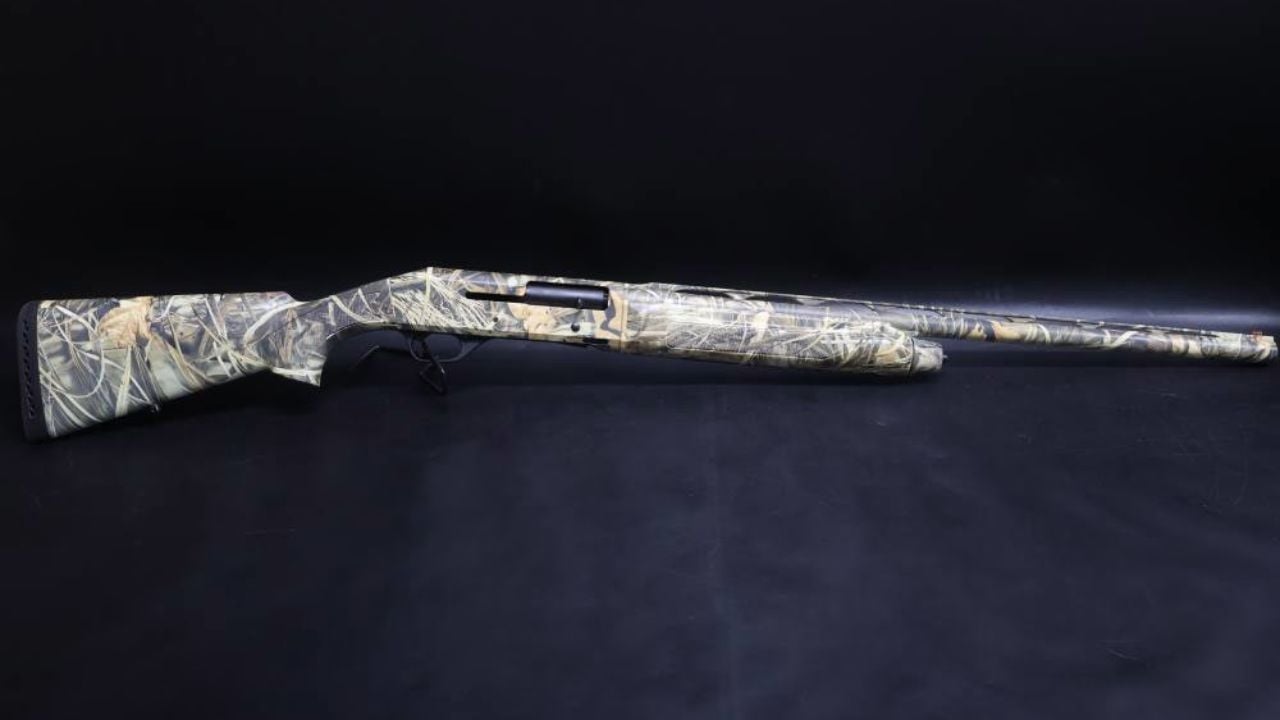
The Model 2000 was a budget inertia gun before “budget inertia gun” was a whole aisle at the store. When you find a good one, it runs, and it’s lighter than a lot of gas guns in the same price range.
They’re not all created equal, and that’s why they get a mixed reputation. If you can shoot it before you buy it, do it. A solid one makes a great rough-weather duck gun you won’t cry about if it gets scratched up.
10. Weatherby PA-08 (pump)
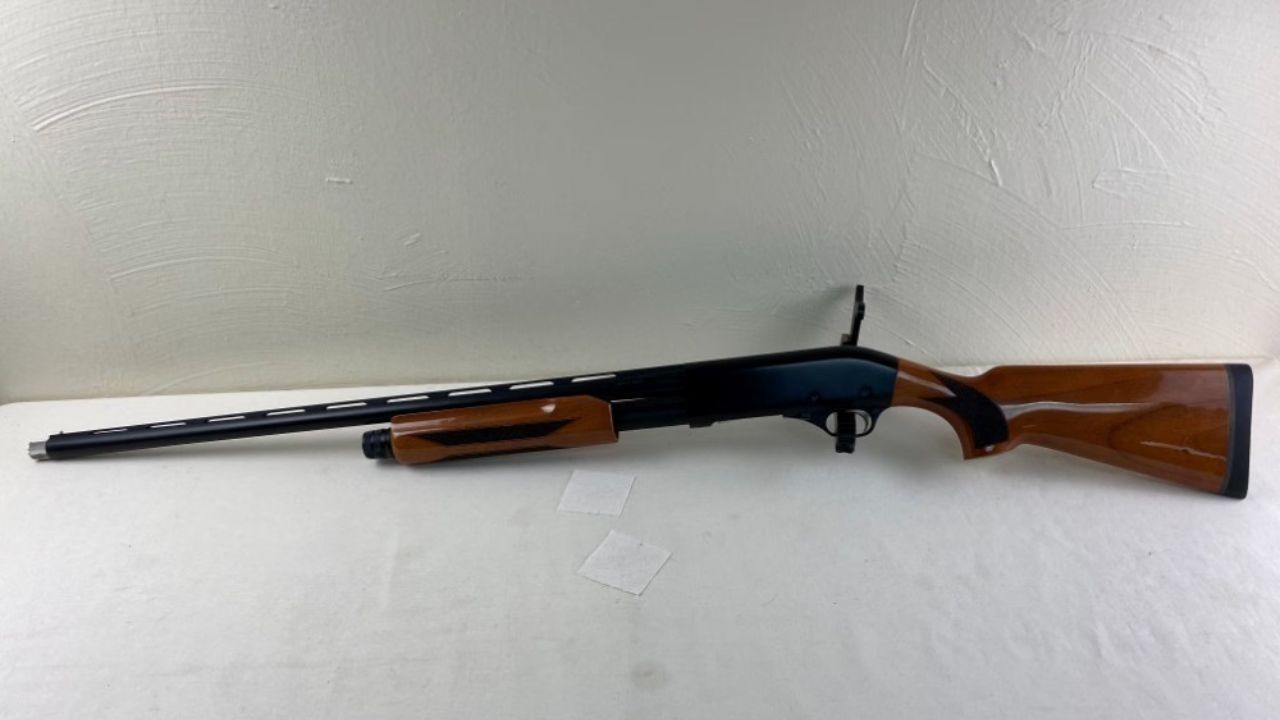
Here’s one that flies under the radar because it isn’t “cool.” The PA-08 is a no-nonsense pump that fits a lot of shooters surprisingly well. It points naturally, which matters more than shiny finishes when birds are working fast.
It’s also a practical choice for someone who wants one gun to do it all without paying “heritage” pricing. Keep it clean, run decent ammo, and it’ll do dove fields, rabbits, and the duck blind without complaining.
11. CZ 712 (gas semi-auto)
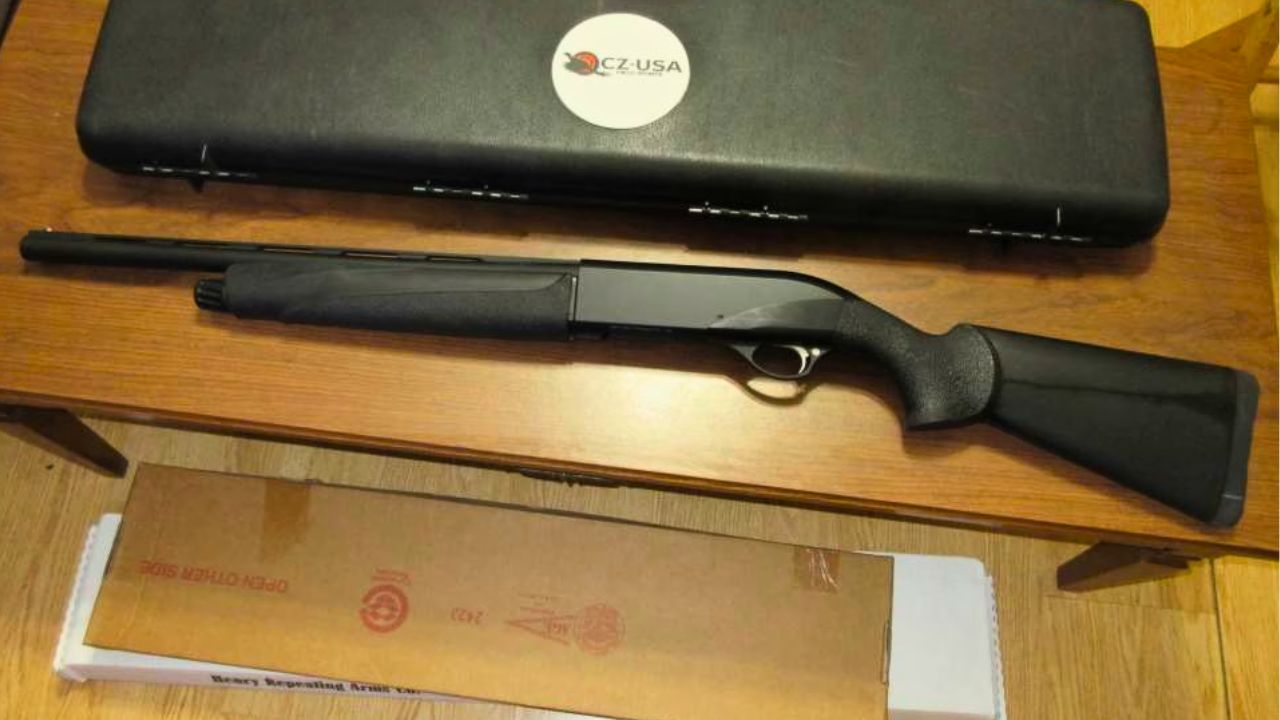
The CZ 712 has put a lot of birds on straps without getting much ink. It’s a soft-shooting gas gun that handles light target loads and field loads well, which is not a given at its usual price point.
It’s not a high-status shotgun, and that’s exactly why you see serious hunters using them hard. They’re buying function. If you take care of the gas system and don’t ignore worn seals, it stays reliable season after season.
12. Fabarm SDASS Pro Forces (pump)
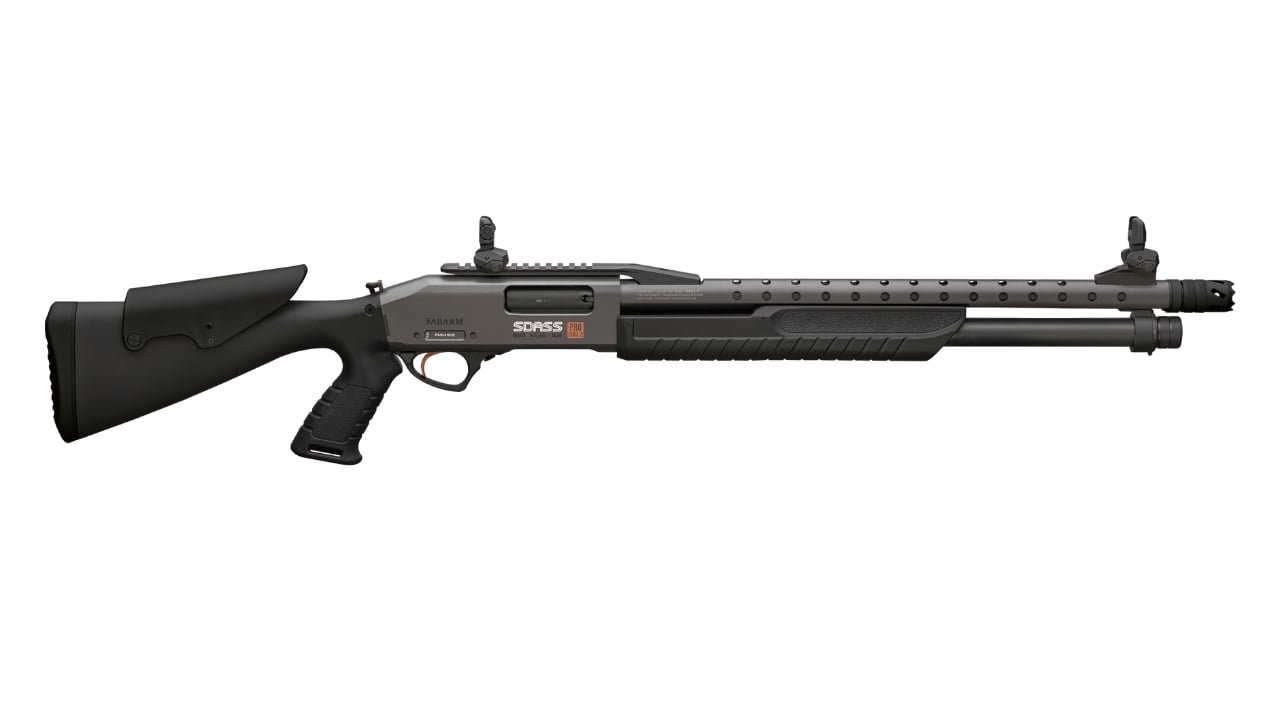
Fabarm is one of those names that serious shotgun folks know, but it doesn’t get talked about around every tailgate. The SDASS pumps are built stout, cycle smooth, and don’t feel like they were assembled with a hammer.
They can be harder to find on the used rack, and accessories aren’t as everywhere as Mossberg or Remington. Still, if you want a pump that feels “tight” without being fragile, this is a good one to shoulder.
13. Winchester Model 1200 (pump)
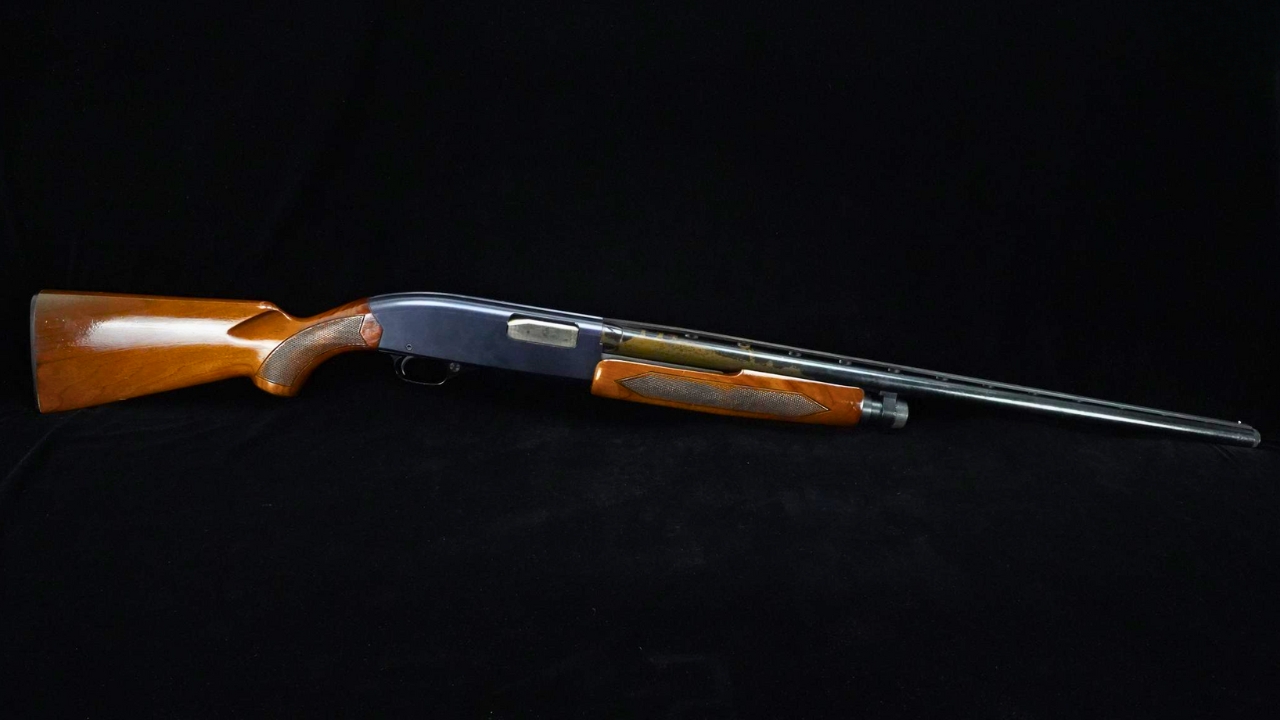
The Model 1200 is fast. That rotating bolt and slick action let you run it hard, and it’s one of the few older pumps that can feel almost semi-auto quick in practiced hands.
They’re not all pretty, and some have lived rough lives in barns and behind seats. But a solid 1200 is a real hunting tool. If you see one that locks up tight and hasn’t been abused, don’t assume it’s just an “old pawn shop gun.”
14. Remington 11-87 Sportsman (budget 11-87 variant)
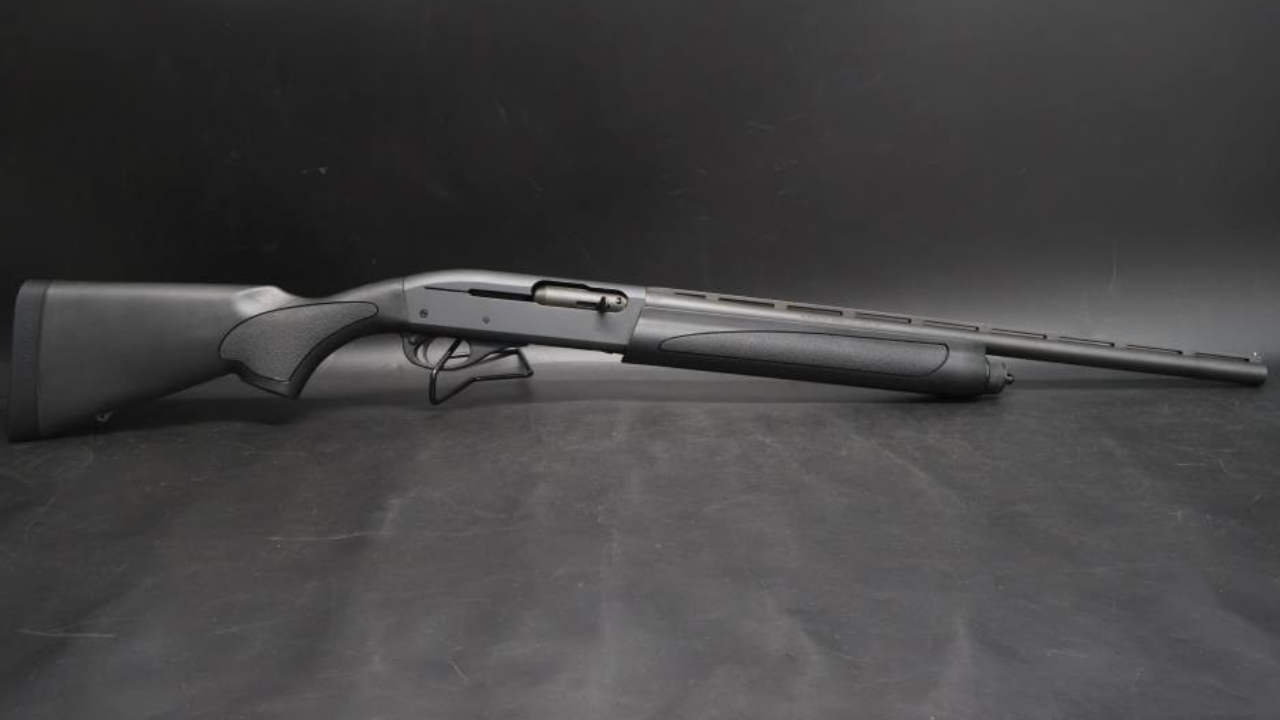
The 11-87 gets dragged online, usually by folks repeating somebody else’s complaints. Here’s what I’ve seen: a decent 11-87 that’s kept reasonably clean will run an awful lot of shells. The Sportsman versions weren’t fancy, but plenty of them earned their keep.
Where guys get soured is trying to make one cycle everything from the lightest target load to heavy magnums without any attention to maintenance. Treat it like a working gas gun and it’ll treat you right.
15. Browning Gold (gas semi-auto)
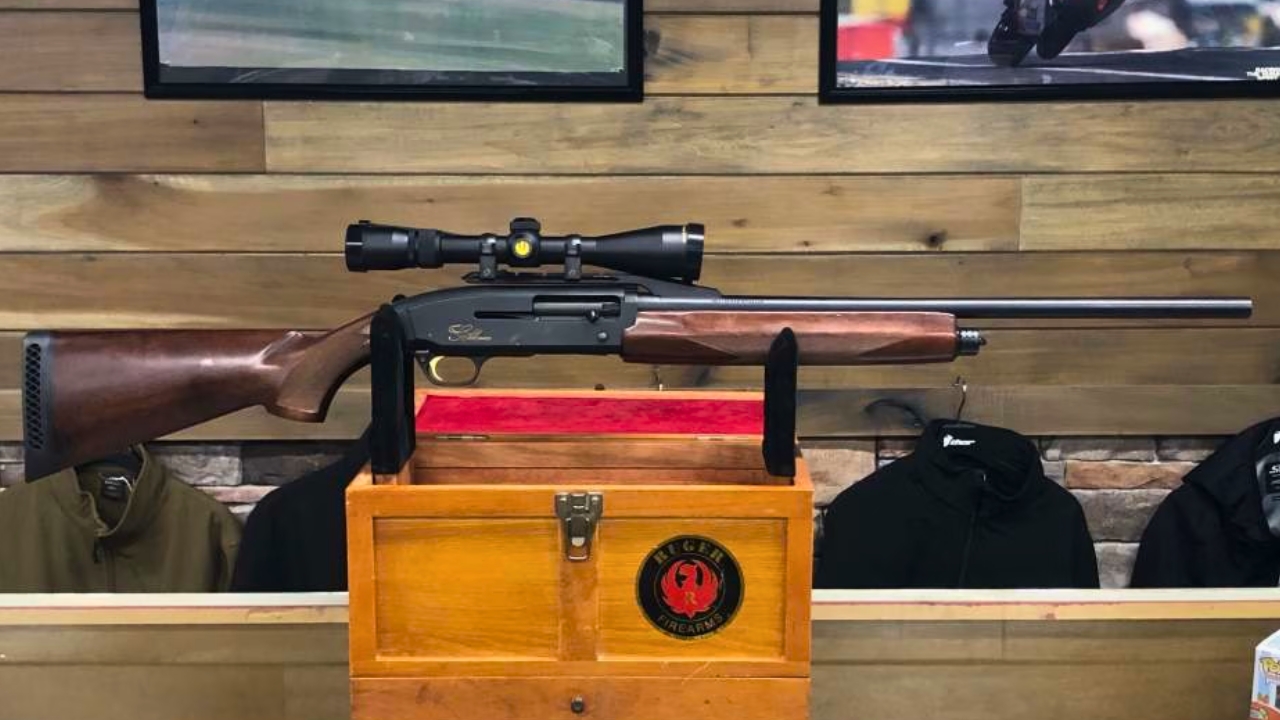
The Browning Gold series doesn’t get the same chatter as some newer models, but it’s a proven waterfowl shotgun. They shoot soft, they balance well, and they can run filthy longer than you’d think if the seals and springs are in good shape.
They’re also one of those guns you see in the hands of guys who don’t talk about gear much. They just show up, hunt hard, and go home with birds. That’s usually a sign.
16. Beretta 303 (gas semi-auto)
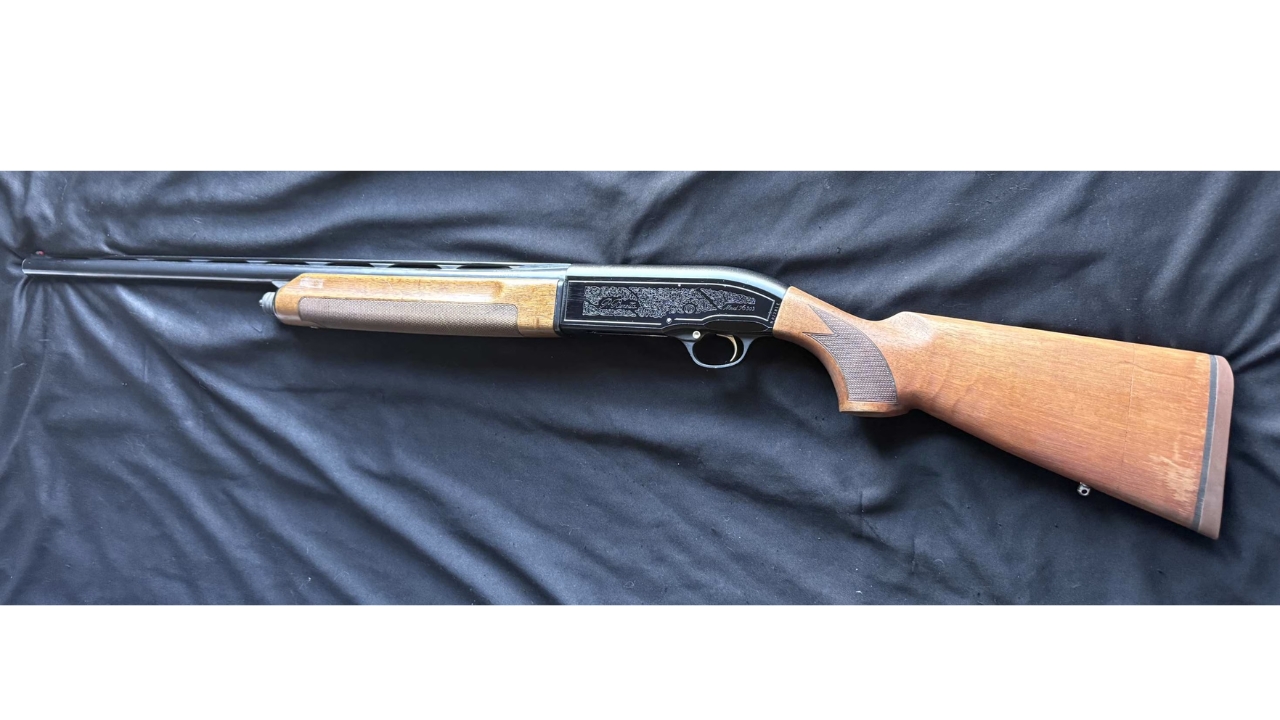
The Beretta 303 is an old-school classic that still earns space in a lot of safes. They’re smooth, reliable, and they swing in a way that makes crossing shots feel simpler. A good 303 feels like it’s helping you, not fighting you.
They’re older now, so condition matters. If you’re buying used, pay attention to how it’s been cared for. But don’t overlook one because it doesn’t have “latest model” stamped on the receiver.
17. Stevens 520/620 (old-school pump, trench-gun heritage)
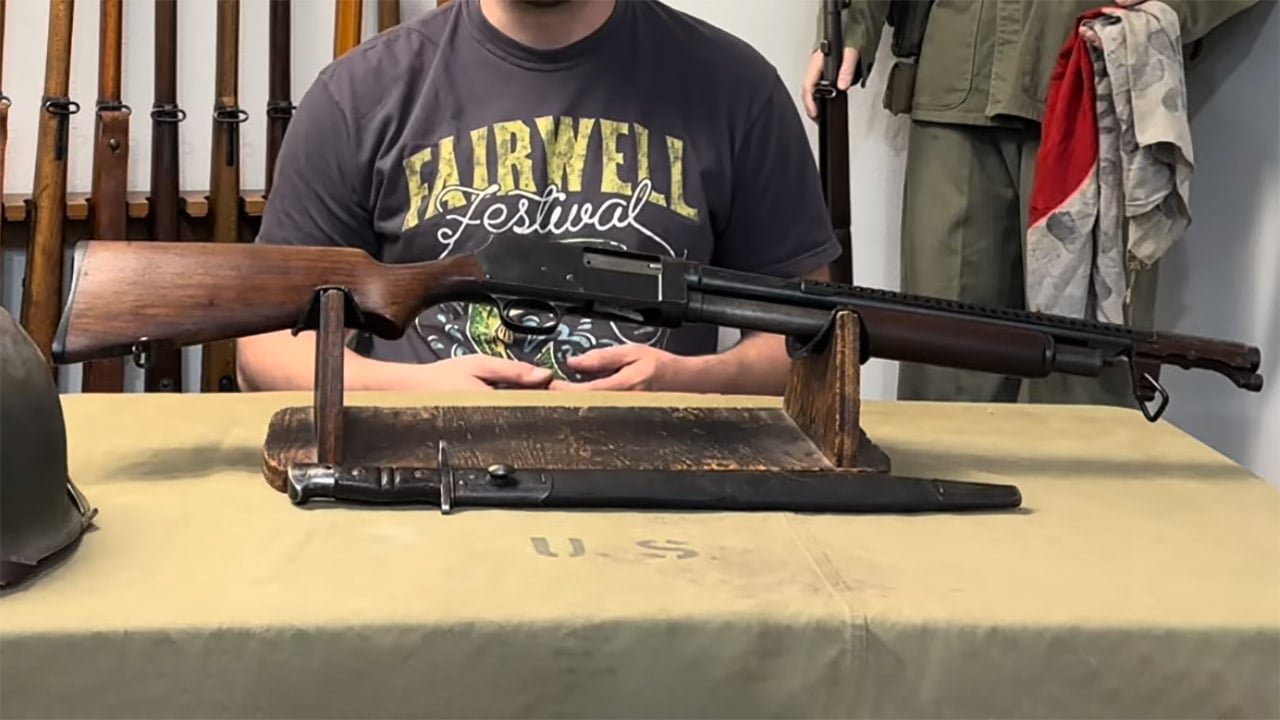
These are not light, not sleek, and not trendy. They’re also tough as nails and have been knocking down small game and birds since before most of us were around. They feel like something built when steel was cheap and labor was expensive.
They’re a little quirky in controls and feel compared to modern pumps. Still, for a hunter who appreciates rugged old equipment and doesn’t mind some weight, they’re a surprisingly capable field gun.
18. Browning Auto-5 (Belgian and Japanese production)
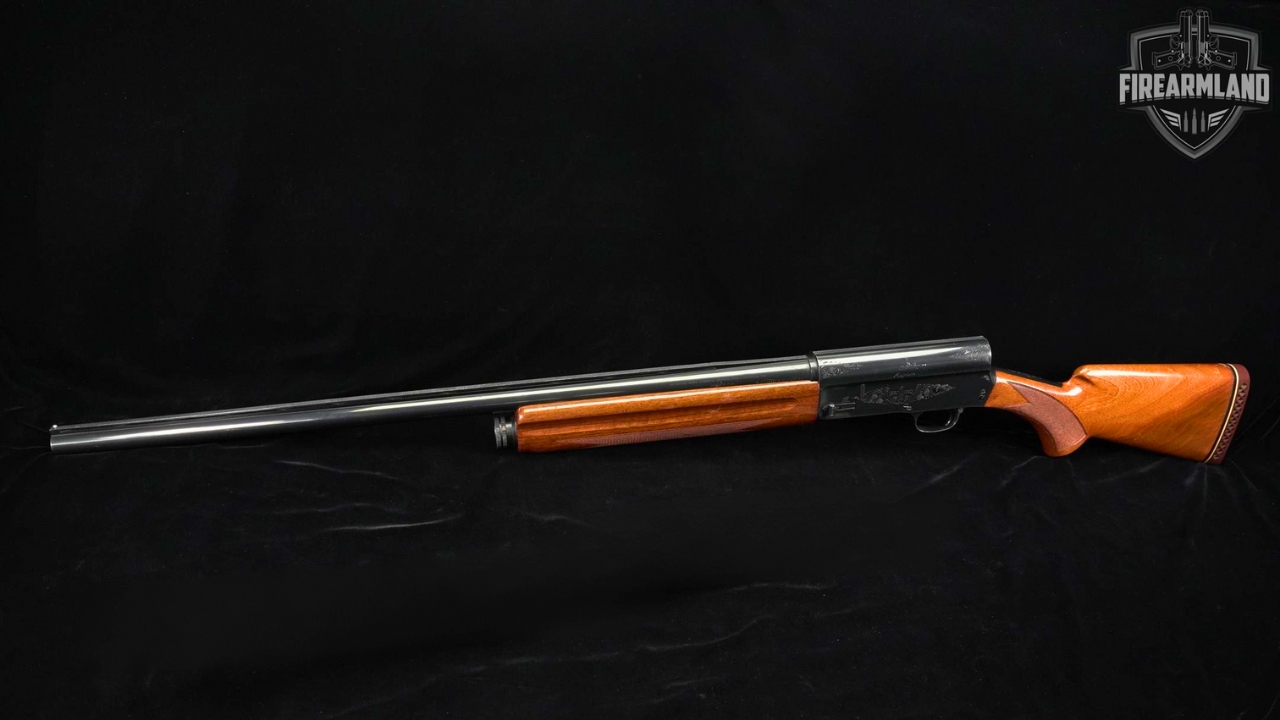
Everybody has heard of the humpback, but not enough folks actually hunt with one anymore. That’s a shame. A properly set up Auto-5 is a machine, and it has a way of making you slow down and shoot better.
Yes, it has moving parts and a learning curve. Ask me how I know. But once you understand the friction ring setup and keep it maintained, it’ll run for decades and carry history every time you shoulder it.
19. Baikal/IZH MP-27 (Russian over/under)
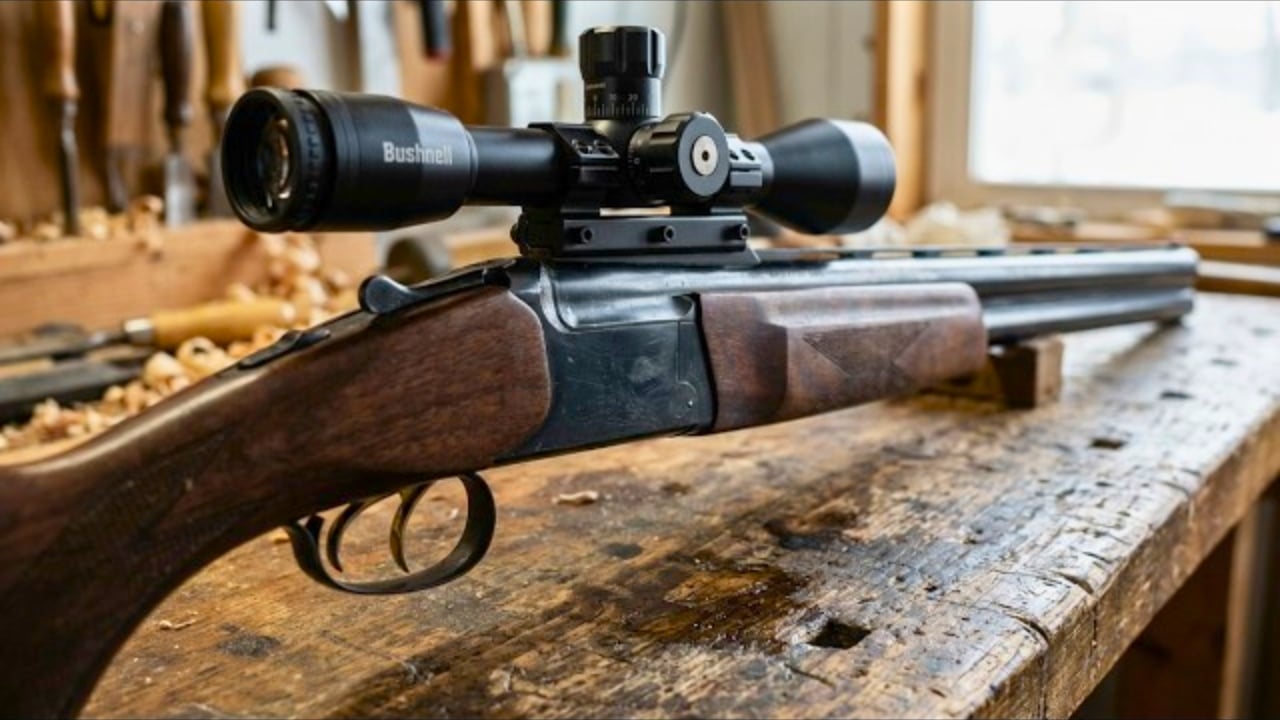
If you want pretty, keep walking. If you want a double that takes abuse and keeps shooting, the MP-27 has been doing that job for a long time. They’re chunky, the triggers can be stiff, and the finish isn’t winning any beauty contests.
But I’ve seen them ride in farm trucks, get hunted hard, and keep putting birds down. For a guy who needs a tough knock-around over/under and doesn’t care what anyone thinks at the range, it’s hard to argue with.
None of these shotguns are magic. They won’t fix bad mounting, sloppy gun fit, or shooting behind birds. What they will do is keep running when the weather turns, the dog’s wet, and you’re three miles from the truck. If you’ve got one already, don’t be in a hurry to trade it off for something shiny. And if you’re staring at one on a used rack with honest wear on the bluing, it might be worth a second look.
Like The Avid Outdoorsman’s content? Subscribe to our newsletter so you never miss an article.
Here’s more from us: