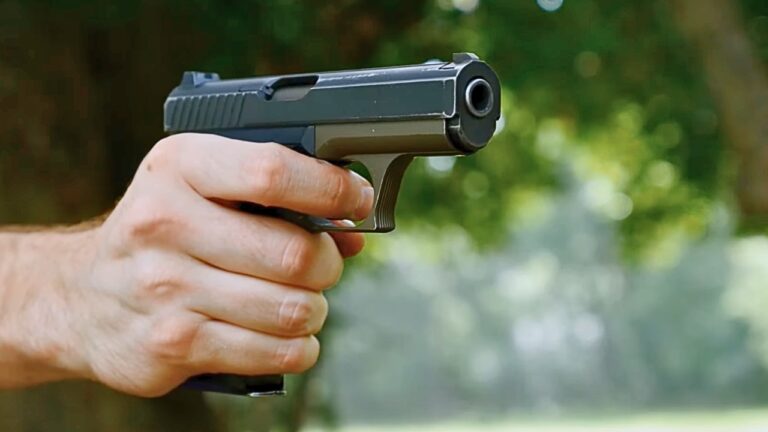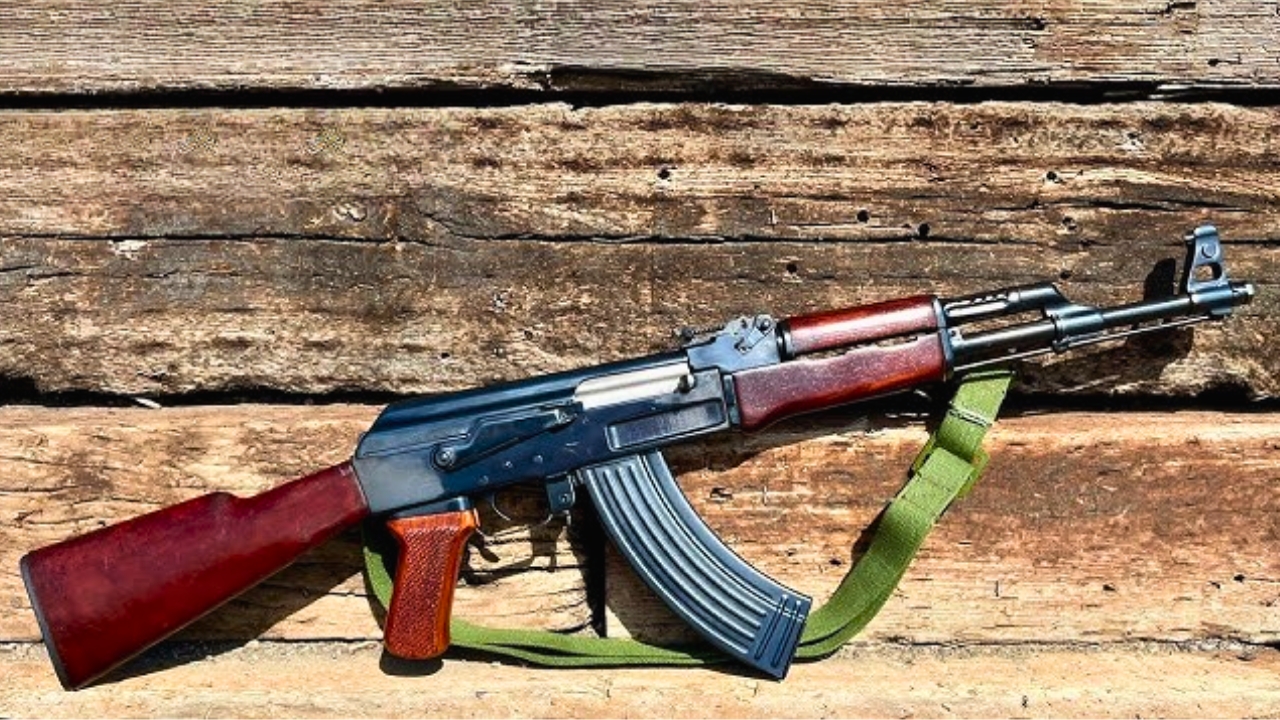
Photo credit: Jeb Clark/YouTube
Every estate sale has that one gun table where the tags look like they were written by somebody who just wanted the stuff gone. Twenty years back, a lot of those tags were laughably low because “old” still meant “outdated,” and not everyone had a phone in their pocket to look up what Grandpa’s safe really held.
Fast forward to now and a bunch of those same “nothing special” rifles and pistols are sitting in display cases, or bringing real money in online auctions, for reasons that have nothing to do with hype and everything to do with scarcity, import bans, changing tastes, and the fact that some companies just don’t build them like that anymore. Here are 20 that keep showing up in regret stories—guns that were once easy to shrug off and are now hard to replace without swallowing hard first.
1. Colt Python (blued, older production)
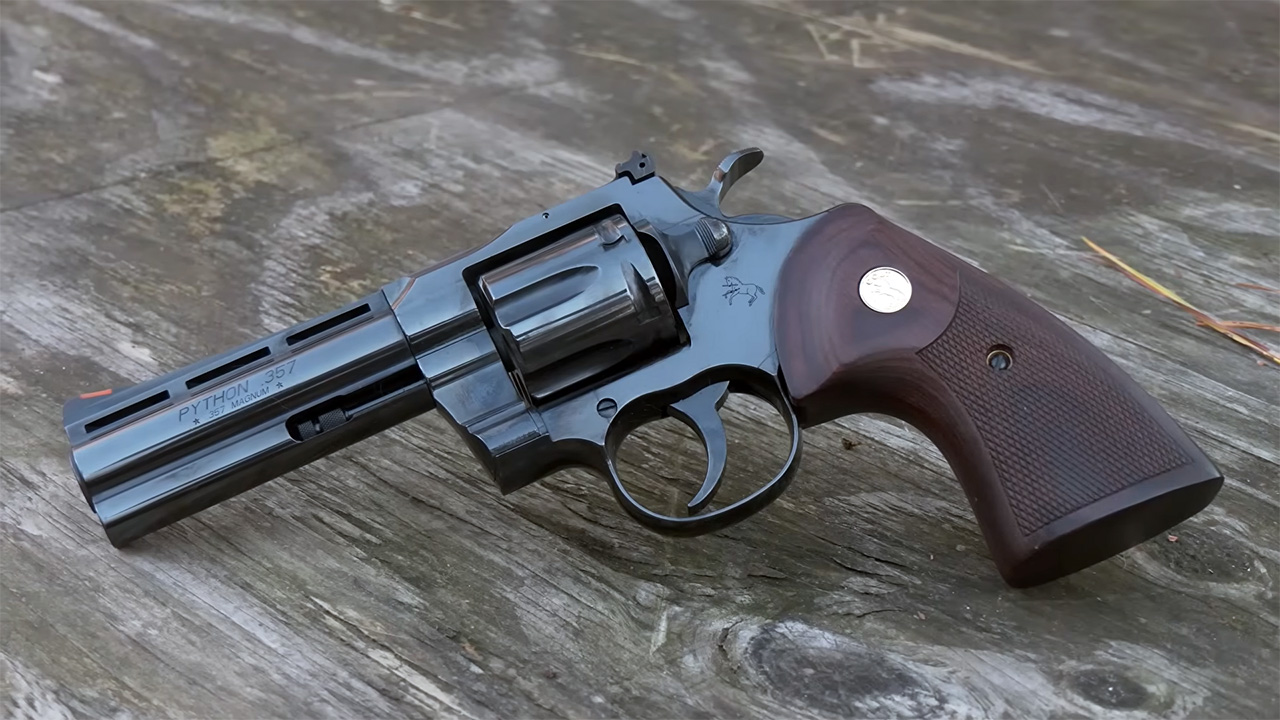
Back then, a used Python was “a fancy .357” and a lot of folks didn’t want to pay extra for pretty when a Ruger would take more abuse. Estate sale tags often reflected that thinking, especially if the gun had honest holster wear.
Now the Python is a full-blown icon again. Between collector demand, the old-school fitting, and the simple fact that clean originals don’t grow on trees, that “pretty revolver” turned into a serious asset. They also still shoot like a dream if you don’t treat them like a rental gun at a range.
2. Colt Detective Special (early models)
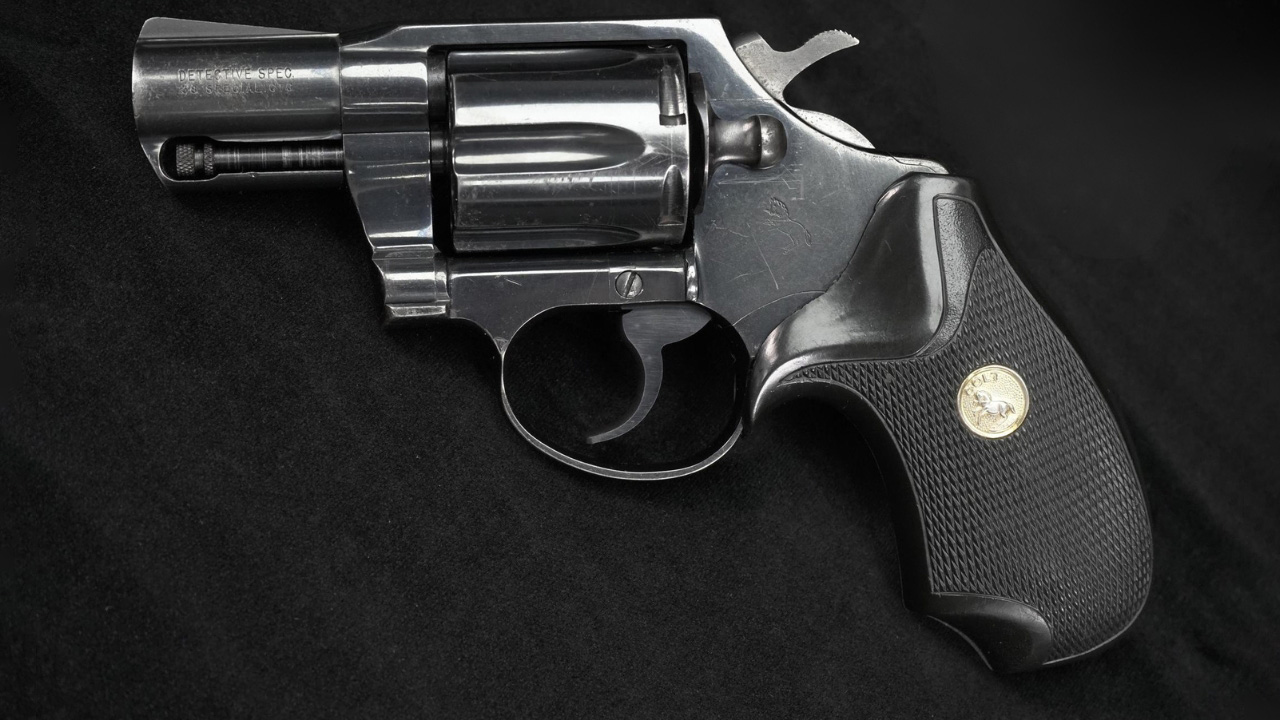
Small-frame Colts used to be “grandpa pocket guns,” and plenty of them sat in sock drawers for decades. People didn’t see the point when lightweight J-frames and cheap snubs were everywhere.
Then the market remembered what a well-made small revolver feels like. The Detective Special has that old Colt action feel and a classic profile that doesn’t need tactical marketing. If you find one that hasn’t been abused by a steady diet of hot loads, they’re sweet little carry-history pieces.
3. Smith & Wesson Registered Magnum (pre-Model 27)
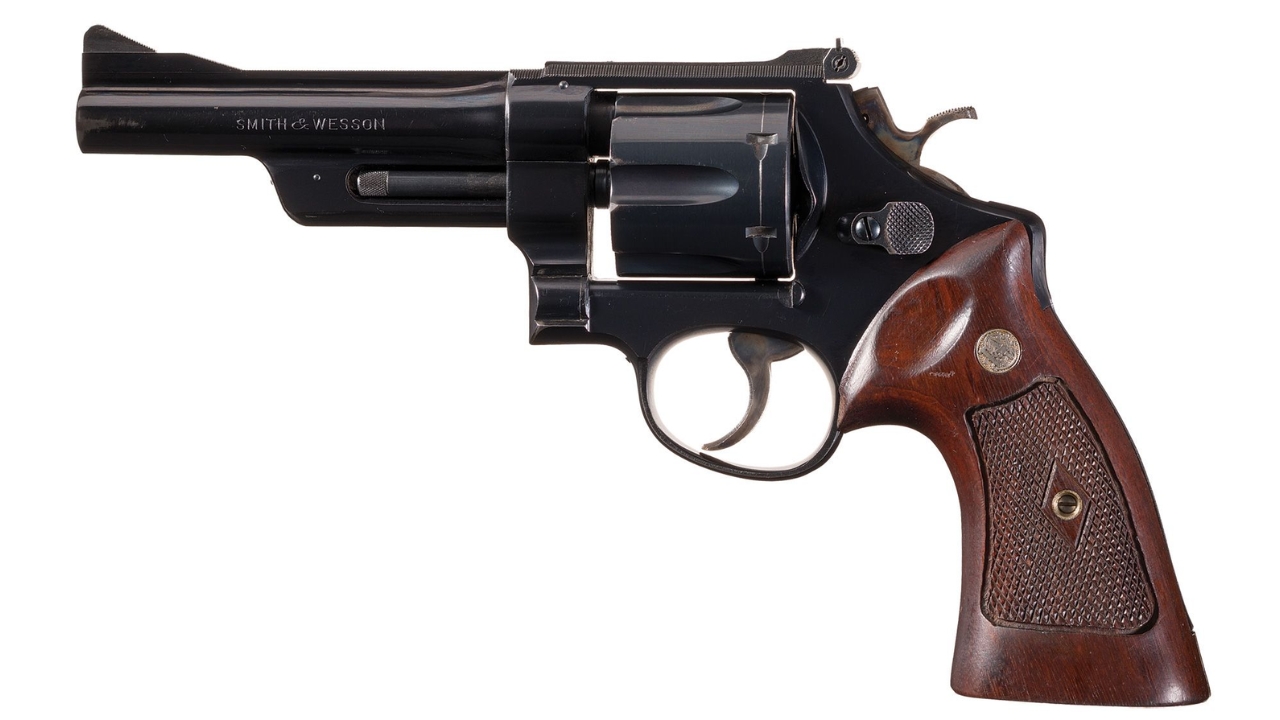
If you didn’t know what “Registered Magnum” meant, you’d just see an old N-frame .357 with some fancy touches. At an estate sale, that’s how they got priced—like any other “old Smith.”
Collectors care about those registration numbers, barrel lengths, and original details in a big way. Even non-collectors who shoot them notice the polish and fit that’s expensive to duplicate. They’re not the revolver you throw in a truck console, but they’re the kind you don’t accidentally sell for a song either.
4. Heckler & Koch P7 (PSP/P7M8)
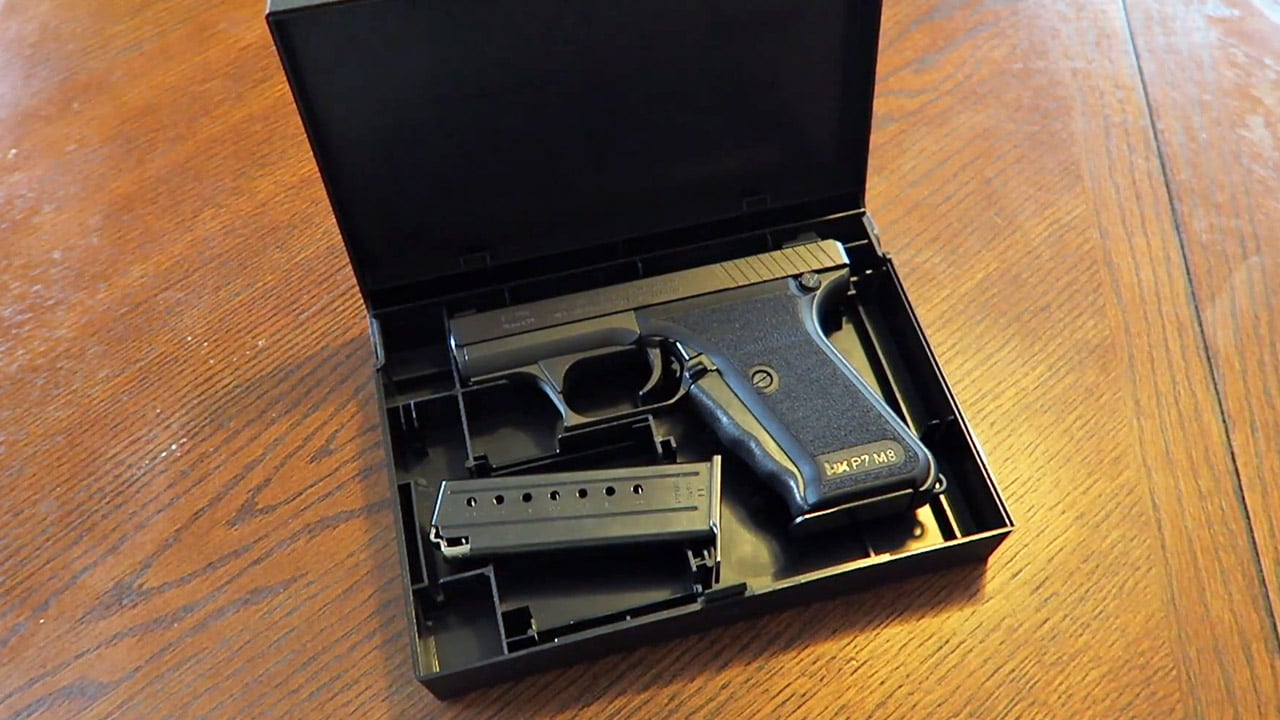
For years the P7 was the “weird squeeze-cocker” that got traded off because it felt different and got hot in long range sessions. Police trade-ins were common, and estate sale prices followed that used-gun vibe.
Now it’s a poster child for “they don’t make them like this.” The machining, the accuracy, the low bore axis—there’s real substance behind the cult following. Magazines and parts aren’t as carefree as Glock-world, but the gun itself has become a legitimate collector and enthusiast prize.
5. SIG Sauer P210 (Swiss/German originals)

Twenty years ago, the P210 was mostly a “European target gun” that didn’t fit the American duty/carry mainstream. You’d see one and think, “Nice, but who needs that?”
Then prices climbed as people realized what true hand-fitting and old-world precision costs. The P210 has a reputation for making good shooters look better, and that’s not internet talk. Originals are where the money is, and they don’t sit around waiting for bargain hunters anymore.
6. Steyr AUG (pre-ban imports)
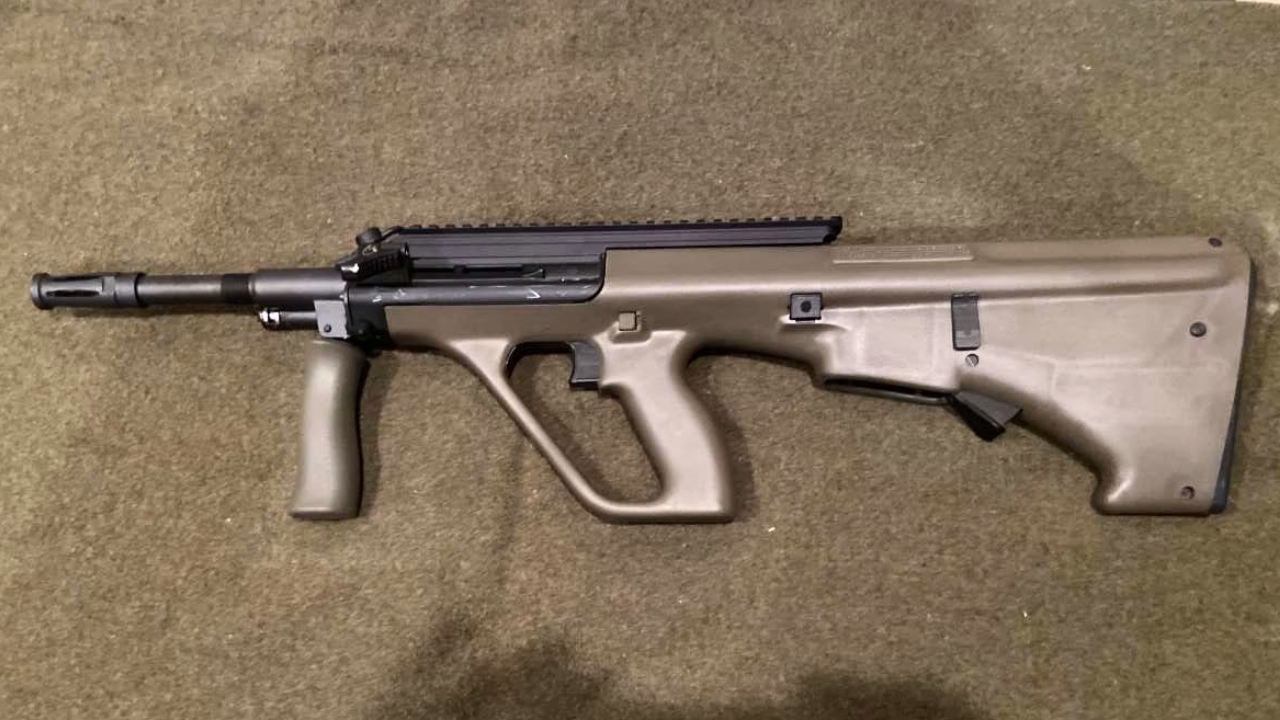
Bullpups weren’t everybody’s taste, and the AUG was often viewed as a sci-fi novelty. If the seller didn’t know what “pre-ban” meant, it could be tagged like any other oddball .223.
Import realities and collector demand changed that. Original AUGs—especially the earlier import patterns—are a different animal in the market than the newer, more available stuff. They’re also genuinely handy rifles in tight spaces, if you can live with the trigger feel that comes with bullpup life.
7. FN FAL (Belgian FN and early imports)
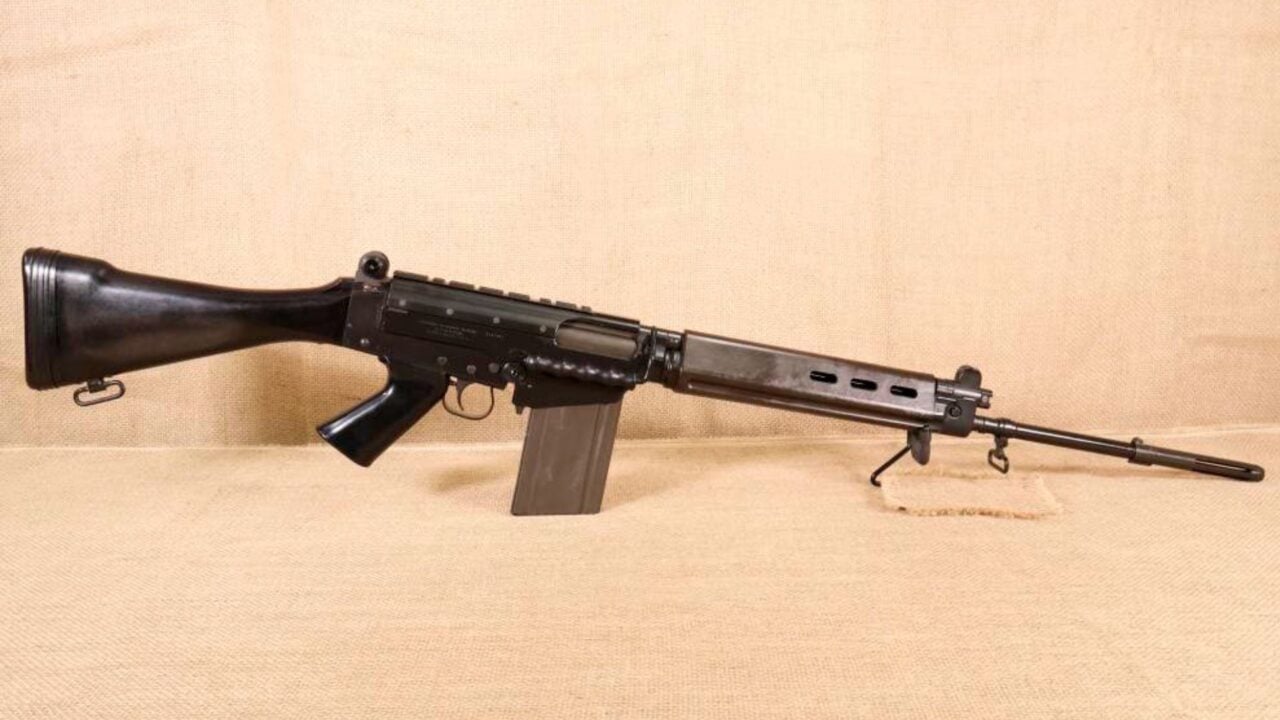
There was a time when an FAL was “just another .308 battle rifle,” and .308 surplus wasn’t what it once was. A lot of estate sale buyers passed because it wasn’t a deer rifle and it wasn’t a cheap plinker.
Now, quality FALs—especially Belgian FN guns and certain early imports—carry serious collector weight. The FAL also still runs like a tractor if it’s set up right and not beat to death. The days of stumbling onto one for hunting-rifle money are mostly gone.
8. Heckler & Koch HK91 (G3 pattern, pre-ban)

Roller-delayed rifles used to be seen as heavy, loud, and kind of rude on the shoulder. If you didn’t care about the name on the receiver, an HK91 was just an awkward .308 with expensive mags.
Then the market reminded everyone that “pre-ban HK” is its own category. Original HK91s, not clones, tend to hold and grow value because they aren’t making any more of them. They’re still not gentle rifles, but they’re honest, durable machines with real collector gravity.
9. Heckler & Koch SP89 (and early SP5K-type imports)

These were the funny little pistols that looked like something out of a movie, and a lot of folks didn’t know what to do with them. No stock, short sight radius, loud as sin—easy to dismiss.
Then MP5-style demand exploded and the import/availability story did what it always does: drove prices up. Original SP89s sit in that “unobtainium” lane for normal buyers now. They’re not the most practical range toy, but collectors don’t buy them for practicality.
10. Norinco AKS-47/AK variants (pre-ban Chinese imports)

Chinese AKs used to be the “cheap AKs,” especially when everyone was chasing whatever was newest or most “authentic.” Estate sale sellers routinely lumped them in with any other used AK.
Now, pre-ban Norinco and Poly Tech guns are widely respected for their build quality and for being cut off from easy replacement. They’re not fancy, but the metal and fit on the good ones is better than many people remember. Original accessories and condition matter a lot here.
11. Poly Tech Legend (milled Chinese AK)
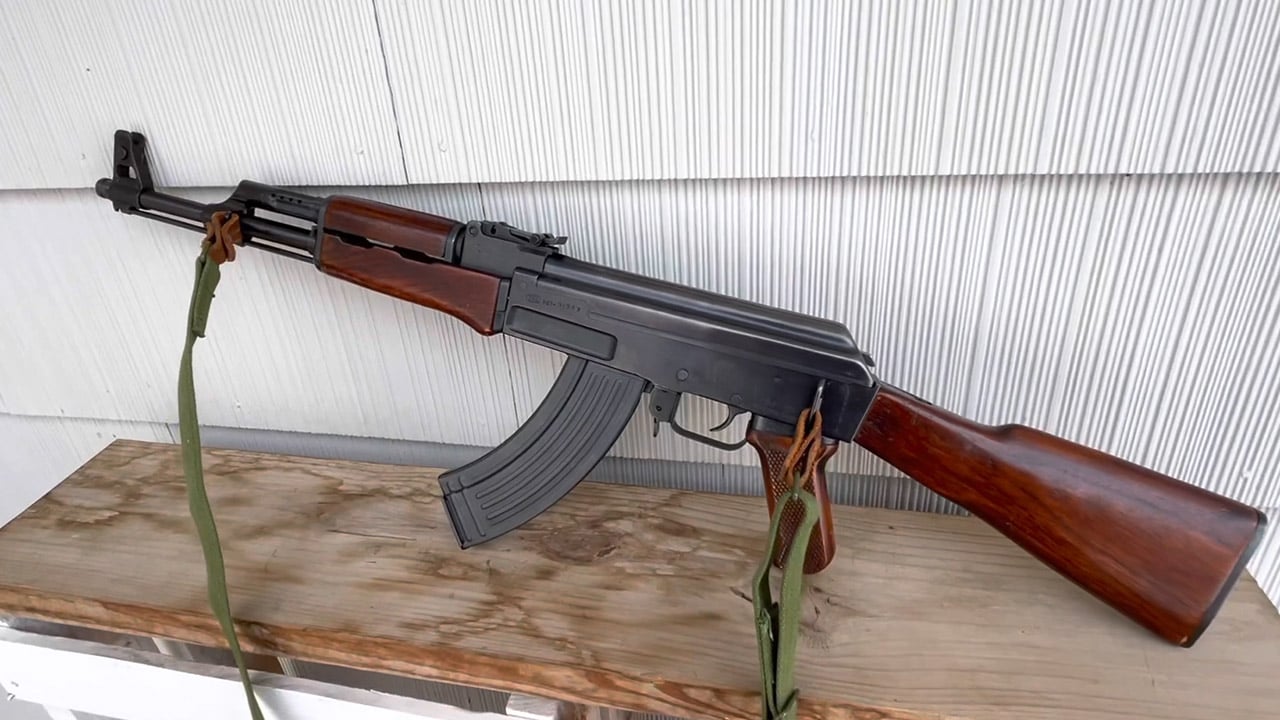
This is one of those rifles that got sold off because it was “just an AK,” and for a while that wasn’t a collector statement. The guy running the sale might have priced it like any other stamped import.
These days, the Legend name means something. Milled receiver, reputation for quality, and a limited pool in the U.S. makes them stand out. If you’ve ever handled one next to a bargain-bin AK, you understand why people are paying attention.
12. IMI Uzi Model B Carbine (pre-ban style)
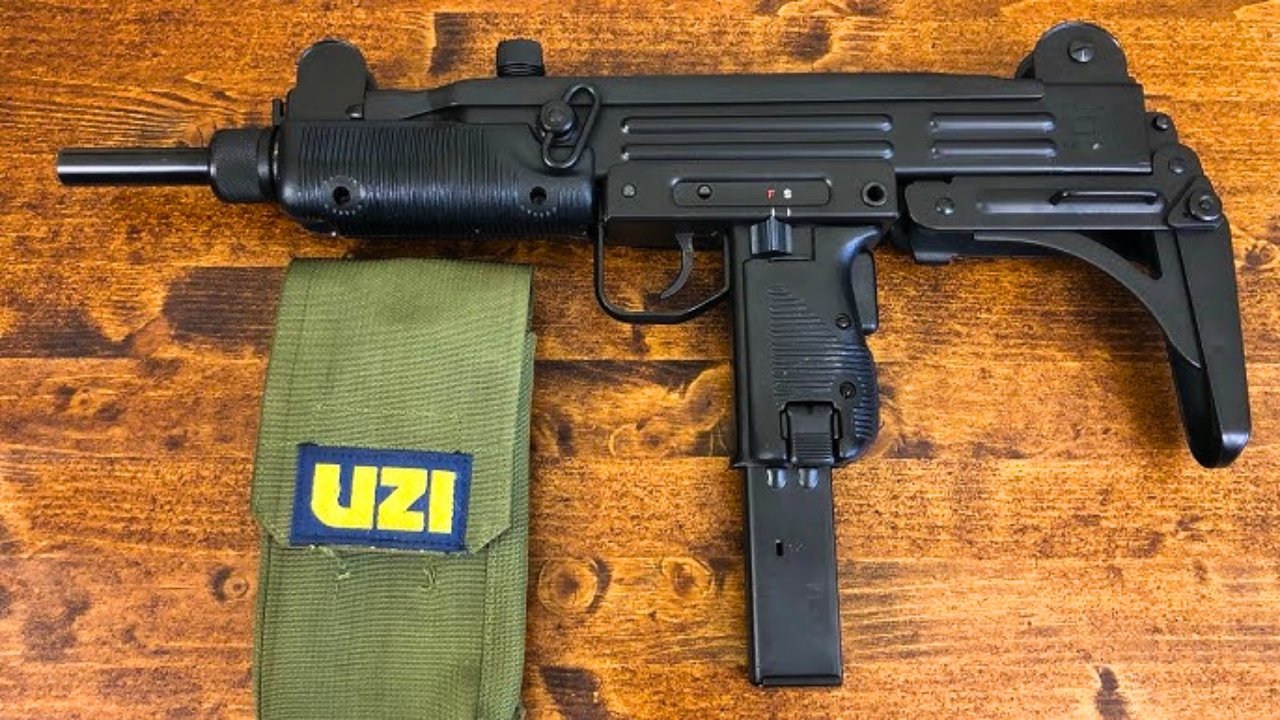
There was a stretch where 9mm carbines were not cool, and an Uzi was heavy compared to the newer plastic stuff. A lot of them sat in safes because ammo was better spent on other guns.
Then “classic imports” became their own market. The IMI-marked Uzis have an authenticity and build feel that clones rarely match. They’re still chunky, still simple, still kind of hilarious to shoot—only now the price tag isn’t funny.
13. Springfield Armory M1A (early pre-ban, USGI parts heavy)
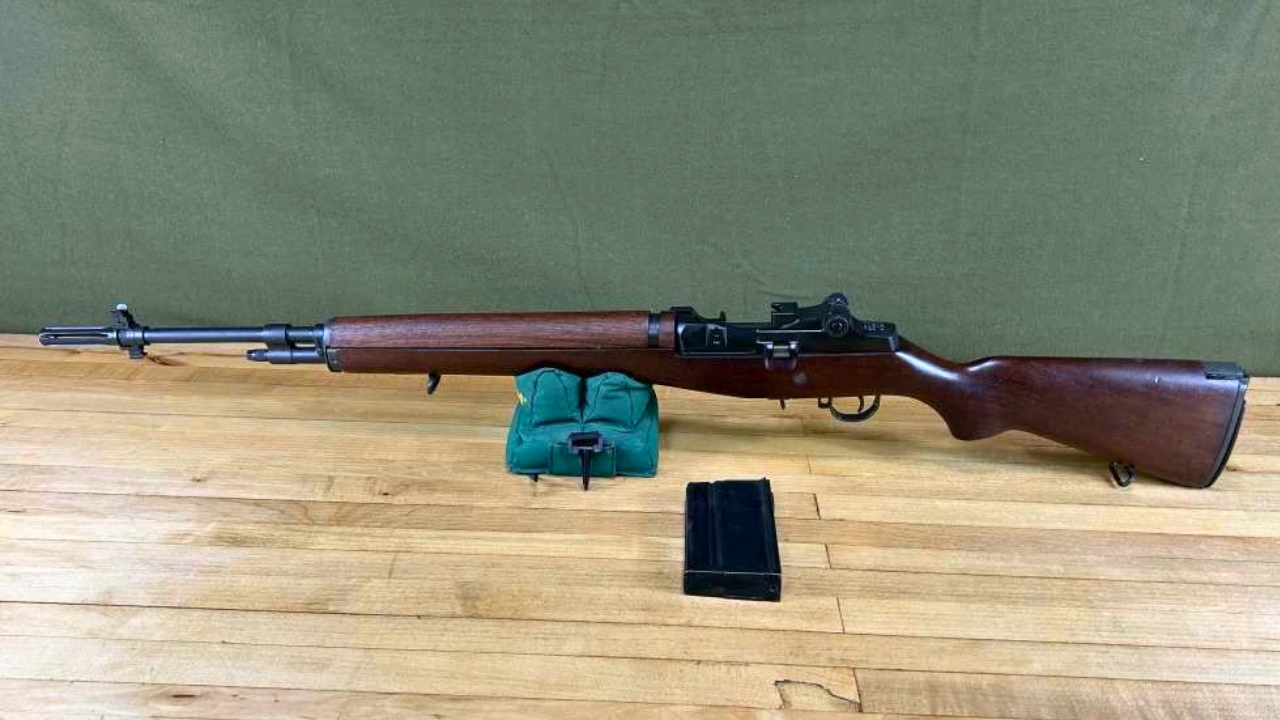
Older M1As used to be common enough that guys treated them like any other .308 semi-auto. Estate sale pricing often didn’t reflect what was inside the rifle—especially the USGI parts that matter to M14 folks.
As those parts dried up, rifles with the right mix became more desirable. They’re not light, they’re not cheap to feed, and they’re not the answer to every problem. But they scratch an itch that a lot of modern rifles don’t, and the best examples have pulled away from “average used gun” prices.
14. Ruger Mini-14 (early 180-series and certain variants)

For years, Minis were the rifle you bought when you didn’t want an AR, and that was about it. Early guns weren’t known for being laser accurate, so plenty of them got shrugged off at estate sales.
Now, certain early variants and stainless/folder combinations get real collector interest, and the Mini has a renewed “simple ranch rifle” appeal. It carries easy, points fast, and fits behind a truck seat without looking like you’re gearing up for a raid. There is nothing fancy about it, and that is kind of the point.
15. Marlin Model 1895 (JM-stamped .45-70)

When .45-70 wasn’t trending, these lever guns were often treated like “brush guns” for a narrow crowd. If the seller didn’t know what the JM stamp meant, they’d price it like any other used Marlin.
Then Remington-era production drama made the older guns more desirable overnight. The JM-marked 1895s have become the safe bet for folks who want a lever gun that feels right out of the box. And yes, they kick, especially with the fun loads—but they do a job that few rifles do as neatly.
16. Marlin Model 336 (JM-stamped, especially in .35 Remington)
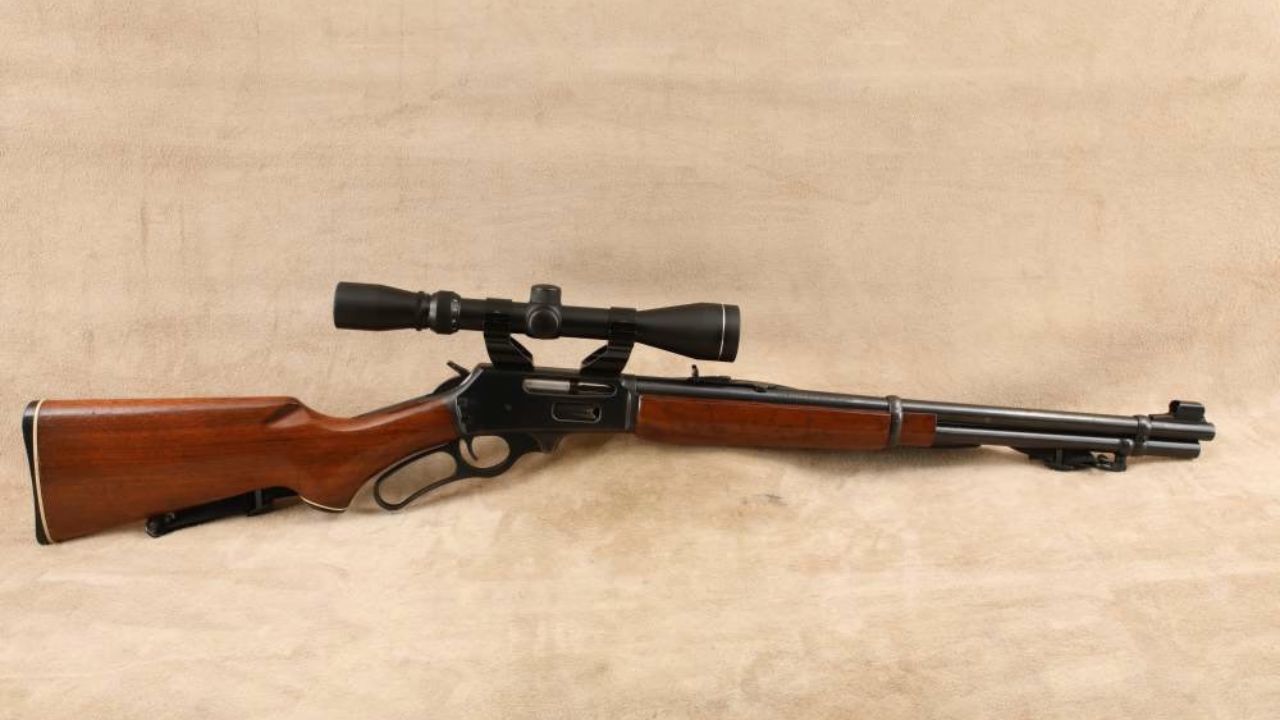
A 336 used to be the definition of “regular deer rifle,” which means it was easy to undervalue. They were everywhere, so nobody thought they’d ever be scarce.
Now the good ones bring strong money, and the .35 Remington chambering has its own following because ammo and rifles aren’t as common as they used to be. A slick 336 carries like it belongs in the woods. It’s also a reminder that boring rifles are often the ones that quietly become missed rifles.
17. Winchester Model 70 (pre-’64)
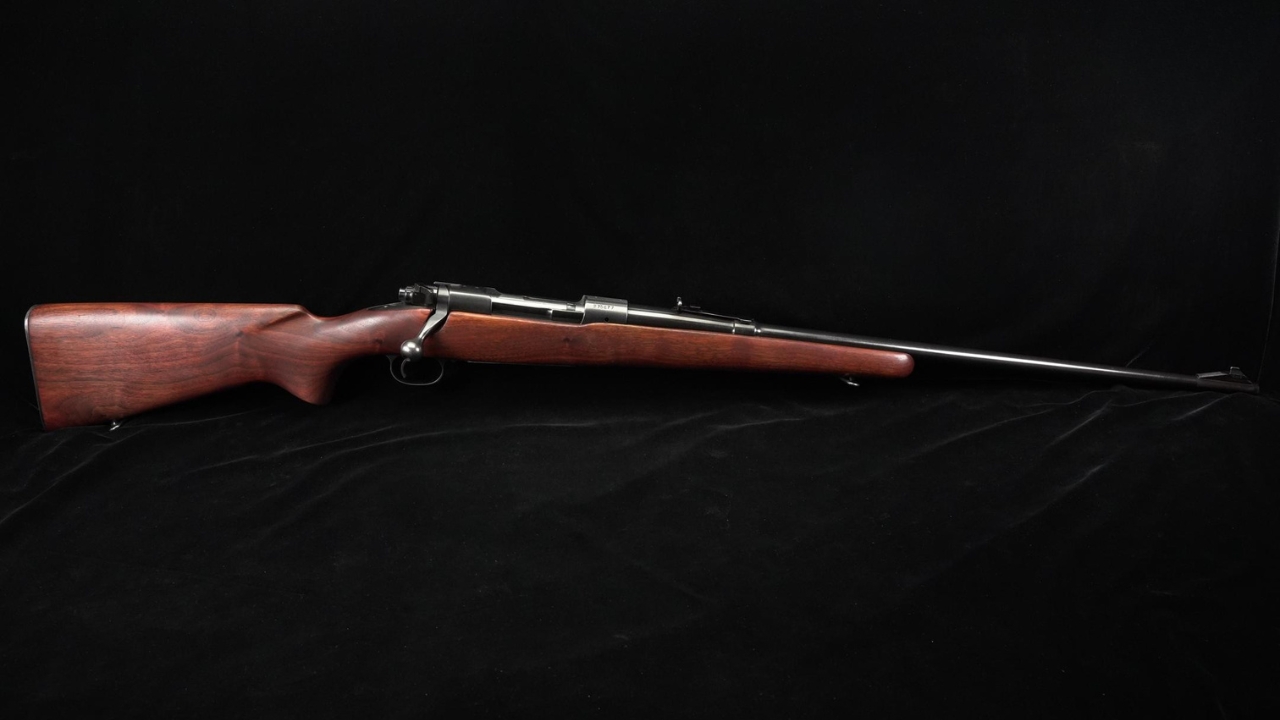
Twenty years ago you could still run into pre-’64 Model 70s at estate sales where the family just thought it was “an old Winchester.” Sometimes it had a cheap scope slapped on top and a handful of dusty ammo with it.
Collectors never stopped caring, but the wider market definitely caught up. The controlled-round feed reputation, the fit, and the lore all add up, and clean examples are harder to find than folks think. If you hunt with one, you also learn they’re not fragile museum pieces—they were built to be carried.
18. Winchester Model 94 (pre-1964, certain configurations)
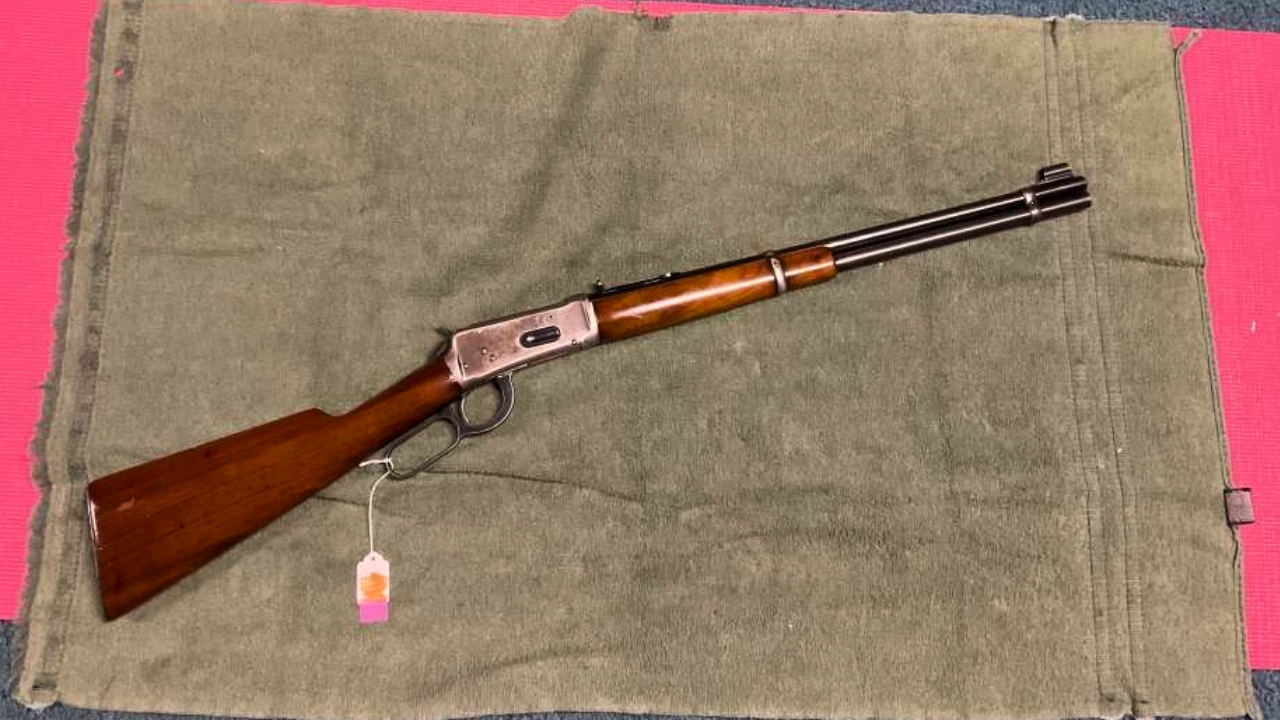
The Model 94 was so common that it felt like it would always be common. Estate sale tables were full of them, and a lot were priced like a used .22.
Then people started sorting “old” from “older,” and the pre-’64 guns separated themselves from later production in the price department. They’re not precision rifles, and nobody should pretend they are. But for a saddle scabbard style deer gun, they still make sense, and that demand keeps the good ones climbing.
19. Remington Model 870 Wingmaster (older production)

An 870 used to be the shotgun you saw everywhere, and Wingmasters got treated like “just another pump.” If the estate sale runner didn’t know the difference between a Wingmaster and a budget Express, the tag might not reflect it.
Older Wingmasters have a smoothness that’s tough to explain until you run the action side-by-side with a rougher modern gun. They’re not rare, but the nicest ones are getting hoarded, and replacement cost has crept up. Plus, an 870 that runs is still one of the most useful tools a bird hunter or homeowner can have.
20. Browning Auto-5 (Belgian-made)
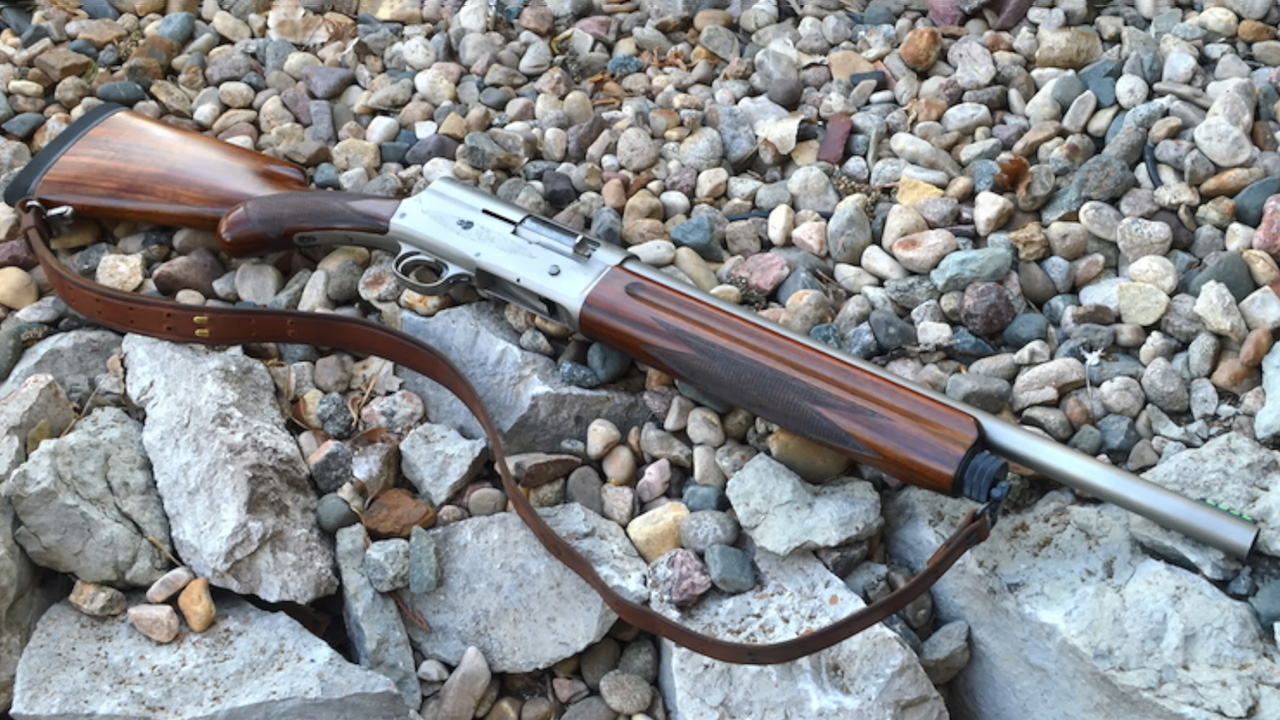
For a while the Auto-5 was “that long-recoil humpback” that felt dated next to newer gas guns. Some of them got parked in closets because they were heavy and the owner didn’t feel like chasing parts.
Now Belgian A5s are recognized as the classics they are, and the clean ones don’t sit around. They still kill birds just fine if you set them up correctly and keep them maintained, and they have a feel in the hands that modern shotguns don’t copy. That one hurts if you let it go cheap and later decide you want a piece of old-school craftsmanship back.
Estate sales are still one of the last places you can stumble onto a sleeper deal, but the window has narrowed. More families check values, more buyers show up early, and the internet has educated everyone. If you’re walking up on an old gun table now, the best move is slow down, look for markings and condition, and don’t assume “old” automatically means “worn out.” Sometimes it means “can’t be replaced.”
Like The Avid Outdoorsman’s content? Subscribe to our newsletter so you never miss an article.
Here’s more from us: