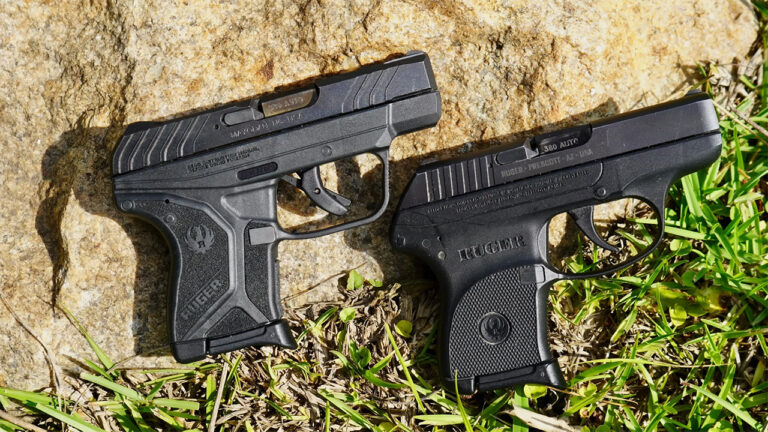
Photo credit: WHO_TEE_WHO/YouTube
Just because a caliber can kill a deer does not mean it is a good deer hunting choice. Plenty of cartridges have taken deer over the years because hunters used them carefully, kept shots close, and picked their angles. That still does not make them smart picks for the average hunter walking into a gun shop today.
A good deer caliber gives you enough penetration, enough bullet weight, enough range, and enough margin when the shot is not perfect. The worst choices usually fail in one of those areas. Some are too small. Some are too slow. Some kick too hard for what they offer. Some are legal in certain places but still make deer hunting harder than it needs to be. These 20 deer hunting calibers are ones you can actually buy, but most hunters would be better off choosing something else.
.22 LR

The .22 LR is one of the most useful cartridges ever made, but it is a terrible deer hunting caliber. It is great for plinking, small game, pest control, and cheap practice. That does not make it suitable for a full-size whitetail.
The problem is obvious. It lacks the power, bullet weight, penetration, and reliability needed for ethical deer hunting. Even where someone tells a story about deer being killed with a .22, that does not make it a responsible choice. A deer hunter needs a cartridge with far more margin than this.
.22 Magnum

The .22 Magnum sounds like a big step up from .22 LR, and for small game or varmints, it is. It shoots flatter, hits harder, and makes a useful rimfire for pests, foxes, raccoons, and similar animals. That is where it belongs.
For deer, it is badly underpowered. The bullet is too light, energy is limited, and penetration can be inconsistent on larger animals. Some hunters may be tempted by the word “magnum,” but this is still a rimfire round. It is not a serious deer cartridge.
.17 HMR

The .17 HMR is fast, accurate, and deadly on small varmints. It is a great prairie dog, squirrel, and pest-control round when used in the right conditions. Its flat trajectory makes it feel more capable than many rimfires.
But it has no business being treated as a deer caliber. The bullet is tiny, penetration is limited, and wind can move it around more than people expect. It is built for small targets, not big-game animals. For deer hunting, it gives you almost no margin for error.
.17 WSM

The .17 WSM is one of the hotter rimfire cartridges, and it is impressive when used on the right targets. It shoots fast, reaches farther than many rimfires, and can be very effective on varmints. That speed can make it sound more capable than it really is.
For deer, it is still completely out of its lane. The bullet is far too small, and the cartridge was never meant for big-game penetration. It may be the most powerful commercial rimfire in many conversations, but “powerful for a rimfire” is not the same thing as a responsible deer round.
.22 Hornet

The .22 Hornet is a charming little centerfire with a long history. It is mild, quiet compared with hotter varmint rounds, and useful for small game and predators. In the right rifle, it can be accurate and pleasant to shoot.
That does not make it a good deer cartridge. It lacks the bullet weight and energy most hunters should want for whitetails. Even with careful shot placement, it is asking a tiny round to do a job better handled by larger cartridges. It is a neat old varmint round, not a deer rifle answer.
.17 Hornet
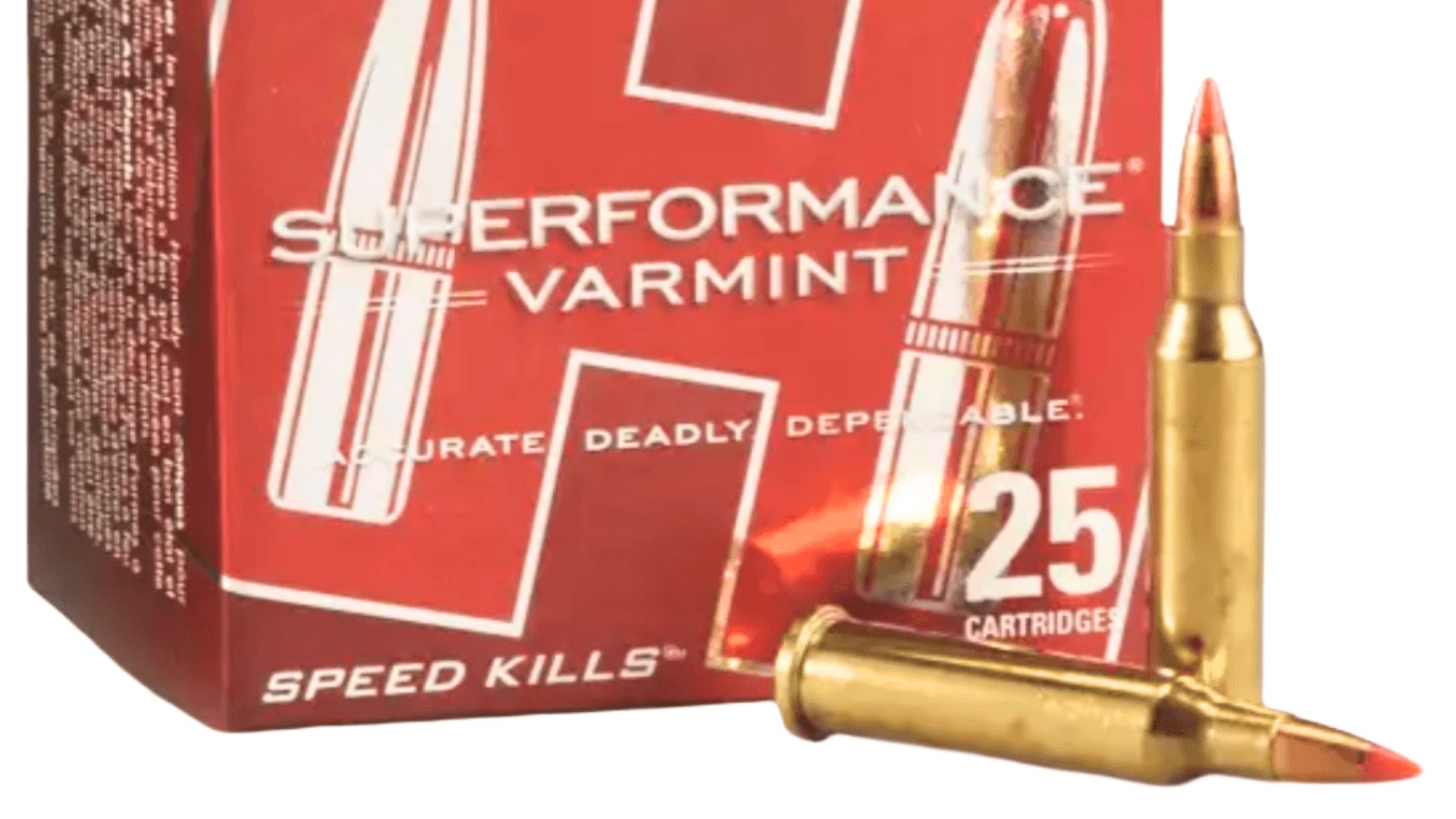
The .17 Hornet is another tiny high-speed cartridge that can be very effective on small varmints. It is fun, flat-shooting, and easier on noise and recoil than larger centerfires. For the right small-game use, it makes sense.
Deer hunting is not that use. The bullet weight is far too light, and penetration is not built for big game. It may sound modern and efficient, but efficiency on varmints does not translate to ethical deer performance. This is a cartridge for small animals, not whitetails.
.204 Ruger

The .204 Ruger is fast, flat, and excellent on varmints. It can make a small target disappear in a way that makes the cartridge seem more powerful than it is. For prairie dogs, groundhogs, and coyotes, it has real value.
For deer, it is the wrong tool. The bullets are too light and too small for reliable big-game performance. Speed alone does not make a cartridge ethical for deer hunting. The .204 Ruger is a great varmint round, but it belongs nowhere near a serious deer rifle list.
.222 Remington
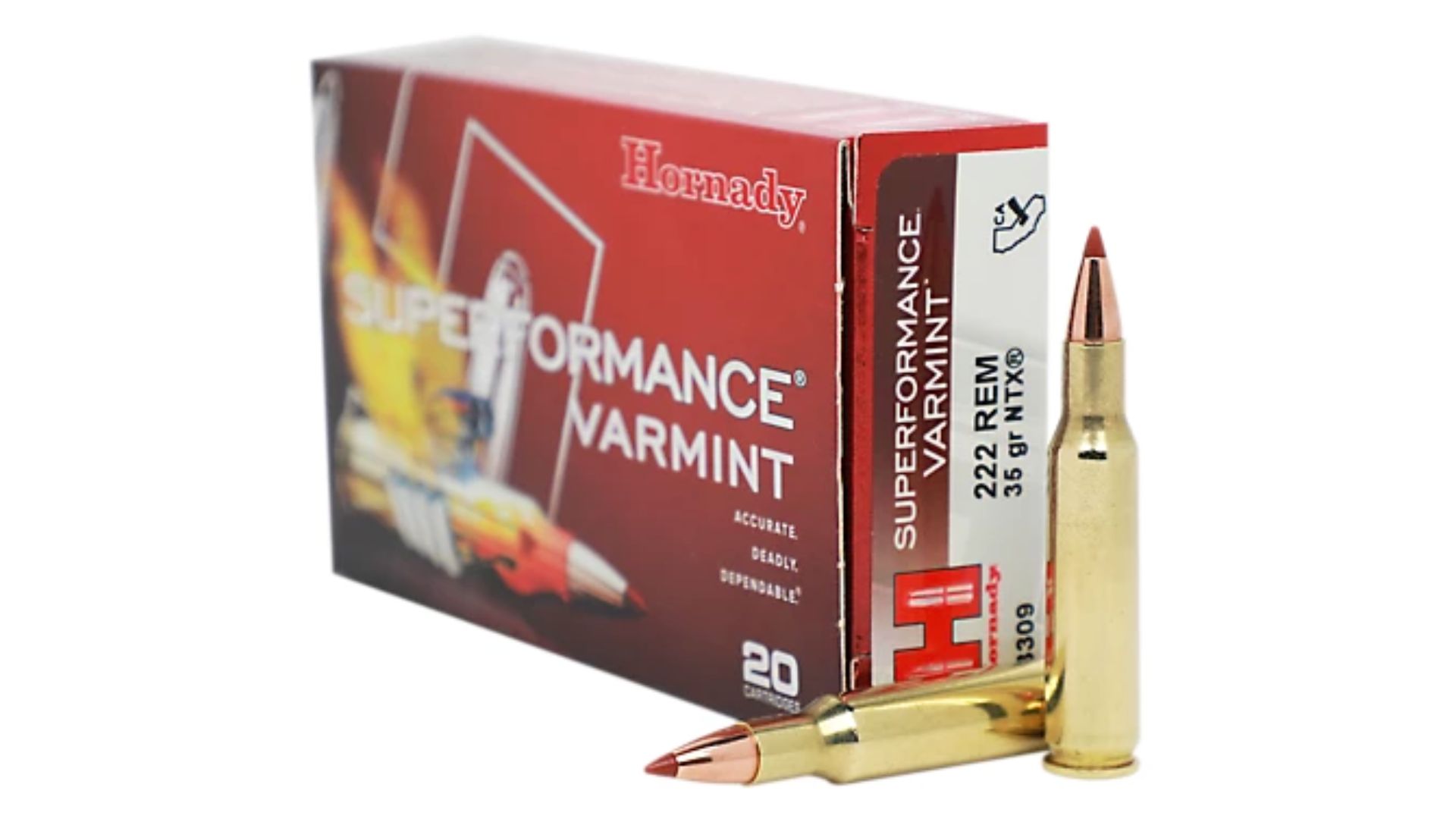
The .222 Remington is accurate, mild, and historically important. Varmint hunters loved it for a reason, and it can still be a sweet-shooting cartridge in the right rifle. For foxes, coyotes, groundhogs, and paper targets, it has plenty of charm.
But charm does not make it a smart deer round. Bullet weight and energy are limited, and the cartridge was built around varmint and target work more than deer hunting. A perfect broadside shot on a small deer is one thing. A responsible general-purpose deer caliber is another.
.223 Remington

The .223 Remington is where the argument starts because it can be legal for deer in some places and it can work with the right bullets. Plenty of careful hunters have used it successfully on smaller deer. Low recoil also helps shooters place shots well.
The problem is margin. On bigger deer, poor angles, heavy bone, or less-than-perfect shot placement, .223 gives up a lot compared with traditional deer cartridges. It demands premium bullets, discipline, and restraint. For the average deer hunter, a .243 Winchester, 6.5 Creedmoor, 7mm-08, .308, or .270 makes more sense.
5.56 NATO
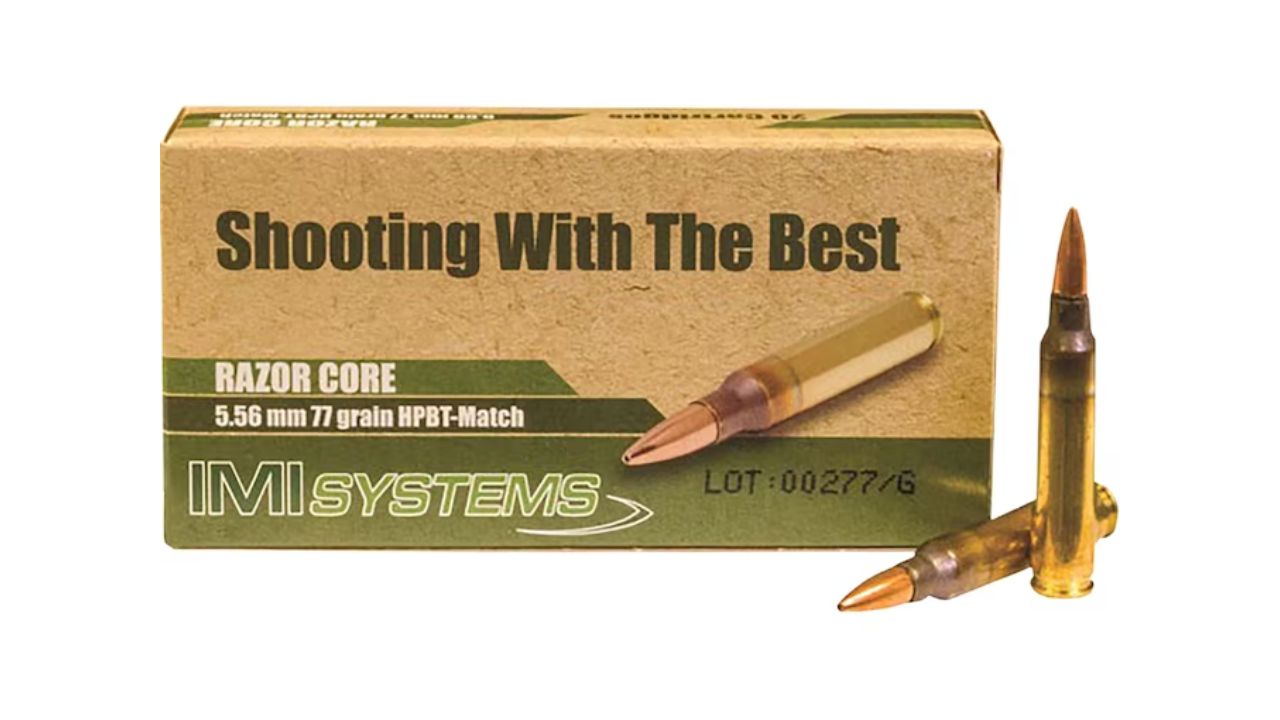
The 5.56 NATO has the same basic issue as .223 Remington, but the confusion around ammo and rifles makes it even easier for hunters to make poor choices. It is a useful defensive, training, and varmint cartridge. It is not the first thing most deer hunters should reach for.
Some loads can work on deer where legal, but many common 5.56 loads are not built for that job. Full-metal-jacket ammunition is especially inappropriate for hunting deer. A hunter using 5.56 needs the right expanding bullet and very careful shot selection. That is a lot of fine print for a cartridge with better alternatives everywhere.
.22-250 Remington
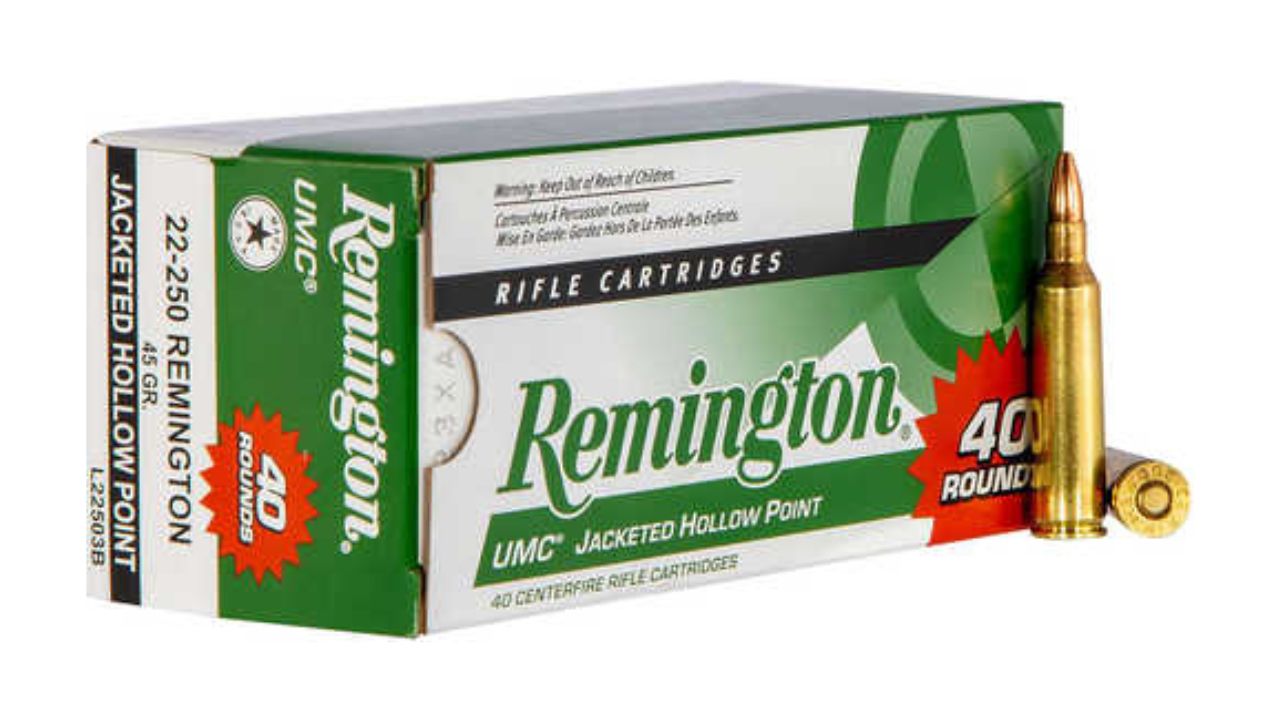
The .22-250 Remington is a fantastic varmint cartridge. It is fast, flat, and deadly on coyotes, prairie dogs, and groundhogs. Because it carries so much speed, some hunters try to stretch it into deer duty where legal.
That is where the trouble starts. With the right bullet and perfect placement, it can work on deer. But it still uses light .22-caliber bullets, and not every load is built for controlled penetration. It is much better as a predator and varmint round than as a deer cartridge. Speed helps, but it does not replace bullet weight and margin.
.220 Swift

The .220 Swift has always had a fierce reputation because of its velocity. It is fast, loud, and impressive on varmints. In open country, it can make small targets look easy when the shooter does their part.
For deer, though, it is still a risky choice compared with better options. The cartridge can drive bullets fast enough to be destructive, but many .224 bullets are not ideal for big-game penetration. It is a specialized varmint round that some hunters have pressed into deer use, not a caliber most people should choose on purpose for whitetails.
.243 Winchester with light varmint loads

The .243 Winchester is usually a good deer cartridge, so the caliber itself is not the problem. The problem is when hunters grab light varmint loads and assume every .243 round is built for deer. A 55-, 58-, or 75-grain varmint bullet is not the same thing as a proper 95- or 100-grain deer bullet.
That mistake can lead to poor penetration and messy performance. The .243 works very well with the right hunting bullets, but it becomes a bad choice when loaded like a coyote rifle. A deer hunter needs to pay attention to the specific load, not just the cartridge stamped on the barrel.
.30 Carbine

The .30 Carbine is light, handy, and fun in an M1 Carbine. It has more power than many pistol rounds and less recoil than full-size rifle cartridges. That makes it enjoyable for range work and certain close-range uses.
For deer, though, it is underwhelming. Bullet weight and energy are limited, and many loads are not built for big-game penetration. At very close range with proper soft points, it may work on small deer, but that is not a strong recommendation. It is a handy carbine round, not a dependable deer cartridge.
7.62×39

The 7.62×39 is not useless for deer. With proper soft-point or expanding bullets, it can work at close to moderate ranges, especially on smaller whitetails and hogs. It is mild, handy, and common in compact semi-autos and bolt guns.
The issue is that some hunters expect it to perform like a .308 Winchester, and it does not. It has a rainbow trajectory compared with flatter deer cartridges, limited energy at distance, and uneven bullet quality depending on the ammo. It can work, but it is one of the weaker centerfire deer choices when better options are sitting right there.
.300 Blackout

The .300 Blackout sounds like a solid deer cartridge because it uses .30-caliber bullets and often shows up in handy AR-style rifles. With supersonic hunting loads, it can be effective at close range. That is the key phrase: close range.
It is not a .308, and it is not a long-range deer round. Subsonic loads are especially poor choices for normal deer hunting unless someone is using very specialized bullets and very controlled conditions. The .300 Blackout can work inside its limits, but those limits arrive quickly.
.357 Magnum rifle

The .357 Magnum from a rifle is much more useful than it gets credit for, and in some close-range hunting situations it can take deer cleanly. Out of a lever gun, it gains velocity and becomes a legitimate short-range option with the right bullets.
The issue is that many hunters overestimate it. It is not a .30-30, and it is not a general-purpose deer rifle cartridge. Bullet choice matters, range has to stay reasonable, and shot angles need to be controlled. It can work, but it is one of the weaker deer options hunters can still buy new rifles for.
.44-40 Winchester

The .44-40 Winchester has history, and it was once a practical rifle-and-revolver cartridge. In the black-powder era, it made sense for people who wanted one round for multiple firearms. It has taken plenty of game over the years.
By modern standards, it is weak for deer unless kept very close and loaded appropriately. Factory loads are often mild because of older firearms, and the trajectory is not forgiving. It is a fine cowboy-action and historical cartridge, but most modern deer hunters should choose something stronger and easier to support.
.410 slug

The .410 slug is one of the weakest deer options hunters can still find in stores. It sounds like a shotgun slug, and technically it is, but it does not hit like a 12 gauge or even a 20 gauge. The payload is small, and range is very limited.
For youth hunters or recoil-sensitive shooters, people sometimes try to make the .410 work. The better answer is usually a mild rifle cartridge or a 20 gauge with appropriate loads if legal. A .410 slug gives very little room for error, and deer hunters need more than that.
28 gauge slug
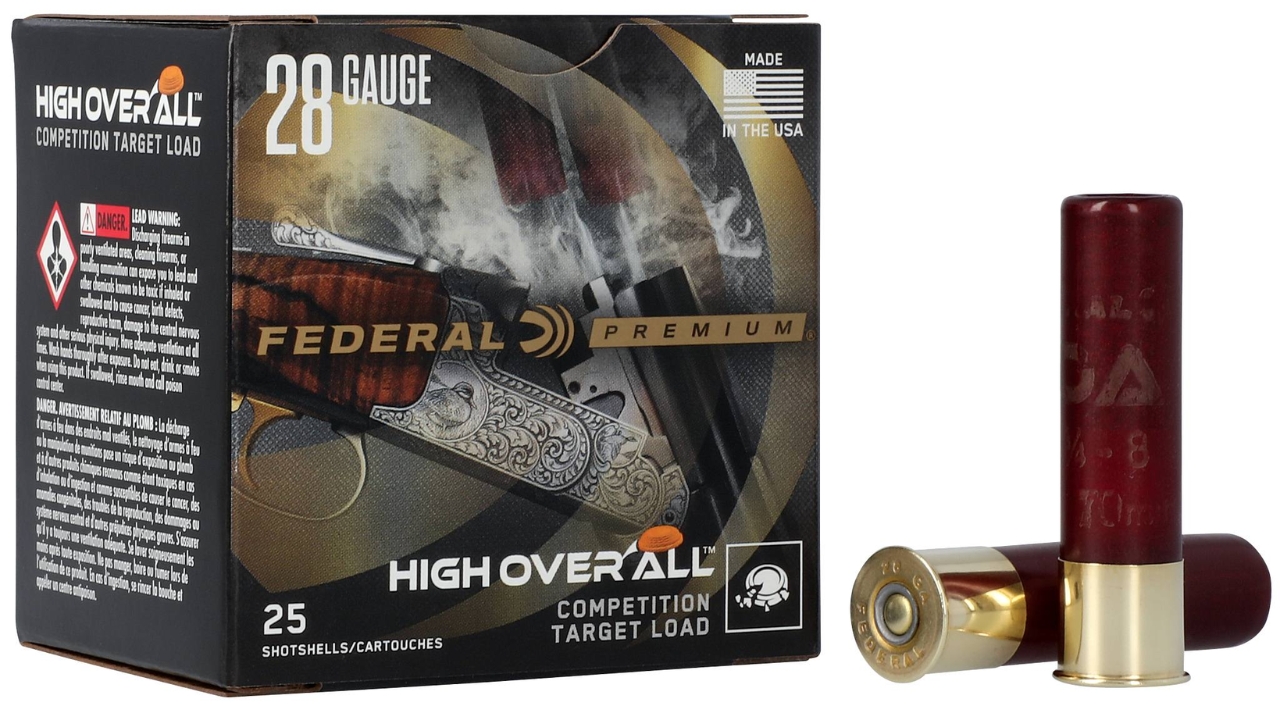
The 28 gauge is a wonderful upland gauge, but it is not a great deer slug choice. It is light, lively, and pleasant for birds. That is what it does well. Deer hunting with slugs is a different job.
A 28 gauge slug is limited by payload, availability, and range. It does not offer the authority of common 12 or 20 gauge slug setups, and ammo choices are much narrower. It can be done in very specific situations, but it is not a smart general deer choice.
Like The Avid Outdoorsman’s content? Subscribe to our newsletter so you never miss an article.
Here’s more from us: