Photo credit: WHO_TEE_WHO/YouTube
There’s a time for penetration and a time for control. Some calibers hit hard but keep going—through targets, barriers, walls, and sometimes into places you didn’t intend. Overpenetration is a real concern, especially in home defense or tight brush situations where a missed shot could carry farther than you’d like.
These rounds all have their place, but if you’re not careful, they’ll punch clean through your intended target and keep on trucking. Here’s what to watch out for when you’re picking a caliber that needs to stop, not sail.
5.7x28mm

The 5.7×28 was designed to punch through body armor—and it does that job well. Even standard loads tend to overpenetrate, especially when fired from a full-length pistol or rifle. It’s fast, flat, and doesn’t dump energy as quickly as some expect.
In a self-defense or close-quarters setting, that’s a problem. It can zip through drywall and keep going. It’s a great round for certain applications, but it’s not ideal if you need something that stops quickly and doesn’t end up in the neighbor’s wall.
.30-06 Springfield

The .30-06 has taken everything from elk to enemy soldiers, and it does it with authority. It carries a ton of energy and keeps that power over long distances. The downside? It also tears through most backstops with ease.
Whether you’re hunting or target shooting, you’ve got to be mindful of what’s behind your target. With certain bullet types, the .30-06 won’t expand much until it’s gone through a whole lot more than just the intended mark.
7.62x54R

The 7.62x54R is the Russian answer to the .30-06, and it hits just as hard. Out of a Mosin-Nagant or a Dragunov-style rifle, it’ll go through thick brush, bone, and whatever else is in the way.
Soft point ammo helps, but military surplus rounds are full metal jacket and fly right through most barriers. It’s not something you want to shoot near anything you’re not ready to replace. It’s powerful, but it doesn’t know when to stop.
10mm Auto
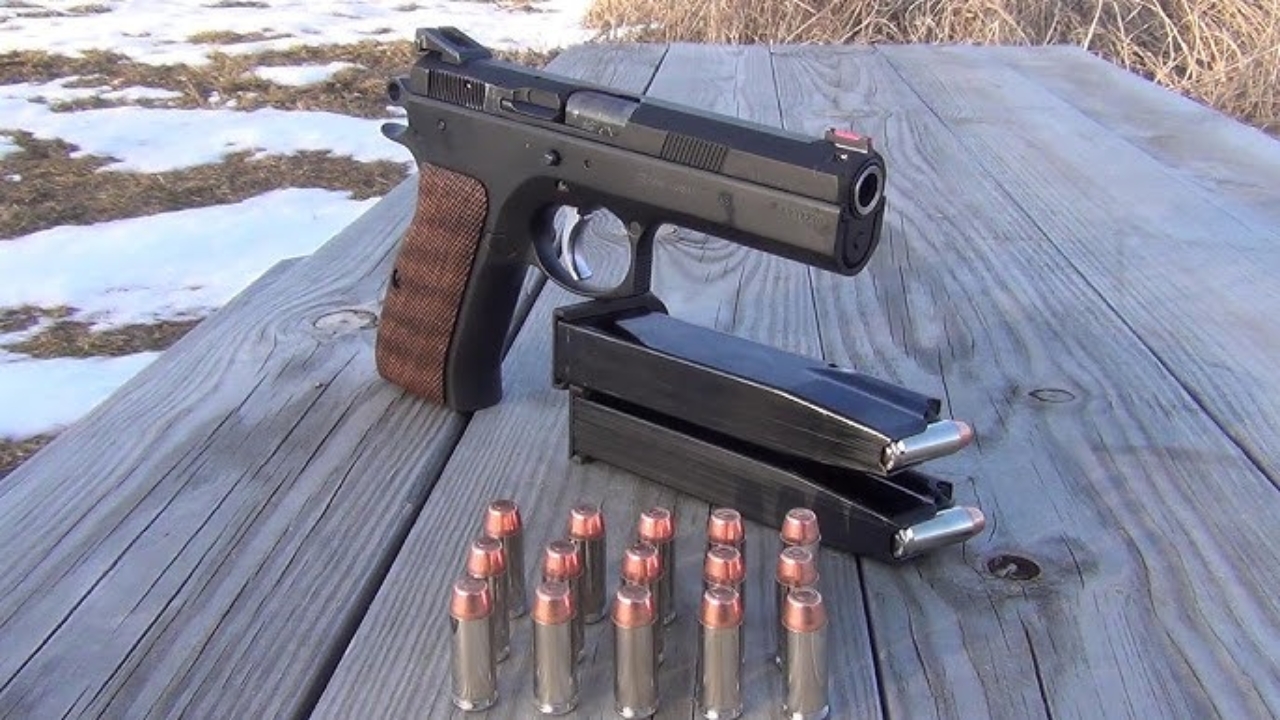
The 10mm packs a serious punch out of a pistol. It’s great for the woods and large predators, but in urban or home defense scenarios, it’s easy to send that bullet through your target and into a wall—or worse, a person behind it.
Even defensive hollow points can overpenetrate, depending on the load. It’s manageable for experienced shooters, but it demands careful ammo selection and good backstop awareness. It’s not a round that naturally dumps energy fast.
.300 Winchester Magnum

The .300 Win Mag is built for long-range hits on big game. That extra velocity and power are great when you’re hunting elk at 400 yards—but it’s way more than needed for anything smaller or closer.
Even with expanding bullets, it can blow through a deer and keep going with lethal energy. You’ll want a wide-open shot and a solid backstop. Otherwise, you’re sending a freight train where it doesn’t belong.
7.62x39mm (FMJ Loads)

Out of an AK or SKS, 7.62×39 FMJ rounds tend to punch straight through soft targets. It’s part of why they were designed that way—to keep going through intermediate barriers. That doesn’t always translate well to civilian use.
If you’re running surplus or standard FMJ ammo, overpenetration becomes a real concern. It doesn’t fragment or tumble as much as people think. If you’re using it for home defense, stick with soft points or hollow points and make sure your surroundings are clear.
.338 Lapua Magnum

This round was designed for extreme long-range precision and terminal performance on human targets in combat zones. It hits hard, and it carries that energy well past most normal shooting distances.
Even when used on large game, it’s often more than necessary. It’ll punch through and keep going unless you’re using carefully selected expanding rounds. It’s impressive to shoot, but it needs space—and responsibility—to go with it.
.357 Magnum (Out of a Carbine)

Out of a revolver, .357 Magnum already has some bark. But shoot it from a rifle-length barrel, and the velocity jumps enough to make overpenetration a real issue. It turns into a high-speed projectile with a flat trajectory and deep punch.
This is especially true with hardcast or semi-jacketed rounds. It’s great for hitting hard at 50–100 yards, but it’s not ideal when you need a round to stop quickly. Make sure the bullet matches your purpose, or you might get more penetration than you bargained for.
5.56 NATO (M855 Green Tip)

The M855 is a steel-core round designed for light armor penetration. In soft targets, it doesn’t always fragment or tumble the way people assume it will. It’s capable of going through multiple barriers and still carrying enough velocity to do damage.
Inside a home or in close-range shooting, this can become a problem. There are better defensive 5.56 loads that break up faster and stop sooner. The green tip wasn’t built for that—it was built to keep going.
.44 Magnum

This one speaks for itself. The .44 Magnum was made for hunting and stopping big threats. It’ll punch through most intermediate barriers, heavy bone, and a lot of soft cover. Even hollow points in this caliber often retain enough mass to keep going.
In a defensive or tight-quarters setting, that power can easily become a liability. It’s an excellent caliber for woods carry, but inside a structure—or anywhere near other people—you better know what’s behind your target.
*This article was developed with AI-powered tools and has been carefully reviewed by our editors.