Photo credit: Ryno Botha/Shutterstock.com
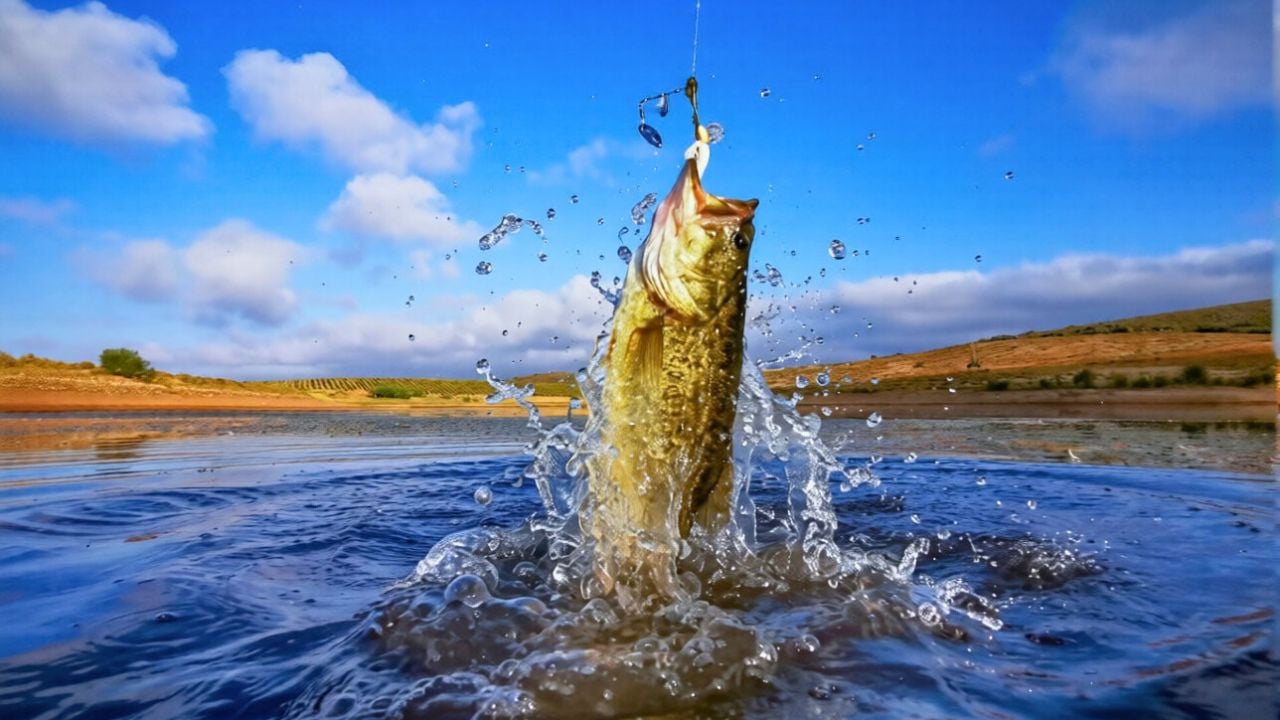
A good topwater bite will make you believe you’ve got it figured out. Then it shuts off like someone flipped a switch, and you spend the next three hours throwing at memories. That’s the common mistake—chasing what was happening instead of what’s happening now. The topwater bite often dies early because light changes, boat traffic starts, the wind shifts, or the fish simply slide off the shallow stuff. They don’t vanish. They just stop committing to the surface.
Once the sun gets up, a lot of fish pull to the first break, the first shade line, or the first piece of cover that gives them security. They’re still feeding, but they’re less willing to explode on top where everything can see them. If you keep throwing topwater over the same shallow flat, you’re fishing empty water. The move is to follow them down one step. That usually means a subsurface bait that keeps the same “look” but runs just under the surface—like a wake bait, a swim jig, a spinnerbait, or a soft plastic you can keep high.
One of my favorite follow-ups is a weightless stick bait or a fluke-style bait. It has that same “easy meal” vibe as a topwater, but it doesn’t force the fish to break the surface. You can throw it to the same targets—points, pockets, shade, grass edges—and let it glide just under. When fish won’t fully commit, that subtle presentation will get the ones that are still there but acting cautious.
Another option is a popper or a smaller topwater with longer pauses, but only if you’re still seeing signs—swirls, bait flickers, fish rolling. If the water just looks dead, don’t force it. Switch. A shallow crank, a chatterbait, or a small swimbait will keep you moving and help you find where they relocated. The key is you’re still covering water, but you’re doing it at the new depth they want.
Wind can extend the topwater bite, too. If you’ve got chop and cloud cover, topwater can last longer. But if it goes slick and bright, you’re usually better off going subsurface. And don’t ignore shade. Docks, laydowns, overhanging trees—those spots can keep a shallow bite alive longer than open banks. Fish will hang in that shade and still eat aggressively, even after the general “morning bite” dies.
So when your topwater bite dies early, don’t panic and don’t keep throwing it out of stubbornness. Assume the fish slid, not left. Follow them down a step with a bait that matches the same forage and mood. If you make that switch fast, you’ll keep catching while everybody else is still waiting on a blowup that’s not coming back.
Like The Avid Outdoorsman’s content? Be sure to follow us.
Here’s more from us: