Photo credit: O. Kalacheva/Shutterstock
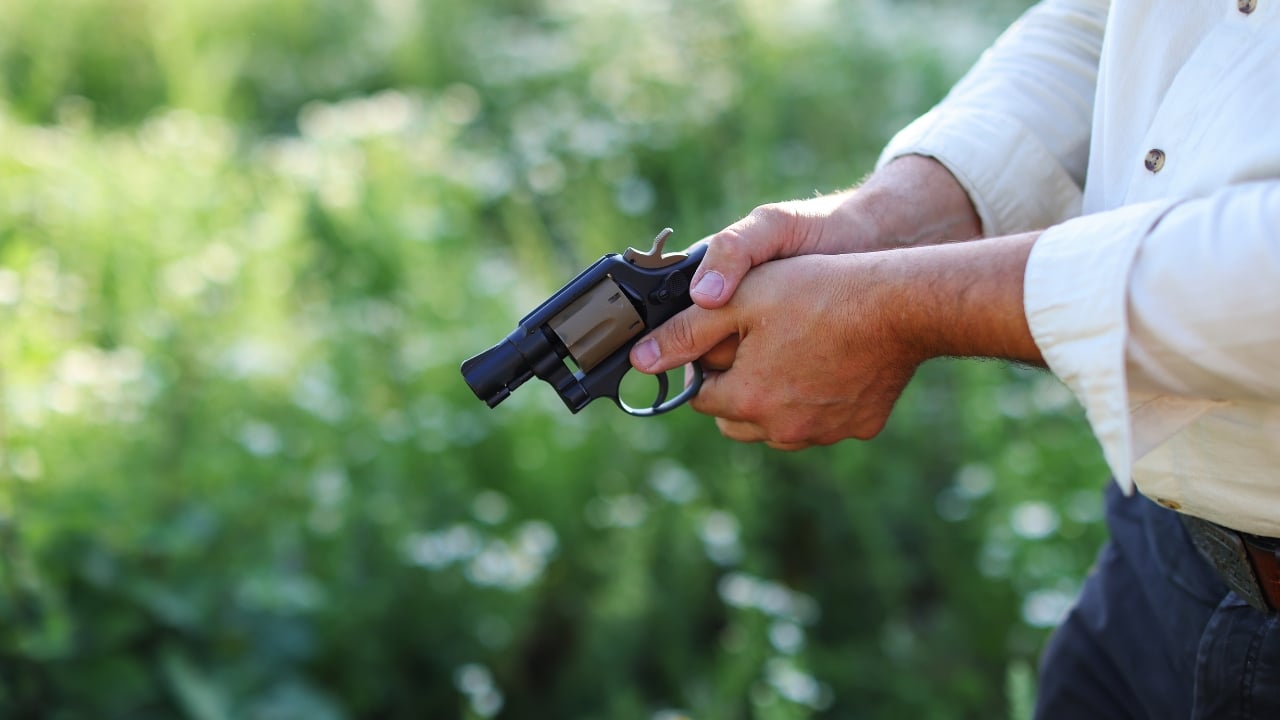
Snub-nose revolvers get a bad reputation because a lot of them are built to disappear, not to feel pleasant. Short barrels, short grips, and light frames can turn decent ammo into a handful fast. Add a long double-action trigger and you’ve got a gun that punishes sloppy technique and rewards steady work.
Controllable snubs do exist, though. They’re the ones that give you enough grip to hang on, enough weight to calm the recoil, and a trigger you can run smoothly without yanking shots low-left. Caliber matters, too. A .32 or a .22 in a real carry-size revolver can be far easier to manage than a featherweight .357 that turns every shot into an event. These are snub-nose revolvers you can actually shoot well, not only carry.
Ruger SP101 (2.25″)

The SP101 is the snub that wins people over who hate snubs. The all-steel build gives you real weight in the hand, and that weight takes the sting out of +P .38 and makes midrange .357 feel manageable instead of brutal. You also get a grip frame that plays well with larger stocks, which is where controllability often gets decided.
Carry-wise, it’s heavier than an airweight, and you notice it. The payoff is that you practice more because it doesn’t beat you up. The trigger usually smooths out with use, and the gun stays tight over time. If you want a short revolver that handles like a serious tool, the SP101 sets a high bar.
Ruger LCR ( .38 Special)
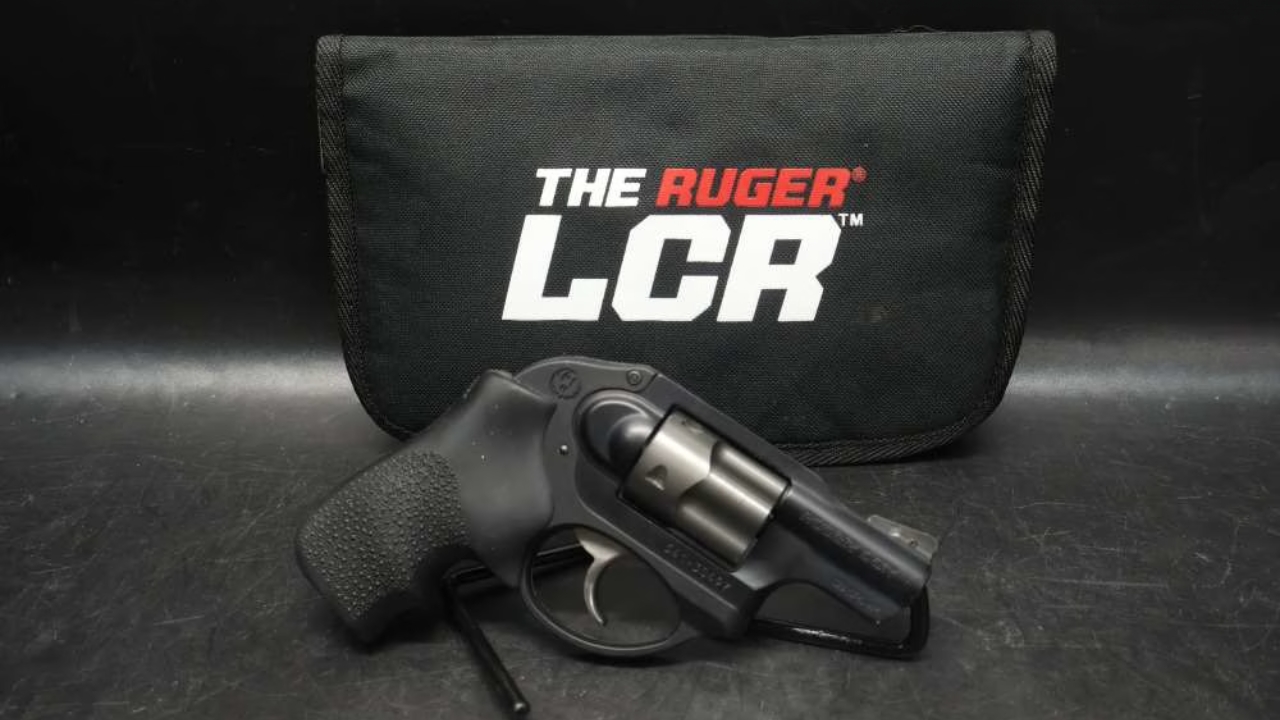
The LCR looks like a lightweight compromise until you shoot it. Ruger did a lot right with the grip shape and how the gun sits in your hand. That rubber grip fills your palm and helps you keep the revolver from shifting under recoil, which is half the battle with a short gun.
The other half is the trigger. The LCR’s double-action pull tends to feel smoother than many small-frame revolvers, and that makes it easier to run without snatching the shot. With standard-pressure .38, it’s genuinely comfortable. With +P, it’s still controllable if you hold it correctly and don’t let the grip float. For a carry-weight snub that you can actually train with, it’s a strong pick.
Ruger LCR ( .327 Federal Magnum)

The .327 LCR is one of the smartest ways to get a snub that you can shoot fast and still hit with. You get an extra round in the cylinder compared to most .38 snubs, and you can tune recoil by choosing ammo. Full-house .327 gets spicy, but you’re not locked into it.
Run it with .32 H&R Magnum or .32 S&W Long and the gun becomes far easier to control than most people expect from a pocket-size revolver. You still get penetration and a clean, straight recoil impulse that doesn’t slap your hand the way hot .38 can in lighter guns. If you want a small revolver that rewards practice instead of punishing it, this one makes a lot of sense.
Smith & Wesson 642

The 642 is a classic because it carries like nothing and still runs like a real revolver. The enclosed hammer keeps it slick coming out of a pocket or from under a cover garment, and the shape avoids a lot of snag points that make small guns annoying day to day.
Control comes down to realistic ammo choices and grip. With standard-pressure .38, the 642 is manageable for most shooters who put in some reps. +P is doable, but it’s where people start flinching if they don’t practice. The gun points naturally, and the sights are basic but usable at snub distances. The big advantage is that you’ll actually carry it, which means the training you do has a purpose instead of living in the safe.
Smith & Wesson 442

The 442 is the same idea as the 642, with a different finish and the same strengths where it counts. It’s light, compact, and built for real carry. The internal hammer keeps the draw clean, and the gun stays flat against the body in a way chunkier small revolvers often don’t.
Controllable means you treat it like an airweight and pick ammo accordingly. Standard-pressure defensive loads keep it far more pleasant, and that matters because you’ll practice more. The trigger pull can vary, but it’s usually workable once you learn it and keep your grip consistent. A 442 won’t feel like a range toy, but it can be shot well with discipline, and it disappears in places where a heavier snub becomes a hassle.
Smith & Wesson Model 640 (J-Frame .357)

A steel J-frame changes the entire snub-nose experience. The 640 gives you the same compact footprint people want, but with enough weight to keep recoil from turning ugly. Even if it’s chambered in .357, you can run it with .38 loads and get a controllable, steady little revolver that doesn’t fight you.
The enclosed hammer is a carry advantage, especially for pocket carry or deep concealment. Where the 640 shines is consistency: it’s heavy enough that the gun doesn’t jump around in your grip, and that helps you keep the sights in the same neighborhood shot to shot. If you want a snub that feels solid and shoots like it’s built to be used, the 640 is hard to beat.
Smith & Wesson Model 60 (2.125″)
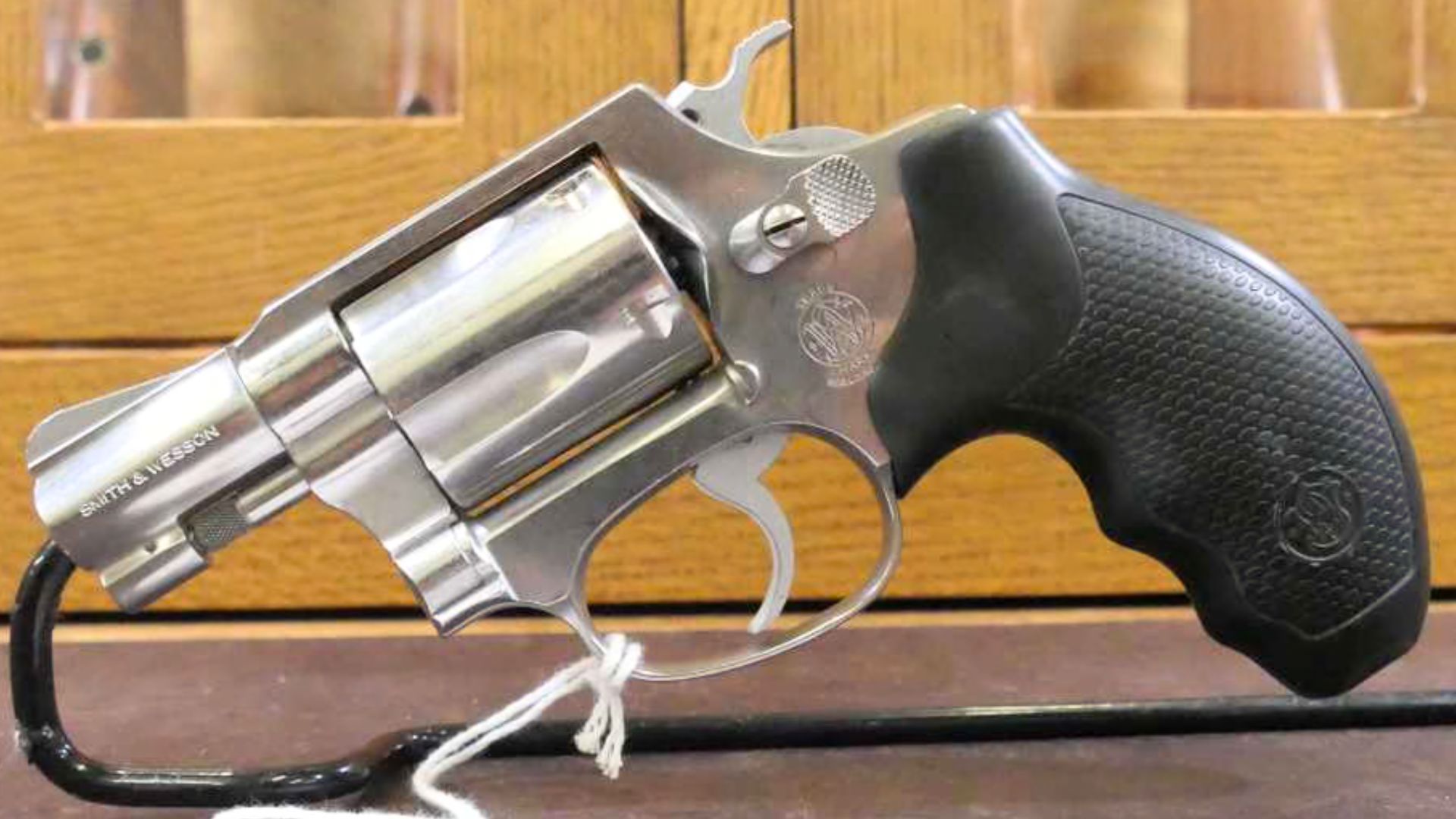
The Model 60 is a steel snub that gives you options. It’s small enough to carry without drama, but it’s substantial enough to shoot without getting punished every session. That balance is why so many experienced carriers come back to it after trying lighter revolvers.
With .38 Special, it’s comfortable and easy to control. With .357, it becomes a decision you make based on your tolerance and your practice habits, not a requirement. The exposed hammer also gives you the option of single-action work for slow, precise shooting, which can help you build confidence and learn the sights. Carried responsibly, the Model 60 is one of the most shootable “real carry” snubs ever made.
Smith & Wesson Model 36 (Chief’s Special)
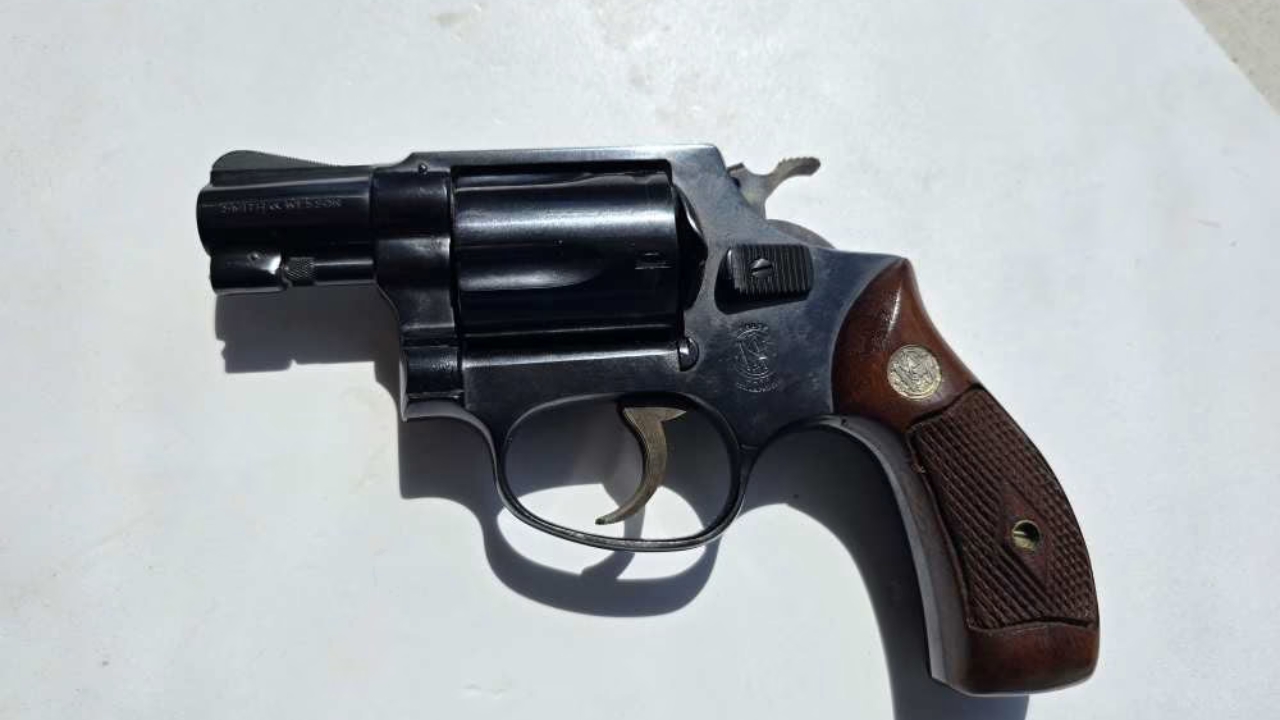
The Model 36 earned its reputation the old way: people carried it, shot it, and kept it for decades. A steel frame snub in .38 has a recoil feel that’s far easier to manage than the featherweight versions that came later. The gun sits deeper in the hand, and it doesn’t whip around as badly under recoil.
The sights are small, and the trigger is long, so you still need clean technique. What you gain is repeatability. The Model 36 tends to stay steady through the press, and that steadiness makes it easier to shoot accurately at snub distances without feeling rushed. If you want a controllable snub that feels like a revolver from a time when people expected to practice with it, the 36 is still a strong choice.
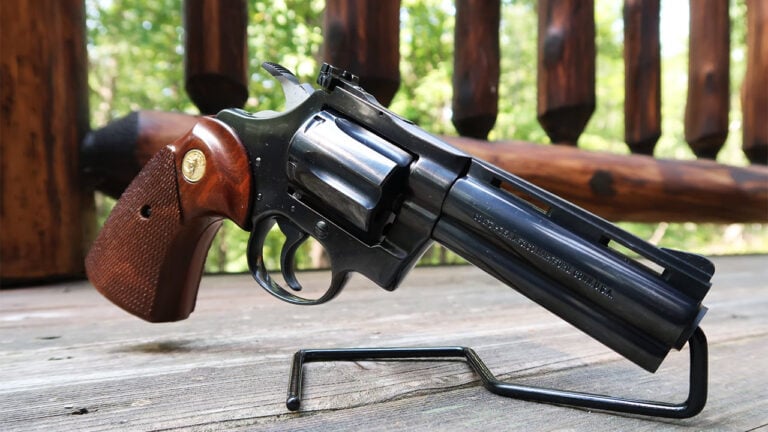
Colt Cobra (2″)

A modern Colt Cobra brings real-world shootability to the snub category, mostly because the grip and frame feel give you something to hold onto. The gun has enough mass to keep .38 recoil from getting nasty, and the factory grip shape helps you keep the muzzle from climbing too hard between shots.
The Cobra also gives you six shots, which matters in a snub that you may carry as a primary gun. Control is still about running the trigger straight and keeping your grip locked in, but the gun doesn’t punish you for existing the way lighter snubs can. If you want a short revolver that feels more like a duty-side backup than a last-ditch pocket piece, the Cobra fits that role well.
Colt King Cobra (2.25″)

The King Cobra snub is heavier than most people expect when they hear “snub-nose,” and that’s a good thing. That extra steel gives you a calmer recoil impulse, and it makes .38 +P feel far more manageable than it does in lighter J-frames. You get a six-shot cylinder in a package that still carries without being ridiculous.
The trigger feel can vary by individual gun, but the platform tends to reward steady work. The sights are more usable than many classic snubs, and the gun points naturally for fast, close shooting. It’s not a pocket revolver in the traditional sense, but it’s a controllable short-barrel carry revolver that you can shoot well when your hands are cold or your heart rate is up.
Kimber K6s (2″)

The Kimber K6s built its reputation on being a six-shot snub that doesn’t feel like a compromise. The grip shape and the way the gun balances help you keep it stable in recoil, and the frame design gives you a solid, confidence-inspiring feel without being oversized.
Control improves fast when you practice with it because the gun doesn’t beat you up the way ultra-light snubs can. The trigger is usually smooth enough to run quickly without jerking the muzzle, and the sights tend to be more practical than what you get on many older designs. If you want a snub that carries like a serious concealed-carry gun but shoots like it expects you to train, the K6s belongs on the short list.
Taurus 856 (2″)

The Taurus 856 is controllable for a straightforward reason: it gives you six rounds of .38 in a snub format with a grip that can actually fit your hand. The gun’s weight and shape often make it easier to shoot well than the tiny five-shot revolvers that disappear in a pocket but punish you at the range.
The key is sticking with .38 Special, especially standard-pressure loads if recoil sensitivity is a factor. The trigger can be a bit of a mixed bag, but many examples smooth out with use, and the gun is easy to understand and run. If you want a budget-friendly snub that you can practice with regularly, the 856 can be a practical, controllable option.
Charter Arms Undercover (2″)

The Charter Arms Undercover has been around a long time because it fills a real need: a compact .38 revolver that carries easily and doesn’t require a second mortgage. It’s not a luxury piece, but it can be controllable in the way that matters—steady enough to get repeatable hits at snub distances if you do your part.
The best path to control is pairing it with reasonable ammo and a grip that fits your hand. Standard-pressure .38 is where these guns tend to feel most manageable, and that’s also where you’ll get the most practice without developing a flinch. If you want a working snub that you’ll actually carry and actually shoot, the Undercover can earn its keep.
Ruger LCR ( .22 LR)

A .22 LR snub sounds like a compromise until you remember what controllable really means. The .22 LCR lets you practice the snub-nose fundamentals—double-action trigger work, sight tracking, and recoil management—without paying for it in pain or flinches. That makes you better with every revolver you own.
The gun is light, but .22 LR keeps recoil mild, and the grip helps you keep the revolver anchored. You also get more rounds in the cylinder than the typical five-shot .38 snub, which can make practice sessions more productive. If you want a snub you can run fast, keep on target, and train with weekly without dread, a .22 LCR is one of the most controllable options on the table.
Smith & Wesson 43C ( .22 LR)

The 43C is an ultra-light .22 snub that’s controllable because the cartridge does the heavy lifting. Even in a very light revolver, .22 LR recoil stays mild enough that you can keep your grip and sights together through fast strings, which is the whole goal when you’re trying to shoot a snub well.
What you’re really buying here is carry comfort and training value. You can carry it easily, and you can run a lot of double-action reps without fatigue. The trigger still demands a straight press, and rimfire ammo can be more variable than centerfire, so you stay honest about maintenance and ammo choice. For a deep-carry revolver that stays easy to control, the 43C makes a strong case.
Smith & Wesson 632 UC (2″)
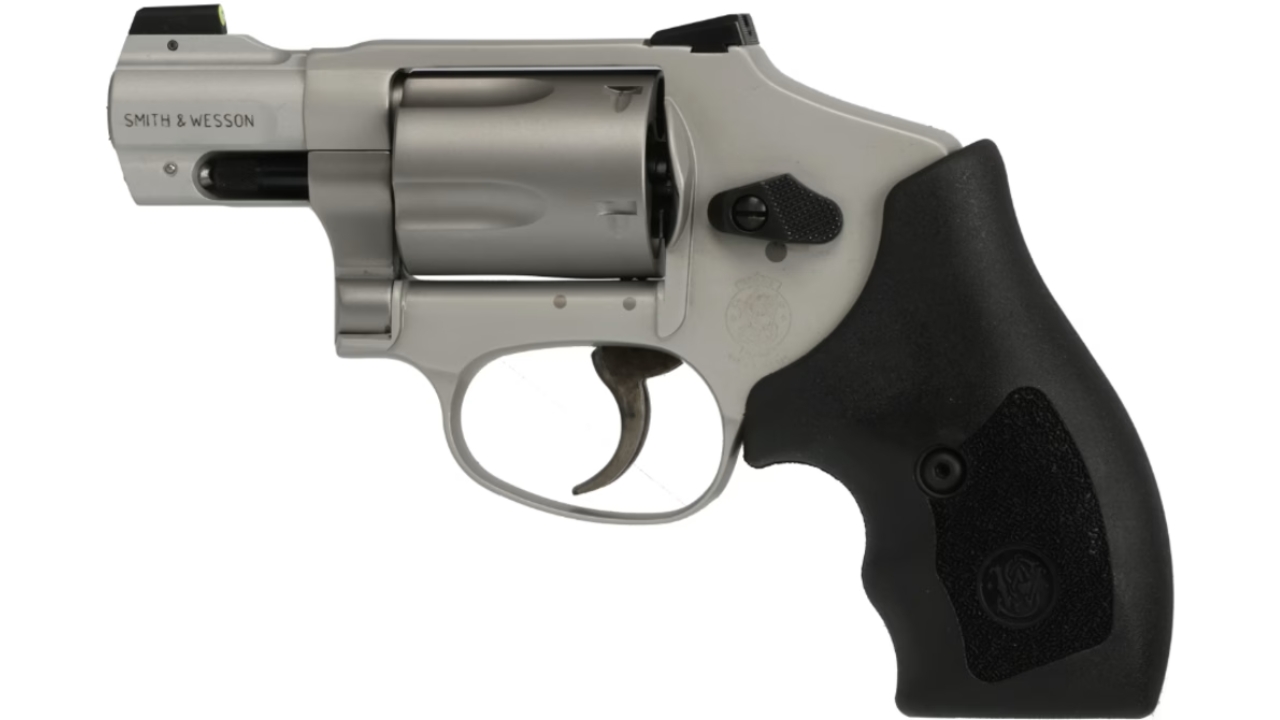
A small-frame .32 revolver is one of the easiest ways to get “snub size” without “snub recoil,” and the 632 UC leans into that idea. The .32 H&R Magnum chambering gives you real defensive performance with a recoil impulse that’s often far more manageable than hot .38 in a lightweight gun. That makes fast, repeatable hits much easier.
The UC-style setup also tends to prioritize practical sights and a grip that helps you control the gun instead of merely carry it. You end up with a revolver that points naturally and stays flatter in recoil, which matters when you’re running double-action at speed. If you want a snub that you can actually train hard with—and not develop bad habits—this class of .32 revolver is a smart direction.
Like The Avid Outdoorsman’s content? Be sure to follow us.
Here’s more from us: