Photo credit: Nolan Outdoors/YouTube
A lot of “expert” takes are really predictions made at a desk. Then a rifle shows up that looks too cheap, too plain, too new, or too different, and it starts stacking honest groups and punching tags year after year. That’s when the conversation changes. Not because the rifle is perfect, but because it works in the real world—cold fingers, dusty trucks, bargain-bin ammo, and a hunter who cares more about first-shot placement than internet prestige.
These are the rifles that did that. Some were dismissed as budget beaters. Some were written off because of their country of origin, their materials, or their price tag. But they shot, fed, held zero, and kept getting carried. If you’ve ever watched a “safe pick” choke while an underdog keeps humming along, you already understand why these rifles deserve a little respect.
Ruger American Predator
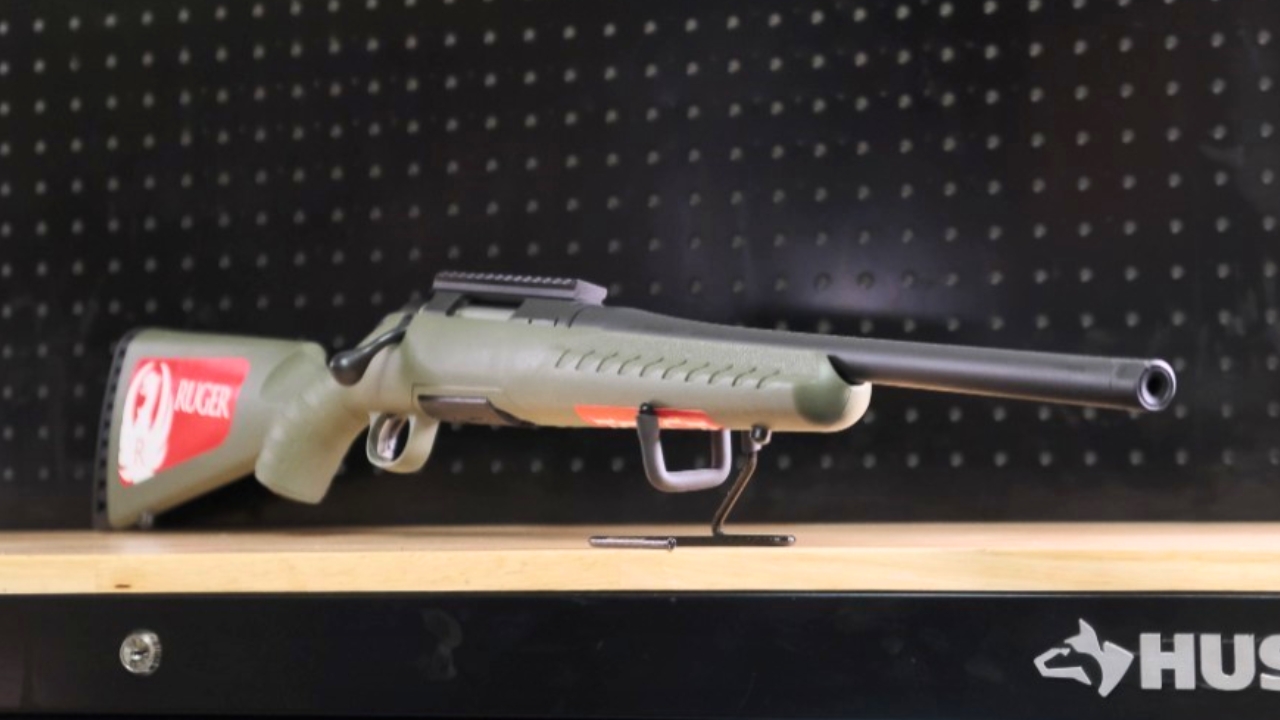
Plenty of folks rolled their eyes at the early Ruger American line because it looked “too basic.” Then the Predator variant started showing up on ranges with factory ammo and quietly printing groups that embarrassed rifles costing a lot more. The bedding system and barrel quality did more work than the internet expected, and the rifle didn’t demand special treatment to do it.
In the field, it earned another kind of respect: it held zero, it didn’t mind weather, and it carried light enough that you stopped thinking about it halfway through a long walk. The Predator proved a point that still bothers gear snobs—function beats finish, and a plain rifle can still be a serious tool.
Savage Axis II

The Axis name got thrown around like an insult for years. “Entry-level” turned into “throwaway” in a hurry, and a lot of shooters assumed it would feel cheap and shoot cheap. Then Axis II rifles with the AccuTrigger started landing in real hunters’ hands, and the results didn’t match the jokes.
That trigger matters when you’re learning, and it matters when you’re trying to break a clean shot on a shaky rest. Add in the fact that many Axis II rifles shoot better than their price bracket has any business shooting, and the story flips. It became the rifle people bought as a stopgap—then never replaced.
Thompson/Center Compass

The Compass took heat early because it looked like a budget rifle built to a price point. Some writers treated it like a disposable starter gun, the kind you buy once and forget. Then it started showing up with surprisingly consistent accuracy, and hunters noticed it did the core job without drama.
What outperformed expectations wasn’t glamour—it was repeatability. The Compass tended to shoot straight with common factory loads, and it didn’t require a pile of upgrades to become usable. It also carries well, which matters more than benchrest chatter when you’re climbing, sweating, and trying to settle in for one clean shot.
Mossberg Patriot
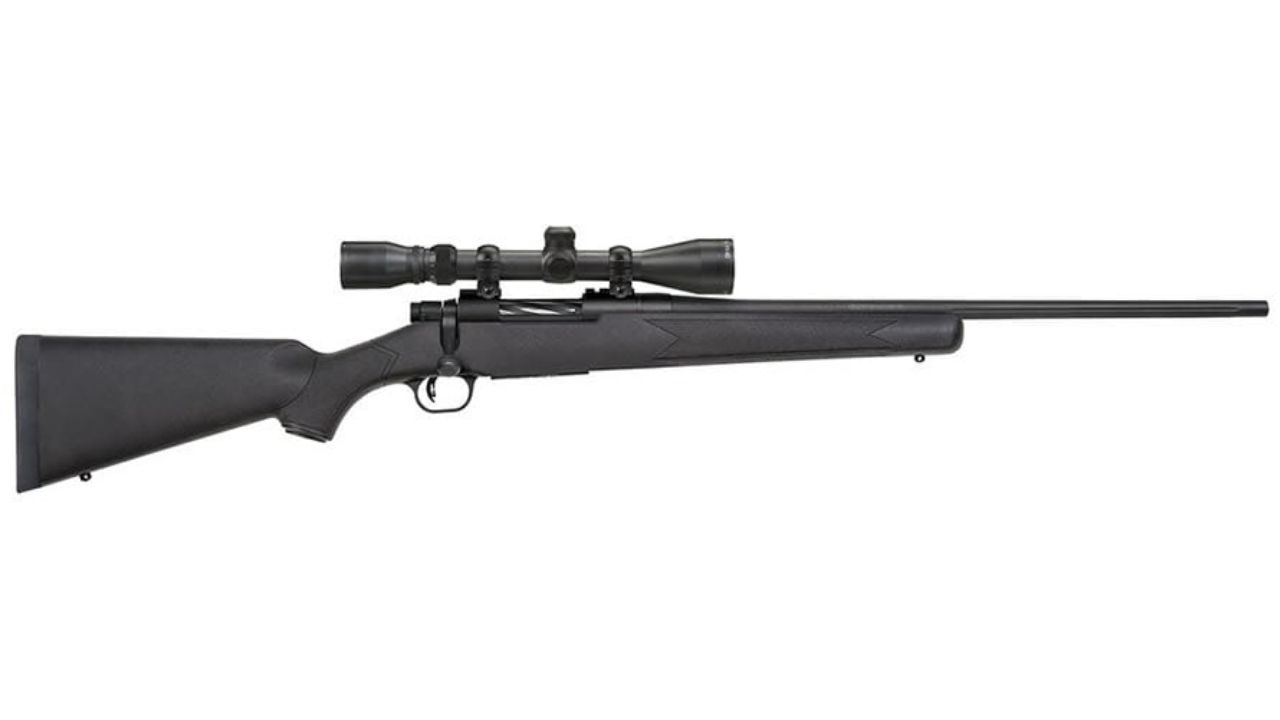
A lot of shooters didn’t want to believe Mossberg had a sleeper bolt gun in them. The Patriot got dismissed as another value rifle with a big name stamped on it. But the rifle kept doing two things that shut critics up: it shot better than expected, and it kept running even when owners didn’t baby it.
The Patriot’s strength is that it feels like a hunting rifle first. It balances easy, it doesn’t weigh you down, and it tends to behave with ordinary ammo and ordinary maintenance. Plenty of people bought it as a “good enough” rifle and ended up discovering it was more than that. It proved that pedigree can come from results, not reputation.
CVA Cascade

When CVA showed up with a bolt-action hunting rifle, plenty of experts reacted like it was a side project. CVA meant muzzleloaders to them, and they assumed the Cascade would feel like a newcomer trying to buy credibility. Then shooters started seeing real accuracy out of these rifles with off-the-shelf loads, and the tone changed.
The Cascade also earned points where it counts: practical stock design, solid handling, and an action that doesn’t feel like it’s dragging itself through gravel. It became one of those rifles that new hunters could run with confidence and experienced hunters could carry without feeling undergunned. That’s a hard line to cross, and the Cascade crossed it.
Howa 1500

The Howa 1500 spent years being overlooked in favor of louder brands. Some experts treated it like a “parts donor” action—useful, but not exciting. Then people started paying attention to how steady these rifles were across different chamberings and setups, and the quiet respect turned into a real following.
The 1500’s surprise is how consistently it behaves. The action feels solid, it tends to feed well, and it often shoots with a steadiness that makes you trust it fast. You can leave it alone and hunt, or build it into something more specialized later. Either way, it proved that being underestimated is not the same thing as being incapable.
Ruger American Ranch

Short, handy bolt guns used to get treated like toys—good for messing around, not for serious work. The American Ranch didn’t get that memo. Whether it was a .300 Blackout, a 7.62×39, or something more traditional, the little Ranch rifles kept shooting straight and carrying easy.
What surprised experts was how useful “compact” can be when you stop thinking in catalog photos. The Ranch is quick in and out of trucks, friendly in thick cover, and easy to shoot well off improvised rests. It also tends to be less picky than skeptics expected. It proved that a rifle can be small without being compromised, as long as the basics are done right.
Bergara B-14 Ridge

Some critics treated Bergara like a brand that would ride a wave and fade—good marketing, uncertain staying power. The B-14 Ridge flipped that narrative by being boring in the best way: steady accuracy, smooth enough operation, and a build quality that didn’t feel like a gamble.
The Ridge also gained credibility because it didn’t ask you to become a tinkerer. You mounted an optic, found a load it liked, and it went hunting. That matters for beginners, and it matters for veteran hunters who are tired of “projects.” It proved that a newer name can earn a permanent place when the rifle keeps performing after the novelty wears off.
Weatherby Vanguard

A lot of shooters saw “Weatherby” and assumed you were paying for a name and glossy catalog energy. The Vanguard quietly proved it was more than branding by turning in consistent accuracy and dependable field performance across a wide range of chamberings. It became the rifle that surprised people who expected it to be overpriced.
The Vanguard’s real win is how forgiving it is to shoot. Weight and stock design help with recoil management, and many models come with a trigger that encourages good shooting habits. You can practice longer, shoot more honestly, and carry it without feeling like you brought a bench gun to the woods. It proved value can live under a premium label.
CZ 600 Alpha

New rifle families always get skepticism, and the CZ 600 arrived with enough changes to make experts cautious. People expected teething problems or a rifle that looked better on paper than it felt in the hands. The Alpha version surprised a lot of shooters by being straightforward, accurate, and easy to live with.
What outperformed expectations was the overall feel. It shoulders naturally, it rides bags and field rests well, and it tends to shoot respectable groups with factory ammo. It also doesn’t demand a learning curve that punishes new shooters. The CZ 600 Alpha proved that “new” doesn’t automatically mean “risky,” especially when the rifle behaves like it was designed by people who actually hunt.
Springfield Armory Model 2020 Waypoint
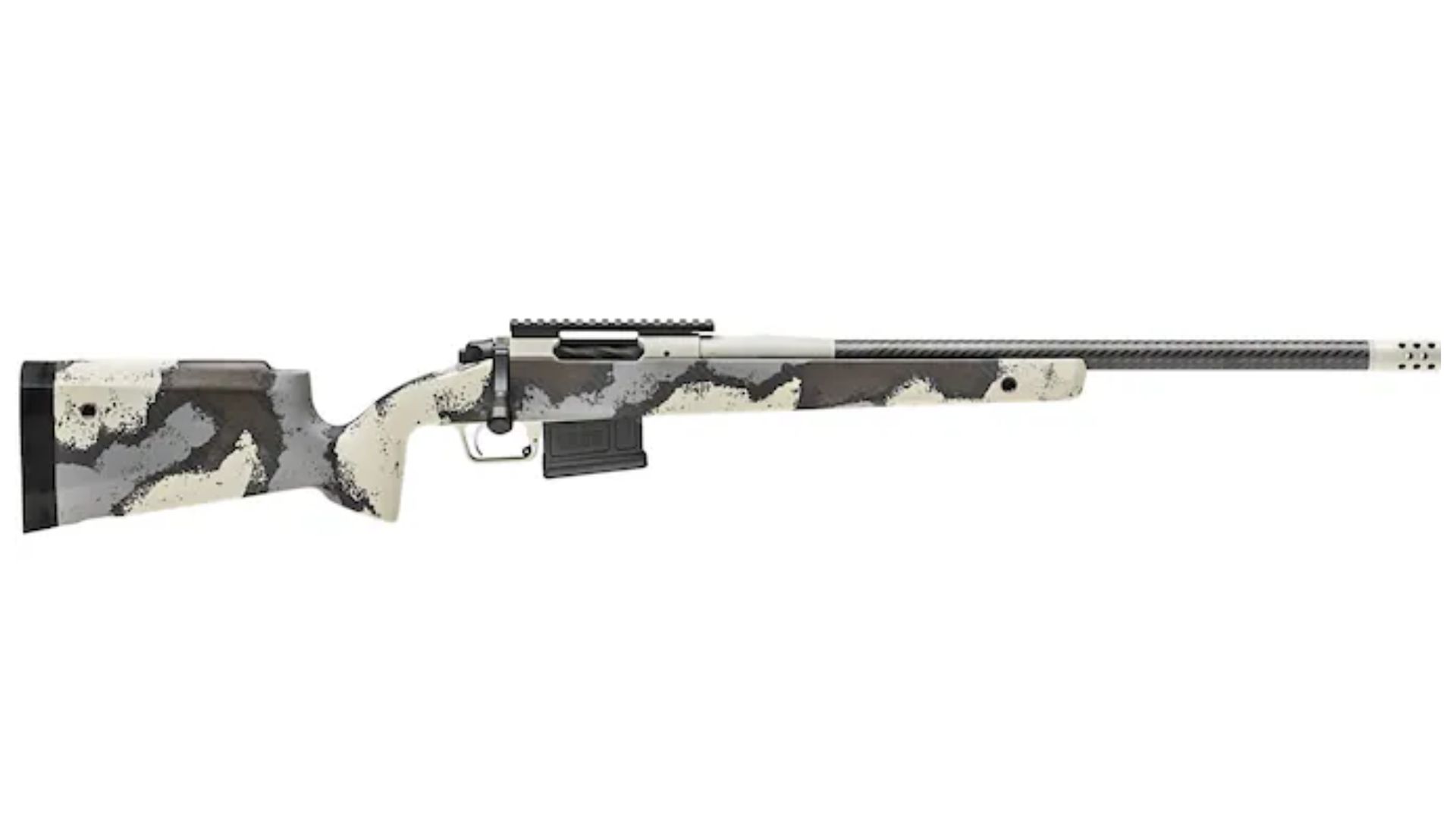
A lot of rifle guys reacted to Springfield’s bolt gun like it was a branding exercise. Springfield meant handguns to them, and they expected the Waypoint to be expensive noise with uncertain substance. Then it started showing up with real accuracy and real field manners, and the skepticism took a hit.
The Waypoint’s surprise is that it feels like a hunting rifle that shoots like a serious range rifle. It carries well, it settles in behind an optic naturally, and it tends to hold consistency when conditions are less than perfect. It proved that a company can enter a crowded category and still build something that earns trust—if the rifle delivers where it counts.
Sako S20
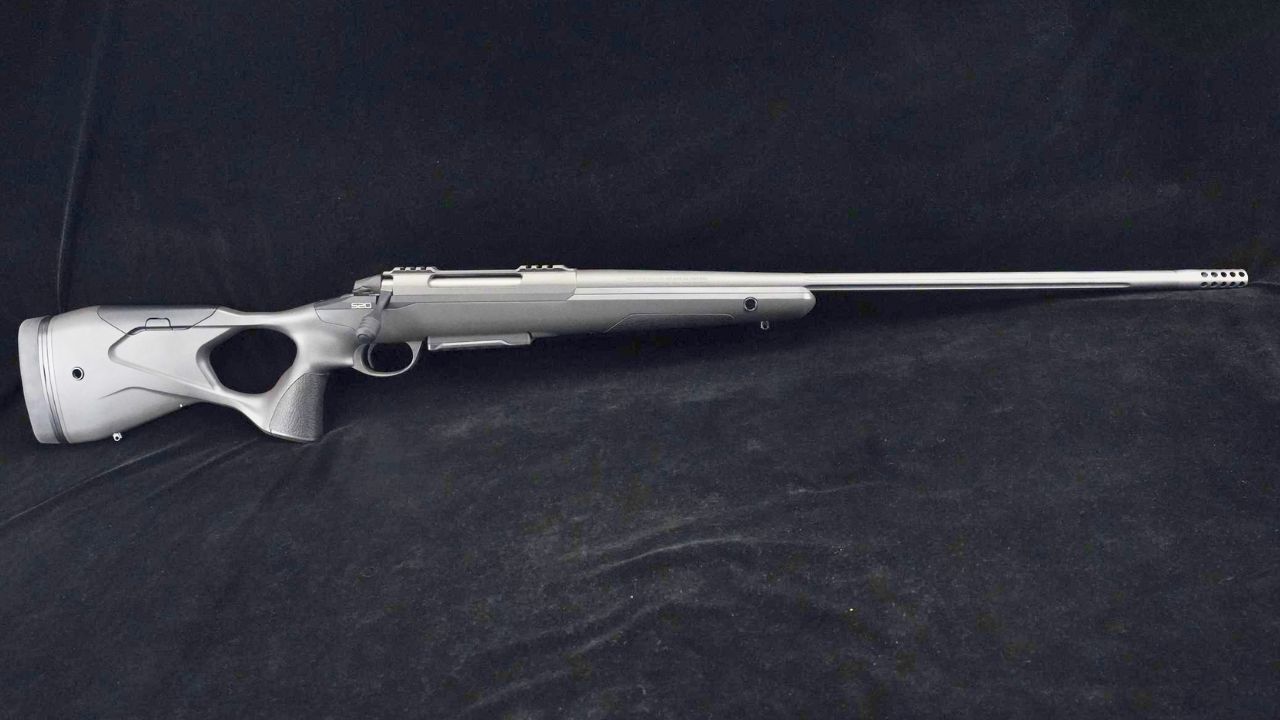
The Sako S20 caught criticism for being “too modern” and trying to bridge worlds. Some experts assumed it would feel awkward, like a rifle designed by committee to please everyone and satisfy no one. Then shooters started spending real time behind it, and the rifle started winning people over with how shootable it is.
It’s comfortable in multiple positions, and that matters when you’re not always on a bench. The trigger and ergonomics help you stay honest, and the rifle tends to reward consistent fundamentals. It also holds up to hard use without feeling fragile. The S20 proved that modular and practical can exist in the same rifle, even if the traditionalists didn’t want to hear it.
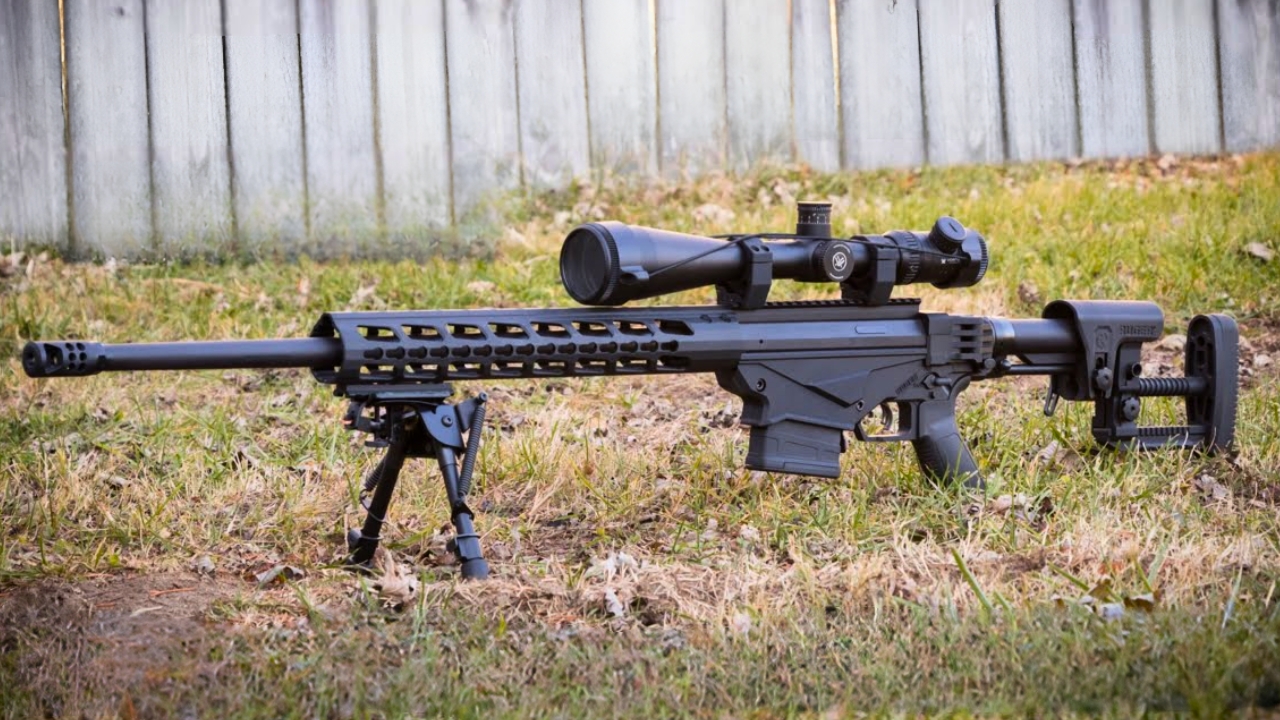
Ruger Precision Rifle

When the Ruger Precision Rifle hit the scene, a lot of experts treated it like a gimmick—too heavy, too tactical, too weird to matter. Then it started putting long-range accuracy within reach of shooters who weren’t spending custom-rifle money, and the “toy” label didn’t survive many range days.
The RPR changed expectations because it worked. It let regular shooters learn fundamentals at distance, tune fit, and actually see progress without dumping a paycheck into a build. It also proved that a factory rifle could show up ready to shoot seriously at range. For a lot of people, it became the rifle that made them better, and that’s the kind of performance that shuts down smug predictions fast.
Smith & Wesson M&P15 Sport II
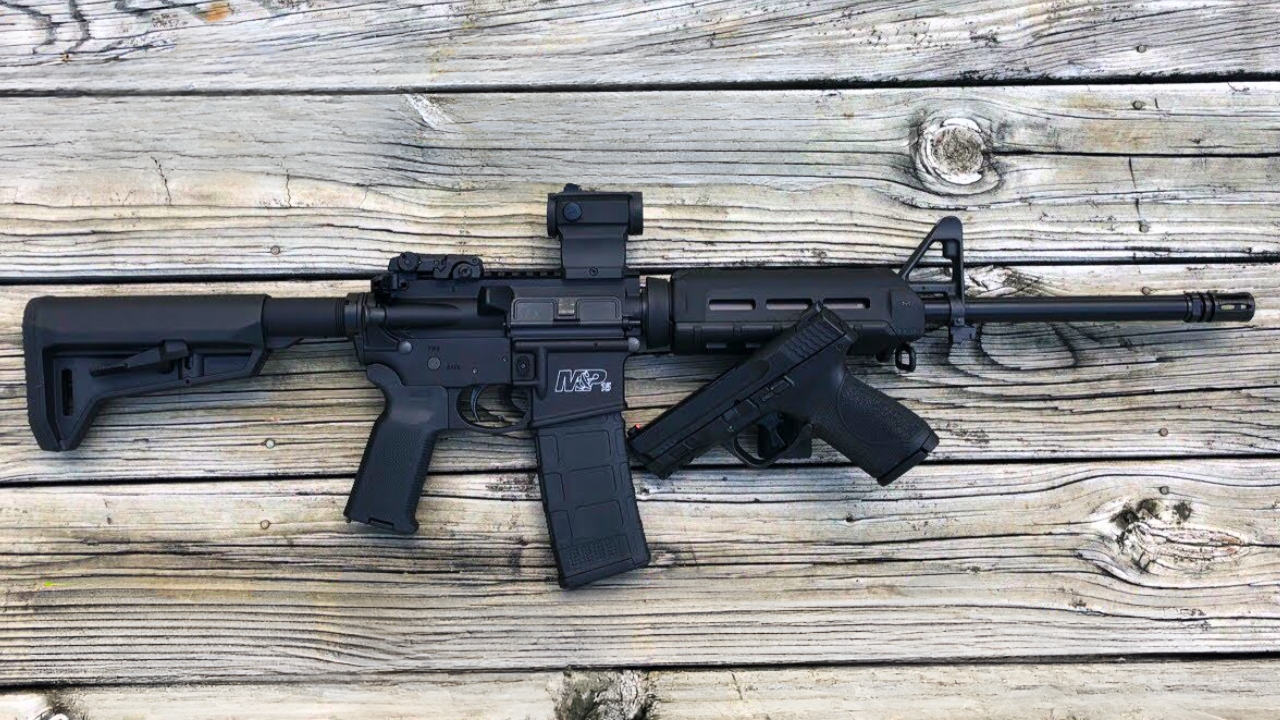
Budget ARs got mocked for years as “range rentals” that would loosen up and quit. The M&P15 Sport II kept proving that a basic AR can be reliable and accurate enough for serious training, predator work, and general use. It didn’t win points with flash, but it won points where you feel it—round count.
The Sport II also surprises people with how easy it is to shoot well. Low recoil lets you stay on target, the ergonomics fit almost anyone, and the platform encourages practice. That combination turns beginners into competent shooters faster than many bolt-gun purists like to admit. It proved that “entry-level” can still mean dependable, especially when the rifle gets used hard instead of judged online.
Winchester XPR

Winchester’s name carries history, which sometimes makes experts extra harsh on anything that looks budget-minded. The XPR got written off by some as a cost-cut version of a legacy brand. Then hunters started discovering that the rifle flat-out shoots, carries well, and doesn’t act temperamental when the season turns ugly.
The XPR’s strength is that it feels like a tool, not a fashion statement. The action is straightforward, the trigger is workable, and the rifle tends to hold its zero without constant fussing. It surprised people who expected nostalgia and got performance instead. The XPR proved that a big-name rollmark can still deliver value, even when the rifle isn’t dressed up to impress a gun counter crowd.
Tikka T3x Lite

Some experts treated the Tikka’s popularity like a trend—too many people saying the same thing, too much internet momentum. Then shooters kept buying them, hunting with them, and coming back with the same report: the rifle is easy to shoot well, and it stays that way over time. The performance refused to fade.
The T3x Lite wins because it removes friction. The bolt cycles smoothly, the trigger helps you break clean shots, and the rifle tends to shoot well with a wide range of factory ammo. It’s light enough to carry without complaint, but still shootable if you choose a sensible cartridge. It proved that sometimes the “common answer” is common because it’s correct, not because people are repeating each other.
Like The Avid Outdoorsman’s content? Subscribe to our newsletter so you never miss an article.
Here’s more from us: