Photo credit: The Avid Outdoorsman
The buck did what every bowhunter hopes a buck will do.
He stepped in close.
Broadside.
In range.
The kind of setup that should make the shot feel simple, at least on paper. The deer is there, the angle is good, the hunter has practiced for this, and the whole morning suddenly narrows down to one quiet draw and one clean release.
Then the release fired early.
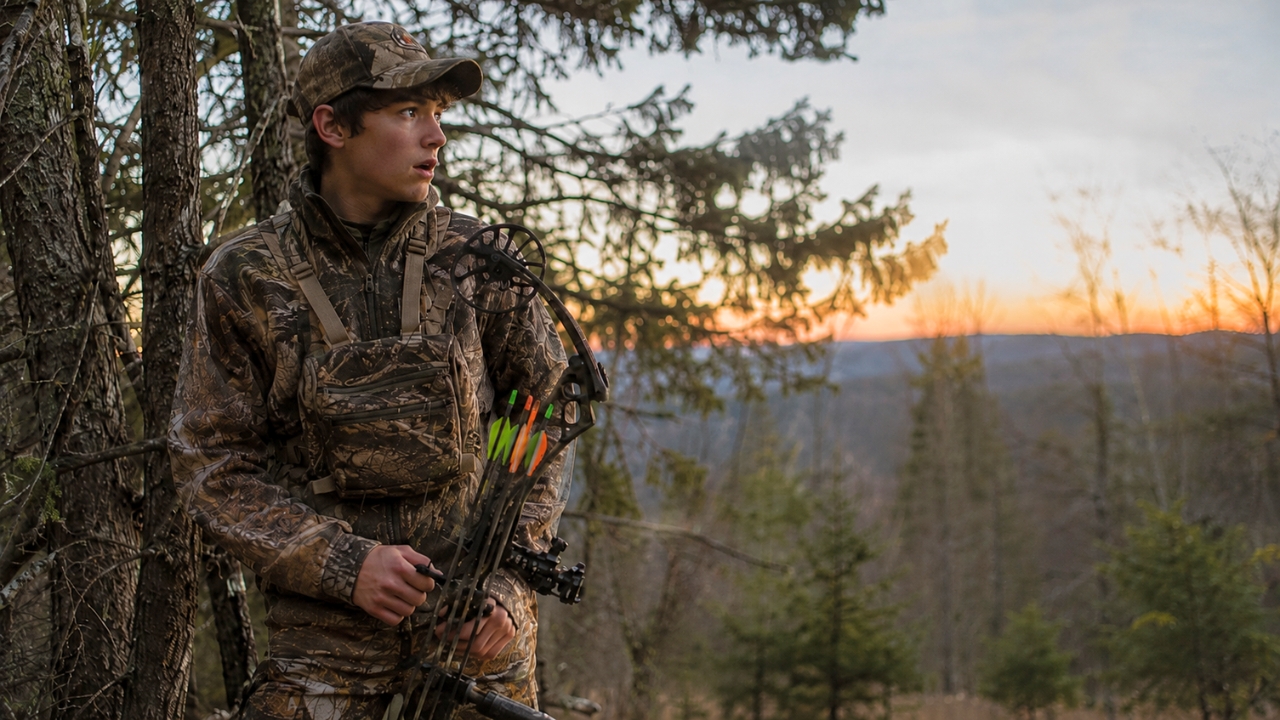
In a Reddit thread, hunters were sharing rookie mistakes from the field, and one story involved a teen hunter who bumped his release while drawing on a broadside buck. Instead of sending the arrow into the deer, the shot dumped almost immediately, and the arrow flopped only a few feet from the stand.
That is the kind of miss that makes a person want to climb down and walk home without speaking.
A normal miss already hurts. You replay the yardage, the pin, the anchor, the deer’s reaction, and the moment the arrow left the string. But an arrow that barely goes anywhere? That is a different kind of embarrassment. It means the chance was over before the shot even really existed.
The buck was there. The hunter was there. The bow was there.
The arrow just wasn’t.
Bowhunting is full of little steps that have to happen in order. Clip the release. Get the grip right. Draw smoothly. Anchor. Settle the pin. Pick a spot. Squeeze through the shot. Follow through. None of those steps sound complicated in the yard, but with a live buck standing broadside, every piece of that routine can suddenly feel fragile.
For a younger hunter, that pressure is even bigger.
A broadside buck is not a foam target. It moves. It looks around. It can leave. It can turn. It can catch one bad movement and be gone before the hunter even gets anchored. So the hunter is trying to move slowly and quickly at the same time, which is about as natural as it sounds.
That tension is where mistakes happen.
Bumping a release mid-draw is one of those mistakes that is easy to imagine and painful to experience. Maybe the finger was too close. Maybe the trigger was too light. Maybe the hunter clipped in and started the draw with too much tension in the wrong place. Maybe nerves made his hands clumsy. Maybe he was rushing because the buck was already broadside and he felt like the window was closing.
Whatever caused it, the result was immediate.
The arrow came off with no real power and flopped near the stand.
The buck probably did what deer do when something weird happens nearby. Maybe he jumped. Maybe he bounded off. Maybe he stood there for one cruel second trying to decide what he had just witnessed. Either way, the shot opportunity was gone, and the hunter was left with the kind of silence that feels louder than yelling.
That is a hard lesson, but it is also a clean one.
Nobody was hurt. The deer was not wounded. There was no blood trail to follow, no long night of regret, no questionable hit to replay. It was embarrassing, yes, but the deer walked away fine. For a rookie mistake, that is about the best version of a bad outcome.
The lesson is all in the process.
A bowhunter needs to keep the trigger finger off the release trigger until the shot is actually ready to happen. That sounds basic, but buck fever can make basic things slippery. If the release is set too light, if the hunter hooks his finger early, or if he draws while already pressing into the trigger, a premature shot can happen before he ever reaches anchor.
That is why practice should include the draw, not just the shot.
A lot of hunters practice by standing comfortably, drawing smoothly, settling in, and shooting at a relaxed target. That is useful, but the woods rarely feels that clean. Practice should also include drawing without touching the trigger. Drawing from awkward seated positions. Drawing slowly. Letting down safely. Holding at full draw. Building a habit where the finger does not move to the trigger until the pin is settled and the shot is intentional.
The release itself matters too.
A trigger set too light can be risky for a newer hunter or anyone who gets jumpy under pressure. Some hunters prefer a heavier trigger, a thumb button, a hinge, or another release style depending on their experience and target panic tendencies. The exact gear is personal, but the release has to match the shooter’s control level.
A release that surprises you in the yard can betray you in the stand.
This teen hunter learned that in front of a live buck.
And that is the kind of lesson that sticks. Every future draw probably felt a little more deliberate after that. Every time he clipped in, he probably thought about where his finger was. Every time a deer stepped out, he had one more mental note: don’t touch the trigger until it’s time.
That is how young hunters get better.
Not by avoiding every mistake, but by surviving the harmless ones and tightening up before the next opportunity. The woods will expose weak spots in a hurry. This one was painful, but it was fixable.
The arrow only went three feet.
The lesson probably went a lot farther.
Commenters treated it like a painful but very normal rookie mistake.
Several hunters said buck fever can make your hands do things you would never do in practice. A live deer in range adds pressure, and younger hunters especially can rush the draw or get too close to the trigger too soon.
Others focused on release discipline. The finger should stay away from the trigger until the hunter is anchored, aimed, and ready to shoot. Drawing with pressure already on the trigger is asking for an early release.
A lot of practical advice came back to practice. Draw slowly. Practice seated. Practice letting down. Practice keeping the trigger finger clear until the pin is settled. The draw itself needs reps, not just the release of the arrow.
Some commenters also pointed out that a clean miss is far better than a wounded deer. The arrow flopping near the stand was embarrassing, but the buck left unharmed, which gave the hunter a lesson without a tracking nightmare.
The main takeaway was simple: bowhunting nerves are real, and the release trigger deserves as much discipline as any firearm trigger.