Photo credit: Guns And The Gospel/Youtube
Everybody’s got that “nightstand gun” idea in their head. Something close, something comforting, something you don’t have to think about at 2 a.m. The problem is, plenty of guns that seem like a perfect bedside pick are the exact ones that show their weak spots when you’re half awake, your hands are cold, and your brain is trying to catch up to what your ears just heard.
This isn’t about brand wars or internet arguments. It’s about the real-world stuff that makes a gun stumble right when you’re counting on it: finicky magazines, hard-to-run controls, ammo sensitivity, gimmicky safeties, weird ergonomics, and “cheap enough” build quality that doesn’t stay tight after a couple range trips. Here are 20 specific models I’ve seen let folks down or make life harder than it needs to be when the stakes are high.
1. Taurus PT111 Millennium G2
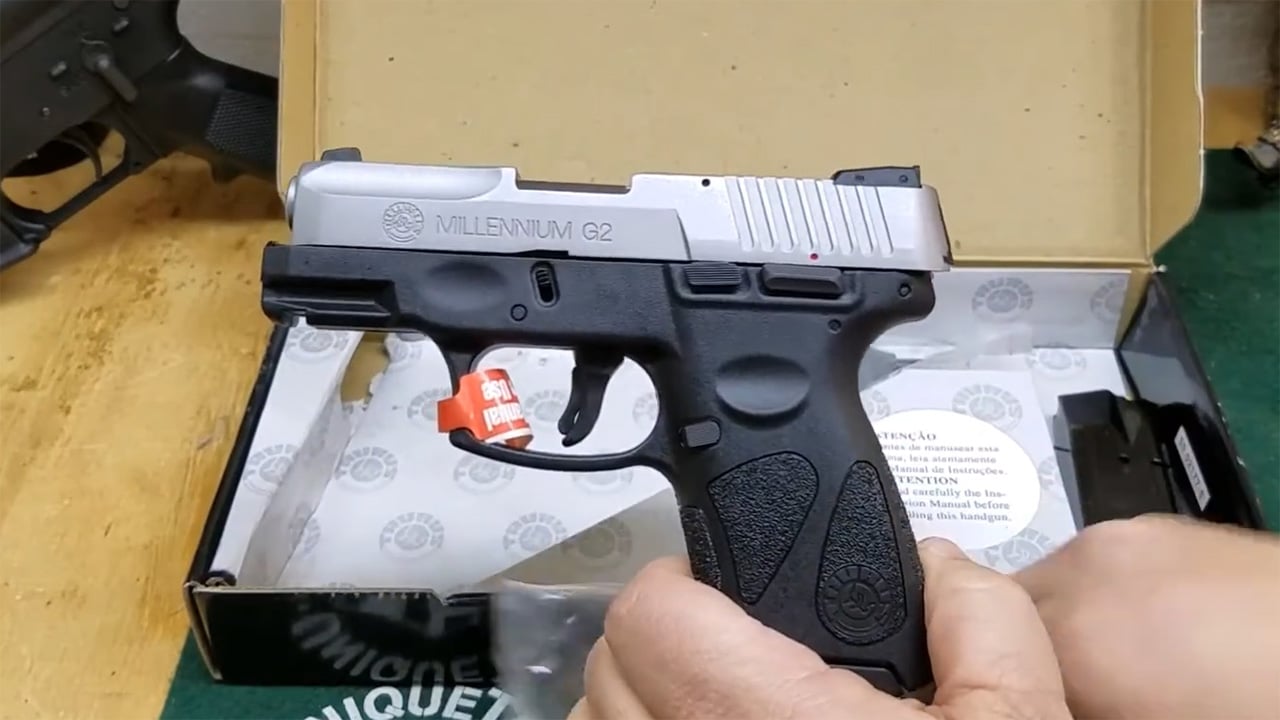
These sold by the truckload because the price looked right and the size felt “just about perfect.” And some of them run fine. The issue is the inconsistency—one will eat anything, the next will start coughing when you feed it certain hollow points or when the magazine springs get tired.
A bedside gun isn’t the place for “mostly reliable.” If your plan is to buy two extra mags and forget about it for three years, this is one that has a habit of reminding you that upkeep and testing weren’t optional.
2. SCCY CPX-2

The CPX-2 is one of those pistols folks grab because it’s affordable and the manual safety makes them feel better. Then they get on the range and realize the trigger is long, heavy, and stacky, especially under stress.
That long pull can be safe, sure. It can also be a miss waiting to happen if you don’t practice. And a bedside gun you can’t run cleanly and quickly is not doing you any favors.
3. Hi-Point C9

I get it. They’re cheap, they’re chunky, and there are plenty of videos of them running longer than you’d think. But the magazines can be hit-or-miss, the ergonomics are clumsy, and the controls feel like they were designed by a committee that never shot under pressure.
If it’s all you can get, it’s all you can get. Still, when you’re talking about the one gun you might need in a panic, “good for the money” is not the bar you want to live under.
4. Kel-Tec PF-9

On paper, slim and light sounds perfect. In real life, the PF-9 can be snappy, picky, and unpleasant enough that owners stop practicing with it. That’s where the failure starts—before the gun even malfunctions.
I’ve also seen PF-9s that run great until they get dry or dirty, then the little issues stack up. A bedside gun should be forgiving. This one demands attention.
5. Kimber Solo
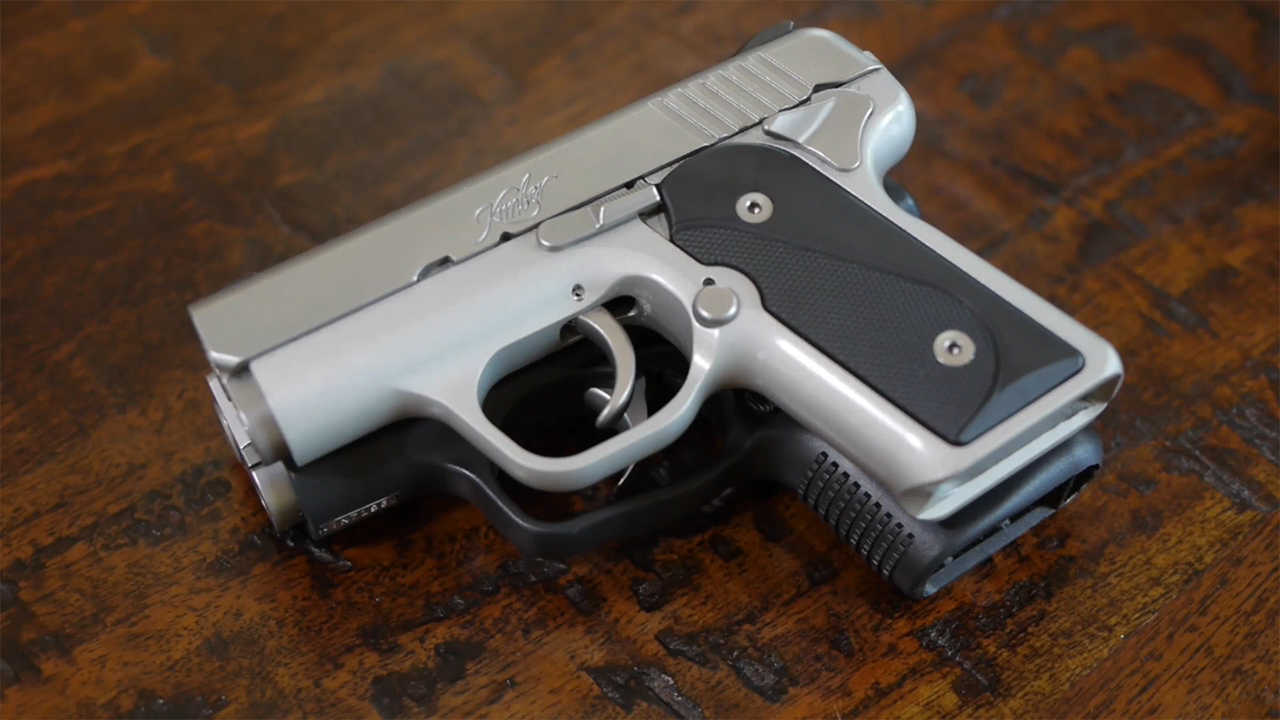
This was supposed to be the classy little 9mm that carried like a dream. Too many of them ended up being ammo-sensitive to the point of absurdity, and the magazines weren’t always the cure.
If a pistol needs a specific power level and a specific load to behave, that’s a range toy, not a nightstand answer. The “fancy” part doesn’t help you when it chokes.
6. Remington R51 (Gen 1)

The R51 comeback story was exciting until the first generation hit real hands. Feeding issues, stoppages, and rough fit showed up fast, and it earned a reputation that stuck.
A bedside gun has to be boringly dependable. The Gen 1 R51 is the opposite of boring. That one hurts, because the concept was cool.
7. Sig Sauer P938 (with marginal grip technique)

I like the little P938, but it’s not a “set it and forget it” pistol for everybody. Small guns magnify user error, and this one can punish sloppy grip and limp-wristing with the kind of malfunction that makes you feel real alone in the dark.
Add in the fact it’s a micro 1911-style manual of arms, and you’ve got a pistol that demands consistent practice. If you’re not running it often, it’s easy to fumble.
8. Walther P22
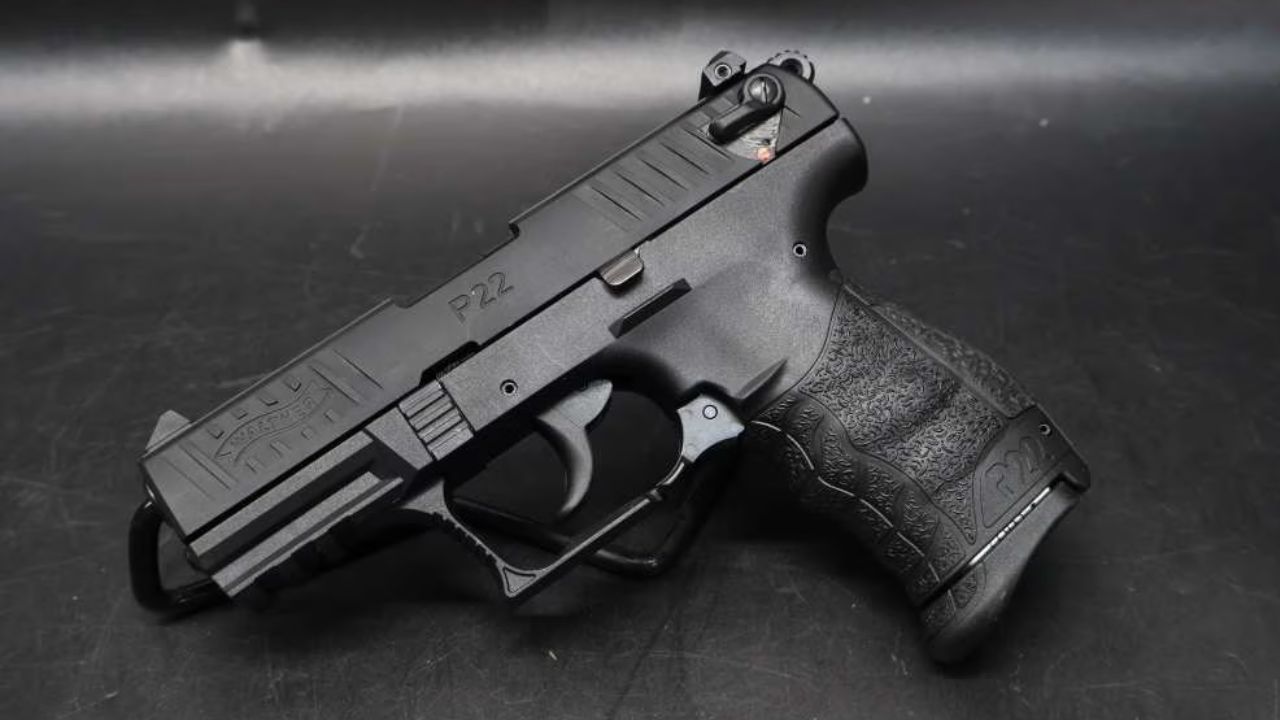
Yes, it’s .22 LR. And yes, plenty of folks stick a .22 by the bed because recoil is easy and the gun is “fun.” The problem is rimfire reliability, especially in bulk ammo, and the P22 has a long history of being picky.
Rimfire can work, but it’s not what I’d stake my life on unless there’s a very specific reason. If you go this route, you’d better prove your exact ammo runs. Most folks don’t.
9. Smith & Wesson M&P15-22

Same issue, different platform. The 15-22 is a great trainer, and it’s a blast on steel. But as a bedside option, you’re still betting your moment on rimfire ignition and rimfire feeding.
Also, a lot of these live a rough life: cheap ammo, not much cleaning, and a pile of accessories. They can get finicky fast if neglected.
10. Heritage Rough Rider
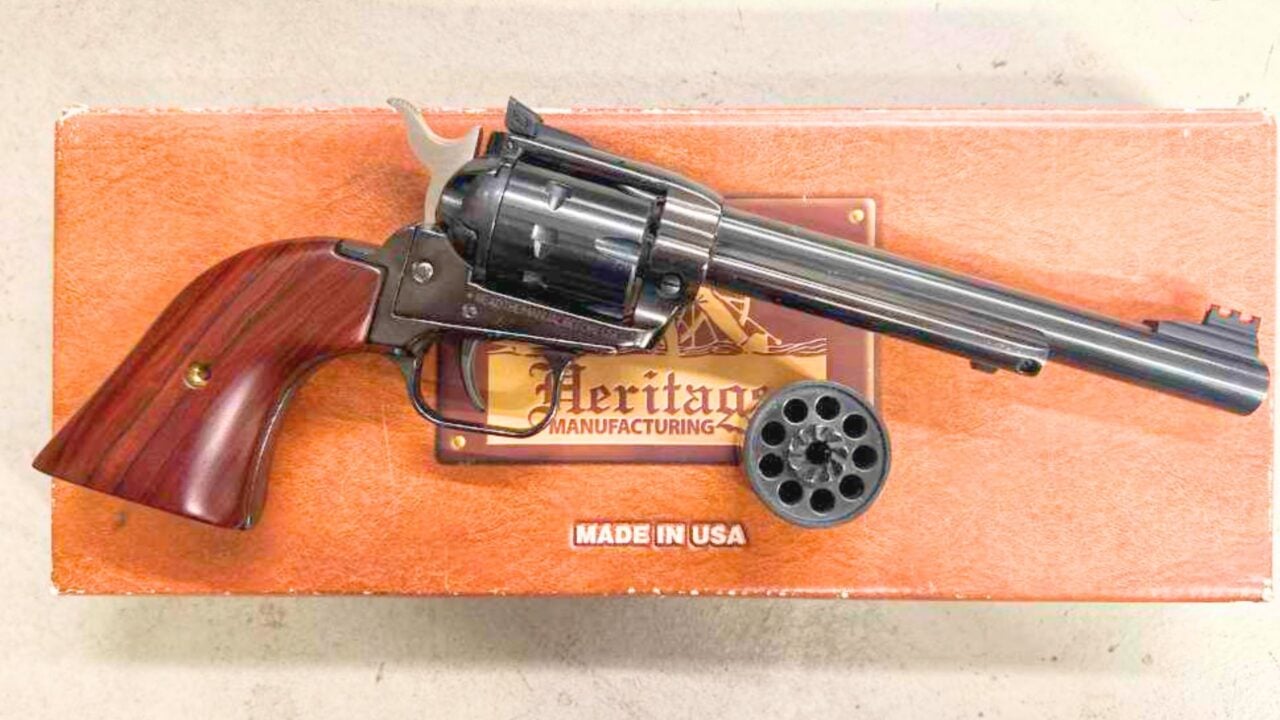
A single-action .22 revolver is about as “old west” as it gets. It’s also slow to run, slow to reload, and depends on rimfire ammo. That’s three strikes before we even talk about being half asleep.
I’ve got nothing against plinking with one. Beside the bed, it’s a comfort object more than a serious tool.
11. Ruger LCP (original)
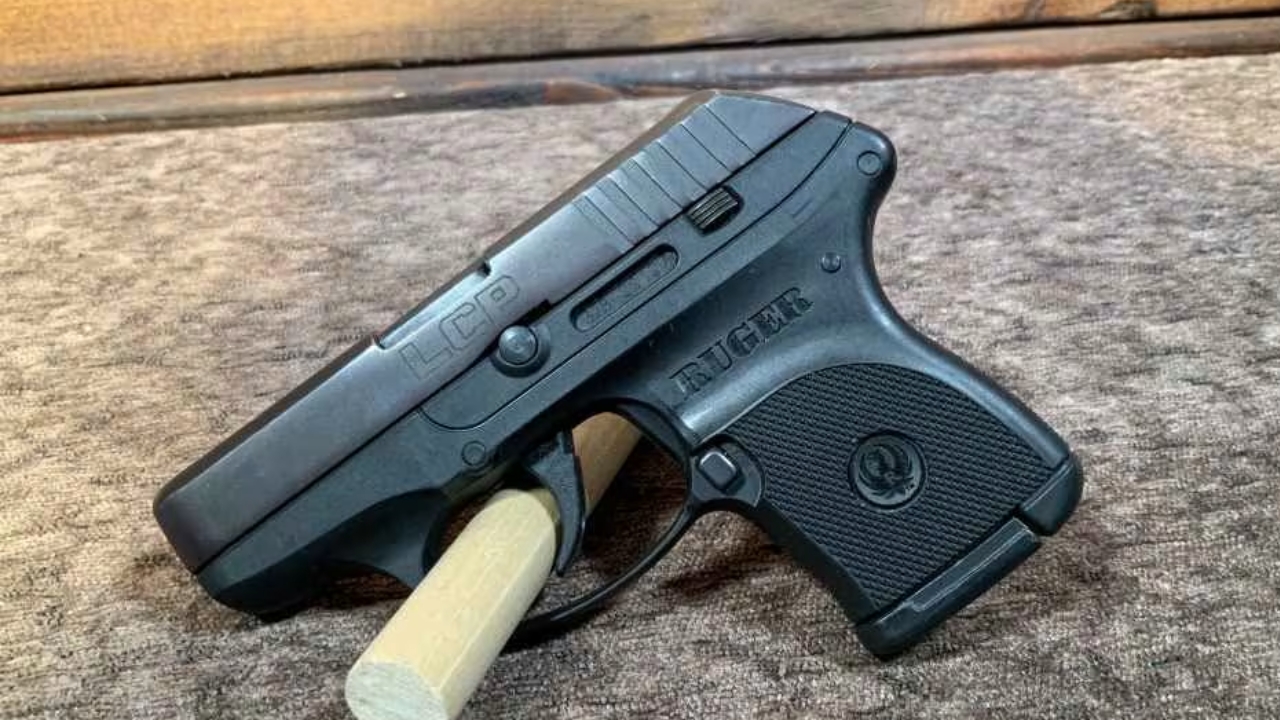
The original LCP filled pockets for a reason, but tiny .380s are notorious for being hard to shoot well. The sights are minimal, the grip is minimal, and the gun moves around in your hand if you don’t clamp down.
As a carry gun, it’s a “better than nothing” that you actually carry. As a bedside gun, you can do better, because you’re not limited by pocket size.
12. North American Arms .22 Magnum Mini-Revolver
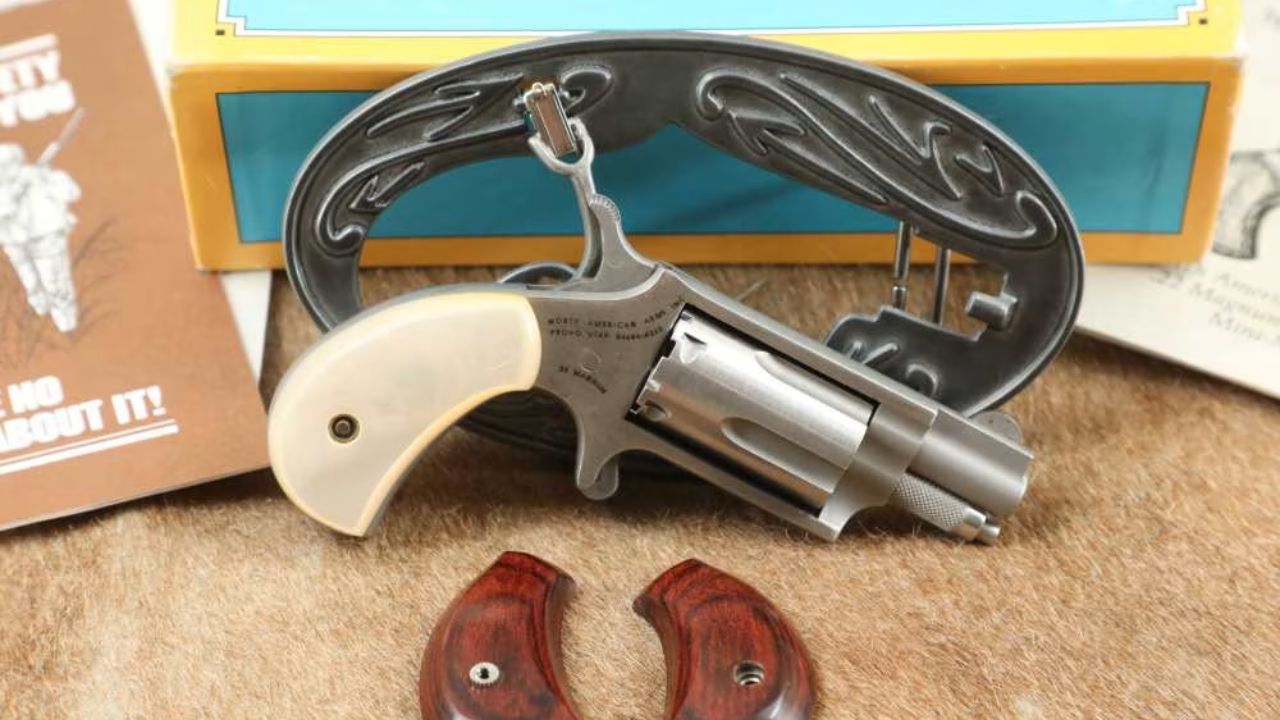
These little minis are neat, and they disappear anywhere. They’re also slow to reload and not exactly friendly to shoot. Under stress, with adrenaline, you’re asking a lot from tiny grips and tiny controls.
It’s not that they can’t work. It’s that everything about them fights speed and simplicity.
13. Taurus Judge (2.5-inch)
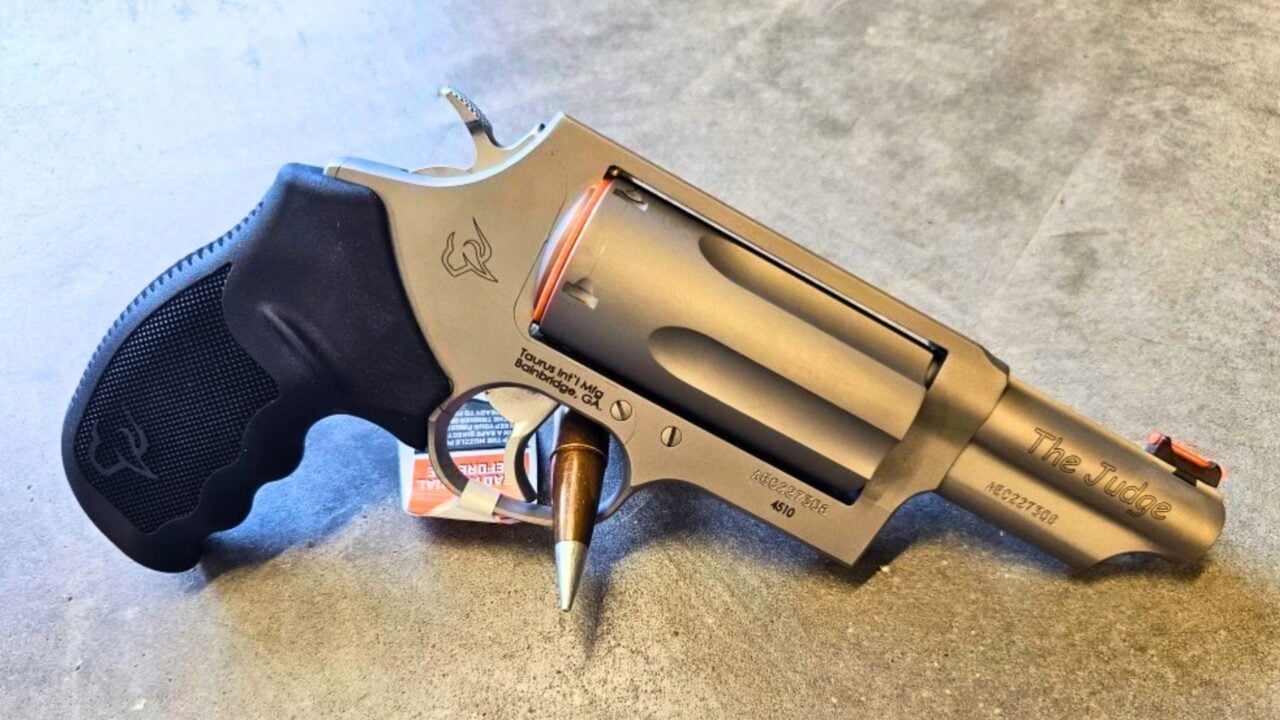
The Judge sells a dream: shotgun pattern plus revolver simplicity. In reality, short-barrel .410 loads don’t perform like folks imagine, and the recoil and muzzle blast in a small room is nasty.
It also tends to make owners lazy about practice because they think the pattern does the work. It doesn’t. You still have to aim, and you still have to manage recoil.
14. Charter Arms Bulldog (.44 Special)
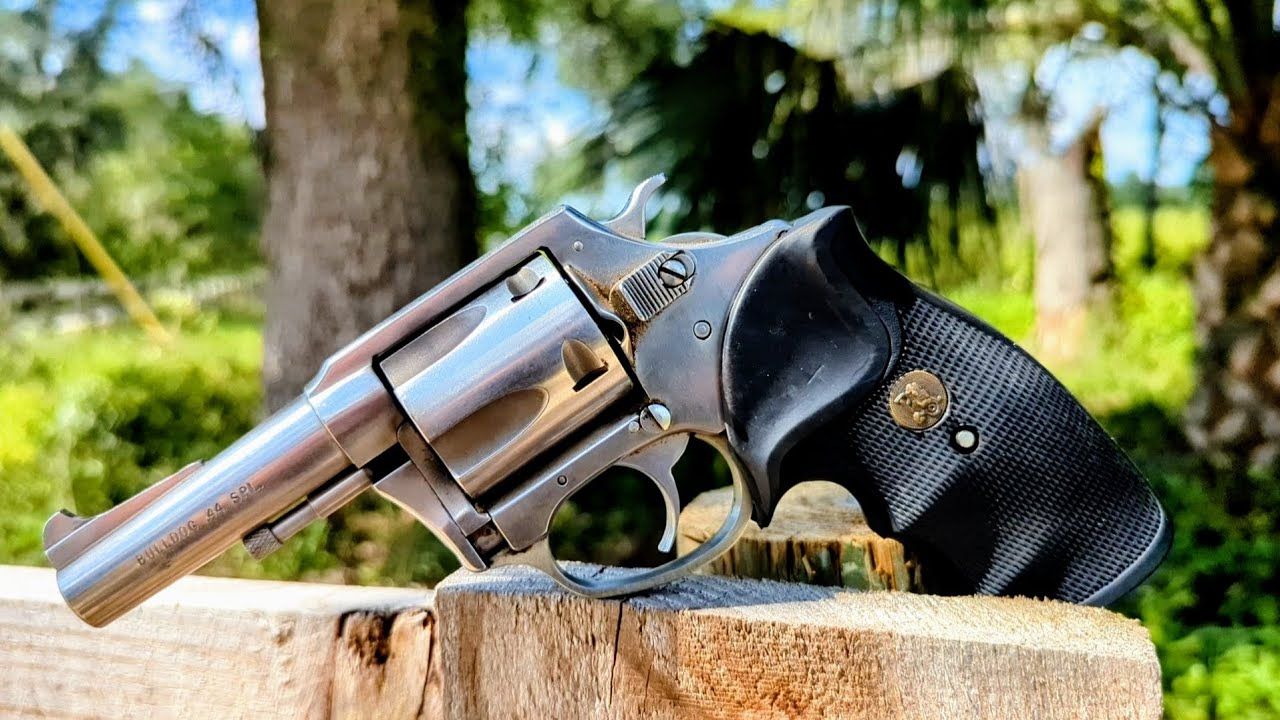
The Bulldog is light, compact, and throws a serious bullet. It can also be a handful, and I’ve seen enough spotty QC stories over the years that I don’t automatically trust one without a lot of personal trigger time.
Light revolvers in big calibers sound tough until you actually have to run them fast. If you’re flinching, you’re missing. Simple as that.
15. Rock Island Armory 1911 GI (out of the box, unproven mags)
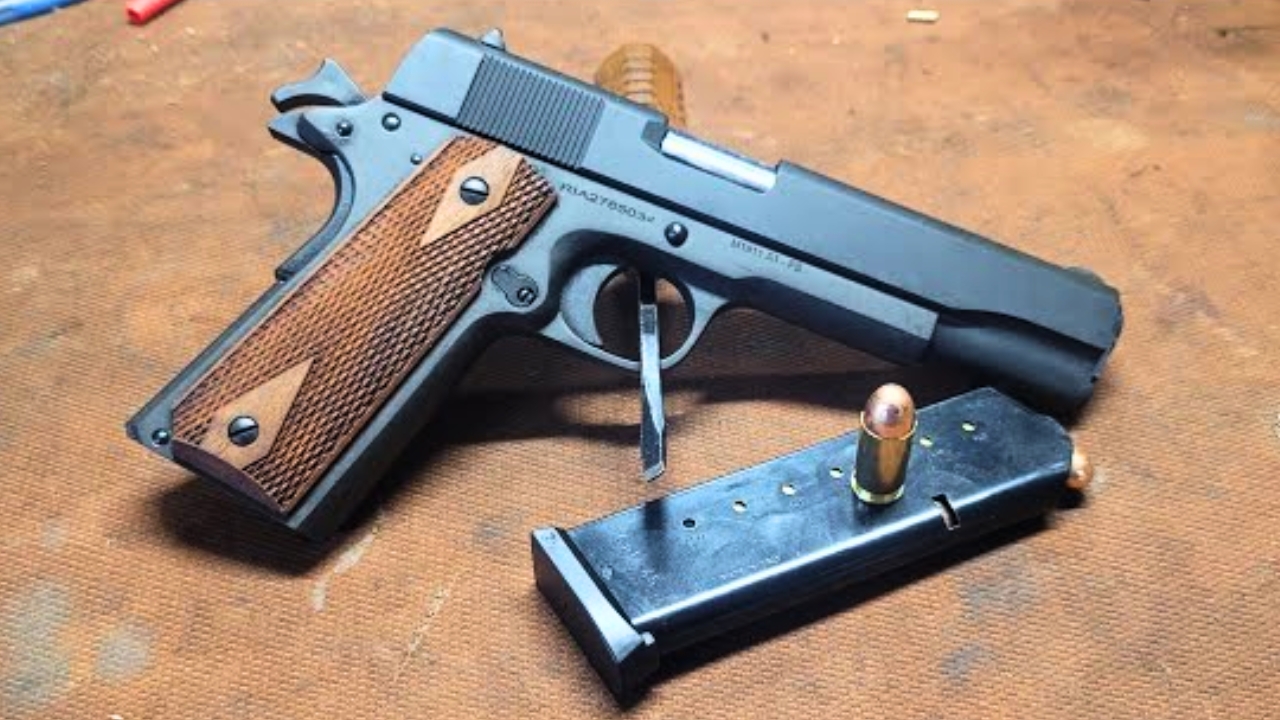
Here’s where folks get mad, because plenty of RIA 1911s run fine. The trap is that 1911 reliability can come down to magazines, extractor tension, and ammo profile, and a lot of owners never sort that out.
A GI-style 1911 with bargain mags and random hollow points is a classic recipe for a bad surprise. If you insist on a 1911 by the bed, you owe it a real reliability test and good mags.
16. Springfield Armory XD-S (early .45 models)

The XD-S is easy to carry and points naturally for many shooters. The early .45 versions, though, are snappy enough that some folks ride the grip safety or lose their grip consistency under recoil.
When a gun depends on a perfect hand position to function every single time, it’s not ideal for groggy, half-awake work. If it’s your pick, practice like it matters.
17. Mossberg 590 Shockwave
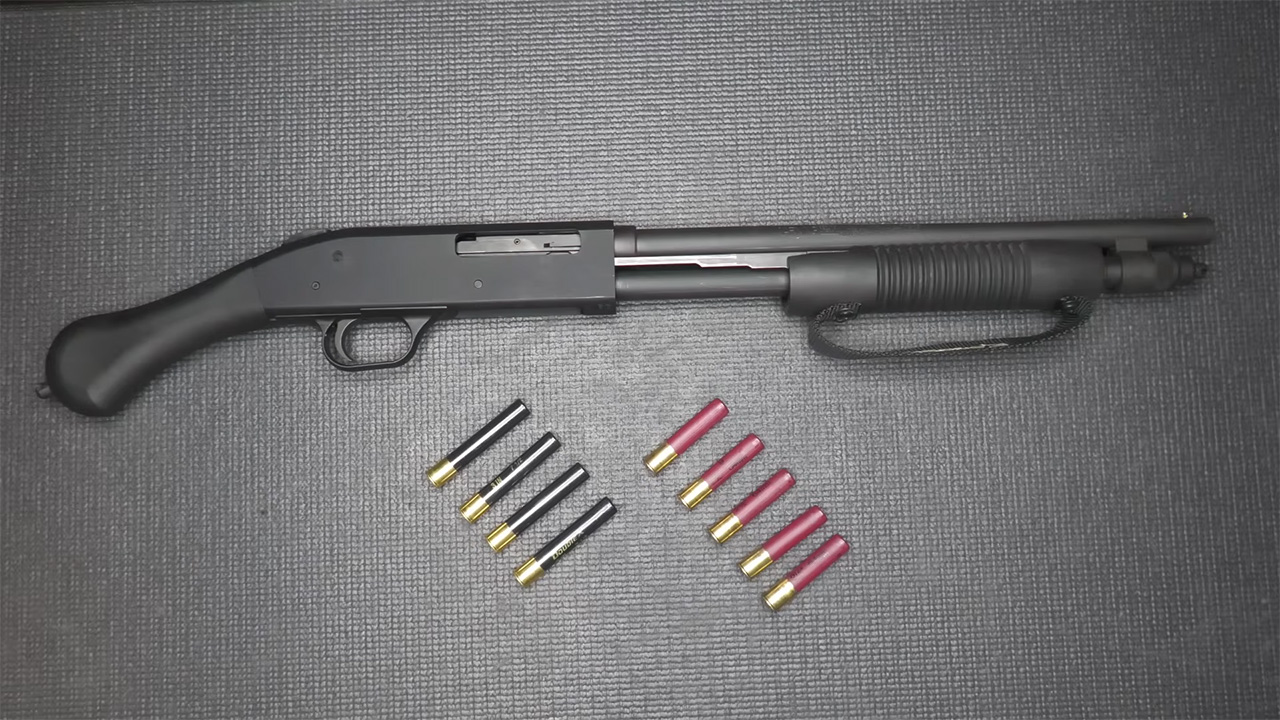
These are everywhere now. They look tough, and the idea is “shotgun power in a small package.” The reality is they’re harder to aim, harder to control, and easier to short-stroke under stress than a stocked shotgun.
In a home, you want hits and you want control. A Shockwave can be run well, but it takes more work than most folks admit, especially if they bought it as a novelty.
18. Remington 870 (older, neglected Express models)

The 870 is a classic, and a good one is hard to beat. But I’ve seen more than a few older Express guns that sat in a closet, picked up surface rust, and developed that rough chamber issue that makes extraction sticky with certain shells.
When a pump starts hanging up, people panic and yank harder, then short-stroke the next round. If your 870 is your bedside plan, keep it clean, keep it lightly lubed, and actually run the ammo you’ll keep in it.
19. Ruger SR9 (with worn magazines)
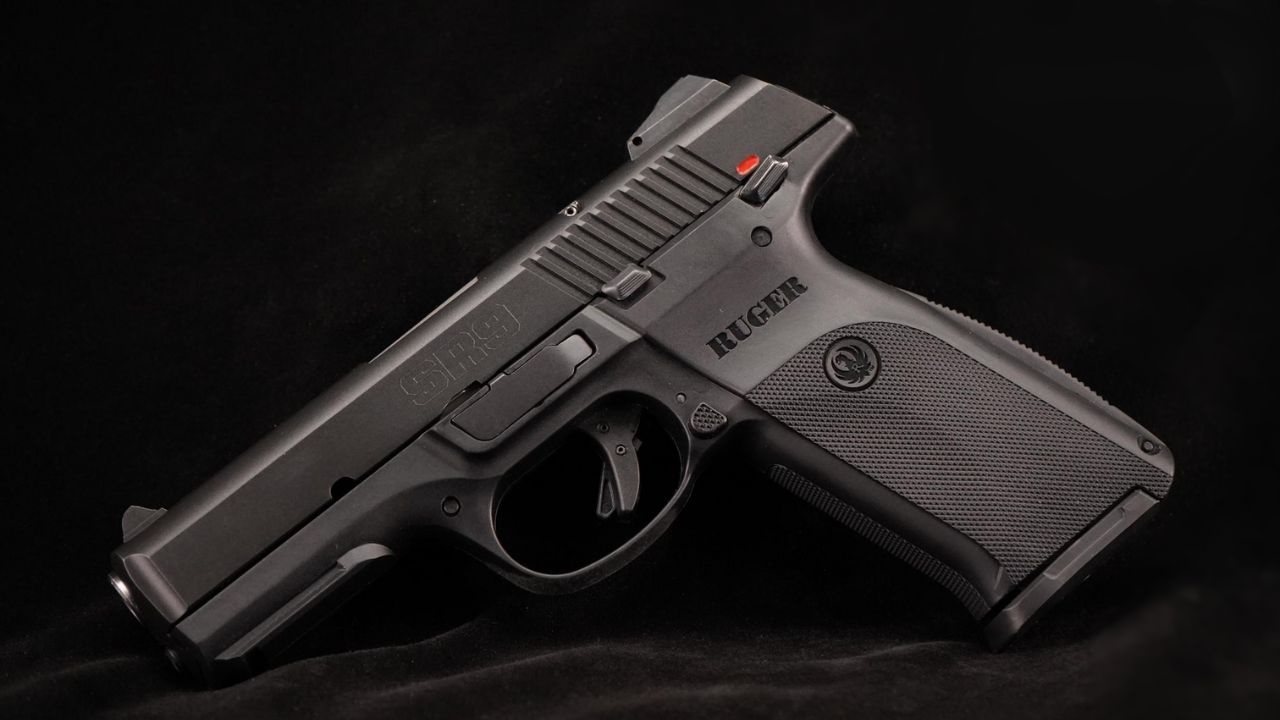
The SR9 is thin, points nicely, and generally has a good reputation. The failure point I’ve seen is tired magazines—especially when folks load them and leave them loaded forever, then act surprised when feeding gets weird.
Magazines are the weak link in most semi-autos. A bedside gun that’s never inspected is a bedside problem waiting to happen.
20. Glock 19 (with aftermarket trigger parts)
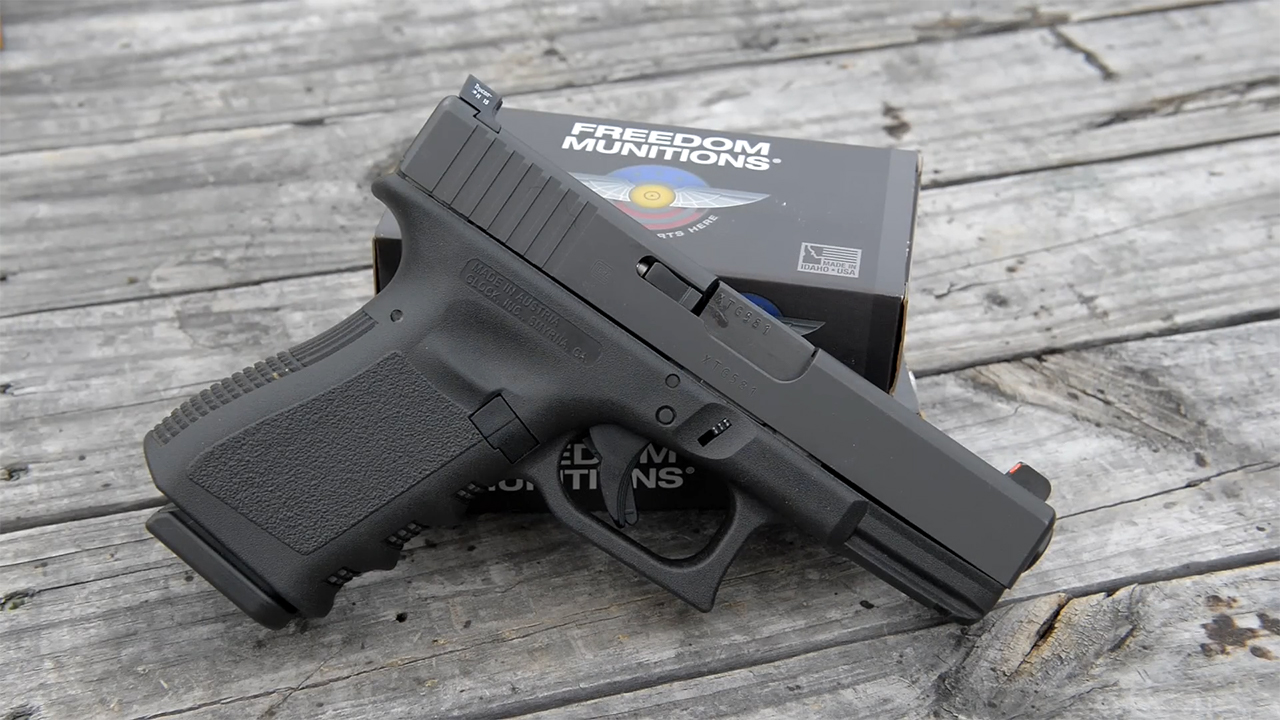
Out of the box, the Glock 19 is about as close to “default home defense pistol” as it gets. The version that fails people is the one that’s been “improved” with bargain connector kits, light springs, and a trigger job done by guesswork.
I’ve watched reliable guns turn into finicky guns because somebody wanted a softer break. If this is your nightstand pistol, keep it boring. Boring is good at 2 a.m.
If you noticed a theme, it’s not that every model here is junk. It’s that bedside use punishes gimmicks, neglect, and guns you don’t actually practice with. Pick something you can run half asleep, keep it maintained, stick with proven magazines and ammo, and don’t turn your home-defense setup into a science project.
Like The Avid Outdoorsman’s content? Subscribe to our newsletter so you never miss an article.
Here’s more from us: