Photo credit: JonBoy Militaria/YouTube
Collectible guns aren’t valuable because they’re old. They’re valuable because they’re specific. A certain maker, a certain variation, a certain year, a certain contract, a certain story. Condition matters, originality matters even more, and paperwork can move a price faster than any rumor on a forum.
If you’re chasing historic firearms, you’re really chasing patterns: limited production, military use with surviving examples, real frontier or wartime association, and small details collectors care about—matching numbers, correct parts, untouched finish, and honest wear that hasn’t been “fixed.” The hard part is learning what can’t be put back once it’s gone.
These are 15 classics that keep climbing because serious collectors keep competing for the same clean examples.
Colt Walker (1847)
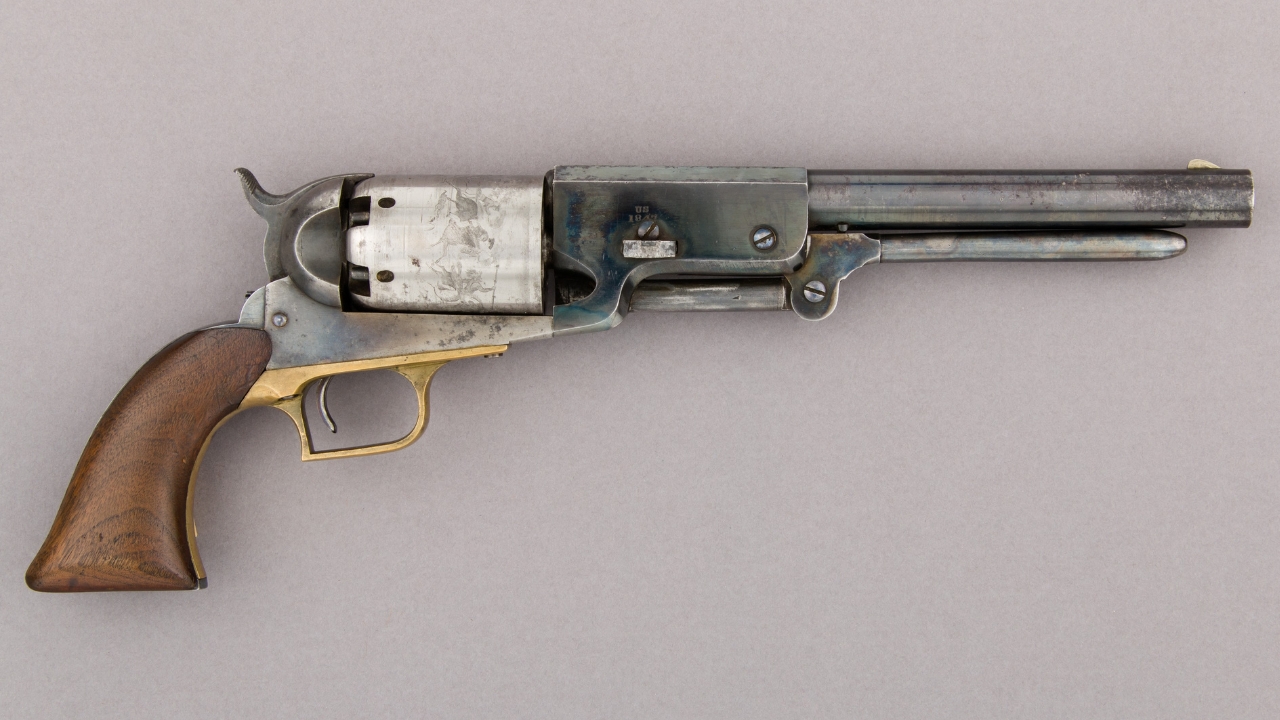
The Colt Walker is collectible because it’s the beginning of big-bore revolver history in American hands, and surviving examples are scarce. You’re looking at a martial sidearm built with a real military story behind it, not a later nostalgia piece. Condition, markings, and correctness matter a ton here.
Value jumps when you have crisp cartouches, strong original finish, and the right mechanical details that haven’t been “improved.” Replaced parts, refinishing, or mismatched components can cut collector demand fast. If you ever handle one, you’ll see why they’re chased: it’s large, serious, and tied directly to the era that made the revolver a practical fighting tool instead of a novelty.
Colt Single Action Army (First Generation)

A First Generation Colt Single Action Army is collectible because it’s the real article—19th century production, Colt fit and finish, and a model that became part of American history instead of a footnote. You’re paying for original configuration and surviving originality, not the general shape of the gun.
The money is in details: correct barrel length, correct sights, correct caliber markings, and finish that hasn’t been redone. Factory letters can add real value when they confirm a rare shipping destination or special order features. “Restored” examples may look sharp, but collectors tend to chase honest, original guns with clear markings and consistent wear. A clean First Gen SAA is never a lonely item at an auction.
Winchester Model 1873

The 1873 is collectible because it sits at the center of the American lever-gun story, and collectors can go deep on variations. Standard rifles have demand, but special features—octagon barrels, deluxe wood, uncommon calibers, factory engraving—are where the serious money starts showing up.
What makes an 1873 valuable is how unchanged it is. Original finish, correct sights, and unaltered screws and wood fit matter more than shine. A refinish can erase value even if it looks “better” to the untrained eye. Provenance helps, but condition and originality drive most pricing. If you want one that holds value, you’re hunting for crisp markings, correct parts, and a rifle that hasn’t been turned into someone’s idea of a “cowboy gun.”
Henry Rifle (1860)
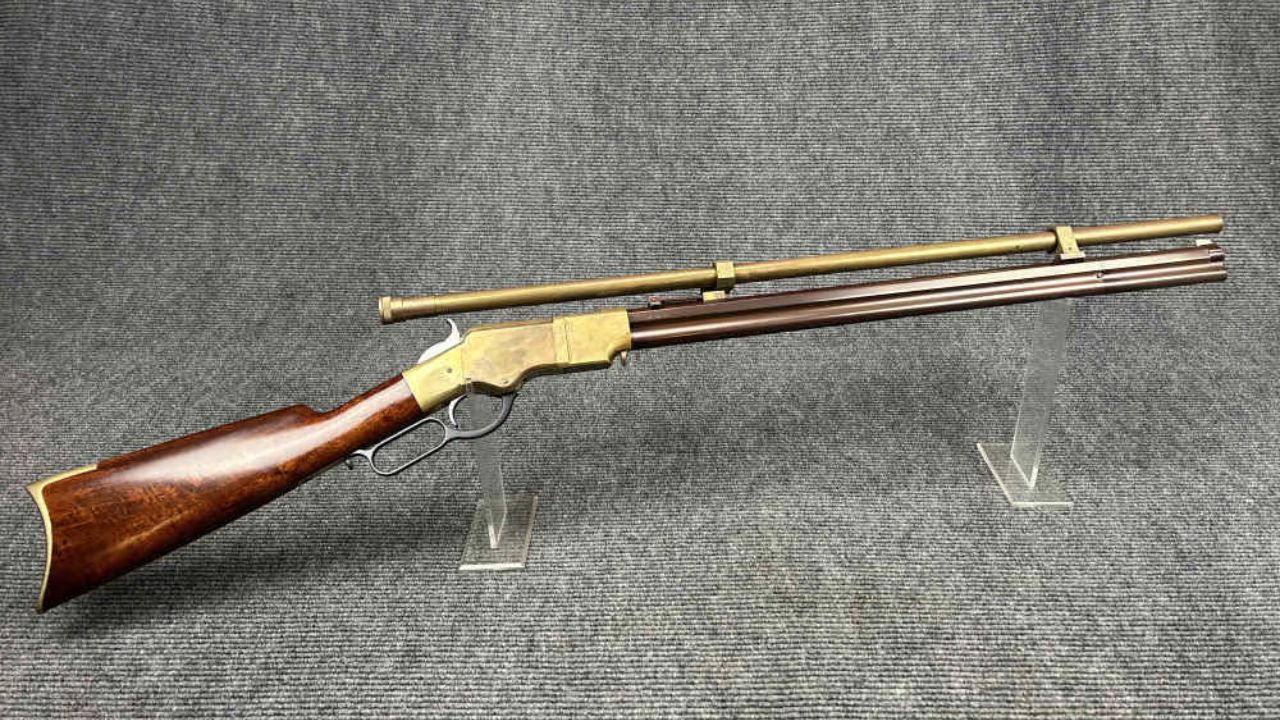
The 1860 Henry is collectible because it represents a leap forward—repeating firepower when most rifles were still single shots. It’s also collectible because original Henry rifles are not common, and demand comes from both Civil War collectors and lever-gun people who want the source material.
Value rises when the gun is correct, complete, and hasn’t been “cleaned up” into a different rifle. Original finish, proper markings, and an un-messed-with magazine tube and follower are big deals. Many have seen hard use, so truly clean examples bring real competition. You’re also paying for what it represents: the moment the repeating rifle became more than a concept. If you find one with sharp edges, strong markings, and consistent aging, you’re looking at a centerpiece, not a wall decoration.
Spencer Repeating Rifle (Model 1860)
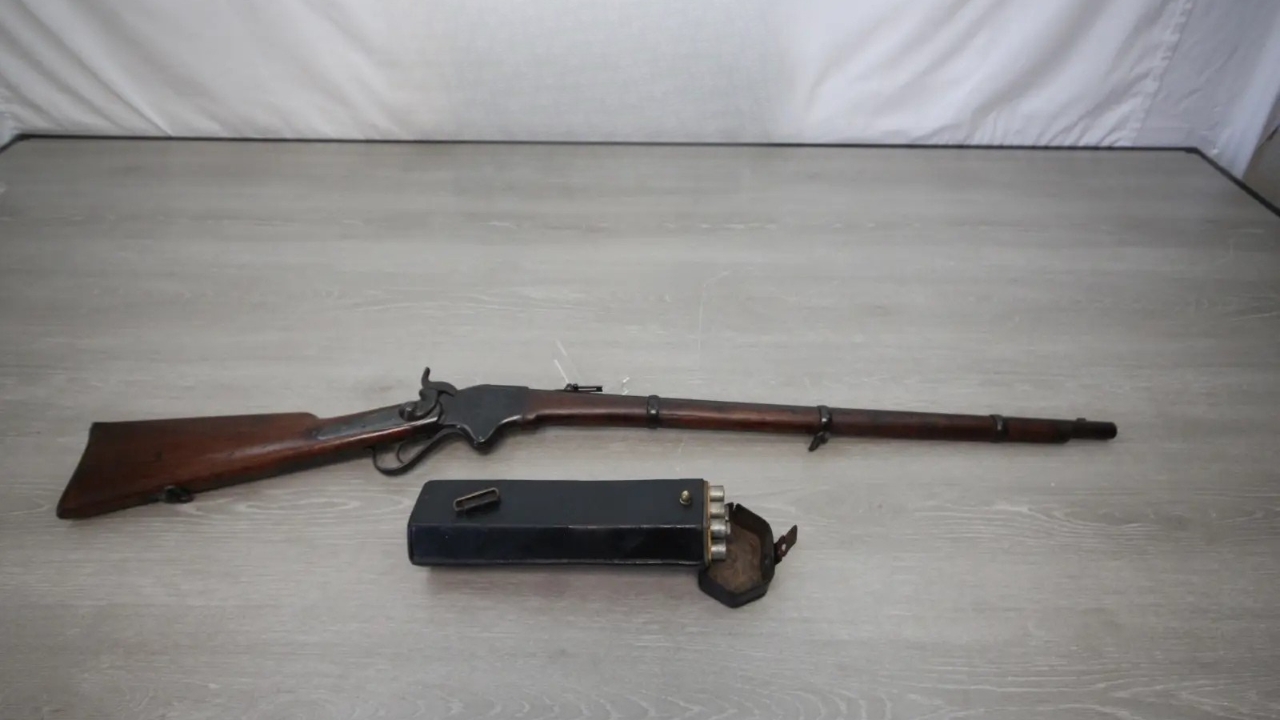
The Spencer is collectible because it’s a war-proven repeater that actually changed how units fought, and it still has a strong paper trail in the collecting world. Carbines and rifles both draw interest, and certain contracts and inspector marks can matter a lot.
What makes a Spencer valuable is matching originality and clear military acceptance marks. Collectors look for correct barrel markings, proper rear sights, and stocks that haven’t been sanded flat. Replacement parts and modern refinishing usually show up quickly to experienced eyes. A Spencer with crisp cartouches and honest finish has a kind of credibility you can’t fake. If you want one that stays desirable, prioritize correctness over cosmetics, and treat any “too perfect” example like it needs to prove itself.
Sharps 1874 (Buffalo Rifle Era)
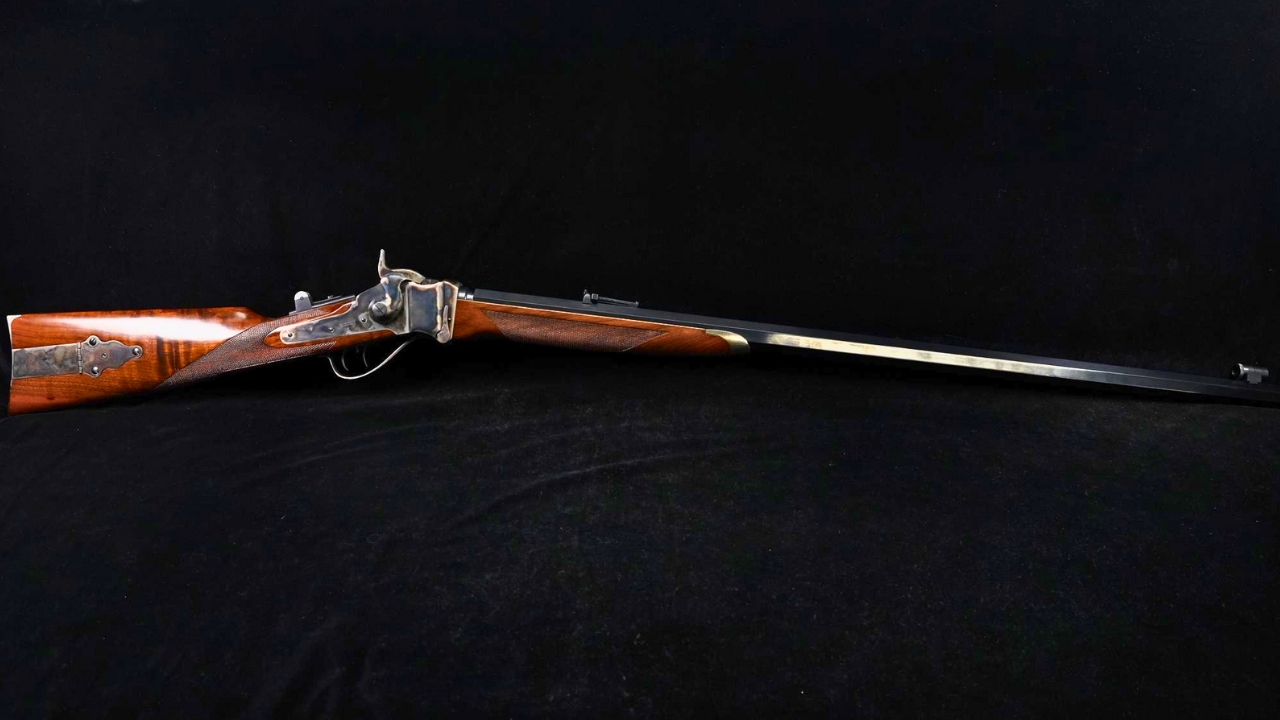
A Sharps 1874-pattern rifle is collectible because it’s tied to the buffalo hunting era and American long-range black powder culture. Originals with the right configuration are the ones that bring serious collector attention—especially rifles with period-correct features and documentation.
Value comes from authenticity: correct markings, correct sights, correct wood and metal fit, and a finish that hasn’t been modernized. Sharps rifles are also vulnerable to “parts guns” and creative restorations, so details matter. A rifle with original sights, an unaltered barrel, and clean, sharp markings stands out fast. You’re paying for an honest survivor from a hard-use era, and collectors know the difference between a real historic Sharps and a later rifle wearing a famous name.
Springfield Model 1873 “Trapdoor”

The Trapdoor Springfield is collectible because it bridges the gap between muzzleloaders and modern rifles in U.S. service, and it has a long list of variations that collectors chase. Some are common, but specific configurations, early features, and documented issue history can push value quickly.
Condition and correctness drive pricing. Original finish, a strong cartouche on the stock, and an unaltered rear sight are big. Many Trapdoors were sporterized, cut down, or rebuilt, so intact rifles stand out. You’re also looking for sharp inspector marks and parts that make sense together, not a mix built from bins. A clean Trapdoor with honest wear is an approachable historic rifle that still carries real collector weight, especially when it hasn’t been “improved” into something it never was.
Springfield M1903 (Correct, Unmessed-With Examples)
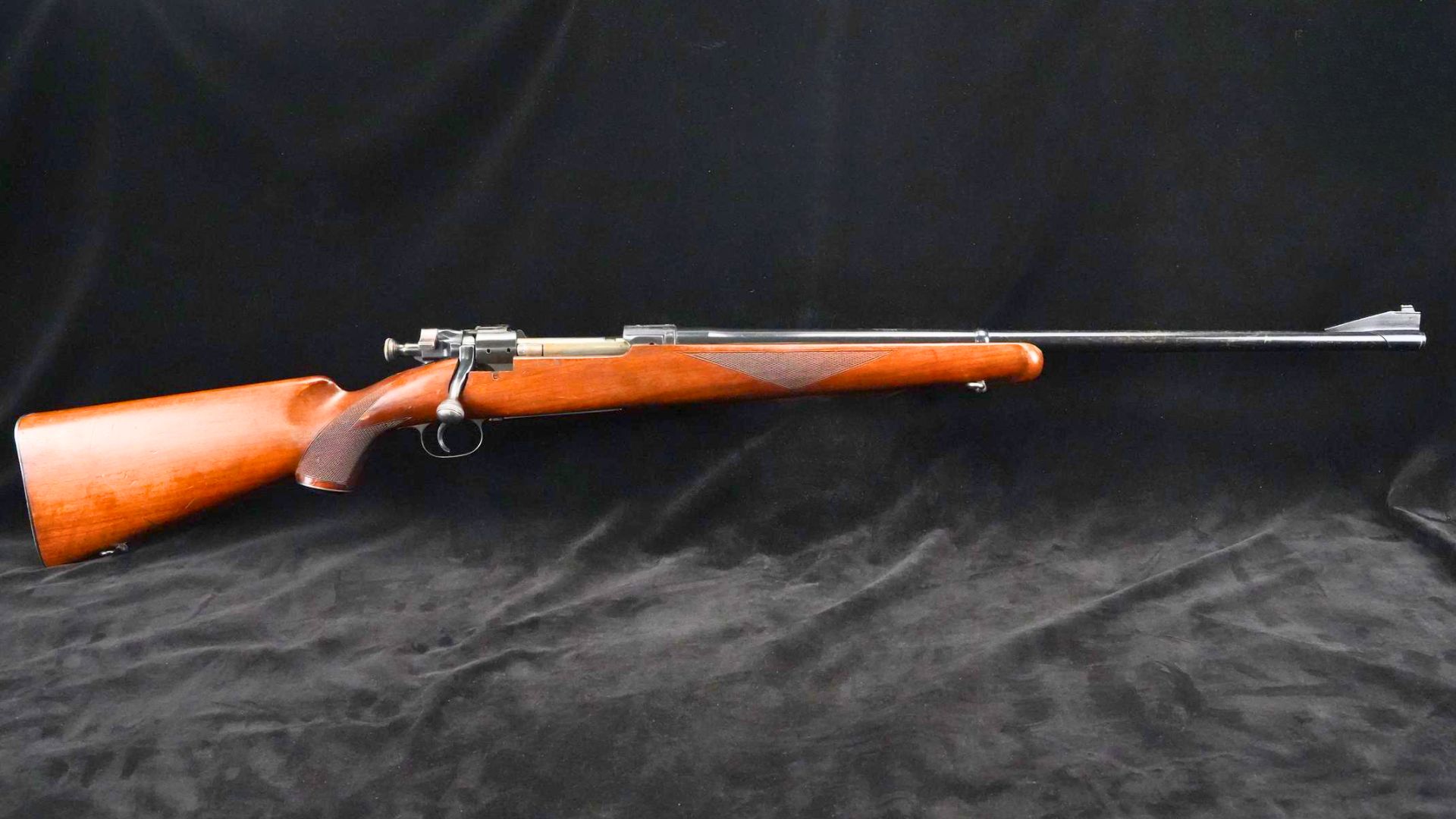
The M1903 is collectible because it’s a landmark American bolt gun with deep military history and plenty of sub-variants that serious collectors track. A correct example with matching-era parts and proper markings has a different kind of appeal than a rebuilt mixmaster.
Value comes from originality: correct stock, correct sights, proper finish, and markings that line up with the rifle’s production period. Drilled-and-tapped receivers, refinished metal, and sanded stocks drop desirability fast. Documentation and known provenance can add value, but a correct rifle in clean shape is the foundation. You’re buying the story of U.S. service rifles evolving into the 20th century, and collectors want the story told with original parts, not modern shortcuts.
M1 Garand (Correct Grade, Not a Parts Salad)

The M1 Garand is collectible because it’s iconic, shootable, and full of small details that separate an average rifle from a serious collector piece. A correct Garand—where the parts match the era and the rifle hasn’t been scrubbed or rebuilt into a random mix—draws attention fast.
Value is in condition, originality, and correctness: receiver markings, barrel date, proper stock markings, and parts that belong together. Many Garands were arsenal rebuilt, and that’s not “bad,” but it changes the collector conversation. A rifle that’s correct to a period, with a strong, un-sanded stock and clean metal finish, is where demand gets intense. You’re also paying for shootability with history. A clean Garand can be both a range rifle and a long-term collectible, if it hasn’t been “updated” out of its identity.
Colt M1911 (World War I Era)
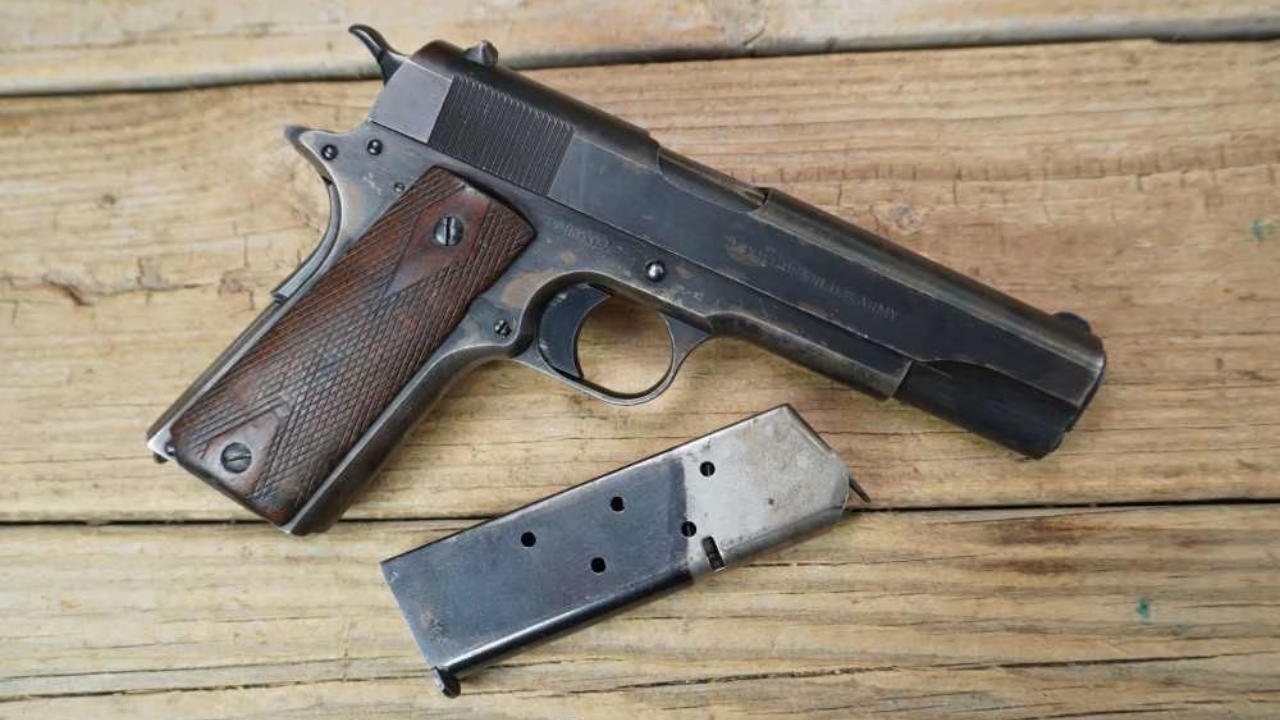
A WWI-era Colt M1911 is collectible because it’s a foundational American service pistol and a highly studied collecting category. Early markings, original finish, and correct small parts matter, and the closer the gun stays to how it left Colt, the more serious buyers lean in.
Value climbs when the pistol is original and honest: proper rollmarks, correct finish type, correct grips, and matching-era parts. Refinishing and part swaps hurt more here than many people expect, because collectors know exactly what they’re supposed to see. Bringback stories and documentation can add a lot, but the pistol still has to be right. If you find a clean one with sharp markings and no “improvements,” you’re looking at a piece that tends to hold demand through every market swing.
Luger P08 (Matching Numbers)

The Luger is collectible because it’s an instantly recognizable military pistol with a huge collector ecosystem built around dates, makers, unit marks, and matching numbers. A correct, matching Luger feels like a time capsule in your hands, and collectors pay accordingly.
The key word is “matching.” Numbers on the small parts matter, and mismatches can cut value fast. Original finish, correct grips, and proper magazines also move the needle. Many Lugers were refinished or assembled from parts after the wars, so you’re paying for authenticity and correctness as much as condition. Certain years, makers, and marked examples can get expensive in a hurry, but even a common-date matching P08 holds collector interest. If you ever want one collectible gun that screams “historic,” a correct Luger does it.
Mauser C96 “Broomhandle”

The Mauser C96 is collectible because it’s mechanically unique, historically widespread, and tied to an era when pistol design was still finding its footing. It shows up across conflicts and continents, and collectors chase variants, markings, and original accessories like stocks and correct rigs.
Value depends heavily on originality and configuration. Many were modified, refinished, or altered, and collectors can spot it. Correct finish, sharp markings, and an unmodified gun carry weight. Add an original matching stock or correct period accessories and you can jump into a different price bracket fast. The C96 also has a “display factor” that matters in the collector world—it looks like nothing else. If you’re buying one, you’re buying a very specific slice of early semi-auto history, and the market rewards clean, correct examples.
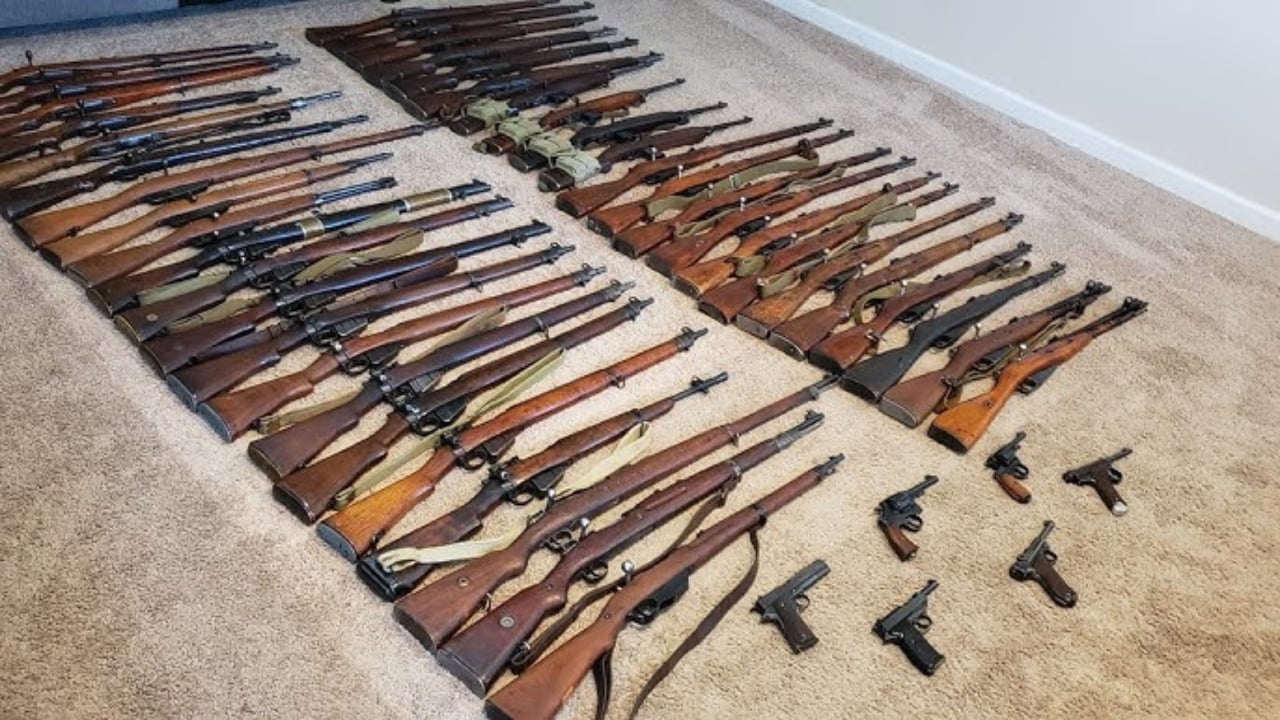
Mauser K98k (Bringback, Matching, Correct)

The K98k is collectible because WWII collectors never stop chasing authentic examples with correct markings and matching parts. A true bringback with honest finish and a clear story holds a different kind of value than a rifle that’s been scrubbed, reworked, or rebuilt to look “right.”
Matching numbers are a huge driver, along with correct sights, correct stock hardware, and markings that haven’t been ground away. Refinished metal and sanded stocks usually hurt collector interest because they erase evidence collectors want to see. You’re also paying for originality in a category flooded with altered rifles. A clean, correct K98k with intact markings and consistent wear tends to sell itself. If it comes with credible provenance, you’re in a small club of rifles that serious buyers compete over.
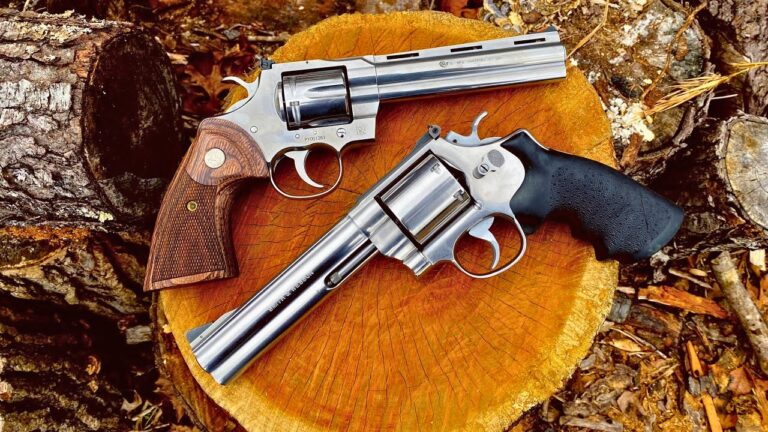
Colt Python (Early Production, High Condition)

The Colt Python is collectible because it’s a premium revolver from an era when hand-fitting and polish were part of the product, and the market still treats it that way. Early production examples in high condition get chased hard, especially when the finish is untouched and the gun hasn’t been modified.
Value rises with condition, original box and paperwork, and correct features for the year. Collectors look at the finish, the edges, the markings, and whether anything has been swapped. Even small changes can matter because the Python market is detail-focused. You’re also paying for the reputation—smooth action, quality feel, and a name people recognize instantly. A clean Python isn’t valuable because it’s rare in the abstract. It’s valuable because truly clean, original ones keep getting harder to find as more get carried, shot hard, or “improved.”
Thompson Submachine Gun (1921/1928 Variants)
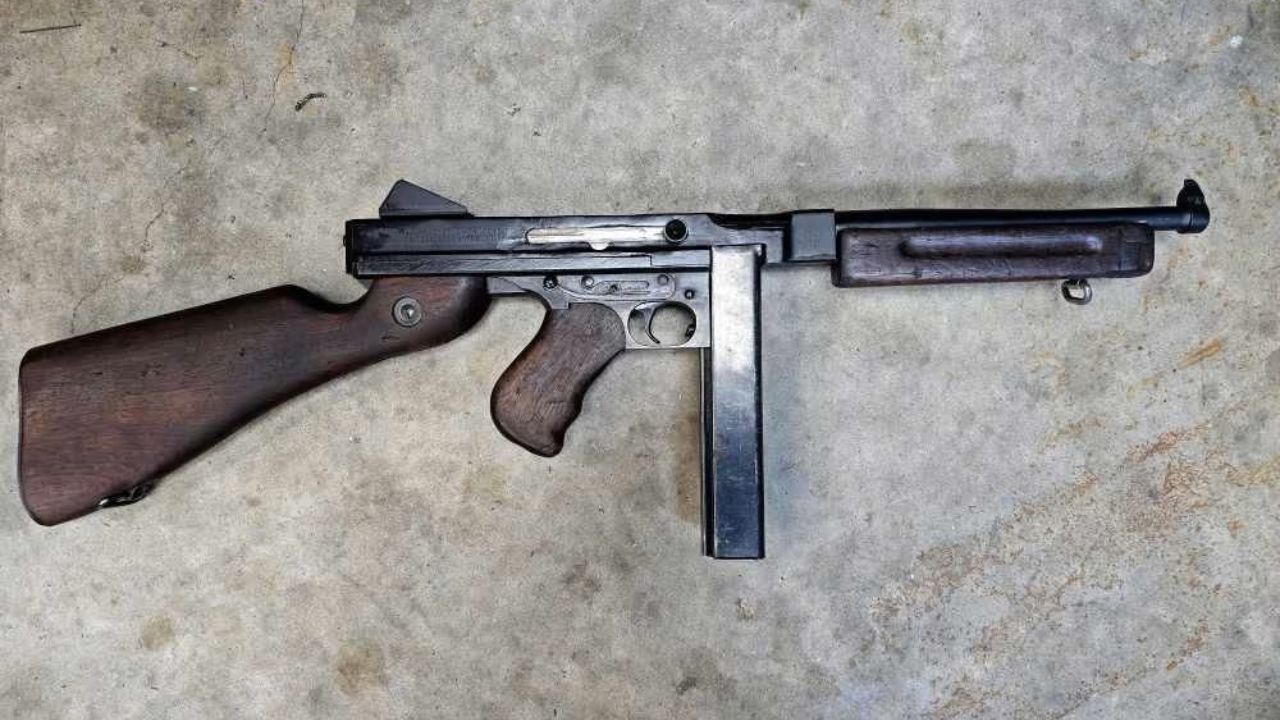
The Thompson is collectible because it’s a symbol of a whole era and a piece of American industrial history. The early variants carry serious collector demand, and legal transferable examples live in a market where scarcity is real and permanent.
Value comes from provenance, configuration, and originality. Correct markings, correct parts, and an authentic setup matter, and documented history can move the needle dramatically. Condition matters, but originality matters more, because replacement parts and refinishing can change what collectors believe they’re looking at. You’re also dealing with a category where the buyer pool is smaller but very committed. A correct Thompson is a centerpiece firearm—historically significant, mechanically interesting, and culturally loaded. If you ever want a collectible that feels like an artifact the moment you pick it up, the Thompson is hard to top.
Lee-Enfield No.4 (T) Sniper Rifle
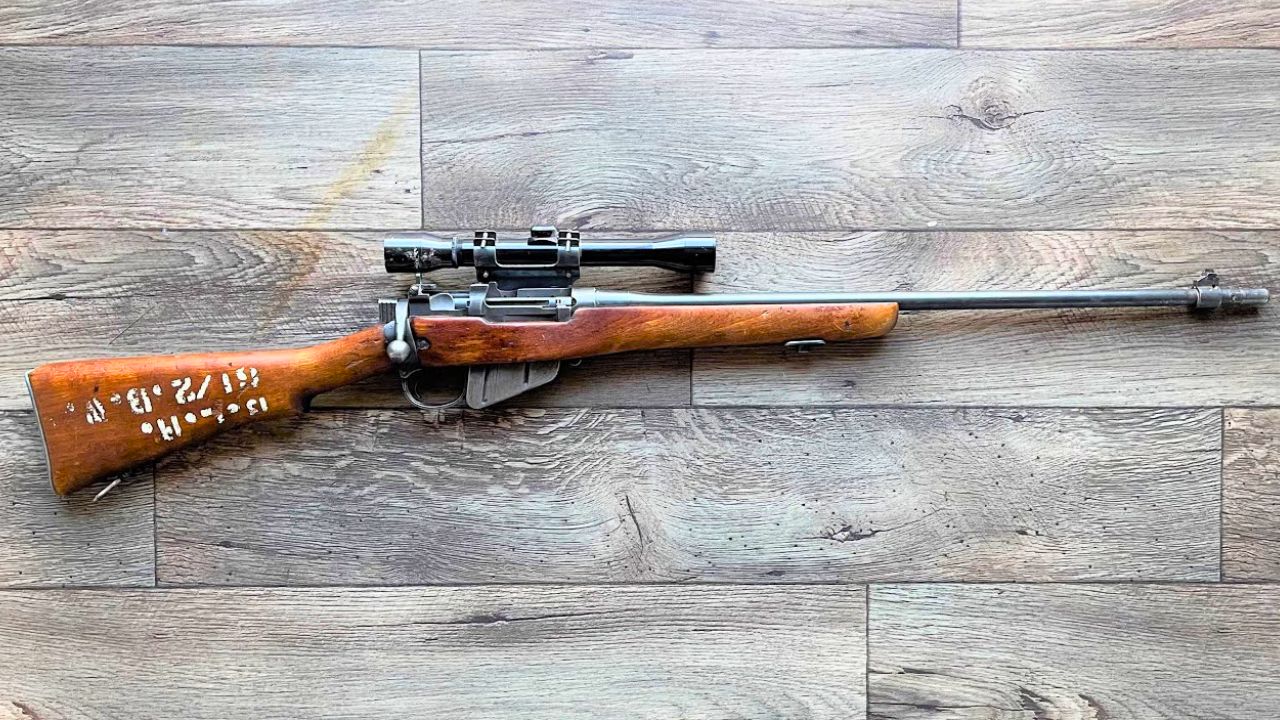
The No.4 (T) is collectible because it’s a real-deal military sniper setup with a strong collector following, and correct examples are not everywhere. You’re buying a system—rifle, scope, mounts, and markings—and collectors pay for rifles that are correct as a whole package.
Value depends on authenticity and completeness. Correct markings, proper scope setup, and parts that belong together matter a lot, because fakes and “assembled” rifles exist. Original finish and an honest stock are important, and a matching, correct scope can be a major value driver. The appeal is that you can trace its purpose the moment you shoulder it. It’s a precision military rifle from a hard era, and it still feels like it. If you want a collectible that blends history with function, a correct No.4 (T) does that better than most.
Like The Avid Outdoorsman’s content? Subscribe to our newsletter so you never miss an article.
Here’s more from us: