Photo credit: Rougarou Arms/Youtube
The first time I watched a “good” handgun turn into a single-shot in the cold, it wasn’t on a frozen mountain or in a blizzard. It was at a farm range in January, breath hanging in the air, gloves on, and a buddy wondering why his slide would barely go into battery. Cold weather doesn’t create problems so much as it exposes them—thick oil, weak springs, tight chambers, brittle mags, underpowered ammo, and designs that are already running on the edge.
This isn’t a hit piece on any brand. A lot of these guns run fine in normal temps and on clean range days. But when it’s below freezing and you’re wearing layers, moving slow, and your gear is half-dry and half-iced, these are the handguns I’ve seen choke the most—or that have a reputation for doing it for reasons that make sense once you’ve lived it.
1. Walther P22

The P22 is fun when it’s warm and you’re plinking. When it’s cold, the combination of rimfire ammo, a small slide, and a pistol that can be picky on ammo turns “fun” into “why won’t it run.” You can get a few magazines that look fine, then it starts short-stroking and leaving you with stovepipes.
Cold makes rimfire priming compound less consistent and waxy lube more stubborn. If you’re using bulk .22, don’t be surprised when it turns into a jam session. Ask me how I know.
2. SIG Sauer Mosquito
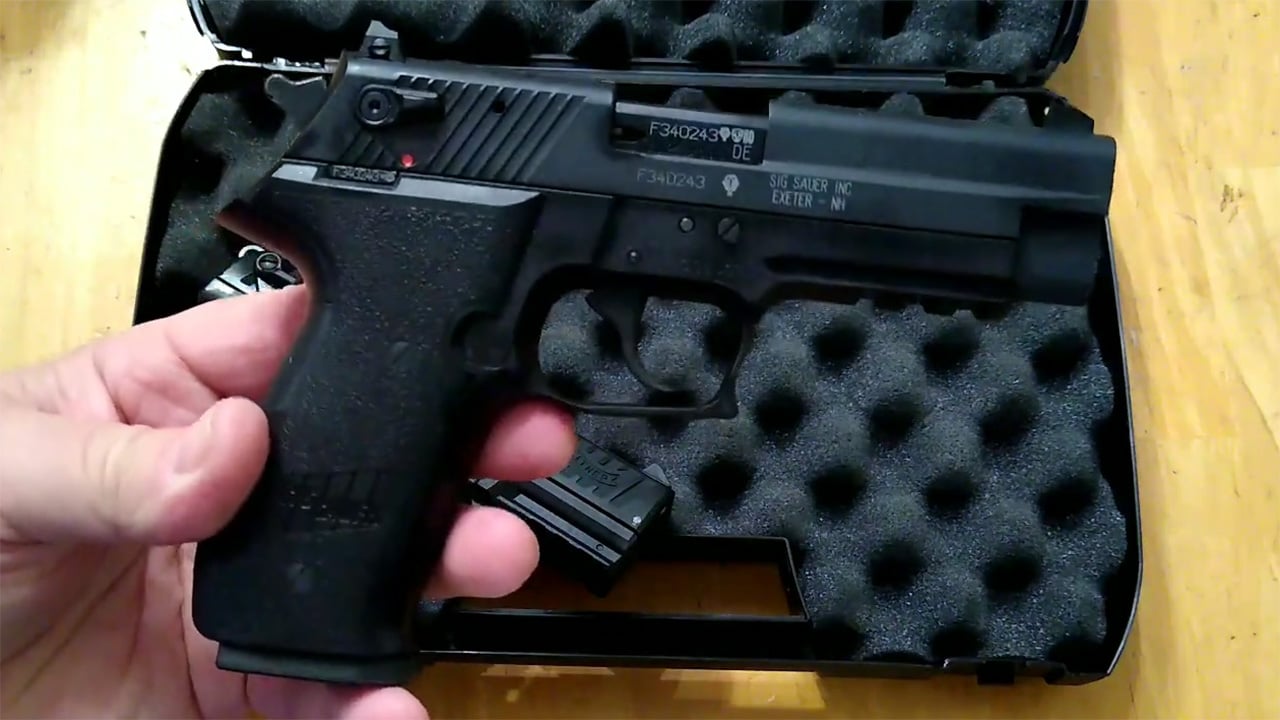
This one has disappointed enough people that it’s almost a rite of passage. In mild weather you can tune it with ammo choice and keep it reasonably happy. In freezing temps, the Mosquito’s timing and spring setup can get real unforgiving.
It’s the same story: rimfire plus a pistol that already wants hotter loads. Add thickened lubricant and cold hands that don’t give the slide a solid run, and you’ll be clearing stoppages instead of shooting.
3. Ruger SR22
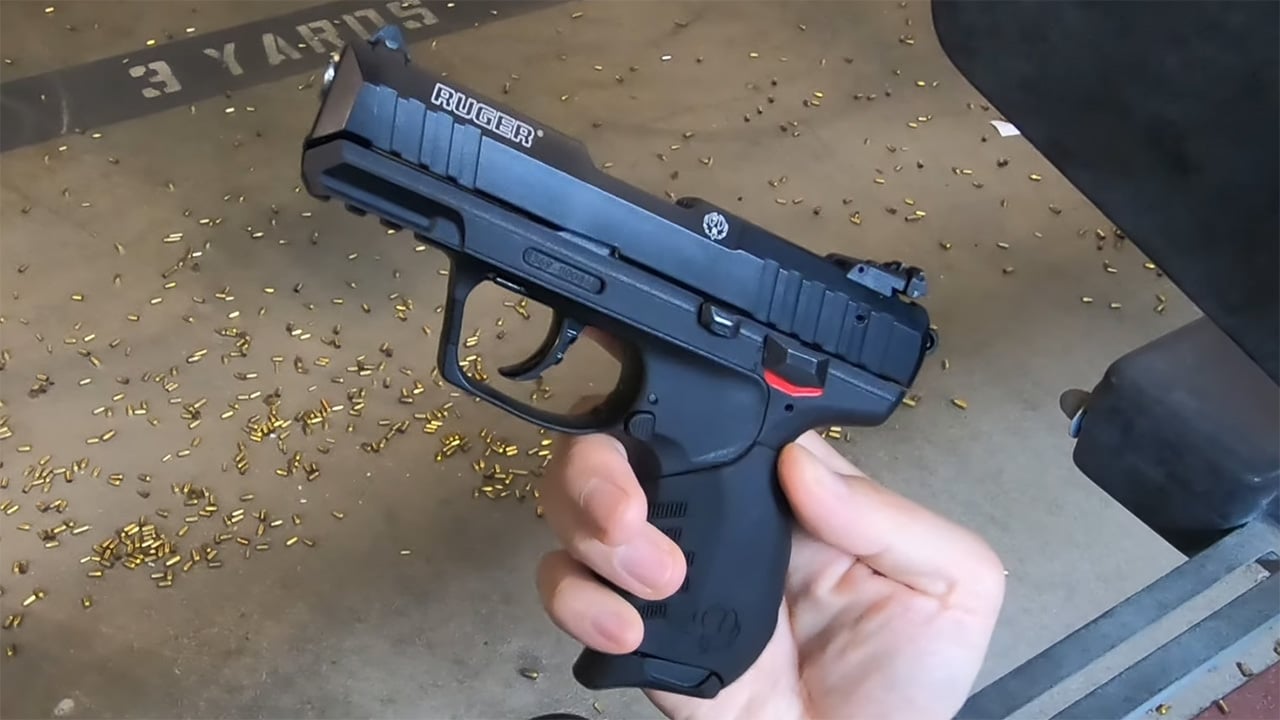
I actually like the SR22 as a handy little trainer, but it’s still a small .22 pistol. Below freezing, the margin shrinks. If the gun is even slightly over-oiled, the slide speed suffers and you get failures to eject or failures to feed.
The fix is usually boring: keep it clean, run it with sensible lube, and use decent ammo. But if you’re expecting it to behave like a duty 9mm in a January wind, that expectation is the real problem.
4. Beretta U22 Neos
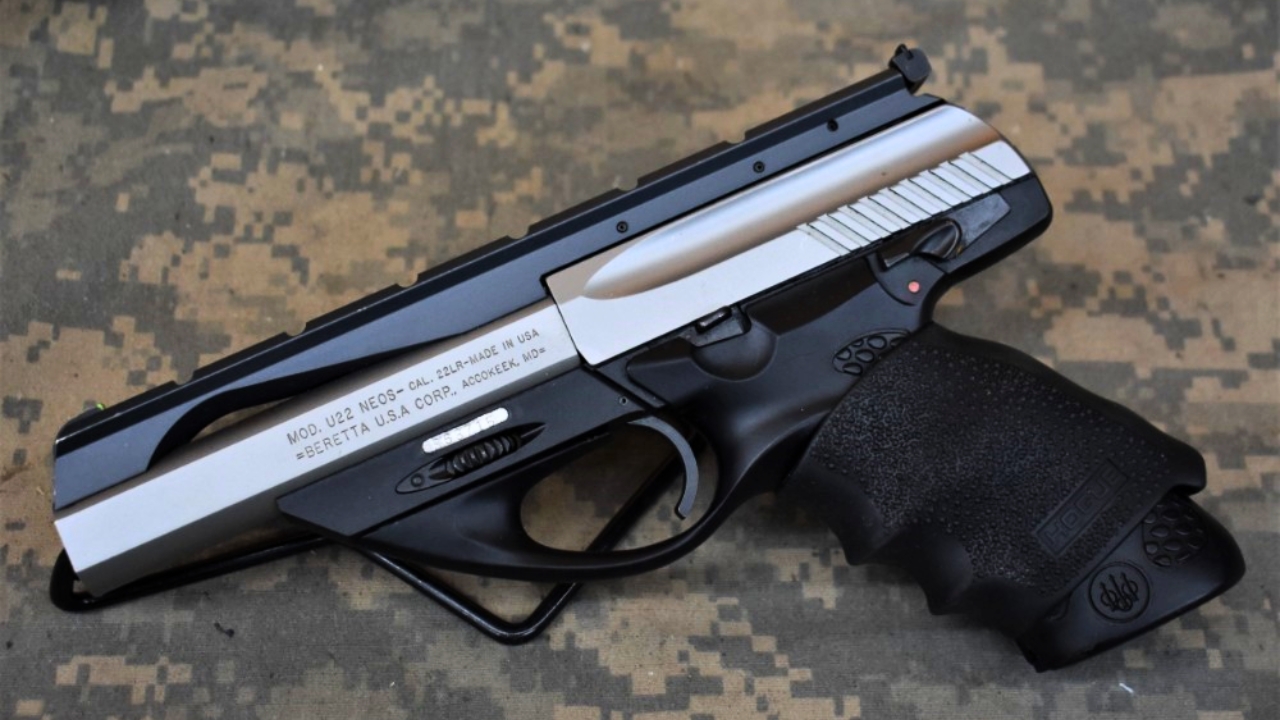
The Neos can be a tack driver, and the space-gun look is kind of cool. In the cold, I’ve seen them get sluggish with certain ammo and certain cleaning habits. The long-ish, light slide and rimfire blowback setup don’t love sticky fouling.
If you’ve got a Neos that runs, don’t panic. Just understand that cold weather range days are where you find out whether your “light coat of oil” was actually a syrup bath.
5. Smith & Wesson M&P 22 Compact
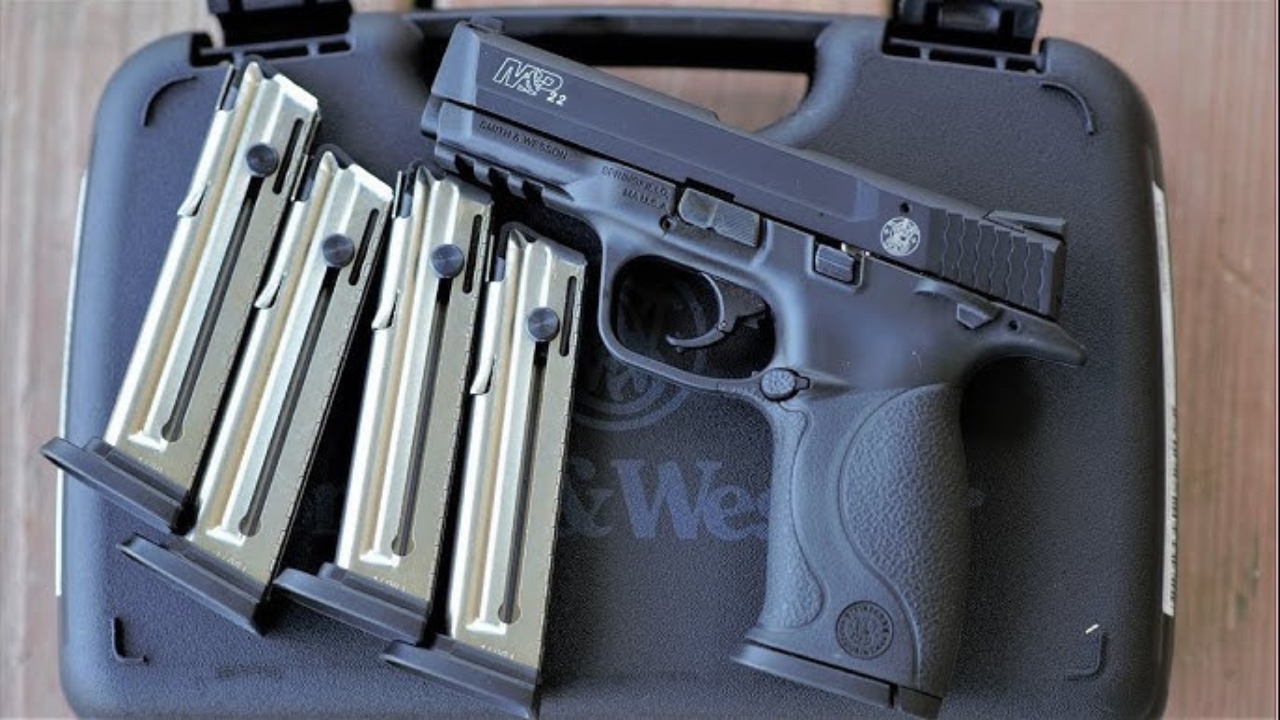
Another good little rimfire that can still show its seams when temps drop. The M&P 22 Compact is generally better than a lot of the old problem-children, but it’s not magic. Cold ammo, cold mags, and a dirty chamber will make it stumble.
Most of the complaints I’ve seen in winter are failures to fully cycle and occasional light strikes on cheaper ammo. When it’s 15 degrees, “cheap ammo” stops being a bargain.
6. Taurus TX22 (with bargain bulk ammo)
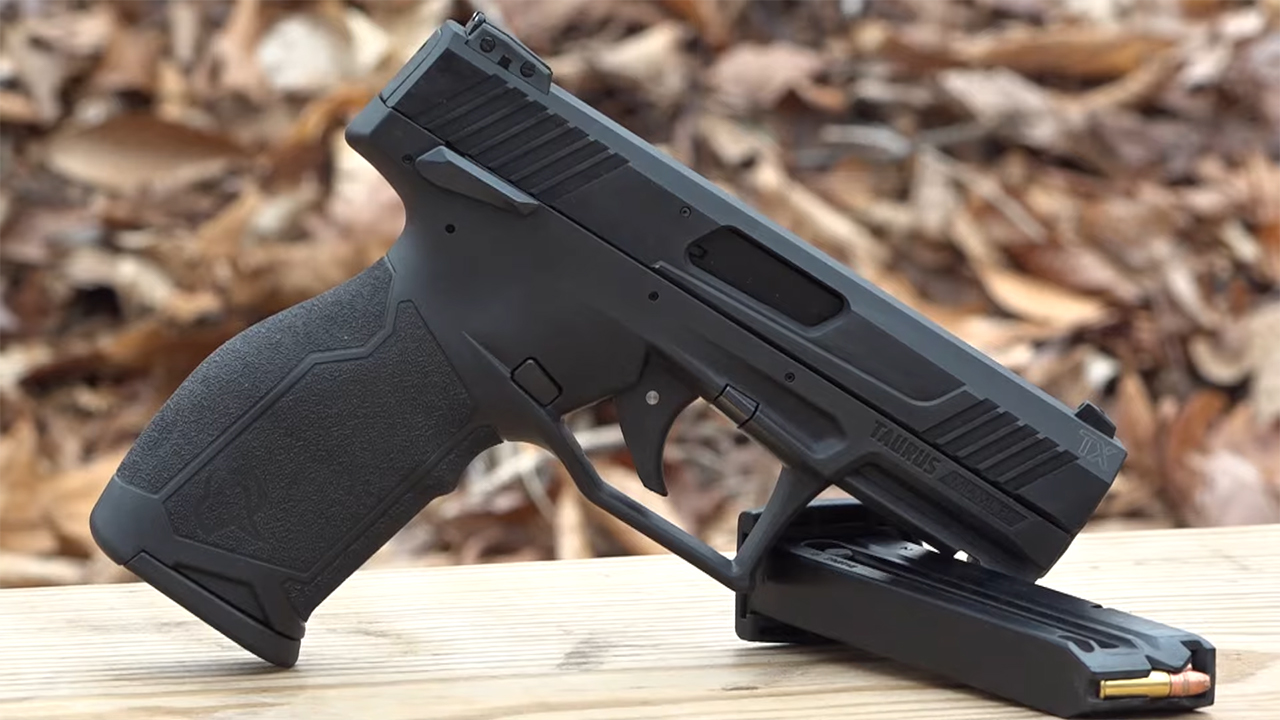
The TX22 has a solid reputation, and plenty of them run great. Where folks get into trouble in the cold is pairing it with the softest, lowest-energy bulk pack they can find, then acting shocked when it short-strokes.
Cold weather makes everything slower. If your rimfire load is barely cycling in July, it won’t cycle in January. That’s not a Taurus-only problem, but the TX22 shows up in a lot of hands, so it shows up in a lot of winter complaints.
7. Kimber Micro 9

Small 9mms can be finicky, and the Micro 9 is one that I’ve seen run great for some folks and run like a tired sewing machine for others. In the cold, tight guns and short slides can get picky about grip and ammo.
If you’re wearing gloves and your grip changes just a little, that’s enough to rob the slide of speed. Add cold-thick oil and a stiff recoil spring, and you’re suddenly questioning your carry choice.
8. Kimber Ultra Carry II (3-inch 1911)
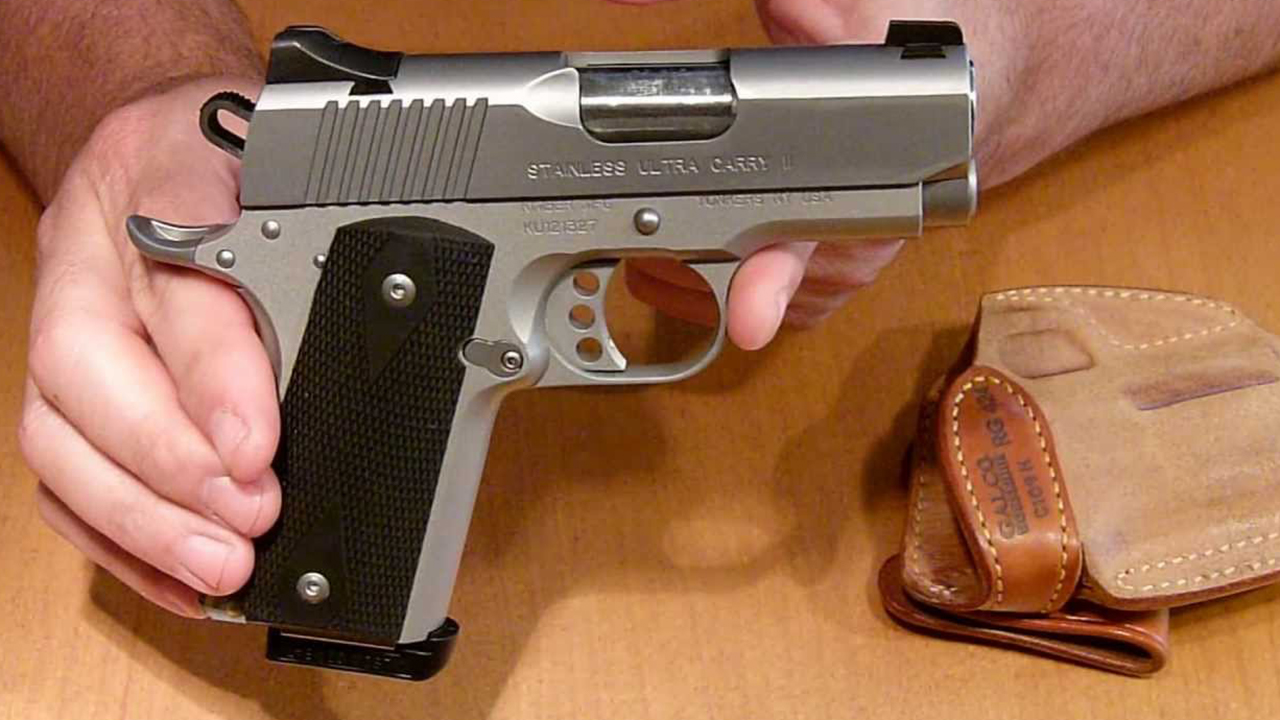
Three-inch 1911s are where the platform starts asking a lot from timing. When everything is clean and warm, some of them behave. When it’s freezing, that short cycle and steep feed path can turn small issues into constant failures to return to battery.
I get why guys want the compact 1911 feel in a smaller package. But if you want a handgun that acts the same in August and January, this is not where I’d place my bet.
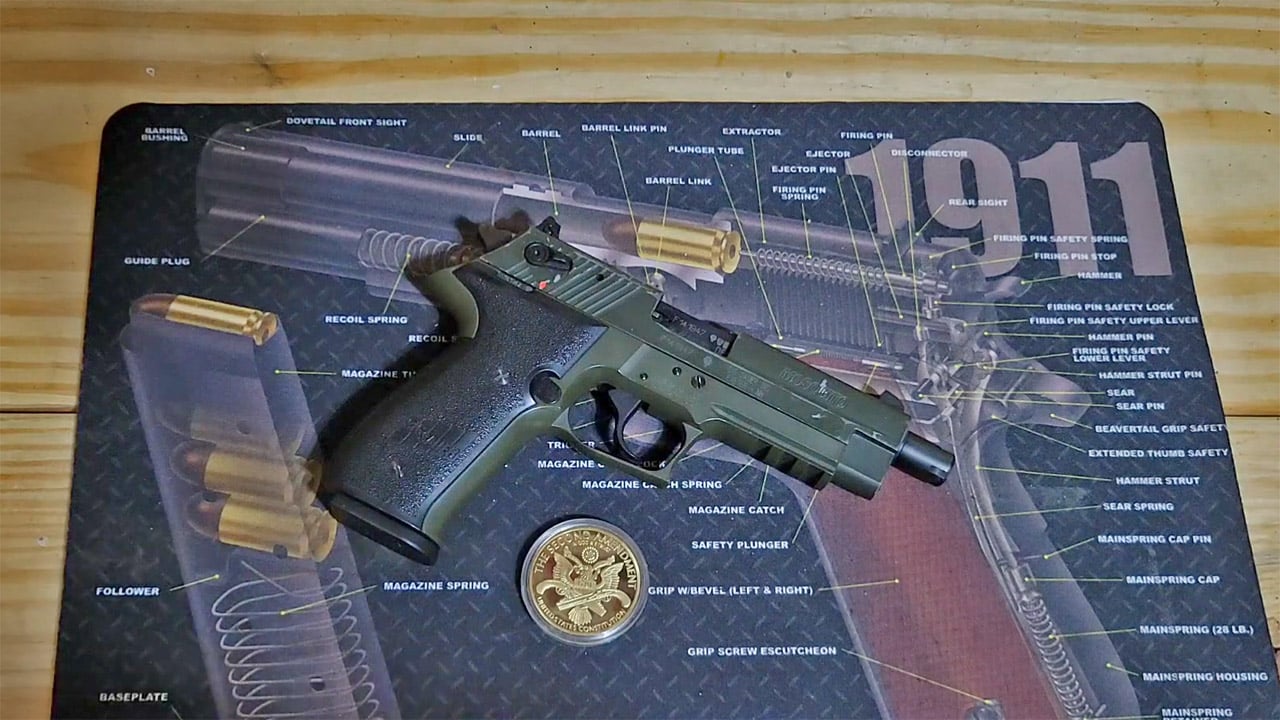
9. Springfield Armory 911 (.380)
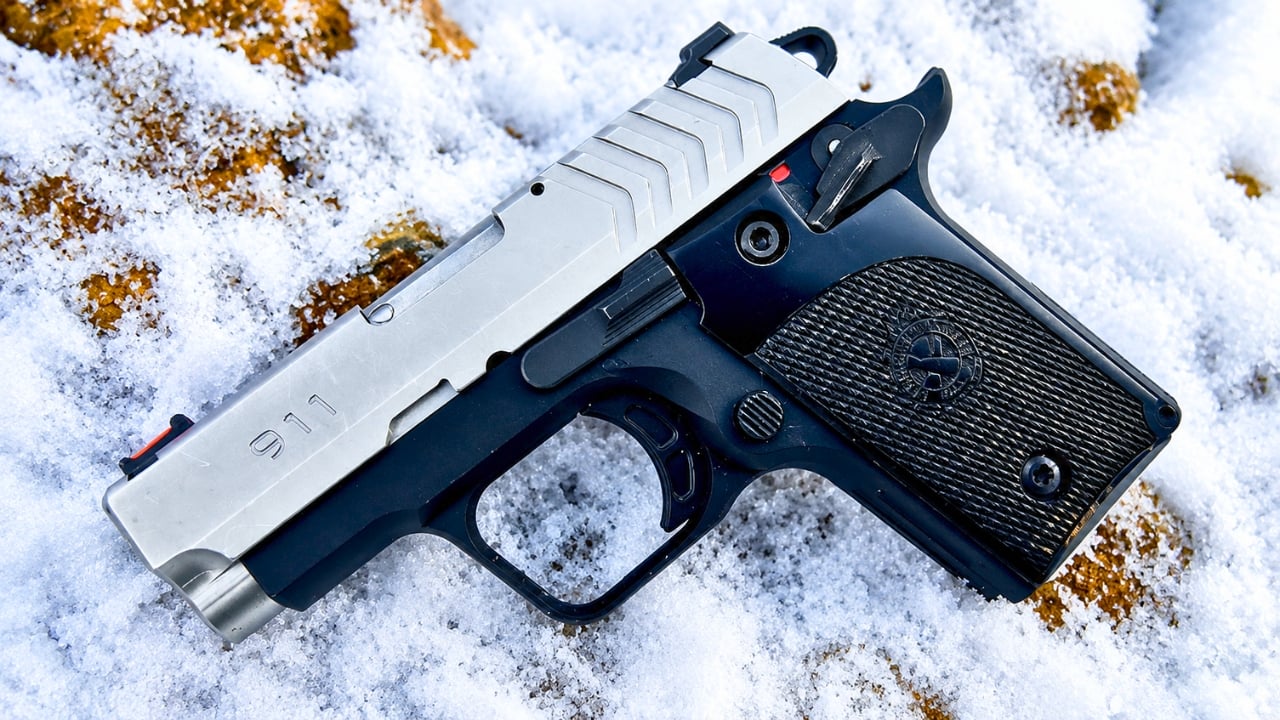
The tiny 1911-style .380s are handy and point naturally for some shooters. Cold weather can make them less forgiving, especially if the gun is run wet or the shooter’s grip is compromised by gloves.
These aren’t “bad” pistols across the board. They’re just small, tight, and springy—exactly the kind of setup that shows you every weakness when temperatures drop.
10. SIG Sauer P238

The P238 is a sweetheart when it’s running. It carries easy, shoots soft, and makes a lot of sense for deep concealment. But it’s still a small .380 with limited slide mass, and in the cold you can see failures that don’t show up in warm weather.
Most winter issues I’ve seen come from a combination of limp grip with gloves, underpowered ammo, and too much lube. If you carry one, test it in the conditions you actually live in.
11. Colt Mustang Pocketlite

Old Mustangs have a loyal following for a reason. They also have old-gun realities: springs that may or may not be fresh, magazines of unknown history, and tolerances that can be all over depending on the specific pistol.
When it’s cold, weak mag springs and tired recoil springs show up fast. The gun doesn’t “fail because it’s cold.” It fails because cold removes the extra energy it was relying on.
12. North American Arms Mini-Revolver (.22 LR/.22 Mag)

These little minis are a specialty tool, and they’re built well for what they are. But below freezing, small revolvers in rimfire can be a headache if you’re trying to run them with cold fingers. Also, rimfire ignition in the cold can be less consistent.
On top of that, tiny controls and tiny grips don’t mix with gloves. If your winter plan depends on reloading one of these under stress, it’s time to rethink the plan.
13. Heritage Rough Rider (.22 LR)

Budget single-actions can be a good time, but winter brings out their rough edges. I’ve seen cylinders get sticky from fouling faster than expected, and cold makes everything feel stiffer—especially on guns that aren’t polished inside like pricier revolvers.
It’ll still go bang most of the time, but “most of the time” isn’t the standard when you’re depending on something. This is a plinker, not a winter workhorse.
14. Taurus Judge (polymer-frame models in particular)
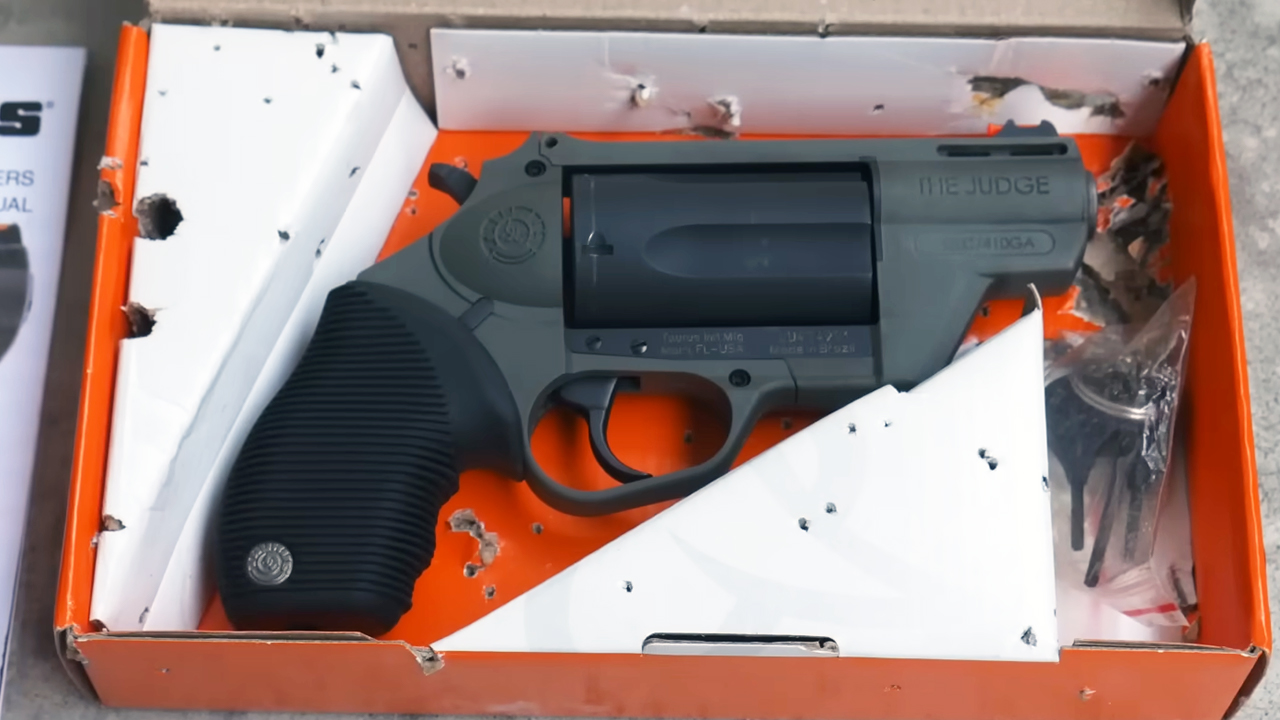
The Judge is one of those guns that sells a dream. In the cold, the dream runs into reality: shotshells that pattern weird, heavy triggers that feel heavier with numb hands, and bulky size that’s miserable under winter layers.
I’ve also seen more cylinder drag and timing complaints on well-used examples than I’m comfortable with. Cold doesn’t help. If you like yours, keep it clean and don’t pretend it’s something it isn’t.
15. Ruger LCP (Gen 1)
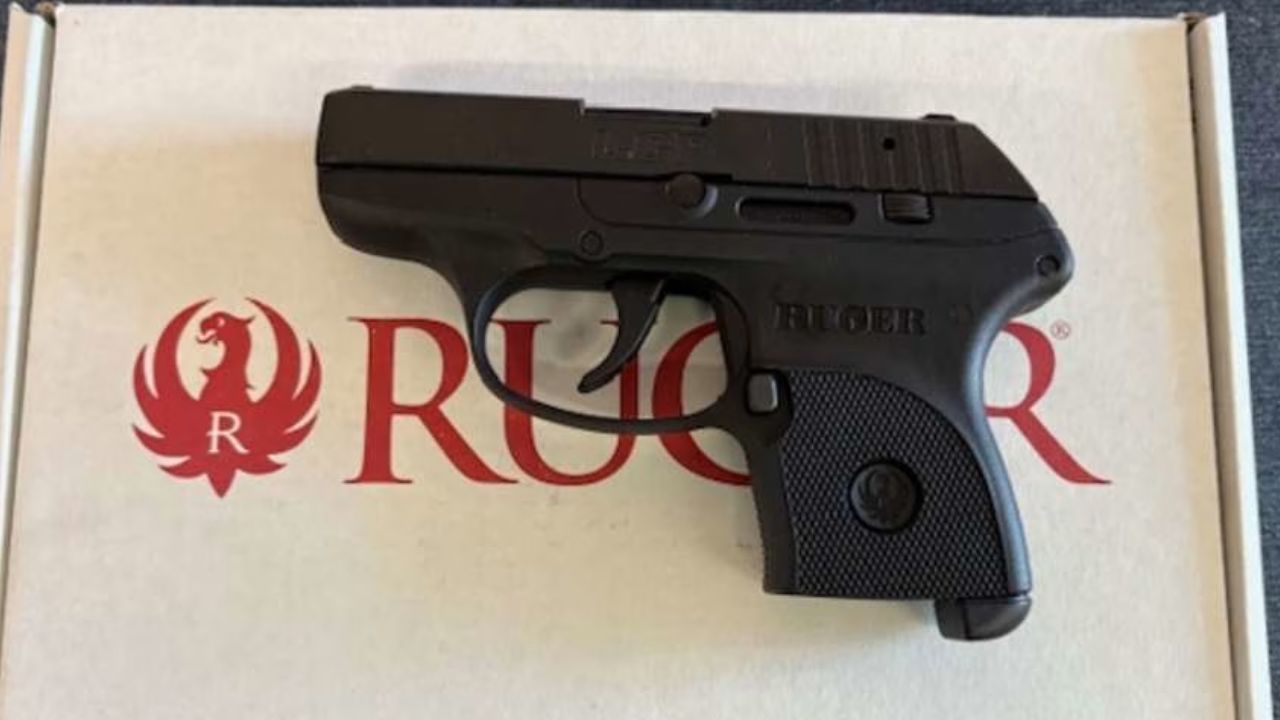
The original LCP earned its place by being tiny and light. It also has a snappy personality, short slide travel, and little controls—things you notice more when your hands are cold and your grip is compromised.
In freezing weather, the Gen 1 guns I’ve handled were more sensitive to ammo and shooter input than newer micro-compacts. It’s still useful, but it’s not the pistol I’d pick for a winter glove season if I had options.
16. Kel-Tec P-3AT
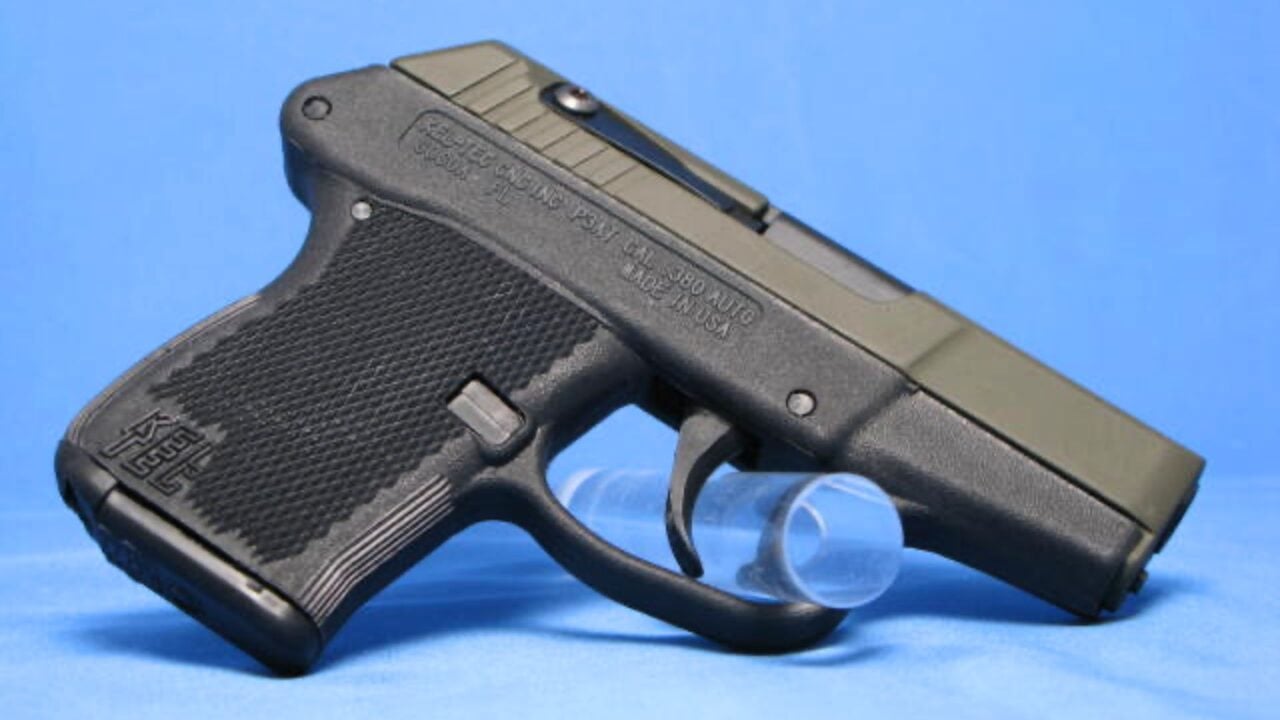
Kel-Tec deserves credit for pushing the pocket-pistol wave early. The P-3AT, though, is one of those designs that can be either surprisingly reliable or an absolute gremlin depending on the individual gun and magazine.
Cold weather tends to bring out failures to feed and failures to extract, especially if the gun is carried in a pocket where lint, moisture, and cold all mix together. Pocket carry in winter is a different animal.
17. Kel-Tec PF-9

The PF-9 is thin, light, and it kicks like it’s mad at you. That recoil, plus a light gun, plus gloves, can create grip issues that look like “gun problems.” In the cold, those issues stack up and you start seeing short-stroking and feeding hiccups.
If you’re committed to one, run fresh magazines and springs and prove it with your carry ammo in the cold. A box in July doesn’t tell you much about January.
18. Remington R51 (Gen 1)
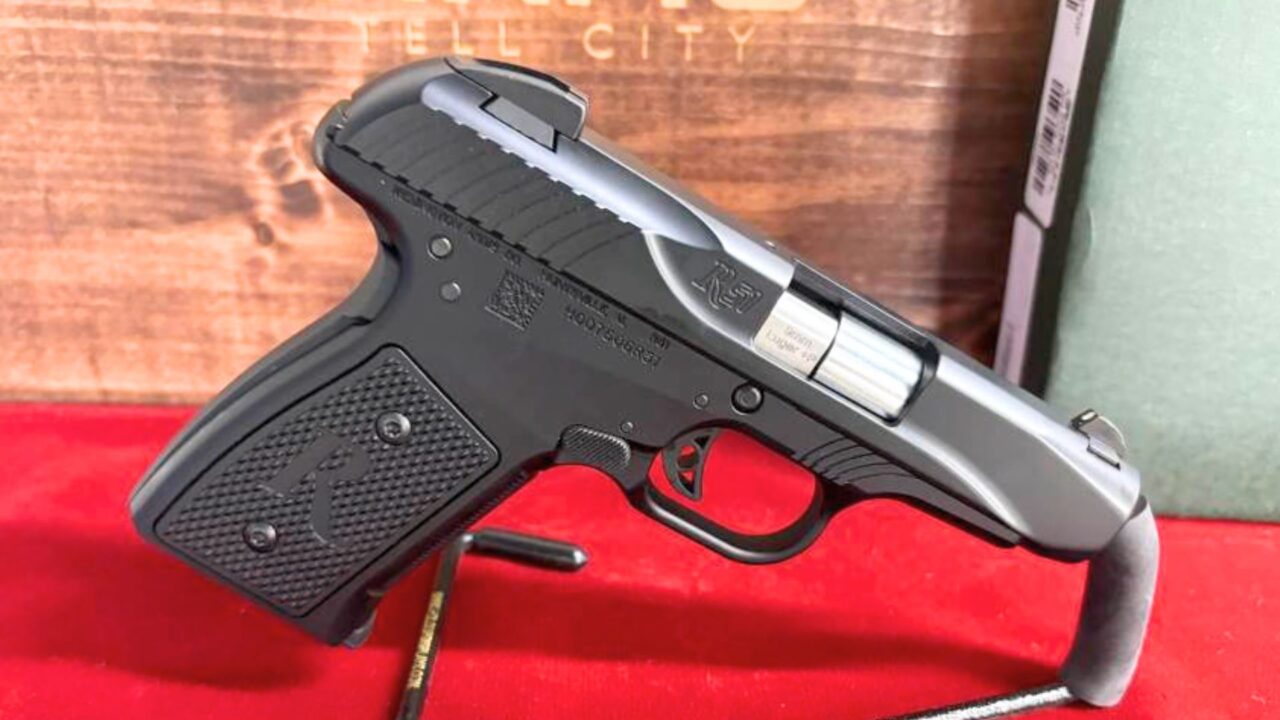
This one hurts because the concept had promise. The early R51s developed a reputation for being temperamental, and temperamental pistols don’t get better when it’s freezing and everything is slowing down.
If you’ve got an early one that’s been sorted out and it runs, good. But as a general pick for cold-weather dependability, this is not where I’d park my money or my trust.
19. SCCY CPX-2
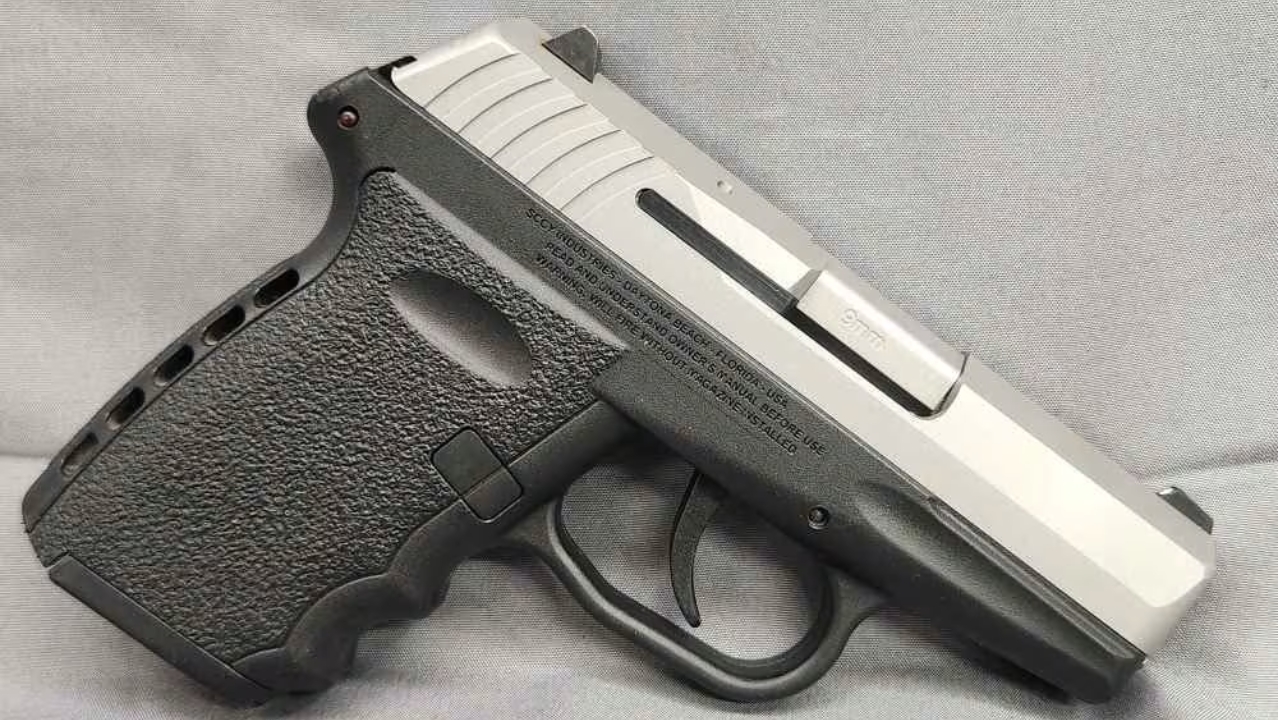
SCCY pistols appeal because they’re affordable and simple, and plenty of owners get decent service out of them. In cold weather, I’ve seen more than a few struggle with light strikes and inconsistent cycling, especially when the gun is dirty or the ammo is on the weak side.
The long trigger pull also feels even longer with numb hands. That doesn’t cause malfunctions, but it does slow you down and makes a bad situation worse.
20. Hi-Point C9 (with cold-stiff magazines)
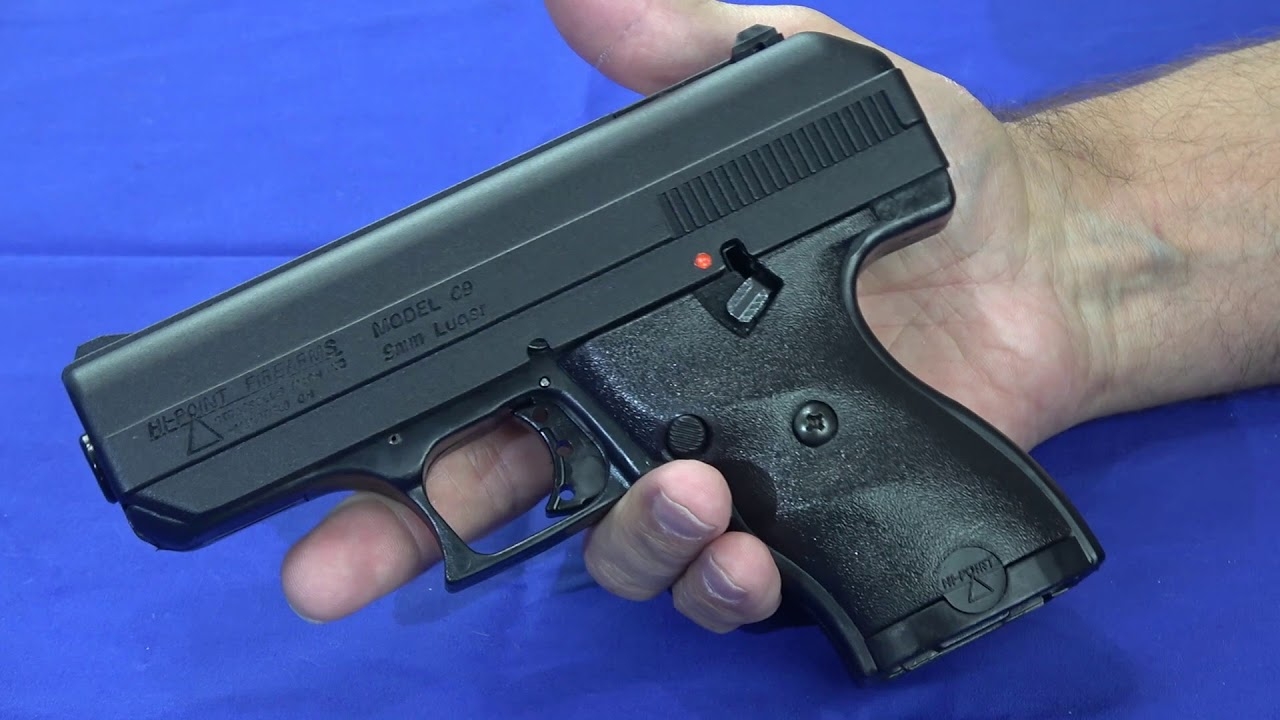
The C9 is the punchline gun that still often goes bang, and I’ll give it that. Where I’ve seen them stumble in the cold is magazine-related—stiff feeding, sluggish follower movement, and a general “it ran last week” frustration.
They’re also bulky and awkward under winter clothes, which leads to odd grip angles and limp-wristing. A heavy slide can mask a lot, but if the mag isn’t feeding right, the slide mass doesn’t save you.
If you take anything from this list, let it be this: winter doesn’t care about brand loyalty, internet opinions, or what ran fine on a sunny range lane. Cold weather punishes weak ammo, worn springs, cheap magazines, and pistols that only run when they’re perfectly clean and perfectly warm. If you carry a handgun when it’s freezing, test it in the cold, keep the lube sensible, and make sure the magazines you trust aren’t the weak link.
Like The Avid Outdoorsman’s content? Subscribe to our newsletter so you never miss an article.
Here’s more from us: