Photo credit: Target Focused Life/Youtube
You see it at every public range and every gun counter. A guy is absolutely locked in on a certain gun being “just as good” as anything else, because he already owns it, bought the mags, bought the holster, and told his buddies it was the smart move. Then somebody hands him something better for two mags, and the whole story changes.
This isn’t about dunking on anybody. We’ve all been there. Some guns earn loyalty because they’re affordable, familiar, or were your first “real” firearm. But once you’ve shot a smoother trigger, a better barrel, a softer recoil impulse, or a shotgun that patterns like it actually wants to hit birds, it gets hard to go back. Here are 20 models that get defended hard—right up until the owner spends a little time behind something nicer.
1. Taurus G2C
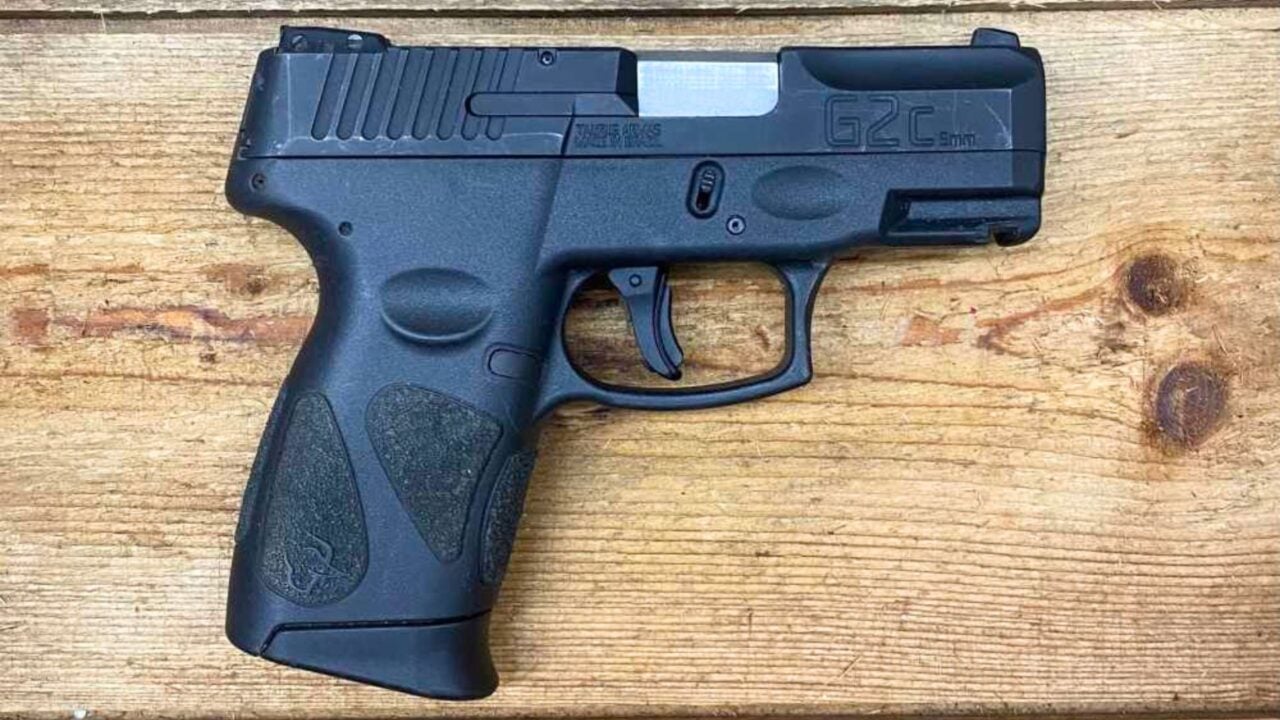
The G2C has probably put more first-time concealed carriers in the game than a lot of folks want to admit. It’s small, cheap, and usually runs well enough that people get comfortable fast. That comfort turns into loyalty.
Then they shoot a Glock 19, a S&W M&P, or even one of Taurus’ own newer G-series pistols with a cleaner trigger and better sights. The G2C starts feeling snappy, gritty, and cramped. It can still work, but you notice how much you were forgiving.
2. SCCY CPX-2
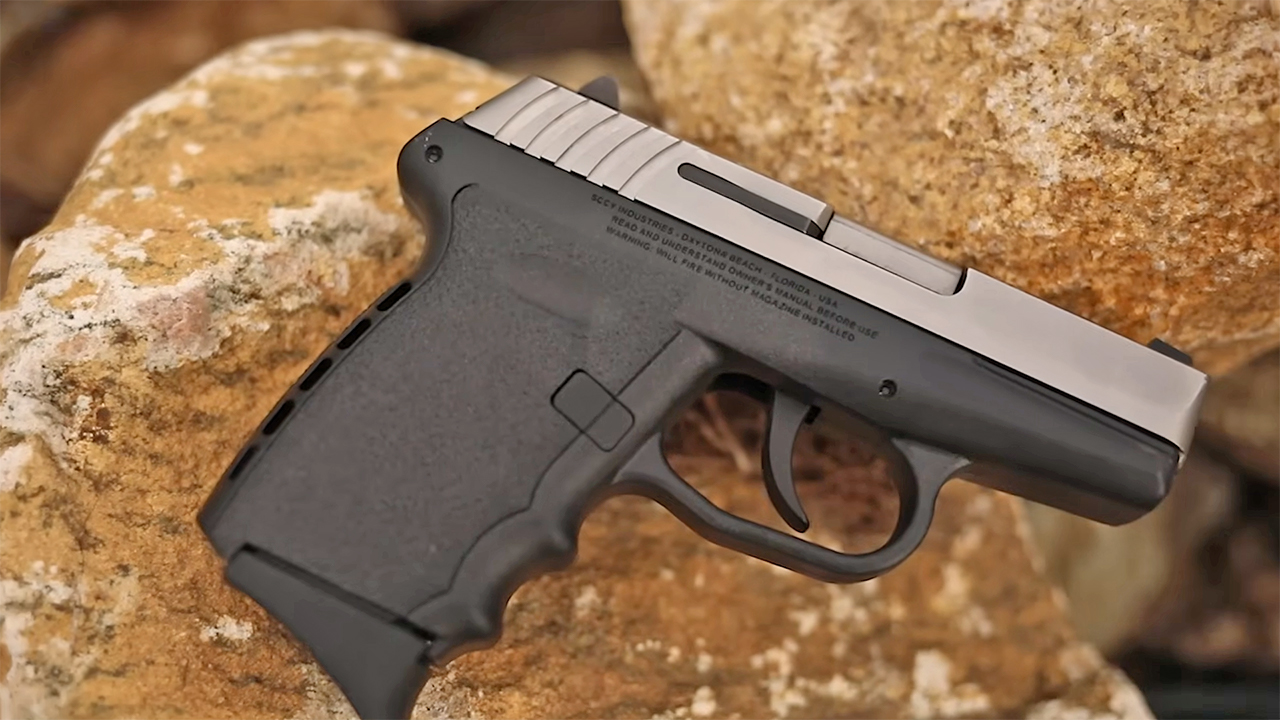
These show up when somebody needs a 9mm right now and the budget is what it is. The “it goes bang” argument gets repeated a lot, and I get it. If it’s the gun you have, you’ll defend it.
But the long, heavy trigger and the overall feel tend to get exposed once you shoot something with a decent striker trigger and better ergonomics. It’s not that the SCCY can’t be carried. It’s that you suddenly understand why most people don’t choose to.
3. Ruger EC9s

The EC9s is one of those pistols that makes sense on paper for a basic carry piece. Slim, light, and it wears the Ruger name. Plenty of them are perfectly reliable, too.
Then you shoot something like a SIG P365 or a Hellcat and realize how much capacity and shootability you can get in the same general size. The EC9s starts feeling like an older design that’s a step behind, especially if you actually train with it.
4. Smith & Wesson SD9VE
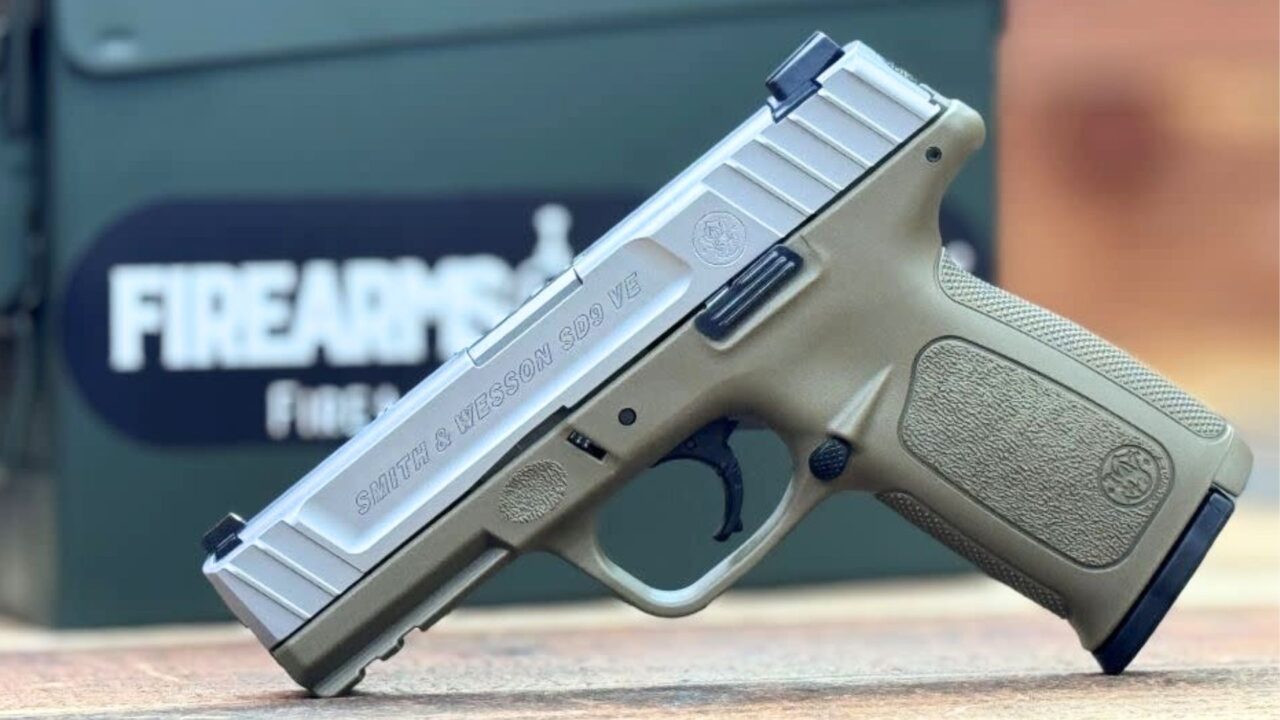
I’ve watched more than one guy defend the SD9VE like it’s an undercover duty gun. It’s affordable, it’s a known brand, and it usually functions. That’s enough for a lot of folks.
The trigger is where the romance ends. Once you shoot an M&P 2.0, a Glock, or even a budget Canik, that SD trigger feels like you’re dragging a couch across carpet. If you can shoot it well, you’ll shoot the better gun even better.
5. Springfield Armory XD (Service Model)
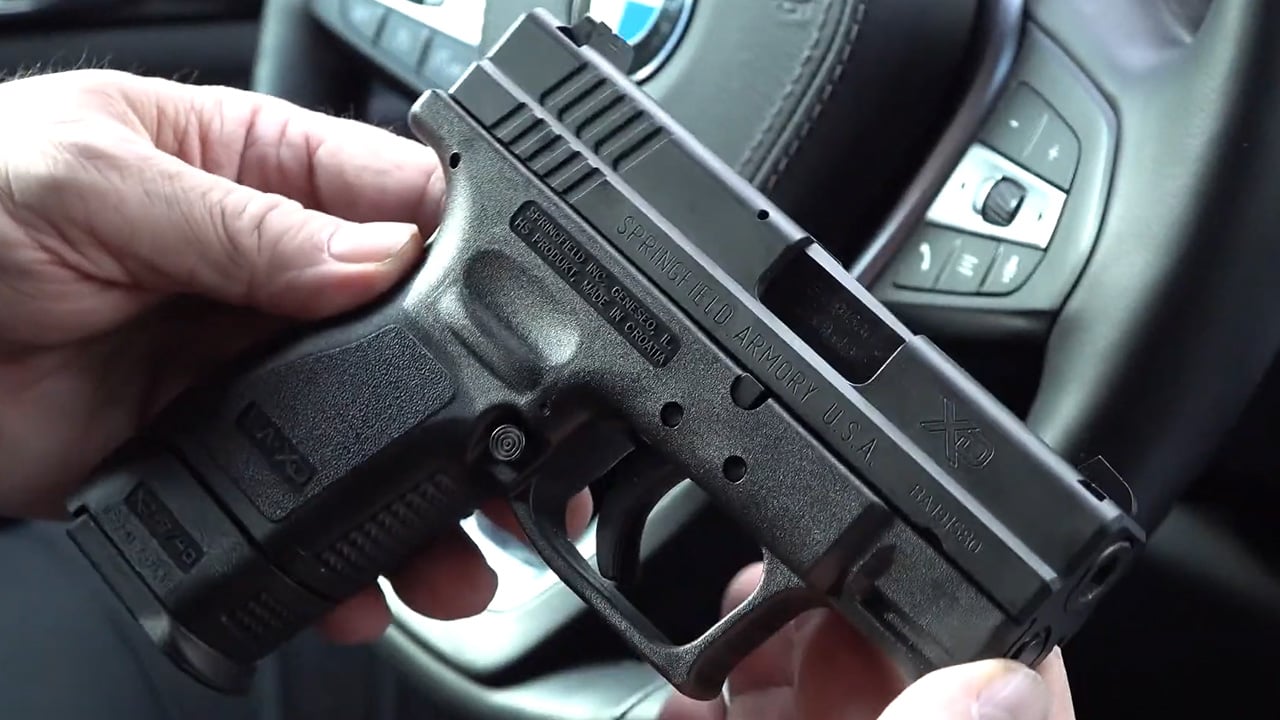
The XD had a long run as the “different than Glock” option for guys who wanted a polymer striker gun but didn’t want to follow the crowd. Many of them are reliable, and the grip safety makes some folks feel better about carrying.
But when you compare it to modern offerings, the bore axis and the feel start to stand out. It’s not unshootable. It just feels taller, snappier, and more dated once you’ve put time behind an M&P, VP9, or even Springfield’s own newer designs.
6. Remington 870 Express

This one stings, because the 870 name means something. For decades, an 870 was the “buy it once” pump gun. The Express models from later years, though, can be rougher than folks expect.
When someone runs a Wingmaster, an older Police Magnum, or even a slick Mossberg 590, that gritty action and spotty finish on some Express guns becomes hard to ignore. You can still make one run, but you may end up polishing and tinkering more than you wanted.
7. Mossberg 835 Ulti-Mag
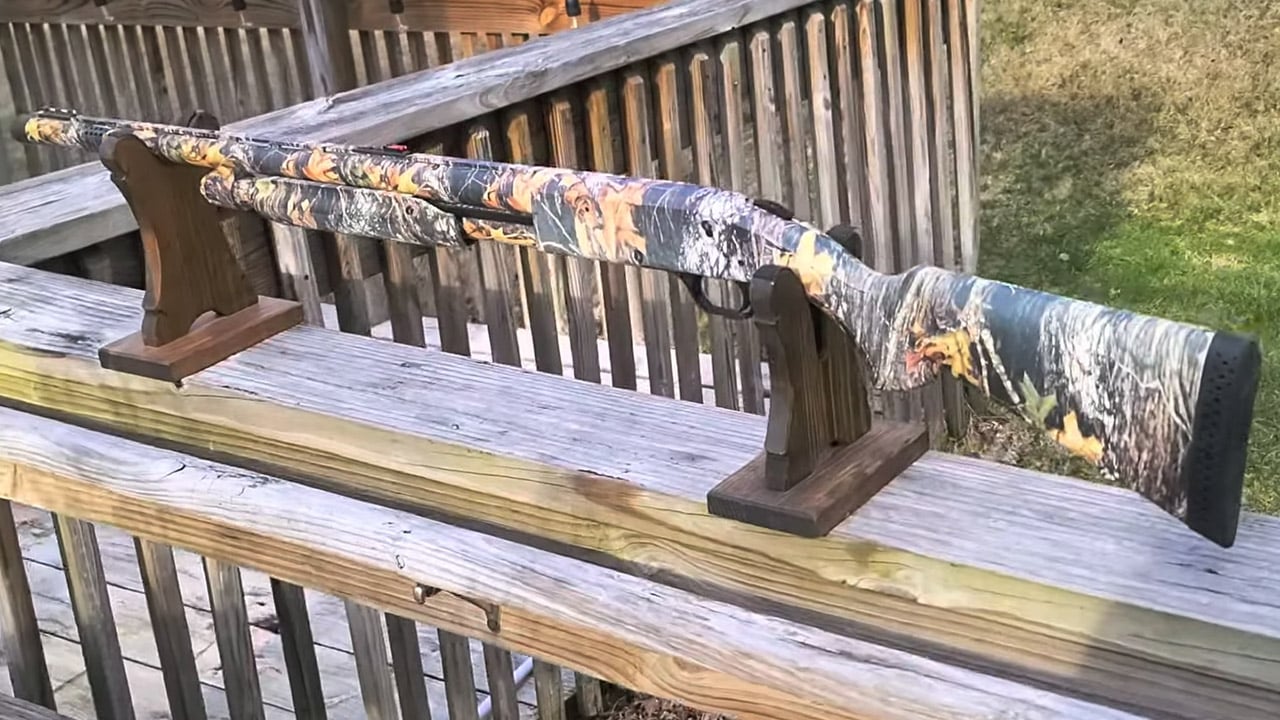
There’s a certain kind of waterfowl hunter who will swear the 835 is the ultimate hammer because it’s chambered for 3.5-inch shells. And yes, it can throw a lot of shot downrange.
Then they shoot a modern 3-inch gun with a better recoil system, or a semi-auto that cycles reliably and doesn’t beat them up. The 835 starts feeling like a tool that solves a problem most people don’t need to solve anymore. Recoil fatigue is real when you’re shooting in cold weather all morning.
8. Stoeger P3000
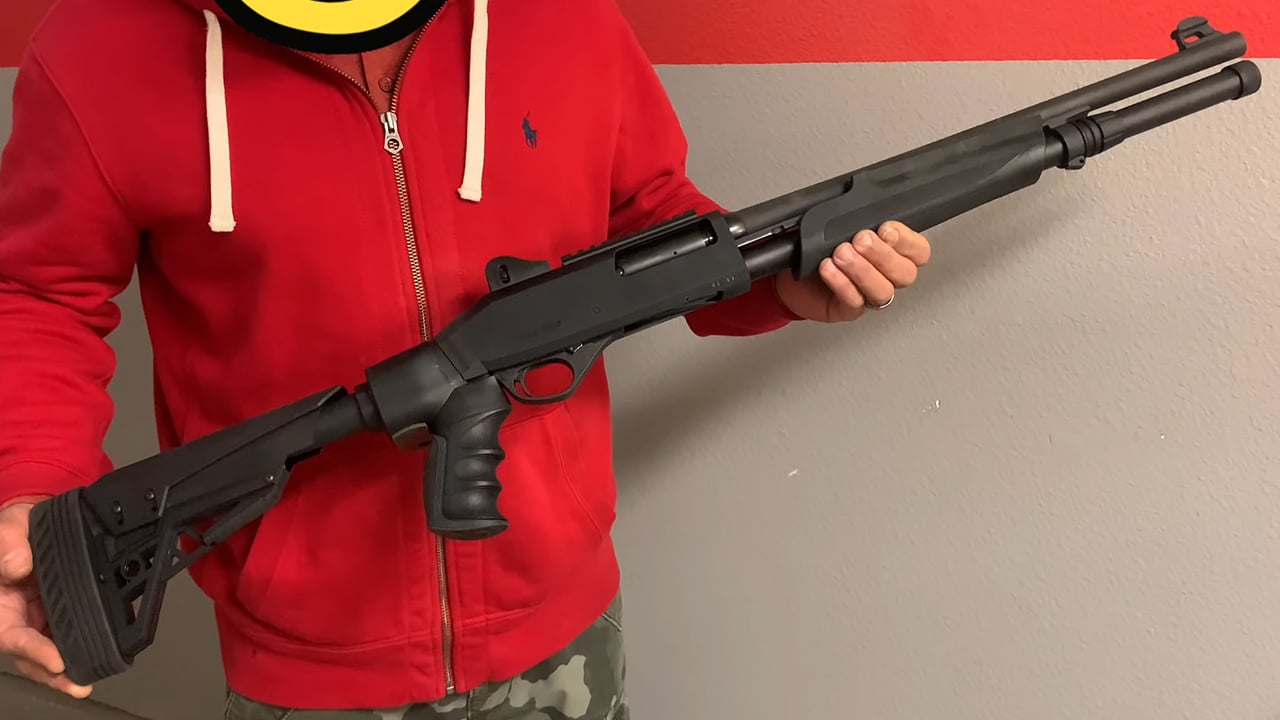
Stoeger pumps are the classic “budget shotgun that’ll do for now.” They’re usually serviceable, and for a guy who hunts a couple weekends a year, that can be enough.
But once you’ve carried and cycled a smoother pump—like a good 870, a Benelli Nova, or a higher-end Mossberg—you notice the difference immediately. When the action feels clunky with gloves on, in mud, or in a hurry, the savings stop feeling like savings.
9. Savage Axis (original models)
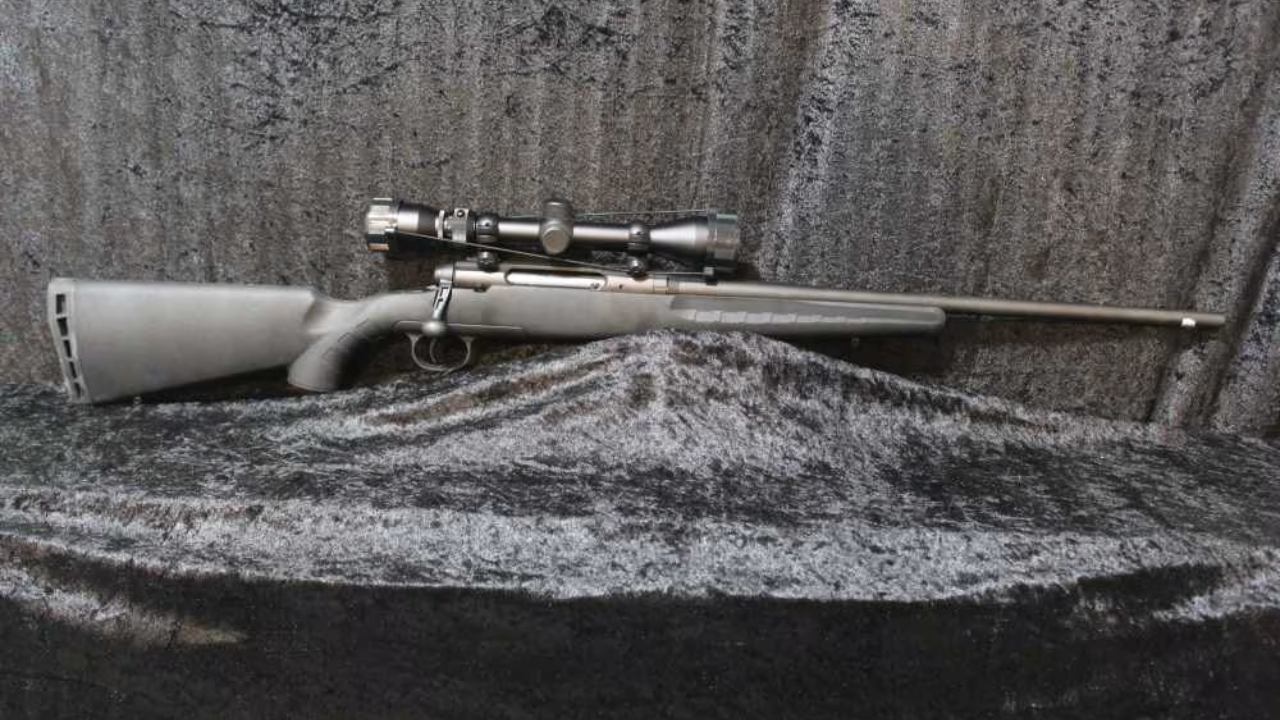
The Axis has probably killed a mountain of deer, and I’m not knocking that. It’s a cheap bolt gun that can shoot better groups than its price tag suggests, especially with ammo it likes.
The problem is the feel. Once you shoot a Tikka T3x, a Howa 1500, or even a Savage 110 with a better stock and trigger, the Axis feels hollow and flimsy. It’ll still fill a tag, but you stop wanting to spend long days behind it.
10. Remington 783

The 783 is another “it’s accurate enough” deer rifle that a lot of folks defend because it’s what they grabbed at the big-box store. Some of them shoot great. And the detachable mag seems like an upgrade until you live with it.
Compared to smoother actions in the same general category, the 783 can feel a little agricultural. When you run a Tikka, Bergara, or a nicer Remington from a different era, you realize how much the bolt lift and overall fit matter when you’re trying to quietly chamber a round in a stand.
11. Ruger American Rifle (Gen 1)

This is a tough one, because the Ruger American is legitimately one of the best values going. They shoot, they’re light, and they don’t scare the bank account. Plenty of hunters are right to trust them.
But the “it’s just as good as anything” talk fades after someone spends time with a rifle that balances better, feeds smoother, and has a stock that doesn’t feel like a plastic canoe paddle. Ask a guy who swapped to a Tikka or Bergara and suddenly started practicing more because it’s simply nicer to run.
12. Ruger Mini-14 (older thin-barrel models)

Mini-14 owners can be passionate. I respect it. The gun has a look, it has history, and it’s handy for ranch work. It also scratches the semi-auto itch in places where folks don’t want an AR vibe.
Then they shoot a basic AR-15 with a decent trigger and realize what easy accuracy looks like. Older Minis can open up groups as they heat, and the cost of mags and accessories doesn’t help. You can love the Mini and still admit the AR is a better shooter for most people.
13. PSA PA-15 (basic carbine)
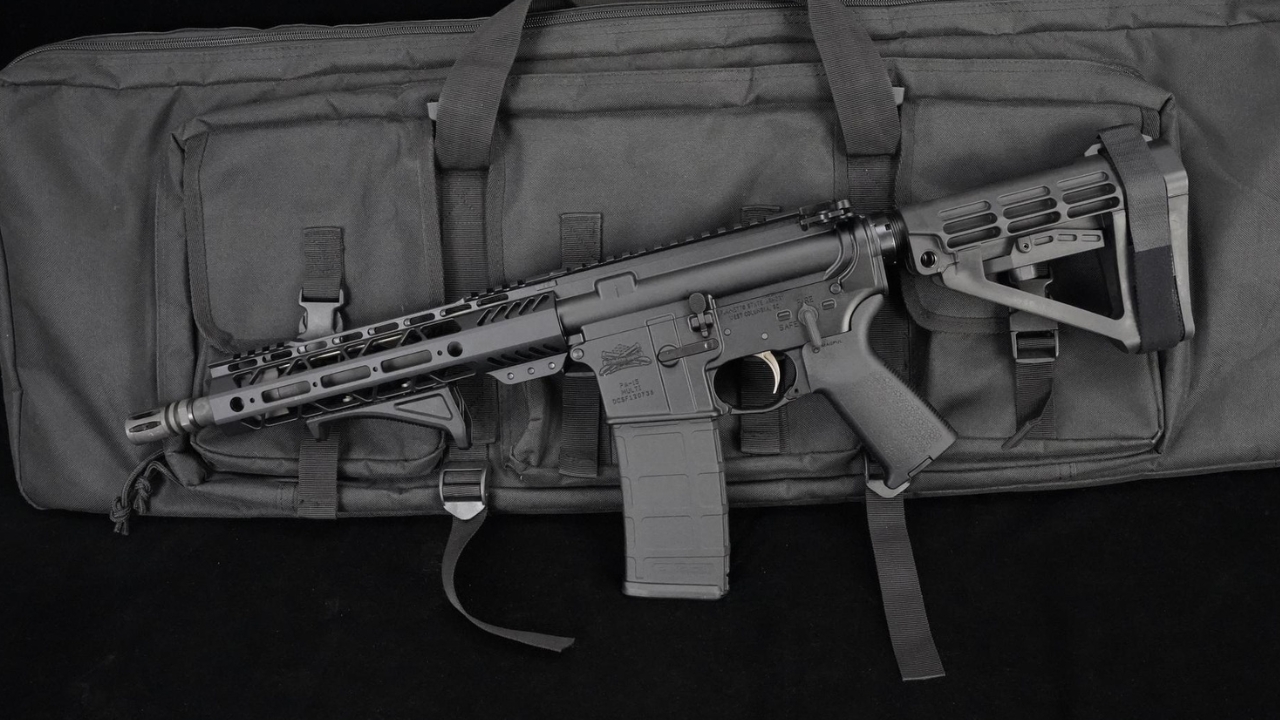
Palmetto State Armory has gotten a ton of people into ARs, and a lot of their rifles run fine. The base models are tempting because you can get a “real AR” without taking out a loan.
The defending starts when somebody points out the rougher triggers, the sometimes-gas-heavy recoil impulse, or little QC quirks that show up over time. Then that same shooter runs a BCM or a Daniel Defense and realizes what tight, consistent, boring reliability feels like. The PSA may still be a perfectly fine truck gun, but the illusion cracks.
14. DPMS Oracle

The Oracle was a common entry-level AR for years, and plenty of them did what they were supposed to. If you only shoot a couple boxes a year, you might never see a problem.
But once you start shooting classes, running drills, or just shooting more than a casual pace, you learn quickly what “good enough” parts feel like. A better AR doesn’t just group tighter—it feels smoother, cycles cleaner, and tends to stay in tune longer.
15. Century Arms C39V2
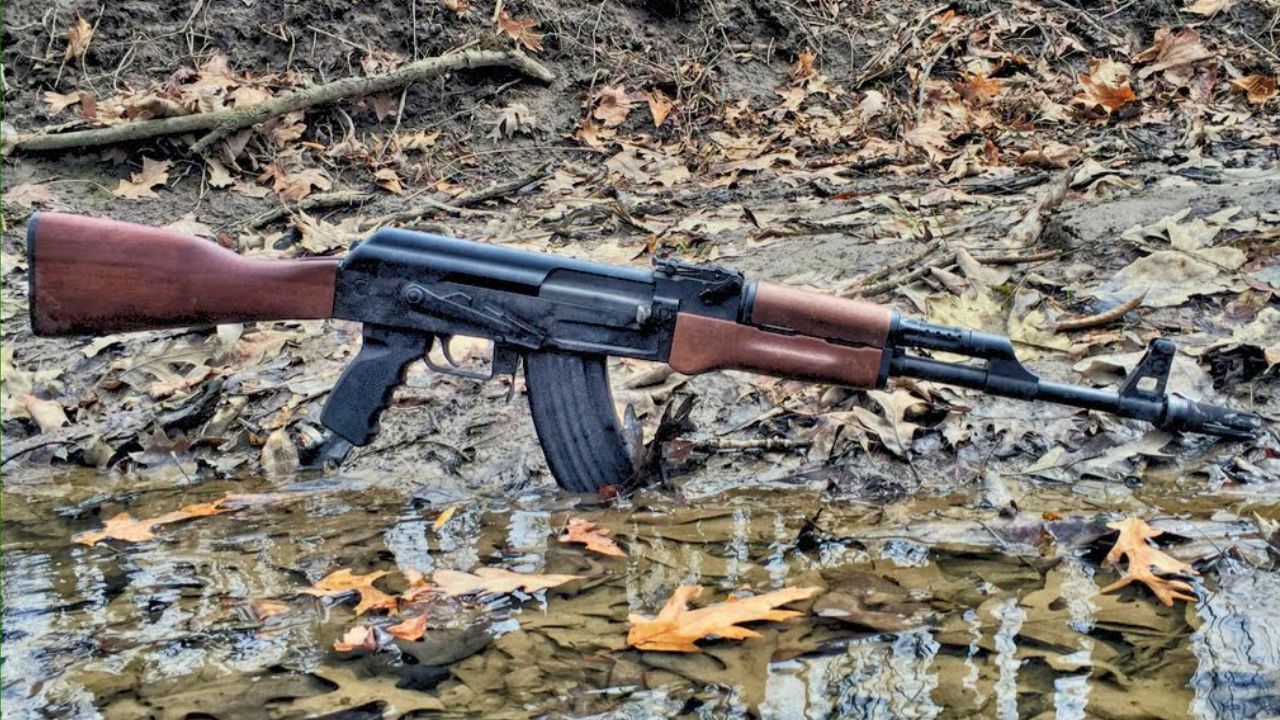
AK guys will argue about this one until the sun burns out. The C39V2 sold because it was available, it looked the part, and a lot of buyers wanted an American-made AK without paying collector prices.
The issue is durability concerns and long-term confidence. When someone finally spends time with a quality import like a Zastava or a well-regarded WASR that’s been vetted, the “mine’s fine” defense gets quieter. With AKs, you want boring consistency, not a science project.
16. Smith & Wesson M&P Shield (1.0)

The original Shield was a game-changer for concealed carry. Thin, reliable, easy to find, easy to holster. For years it was the default answer for a normal person who wanted a carry gun that didn’t feel like carrying a brick.
Then the micro-compact wave hit. Put a Shield 1.0 next to a P365, Shield Plus, or Hellcat and you realize how much capacity you’re giving up. The Shield still carries great, and I wouldn’t call it a bad choice, but it’s hard to keep claiming it’s the top of the pile.
17. Glock 43

The Glock 43 has the usual Glock virtues: simple, reliable, easy to support with parts and holsters. Owners defend it because it does what it says on the box and it’s easy to live with.
Then they shoot a 43X or a P365 and wonder why they tolerated the lower capacity for so long. The 43 is still a neat little carry gun, but once you experience similar concealment with more rounds and better shootability, it’s tough to go back.
18. Kimber Custom II

Kimber makes handsome 1911s, and the Custom II has probably been the “first nice 1911” for a lot of folks. When it runs, it feels great in the hand. The pride factor is real, too.
The defending starts when reliability or picky ammo behavior shows up, or when someone compares it to a Dan Wesson or a well-built Colt and feels the difference in fit, trigger consistency, and long-term confidence. A finicky 1911 is a headache if you actually want to shoot it a lot.
19. Rossi Circuit Judge
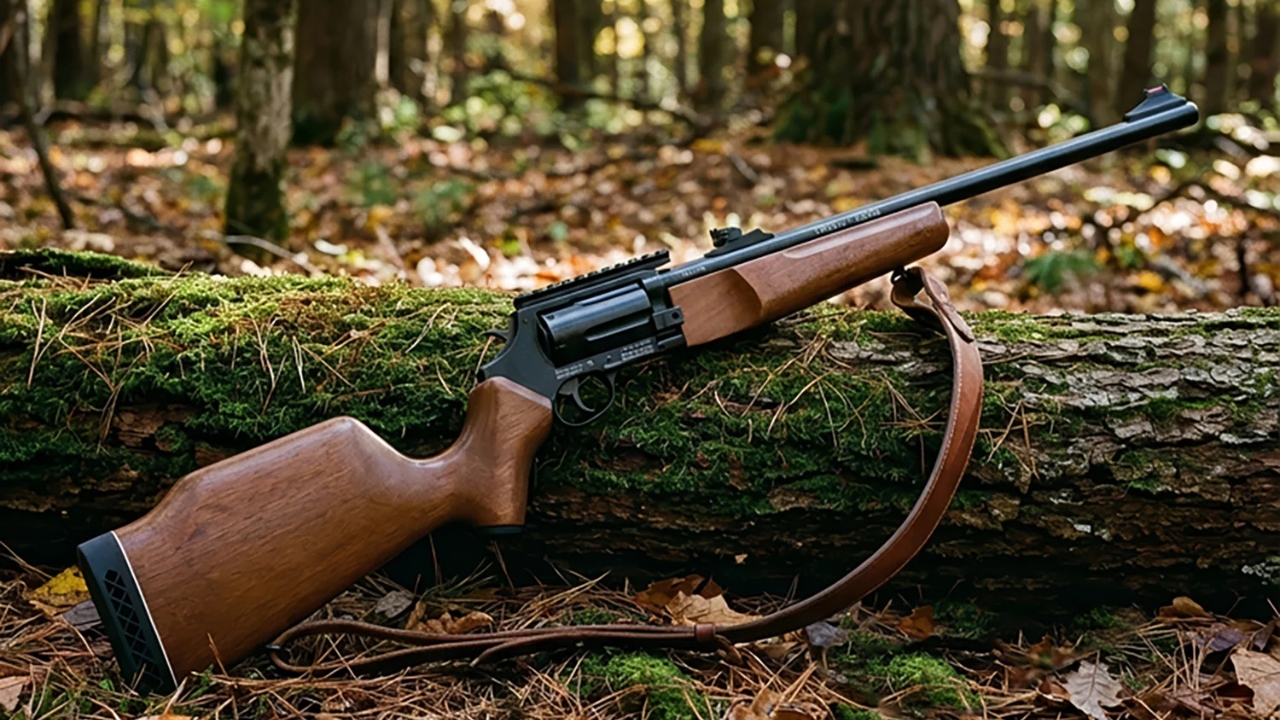
This one is a classic “cool idea in the store” gun. A revolving rifle that can shoot .410 and .45 Colt sounds like the ultimate woods-walking utility piece. Folks defend it because it’s fun and different.
Then they try to do real work with it—patterning .410 from that platform, dealing with the bulk, and realizing it’s not as handy as a simple lever gun or a light shotgun. It can still be a good time on the range, but most owners eventually admit it’s more novelty than necessity.
20. Kel-Tec SUB-2000

Fold-up carbines are handy, and the SUB-2000 has been a gateway gun for people who want something compact that takes common pistol mags. It’s easy to justify because it stores small and scratches the “rifle-ish” itch without rifle size.
Then you shoot a nicer pistol-caliber carbine and realize how much you were compromising on ergonomics, sights/optic setup, and general shootability. The SUB-2000 can still ride in a pack or behind a truck seat, but the minute you want a real training gun, it starts feeling like a compromise you don’t need.
The honest truth is most of these guns can still do a job. They’ve all filled tags, protected homes, or put steel on the ground at 50 yards. The trouble starts when “it works” turns into “it’s just as good,” because that’s usually a sign you haven’t spent enough time behind something better. If you’re happy with what you’ve got, fine. Just don’t be shocked when a couple magazines, a few clays, or a slow walk through the deer woods with a nicer rifle changes your mind.
Like The Avid Outdoorsman’s content? Subscribe to our newsletter so you never miss an article.
Here’s more from us: