Photo credit: Buffalo's Outdoors/Youtube
You can tell a lot about a shotgun in the first ten seconds of shouldering it. Does it come up to the same spot on your cheek every time, or are you hunting for the bead? Does the safety land where your thumb expects it, or does it feel like a deadbolt on the wrong door? When a shotgun makes you think about the gun instead of the bird or the buck, every shot starts to feel like a coin flip.
This isn’t a “bad gun” list as much as it’s a reality check. Some of these scatterguns can be made to run, some are just picky, and a few are famous enough that folks keep blaming themselves when the pattern, the point of impact, or the cycling isn’t there. I’ve hunted with a couple. I’ve watched buddies fight a few more. Here are 20 shotguns that can turn a sure thing into a long day.
1. Remington 870 Express (rough-chamber years)

The old 870 name still carries weight, but certain Express-era guns came out with chambers rough enough to make cheap steel-base shells stick. It shows up at the worst time: you fire, the bird folds, and you’re yanking the fore-end like you’re starting an old lawnmower.
If you keep one, test it with the exact shells you hunt with and run it hard before season. The Wingmaster smoothness isn’t guaranteed here, and when an 870 starts acting “sticky,” confidence goes out the window fast.
2. Mossberg 835 Ulti-Mag
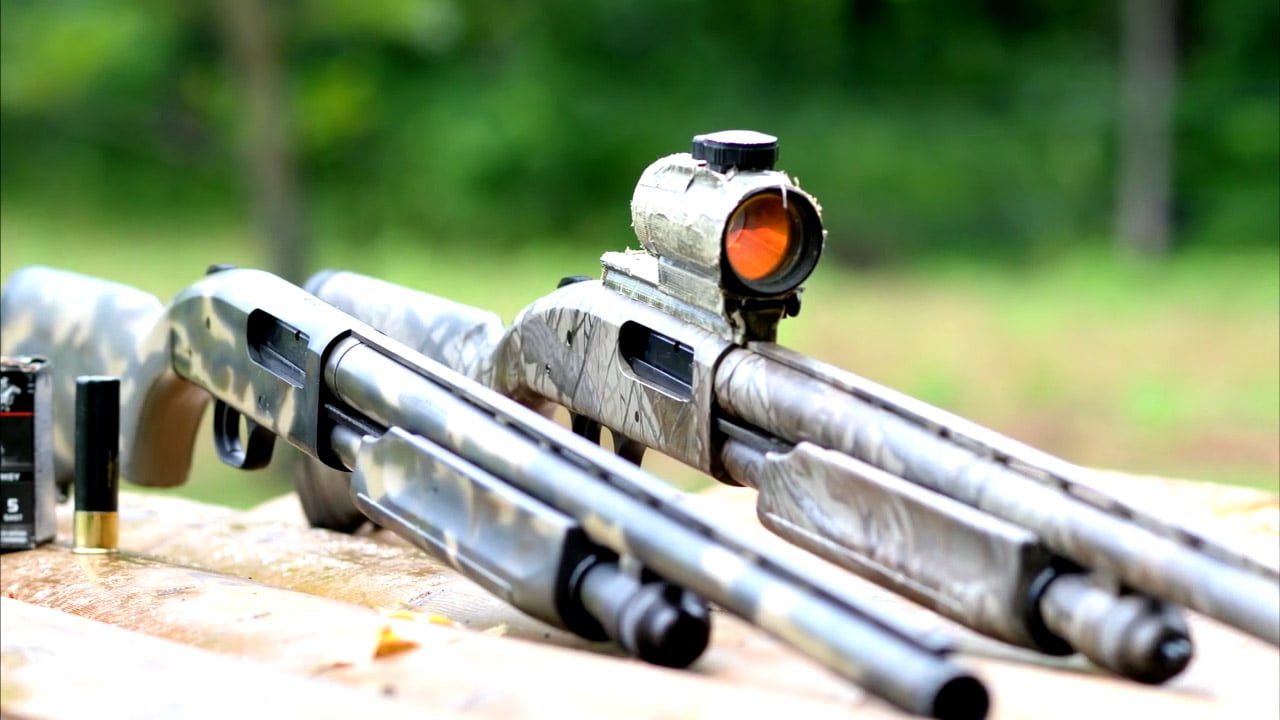
The 835 has put piles of geese and turkeys on the ground, but it can be a bear of a gun for the average hunter. It’s loud, it’s jumpy, and it has a way of making 3-1/2-inch loads feel personal.
Heavy recoil turns follow-up shots into a wrestling match, and flinching becomes a real problem if you don’t stay honest on the range. If it fits you and you’re disciplined, fine. If not, it’s a gamble every time a bird hangs up at 40 and you rush it.
3. Winchester SXP (shells and technique sensitive)
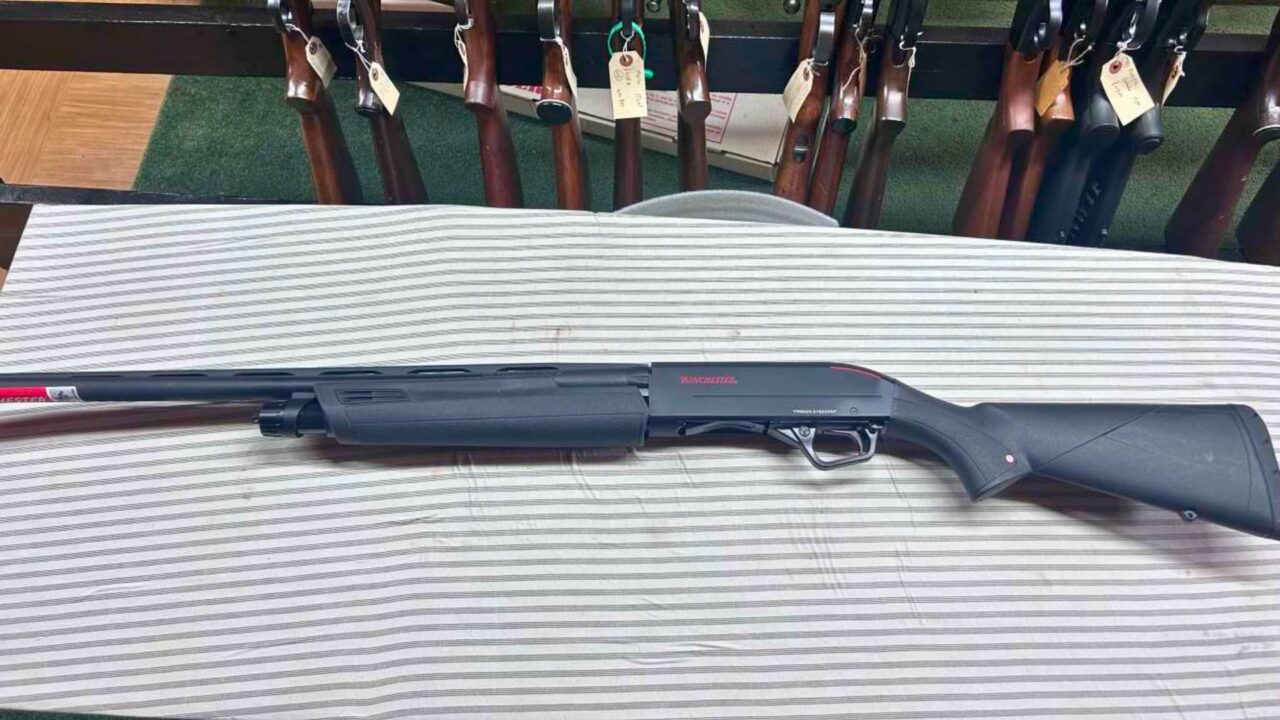
When the SXP is running, it feels fast. But I’ve seen them get finicky with light loads and I’ve seen short-stroking happen when a hunter is bundled up and shooting from weird positions in a blind.
A pump gun should be idiot-proof. If you need the perfect rhythm to keep it happy, that’s not ideal in cold weather when gloves, adrenaline, and awkward angles are part of the deal.
4. Benelli SuperNova (fit can be unforgiving)

I like the SuperNova’s toughness, but some shooters never make friends with the way it fits and points. If a shotgun doesn’t naturally line up with your eye, you’ll miss birds you swear you were on.
It’s not that the gun won’t shoot. It’s that the gun can make you chase the sight picture instead of letting it happen. A poor-fitting pump gun turns wing-shooting into constant second-guessing.
5. Stoeger P3000
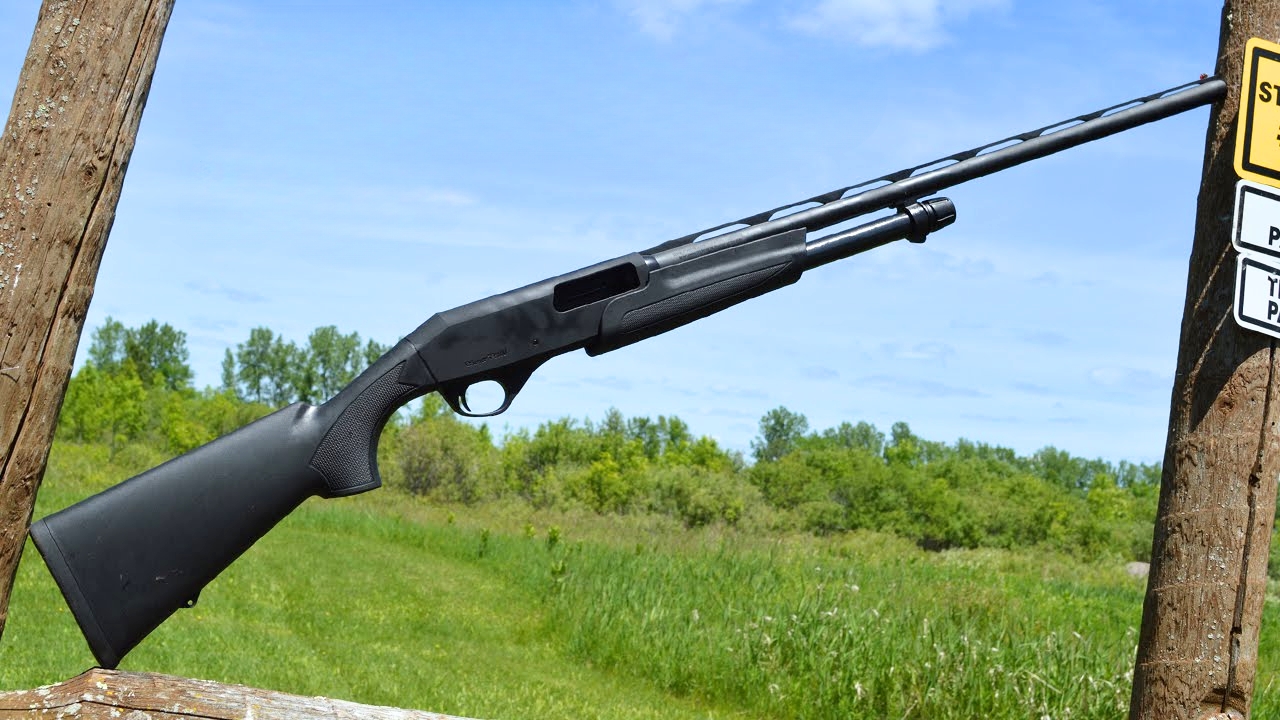
The P3000 is a budget pump that looks the part, but the actions can feel gritty and the overall finish can be rough. That doesn’t mean it can’t hunt. It means you may be the quality-control department.
I’ve watched guys fight occasional feeding weirdness and stiff controls right when the woods get quiet and a buck is slipping through. A bargain isn’t a bargain when your confidence is the first thing it costs you.
6. TriStar Raptor (inertia semi-auto learning curve)
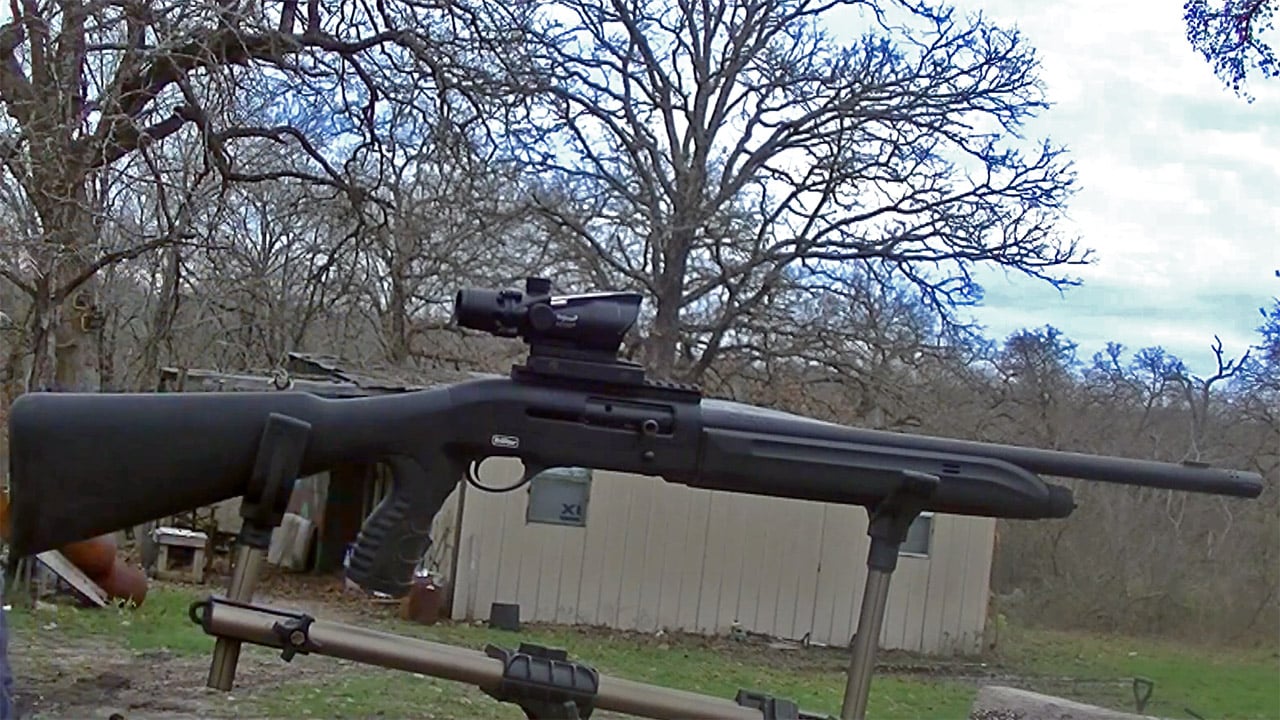
Inertia guns can be great, but they don’t always love light loads and sloppy shoulder pressure. The Raptor sits in that zone where it might run like a sewing machine for one guy and hiccup for another.
If you’re going to hunt doves or early-season birds with lighter shells, you need to prove it at the range. Otherwise you get the dreaded click-no-bang, or a failure to cycle that turns doubles into singles.
7. Remington 11-87 (O-ring roulette)

RedRockTrading/GunBroker
The 11-87 has killed plenty of ducks, but gas guns have their own personality, and the 11-87’s little O-ring has ended more hunts than folks like to admit. Lose it, tear it, or cook it with neglect, and the gun becomes a straight-pull single shot.
If you run one, carry spares and keep the system clean. A semi-auto that turns into a project in the middle of a wet hunt is the definition of a gamble.
8. Mossberg 930 (when it’s dirty or under-lubed)
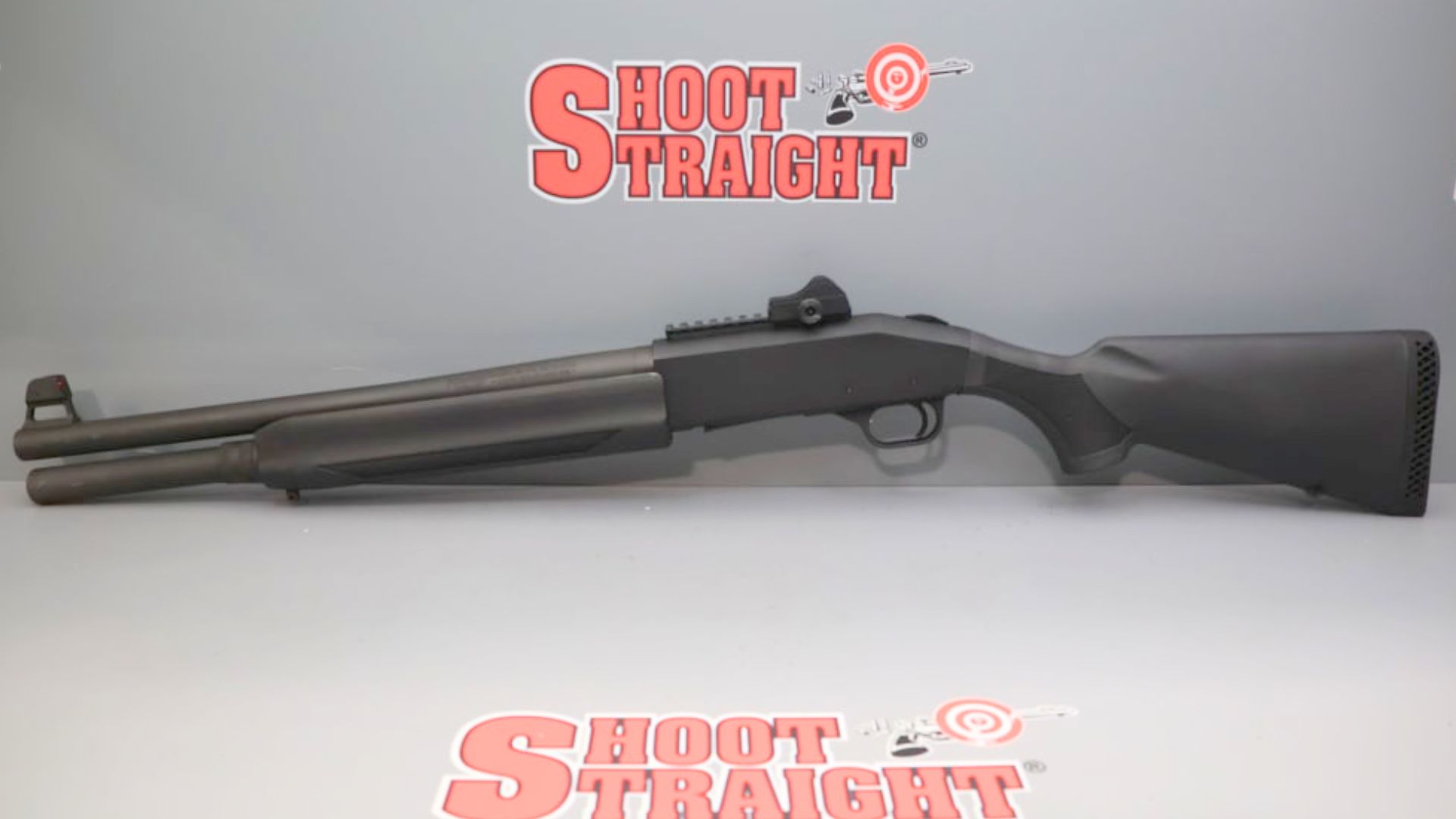
The 930 can be a solid workhorse, but it’s not the best choice for hunters who never clean a gun until the season’s over. It tends to tell on you when carbon builds up or when the gun gets dry.
In a duck blind, you don’t need a gun that’s “mostly reliable.” You need boring reliability. If your 930 is the kind that runs only when it’s pampered, that’s a problem.
9. Beretta A300 Outlander (likes the right loads)
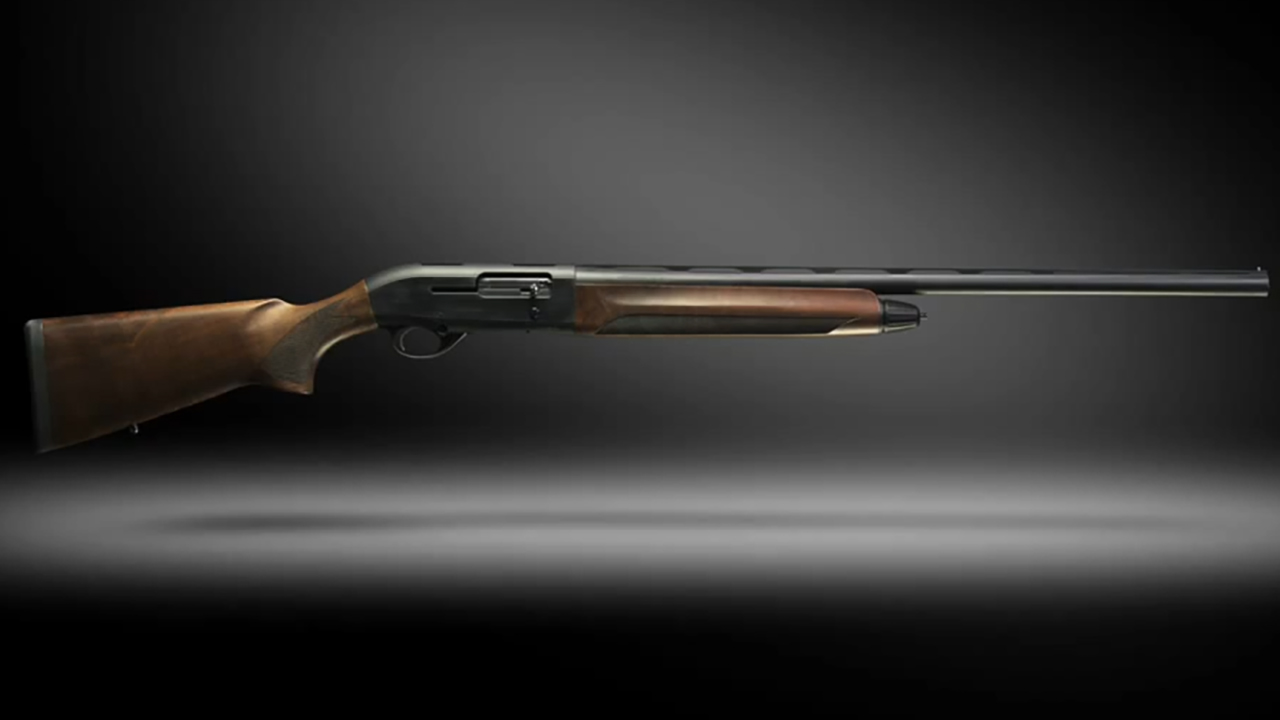
The A300 is generally a good buy, but I’ve seen enough new owners expect it to cycle everything from bargain-bin promo loads to the lightest target shells without a hiccup. Sometimes it will. Sometimes it won’t.
That’s not a moral failing of the gun. It’s just how gas systems and break-in can go. If you don’t test your exact dove load ahead of time, you’re betting a hunt on hope.
10. Franchi Affinity (fit and point-of-impact surprises)

The Affinity carries nice and feels sleek, but I’ve watched shooters miss high or low because the gun didn’t shoot where their eyes assumed it would. With shotguns, point of impact is everything, and not every gun matches every face.
If your cheek weld changes as you swing, the pattern moves. Pattern it. Adjust it. Don’t assume. Missing easy birds with a “nice” shotgun is one of the more frustrating lessons out there.
11. Browning BPS (bottom-eject, heavy, and not for everyone)
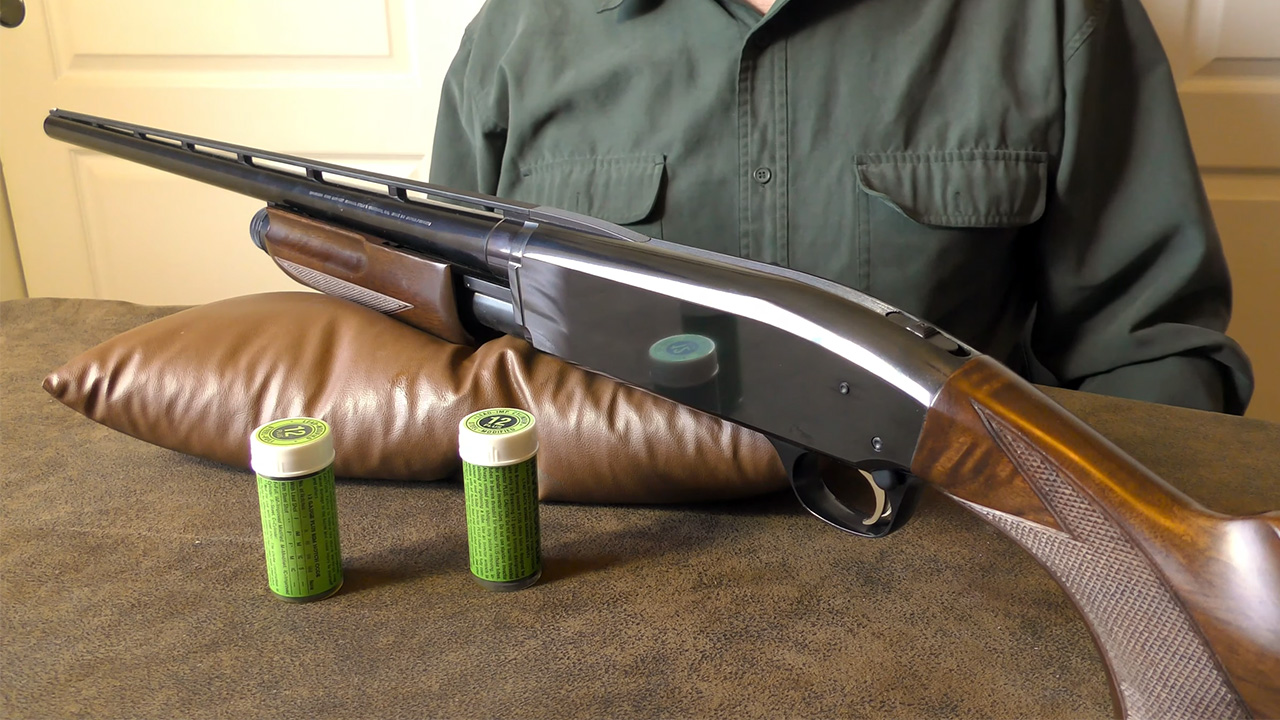
The BPS is built like a bank vault and the bottom-eject is great for lefties, but it’s also a heavier pump that can feel sluggish on fast birds. In thick cover, weight isn’t always your friend.
The controls and balance don’t suit everybody either. If it fits you, you’ll love it. If it doesn’t, it’ll feel like you’re late to every shot.
12. Ithaca Model 37 (older guns with quirky wear)
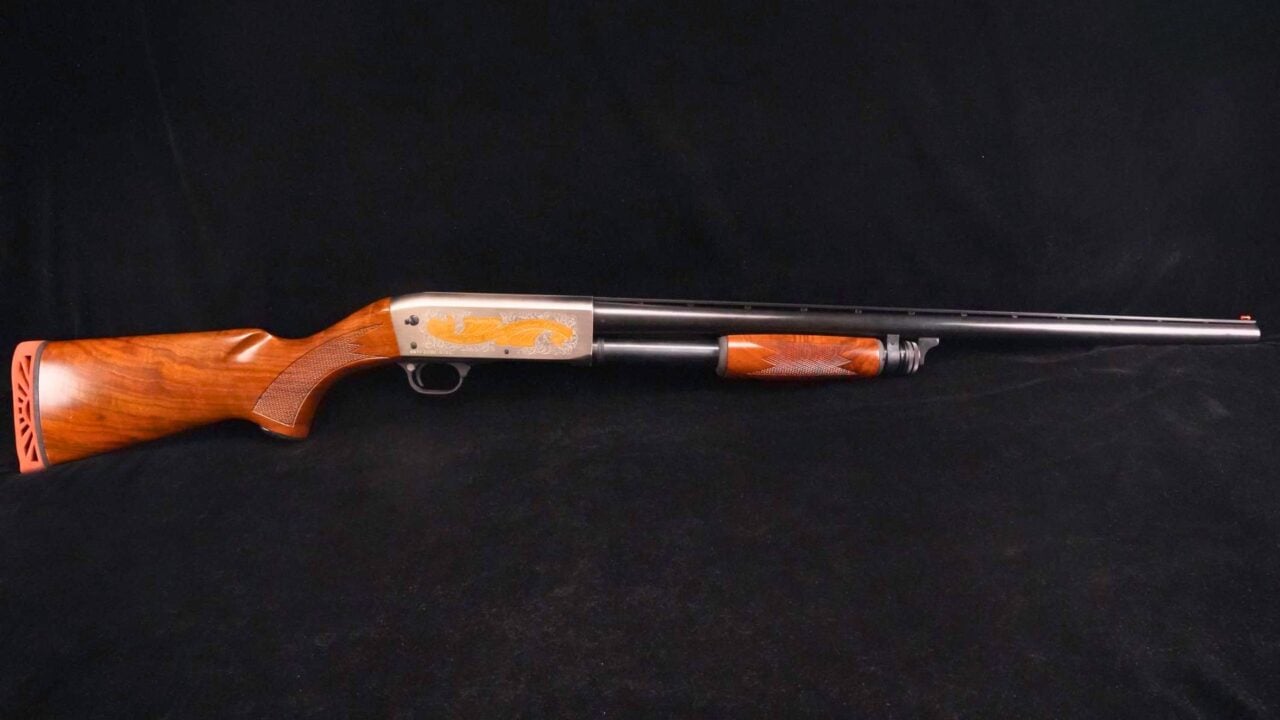
A good Model 37 is a joy. An old one that’s been “used hard and put away wet” can be another story. Worn lifters, tired springs, and mystery modifications show up as feeding problems right when a rooster erupts under your feet.
Classic doesn’t always mean dependable today. If you’re buying one used, you’re buying its entire history, not just the name on the receiver.
13. Savage/Stevens 320
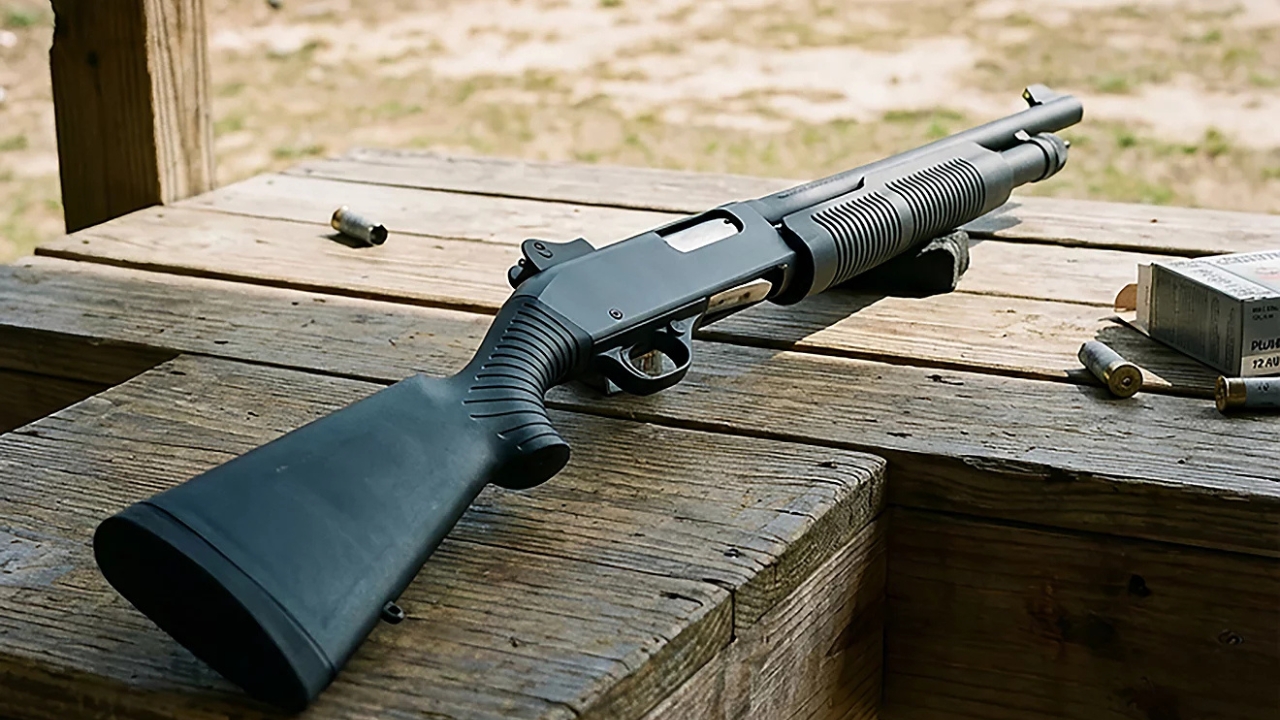
The 320 has introduced plenty of hunters to shotgunning on a tight budget, but the fit and finish can be inconsistent. The action can be stiff, and the gun can feel like it wants to fight you when you run it fast.
It’s one of those guns where a good one is “good enough,” and a bad one will make you question every miss. That uncertainty is the problem.
14. Hatsan Escort (parts and support can be a headache)

I’ve seen Escorts that ran fine for a season or two, and then the owner couldn’t find a small part or a magazine-related fix without turning it into a scavenger hunt. When something goes down, you want easy answers.
If you hunt hard, the ability to get springs, pins, and service matters. A shotgun that becomes a paperweight over a minor issue is a tough pill.
15. Charles Daly Semi-Auto (budget imports vary a lot)
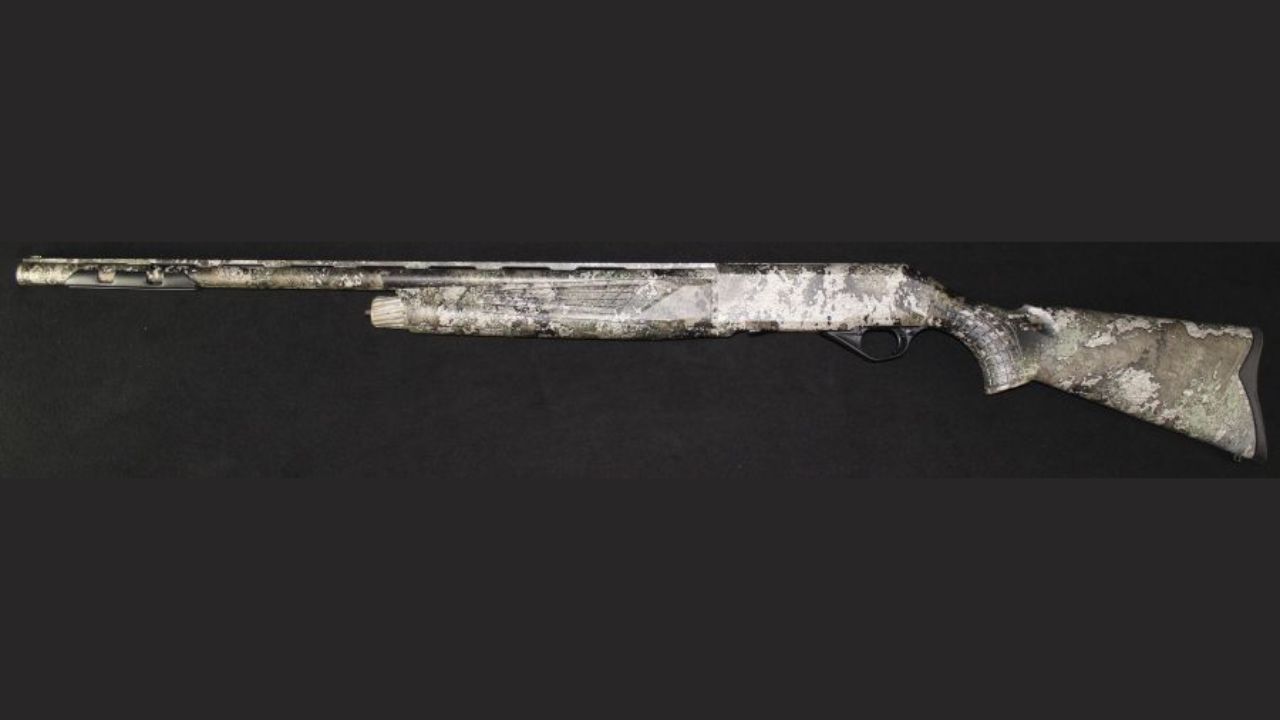
Some of the newer Daly semi-autos feel decent in the hands, and some feel like a gamble right out of the box. The issue isn’t just cycling. It’s consistency gun-to-gun.
If you buy one, you really need to put a few boxes through it before you trust it in a blind. A shotgun shouldn’t be a surprise every time you load it.
16. Weatherby SA-08 (maintenance and gas settings matter)

The SA-08 can be a soft shooter, but the gas system and settings can trip folks up. If you don’t stay on top of cleaning or you run it outside its comfort zone, it can start short-cycling.
Gas guns are like trucks: reliable when you maintain them, moody when you ignore them. If you’re not the maintenance type, this one can feel unpredictable.
17. Benelli M2 (great gun, but not always great for everybody)
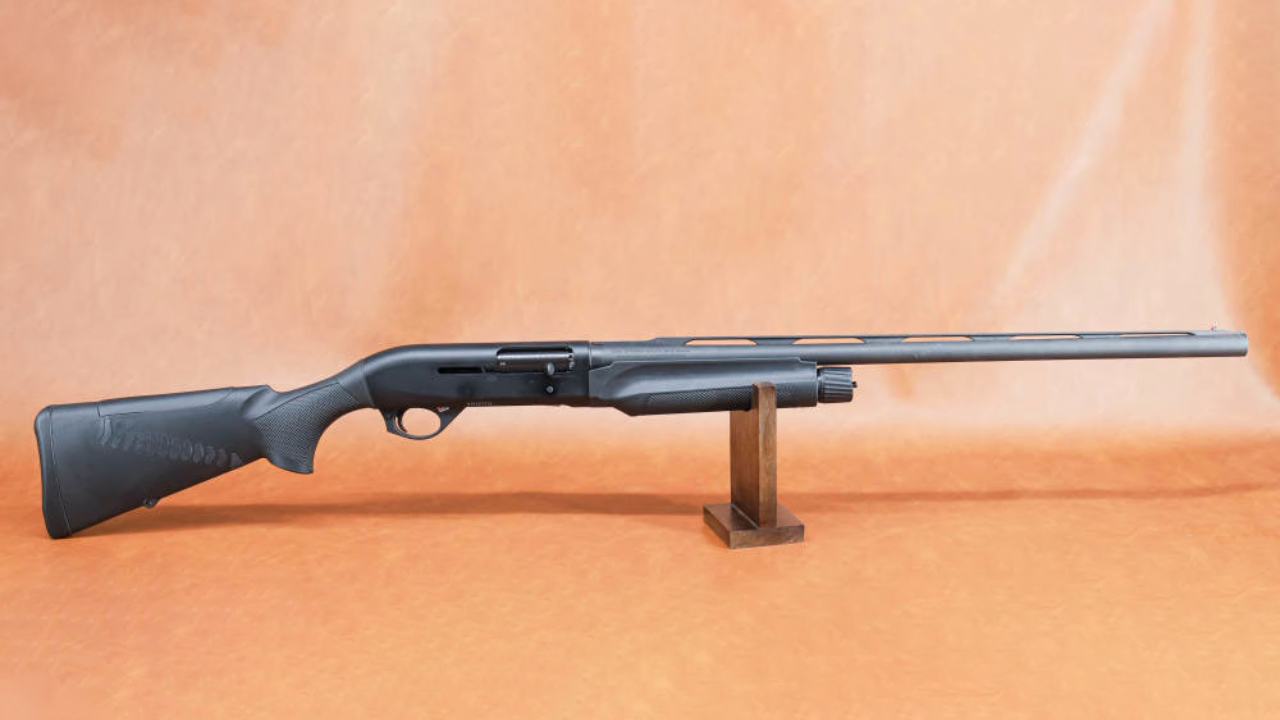
This will ruffle feathers, but I’ve watched hunters buy an M2 because “Benelli,” then struggle because inertia guns reward a firm mount and consistent stance. In weird field positions—sitting, twisted, layered up—some shooters get occasional hiccups.
Also, not everyone shoots the M2’s stock geometry well. A premium shotgun that doesn’t match you is still the wrong shotgun.
18. Remington V3 (excellent design, but early teething stories linger)
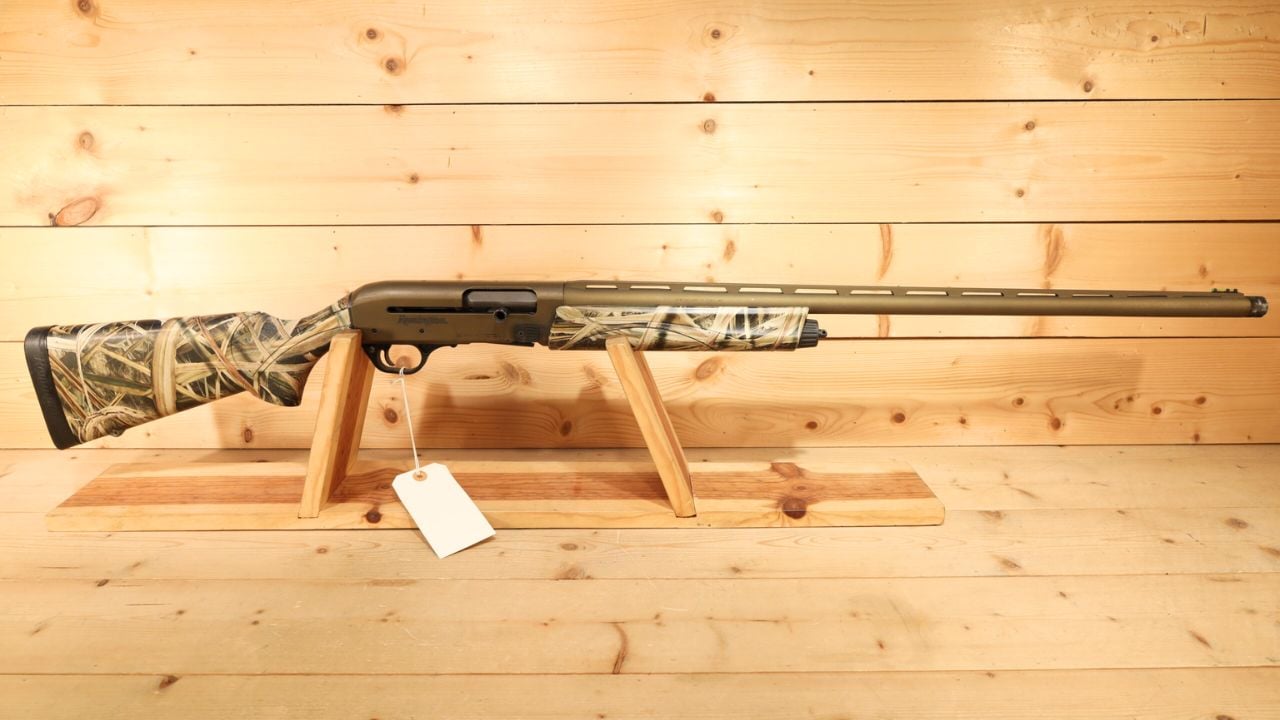
The V3 is a smart system and many run fantastic. Still, I’ve seen enough talk of early production quirks, and I’ve handled a couple that felt like they needed sorting before I’d call them “hunt ready.”
When a gun line has mixed experiences, it creates doubt. Doubt makes you baby the trigger, and babying the trigger makes you miss.
19. Winchester Super X2 (older used guns can be a mystery box)
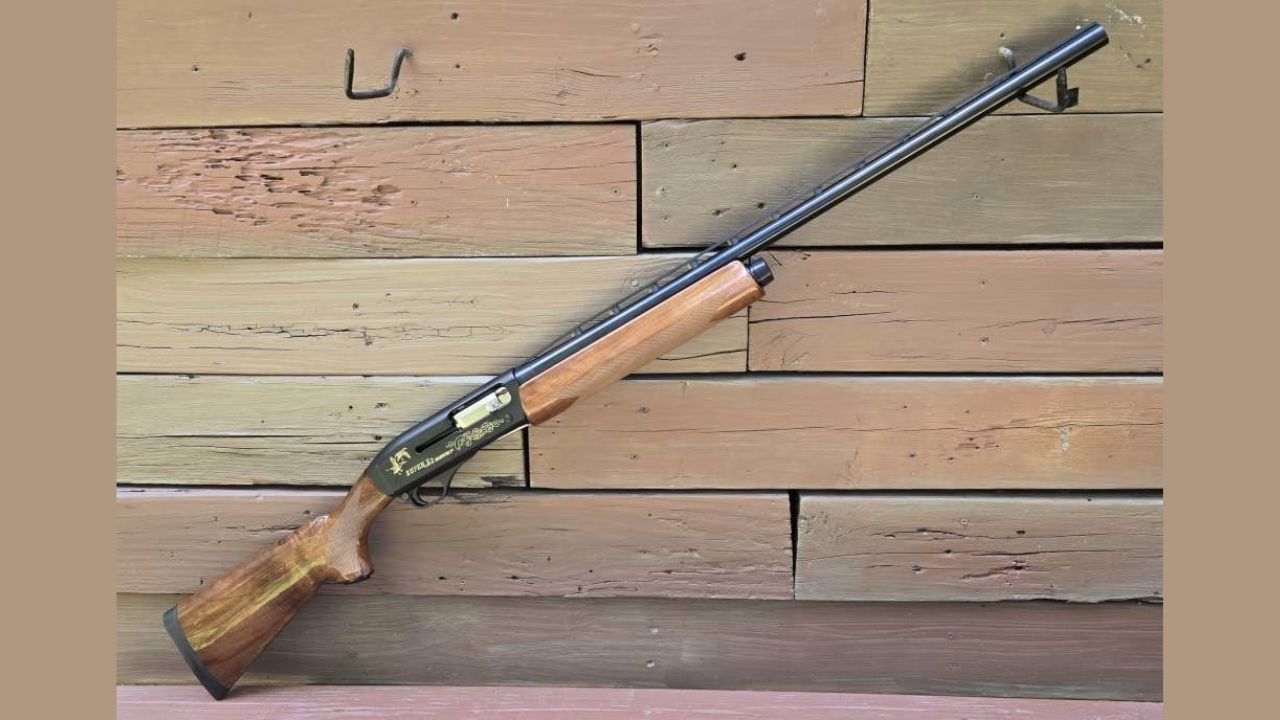
The Super X2 has a loyal crowd, and for good reason. But buying one used can be a roll of the dice. Springs wear, previous owners tinker, and parts availability isn’t always as simple as walking into any shop.
If you find a clean one, hang onto it. If you find a questionable one, be honest about what it might take to make it boring again.
20. Turkish over/under field guns (CZ Drake included)
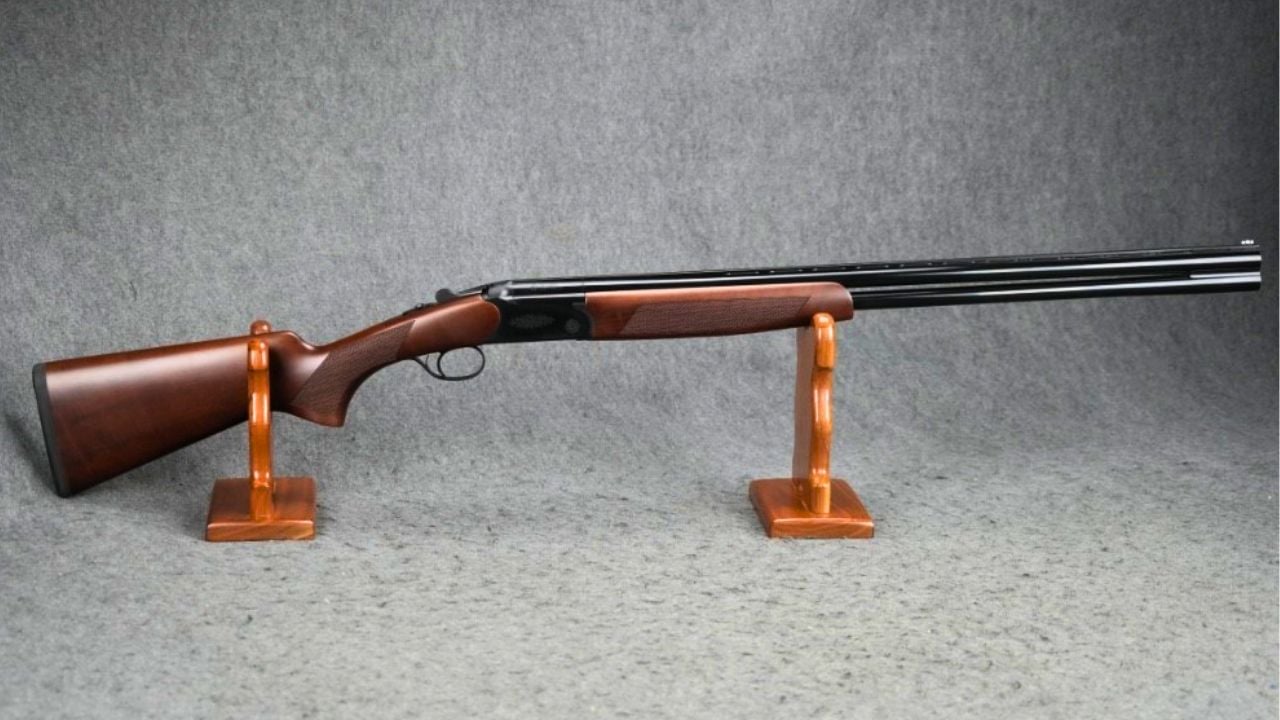
I’m not picking on one brand here, but the affordable O/U market is full of guns that look great on the rack and then loosen up, start doubling, or go off-face sooner than you’d expect. The CZ Drake gets mentioned a lot because it’s popular and accessible, not because every single one is junk.
Over/unders are supposed to be simple. When you’re worried about longevity, firing pin issues, or whether it’ll stay tight, you stop enjoying the hunt. If you want an O/U for heavy use, it’s worth saving longer and buying once.
Here’s the honest part: any one of these shotguns can work, and plenty of them do. The problem is when you haven’t tested your exact setup—load, choke, fit, and function—before the first real hunt morning. If your shotgun makes you wonder, you already know the answer. Get it patterned, get it proven, or get a different gun that lets you focus on the bird instead of the bolt.
Like The Avid Outdoorsman’s content? Subscribe to our newsletter so you never miss an article.
Here’s more from us: