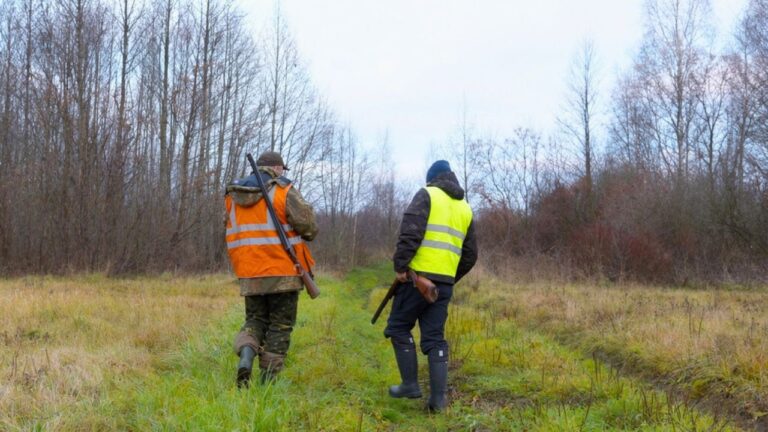
Photo credit: IndigoBunting/Pixabay.com
For decades, certain states were practically automatic choices when hunters started planning an out-of-state trip. They had reputations for plentiful game, generous opportunity, affordable tags, accessible public land, or some combination of all four. Plenty of those states are still capable of producing excellent hunts today, but the experience surrounding the hunt has changed.
Higher nonresident prices, tougher draw odds, shrinking access, increased competition, changing regulations, and heavier hunting pressure have caused some hunters to rethink destinations they once considered obvious choices. In many cases, people are not abandoning these states entirely. They are simply deciding the cost, planning, and frustration no longer make as much sense as they once did. These are some of the states that increasingly find themselves in that conversation.
Colorado

Colorado was once the state many elk hunters pointed toward when they wanted a realistic Western hunt without waiting half their lives for a premium tag. That reputation brought enormous attention, though, and the resulting pressure has changed how many hunters look at the state. Popular trailheads, public-land drainages, and well-known over-the-counter areas can feel dramatically different than they did 15 or 20 years ago.
The state can still produce excellent elk, mule deer, and pronghorn hunting, especially for people willing to study draw systems and get away from obvious access points. The problem is that hunters who remember Colorado as an easy entry point into Western hunting increasingly see more competition, more complicated planning, and fewer places where they can simply buy a tag and figure things out afterward.
Montana

Montana built much of its hunting reputation on enormous landscapes, strong elk and deer populations, and the feeling that hunters could still find room to roam. That image remains powerful, but nonresident hunters have watched the cost and complexity of hunting the state climb while desirable areas continue drawing more interest.
Private-land access is another major consideration. Some regions contain tremendous numbers of animals, yet actually reaching them can be difficult without permission, an outfitter, or careful planning around public parcels. Hunters who once viewed Montana as the ultimate DIY destination are increasingly comparing it with other Western states before committing. There are still fantastic opportunities, but the days of assuming Montana automatically provides an inexpensive, low-pressure Western adventure are long gone.
Wyoming
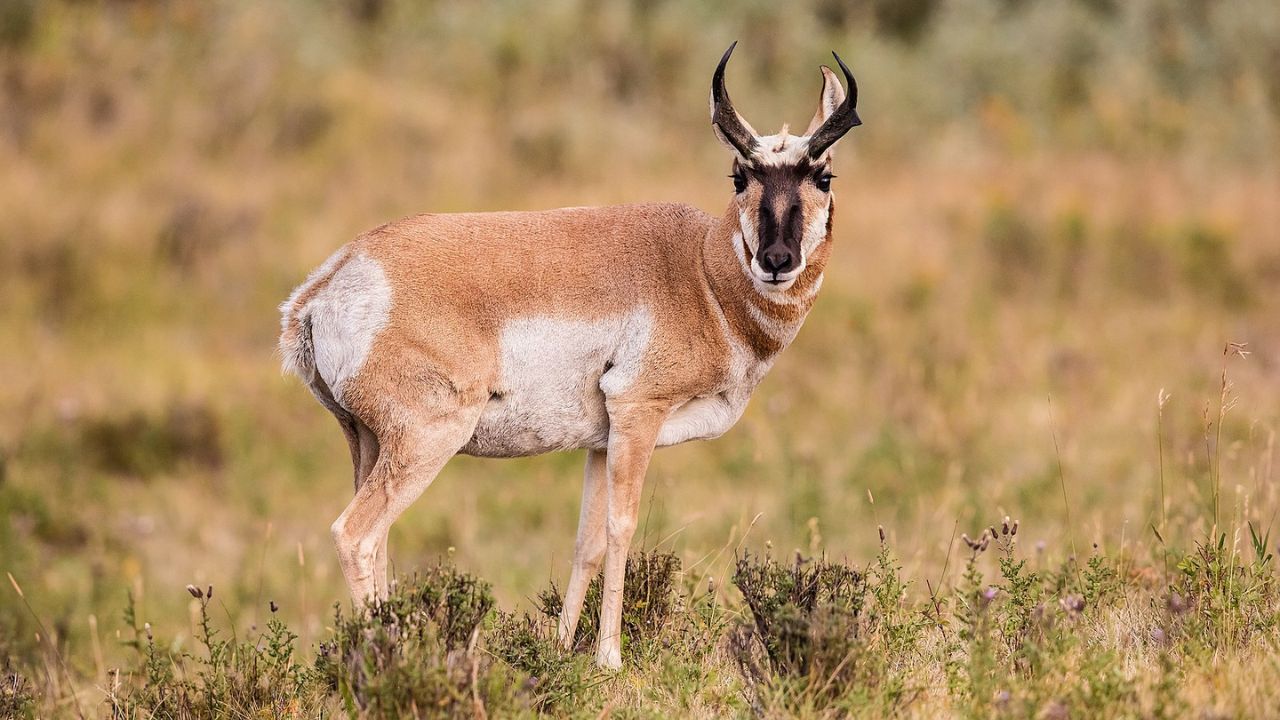
Wyoming remains one of the best big-game states in the country, which is exactly why hunters become frustrated with it. Demand for elk, mule deer, and pronghorn tags continues to make desirable hunts difficult to draw, particularly for nonresidents trying to enter the system without years of accumulated preference points.
Recent winters have also reminded hunters how quickly Western herds can be affected by severe weather. That does not mean Wyoming hunting has collapsed. Far from it. The state still produces incredible animals and memorable hunts. The issue is that hunters who once expected fairly straightforward access now face a much larger investment of time, money, and patience. Some have started asking whether chasing points for years is worth it when other states may provide a hunt sooner.
Idaho

Idaho became extremely attractive to hunters looking for rugged public land and relatively straightforward opportunities for elk and deer. Then everyone else noticed. Competition for certain nonresident tags has become intense enough that simply securing a license can feel like the first hunt of the season.
Once hunters arrive, Idaho’s terrain provides another reality check. Much of the best country is steep, thick, and physically demanding. Elk can disappear into enormous tracts of timber, and pressure near accessible areas can push animals into places that require serious effort to reach. Hunters who love difficult backcountry hunting still have plenty to like about Idaho. Those expecting the relatively easy opportunity that gave the state its reputation may decide the tag race and hunting pressure are no longer worth it.
Arizona

Arizona is famous for giant elk and outstanding mule deer, but that reputation comes with a serious downside: everybody wants those tags. Premium hunts can require a long-term commitment to the draw system, and hunters entering without points face the possibility of waiting years while continuing to spend money just to stay involved.
That makes Arizona an increasingly difficult sell for hunters who simply want to hunt rather than build a decade-long application strategy. There are still opportunities outside the most famous units and species, but many hunters are unwilling to structure their plans around a tag that may not arrive for a very long time. Arizona remains a dream destination. The difference is that some hunters are deciding dreams with extremely long waiting lists are not where they want to put their money.
Utah

Utah has enormous hunting appeal because of its trophy potential, but premium opportunities can feel almost unreachable for ordinary hunters. The state has several legendary units, and those units attract applicants from across the country. The result is a system where hunters may spend years accumulating points without ever knowing exactly when their opportunity will come.
General-season hunting can provide a more realistic path, but increased competition and concerns about mule deer numbers in portions of the West have changed expectations. Hunters who once imagined Utah as a place they would eventually draw an incredible tag sometimes reach a point where they stop applying and spend their money somewhere that provides more predictable opportunity. Utah remains spectacular. It just requires patience that fewer hunters are willing to give indefinitely.
New Mexico

New Mexico offers tremendous elk hunting, but its draw system can be brutal because hunters cannot simply build preference points and know they are slowly moving toward a tag. Every year can feel like starting over, particularly for nonresidents trying to draw highly desirable public-land hunts.
That uncertainty appeals to hunters who like knowing everyone technically has a chance, but it frustrates people who have applied repeatedly without success. Private-land opportunities can open additional doors, although those options often come at a significantly higher price. New Mexico still deserves its reputation as serious elk country, yet some hunters eventually grow tired of sending applications into a system where years of participation do not necessarily improve their position.
Iowa
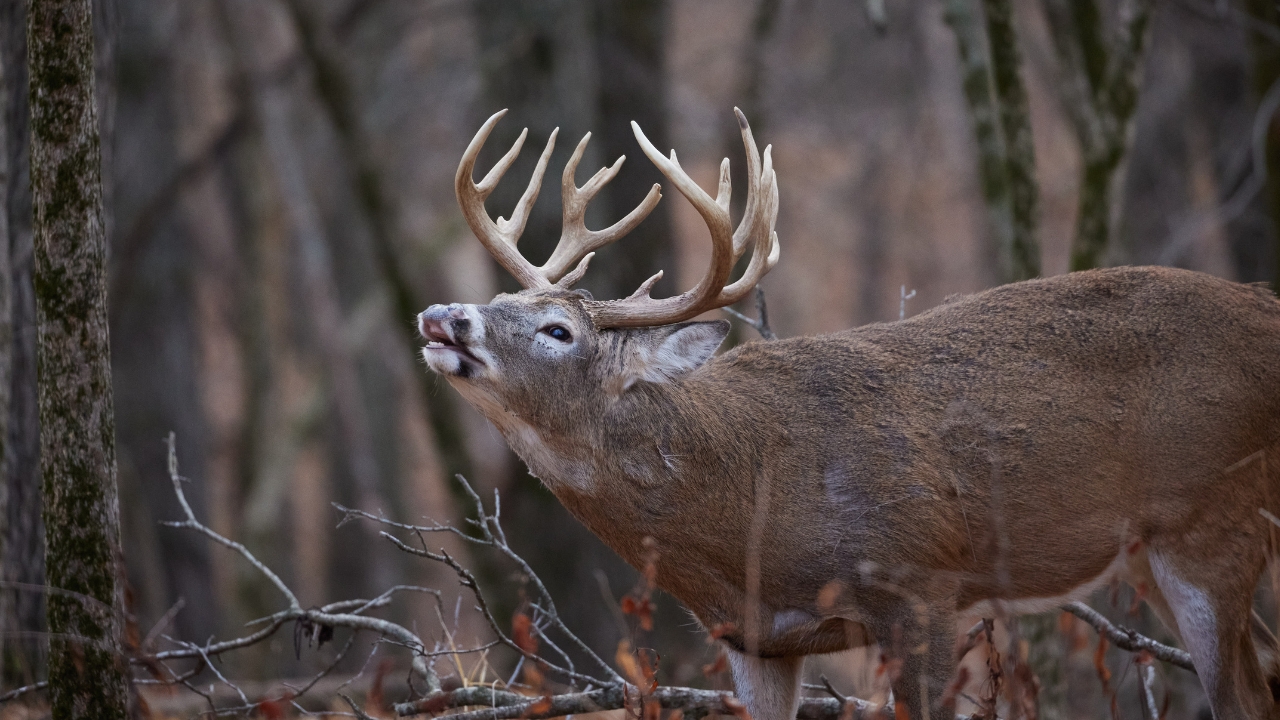
Iowa became legendary among whitetail hunters because of its ability to produce mature, heavy-antlered bucks. That reputation remains justified, but actually getting the chance to hunt there as a nonresident requires considerably more planning than traveling to many other whitetail states.
Limited tags, preference-point waiting, and the challenge of securing quality ground have caused some traveling hunters to look elsewhere. Iowa also has relatively little public land compared with sprawling Western states, so finding a place to hunt can become the bigger challenge once the tag finally arrives. Hunters with good private access may still consider Iowa one of America’s premier deer destinations. Hunters starting with nothing but a tag and a map sometimes decide the investment has become too steep.
Kansas

Kansas once had a reputation among traveling deer hunters as a place where serious whitetails could be found without the hype surrounding states like Iowa or Illinois. That secrecy disappeared a long time ago. Outfitters, television hunting, social media, and word of mouth helped expose just how good Kansas could be.
Today, strong hunting still exists, but quality access is increasingly valuable. Private ground can be difficult or expensive to secure, while accessible public parcels often attract hunters who are all targeting the same reputation. Western portions of the state also face habitat and weather challenges that can affect deer numbers from one area to another. Kansas has not stopped being a good deer state. Hunters simply have to work much harder to find the overlooked opportunities that once made it special.
Illinois
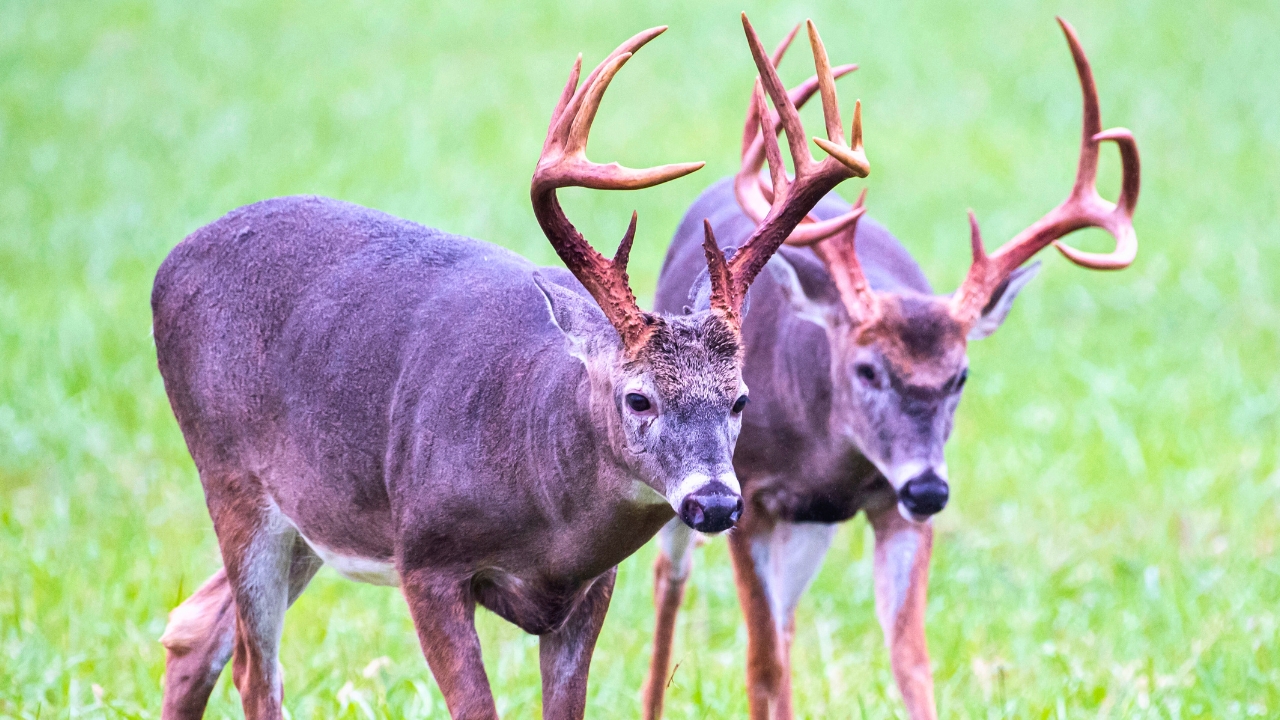
Illinois was once nearly synonymous with giant Midwestern whitetails. Some of the country’s most famous deer came from the state, and generations of hunters dreamed about sitting along an Illinois crop field during the rut. That history still attracts hunters, but the experience has become less automatic.
Prime private ground can be expensive, leases have changed access throughout many productive counties, and hunters without connections may struggle to secure a place that justifies an out-of-state trip. Illinois still grows tremendous bucks, and serious deer hunters continue traveling there every fall. The difference is that neighboring states can sometimes offer comparable opportunity with easier access or lower overall costs. Hunters increasingly compare the complete experience instead of chasing the Illinois name alone.
Nebraska

Nebraska earned plenty of attention by offering hunters a mix of whitetails, mule deer, turkey, and pronghorn opportunities without the intimidating mountains of the farther West. For a while, it felt like one of the easier states for traveling hunters to explore.
Growing pressure changed some of that perception. Public parcels and accessible river corridors can attract substantial attention, while private ground remains critical in many productive areas. Nebraska has also dealt with changing regulations and management decisions that force traveling hunters to pay closer attention before making plans. There are still excellent animals throughout the state, but hunters expecting an overlooked bargain destination may be disappointed. Nebraska is increasingly a place where local knowledge matters considerably more than its old reputation suggests.
South Dakota

South Dakota remains famous for pheasants, but that popularity comes with a price. Hunters traveling to the state quickly discover that some of the best bird hunting is closely tied to private access, commercial operations, leases, and managed habitat.
DIY hunters can absolutely find birds, especially if they put in the effort to research public access and walk-in ground. The issue is that the classic image of pulling into South Dakota and finding endless pheasant country can be misleading. Deer hunters face many of the same challenges, particularly when searching for productive ground away from crowded access points. South Dakota remains a destination worth hunting, but hunters increasingly understand that simply showing up in a famous state does not guarantee the experience they imagined.
North Dakota

North Dakota has traditionally attracted hunters looking for waterfowl, upland birds, and deer without the level of national attention received by some neighboring states. As more hunters discovered those opportunities, pressure around productive areas became harder to ignore.
Waterfowl hunters in particular can find themselves competing for access, scouting the same feeds, or dealing with birds that have seen significant pressure by the time migrations peak. Changes in land access and posting systems also require hunters to do more homework than they might remember from earlier trips. North Dakota still has outstanding hunting when conditions line up. The challenge is that traveling hunters who expect wide-open access and lightly pressured birds may find the modern experience considerably different.
Wisconsin

Wisconsin remains one of America’s great deer-hunting cultures, but not every hunter feels as optimistic about the state as they once did. Chronic wasting disease concerns, changing herd conditions, hunting pressure, and local differences in deer numbers have created dramatically different experiences depending on the county.
Northern hunters may complain about low deer sightings while agricultural regions farther south can still hold impressive numbers and mature bucks. That unevenness makes Wisconsin difficult to describe with a single label. Some hunters continue experiencing excellent seasons year after year, while others have become frustrated enough to travel elsewhere. Wisconsin is not losing its deer-hunting tradition, but hunters who remember consistently strong action in a particular area may find themselves adjusting expectations or searching for new ground.
Michigan

Michigan has an enormous deer-hunting population and a tradition that stretches across generations. That popularity is also part of the challenge. Public areas can receive substantial pressure, particularly in the Lower Peninsula, and heavy hunter numbers can quickly change deer movement once firearm seasons begin.
Parts of the Upper Peninsula present a different problem. Harsh winters, predators, habitat conditions, and lower deer densities can make hunting far more difficult than newcomers expect. Michigan absolutely contains quality bucks and hunters who consistently succeed, but success often requires carefully managing private property or learning overlooked pockets of public land. Traveling hunters who simply want high deer densities and a straightforward rut hunt increasingly find easier options elsewhere in the Midwest.
Pennsylvania
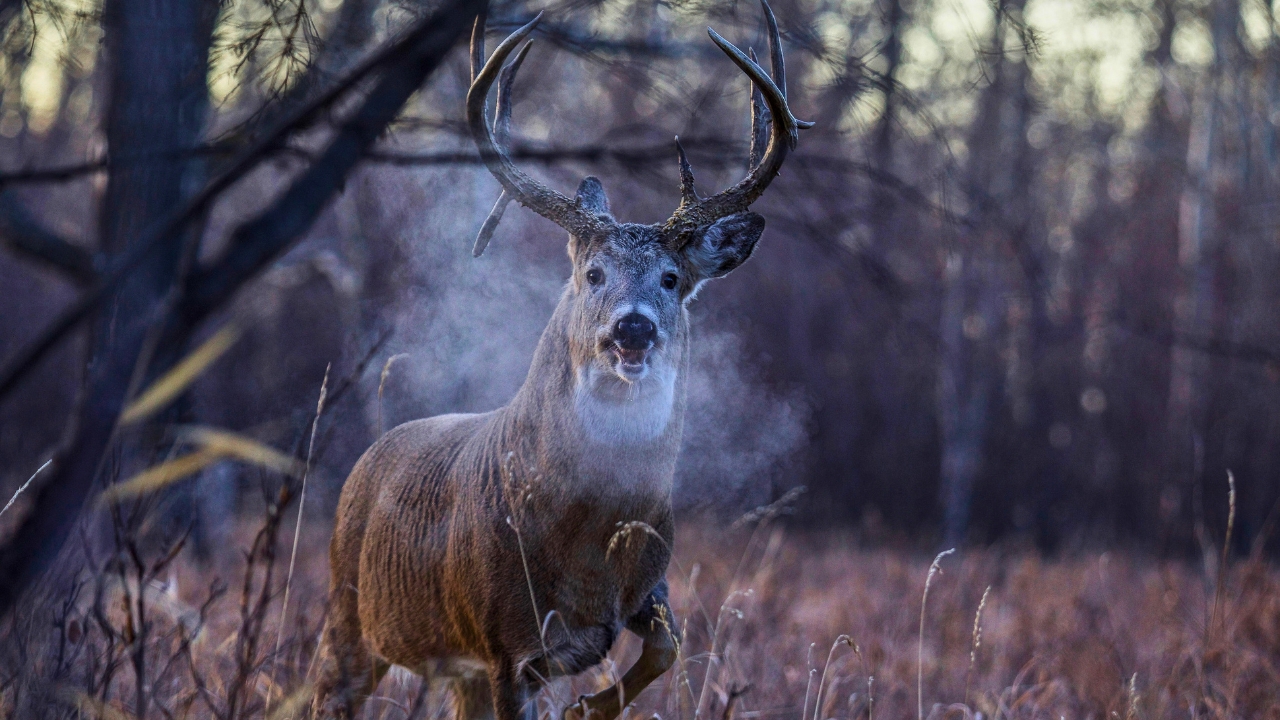
Few states have a stronger deer-hunting identity than Pennsylvania, yet generations of heavy hunting pressure have taught whitetails how to survive around people. Large tracts of public land create tremendous access, but that does not necessarily translate into easy deer hunting.
In many areas, hunters have to deal with steep terrain, thick cover, pressured deer, and a large number of other people pursuing the same animals. Pennsylvania can still produce quality bucks, and its enormous public-land system provides opportunities many Eastern states cannot match. The frustration comes from expectations. Hunters who remember opening day as a major cultural event sometimes feel deer numbers, hunter participation, and overall experience are not what they once were. Some now travel farther west or south looking for something different.
New York

New York offers far more hunting diversity than outsiders sometimes realize. Whitetails, black bears, turkeys, and vast stretches of Adirondack forest provide hunters with plenty of options. The problem is that much of the best public land can be incredibly difficult to hunt effectively.
The Adirondacks are a perfect example. Hunters may walk miles through beautiful country and still encounter relatively low deer densities compared with agricultural states farther west. Southern parts of New York can hold substantially more deer, but private access and suburban development complicate the picture. Hunters looking for wilderness still appreciate New York. Those whose priority is seeing lots of deer or maximizing their odds during a short trip often decide there are easier places to spend their limited vacation days.
Maine

Maine has always sold hunters on the idea of vast northern woods, enormous-bodied bucks, and the possibility of tracking a mature deer through fresh snow. That experience still exists, but it is not an easy hunt, and hunters accustomed to higher-density whitetail states can be shocked by how few deer they actually encounter.
Winters have historically played a major role in northern herd numbers, and the sheer size of the forest makes locating deer challenging even when populations are healthy. Maine remains an outstanding destination for hunters who value solitude, tracking, and traditional woods hunting. Hunters focused primarily on filling a tag may decide the odds are better elsewhere. It is less a case of Maine becoming bad and more a case of modern hunters becoming increasingly selective about how difficult they want a trip to be.
Oregon
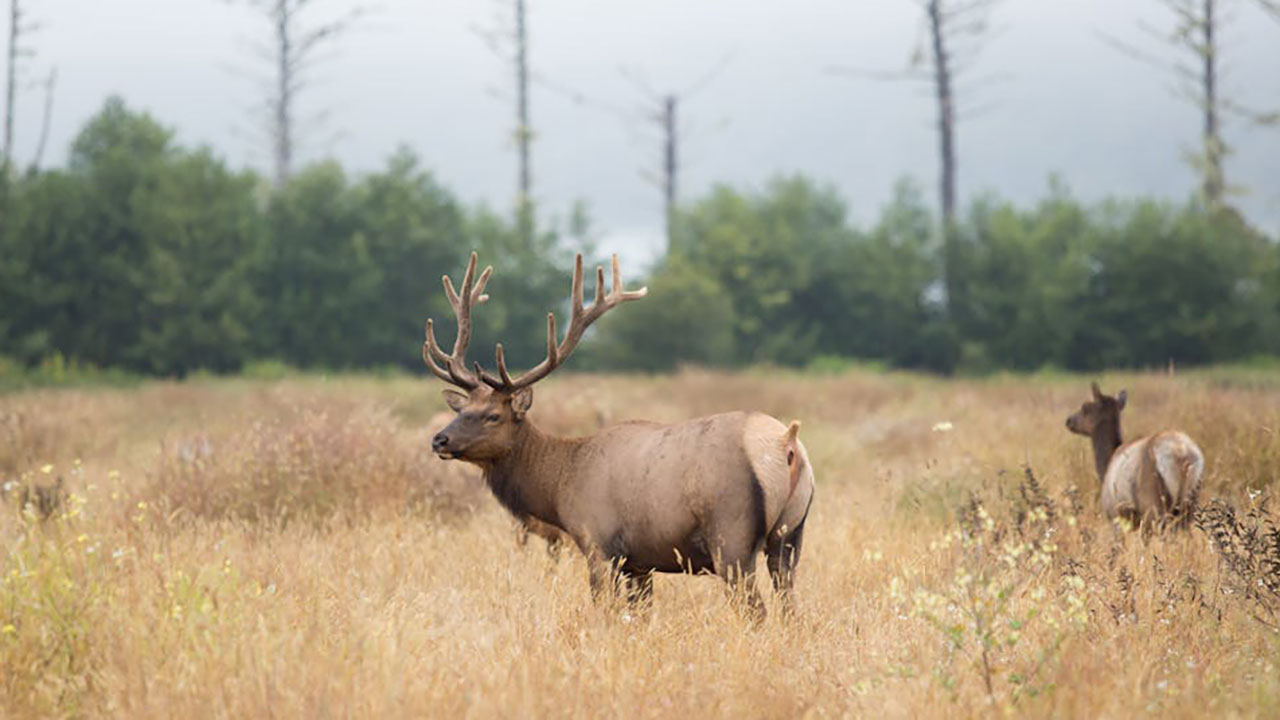
Oregon has long offered a combination of Roosevelt elk, blacktail deer, mule deer, and diverse public-land hunting that few states can duplicate. In recent years, however, hunters have become increasingly concerned about tag availability, herd conditions in some areas, predator impacts, and the amount of pressure concentrated into productive units.
Blacktail hunting west of the Cascades is famously difficult even under good conditions. Thick vegetation, steep ground, and scattered deer can make the experience frustrating for anyone expecting Western hunting to mean wide-open glassing. Eastern Oregon provides a completely different style of hunting, but desirable tags can require patience. Oregon still offers unique opportunities, although some traveling hunters now see neighboring states as easier places to justify their time and money.
Washington

Washington has elk, mule deer, blacktail deer, black bears, and enormous amounts of beautiful country, yet traveling hunters rarely talk about it with the excitement reserved for several other Western states. Part of that comes from complicated regulations, dense vegetation, heavy recreation pressure near population centers, and the difficulty of consistently locating animals in certain regions.
Western Washington elk and blacktail hunting can be extremely challenging because animals disappear into thick cover where visibility is measured in yards rather than miles. Eastern Washington offers more open terrain, but access and tag considerations still require careful planning. Dedicated local hunters continue finding success, but outsiders comparing multiple Western destinations may look at the effort required and choose a state where the learning curve feels less punishing.
California

California may be the clearest example of a state with tremendous wildlife diversity that many traveling hunters simply overlook. Blacktails, mule deer, black bears, wild pigs, tule elk, Roosevelt elk, and numerous upland species provide far more hunting variety than the state’s reputation suggests.
The problem is everything surrounding the hunt. Regulations can feel complicated, desirable elk opportunities are extremely limited, productive private pig ground can be expensive, and huge portions of public land are difficult to hunt successfully. Wildfires and changing access can complicate plans even further. California hunters who understand their local areas can enjoy opportunities outsiders rarely appreciate. For someone planning an expensive trip from several states away, however, the combination of logistics, regulation, access, and uncertainty often pushes California well down the list.
Like The Avid Outdoorsman’s content? Be sure to follow us.
Here’s more from us: