Photo credit: all4shooters English/YouTube
Polymer pistols dominate modern handgun sales for good reasons. They are lighter, cheaper to manufacture, corrosion resistant, and easy to carry. None of that changes what happens when you start shooting a really good metal-framed pistol. Extra weight settles recoil, rigid frames give the gun a more planted feel, and a well-designed steel or aluminum pistol can have a level of balance that is difficult to duplicate with polymer.
The best metal-framed pistols are not simply heavy versions of modern handguns. They often have excellent triggers, proven service histories, beautifully shaped grips, and actions refined across decades of use. Some are built for competition, others for duty or defensive use, and a few are simply examples of handgun design done exceptionally well. These 20 belong among the best metal-framed pistols ever offered.
SIG Sauer P210 Standard

The P210 has one of the strongest reputations for mechanical accuracy of any service-style pistol ever produced. Its slide rides inside the frame rails rather than outside them, creating a very tight relationship between the moving components and giving the pistol a low, beautifully balanced feel in the hand. The modern P210 Standard retains that basic architecture while making the design easier for contemporary shooters to live with.
The trigger is the star. It is clean, predictable, and encourages the kind of slow, deliberate shooting where the pistol’s accuracy becomes obvious. The steel frame adds enough weight to make 9mm feel exceptionally mild. It is not a high-capacity defensive pistol and was never meant to be. As a pure shooting handgun, though, very few metal pistols feel as refined.
CZ 75 Tactical Sport 2

The Tactical Sport 2 takes the basic CZ 75 formula and pushes it much harder toward competition. The steel frame is substantial, the grip gives you excellent leverage, and the single-action trigger is far lighter and cleaner than what you would expect from a conventional service pistol. Everything about the gun encourages fast, accurate shooting.
That weight matters. The pistol barely moves with standard 9mm ammunition, and the low slide profile keeps the recoil impulse straight and predictable. The oversized controls and competition-oriented dimensions make it less practical for carry, but that is not really the point. For range work, steel shooting, and anyone who wants a pistol that makes rapid fire feel almost unfair, the TS2 is one of the best metal-framed options available.
Beretta 92XI SAO

The 92XI takes the familiar Beretta 92 architecture and gives it a single-action-only trigger system with a frame-mounted safety. That changes the character of the pistol dramatically. Instead of treating the gun like a traditional DA/SA service pistol, you can run it more like a competition or 1911-style handgun.
The aluminum frame keeps the pistol from becoming overly heavy, while the long slide and open-top design give it the smooth recoil impulse Beretta shooters already know. The single-action trigger makes precise shooting easier, and the frame-mounted safety is far more intuitive for many shooters than a slide-mounted system. It is one of the better examples of an old platform being modernized without losing what made the original design excellent.
Tanfoglio Stock Master
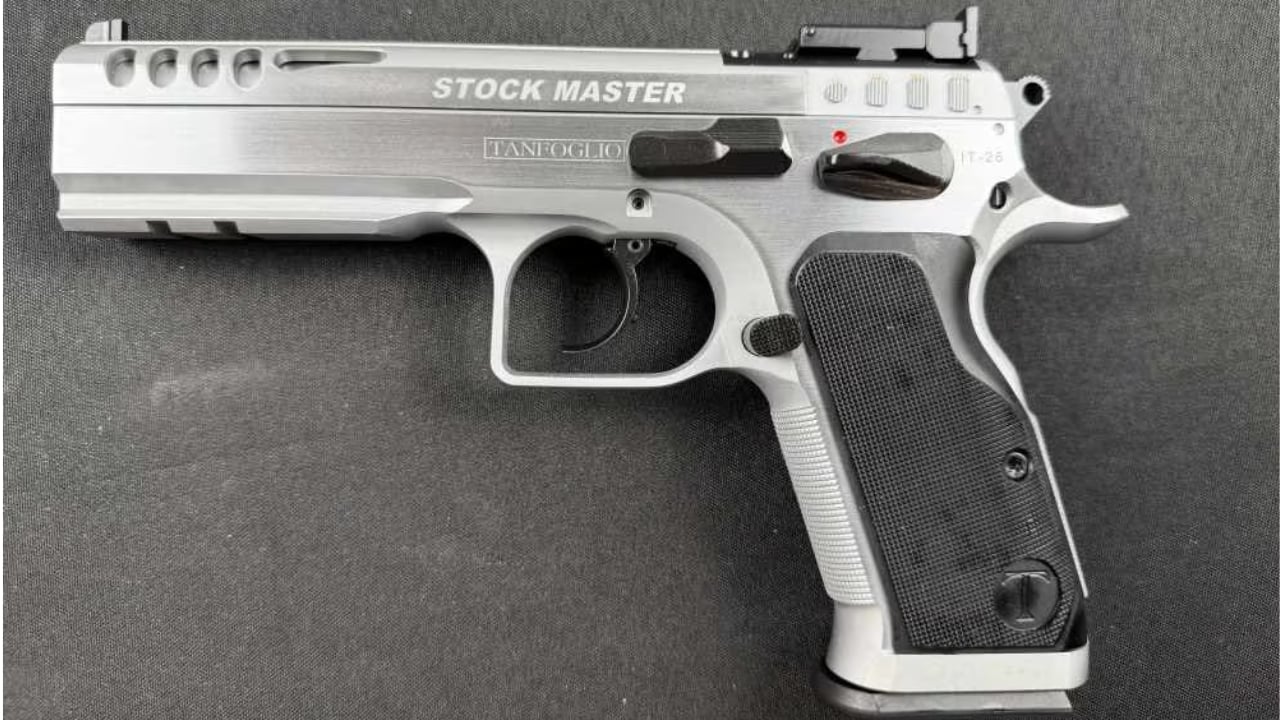
Tanfoglio has spent years refining the CZ-pattern pistol into something distinctly its own, and the Stock Master is one of the best examples. The all-steel frame, full-length dust cover, excellent grip geometry, and tuned trigger system give it a substantial competition-ready feel without turning it into something impossibly specialized.
The extra mass keeps recoil extremely mild, while the frame shape allows a high, secure grip. The gun settles quickly after each shot, which makes rapid strings easier than they have any right to be. It also has the build quality and finish expected from a serious European competition pistol. Shooters who only think of CZ when they picture metal-framed performance guns are missing how far Tanfoglio has taken the same basic idea.
Beretta 92G Elite LTT
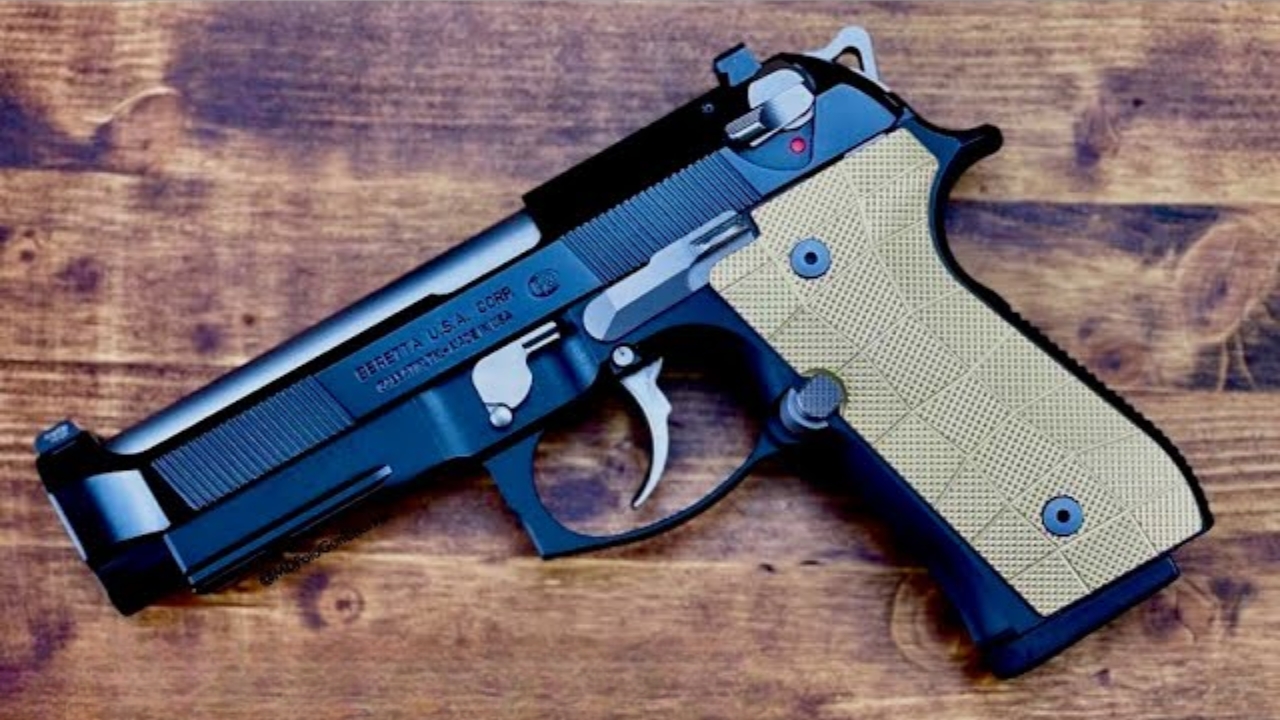
Langdon Tactical’s treatment of the Beretta 92 has done more than almost anything else to show how good the platform can become when the trigger and controls are properly refined. The 92G Elite LTT takes the familiar aluminum-frame Beretta and improves the parts shooters interact with most.
The trigger action is dramatically smoother than a basic service pistol, especially in double action. The decocker-only setup removes some of the awkwardness associated with slide-mounted safeties, and the gun retains the soft recoil and excellent balance that made the 92 famous. It is still a large pistol, but that size works in its favor on the range. Few DA/SA metal guns combine shootability and refinement this well.
CZ 97BD
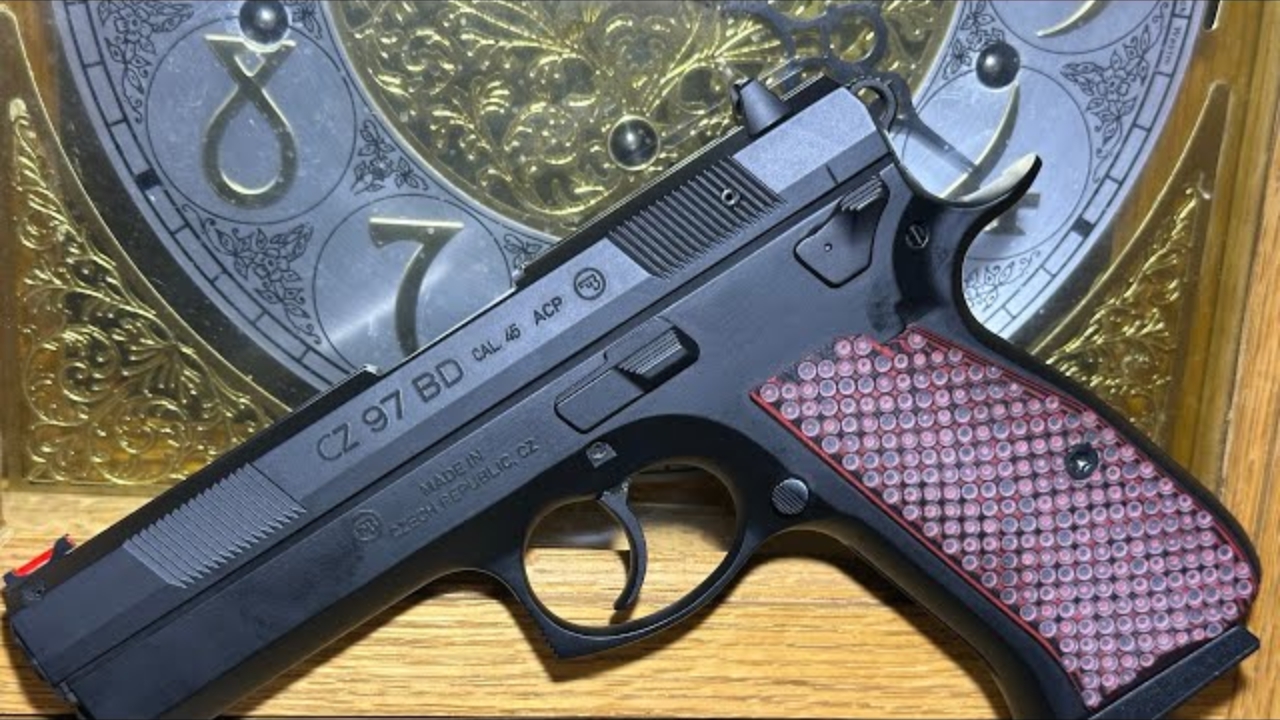
The CZ 97BD is one of the better large-frame .45 ACP pistols ever made, even if it never achieved the fame of smaller CZ models. Its steel frame is heavy, the grip is substantial, and the entire gun feels built around making .45 ACP as manageable as possible.
That weight pays off immediately. Instead of the sharp movement you can get from lighter .45s, the 97BD delivers a slow, broad recoil impulse that is extremely easy to control. The decocker setup makes it practical for shooters who prefer traditional DA/SA operation, while the low slide and CZ grip angle contribute to excellent balance. It is a big gun for big hands, but shooters who fit it often discover one of the softest-shooting .45s around.
SIG Sauer P226 XFive
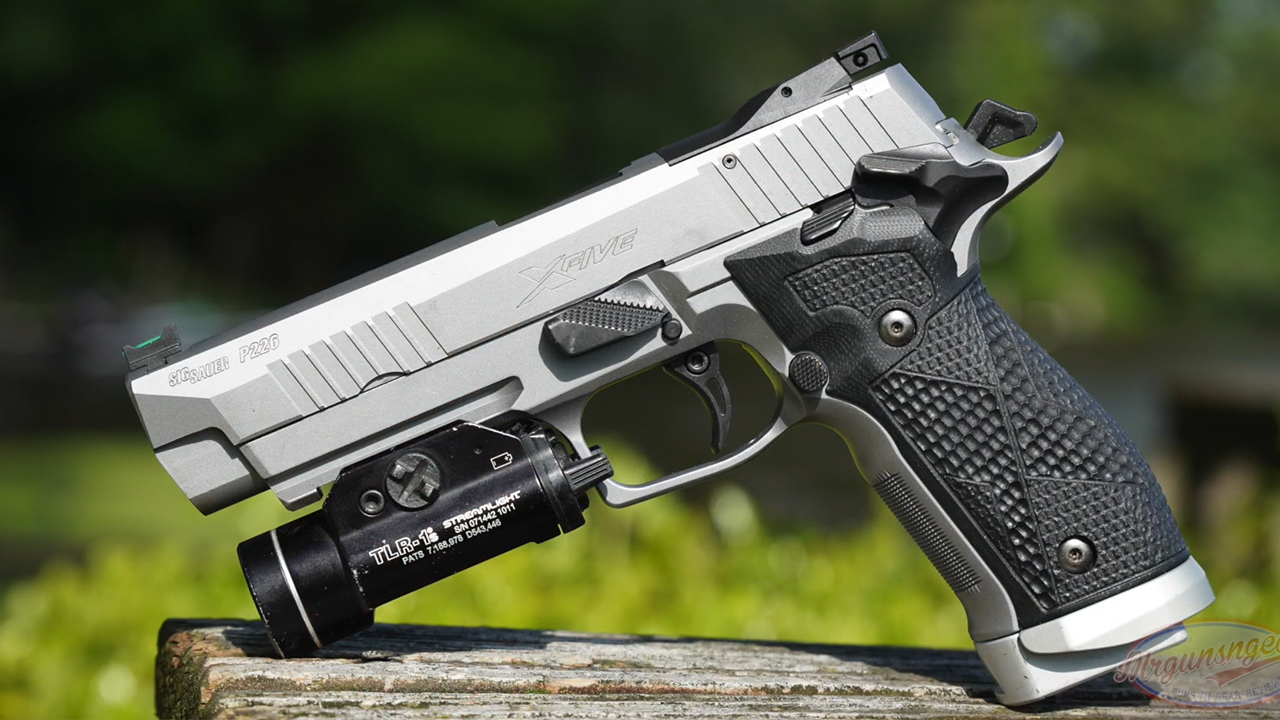
The P226 XFive takes a legendary service pistol and turns it into a much more serious performance gun. The metal frame is heavier, the controls are optimized for deliberate shooting, and the trigger system is tuned far beyond what you get from a conventional duty P226.
The result is a pistol that stays incredibly stable under recoil. The frame gives you plenty of mass below the bore, the longer slide creates excellent balance, and the trigger makes it easy to exploit the mechanical accuracy built into the platform. It is expensive, but unlike some premium pistols, the improvement is obvious the moment you start shooting. The XFive feels like a P226 that has been allowed to become exactly what range shooters always wanted it to be.
Smith & Wesson Model 52
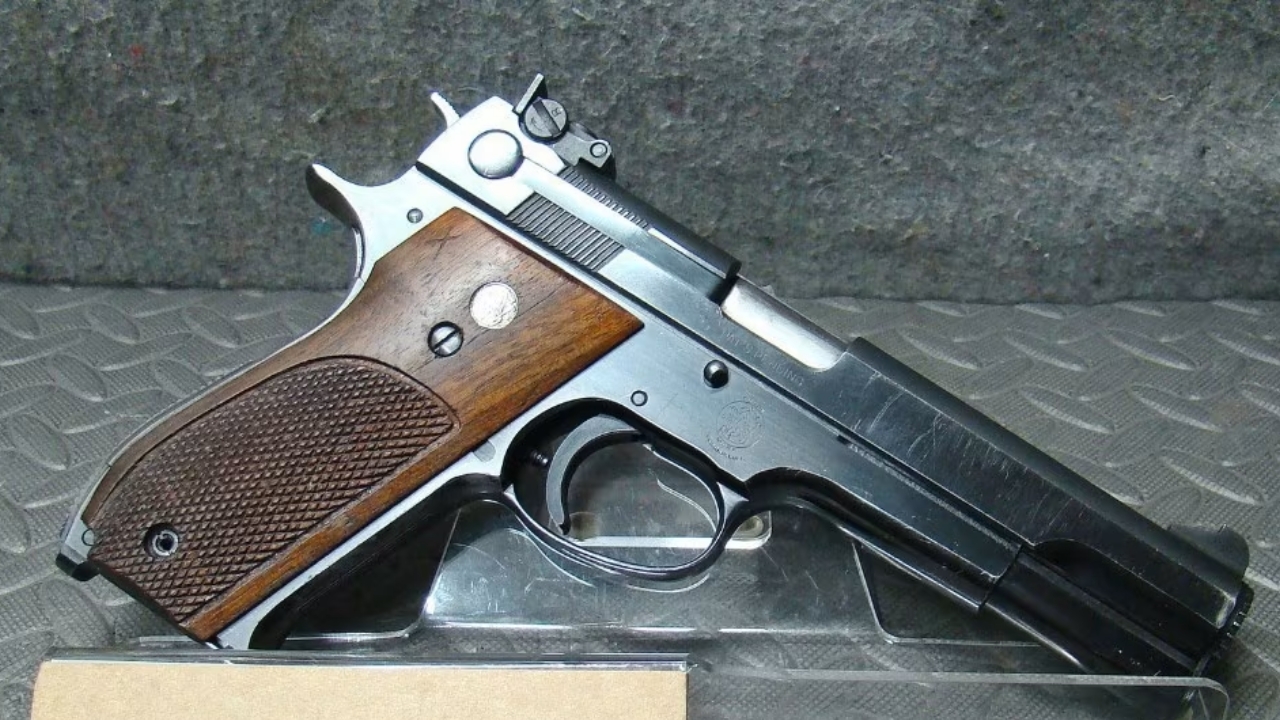
The Model 52 is one of the most specialized pistols on this list, but it deserves its place because of how beautifully it performs its intended job. Built for precision target shooting and chambered for .38 Special wadcutter ammunition, it was designed around accuracy rather than defensive use or capacity.
The steel frame, excellent trigger, and fixed-barrel-like shooting characteristics give the pistol an exceptionally stable feel. Recoil is minimal with target ammunition, and the gun rewards careful trigger control with tiny groups. It is not versatile in the modern sense, but that specialization is part of what makes it great. The Model 52 represents an era when manufacturers were willing to build a handgun around one purpose and execute it extremely well.
Pardini GT45
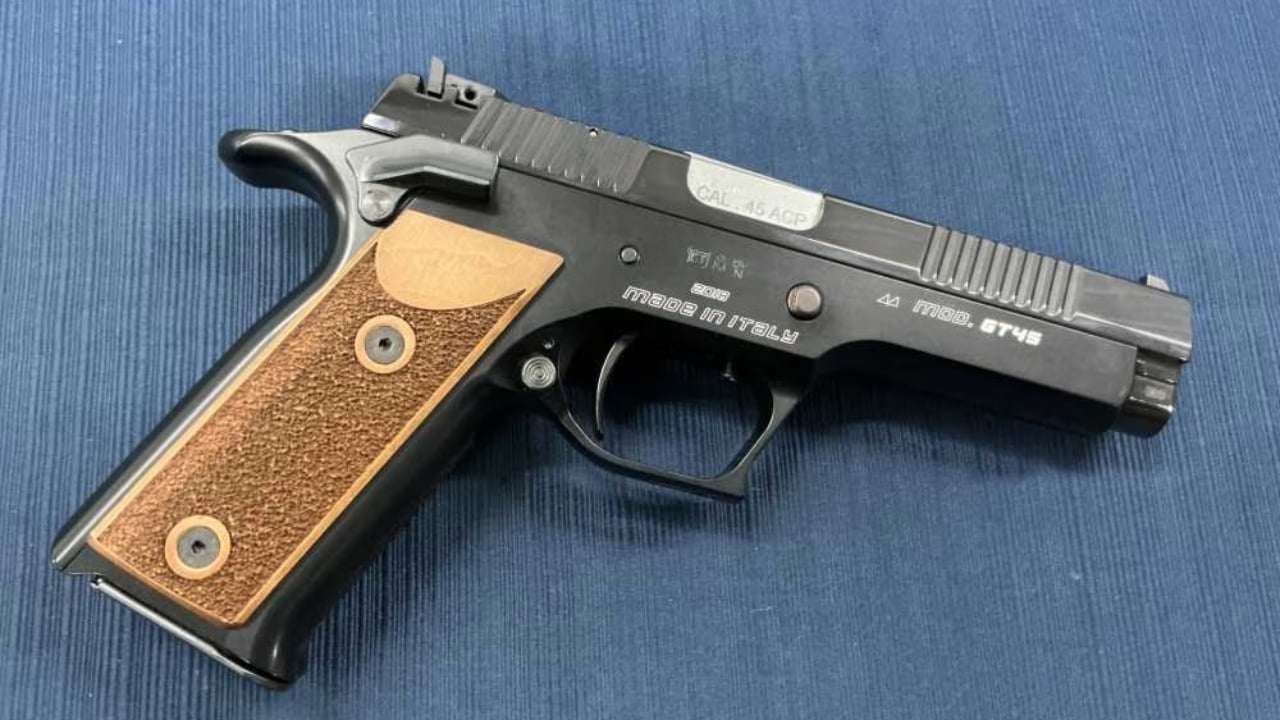
The GT45 brings Pardini’s competition-gun experience into a centerfire pistol that feels very different from conventional service handguns. The steel construction, precision trigger, and carefully tuned ergonomics make the pistol feel more like a dedicated shooting instrument than a mass-market defensive gun.
In .45 ACP, that extra weight makes a noticeable difference. Recoil is smooth, the sights return naturally, and the trigger allows very precise shot placement. The pistol is expensive and far less common than mainstream metal guns, but it demonstrates what happens when a company known for serious target pistols builds around centerfire performance. For pure range use, the GT45 is an extraordinary machine.
Sphinx 3000
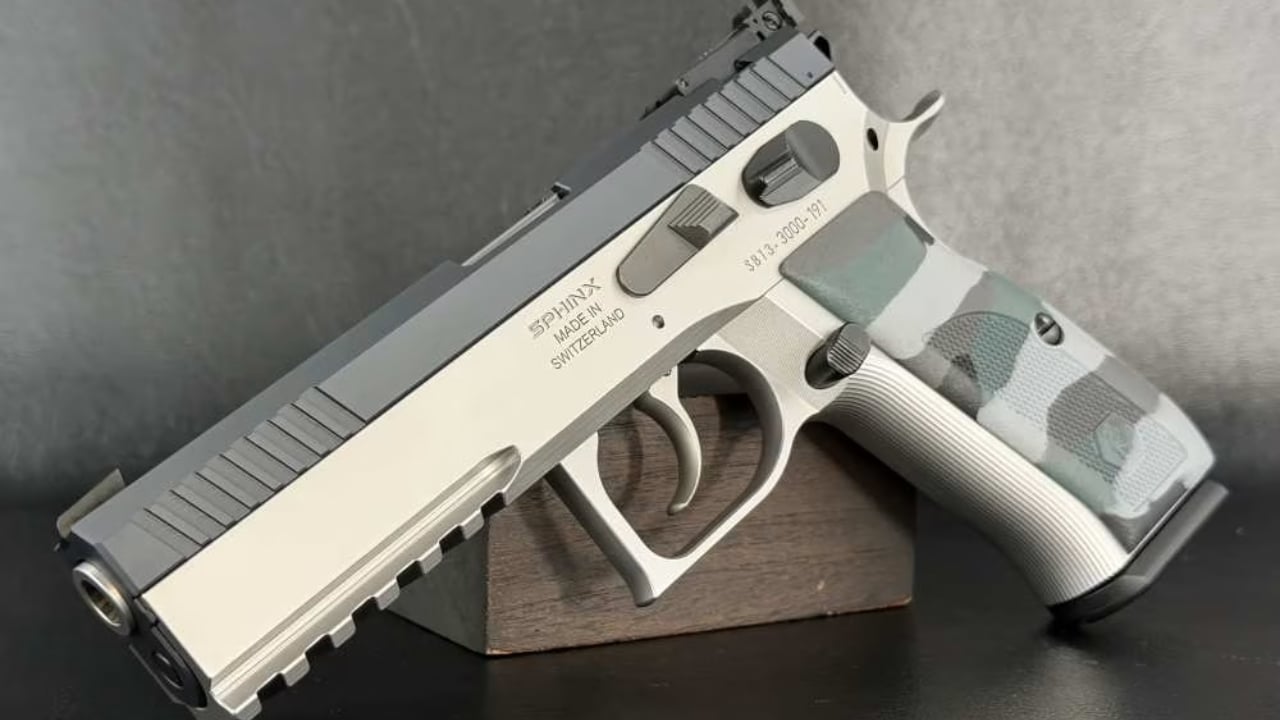
The Sphinx 3000 is one of those pistols that experienced shooters tend to remember even though the broader market largely moved on. Built around a heavily refined CZ-style architecture, it combined Swiss machining, excellent fit, and a very smooth trigger system.
The steel frame gives the pistol tremendous stability, and the close tolerances make the action feel exceptionally precise. It was never inexpensive, but much of that cost went into the kind of machining quality you could actually feel. The 3000 was overshadowed by cheaper CZ-pattern pistols and later competition designs, yet it remains one of the finest examples of a metal-framed service-style pistol being elevated into something close to semi-custom territory.
Smith & Wesson Model 945
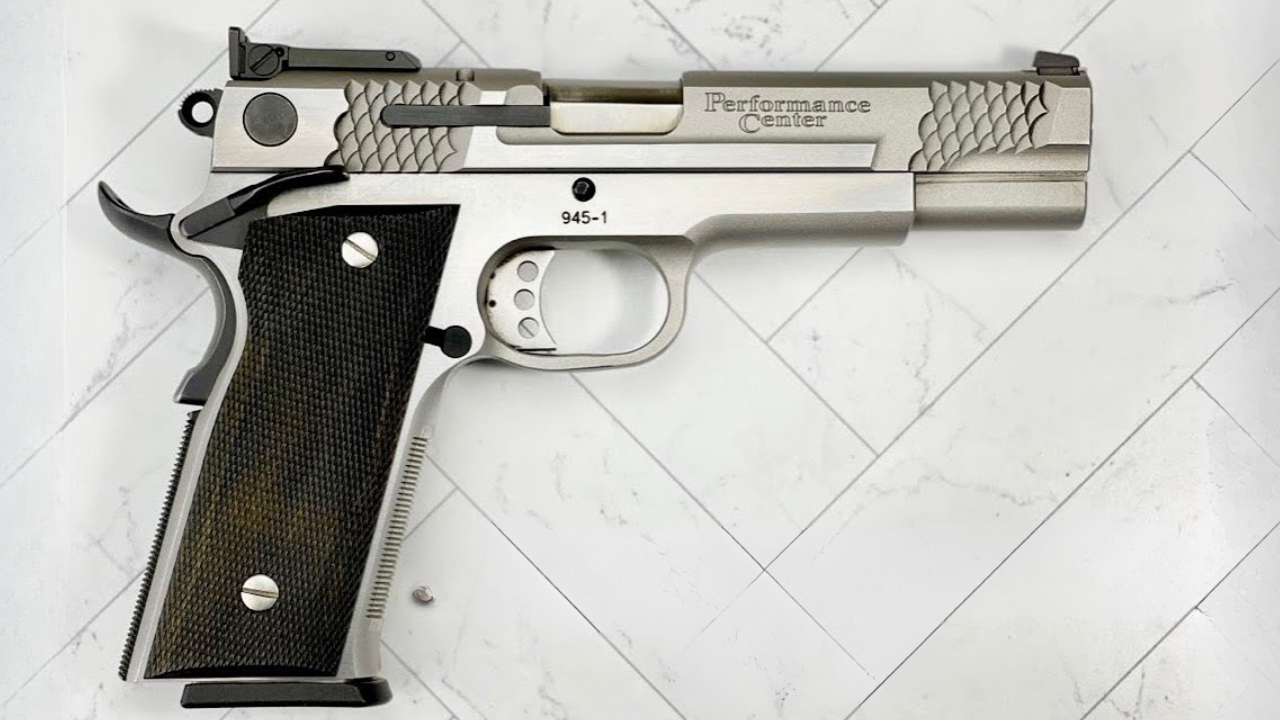
The Model 945 came from Smith & Wesson’s Performance Center and blended elements of traditional single-action pistols with the company’s own metal-frame design language. It was not simply another 1911 clone, which is part of what makes it interesting.
The trigger is excellent, the frame feels exceptionally solid, and the pistol was built with a level of fitting far above ordinary production guns. Chambered in .45 ACP, it has enough weight to keep recoil smooth without feeling clumsy. The 945 never became as famous as premium 1911s, but that says more about the market than the quality of the pistol. It remains one of Smith & Wesson’s most impressive semiautomatics.
Colt Gold Cup National Match
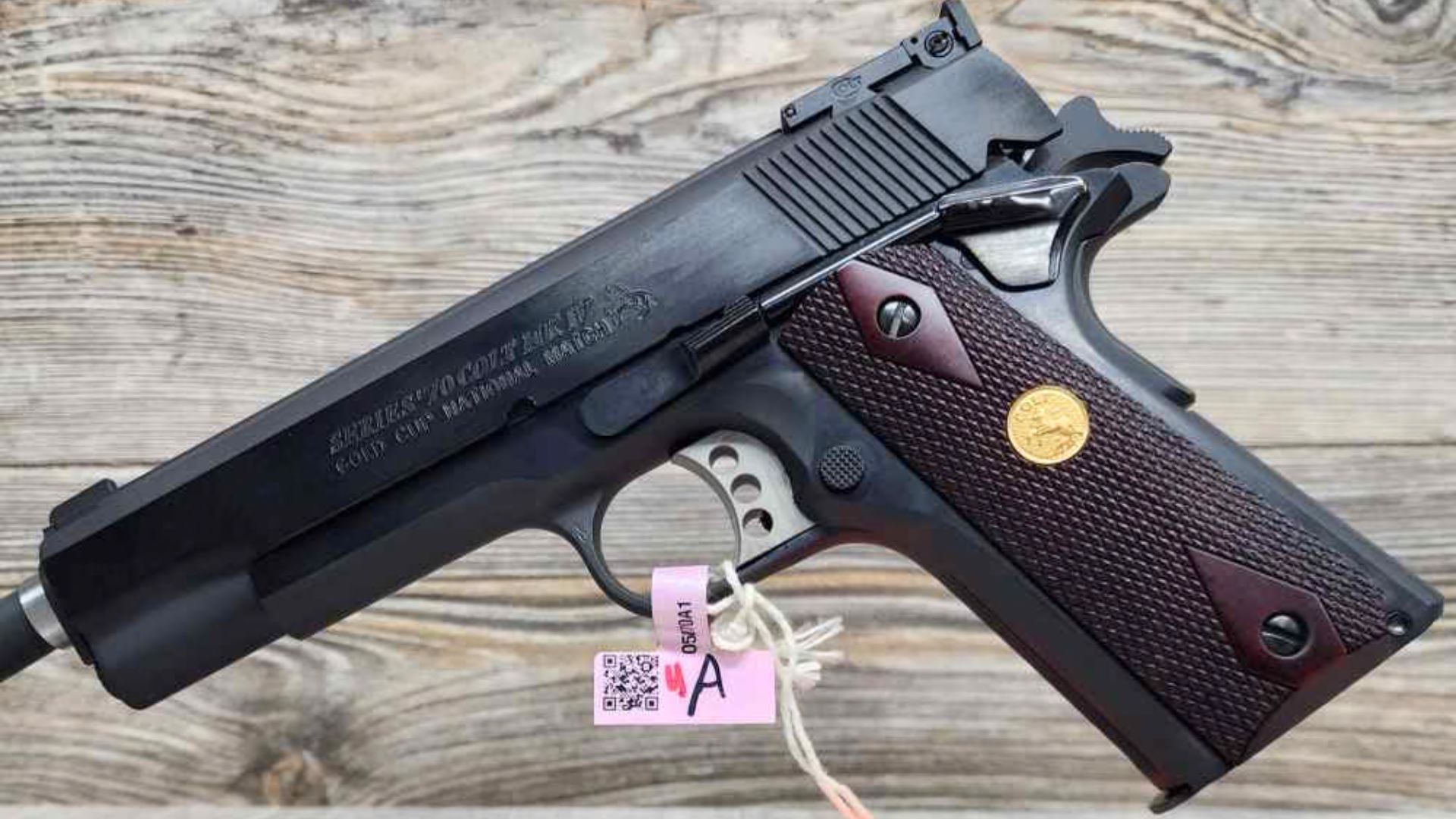
The Gold Cup has long represented Colt’s target-oriented interpretation of the 1911. The steel frame, adjustable sights, refined trigger, and competition-focused tuning make it significantly more than a basic Government Model with nicer cosmetics.
At the range, the benefits are obvious. The pistol sits heavily and steadily in the hand, the trigger breaks cleanly, and the extra attention to accuracy makes slow-fire groups especially rewarding. Modern competition guns may offer more capacity and more modularity, but the Gold Cup remains one of the great examples of traditional American pistol design being optimized for precision. It is difficult to shoot one well and not understand why the name has lasted so long.
SIG Sauer P220 Match Elite
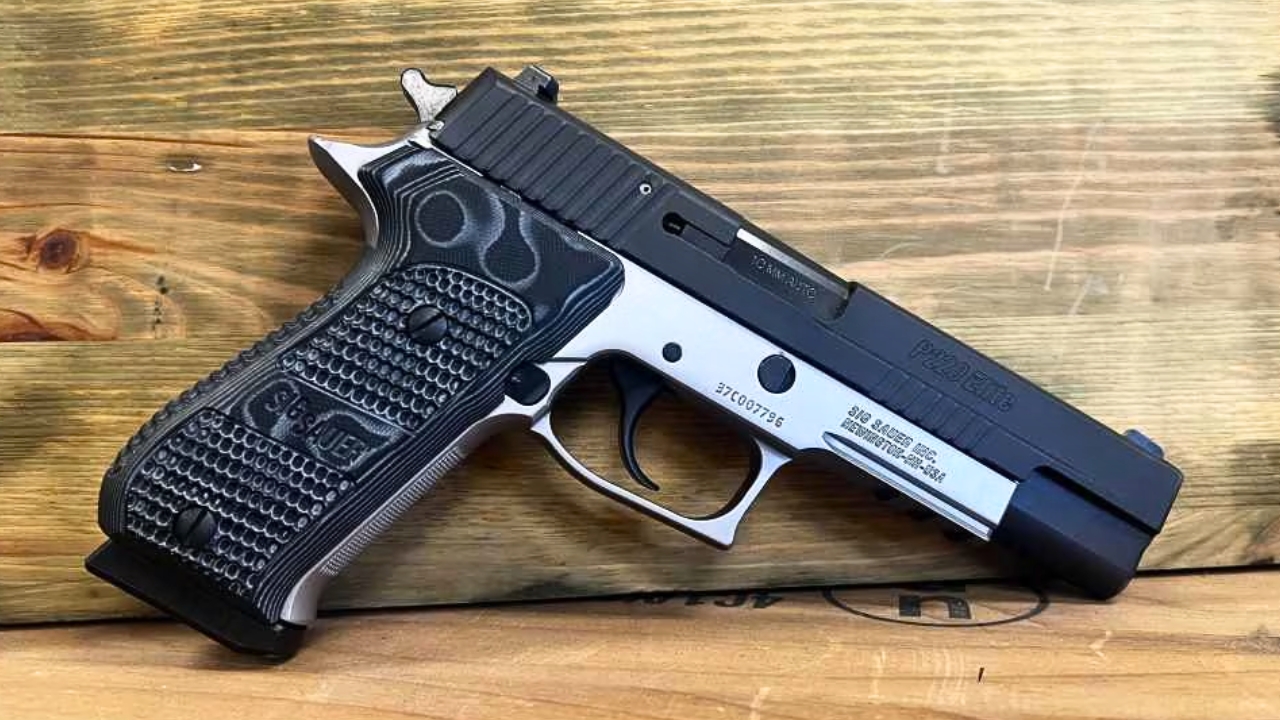
The P220 Match Elite takes the basic single-stack .45 ACP service pistol and gives it a heavier, more range-oriented personality. The longer slide, substantial frame, and refined trigger make it much easier to shoot accurately than the already-capable standard P220.
The single-stack grip also keeps the pistol surprisingly manageable in the hand despite the large cartridge. Recoil is smooth rather than abrupt, and the balance encourages deliberate shooting. Capacity is obviously lower than modern double-stack .45s, but that hardly matters for the role. If your priority is a refined metal-framed .45 that rewards careful shooting, the Match Elite remains one of the best versions of the platform.
Jericho 941 Steel

The steel-frame Jericho 941 is one of the best examples of a duty pistol becoming something much more enjoyable simply because of weight and balance. Its CZ-inspired ergonomics give it a comfortable grip angle, while the full steel construction makes recoil extremely mild in 9mm.
The pistol feels substantial without becoming awkward. The low slide keeps the bore close to the hand, and the extra frame mass makes fast shooting easy to control. It has never had the same following as CZ’s own steel guns, but that does not mean it gives up much in actual shooting performance. For someone who wants an all-steel service-style pistol with real character, the Jericho remains a terrific choice.
Star Model B Super
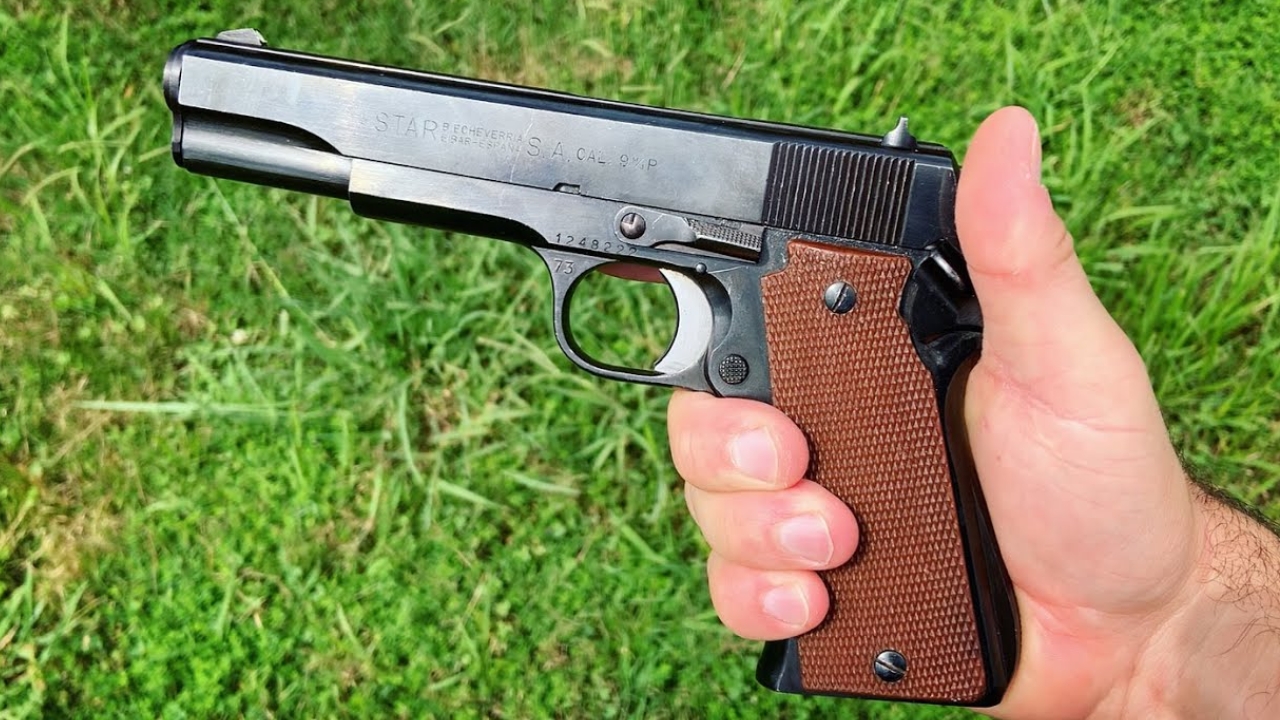
The Model B Super is one of those older pistols that can surprise modern shooters. It looks superficially like a 1911, but the operating system and internal design are different enough that it should be appreciated as its own gun.
The steel frame gives the 9mm cartridge very little chance to move the pistol around, while the single-action trigger makes precise shooting straightforward. Ergonomics are old-school, and parts support is obviously not comparable with current designs, but the actual shooting experience remains excellent. It is one of the better examples of a surplus-era pistol offering far more range enjoyment than its relatively obscure reputation suggests.
Llama Max-I
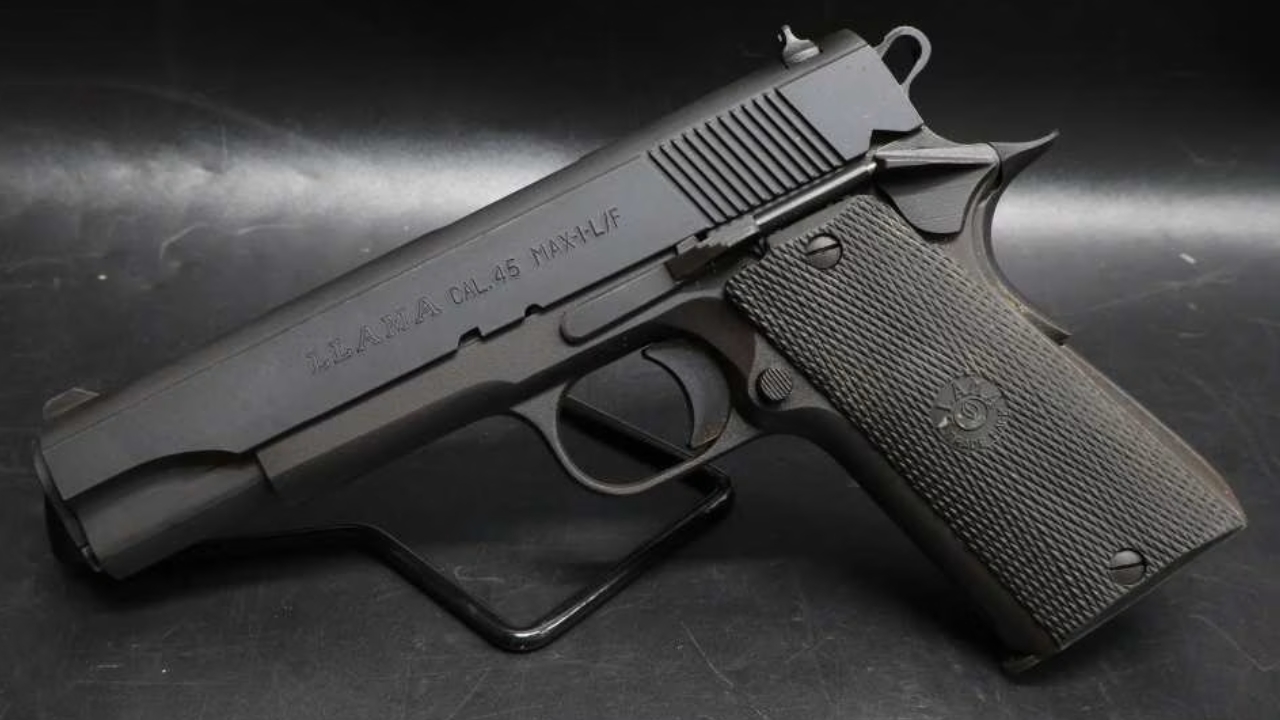
Llama’s reputation has always been mixed, but the Max-I represents one of the more interesting attempts to offer a traditional steel-frame single-action pistol at a reasonable price. The design follows the familiar 1911 pattern closely enough to provide the same basic grip angle, trigger feel, and recoil characteristics.
A good example can be extremely pleasant to shoot. The steel frame absorbs recoil well, the controls are intuitive, and the trigger system gives you the crisp break that makes single-action pistols so rewarding. Quality can vary, which keeps it from ranking with premium guns, but mechanically sound examples show why affordable metal-frame pistols still have plenty of appeal.
Browning Hi-Power Practical

The Practical version of the Hi-Power combined the classic design with a more duty-oriented finish and useful sights, making it one of the better balanced versions of the platform. The steel frame gives it enough weight to keep 9mm recoil mild, while the famously slim grip fits a wide variety of hands.
The Hi-Power’s ergonomics remain one of its greatest strengths. The pistol points naturally, carries thinner than its capacity would suggest, and feels almost delicate compared with many modern double-stack guns. The trigger can be improved by removing some of the restrictions built into the original design, but even in factory form the gun remains remarkably shootable. Few metal pistols feel this natural in the hand.
Smith & Wesson Model 1006
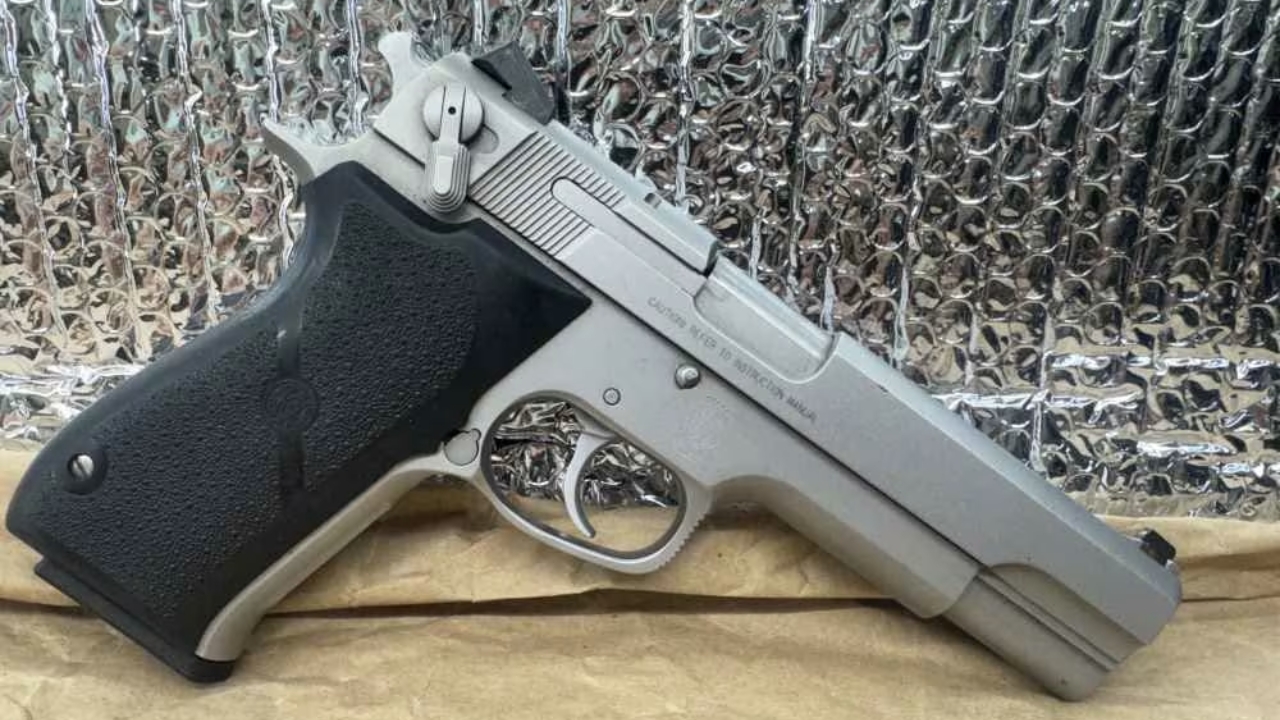
The 1006 is an absolute tank of a pistol. Built around Smith & Wesson’s stainless third-generation architecture and chambered in 10mm Auto, it was designed during an era when service pistols were expected to absorb serious use without prioritizing lightweight construction.
That makes it an excellent match for 10mm. The heavy stainless frame helps control recoil, the slide has plenty of mass, and the pistol feels far more planted than lighter modern 10mm handguns. It is bulky and certainly not ideal for concealed carry, but that is beside the point. As a range and field pistol, the 1006 shows why heavy metal frames still make sense when the cartridge starts getting powerful.
CZ 75 Champion
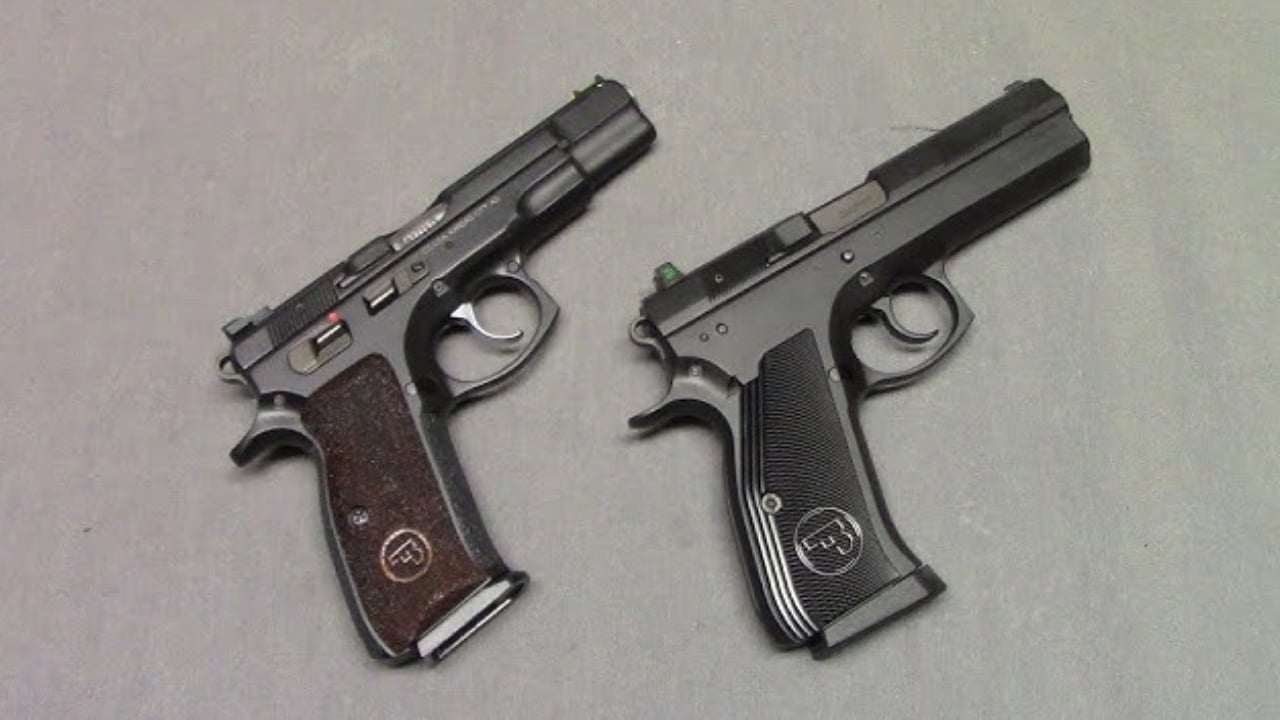
The CZ 75 Champion was a serious competition-oriented pistol that pushed the steel-frame CZ design into more specialized territory. It used an extended frame, refined trigger system, and competition-focused controls to create a gun built around speed and accuracy rather than service use.
The heavy frame keeps recoil almost comically mild, while the low slide and excellent grip geometry make the pistol easy to drive from target to target. It is not common, and that scarcity has made surviving examples especially interesting. The Champion helped lay groundwork for the later competition guns that made CZ famous in practical shooting. It remains one of the more desirable high-performance metal pistols from the company’s earlier era.
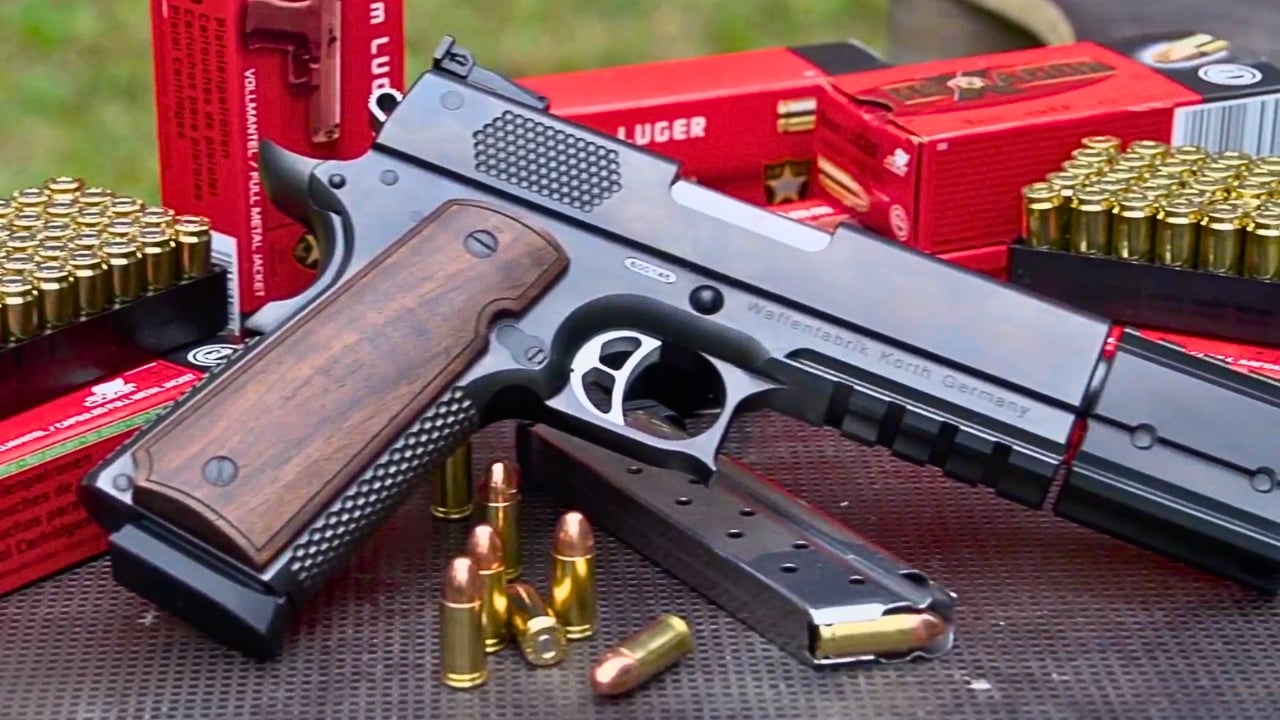
Korth PRS
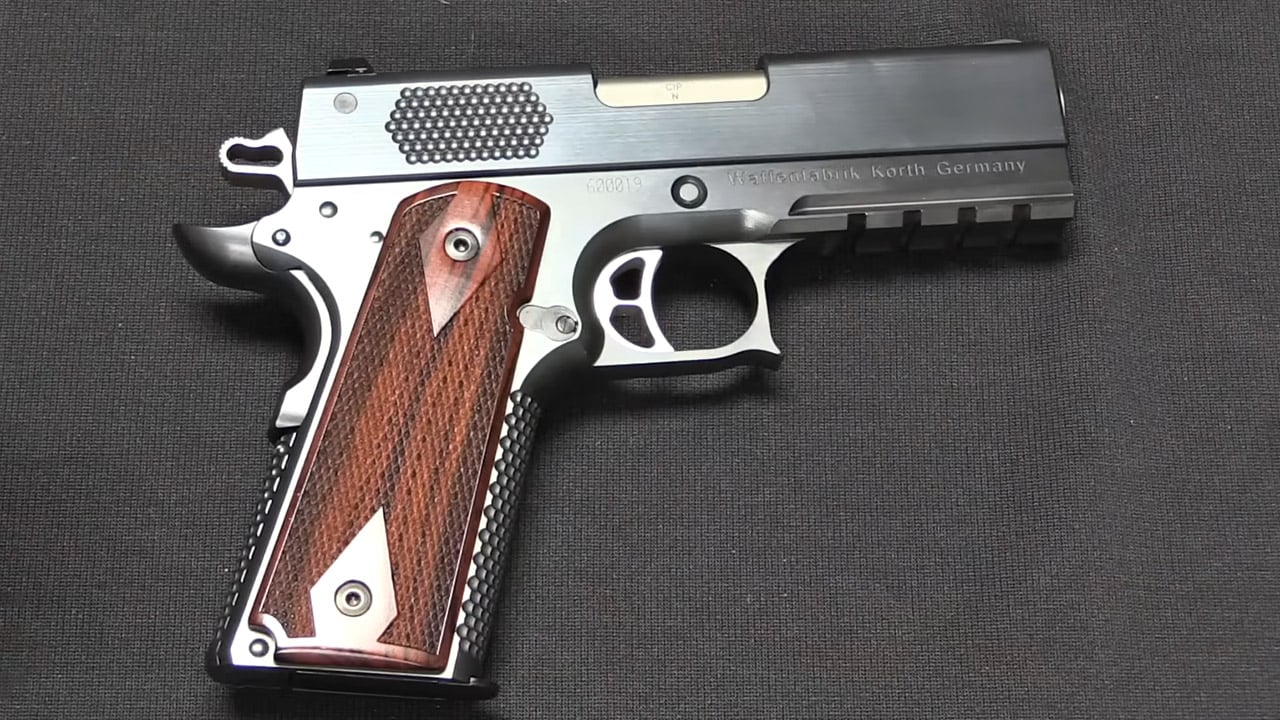
The PRS represents the extreme end of metal-framed pistol refinement. Korth built it with extraordinary attention to machining, trigger quality, and overall fit, creating a handgun that feels more like a precision instrument than a normal service pistol.
The steel construction gives the gun substantial weight, which makes recoil extremely easy to control. The trigger is exceptionally refined, and the entire pistol feels deliberately overbuilt. It is very expensive, so value is not really the argument. The point is execution. If the question is simply which metal-framed pistols represent the highest level of machining, balance, and mechanical quality, the PRS belongs in the conversation.
Like The Avid Outdoorsman’s content? Subscribe to our newsletter so you never miss an article.
Here’s more from us: