Photo credit: JackT/YouTube
Some guns look like easy decisions when you first see them. Maybe they are unusually light, chambered in a powerful cartridge, packed with features, or built around a design that promises to do several jobs at once. That kind of versatility is appealing, especially when the gun seems to eliminate the need for buying something else.
The catch is that firearms rarely give you something for nothing. Less weight usually means more recoil. More compact dimensions can mean worse ergonomics. Unusual operating systems can create support problems, and specialized cartridges can become expensive to feed. None of the guns here are automatically bad choices, but they all ask the owner to accept more tradeoffs than the sales pitch may suggest. These 20 guns make the most sense when you understand those compromises before you buy them.
Smith & Wesson Governor
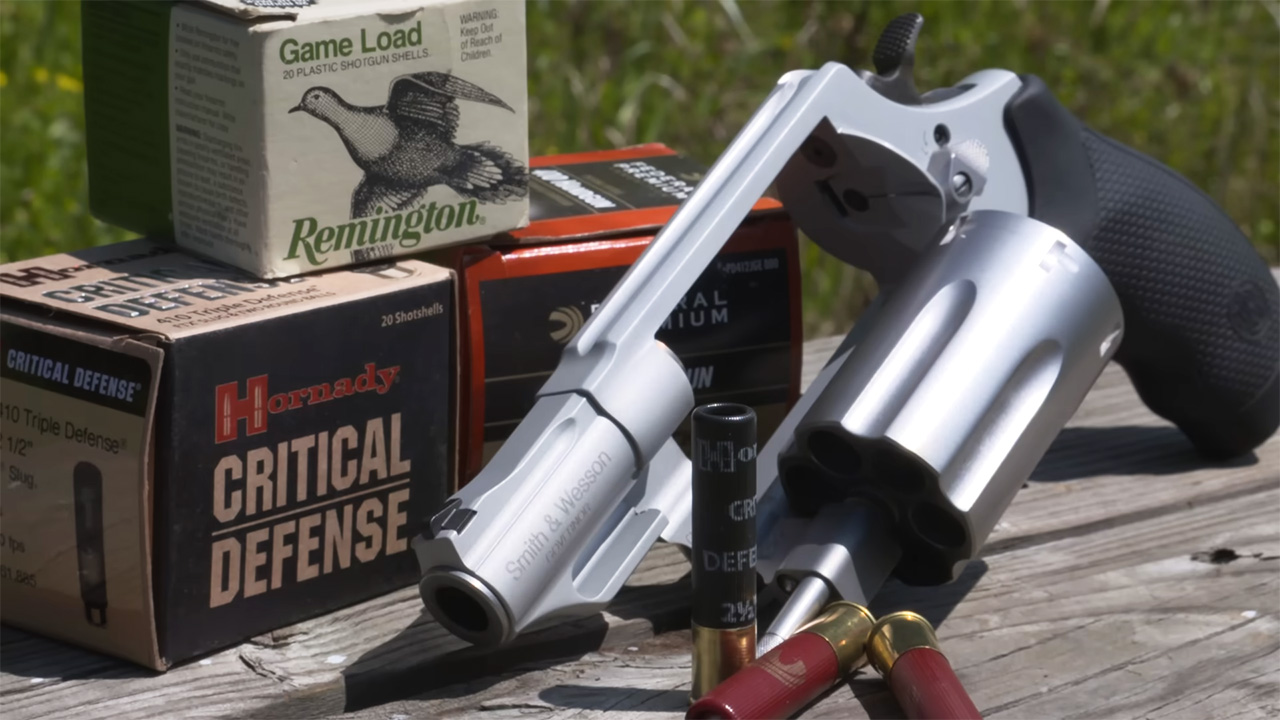
The Governor sounds incredibly versatile because it can fire .45 Colt, .45 ACP with moon clips, and .410 shotshells from the same revolver. On paper, that seems like three guns rolled into one. The large cylinder and substantial frame also make it feel like a serious defensive revolver rather than a novelty.
The compromise is that versatility comes at the cost of specialization. The long chambers are not optimized around conventional handgun ammunition, the revolver is bulky for its capacity, and .410 performance from a short rifled barrel is not equivalent to what you get from a shotgun. It can absolutely be useful, but buyers expecting one gun to replace several purpose-built firearms may end up realizing it does many things acceptably without being ideal at any of them.
KelTec CMR30
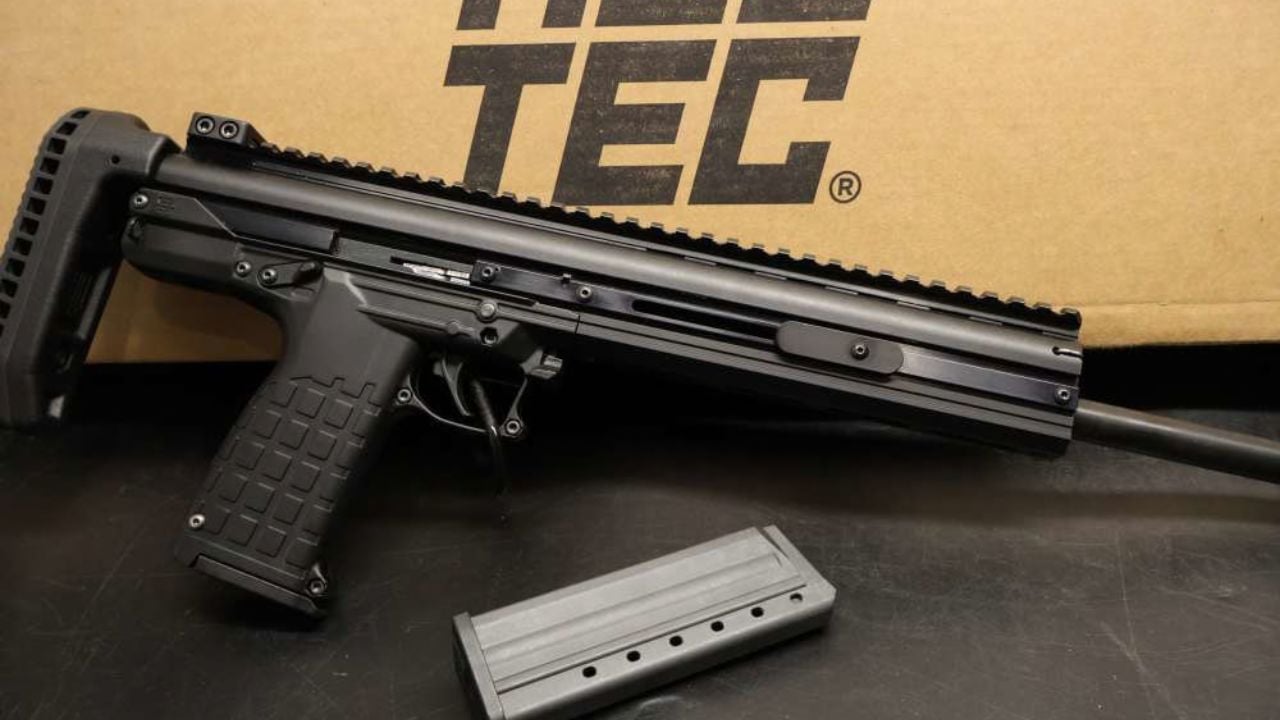
The CMR30 looks fantastic on paper. It is light, compact, chambered in .22 Magnum, and feeds from a high-capacity magazine. That makes it seem perfect for varmints, ranch use, plinking, or simply keeping in a vehicle as a handy little carbine.
The compromises show up in ammunition cost, magazine loading, and the quirks of rimfire feeding. .22 Magnum is much more expensive than .22 LR, yet it still does not offer the performance of a true centerfire rifle cartridge. The lightweight construction also gives the gun a less substantial feel than some buyers expect. It remains an entertaining and useful carbine, but it occupies a much narrower niche than the impressive specifications initially suggest.
Springfield Armory XD-S Mod.2 .45 ACP
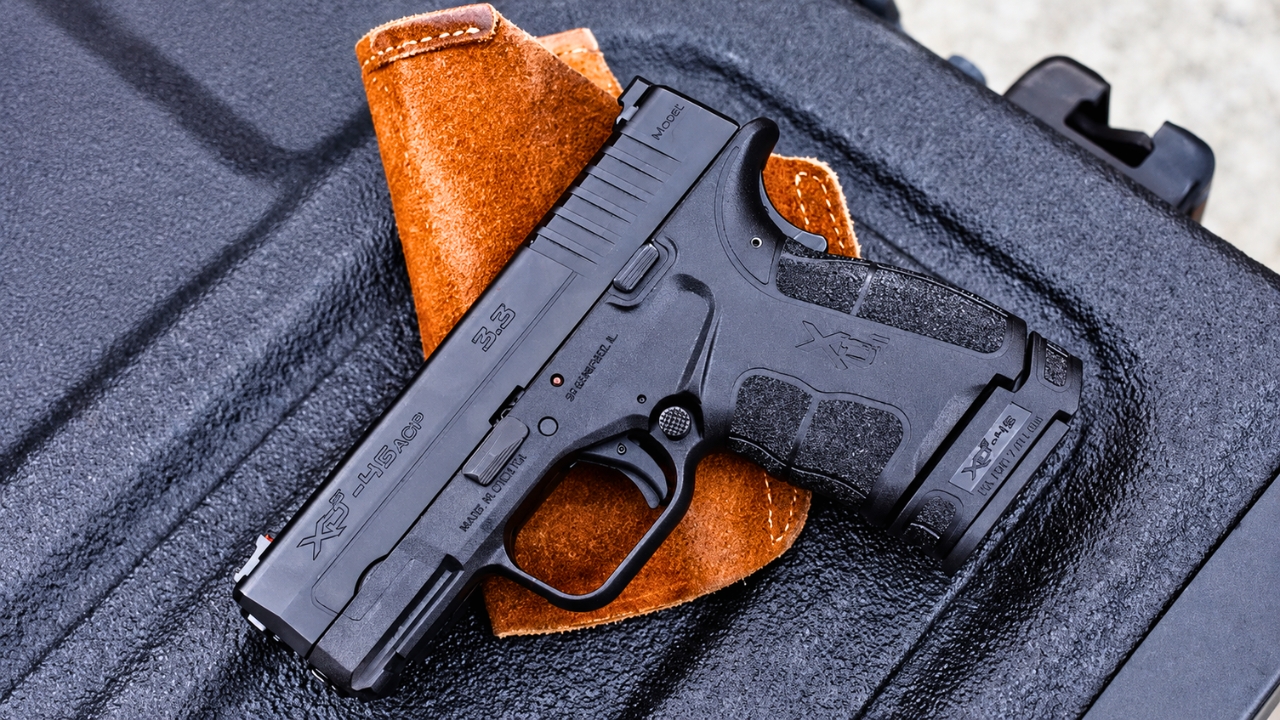
The XD-S Mod.2 in .45 ACP appeals to buyers who want serious caliber performance in a very slim carry pistol. It is easy to conceal, straightforward to operate, and gives you .45 ACP without forcing you into a large-frame handgun.
That combination also creates the main compromise. A lightweight, narrow pistol does not provide much mass or grip area for managing .45 ACP recoil. The gun can feel much sharper than a larger .45, especially during extended practice, and capacity remains limited compared with modern 9mm carry pistols. It succeeds at being compact and powerful, but owners have to decide whether that trade is actually more useful than simply carrying a slightly larger or softer-shooting handgun.
Savage 212 Slug Gun

The 212 is attractive to hunters who want rifle-like accuracy in places where shotgun hunting regulations still matter. Its bolt action, rifled barrel, and dedicated slug-gun configuration make it feel more like a heavy hunting rifle than a traditional shotgun.
That performance comes with some serious tradeoffs. The gun is heavy, specialized, and not particularly useful outside slug hunting. Ammunition is expensive, recoil can be substantial, and the long, heavy barrel makes it less pleasant to carry through thick cover. If your hunting regulations make it necessary, the 212 can be excellent. If they do not, the same money may buy a conventional rifle that is lighter, cheaper to feed, and far more versatile.
Ruger No. 1 Tropical
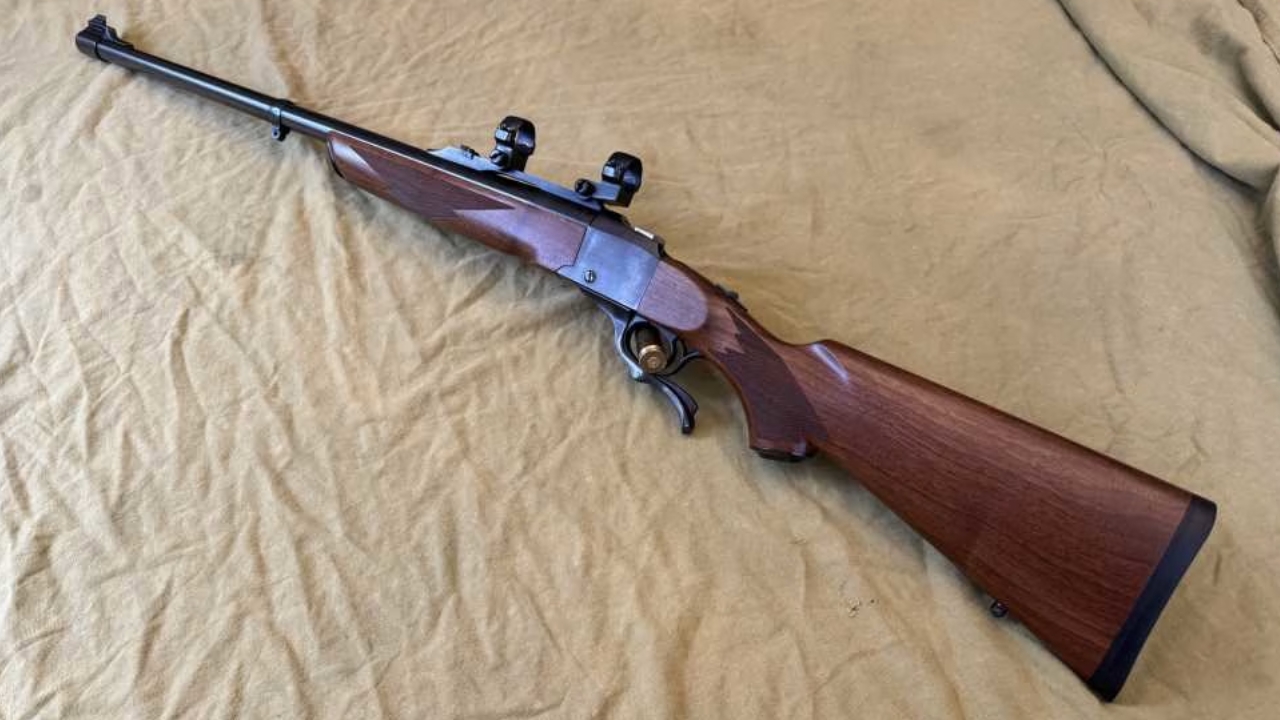
The No. 1 Tropical has enormous appeal for anyone who likes traditional big-game rifles. The falling-block action is incredibly strong, the rifle is beautifully proportioned, and chamberings in powerful cartridges give it genuine safari-rifle character.
The compromises are obvious once you leave the gun counter. It is a single-shot, often chambered in expensive and hard-recoiling cartridges, and good examples are not cheap. You are also giving up the fast follow-up shots available from bolt rifles and lever guns. None of that matters if you specifically want the No. 1 experience, but buyers attracted mainly by the elegance and strength may discover they purchased a very specialized hunting rifle rather than a general-purpose one.
KelTec KSG
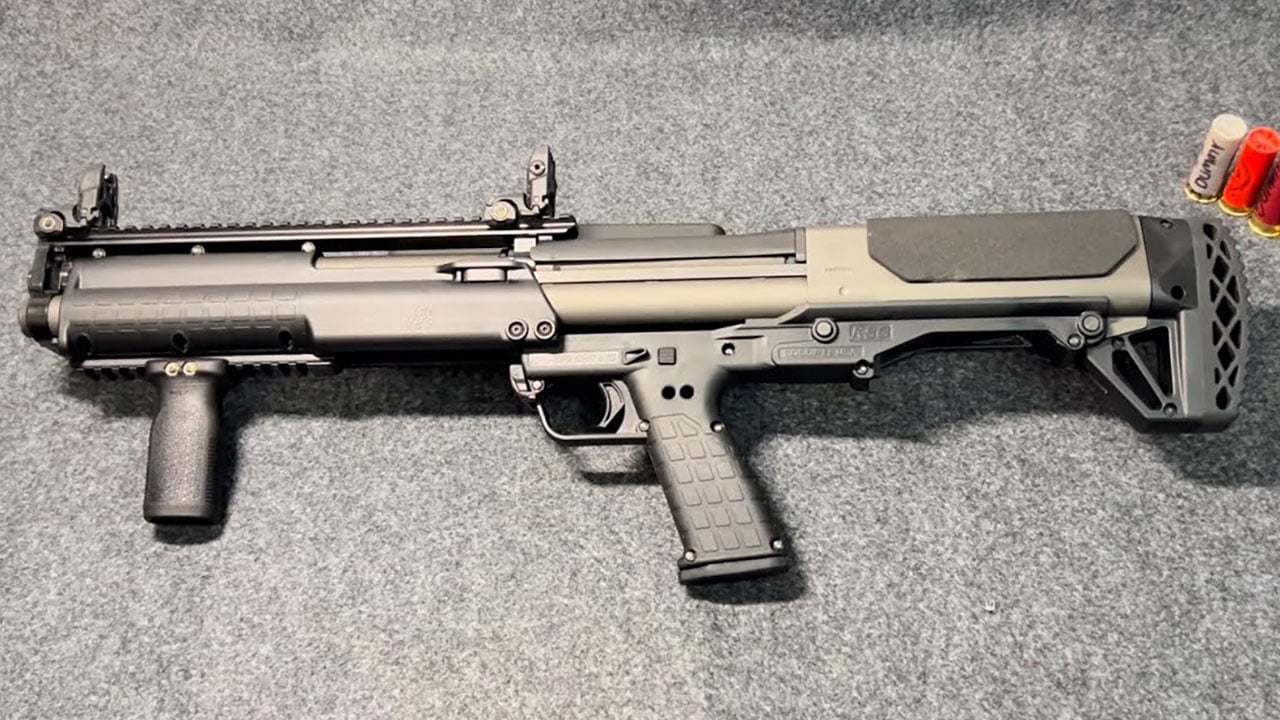
The KSG solves a real problem: it packs a large amount of shotgun capacity into an extremely short overall package. The twin magazine tubes and bullpup layout make it look like one of the most efficient defensive shotgun designs available.
The tradeoffs are ergonomics and complexity. Loading two separate tubes takes practice, the action must be run aggressively, and the bullpup layout places the controls differently from conventional pump shotguns. The short package is also louder and more concussive to the shooter than a longer sporting gun. The KSG is clever, but buyers sometimes underestimate how much training is required before its compact dimensions and capacity become real advantages instead of just impressive specifications.
Magnum Research Mountain Eagle
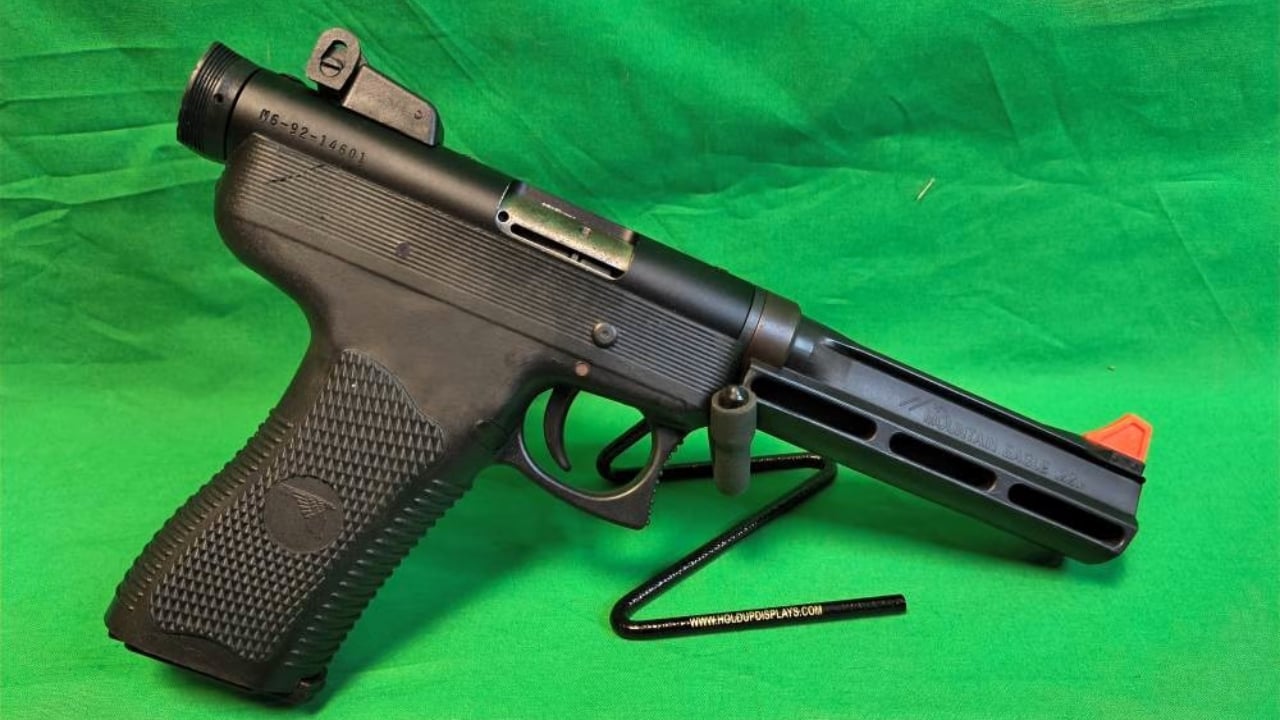
The Mountain Eagle looks like a great lightweight rimfire pistol because it is simple, compact, and easy to carry. It can make sense as a trail gun or inexpensive plinker, especially for someone who wants something different from the usual target-oriented .22 pistols.
The compromise is that lightweight rimfire pistols often give up the stable feel and refined triggers of heavier target guns. Sights can be basic, grip feel is more utilitarian, and support for older niche pistols is not always convenient. It can still be fun, but buyers expecting inexpensive target-pistol performance from a featherweight design may find that the low weight and simplicity come with a noticeable loss of refinement.
Mossberg 500 FLEX
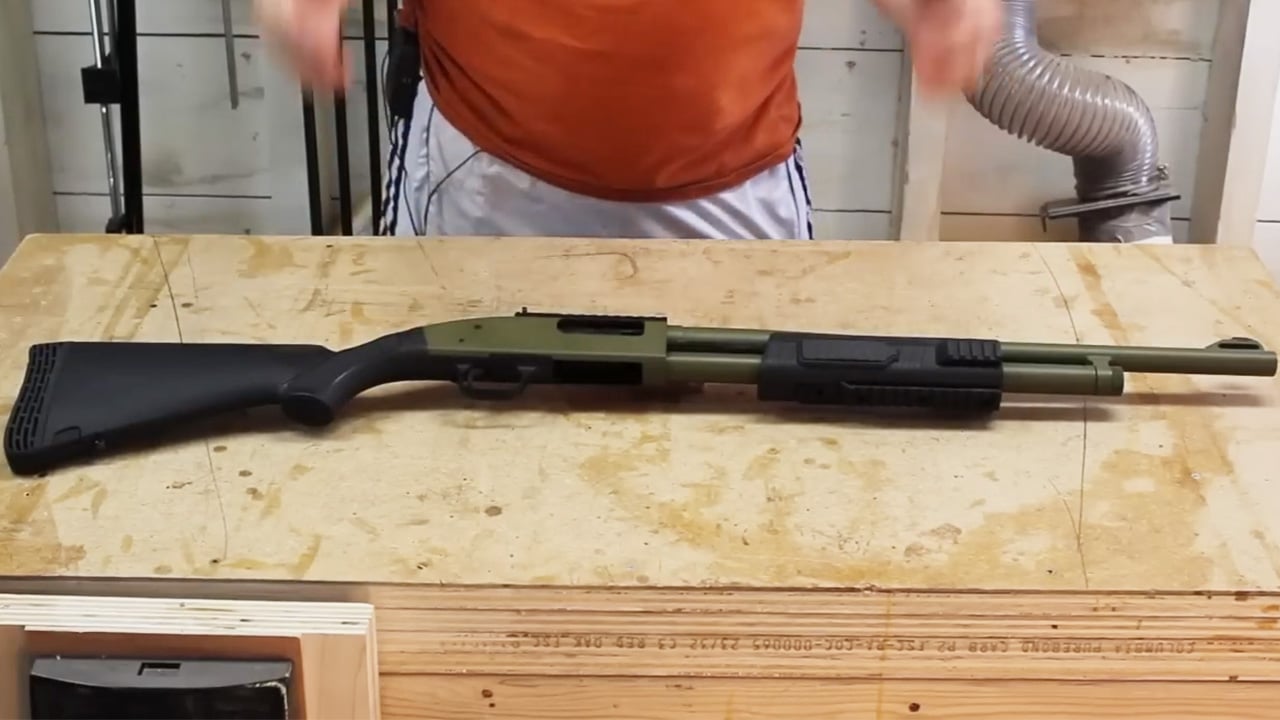
The FLEX system seems brilliant because it allows stocks, grips, and fore-ends to be changed more easily than on a conventional shotgun. That modularity makes the gun look ideal for someone who wants a single shotgun to cover home defense, hunting, and recreational shooting.
The compromise is that modularity only matters if you actually use it. Many owners end up settling on one configuration and leaving it there, which means they paid for flexibility they never needed. Extra interfaces and proprietary components can also make the gun more complicated than a standard 500. The core shotgun is still dependable, but buyers should ask whether they truly need a modular system or simply need to choose the right stock and barrel combination from the beginning.
Bond Arms BullPup9
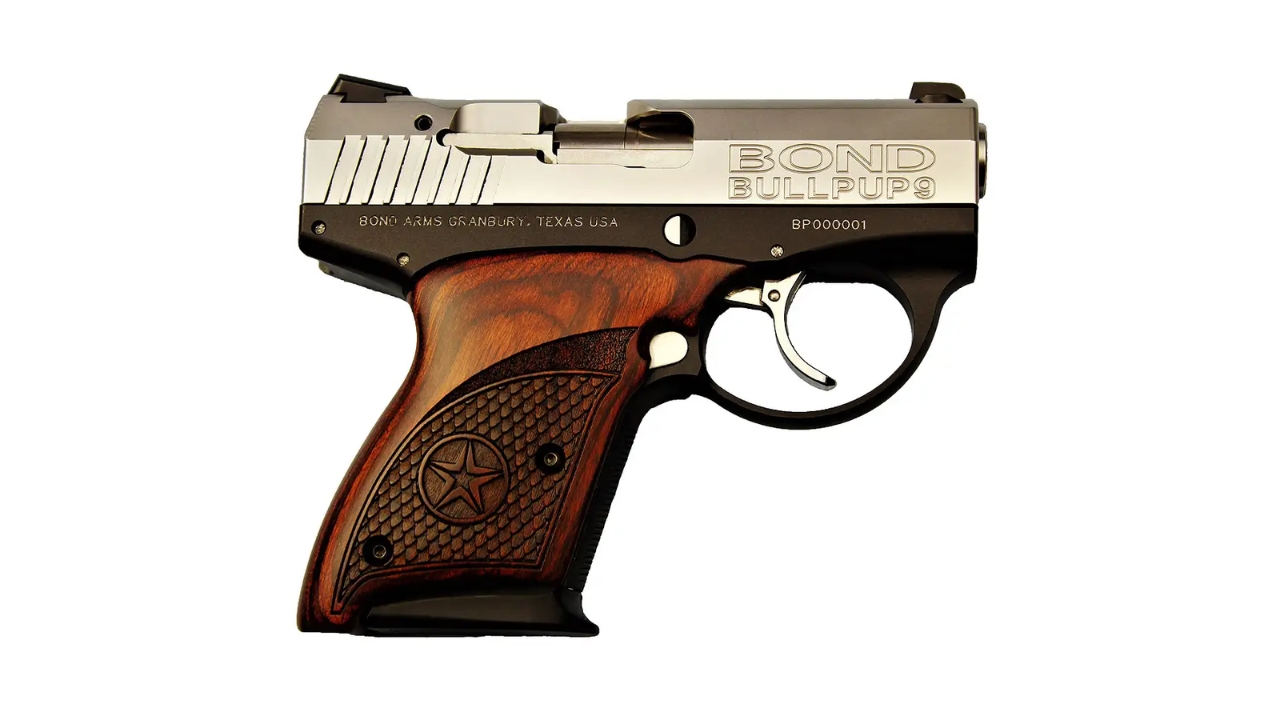
The BullPup9 is mechanically fascinating because it uses an unusual feeding system that allows a relatively long barrel in a short overall pistol. That sounds like a perfect way to maximize ballistic performance without increasing carry size.
The compromise is that unusual engineering brings unusual ownership requirements. Ammunition compatibility matters, magazines are specialized, and support is far more limited than with mainstream carry pistols. The gun can be accurate and impressively compact, but buyers need to accept that they are stepping outside the normal ecosystem. A clever solution is not always the easiest solution to live with long term.
Henry Single Shot Shotgun
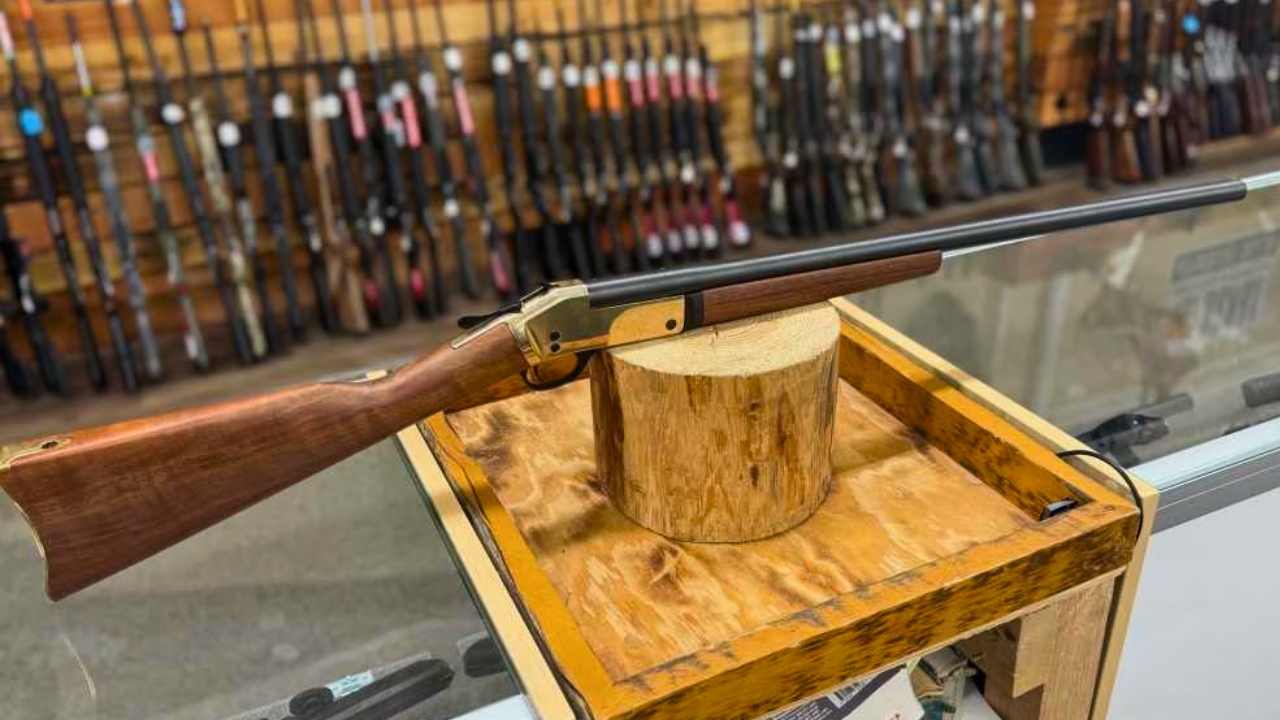
The Henry Single Shot is beautifully simple. It has a break-action design, traditional styling, and very little mechanically that can go wrong. For turkey hunting, small game, or teaching basic shotgun handling, that simplicity has obvious appeal.
The compromise is obvious but easy to underestimate: you get one shell before manually reloading. For certain hunting situations that is perfectly adequate, but it makes the shotgun far less flexible for waterfowl, upland birds, or any situation where quick follow-up shots matter. The light weight can also make heavier loads unpleasant. It is a very good single-shot shotgun, but buyers should be certain they actually want the limitations that come with single-shot simplicity.
Charter Arms Pitbull .45 ACP

The Pitbull is appealing because it allows shooters to use .45 ACP in a revolver without relying on traditional moon clips. The cartridge is common, the revolver is compact, and the design gives you a genuinely unusual carry or backup option.
The compromise lies in the extraction system and overall niche. Rimless cartridges are not what conventional revolver cylinders were designed around, so any system that avoids moon clips has to solve that problem mechanically. The result is clever but more specialized than a conventional .38 or .357 revolver. Capacity is limited, ammunition performance from the short barrel may vary, and the platform has much less aftermarket support. It works, but simplicity is not necessarily its strongest advantage.
Mossberg 464
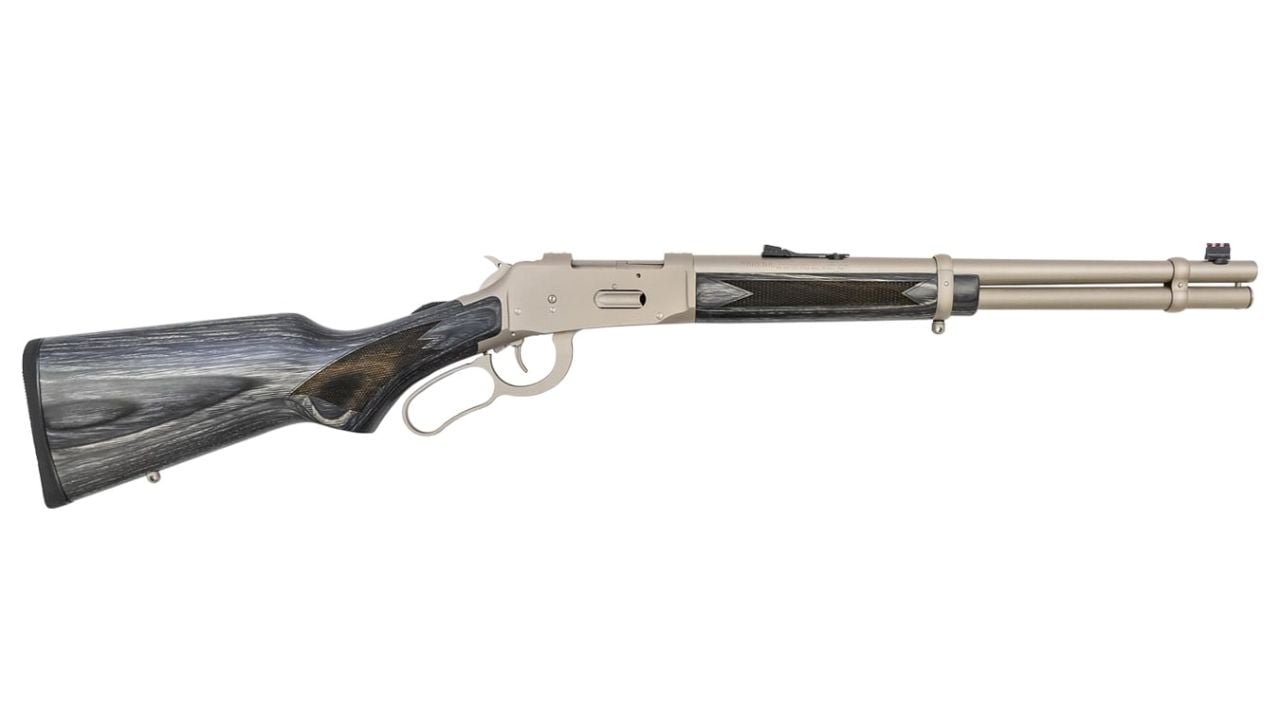
The 464 gives shooters a relatively affordable way into a traditional .30-30 lever-action rifle. It is light, compact, and useful in the same thick-woods hunting roles that made the cartridge famous.
The tradeoff is refinement. The action, stock fit, and overall finish can feel more utilitarian than on better-known lever rifles, and the aftermarket is not nearly as deep. That may not matter to someone who simply wants a practical deer rifle, but it can disappoint buyers who expect classic lever-gun smoothness and heirloom feel at a bargain price. The 464 can do the job, but it makes the most sense when purchased as a working rifle rather than a cheaper substitute for something more refined.
Springfield Armory XDM Elite 3.8 Compact OSP

The compact XDM Elite looks extremely capable because it combines substantial magazine capacity, optics capability, aggressive grip texture, and a relatively short slide. It seems like the kind of pistol that can handle carry, home defense, and range use without much compromise.
The catch is bulk. The grip and controls make the pistol feel larger than the barrel length suggests, and the combination of a thick frame with a short slide does not necessarily carry as easily as buyers expect. The gun shoots well, but it occupies an awkward middle ground where smaller pistols conceal better and larger pistols offer more comfortable range performance. It is capable, but not quite as universal as the specifications make it appear.
Rossi Brawler
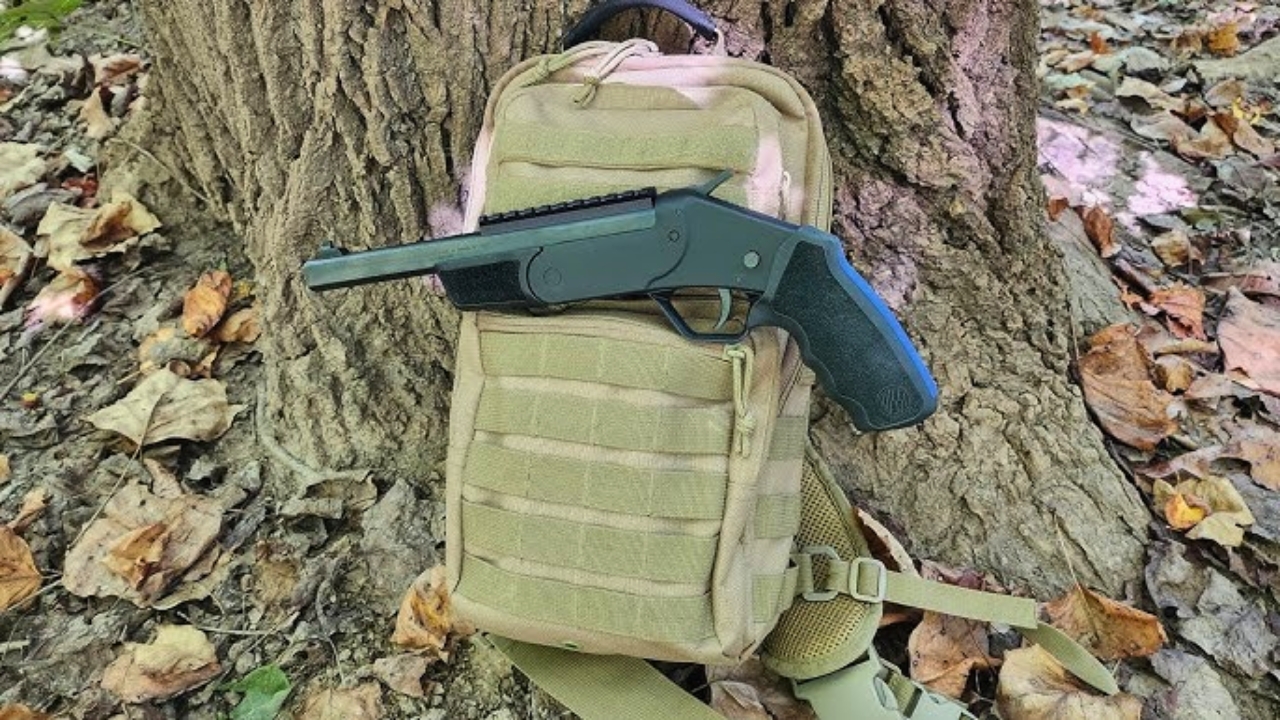
The Brawler attracts attention because it is inexpensive, simple, and chambered to fire both .45 Colt and .410 shotshells. That makes it seem like a handy trail, snake, or utility gun at a very approachable price.
The compromises are significant. You only get one shot, the gun is bulky for that capacity, and the long chamber is not ideal for maximizing performance with conventional handgun ammunition. The short barrel also means .410 loads behave very differently than they do from a shotgun. It can still be useful for a narrow set of tasks, but buyers expecting a cheap all-purpose field gun may quickly discover just how specialized it really is.
Kahr CT45
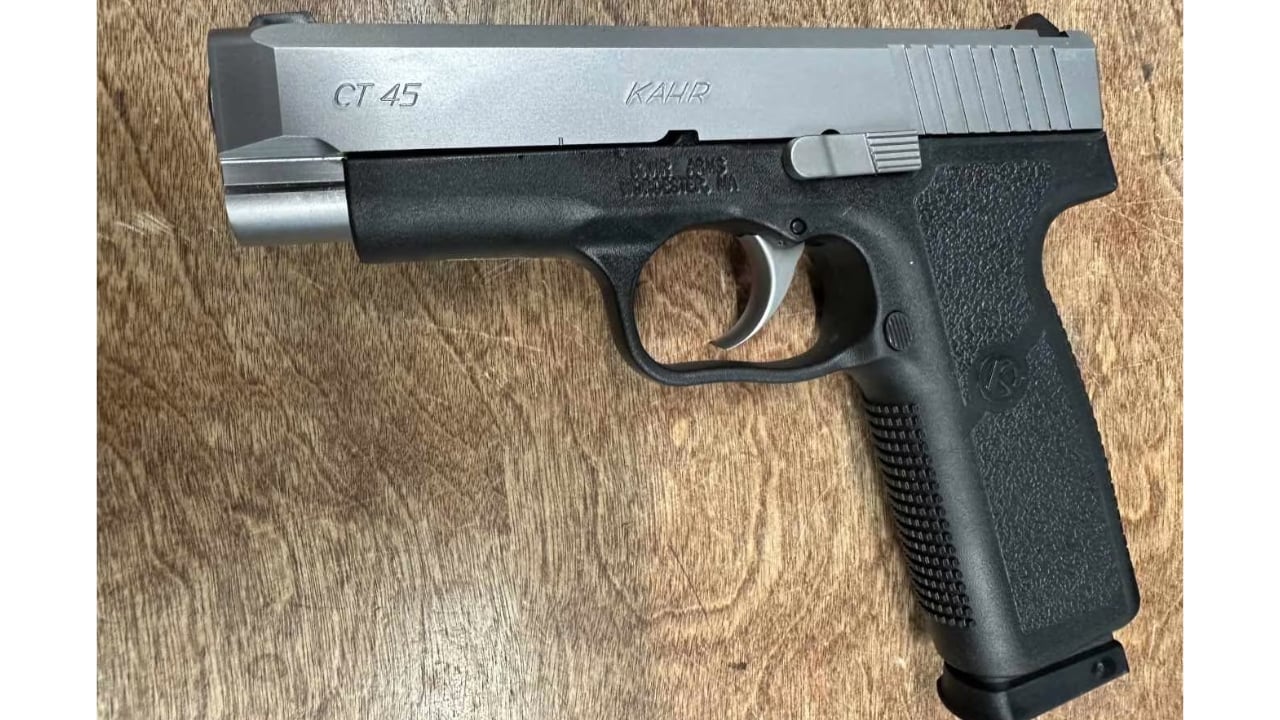
The CT45 is attractive because it gives you a slim .45 ACP pistol with a longer grip and barrel than some of Kahr’s tiny carry guns. That should, in theory, give you a good compromise between concealability and shootability.
The long double-action-style trigger and narrow frame remain defining characteristics, though. Some shooters love that system, while others never become comfortable with it. Capacity is also modest compared with similarly sized modern pistols. The gun is thin and easy to carry, but buyers have to accept that they are choosing a very specific trigger feel and lower capacity in exchange for that slimness. It is not a conventional compact .45, even if the dimensions suggest otherwise.
Chiappa Little Badger

The Little Badger may be one of the most portable rifles ever made. It is extremely light, folds into a compact package, and uses a simple single-shot action that is hard to misunderstand. For a survival kit or backpack, those qualities are genuinely useful.
The compromise is everything that happens once you actually start shooting it. The skeletal stock is not especially comfortable, the sights and controls are basic, and the single-shot action slows everything down. It is a rifle built around minimum weight and maximum portability rather than shooting comfort. Buyers who want a compact emergency gun may love it. Buyers who think they are getting an inexpensive general-purpose rimfire may be disappointed very quickly.
Taurus Tracker .44 Magnum
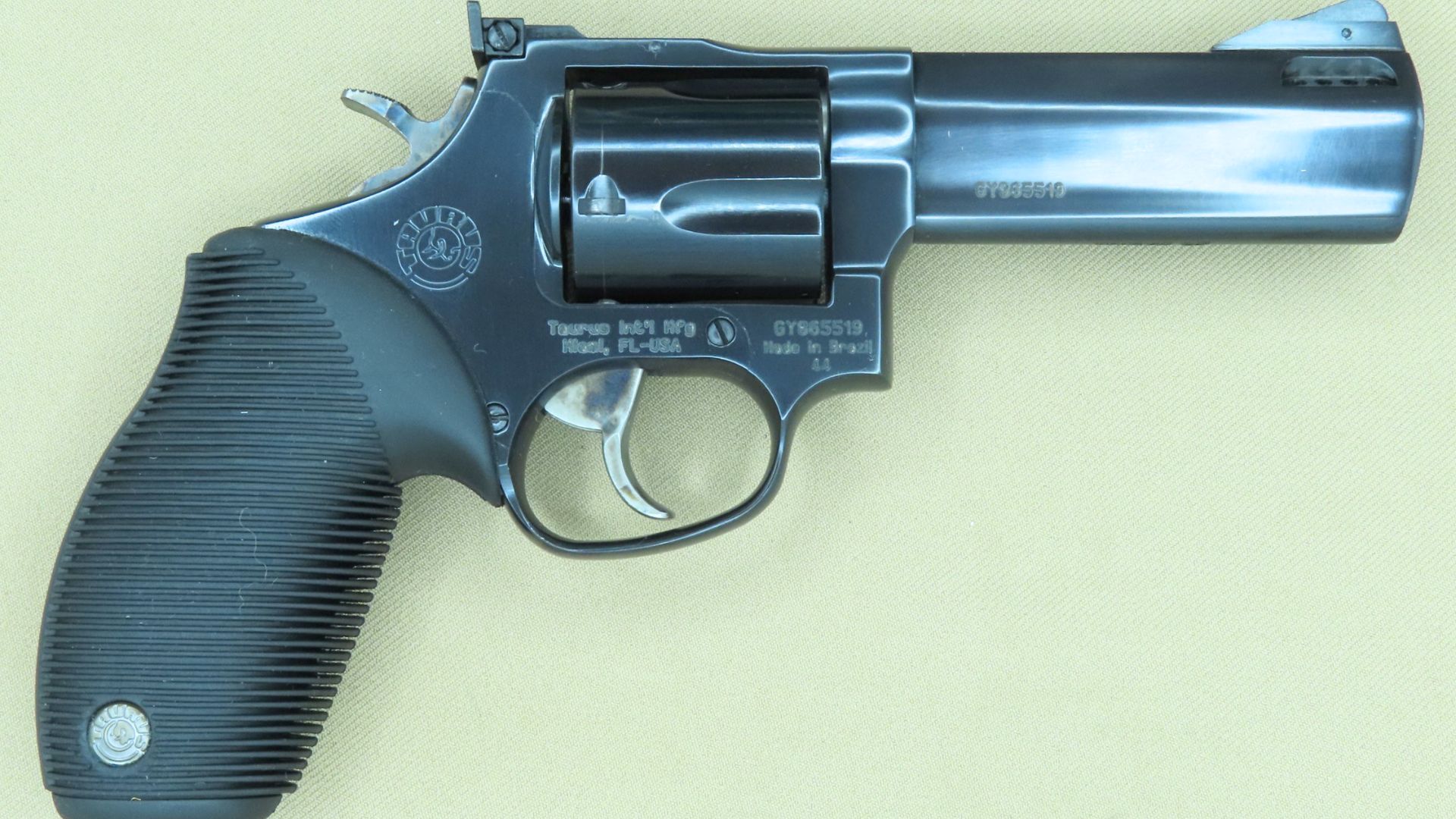
The Tracker .44 gives buyers access to .44 Magnum power in a more compact revolver than many traditional large-frame magnums. That sounds ideal for hunters and hikers who want serious power without carrying a huge handgun.
The compromise is recoil. Reducing size and weight while retaining a powerful cartridge means the shooter has to absorb more of the punishment. The ported barrel helps manage muzzle rise, but it also increases blast and noise. The smaller frame also means less mass to stabilize the gun during rapid fire. It can be a very capable field revolver, but buyers should understand that portability and comfort are pulling in opposite directions.
Browning BAR Safari

The BAR Safari gives hunters semiautomatic follow-up shots, traditional styling, and powerful rifle chamberings in a polished sporting package. It seems like an ideal rifle for someone who wants speed without giving up a classic hunting-rifle appearance.
The tradeoffs are weight, complexity, and maintenance. Gas-operated hunting rifles are more mechanically involved than bolt actions, and the BAR is not a particularly light rifle to carry all day. Some versions are also too nice-looking for owners to feel comfortable dragging through rough cover. It is an excellent semiautomatic hunting rifle, but the convenience of fast follow-up shots comes with more weight and more mechanical complexity than many buyers initially expect.
Pedersoli Rolling Block .45-70
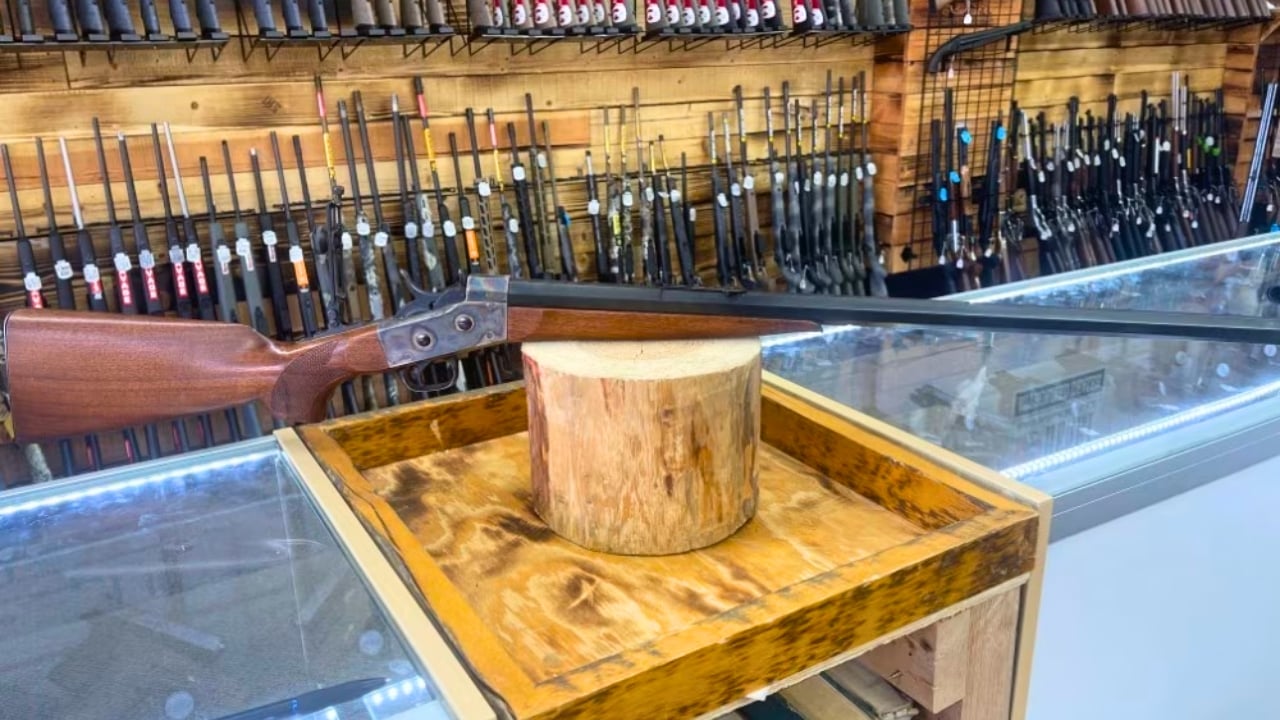
The Pedersoli Rolling Block gives you old-school single-shot simplicity, heavy construction, and a cartridge with enormous historical appeal. The rifle looks like an ideal combination of traditional design and serious hunting capability.
The tradeoffs become obvious during ownership. It is heavy, slow to reload, and .45-70 ammunition can be expensive. The rifle is also much more specialized than a conventional bolt action, especially if you plan to hunt at varied distances. It can be wonderfully accurate and extremely satisfying to shoot, but buyers need to want the traditional single-shot experience itself. If they are simply chasing power, there are easier ways to get it.
KelTec SU16
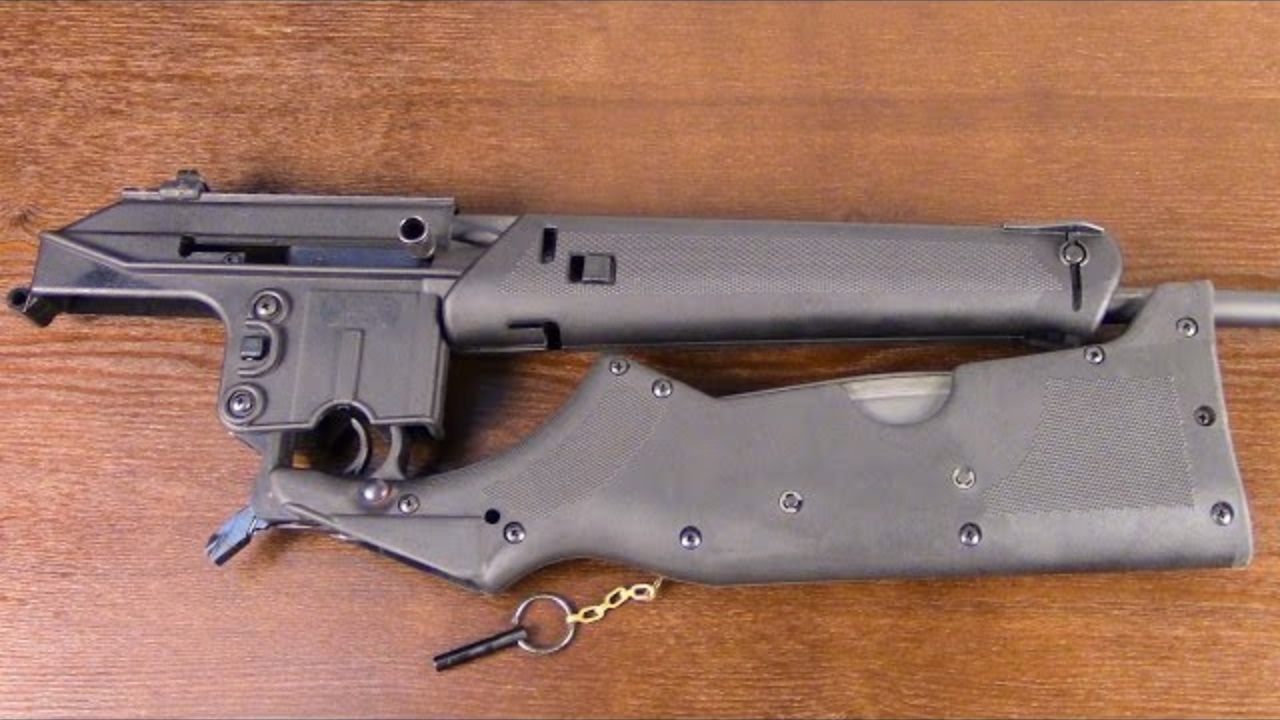
The SU16 is appealing because it is light, folds or stores compactly depending on the version, and uses a common intermediate rifle cartridge. Some variants also offer clever storage and support features that make the rifle look ideal as a lightweight utility gun.
The compromise is that extreme lightness changes how the rifle feels. The furniture and receiver do not have the solid character of heavier conventional rifles, and the folding or compact features bring their own limitations. It can be a very useful rifle for someone who prioritizes portability above everything else. Buyers expecting the feel and durability impression of a heavier duty-style carbine, however, may find that the SU16 asks them to accept more tradeoffs than expected.
Like The Avid Outdoorsman’s content? Subscribe to our newsletter so you never miss an article.
Here’s more from us: