Photo credit: Savage Arms
Spend enough weekends behind a timer and a spotting scope and you eventually quit chasing whatever the internet crowned “the new standard” this month. The guys and gals who’ve shot matches for years don’t need to prove anything with gear. They want rifles that feed, track, hold zero, and don’t throw a fit when the dust kicks up or the temperature swings.
What’s interesting is how “trend-proof” tastes start to look the same across different games—high power, PRS, NRL Hunter, smallbore, service rifle, even outlaw club matches. The rifles below aren’t always the newest, prettiest, or most talked-about. They’re the ones that keep showing up on the line because they work, parts exist, magazines exist, and the shooter already knows exactly what the gun is going to do.
Ruger American Rimfire
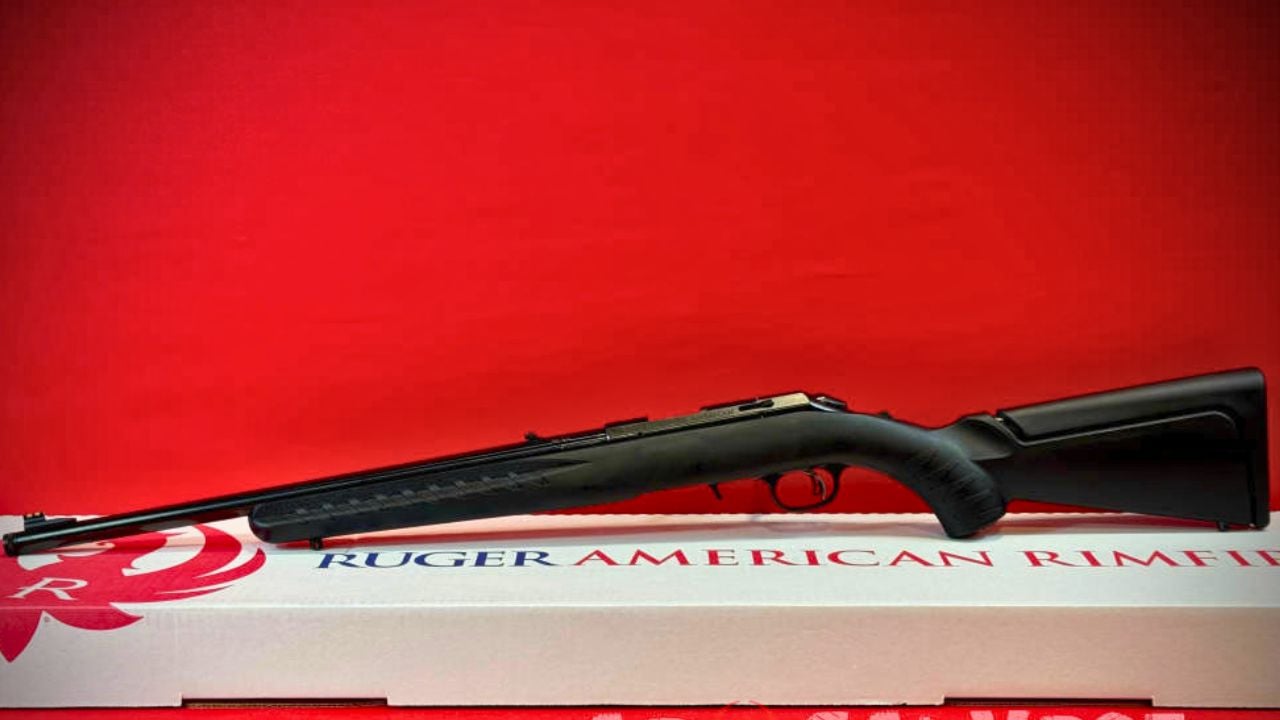
I’ve watched more than one serious centerfire competitor show up early, knock the rust off with a brick of .22, and run a Ruger American Rimfire like it’s a training tool—not a “budget rifle.” It feeds well, it’s easy to scope, and it doesn’t punish you for shooting a lot.
Is it fancy? No. But the mags are easy, the ergonomics make sense, and it’s the kind of rifle you can loan to a buddy without having a stress headache the whole time.
CZ 457 Varmint

The CZ 457 is one of those rifles that makes you feel like you’re cheating, especially once you find ammo it likes. In local rimfire matches, you see them everywhere for a reason: accuracy without drama.
Triggers are good, barrels are good, and the action has that smooth, controlled feel that keeps you from rushing. It’s not a social media rifle. It’s a “clean the stage and move on” rifle.
Anschütz 1903 (smallbore prone)
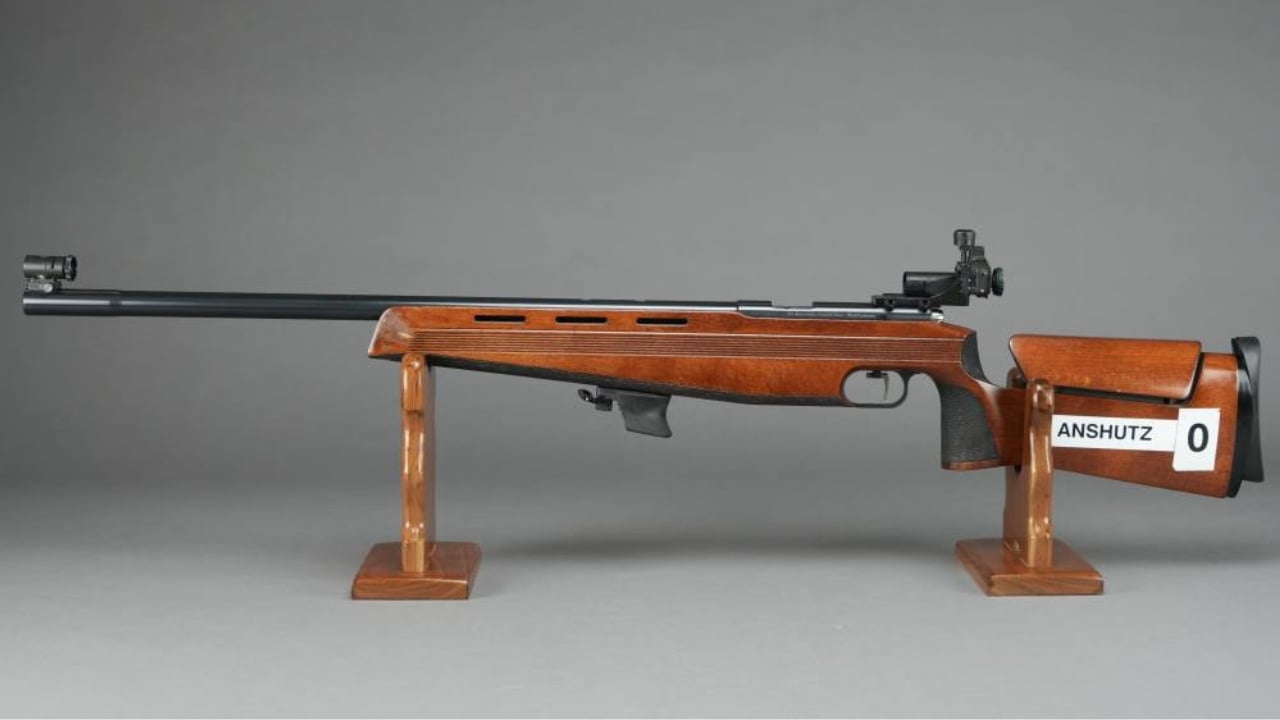
In the tiny world of serious smallbore prone, Anschütz is almost boring because it’s so normal. The 1903 pattern rifles just keep drilling X-rings if the shooter does their part.
These aren’t light, and they aren’t cheap. But nobody who’s been competing forever is surprised by that. They’re buying consistency and a platform that holds value because it keeps winning, year after year.
Ruger 10/22

Every match crowd has a few 10/22s that have been around longer than the newest shooter on the firing line. The trick is the owner usually stopped trying to make it something it’s not.
Keep it reliable, keep the mags clean, don’t chase every part in the catalog, and it will do what a 10/22 does best: let you practice positions, transitions, and follow-through for cheap.
Tikka T3x CTR
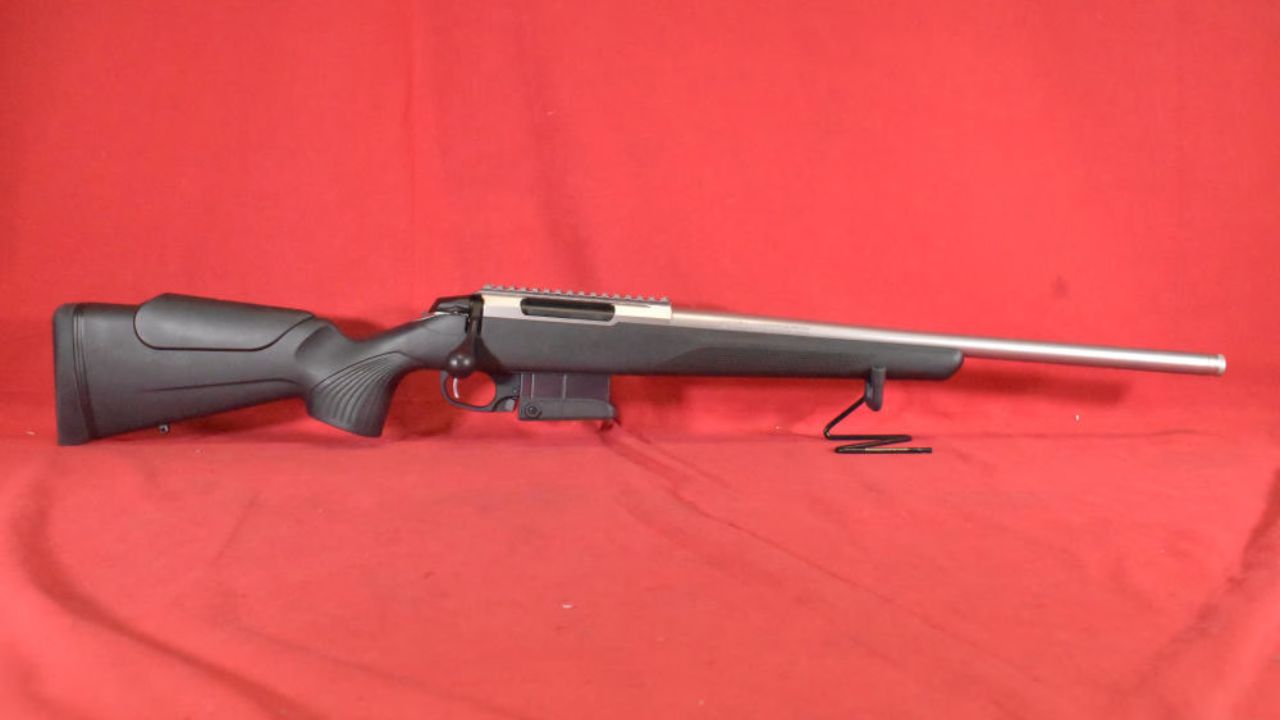
The Tikka CTR is what a lot of shooters land on after they’ve “tried everything.” It feeds slick, it shoots better than it has any business shooting out of the box, and it doesn’t need a long break-in ritual to settle down.
It’s also one of those rifles that makes you a better shooter because you’re not fighting extraction or chasing random fliers. Magazines are available, and the aftermarket is big enough to matter without being a circus.
Tikka T3x UPR

UPR rifles show up with shooters who want a little more stock adjustability without turning the rifle into a boat anchor. It’s a practical compromise, especially for crossover folks who hunt and compete.
The barrel contour and ergonomics help on barricades and prone. And when you’re tired, tired, tired at the end of a long match day, a rifle that cycles cleanly starts to feel like the most important “feature” on earth.
Bergara B-14 HMR
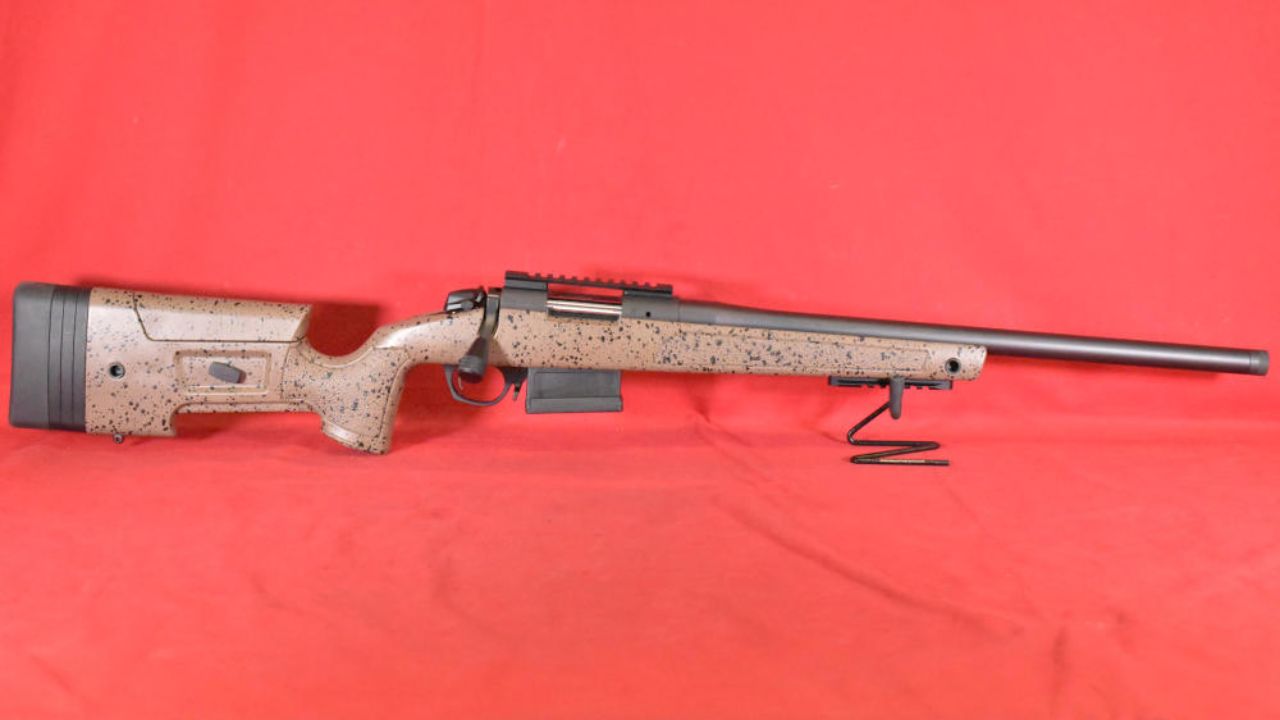
For the price, the HMR is hard to argue with. It’s become the default “I want to shoot PRS style matches without taking out a loan” rifle, and it doesn’t embarrass itself.
It’s not the lightest, and it’s not the slickest action in the world. Still, they shoot, they hold up, and if something does need attention, you’re not dealing with an oddball orphan platform.
Savage 110 Tactical

Savage rifles aren’t always pretty, and the internet likes to pick on them. But I’ve seen plenty of 110 Tactical rifles go through hard seasons and keep putting rounds where they’re supposed to go.
The AccuTrigger isn’t a boutique trigger, but it’s adjustable and usable. And for the shooter who values “it just works” over “it impresses strangers,” the 110 keeps a seat at the table.
Ruger Precision Rifle

Plenty of folks love to hate the Ruger Precision Rifle, mostly because it got popular. But experienced shooters keep them around because they’re adaptable and they flat-out shoot when you do your part.
They’re heavier than some want, and they’re not as refined as high-end customs. But if you want a chassis rifle that’s easy to set up and doesn’t mind getting knocked around, it’s a legitimate tool.
Remington 700 (blueprinted custom build)
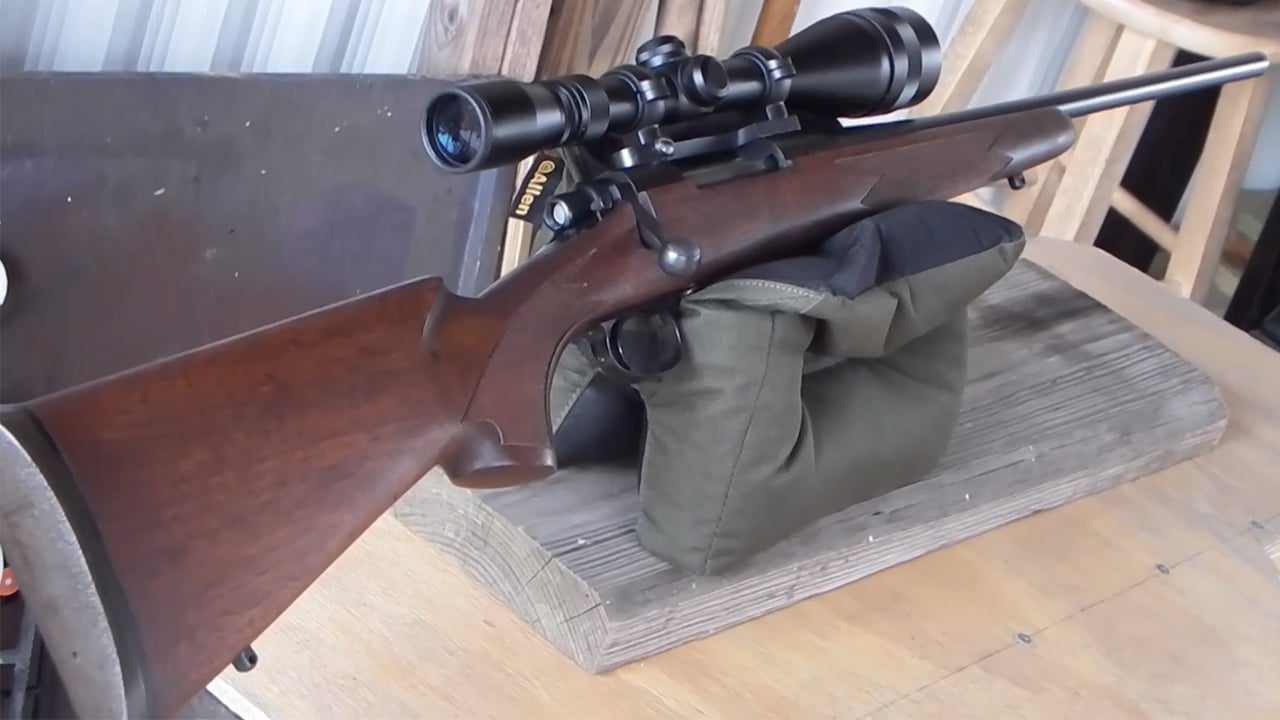
There’s a reason the 700 footprint refuses to die. The long-timers aren’t romantic about it—they’re practical. The support is endless, the smiths know them, and the parts ecosystem is basically the whole industry.
A factory 700 can be a mixed bag depending on era. But a trued action with a quality barrel and a decent trigger is still a serious rifle. Boring? Sure. Also effective.
Defiance Machine Deviant
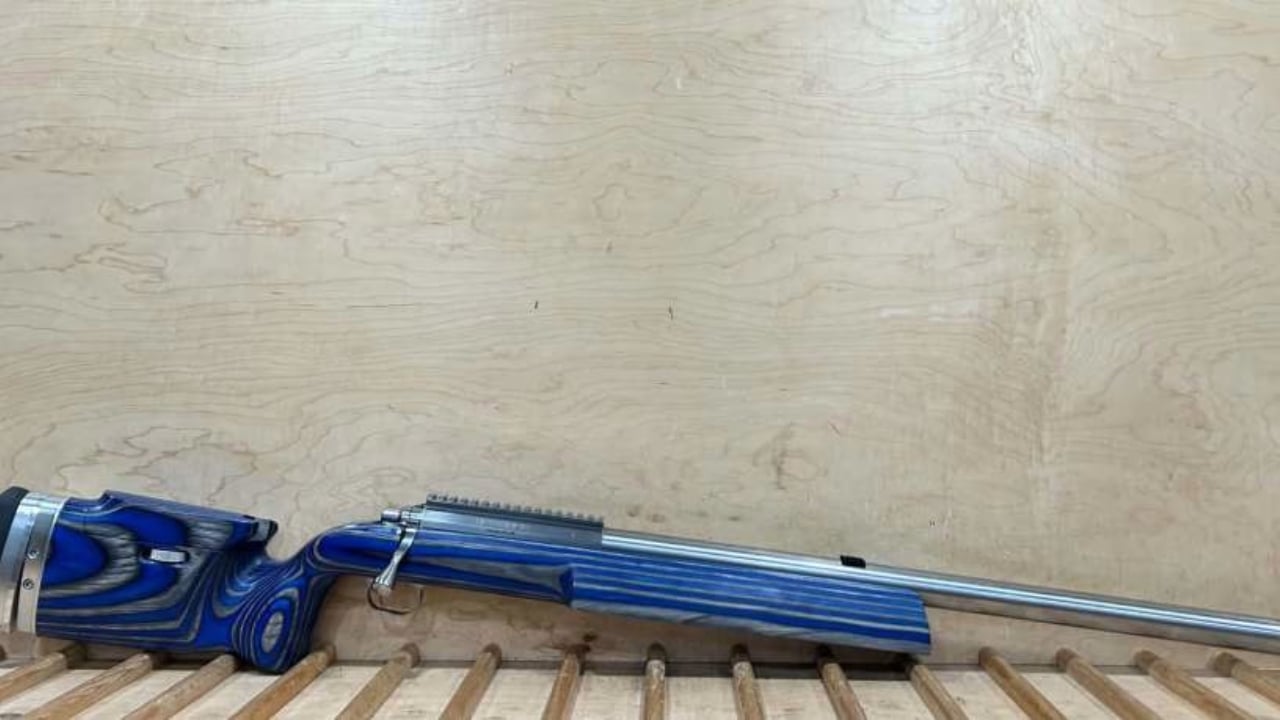
Once you’ve been at it long enough, you start paying for actions that remove uncertainty. Defiance is in that camp. Smooth cycling, consistent lockup, and the kind of machining that doesn’t leave you wondering what’s going to loosen next.
These show up under shooters who got tired of troubleshooting. They want to focus on wind calls and stage plans, not why their bolt lift suddenly feels like dragging a cinder block.
Zermatt Arms Origin
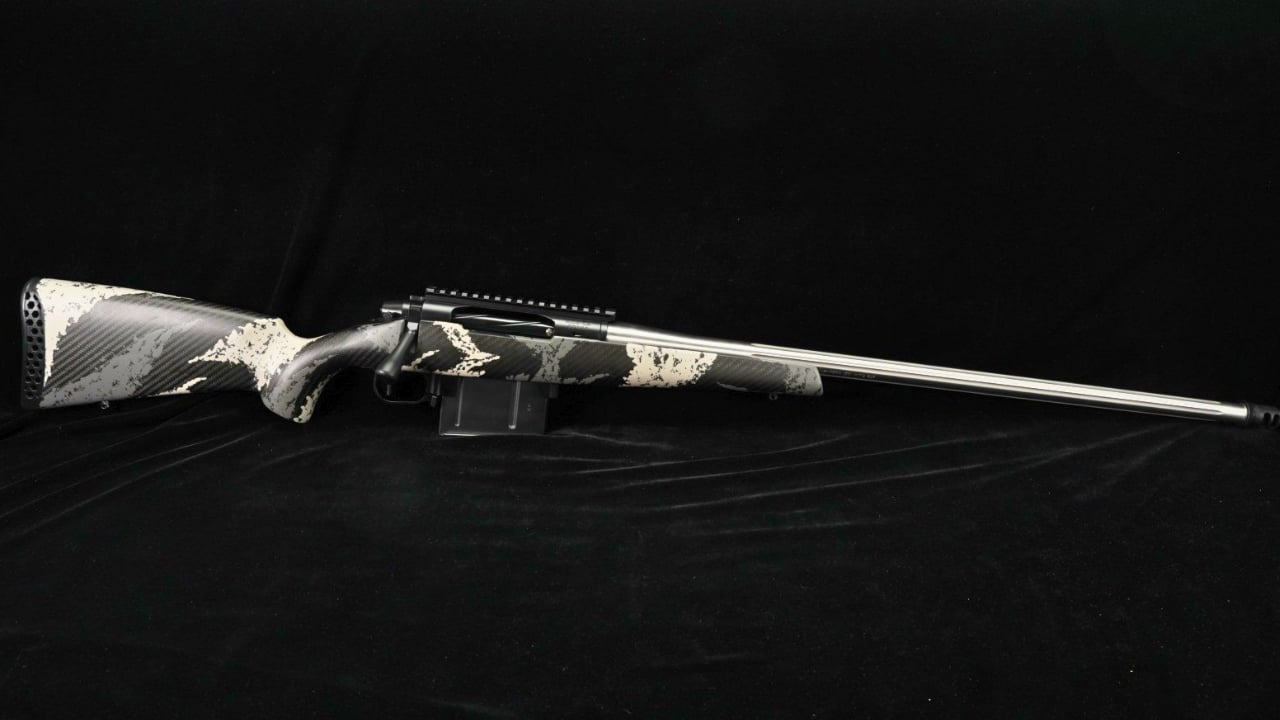
The Origin shows up with shooters who want a do-it-all match rifle without buying into a fussy platform. It’s modular, it plays well with common components, and it’s built for the realities of competition where downtime costs you training.
It’s also one of those choices that signals maturity: you’re thinking about logistics—parts, barrels, support—more than the latest “must-have” feature.
Accuracy International AT-X

AI rifles are not subtle. They feel like equipment built for people who don’t have time for excuses. The AT-X is heavy, yes, but it stays planted, cycles like it means it, and it shrugs off the kind of abuse that would have other rifles squeaking for mercy.
There’s also an AI truth that never goes away: they cost money, but they work out of the box and keep working. That kind of boring reliability gets addictive.
Accuracy International AXSR
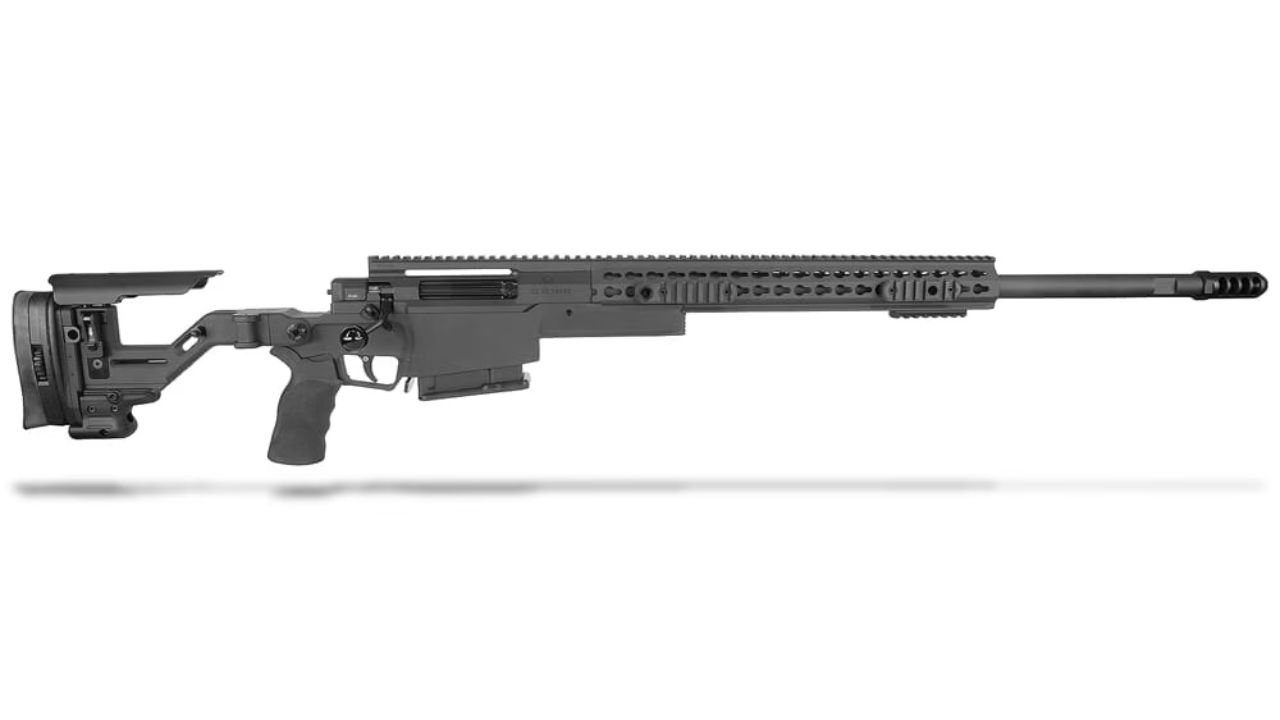
The AXSR is not what most folks “need.” But competitors who’ve been around forever aren’t shopping by need. They’re shopping by confidence, and the AXSR is a confidence rifle.
It’s modular, it’s built like a vault door, and it maintains accuracy in conditions that make lesser setups feel finicky. If you’re the type who competes hard and travels, that matters.
Barrett MRAD

Barrett is known for big loud stuff, but the MRAD earned respect because it’s a real precision system. It’s not a fashion statement when the rifle has to hold up to lots of rounds, lots of handling, and changing conditions.
It’s heavier than many prefer for certain matches, and it’s not cheap. Still, it’s a rifle that behaves like it was designed by people who expect it to be used hard.
Daniel Defense DDM4V7
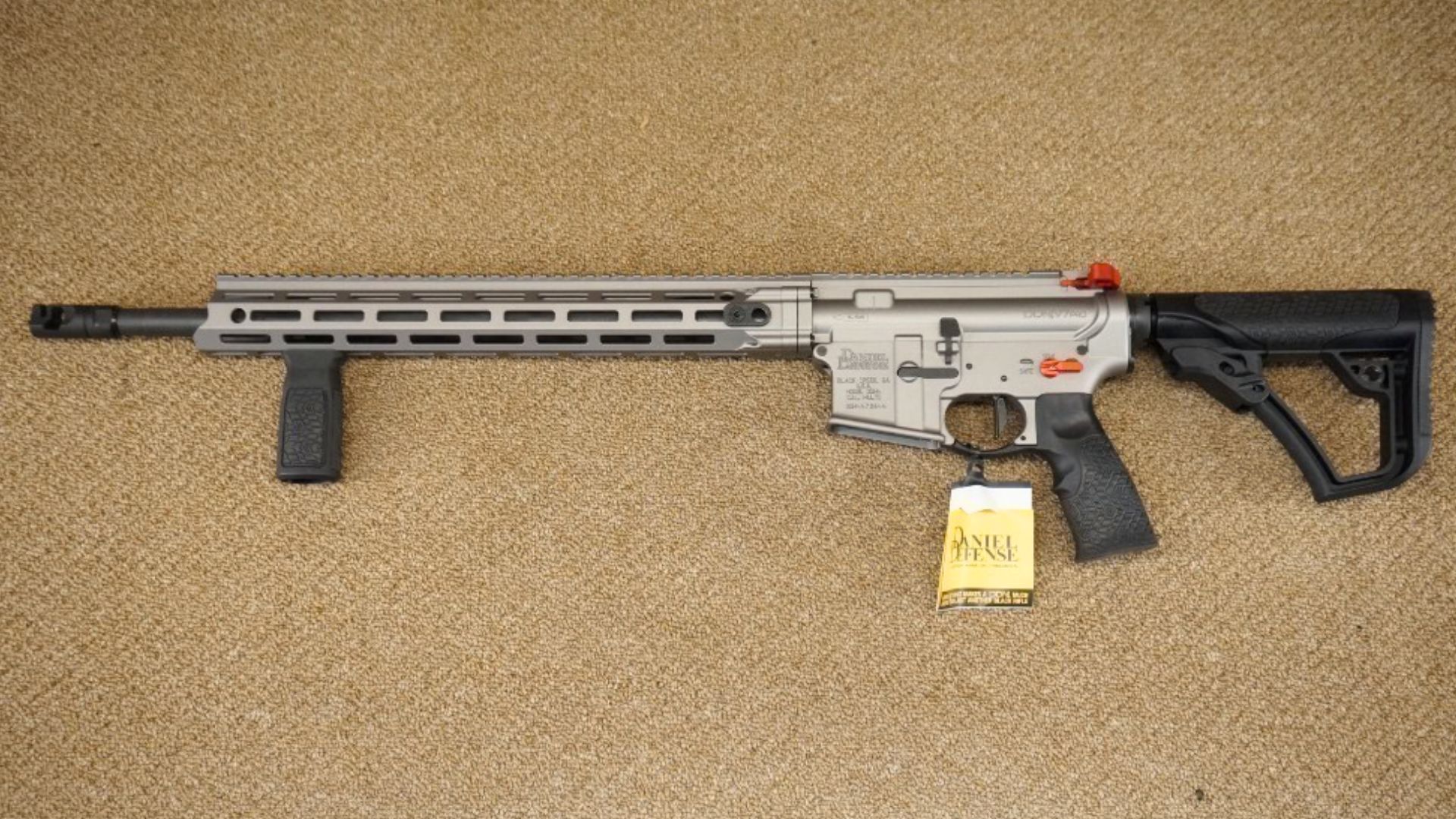
In the AR world, serious shooters eventually settle into a simple requirement: it has to run. The DDM4V7 is one of those rifles that tends to run when you feed it decent mags and don’t treat maintenance like a rumor.
Is it the only good AR? No. But it’s a common “no surprises” choice. When you’re chasing points, “no surprises” is a big deal.
Colt LE6920
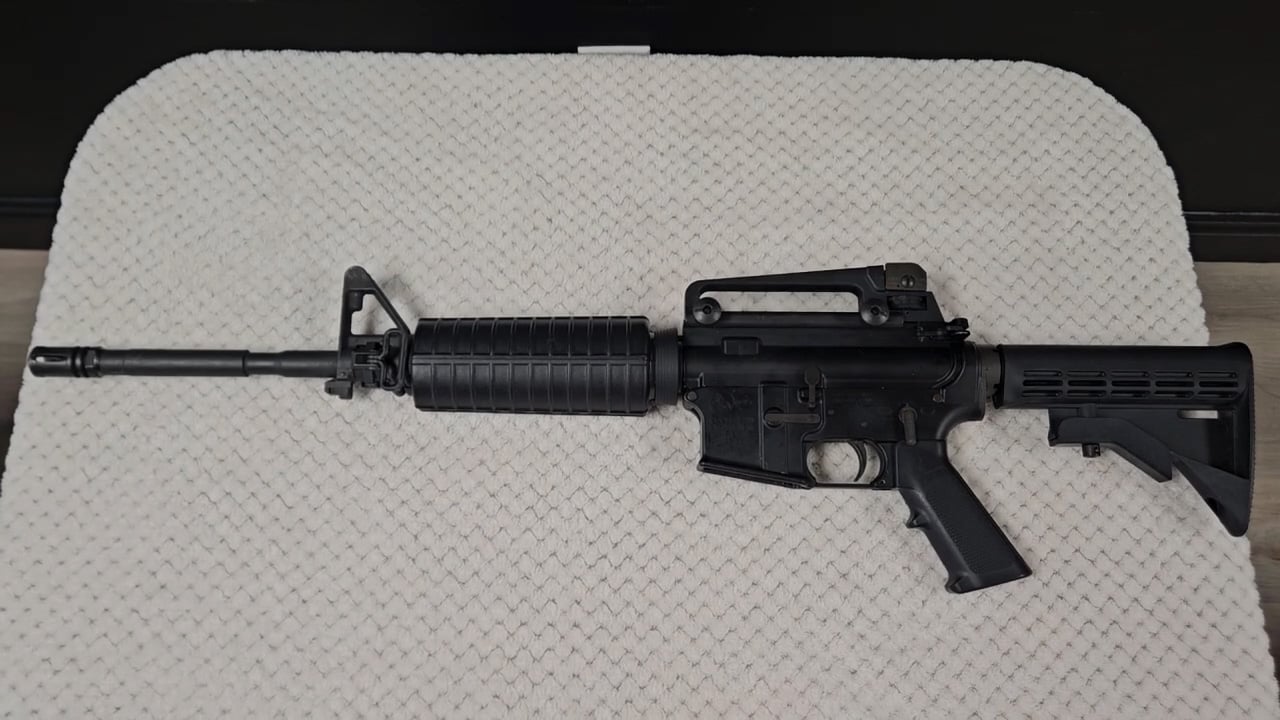
The 6920 is plain, almost to a fault. That’s part of why it keeps showing up. It’s the AR a lot of competitors learned on, kept, and never really had a reason to get rid of.
Parts are everywhere, magazines are everywhere, and it’s easy to keep it in a known, reliable configuration. There’s nothing fancy about it, and that is kind of the point.
FN America FN 15 Tactical II

FN’s ARs don’t always get the same hype as some boutique brands, but they quietly do the job. The FN 15 Tactical II is a solid “show up and shoot” rifle for matches where an AR is the ticket.
Competitors who stopped chasing trends tend to like guns that don’t need an introduction. The FN runs, the barrels are generally good, and you’re not hunting for weird proprietary parts.
Springfield Armory M1A Loaded
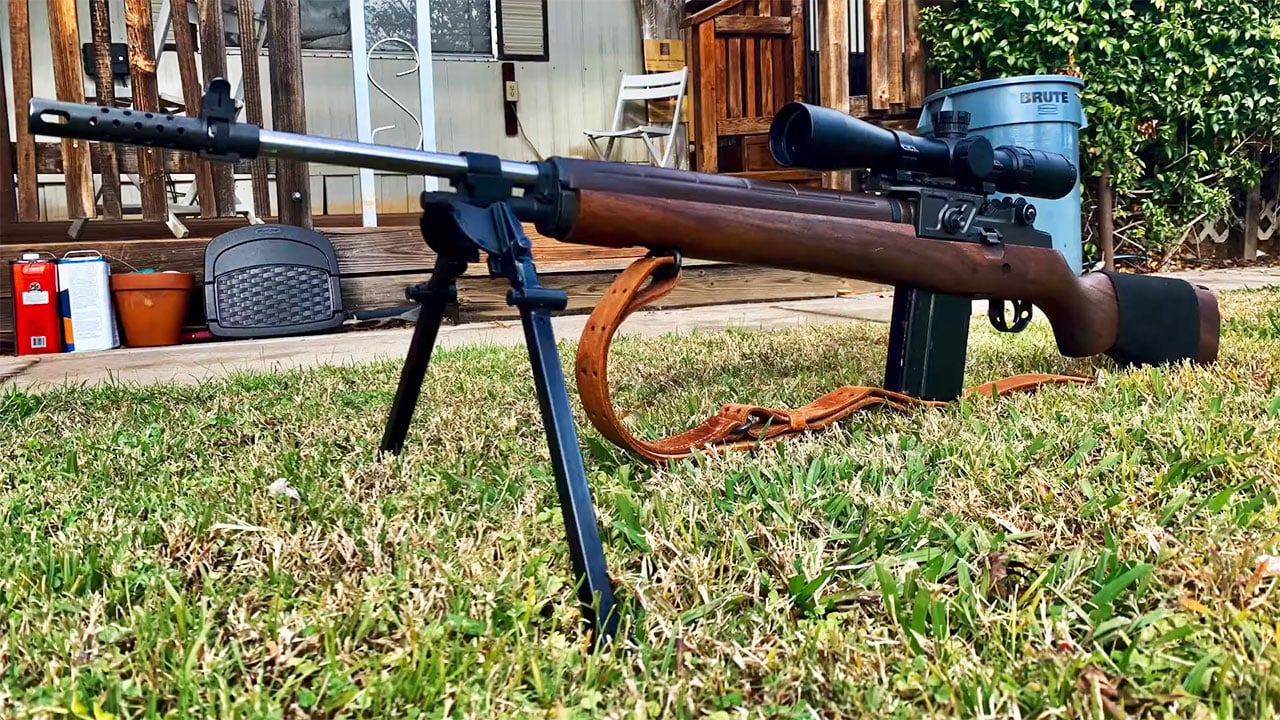
Service rifle and across-the-course shooters have a complicated relationship with the M1A. It’s not the easiest path. It’s heavier than it needs to be and can be picky if you start chasing setups without knowing what you’re doing.
But the shooters who have stuck with it for years aren’t doing it because it’s trendy. They do it because they understand it. When an experienced hand runs an M1A well, it’s steady, predictable, and more capable than most folks assume.
After enough matches, the “best rifle” turns into the rifle you can trust on your worst day. The common thread in all of these isn’t hype or price tag. It’s that they keep showing up because they keep working—and the shooters behind them are too busy looking at wind, time, and targets to care what’s fashionable.
Like The Avid Outdoorsman’s content? Subscribe to our newsletter so you never miss an article.
Here’s more from us: