Photo credit: 22plinkster/Youtube
If you spend any time around new shooters, you learn pretty quick what actually builds skill. It is not recoil. It is not noise. It is reps. A good .22 revolver gives you cheap practice, honest trigger time, and a simple manual of arms that makes sense on a tailgate, at a farm range, or walking a fenceline looking for pests.
They are also handy little hunting tools. A .22 wheelgun in a holster doesn’t snag like a rifle slung over your shoulder, and it is about as natural as it gets for popping a squirrel that’s hugging a tree on the way back to the truck. Here are 20 that actually make sense for training and small game, with a few hard truths mixed in.
1. Ruger Wrangler
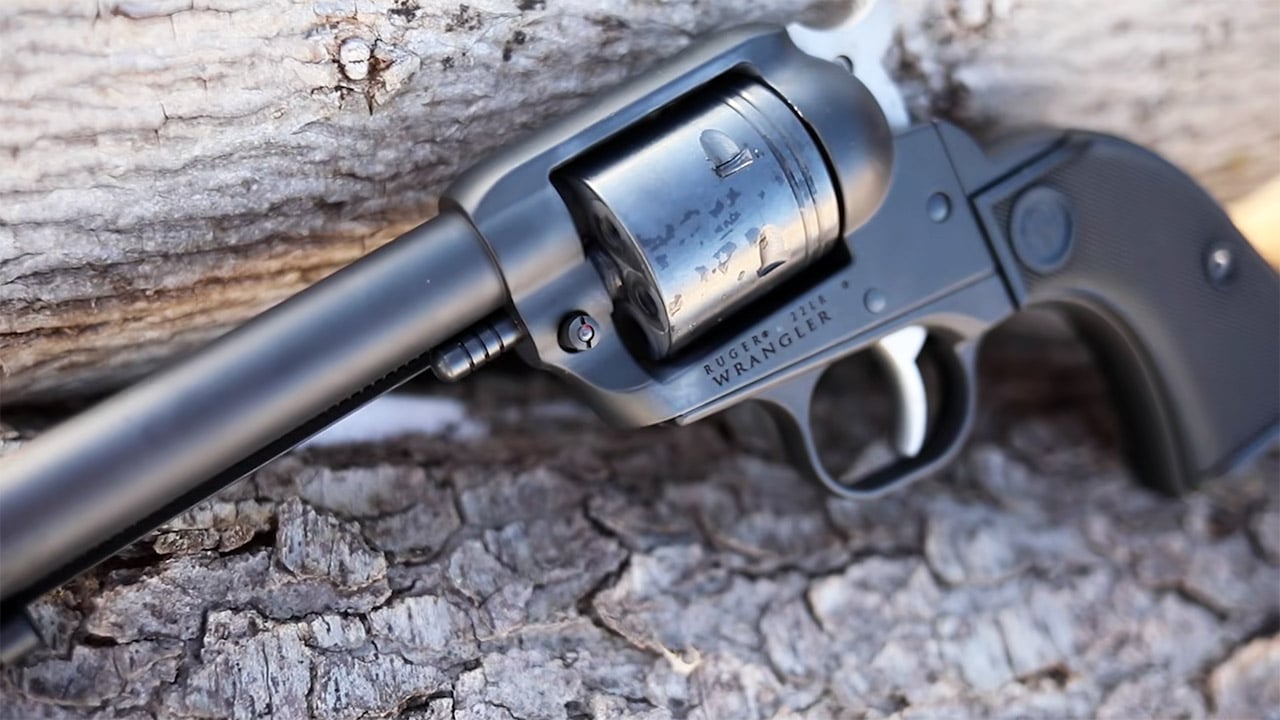
If you want the “throw it in the range bag and don’t baby it” revolver, the Wrangler is it. It’s a single-action, so you’re cocking the hammer every shot, but that slows people down in a good way. New shooters stop slapping triggers when they’re forced to think about each round.
The sights are simple and the finish is meant to be used, not admired. The one downside is the fixed-sight setup can shoot a little off depending on ammo, but for cans, steel, and close woods work it’s fine. There is nothing fancy about it, and that is kind of the point.
2. Ruger Single-Six
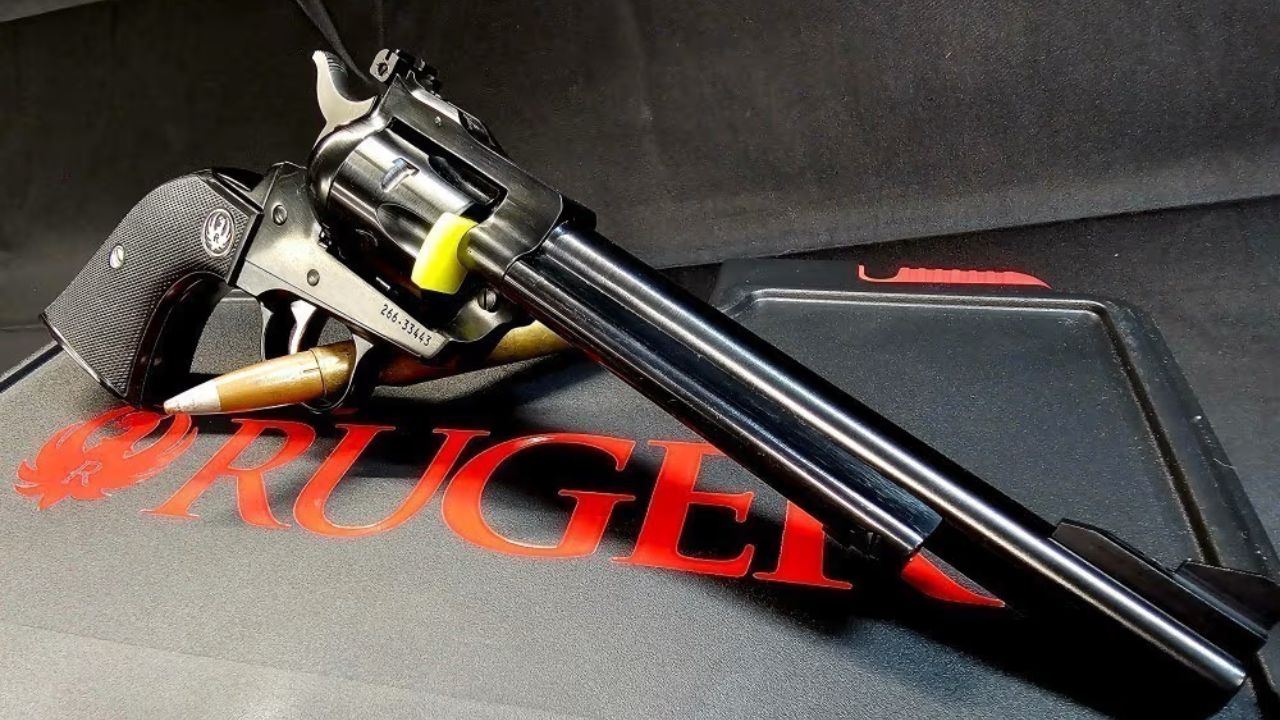
The Single-Six is the classic working .22 revolver for a reason. It carries well, balances right, and it seems to last forever. A lot of them come with an extra .22 WMR cylinder, which is handy if you want a little more punch for pests.
For training, it forces good habits: thumb the hammer, find the sights, press the trigger. For small game, it is accurate enough that missed squirrels are usually the shooter’s fault, not the gun’s. The only pain is price—these aren’t “cheap” anymore.
3. Ruger Bearcat
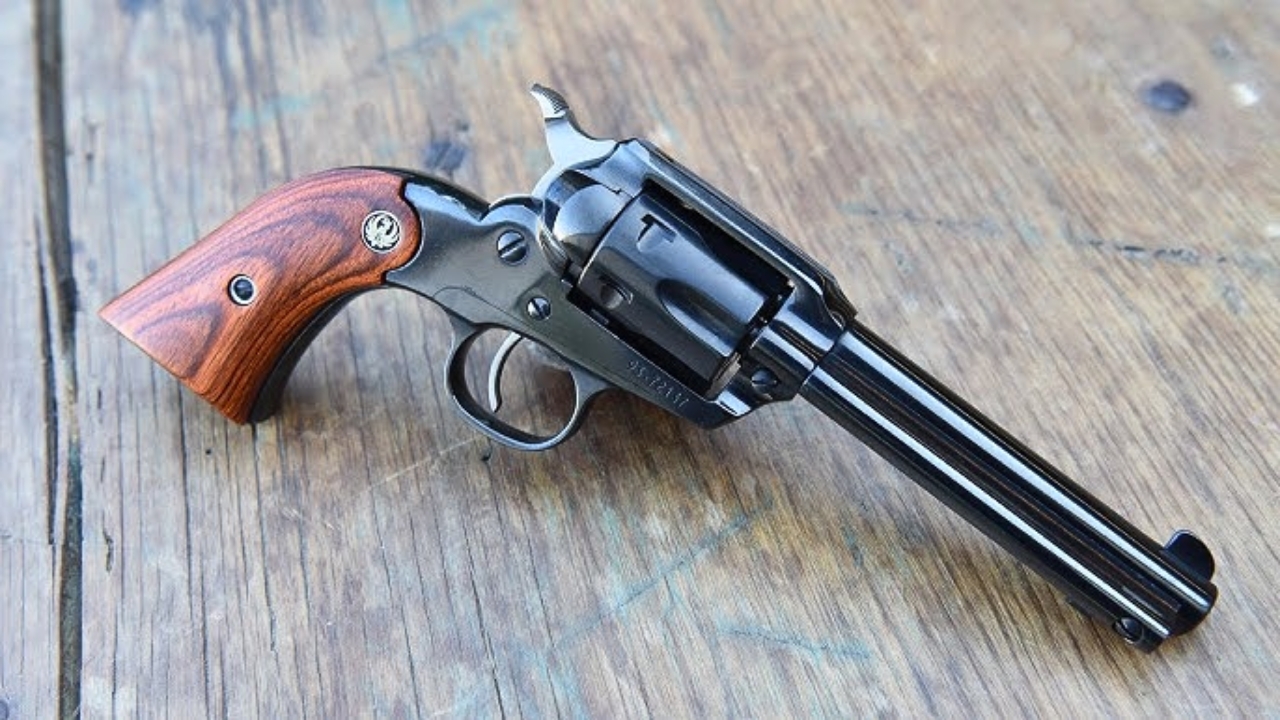
This one is for the folks who actually want small. The Bearcat disappears on the hip, and if you’re the type who always ends up packing too much gear, this is the revolver that won’t add to the problem.
It’s not a target gun and the tiny grip won’t fit every hand. Still, for knocking around the woods or teaching a kid with smaller hands, it makes a lot of sense. Ask me how I know: little guns get carried, big ones get left in the truck.
4. Ruger SP101 .22 LR (8-shot)
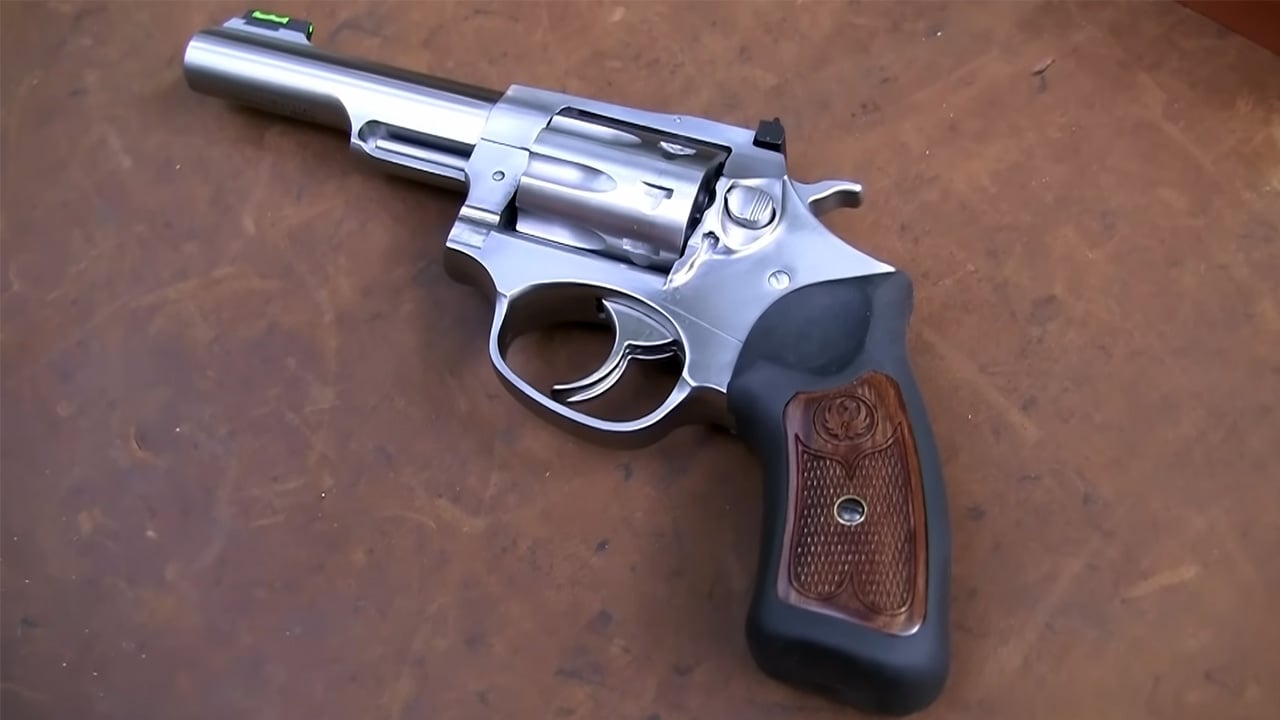
The .22 SP101 is built like Ruger meant it for hard use, because they did. It’s heavier than most .22 revolvers, which makes it dead steady on target. For training, that weight helps a new shooter focus on sights and trigger without fighting wobble.
The double-action trigger can be on the stout side. That is not a dealbreaker—it is good practice—but it can frustrate a brand-new shooter if you start them DA right away. Run it single-action at first, then let them “graduate” to double-action when they’re ready.
5. Ruger LCRx .22 LR (3-inch)
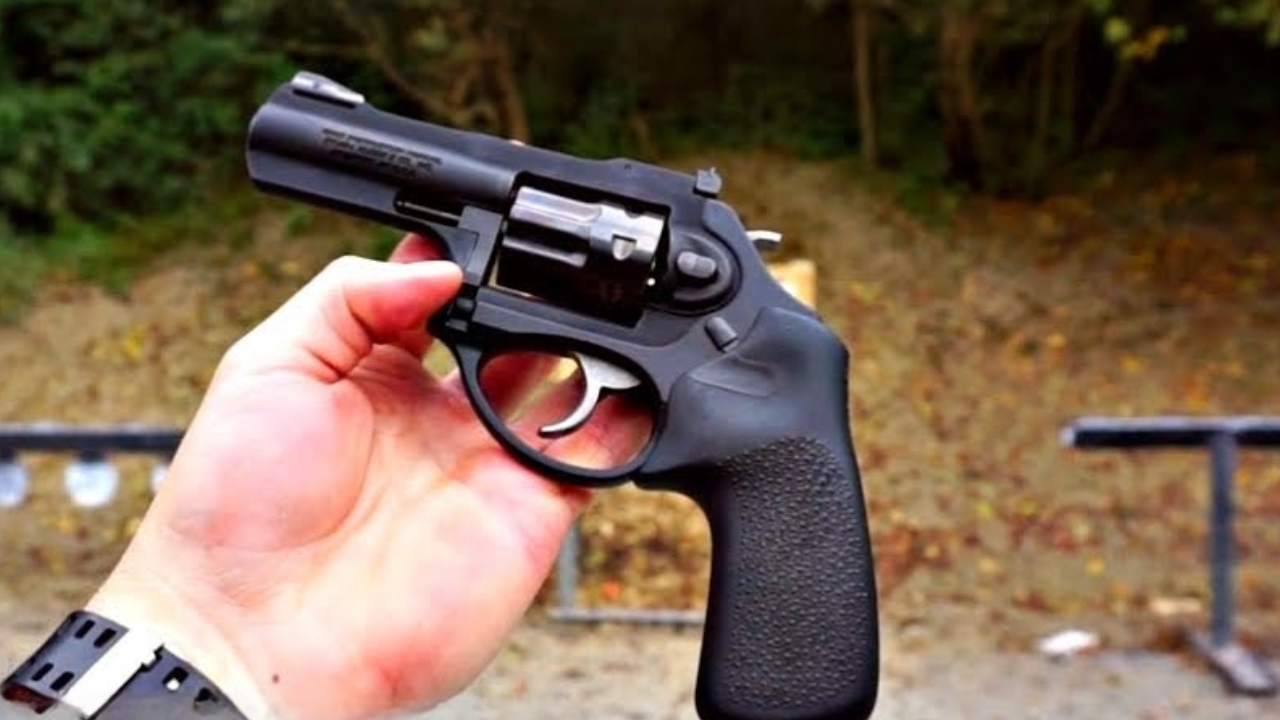
If you want a trainer that feels like a carry revolver, the LCRx is worth a look. The grip shape and trigger system are different than an old-school steel gun, and the whole package is light enough to actually pack on a hike.
Lightweight .22 revolvers can be a little “whippy” in the hand, even with mild recoil, and the longer trigger pull takes some learning. But it teaches follow-through and a smooth press. In the woods, the 3-inch version is a nice compromise between sight radius and carry comfort.
6. Smith & Wesson Model 617
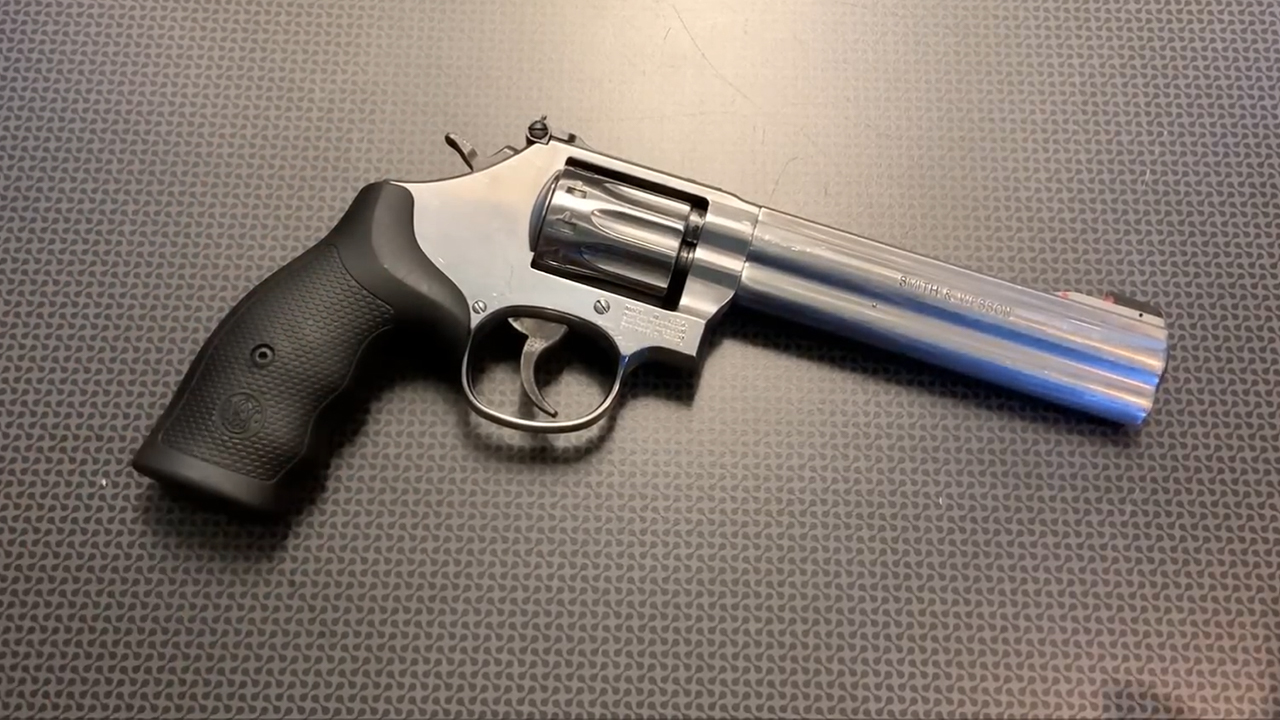
The 617 is the range workhorse that makes you look better than you are. It’s big, smooth, and generally accurate with just about any decent ammo. If someone tells you they can’t shoot a .22 well, hand them a 617 and see what happens.
It’s also heavy, which means it is not everyone’s idea of a woods gun. But for training, especially double-action training, it’s one of the best. Ten shots in the cylinder keeps the pace up without constant loading.
7. Smith & Wesson Model 317 AirLite
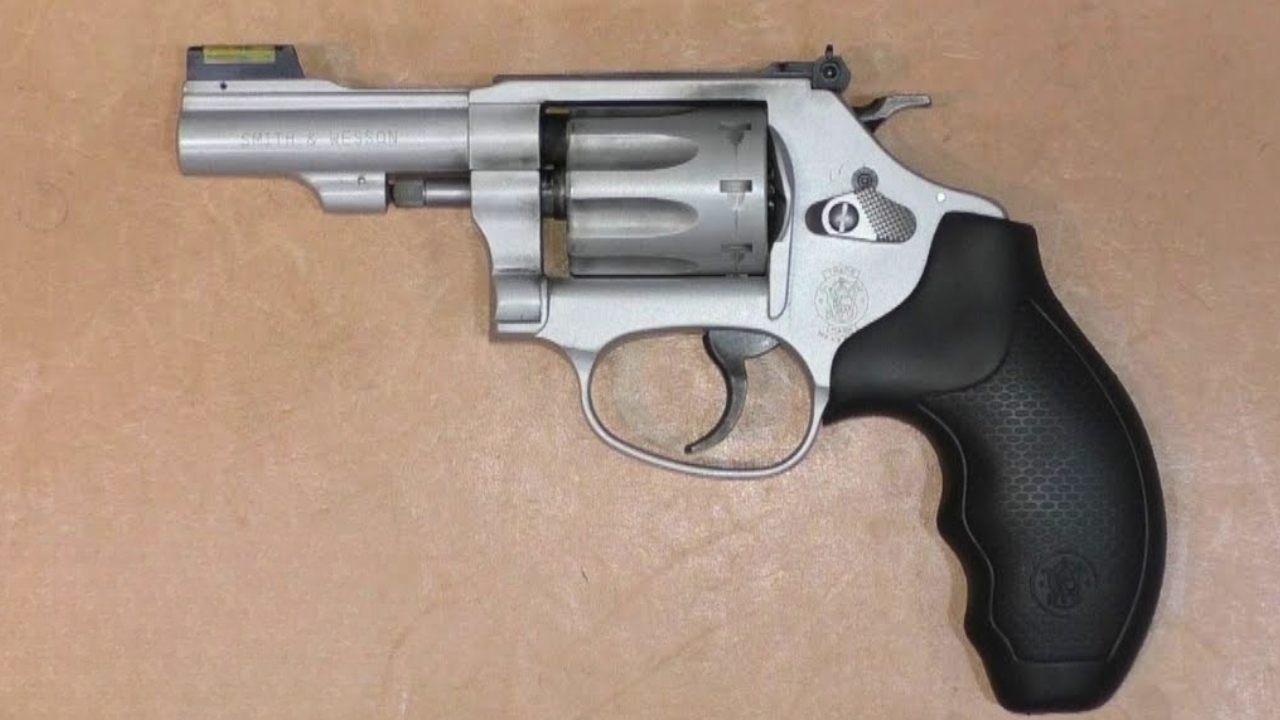
The 317 is what happens when you want a .22 revolver that actually carries like a pocket gun. It’s featherlight. You can forget it’s on you until you sit down.
That light weight comes with tradeoffs. It’s not as steady as a steel revolver, and you’ll feel every bit of the trigger work because there isn’t much mass to soak up movement. Still, for a “always there” trail gun, it fits a niche that heavier revolvers don’t.
8. Smith & Wesson Model 63
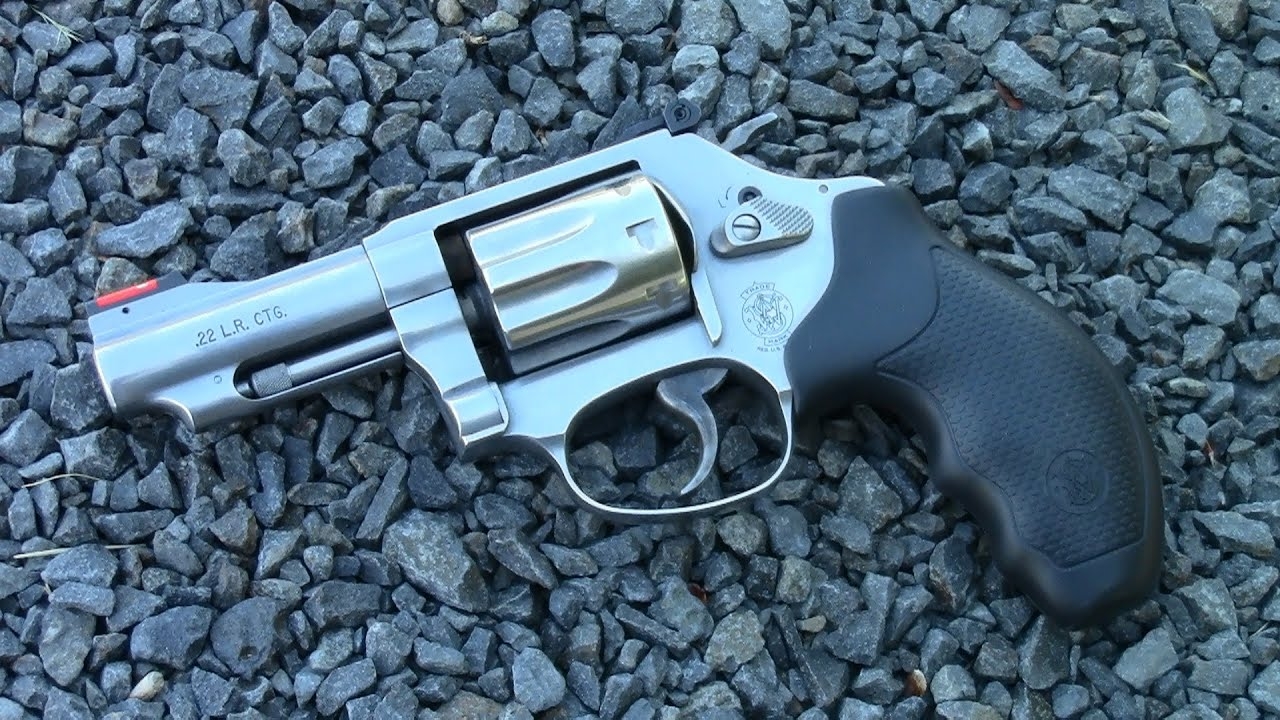
The Model 63 is the kit gun idea done right: small-frame, stainless, tough, and easy to live with. It points naturally and feels like a “real” revolver, not a toy. If you want something that can ride in a chest rig while you’re fishing or checking traps, this is a solid pick.
It’s also one of those guns that tends to hold value because it’s genuinely useful. Not too big, not too small. If you only owned one .22 revolver for both training and woods work, the 63 would make a strong case.
9. Smith & Wesson Model 34 (Classic Kit Gun)
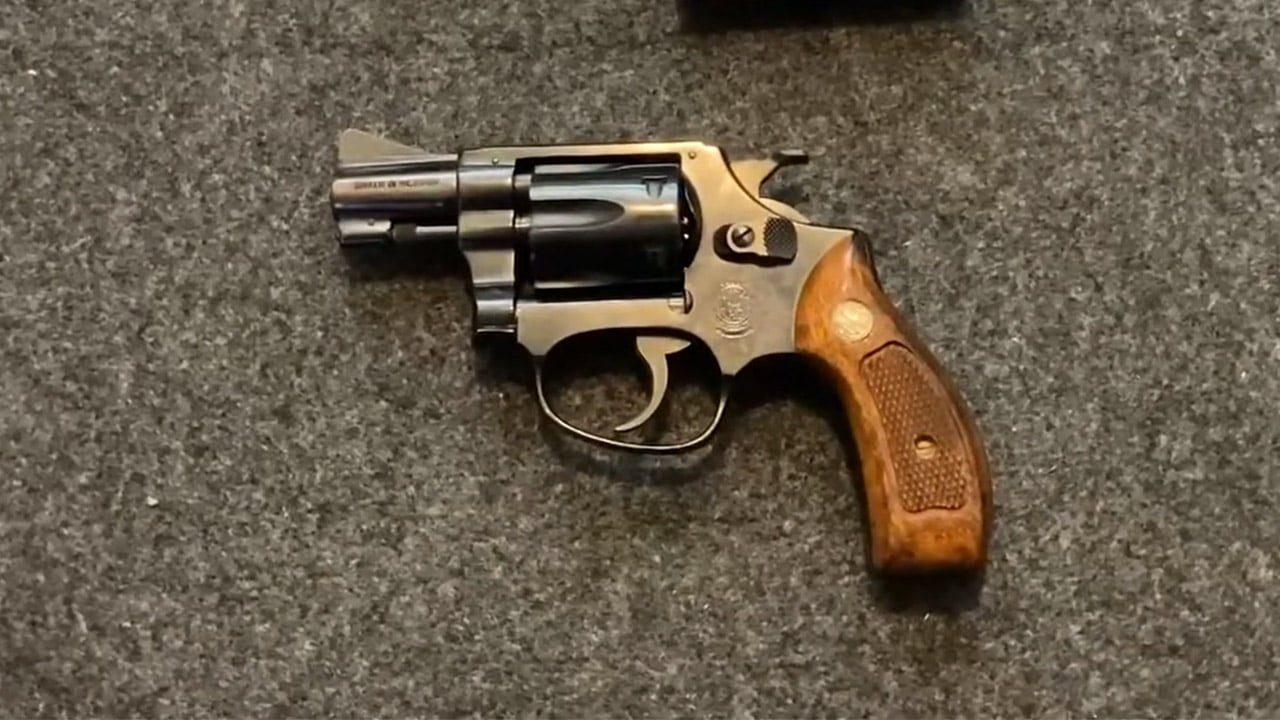
Old Model 34s have a certain feel newer guns don’t always match. The actions can be slick, the balance is sweet, and they ride well in a simple belt holster. This is the revolver that ends up in a tackle box, then becomes a family gun without anyone meaning to.
You do have to pay attention when buying used—timing, lockup, and general wear matter. But a good one is a joy for slow, accurate shooting. For small game at sensible distances, it still gets it done.
10. Smith & Wesson Model 18 (K-22 Combat Masterpiece)
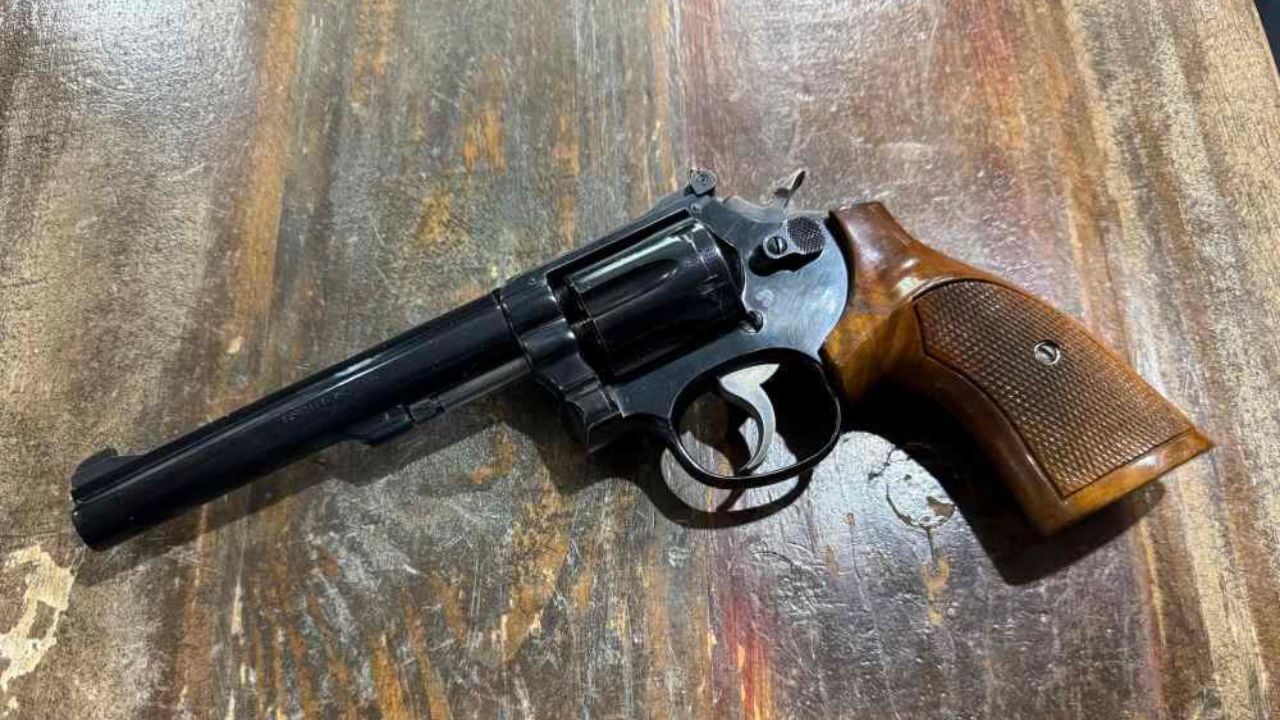
This is one of the best “trainer” revolvers ever made, especially if you like K-frame Smiths. The Model 18 gives you .22 practice with the same kind of sight picture and handling you’d expect from a service-style revolver. It’s a confidence builder.
They’re not cheap anymore, and you’ll see some that have lived a hard life. But if you find one that hasn’t been abused, it’s the kind of gun you shoot for an afternoon and immediately understand why folks won’t sell them.
11. Smith & Wesson Model 17 (K-22 Masterpiece)
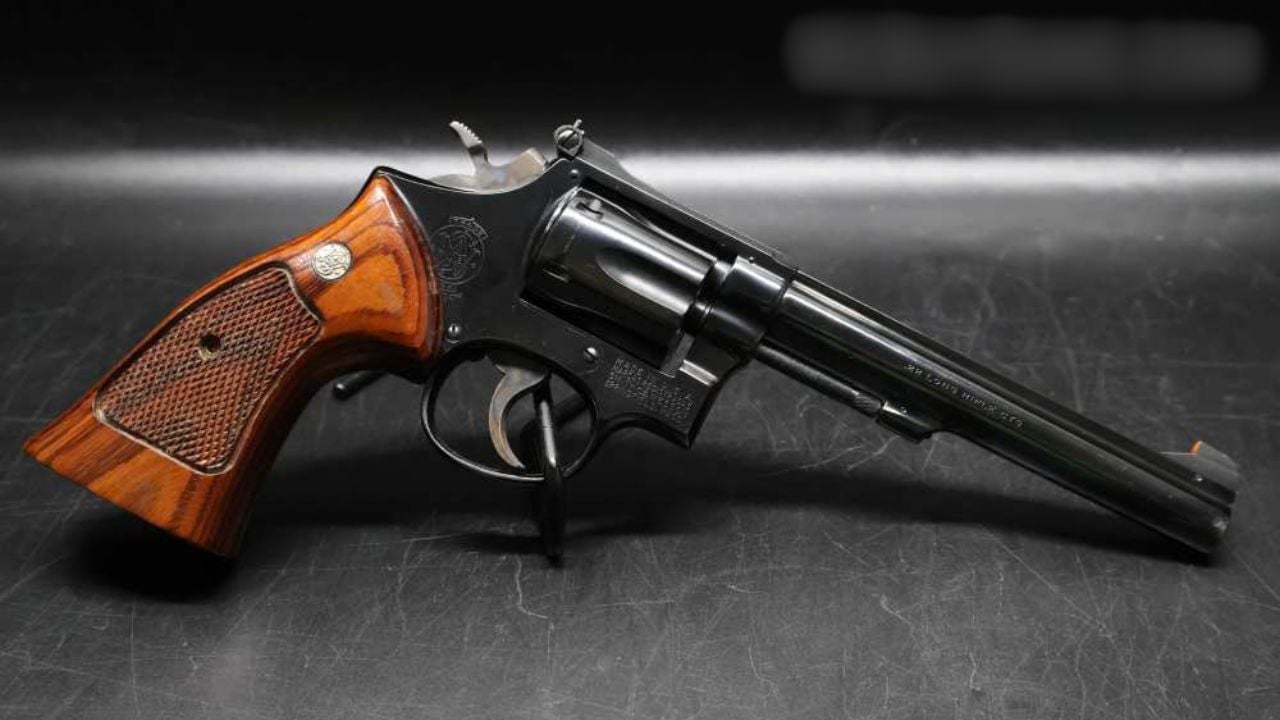
The Model 17 leans more target than “combat,” and it shows. Long sight radius, great balance, and usually excellent accuracy. If you’re trying to teach someone what a clean trigger press really looks like on paper, this is a fine teacher.
It’s also a revolver that can make you picky about everything else. That’s the danger. You get used to shooting a Model 17, then you pick up a budget .22 and suddenly you’re disappointed. That one hurts, but it’s true.
12. Colt King Cobra Target .22 LR
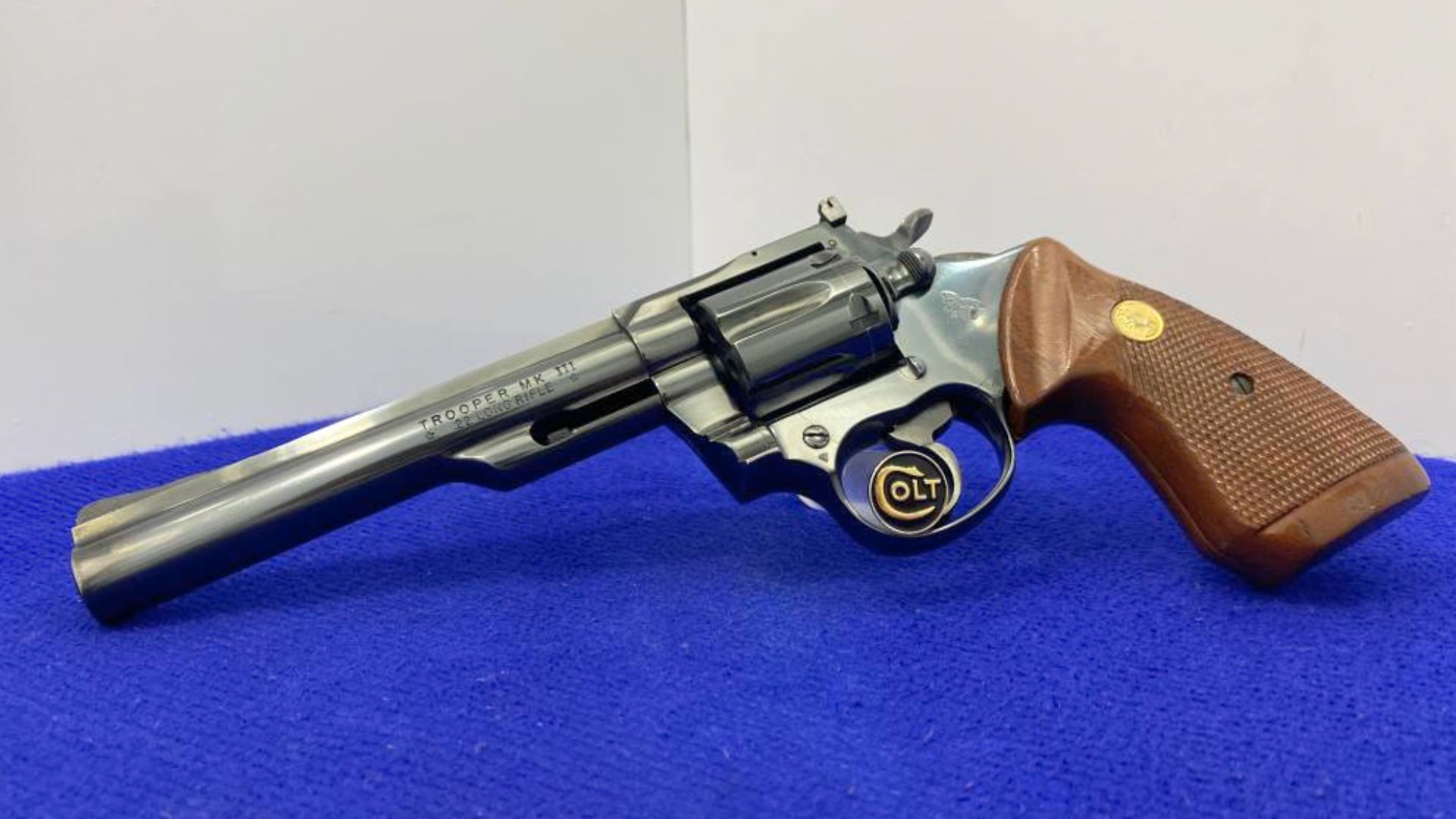
Colt’s modern .22 target revolver is not just a nostalgia play. The sights are usable, the gun feels solid, and it has that Colt vibe in the hand that some of us just like. If you’re a revolver person, you’ll get it.
It’s not a bargain, and you’re buying it because you want a nicer experience, not because you need it. For training, it’s a great way to run double-action work without beating up hands or wallets.
13. Colt Diamondback .22 LR (classic)
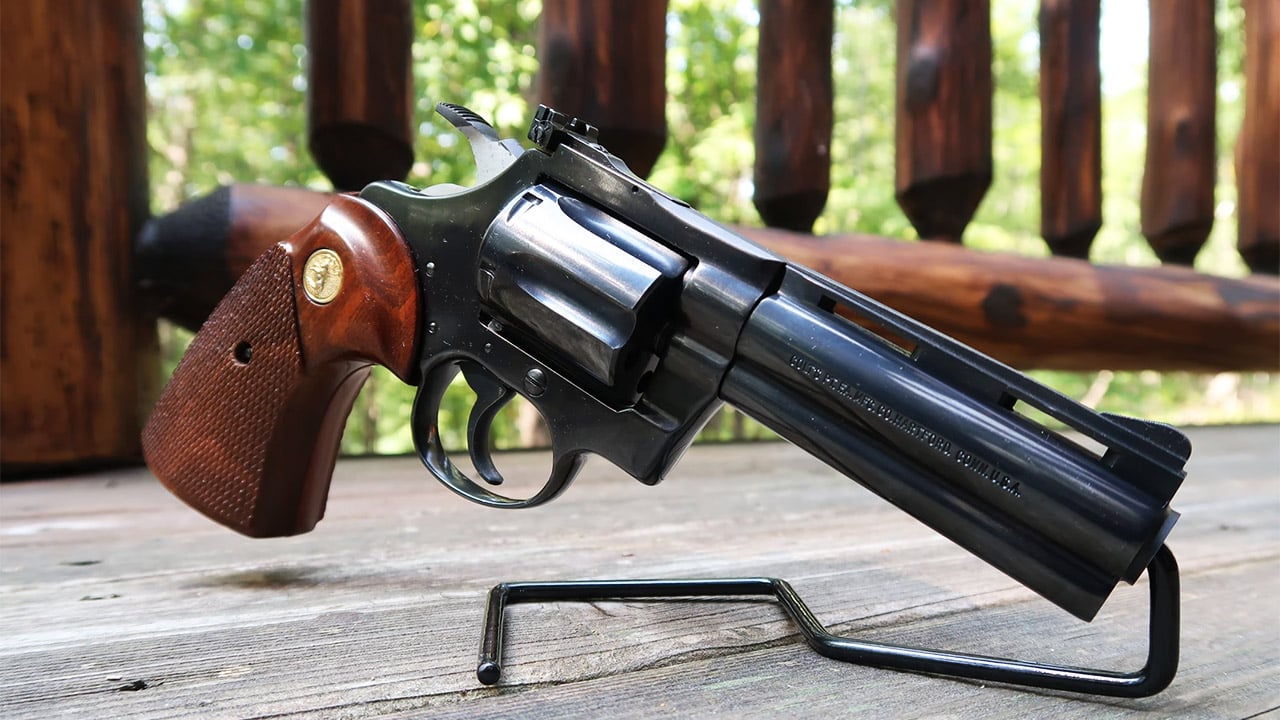
The old Diamondback is pretty and that’s part of the problem. A lot of them sit in safes because owners don’t want to scratch them. But they’re also excellent shooters with a great feel, and they make a classy small-game revolver if you can stand the idea of using one.
If you go this route, think of it as a “nice days only” gun unless you’re made of money. They’re collectible, and parts and service can be more of a hunt than the hunt itself.
14. Colt Python .22 LR
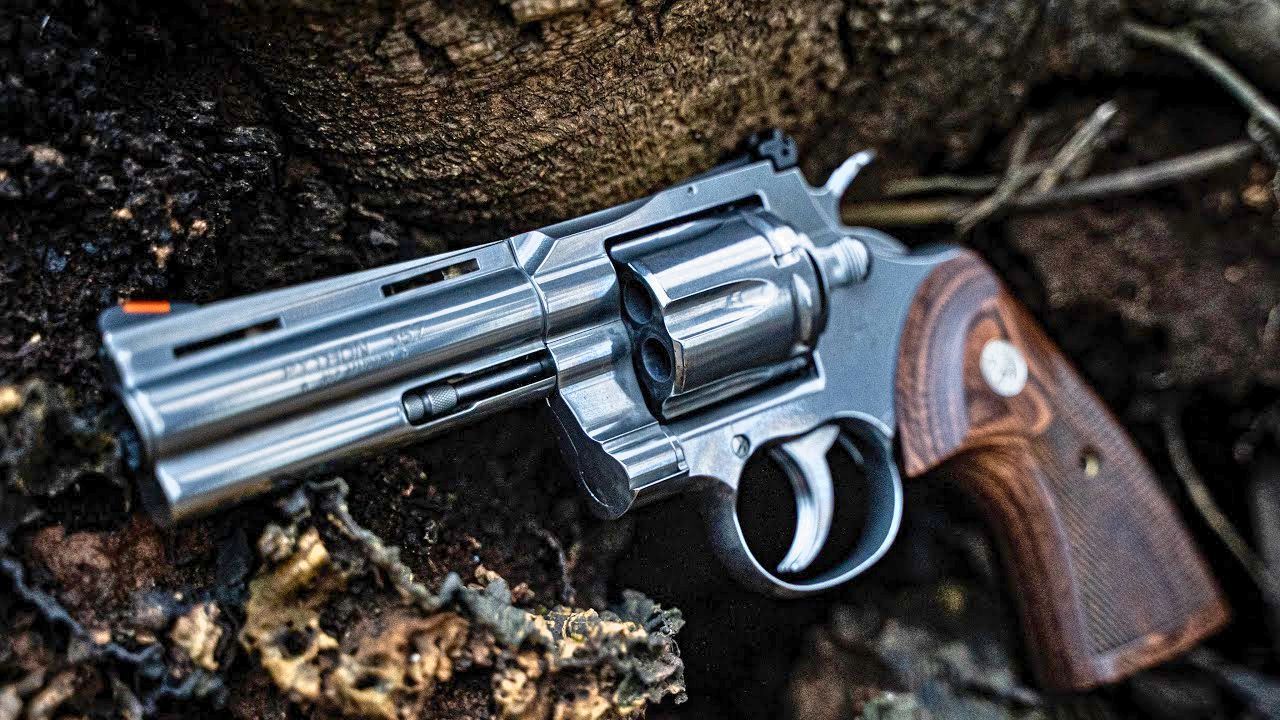
The .22 Python is for the shooter who wants the look and feel of the famous snake gun with cheap ammo. It’s heavy, steady, and built for pleasant range sessions. If you’re training someone who’s intimidated by centerfire noise but wants a full-size handgun experience, it fits.
For small game, it’s more revolver than you need, but it will certainly do the job. I wouldn’t call it a “working man’s squirrel gun,” but if it’s what you have, it’s not exactly a hardship.
15. Taurus Tracker 992
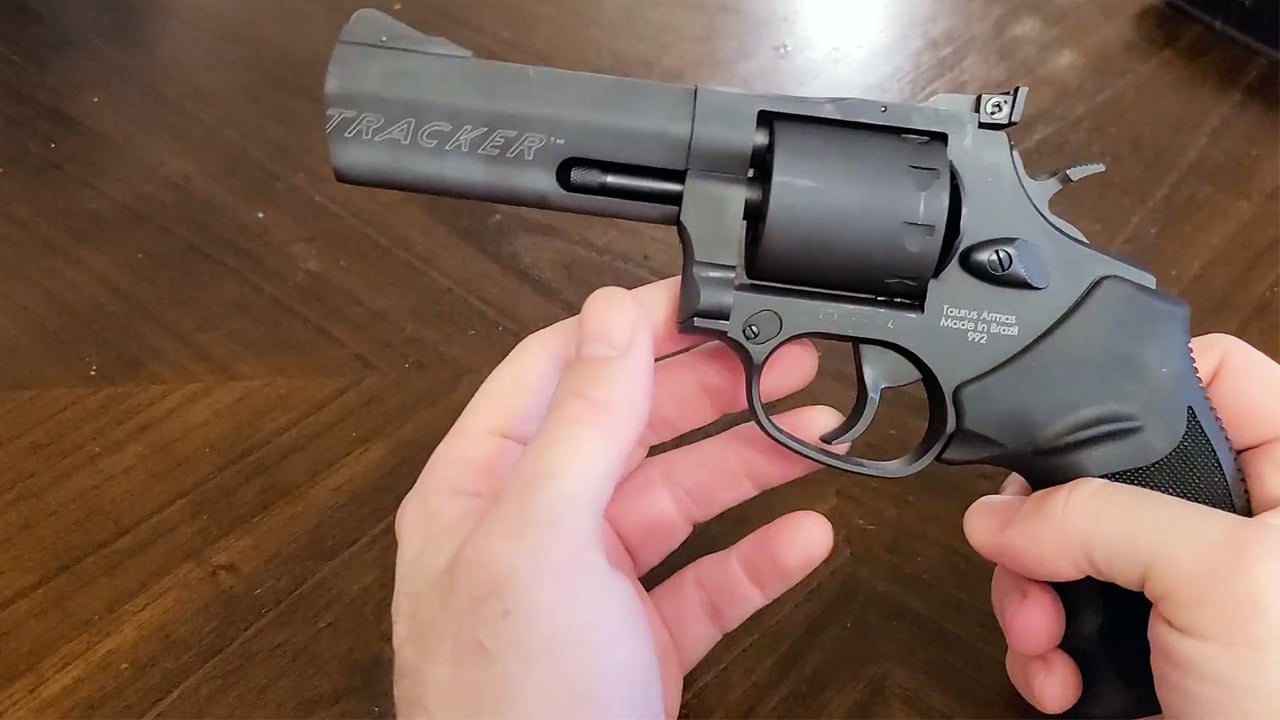
The Tracker 992 is a practical idea: a .22 revolver with interchangeable cylinders for .22 LR and .22 WMR. In the real world, it means one gun can cover cheap training and a little more authority for pests when needed.
Quality can vary, so handle the exact gun you’re buying if you can. When you get a good one, they’re accurate and useful. When you get a rough one, the trigger can make you work for it.
16. Taurus 942
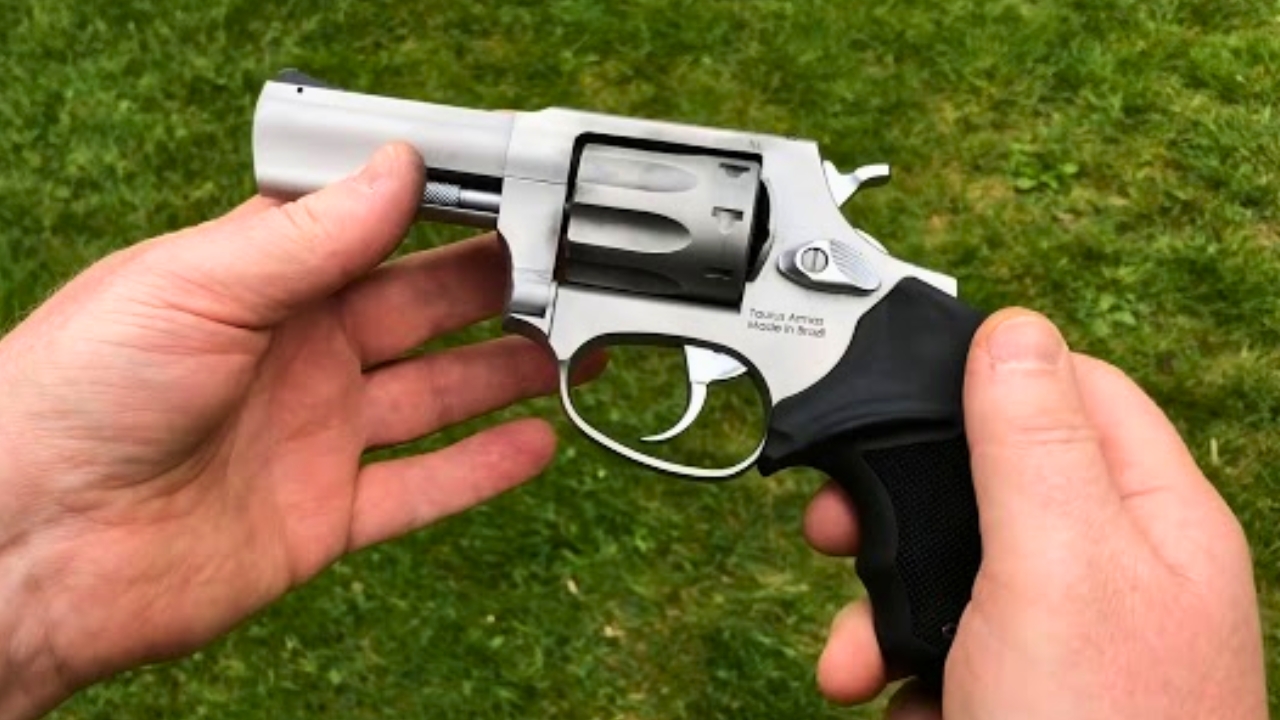
The 942 is a small-frame .22 that hits a sweet spot for a lot of folks. It’s sized more like a carry revolver, so it teaches you the same grip and draw habits without the cost of .38 or .357. It’s also a decent “around the property” gun.
Again, the trigger is the whole story on small .22 double-actions. If it stacks hard or feels gritty, you’ll notice. But as a trainer that can also ride in a pocket or pack, it’s a workable choice.
17. Charter Arms Pathfinder
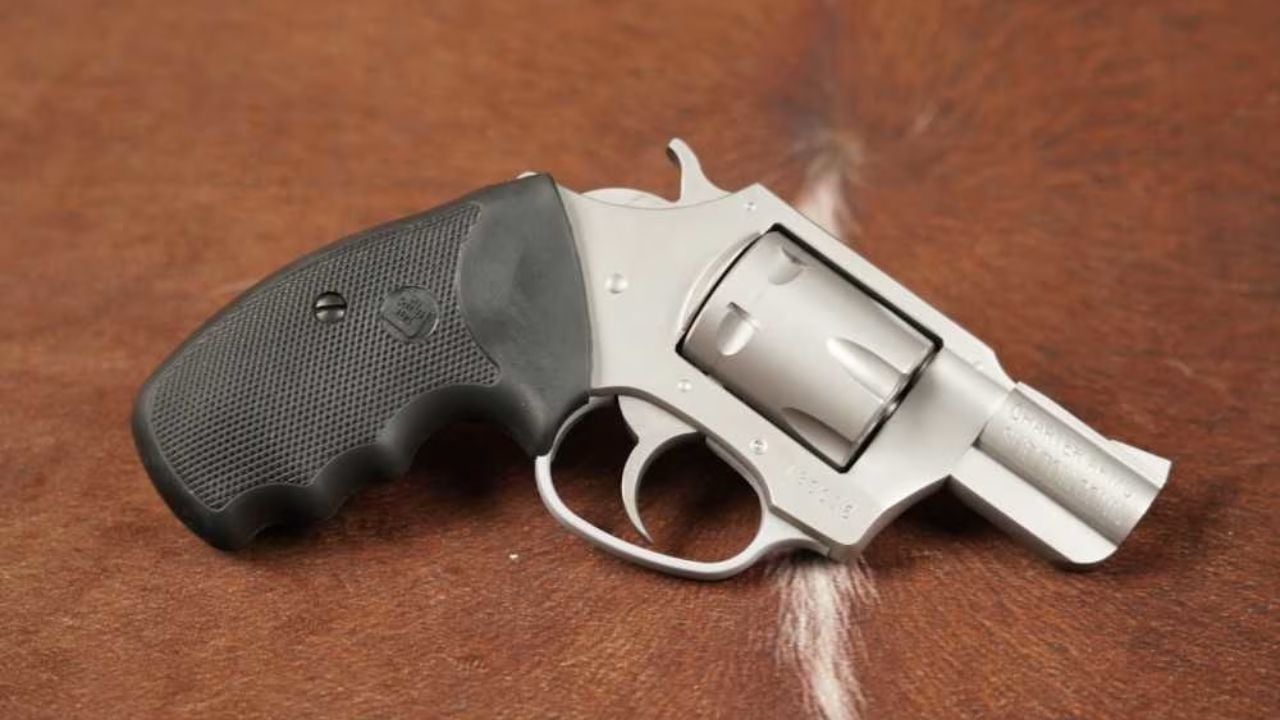
Charter’s Pathfinder is one of those revolvers that doesn’t get bragged about online but keeps showing up in glove boxes and farm drawers. It’s light, simple, and generally priced where a .22 should be priced. For a knock-around kit gun, it’s hard to hate.
Don’t expect target-grade refinement. Expect it to go bang, carry easy, and hit what you aim at within reasonable distances. If you want a tool more than a showpiece, it fits.
18. H&R 999 Sportsman
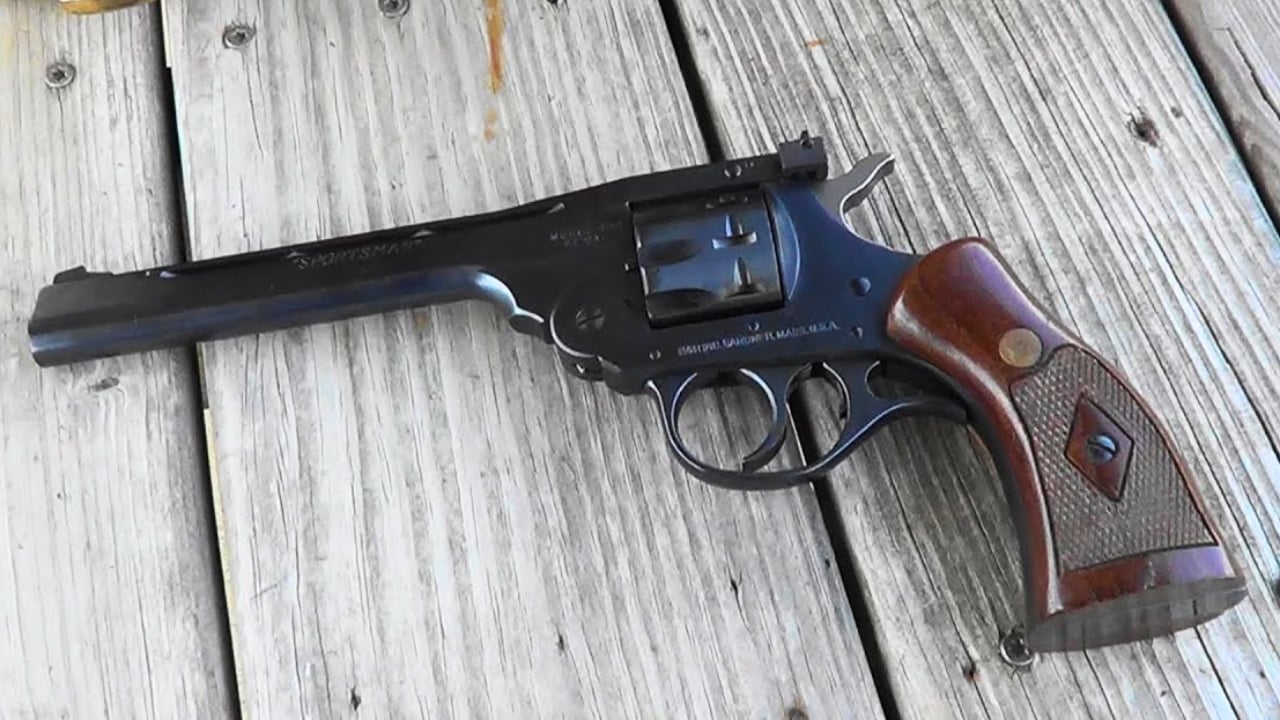
The H&R 999 is an old-school .22 with its own personality. The top-break design is fun, fast to unload, and just plain different compared to the swing-out cylinders everyone is used to now. They can also be surprisingly accurate.
Buying used is the normal route here, and condition matters. A tight, clean one is a joy; a worn-out one is a headache. As a training gun, though, it’s a cool way to keep a new shooter interested without turning it into a history lesson.
19. Dan Wesson Model 22 (interchangeable barrel system)
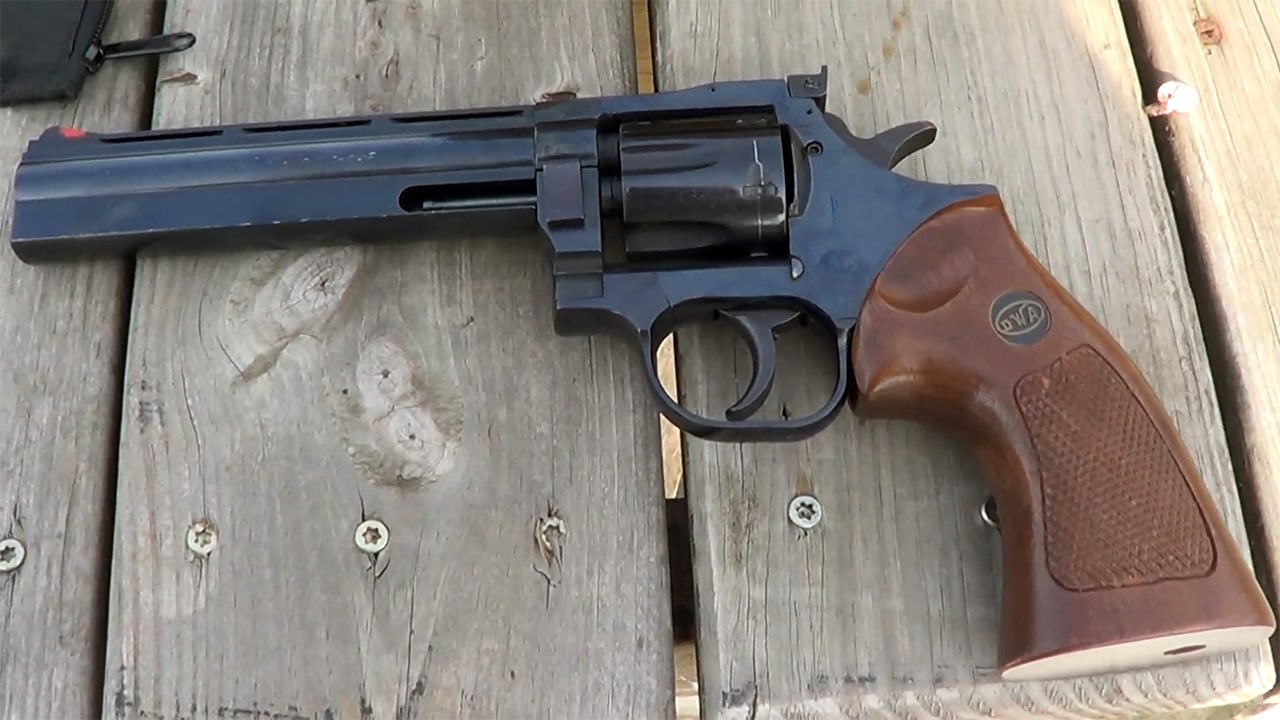
Dan Wesson .22 revolvers have a reputation for accuracy, and it’s earned. The interchangeable barrel setup lets you tune the gun to what you want, whether that’s a handy length for the woods or a longer tube for paper and steel.
They’re not as common on shelves, which is why you see them traded between revolver guys like they’re contraband. If you find one set up right, it can shoot with anything in this list. Just understand you’re stepping into a more “enthusiast” lane.
20. Ruger GP100 .22 LR (10-shot)
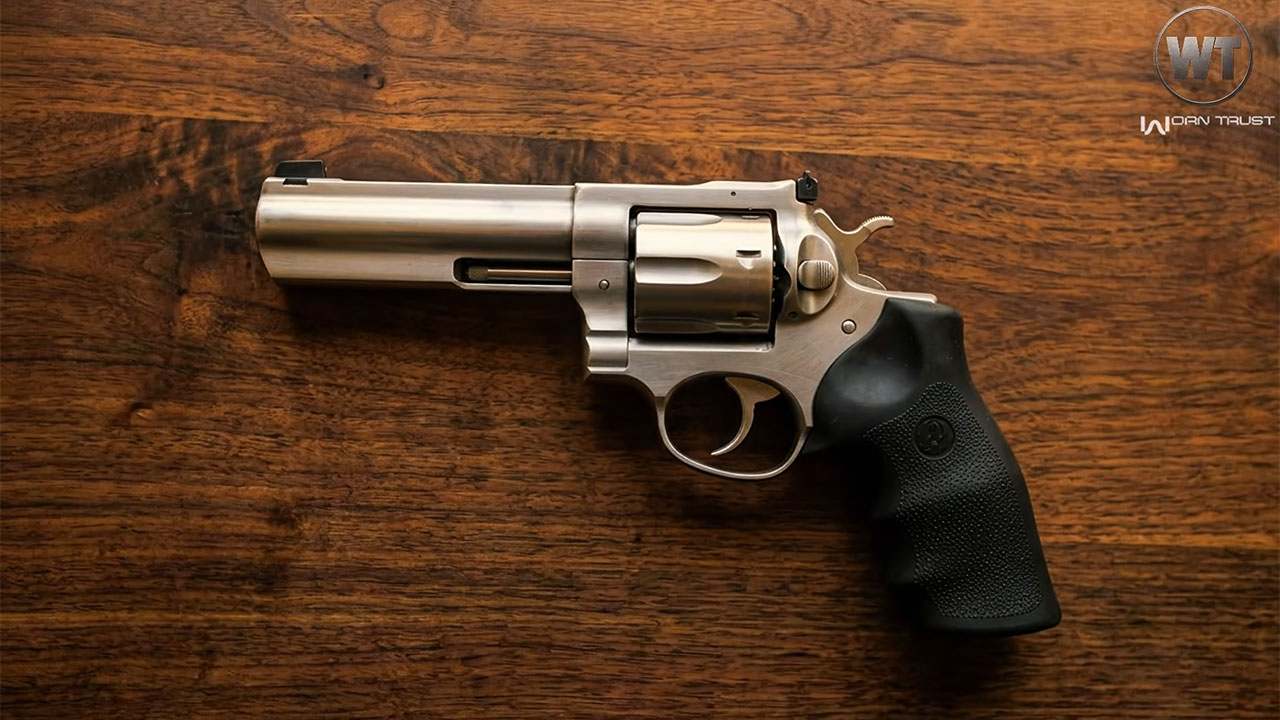
The GP100 in .22 is a brick—in a good way. It’s big, stable, and built to take endless rounds without feeling like it’s being worn out. Ten shots means more shooting and less fiddling with ammo boxes on the bench.
This is also a smart cross-trainer for anyone who owns a GP100 in .357. Same general feel, same kind of heft, and a similar manual of arms. If you’re serious about double-action skills, this one can put in work for years.
A .22 revolver isn’t about bragging rights. It’s about having a gun that comes along, gets used, and makes you better without punishing you. Pick the one that fits your hand and your life, buy a couple bricks of ammo, and actually shoot it. That’s where the value is, whether you’re training a new shooter or trying to put a rabbit in the pot without making it complicated.
Like The Avid Outdoorsman’s content? Subscribe to our newsletter so you never miss an article.
Here’s more from us: