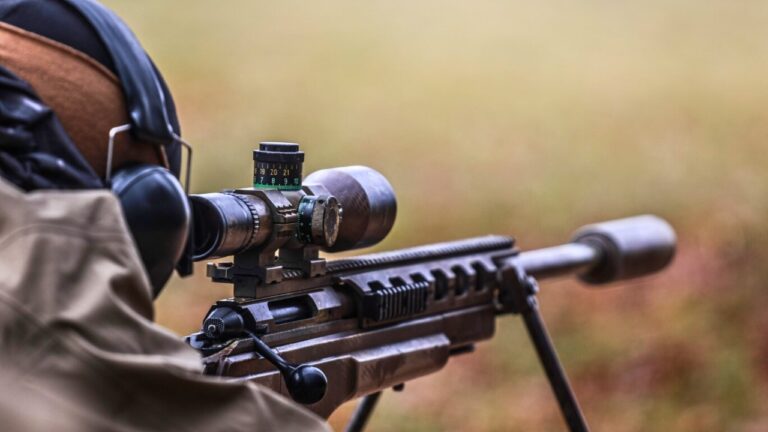
Pump-action rifles sit in a strange corner of deer hunting lore. They don’t get the attention bolt guns do, and they never reached the popularity of lever guns, but hunters who rely on them know exactly why they keep coming back. A pump rifle gives you fast cycling without pulling you off the sight picture, and in thick woods or pressured deer country, that advantage matters. You don’t have to break your cheek weld or hunt for your next shot—you stay locked in, ready to settle again if that buck zigzags through a narrow opening.
Most of the rifles on this list have been around long enough to build a real following, while others earned their place because they’re dependable, accurate, and made for rough deer seasons. If you’ve ever hunted in timber where deer move fast and never stand still, you understand why pump-action rifles still have a loyal crowd.
Remington 7600

The Remington 7600 has earned its reputation as one of the most trusted pump rifles in deer country. Hunters appreciate how quickly it cycles without forcing you to lift your head off the stock. That speed matters when a buck steps out and disappears into brush after the first shot. The detachable magazine keeps reloads simple, even with gloves on during late-season weather.
What sets the 7600 apart is how consistent it feels year after year. The action runs smoothly, the rifle carries easily, and the barrels deliver dependable accuracy with common deer calibers like .30-06, .308, and .270. Hunters in the Northeast and Midwest swear by it because it performs in tight timber, swamp ground, and thick ridges where fast shooting is more common than long-range precision. It’s an American pump rifle that still holds its place.
Remington 760 Gamemaster

The older Remington 760 Gamemaster remains a favorite among hunters who grew up in pump-rifle country. Its steel receiver and smooth pump stroke give it a solid, dependable feel that stands up well after decades of use. Many hunters still carry rifles handed down from their parents or grandparents because the 760 runs cleanly and maintains good accuracy with traditional deer calibers.
The rifle’s balance is ideal for still-hunting in timber or moving through thick cover where shots develop quickly. Because the action doesn’t disturb your sight picture as much as a bolt gun, you can stay locked in for follow-ups if the deer doesn’t stop moving. The Gamemaster’s longevity speaks for itself—these rifles continue to perform even after years of hard hunting, which is why they remain common in deer camps.
Remington 7615 Police (Used for Deer by Many Hunters)

Though originally built for law-enforcement use, the Remington 7615 gained a following among hunters who appreciate pump rifles in .223 Remington. It shares the same pump layout as the 7600 but feeds from AR-15 magazines, making it easy to find reliable mags. While .223 requires careful bullet selection for deer, modern bonded and copper loads have proven effective at moderate distances.
The 7615 handles quickly and offers minimal recoil, which helps when shooting from awkward positions in thick woods. Its short barrel makes it maneuverable when slipping through brush or climbing into small stands. Many hunters appreciate its rugged build and fast cycling. While it’s not a traditional deer rifle, the 7615 has earned a quiet but steady place among those who prefer the control and familiarity of a pump.
Ithaca Model 49R (Rarer but True Pump-Action Rifle)

The Ithaca 49R never reached widespread popularity, but hunters who know the model recognize it as a true pump-action centerfire rifle. Chambered in .22 LR and .22 WMR, it wasn’t built for deer, but some regions and situations—with very close-range opportunities—saw hunters use the .22 WMR version legally where regulations allowed. The pump action offered smooth cycling and quick follow-ups in thick brush or tight shooting lanes.
Its compact profile made it easy to carry, and the simple action held up well under field conditions. While not a mainstream deer rifle and not legal everywhere, it played a role in certain areas where small-caliber rifles were permitted for deer. The 49R remains a curiosity among pump-rifle enthusiasts, showing how pump actions have taken many forms over the years.
Colt Lightning (Reproductions Used Today)

The original Colt Lightning pump rifles were produced in the late 1800s, but modern reproductions have brought them back into the hands of hunters. Chamberings like .45 Colt offer enough punch for deer within moderate distances, especially in thick timber where shots rarely stretch far. The pump action cycles smoothly and allows for fast follow-up shots without changing your sight alignment.
Hunters who carry Lightning reproductions appreciate their slim profile and instinctive handling. The rifles balance well when shooting offhand, and the simple action makes them surprisingly practical in dense woods. While they’re not as common as bolt or lever guns today, modern reproductions highlight how pump-action rifles have long been a part of American hunting history.
Remington 14 and 141

The Remington Models 14 and 141 set the foundation for pump-action deer rifles in the early twentieth century. These rifles were chambered in classic rimless cartridges like .30 Remington and .35 Remington, both capable deer rounds at woods distances. Hunters valued the spiral magazine tubes, which allowed the use of pointed bullets without the risks associated with tube magazines.
The actions on these rifles run smoothly even decades later, and many hunters still carry them in the field today. Their compact length and natural pointability make them strong in thick cover where quick shots are common. The 14 and 141 helped cement the pump rifle’s reputation as a practical woods gun, and their continued presence in deer camps proves their usefulness hasn’t faded.
Troy Pump Action Rifle

The Troy PAR offers hunters in restrictive states a pump-action alternative that retains the ergonomics of an AR-15. Chambered mainly in .223 and .300 Blackout, the PAR allows hunters to stay legal while using familiar handling and accessory options. With proper bullet selection, these calibers perform well within moderate deer ranges, especially in thick cover.
The pump system cycles smoothly, and the rifle’s layout allows for fast, controlled shooting. The ability to mount optics, lights, and slings in familiar positions adds to its appeal for hunters transitioning from semi-autos. While unconventional compared to traditional pump rifles, the PAR has become a practical tool for many whitetail hunters facing legal limitations.
Krieghoff Semprio (Hybrid but True Pump Cycle)

The Krieghoff Semprio is made overseas, but because it is a pump-cycle rifle used by some American hunters, it earns mention here. The rifle uses a forward-motion pump action that locks into battery with a unique inline design. Hunters who prefer pump rifles appreciate its smooth cycle and the ability to keep their cheek weld during follow-ups.
While expensive, the Semprio delivers excellent accuracy and handles well with common deer calibers. The forward-pumping motion takes some getting used to, but once familiar, you can cycle it quickly without disturbing your aim. Though not American-made, it’s part of the broader landscape of pump-action rifles used during deer season.
Remington 760 Carbine

The carbine version of the Remington 760 remains a prized deer rifle in pump-gun regions. Its shorter barrel makes it exceptionally handy in thick woods, and the reduced length helps you maneuver through brush or shoot from tight stands. The pump action stays smooth even after years of hard use, and the rifle maintains solid accuracy for typical deer distances.
Hunters appreciate how quickly the 760 carbine comes to the shoulder. It balances well for offhand shots and allows fast follow-ups if a deer doesn’t stop moving. The detachable magazine adds convenience when reloading in cold conditions. It’s a classic example of a pump rifle built for real deer terrain.
Remington 7600 Carbine

The Remington 7600 Carbine takes everything hunters love about the 7600 and makes it even more maneuverable. Its shortened barrel allows for faster handling in dense cover, and the lighter overall weight helps during long tracking jobs. The action stays smooth, and the detachable magazine makes reloads straightforward in cold weather.
In calibers like .30-06 and .308, the 7600 Carbine handles deer cleanly at any angle you see in wooded terrain. Many hunters rely on it for drives or still-hunting because it reacts quickly and lets you stay on target for fast follow-ups. It’s a practical, field-tested pump rifle built for the way whitetails move through timber.
Remington 760 Deluxe

The Remington 760 Deluxe offers the same mechanical reliability as other 760 variants but adds touches like checkered wood and polished finishes. Many hunters appreciate how these rifles blend classic styling with proven performance. They cycle smoothly and maintain consistent accuracy in common deer calibers.
Even with the upgraded look, the Deluxe models handle naturally in the woods. The balance makes them comfortable for quick shooting lanes, and the action stays dependable after decades of use. Hunters who carry Deluxe models rely on them not for appearance but for how they perform when a deer steps out unexpectedly.
Remington 7600 Synthetic

The Remington 7600 Synthetic gives hunters a more weather-resistant version of the classic pump rifle. The synthetic stock holds up well in rain, snow, and mud, making it ideal for hunters who face unpredictable conditions. The action remains smooth even when temperatures drop sharply or moisture freezes on exposed metal.
Chambered in reliable deer calibers, it performs consistently in thick woods and mixed terrain. The rifle’s balance helps with offhand shots, and the shorter carbine versions offer fast handling where brush is thick. Hunters choose the 7600 Synthetic because it combines pump-action speed with durability for long seasons.
Remington 14 1/2 (Vintage)

The Remington 14½ is a vintage pump rifle that still sees use among collectors who hunt with classic firearms. Built with the same attention to detail as the Model 14, the 14½ handles well and cycles smoothly. Chambered in traditional rounds like .38-40 and .44-40, it performed well for deer at moderate ranges during its era.
While not a common modern choice, some hunters still carry these rifles during deer season in states where the calibers are legal. They appreciate the historical connection and the natural handling that made the 14½ popular in its day. It remains a reminder of how long pump rifles have been part of American hunting history.
Remington 7600 Laminated

The laminated-stock version of the Remington 7600 provides added durability and stability compared to traditional wood. Laminated stocks resist swelling and warping in wet or humid weather, which helps maintain accuracy throughout the season. The action cycles smoothly, giving you confidence during fast, close-range encounters.
Hunters who spend a lot of time in timber or swamp country appreciate how the laminated stock holds up during tough conditions. The rifle balances well and remains comfortable during long tracking jobs or still-hunting sessions. It’s a rugged pump-action deer rifle built to handle years of hard use.
Like The Avid Outdoorsman’s content? Be sure to follow us.
Here’s more from us:
The worst deer rifles money can buy
Sidearms That Belong in the Safe — Not Your Belt
*This article was developed with AI-powered tools and has been carefully reviewed by our editors.