Photo credit: Gun Fanatics/YouTube
You can spend a lifetime chasing the “perfect” caliber. You try something flatter, something faster, something heavier, then you start chasing recoil, barrel life, ammo cost, or what your buddy swears is the next big thing. It’s fun, and sometimes it’s worth it. But most hunters eventually circle back to a handful of cartridges that keep earning their place because they work in real seasons, not on paper.
The calibers people return to usually share the same traits. They’re easy to find, easy to load for, and forgiving when your shot isn’t taken off a bench with perfect wind and a calm heartbeat. They kill clean when you do your job, and they don’t make practice feel like punishment. Here are the rounds hunters keep coming back to after trying everything else.
.30-06 Springfield
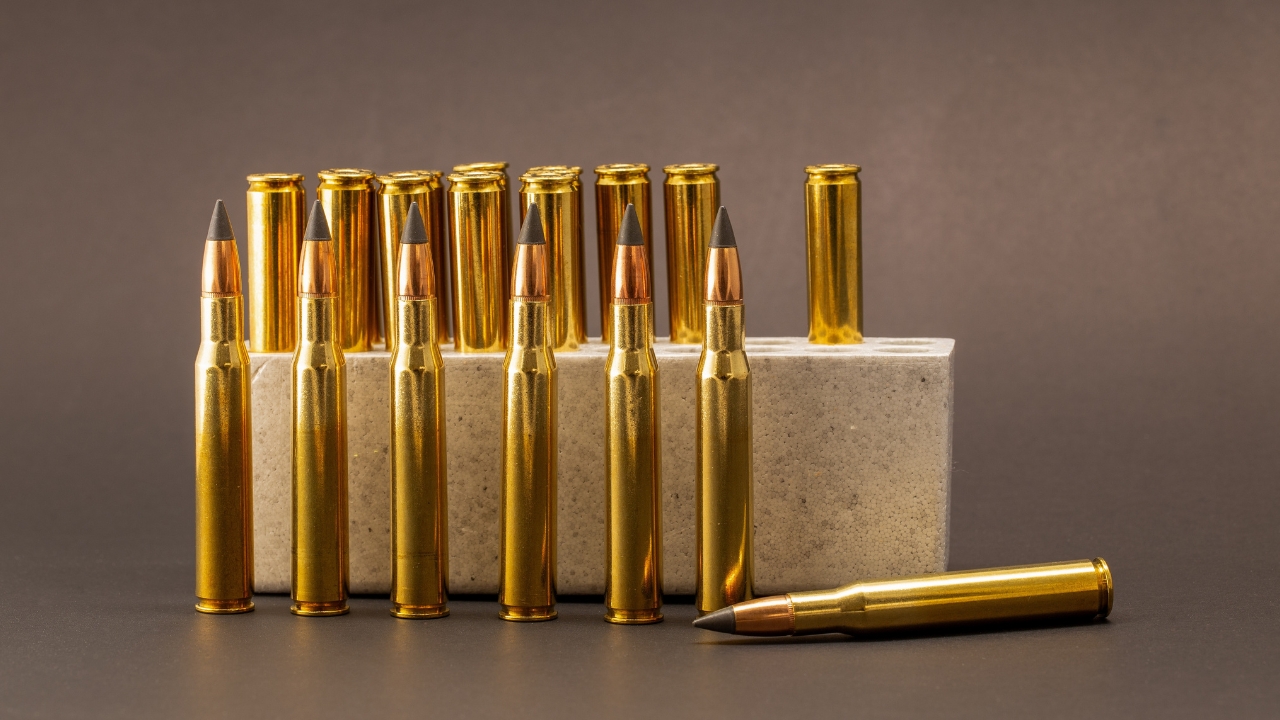
You can try newer cartridges all you want, but the .30-06 keeps pulling you back because it covers so much ground with so little drama. It’s not a specialist. It’s a do-it-all hunting round that handles deer, elk, and moose with the right bullet, and it still shoots flat enough for practical distances.
The other reason you come back is convenience. Ammo is everywhere, bullet choices are endless, and most rifles chambered in .30-06 are built like honest hunting tools. It also tolerates different barrel lengths and load styles better than people admit. When you get tired of chasing trends, the ‘06 feels like coming home. It isn’t flashy, but it keeps stacking seasons the same way it always has.
.308 Winchester

The .308 is the caliber you return to when you want results without the extra fuss. It’s efficient, accurate, and it doesn’t need a long barrel to do its job. That makes it a favorite in lighter rifles and handy setups that actually get carried, not just admired.
You also come back to .308 because it’s predictable. Loads are consistent, brass and ammo are plentiful, and it’s easy to find a bullet that fits your game and your distances. Recoil is manageable for most shooters, which means you practice more and shoot better. When you’ve tried fast magnums, boutique short mags, and the newest hotrod, the .308 feels like the round that never asked you to make excuses for it.
.270 Winchester

The .270 Winchester is one of those cartridges that keeps winning quietly. It shoots flat, hits deer hard, and it carries well into the elk conversation with good bullets and smart shot selection. Most hunters who’ve used it for years don’t feel a need to defend it. They just keep tagging animals.
You come back to the .270 because it’s easy to shoot well. Recoil is reasonable, trajectory is forgiving, and it tends to be accurate in real hunting rifles. Ammo is easy to find, and it performs consistently without needing exotic loads. After you’ve tried something heavier and realized you don’t enjoy practicing with it, the .270 starts looking like the smarter move. It’s a classic for a reason.
7mm Remington Magnum

A lot of hunters wander into the 7mm Rem Mag, wander away, then come right back once they realize what it does well. It shoots flat, carries energy, and handles wind better than many “standard” cartridges at longer hunting distances. That’s why it keeps showing up in western camps.
You also return to it because it has a wide sweet spot. With the right rifle, recoil is manageable, and bullet options are excellent. It’s a cartridge that can stretch for open-country mule deer and still punch through an elk’s chest with authority. When you try something faster and realize you’re paying for blast, barrel wear, and bruises, the 7mm Rem Mag starts looking like the better balance. It’s still one of the most practical “reach” cartridges ever made.
7mm-08 Remington
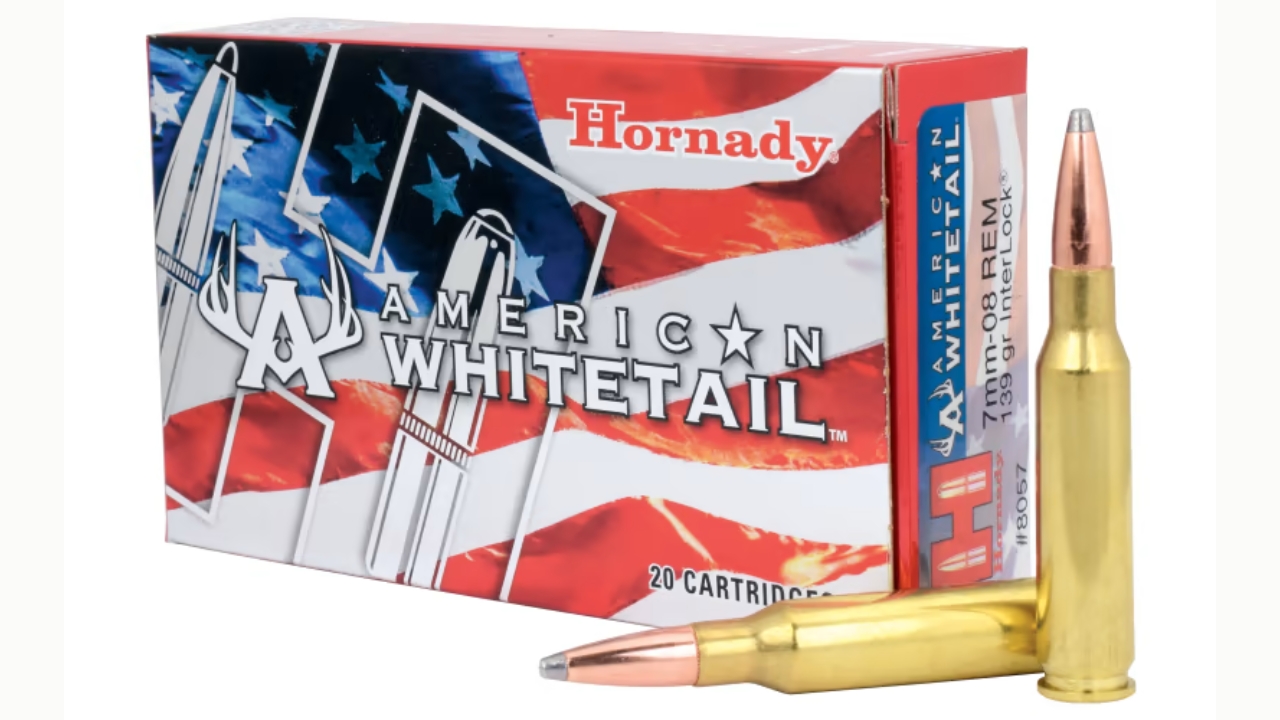
The 7mm-08 is what you come back to when you want a cartridge that shoots like a grown-up deer round but feels easy on your shoulder. It’s accurate, mild enough to practice with, and it carries plenty of punch for deer and black bear. With good bullets, it can handle elk inside sensible distances, too.
Hunters return to it because it makes field shooting easier. Less recoil usually means better follow-through, better hits, and less flinching when the moment matters. It also fits short-action rifles that carry well and balance nicely. After you’ve tried bigger rounds and realized you don’t like how they change your shooting habits, the 7mm-08 feels like a smart reset. It’s a cartridge built for hunters who actually shoot their rifles.
.30-30 Winchester

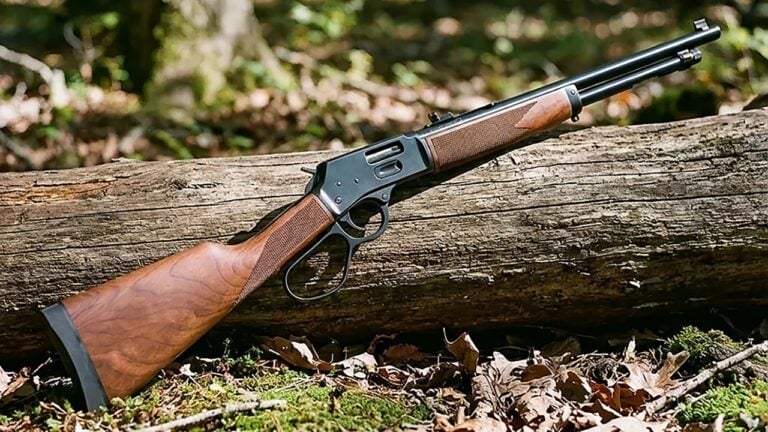
The .30-30 is the caliber you come back to when you get tired of pretending every deer hunt is a long-range event. In the woods, in brush, and in real cover, the .30-30 keeps doing what it has always done: put venison down with reliable performance at practical ranges.
You return to it because it’s simple to live with. Lever guns carry well, point fast, and fit the kind of hunting most people actually do. The recoil is friendly, and the ammo is easy to find. Modern loads have also helped it stretch a bit farther than the old iron-sight stereotype, but the real value hasn’t changed. The .30-30 is honest. When you stop chasing distance for its own sake, you start appreciating how much that honesty is worth.
.243 Winchester

The .243 is the round hunters return to when they want clean kills without recoil drama. It’s easy to shoot, easy to practice with, and it’s deadly on deer when you use proper hunting bullets and place them where they belong. That matters more than internet arguments.
You come back to .243 because it keeps people shooting well. It’s a classic for youth hunters, smaller-framed hunters, and anyone who wants to avoid developing a flinch. It also tends to be accurate in a wide variety of rifles. After you’ve tried heavier calibers and realized your groups got worse, the .243 can feel like a relief. It’s not a “do everything” round, but for deer and similar game, it earns loyalty by helping you put the bullet exactly where it needs to go.
.22-250 Remington

You don’t think of the .22-250 as a comeback hunting caliber until you’ve carried it for coyotes and realized how useful it really is. It’s flat, fast, and it makes hits easier on small targets in open country. That keeps it on the short list for predator hunters who actually spend time calling and shooting.
You return to it because it shoots so well without being temperamental. It’s accurate, recoil is almost nothing, and it’s easy to spot impacts through the scope. Compared to some newer, trendier varmint rounds, the .22-250 is straightforward and proven. The only real caution is bullet choice and backstop awareness, because it’s fast and can be destructive on thin-skinned animals. If you hunt predators seriously, you end up respecting how often the .22-250 simply delivers.
.223 Remington

The .223 is the caliber you come back to because you never really stopped using it. For varmints, predators, and high-volume shooting, it’s hard to beat. It’s cheap enough to practice a lot, recoil is mild, and modern rifles in .223 are accurate and easy to run.
You also return to it because it’s useful beyond hunting. It’s a training caliber that keeps your skills sharp without punishing you, and that translates to better shooting with your bigger hunting rifles. For coyotes, it’s a workhorse when you choose bullets that hold together and penetrate properly. It won’t do everything, and it isn’t meant to, but it does its job so consistently that you keep a .223 around even if you own a safe full of other options. It’s practical in the best way.
.300 Winchester Magnum

The .300 Win Mag is a caliber you come back to when you’ve tried other big rounds and realized you still want reach and authority without getting weird. It hits hard, shoots flat, and carries energy for elk, moose, and big-bodied western hunts where distances can stretch.
Hunters return to it because it’s widely supported. Ammo is common, bullet choices are excellent, and rifle options are everywhere. Yes, recoil is real, but in a properly set-up rifle it’s manageable, and the performance is hard to argue with. You might flirt with larger magnums, then realize you’re buying more recoil and blast than you can use. The .300 Win Mag feels like the sensible upper end for a lot of hunters. It’s strong, proven, and still practical.
.338 Winchester Magnum

The .338 Win Mag is the round hunters come back to when they want more margin on big game without stepping into specialty territory. It’s an elk and moose hammer, and it carries authority that shows up in penetration and tissue damage when the shot angle isn’t perfect.
You return to it because it’s a straightforward problem-solver. It’s not the flattest, and it’s not the easiest on the shoulder, but it’s respected because it works when the stakes are higher. In timber, in foul weather, and on tough animals, it gives you confidence that a good hit will end the argument. Many hunters try lighter rounds, then come back to the .338 after they’ve seen what a heavy bullet does on bone and through muscle. It’s not for everybody, but it earns loyalty.
.45-70 Government

The .45-70 is the caliber you come back to when you want a woods gun with real authority. It’s not built for long shots, but inside practical ranges it hits like a sledgehammer. For thick cover, bear country, and places where you might need a quick follow-up, it has a reputation that keeps people loyal.
You return to it because it’s effective without being complicated. A good lever gun in .45-70 points fast, carries well, and gives you confidence up close. Modern loads have expanded the performance range, but the core appeal is still the same: heavy bullets that penetrate and break things. After you’ve tried flatter cartridges and realized your hunting happens inside 150 yards, the .45-70 starts making a lot of sense again. It’s a caliber with purpose.
.25-06 Remington

The .25-06 is the caliber you come back to when you remember how well a flat-shooting, moderate-recoil rifle can work on deer. It shoots fast, carries energy, and makes longer field shots feel less stressful, especially when you’re holding on hair instead of dialing and overthinking.
Hunters return to it because it’s a sweet spot between light recoil and real performance. It’s not a magnum, but it behaves like a long-legged deer round. Bullet choice matters, and you want a hunting bullet that holds together at higher impact speeds, especially up close. When you get that right, it’s a clean killer. After you’ve tried new fast rounds and realized you didn’t gain much, the .25-06 feels like the classic that already solved the problem.
6.5 Creedmoor

The 6.5 Creedmoor gets talked about so much that it’s easy to forget why people actually keep it. Hunters come back to it because it’s easy to shoot well. Recoil is mild, accuracy is common, and it handles wind better than many traditional deer rounds at distance.
You also return to it because everything is available. Ammo, bullets, rifles, and good factory loads are everywhere now, and that makes it convenient for real hunters. It’s not magic, and it doesn’t replace judgment, but it does help you make hits with less punishment during practice. Plenty of hunters try it, wander off to something larger, then realize they shot the Creedmoor better and enjoyed it more. When you practice more, you hunt better. That’s the real reason it keeps people loyal.
.375 H&H Magnum

The .375 H&H is a comeback caliber for hunters who’ve chased power and then learned what controlled power feels like. It has a long track record on dangerous game, but it’s also been used successfully on elk, moose, and big-bodied animals where deep penetration and reliable bullet performance matter.
You return to it because it’s steady. The recoil is significant, but it’s more of a heavy shove than the sharp slap you get from some faster magnums. It feeds reliably in good rifles, and bullet performance is predictable when you use quality loads. Most hunters don’t need a .375, but the ones who do often stop searching once they settle into it. When you want a rifle that ends problems with authority, and you want a cartridge that’s proven across continents, the .375 H&H keeps pulling people back.
Like The Avid Outdoorsman’s content? Be sure to follow us.
Here’s more from us: