Photo credit: Just dance/Shutterstock.com
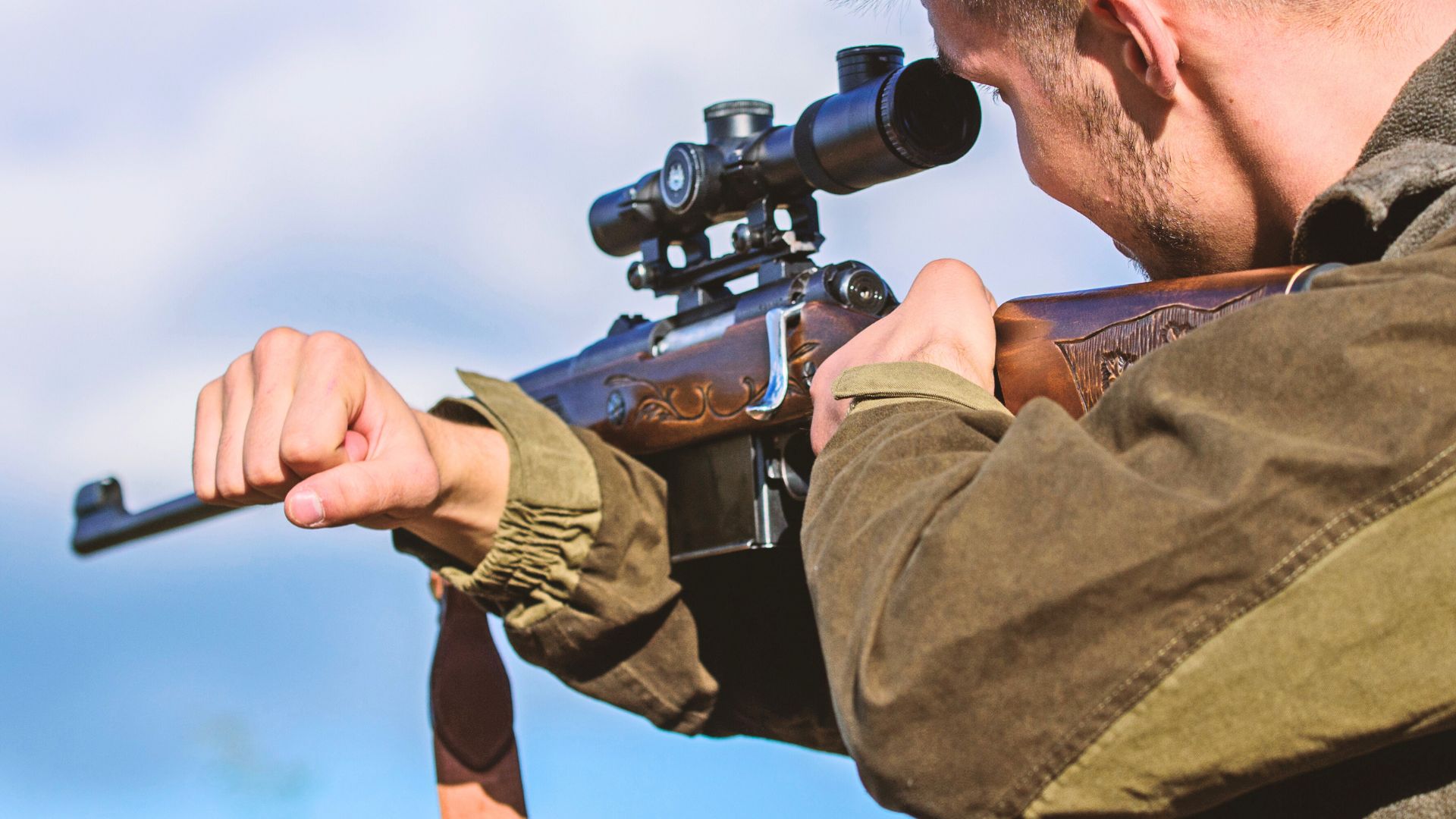
The biggest mistake hunters make after switching to a new scope is assuming the rifle is basically the same as it was before, just with better glass on top. That sounds harmless, but it is where a lot of preventable misses get started. A new scope is not like changing socks or swapping a sling. It changes how your eye meets the rifle, how the rifle balances, where your head settles on the stock, and sometimes even how you build your shooting position under pressure. Leupold’s mounting guidance says eye relief should be set with the rifle mounted in your normal shooting position, ideally on the highest magnification, and the scope should be tailored to your natural position rather than forcing your head to chase the image. Nightforce gives the same kind of warning, telling shooters to check eye and head position during mounting so the scope is placed correctly for the positions they will actually use. That matters because a scope that looked fine on the bench can still be wrong for the way a hunter really shoulders the rifle in a blind, on a hillside, or leaning around a tree.
A lot of hunters miss this because they think the upgrade itself is the important part. They spend time comparing glass quality, reticles, magnification ranges, turret styles, or illumination features, then rush through the actual fit. But the fit is what decides whether that nice new optic helps or hurts. If the eye relief is off, the shooter may crawl the stock, lift his head, or waste precious time hunting for a full sight picture instead of settling and shooting. If the scope sits differently than the last one, the old cheek weld may no longer put the eye where it needs to be. If the new optic has different weight or different controls, the rifle may feel a little more top-heavy or a little slower than it used to. None of that means the scope is bad. It means the system changed. The mistake is pretending it did not. Hunters get into trouble when they remember how the old setup felt and expect the new one to behave the same way without rebuilding the relationship between rifle, optic, and shooter from the ground up.
Most of the real trouble starts with eye relief, reticle level, and ring tension
If you wanted to boil the problem down even further, the common failure is not just “forgetting to zero.” It is failing to mount the scope like a piece of precision equipment. Leupold’s instructions say to set the scope at the highest magnification while establishing eye relief, then rotate it so the elevation dial is on top and the reticle aligns with the vertical axis of the rifle. Their guidance also recommends keeping the scope as far forward as practical and then moving it only enough to obtain a full field of view. Nightforce similarly recommends mounting the scope with as much eye relief as possible on harder-recoiling rifles and making sure the reticle and rifle are plumb to one another because improper alignment creates sighting and impact errors that become more noticeable at distance. That means a hunter who slaps on a new scope, eyeballs it, and calls it close enough may be building in problems before he ever fires a shot. The optic can be expensive, the rifle can be accurate, and the whole setup can still be wrong because the basic mounting work was rushed.
The same goes for ring tension and base security, which people love to ignore right up until the zero starts wandering. Vortex says shooters should always follow manufacturer torque specs, and for many of its rings that means roughly 15 to 18 inch-pounds on cap screws, with specific mounts calling for higher torque on base screws. Vortex also advises against using thread-locking compound on ring screws because it can act as a lubricant and contribute to over-torquing. Leupold’s troubleshooting guidance tells shooters to check the mount first if something seems wrong and make sure the scope is mounted securely to the rifle. Those are not tiny workshop details for obsessive tinkerers. They are part of whether the rifle keeps its zero once it gets carried, bumped, and fired in real conditions. A lot of hunters think the big mistake after a scope swap is choosing the wrong magnification or reticle. More often, it is much less glamorous than that. It is not torquing things properly, not leveling carefully, and not recognizing that sloppy mounting work can make a good scope look like a bad one in a hurry.
Re-zeroing is obvious, but truly confirming the rifle is where people cut corners
Everybody says you have to re-zero after mounting a new scope, and that part is true. But a lot of hunters hear “re-zero” and think that means firing a couple rounds, getting the impacts close, and heading home. That is not enough. Leupold’s sight-in guidance walks shooters through grouping, making adjustments, and then resetting the dials to zero once the rifle is actually sighted in. Their manuals also explain that the zero marks should be aligned only after the real sight-in work is complete so the shooter has a trustworthy reference if later field adjustments are made. That matters because the rifle is not ready just because the reticle moved where you wanted on one target. The rifle is ready when the point of impact is confirmed with your real hunting load, from a stable position, at the distances that matter for your kind of hunting. A new scope changes the whole optical reference, and if you do not verify the full system, you are basically carrying assumptions into season and hoping they hold together.
This is also where hunters get fooled by success that is too easy. They boresight, hit paper, tighten a group, and feel done because nothing dramatic went wrong. But that process may still leave a lot unanswered. Does the rifle come up naturally with the new optic in low light? Does the eye box stay forgiving from awkward field positions? Did the mount settle after the first few rounds? Is the reticle still level once the screws are fully torqued? Does the first cold shot land where the later shots do? Leupold’s troubleshooting advice makes clear that shooters should check mount security before assuming the optic itself is the problem, while Nightforce’s manuals stress that proper eye position and rifle-reticle alignment are part of establishing a usable sighting setup. Those details are the difference between “technically zeroed” and “actually ready.” Hunters who skip them usually do not realize what they missed until they are trying to understand why the rifle felt odd or why the shot landed somewhere they did not expect.
The smart move is to rebuild the whole shooting position after every scope swap
The right way to handle a new scope is to start over on purpose. Not because something is wrong, but because pretending nothing changed is what creates trouble. Mount the scope carefully. Set eye relief in the position you really shoot from, not just the prettiest bench posture. Level the reticle to the rifle instead of eyeballing it. Torque the ring and base screws to spec instead of guessing by feel. Then re-zero with the exact ammo you plan to hunt with and shoot enough to make sure the setup stays put. That is the boring answer, but it is the one manufacturers keep repeating because it solves most of the problems hunters later blame on the optic. Leupold’s mounting instructions, Vortex’s torque guidance, and Nightforce’s setup recommendations are all pointing at the same truth: a riflescope only performs as well as it is installed and verified.
So when people ask what the biggest mistake is after switching to a new scope, it is not buying too much magnification or choosing the wrong reticle color or spending too much money on glass. It is keeping the old assumptions after the rifle has changed. A new scope means new eye relief, new sight picture, new balance, new mounting variables, and a new zeroing process. Treat it like a small cosmetic upgrade and it can absolutely cost you a shot in the woods. Treat it like a new shooting system that has to be fit, checked, and proven, and the odds swing back in your favor. That is the difference between a rifle that looks upgraded in camp and one that is actually ready when an animal steps out and you only get a few seconds to make it count.
Like The Avid Outdoorsman’s content? Subscribe to our newsletter so you never miss an article.
Here’s more from us: