Photo credit: maradek/ShutterStock.com
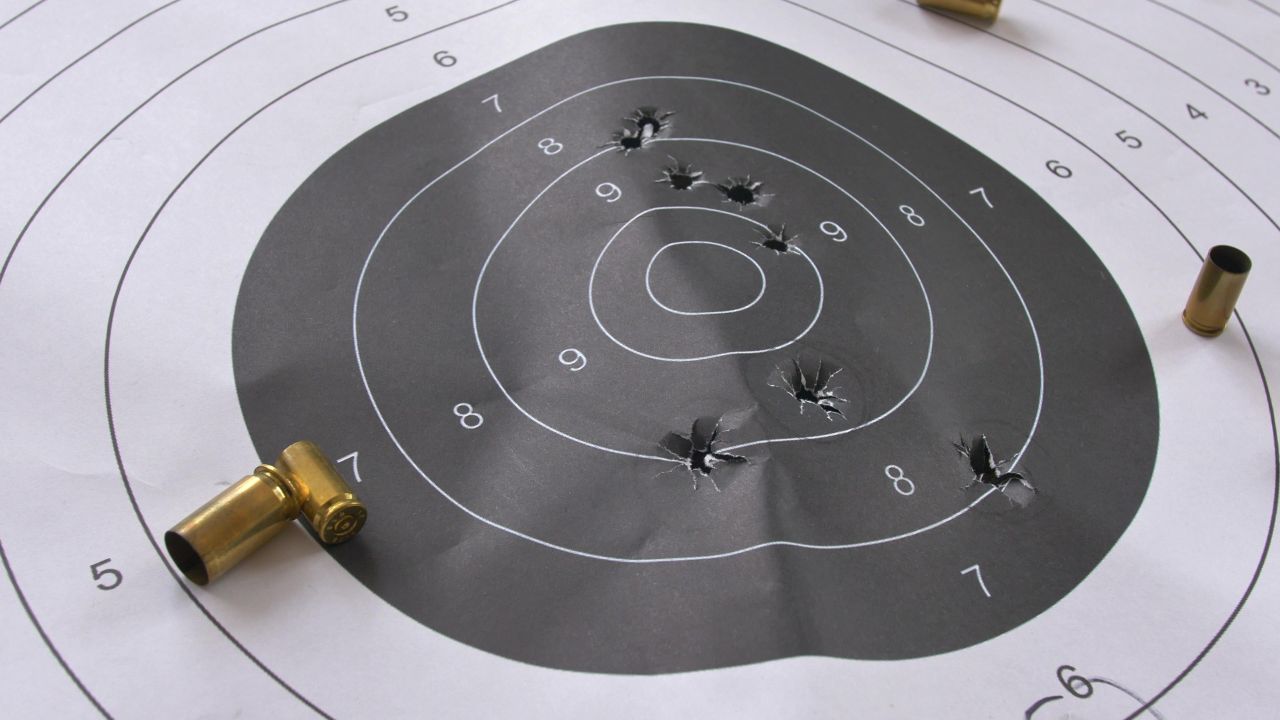
A lot of hunters see a tight three-shot group at the range and decide the rifle is good to go. That is one of the most common lies we tell ourselves before season. A rifle that prints a pretty cluster off sandbags from a bench may be accurate, but that does not automatically mean the whole hunting setup is ready for real field conditions. Texas Parks and Wildlife teaches shooters to sight in from a stable bench rest and use shot groups to adjust point of impact, which is exactly what the bench is for. It helps you measure the rifle and optic without adding a bunch of extra human wobble. But that same hunter-education material also emphasizes practicing from actual rifle shooting positions like prone, kneeling, sitting, and standing because hunting shots do not always happen from a cozy bench with your elbows settled and your breathing under control. A bench tells you something important, but it does not tell you everything that matters once a deer steps out.
That gap is where a lot of confidence turns fake in a hurry. A hunter will shoot a one-inch group on Saturday, post a picture of it, wipe down the rifle, and figure the rifle is now “dialed.” Then opening morning rolls around and the shot comes from a tree stand rail, a pack on a blind window, a hasty kneel, or a weird twist around brush, and suddenly the clean little group from the range does not mean much. The rifle may still be fine, but the system has not really been tested. A hunting setup is more than mechanical accuracy. It is optic visibility in changing light, stability from positions you can actually build in the field, how fast you can settle the reticle, whether your sling, jacket, bipod, or rest changes the way the rifle behaves, and whether you can break a good shot when your heart is hammering. Tight groups can hide all of that because they make the shooter feel finished when he has really only completed the easiest part.
Field positions expose problems the bench never will
This is why so many experienced hunters care less about one tiny group and more about whether a rifle can be shot well from realistic positions. Texas Parks and Wildlife’s hunter-education materials spell out the four basic rifle shooting positions hunters may need in the field: prone, kneeling, sitting, and standing. Those positions matter because visibility, brush, terrain, and timing often decide how a shot has to be taken. A prone position may be the most accurate, but it can be too low if grass or brush is in the way. Standing may be the quickest option, but it is also the least stable. A rifle that looks perfect from a bench can start showing weaknesses when the shooter has to control it from those less forgiving positions. Maybe the eye relief is less forgiving than it seemed. Maybe the stock does not fit as well when shot offhand. Maybe the trigger feels fine from the bench but jerky when the shooter is holding on target without support. Those are hunting problems, not bench problems.
A lot of misses that get blamed on buck fever are really practice failures. Not because the hunter never shot the rifle, but because he only shot it in the easiest possible way. Benches are great for zeroing. They are great for checking group size. They are great for ruling out obvious equipment problems. What they are not great for is proving that you can build a position quickly and break a clean shot under pressure. A hunter who has only practiced off a bench may never have learned how much his crosshair jumps when he kneels fast, how hard it is to stay steady standing against a tree, or how different the rifle recoils when it is braced over a backpack or shooting rail. Those details matter because hunting is full of awkward little compromises. The deer is not going to stand broadside in perfect light while you reproduce your bench setup from lane seven at the range.
Tight groups also hide timing, barrel, and first-shot truth
Another problem with chasing tiny groups is that they can distract from the one shot that matters most in hunting: the first one. On the range, guys will fire careful three-shot or five-shot groups with plenty of time between rounds, nice trigger control, and a known target. That is useful data, but it still may not tell you where the cold first shot lands from a hunting barrel, from a hunting position, with your actual hunting load, after the rifle has been carried around and maybe bumped a little getting into place. Some rifles keep that first shot exactly where you want it. Some shift a bit. Some shooters settle beautifully into a rhythm by the second or third round, which means their best group may actually say more about how they recover than how they perform on the shot that counts. A deer hunter does not usually get to “walk one in” and then tighten things up. The first round is the hunt, and the bench does not always tell the truth about that.
That is especially important when shooters become too attached to group size and start ignoring practical consistency. A rifle that puts three bullets into a tiny knot one day but gets carried awkwardly, rested differently, or shot from a bad angle in the field may not give the same result when it matters. Even zeroing guidance from Texas Parks and Wildlife is built around averaging multiple shots to find the approximate point of aim and then adjusting sights accordingly. That is a smart method for sight-in, but it is not a guarantee that every possible field shot will behave the same way. The bench helps establish the rifle’s baseline. It does not certify the shooter’s readiness, the setup’s durability in the field, or the whole system’s ability to perform on demand. Hunters who confuse those things are usually the same ones who sound shocked when a “sub-MOA rifle” suddenly does not save them from a miss at 90 yards.
A woods-ready rifle is one you’ve tested like a hunting rifle
Being ready for the woods means testing the rifle the way you are actually going to use it. That includes confirming zero from the bench, then leaving the comfort zone and practicing from the positions the hunt is likely to demand. It means seeing what your rifle does off sticks, over a pack, against a tree, from a blind window, or from a seated position with your knees braced. It means checking that your scope is still clear and usable in lower light and making sure the rifle carries without turrets getting bumped or screws working loose. It also means proving to yourself that you can identify a target, build a position, control your breathing, and press the shot without rushing. Texas Parks and Wildlife stresses safe target identification, knowing what is beyond the target, and practicing field shooting positions because hunting is not only about the gun going bang. It is about making a clean, ethical shot under real conditions.
That is why “tight groups” do not prove your rifle is ready for the woods. They prove one narrow thing, and that one thing is still worth knowing. But a hunting rifle is not truly ready until the shooter has moved beyond paper bragging and checked the ugly little details that actually decide outcomes. Can you shoot it cold? Can you shoot it from bad angles and rough rests? Can you run it without overthinking? Can you trust what that first shot is going to do when the moment comes fast? Those are the questions that matter when season opens. The bench can help you start answering them, but it cannot answer them for you.
Like The Avid Outdoorsman’s content? Subscribe to our newsletter so you never miss an article.
Here’s more from us: