
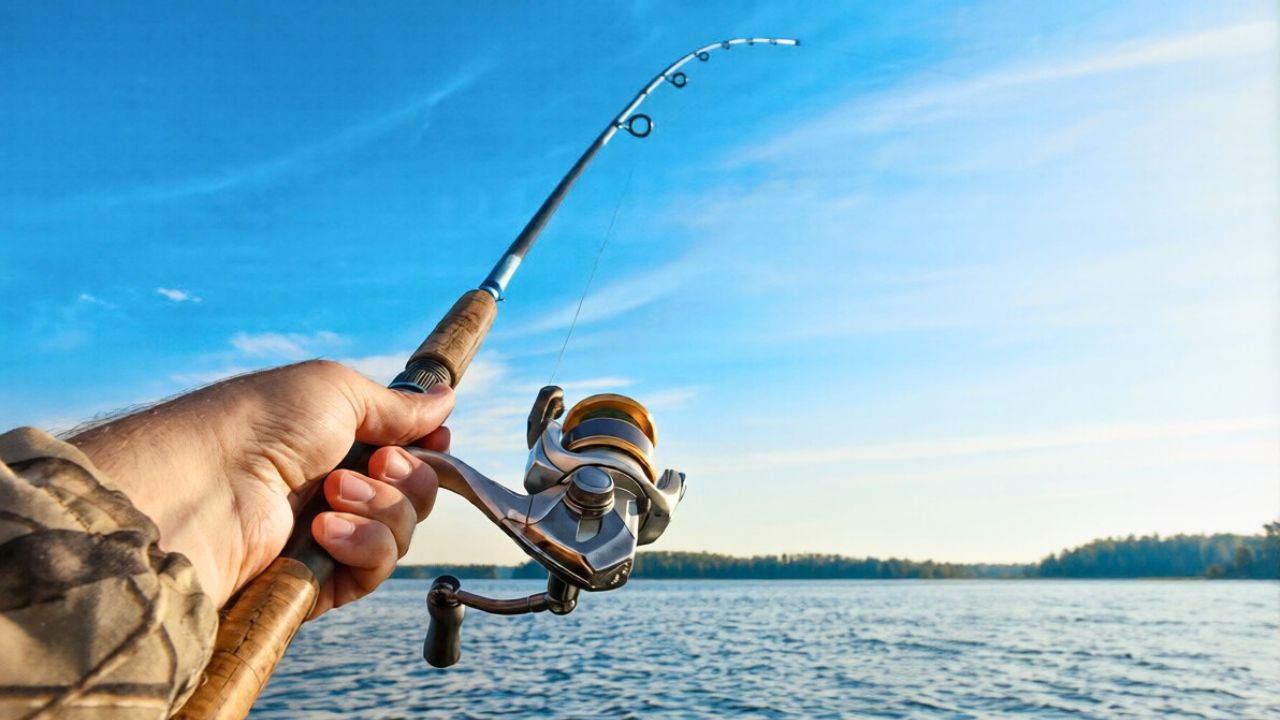
Photo credit: Yury Mikheev/Shutterstock.com
Wind can be your best friend or the thing that makes you want to pack it up by lunch. Most guys hate it because it makes casting miserable and it feels random. But wind does something important: it moves water. That movement stacks bait, breaks up light, and makes fish feel safer. The problem isn’t the wind—it’s fishing it like it’s a calm day. If you treat a windy bank the same way you treat slick water, you’ll feel like there’s nothing there even when the fish are chewing.
First, pick the right windy bank. Not all wind is good wind. You want wind that’s been blowing into the same stretch long enough to push bait and warm surface water in. If you show up and it’s gusting in every direction every five minutes, that’s a different deal. But a steady wind blowing into a point, a flat, or a riprap bank can turn that place into a buffet line. If you can, fish the “wind-blown” side, not the protected side. The calm side feels comfortable for you, but it’s usually the dead side for the bite.
Second, use baits that work in wind. This is not the time to force a weightless worm if you can’t even feel it. Wind makes slack, and slack makes missed bites. I like moving baits first: spinnerbait, chatterbait, squarebill, swimbait, jerkbait if the water’s clear enough. Those baits let you maintain contact and they give fish a target in choppy water. And if you do go soft plastics, put enough weight on it that you can actually fish it. A light Texas rig with a 1/16 in a stiff wind is a good way to learn frustration.
Casting matters in wind, too. Stop trying to bomb long casts straight into it unless you have to. Cast at angles where the wind helps load the rod or at least doesn’t slap the line into a big bow. If the wind is blowing in your face, lower your rod tip and keep your trajectory down. Sidearm casts keep the bait from ballooning. And don’t be afraid to shorten up. You don’t need 50-yard casts to catch fish on a windy bank. You need accurate casts to targets that are getting hit by current.
Now here’s the part people miss: wind creates “current seams” even on a bank. Look for anything that breaks that flow—points, little cuts, docks, laydowns, rock transitions. Bait gets pinned and fish set up on the down-current side like they would in a river. If you’re just walking the bank and fan-casting open water, you’re skipping the spots that actually concentrate fish. Wind scatters your attention, but it stacks fish in predictable places.
Choppy water also hides you. Fish are less spooky when the surface is broken up. That’s when you can get closer, fish shallower, and throw slightly bigger baits without feeling like you’re “overdoing it.” It’s also when a topwater bite can surprise you, especially early and late, or on overcast days. Don’t assume topwater is only for calm mornings. A walking bait or a buzzbait can get crushed in chop because the fish can’t get a clean look at it and they commit harder.
The other fix for windy days is line management. Braid to leader setups can be great, but wind and light leaders can turn into a mess if you’re not careful. Make sure your knots are solid and your drag is right. If you’re fishing moving baits, keep enough tension that you’re not dealing with big loops. And if you keep getting wind knots, it’s not a character flaw—it’s usually too light of a lure for the wind, or you’re trying to cast too hard. Go up in lure weight and smooth out the cast.
Windy banks can be a pain, but they can also be the best bite you see all week. Fish the side the wind is pushing into, use baits you can control, cast smart, and focus on the little breaks in the flow that collect bait. Do that and you won’t feel like you wasted your day—you’ll feel like you finally used the wind for what it’s good for.
Like The Avid Outdoorsman’s content? Subscribe to our newsletter so you never miss an article.
Here’s more from us:


