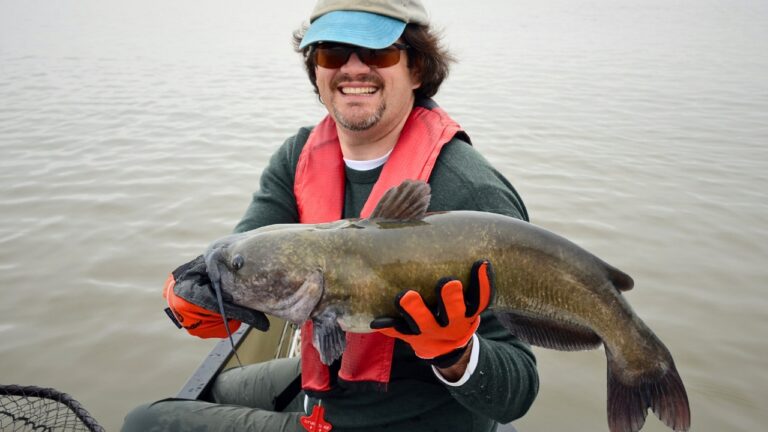
Photo credit: Maclane Parker/Shutterstock.com
Some of the best bass you’ll ever hook into aren’t hanging out in the big-name lakes. They’re tucked away in overlooked backwaters, forgotten ponds, and little stretches of creek most folks drive past. These places don’t make headlines, but they quietly hold giants. You won’t need a fancy boat or expensive gear—just a willingness to explore and fish smart. If you’re tired of crowded lakes and want a better shot at a personal best, here are seven lesser-known spots worth checking out.
Abandoned Gravel Pits
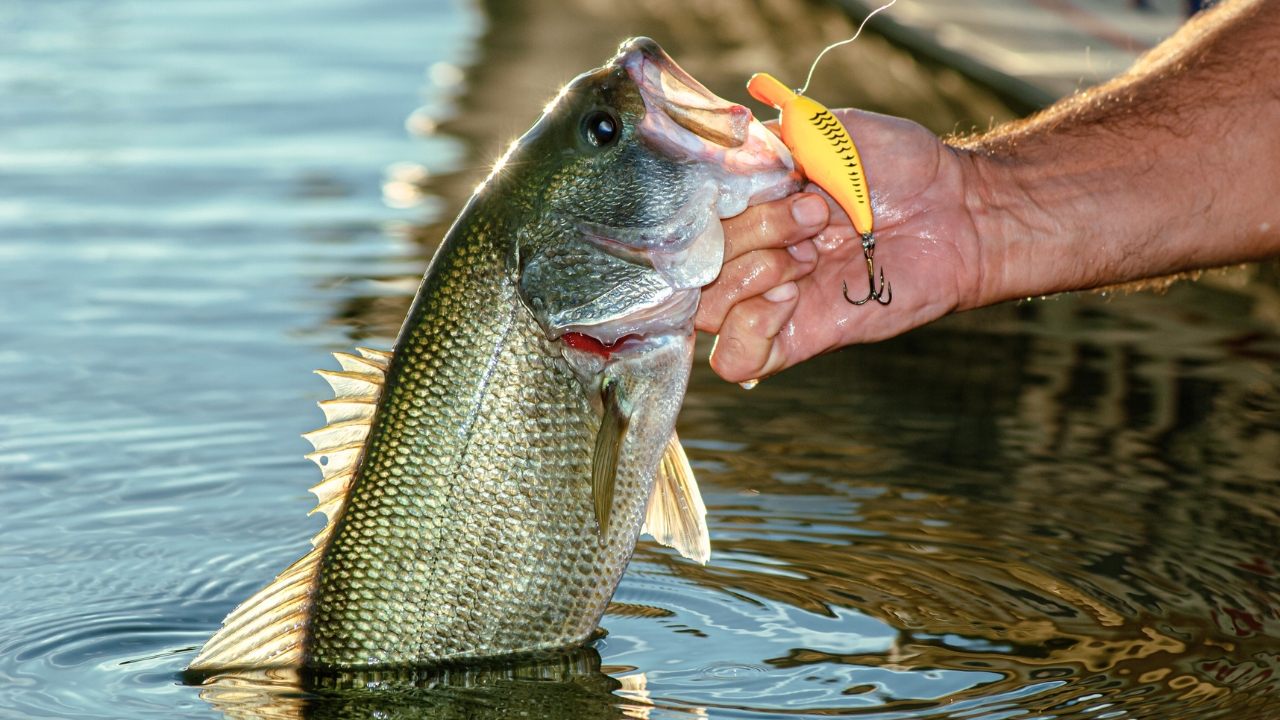
Old gravel pits might not look like much, but they’re bass factories. The steep drop-offs, submerged structure, and clear water create a prime habitat.
Most of these pits are on private land, so you’ll need permission—but it’s worth asking around. Big bass grow fat in these places because they’re left alone and have easy forage.
Flooded Timber Lakes
Lakes with standing timber and limited access tend to get overlooked. That wood provides perfect ambush points for bass to hang tight and strike.
If you can quietly fish your way into these pockets, you’ll find fish that haven’t seen many lures. Focus on flipping or pitching into the thick stuff.
Golf Course Ponds (With Permission)

These manicured ponds may seem like the last place for a bruiser bass—but they often hold some of the biggest fish in town. Few people fish them, and runoff brings in all kinds of forage.
Talk to the grounds crew or management. A lot of them are open to early morning catch-and-release fishing if you’re respectful and stay out of the way.
Backwater Sloughs Off Major Rivers

Big rivers get all the traffic, but the quiet back sloughs and oxbows are where the real monsters hide. These areas warm up faster and collect baitfish.
Access isn’t always easy—you might need a kayak or even just wade in—but the reward is finding fish that rarely see pressure.
Runoff Retention Ponds

Those random ponds built for runoff in housing developments or business parks often go ignored—but they can be surprisingly deep and full of life.
Bass find their way in early and stay there, feeding on frogs, bluegill, and whatever else drops in. Just be sure it’s legal to fish there, and don’t overlook them because they’re small.
Creek Mouths During Spring and Fall

Where small creeks feed into larger lakes or rivers, you’ve got a perfect ambush zone. Bass move in to chase bait, especially during seasonal transitions.
These spots are dynamite in early spring and late fall when fish are feeding heavily. They’re often shallow, so cast parallel to the flow and stay stealthy.
Overgrown Farm Ponds

Hidden behind fences and brush, farm ponds often get fished once or twice a year, if that. That means bass grow big and act dumb.
You might have to hike in or sweet-talk a landowner, but some of the best bass fishing stories start in places like these. Bring a frog or a worm and fish it slow.
*This article was developed with AI-powered tools and has been carefully reviewed by our editors.