Photo credit: WHO_TEE_WHO/YouTube
Some cartridges look like they could knock down a moose through a brick wall, but once you shoot them, the numbers don’t match the noise. Big cases and wide bullets can be deceiving—what matters is velocity, bullet design, and real-world energy. Plenty of so-called “big” calibers promise magnum power, but when tested in the field, they hit like mid-range rounds. Whether they suffer from low velocity, poor penetration, or weak ballistic coefficients, these are the big-looking calibers that simply don’t deliver the punch their appearance suggests.
.45 Colt (Standard Loads)

The .45 Colt has history and presence, but in standard pressure loads, it’s far tamer than it looks. Out of a revolver, you’re often getting less than 900 fps with a 250-grain bullet. That sounds impressive until you realize it’s about the same energy as a hot 9mm +P.
In its original black powder form, it was deadly within 25 yards, but by modern standards, it’s a slow, looping round that struggles to expand or penetrate deeply. Only in high-pressure “Ruger-only” loads does it live up to its size—but those can’t safely be fired in most classic revolvers.
.44 Special

The .44 Special has the right name and the right look, but it’s far from powerful in its traditional form. It’s accurate, soft-shooting, and pleasant on the range, but even with a 240-grain bullet, it typically produces less energy than a 9mm +P.
It can perform well with handloads or defensive ammo, but in standard factory loads, it’s mild. Many people confuse it with the .44 Magnum, but they’re worlds apart in power. The .44 Special feels like it should crush steel, but on paper, it performs more like a warm .38.
.38 Super
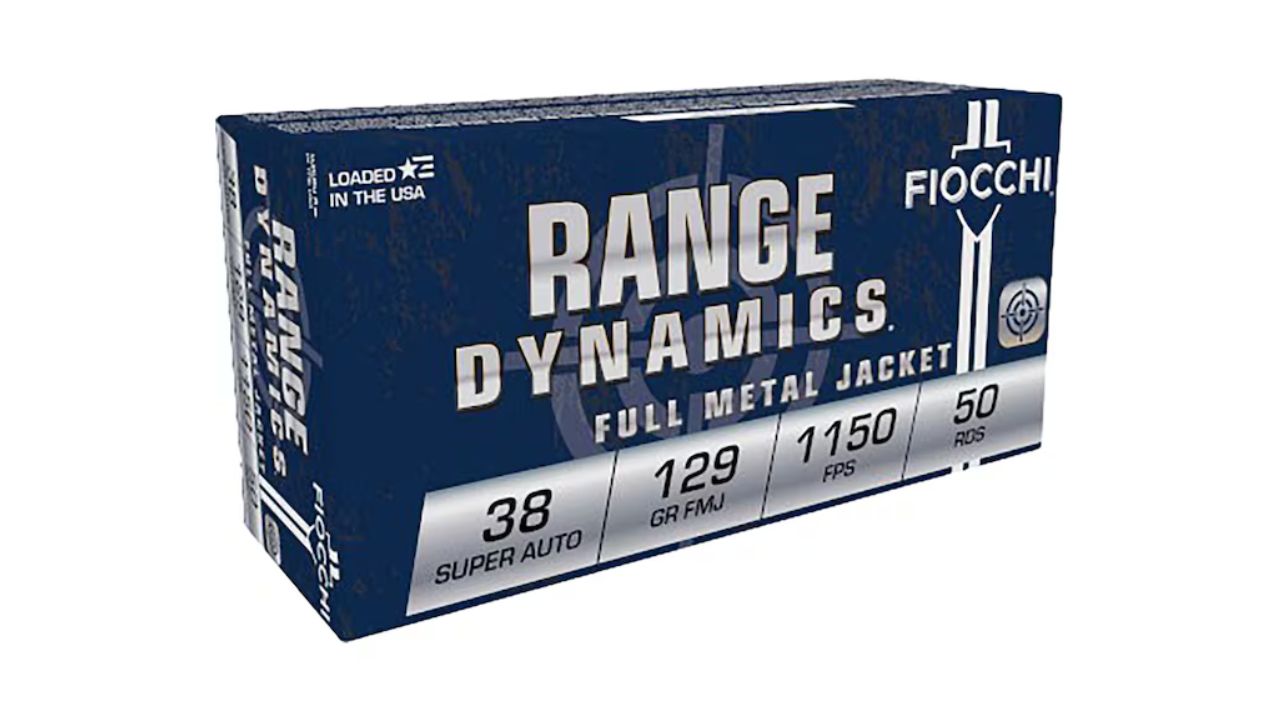
The .38 Super earned a flashy reputation thanks to its name and stainless race guns, but its performance rarely matches its hype. It’s faster than 9mm but doesn’t bring much more real-world power. With modern defensive loads, 9mm has caught up completely.
Unless you’re shooting competition or love the nostalgia of a Colt 1911 chambered for it, the .38 Super doesn’t offer much benefit. It looks like a high-octane round, but in most situations, it simply burns more powder for the same results you could get cheaper and easier elsewhere.
.357 SIG

The .357 SIG was built to mimic .357 Magnum revolver ballistics in an auto pistol, but it falls short. It’s loud, flashy, and snappy—but when you compare energy and expansion, it doesn’t actually outperform good 9mm loads.
It’s accurate and penetrates well, but it also wears guns faster and costs more to shoot. Law enforcement agencies that once adopted it have mostly gone back to 9mm because the trade-offs just aren’t worth it. The .357 SIG looks like a powerhouse, but its bark is bigger than its bite.
.41 Magnum

The .41 Magnum was supposed to bridge the gap between .357 and .44 Magnum, but it landed awkwardly in between. While powerful on paper, most factory loads are watered down, making it neither mild enough for easy shooting nor hot enough to impress magnum fans.
It’s too much for self-defense, too little for big game, and too niche for wide adoption. Hunters who handload can make it shine, but factory ammo often underperforms. It looks serious in a cylinder, but real-world results fall short of its intimidating appearance.
.45 GAP

Glock’s answer to the .45 ACP, the .45 GAP, promised equal power in a smaller package. The problem is, it never truly matched .45 ACP performance and came with higher pressures that accelerated wear. Ammo availability has dwindled, and few manufacturers still support it.
Despite its wide bullet and respectable energy, the GAP never achieved the stopping power reputation of its parent round. On paper, it looked like the future. In reality, it turned out to be a weaker imitation of a proven classic.
.450 Bushmaster

The .450 Bushmaster was billed as the ultimate big-bore AR round, but its trajectory and energy fade quickly beyond 200 yards. Inside 150, it’s solid—but it doesn’t carry the energy that its size implies. The fat, slow bullet sheds velocity fast, and accuracy can be hit or miss.
It does the job for close-range deer or hogs, but calling it a “do-it-all” round is misleading. It hits hard up close, but if you need flat shooting or range, it comes up short. The .450 Bushmaster looks fierce but performs more like a niche tool.
.458 SOCOM
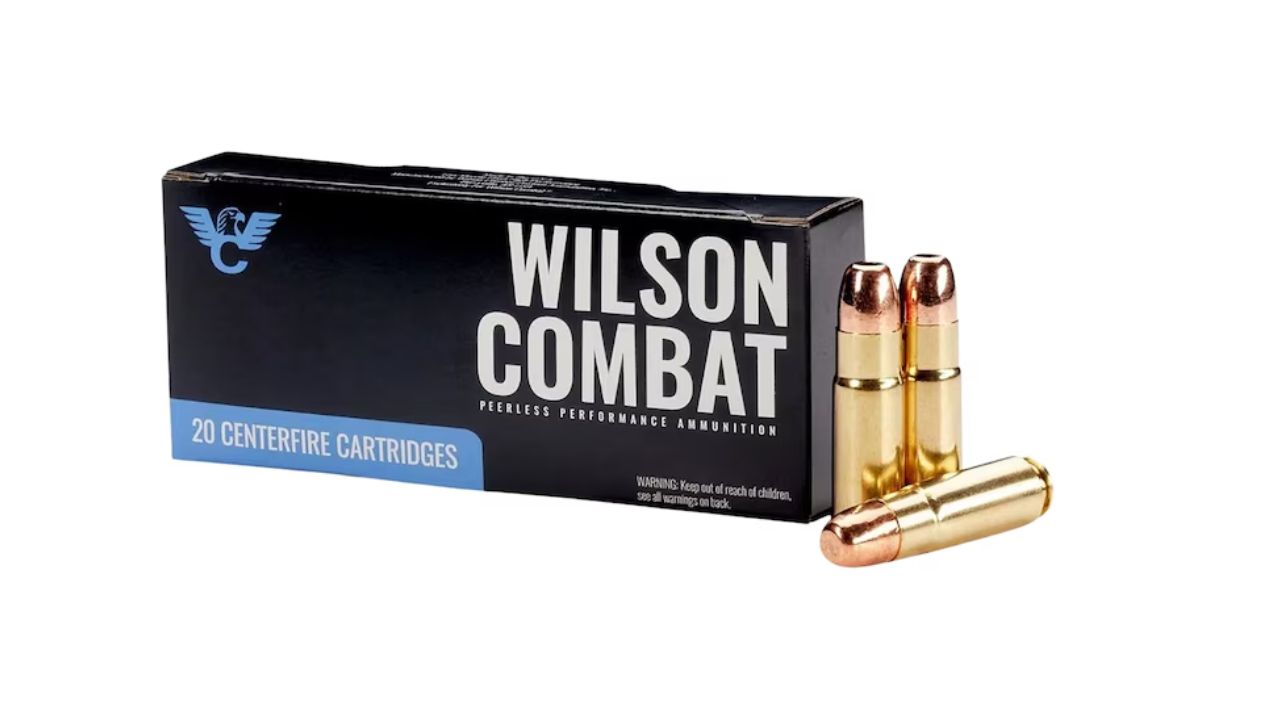
The .458 SOCOM is massive, impressive, and undeniably cool—but its real-world results are limited by physics. It’s devastating within 100 yards but runs out of steam quickly after that. Ballistic drop is extreme, and the energy loss is steep.
In theory, it brings big-bore stopping power to the AR platform. In practice, it’s more like a large pistol round in a rifle body. It hits big at close range but performs small once the range stretches. It’s more thunder than lightning.
.50 Beowulf
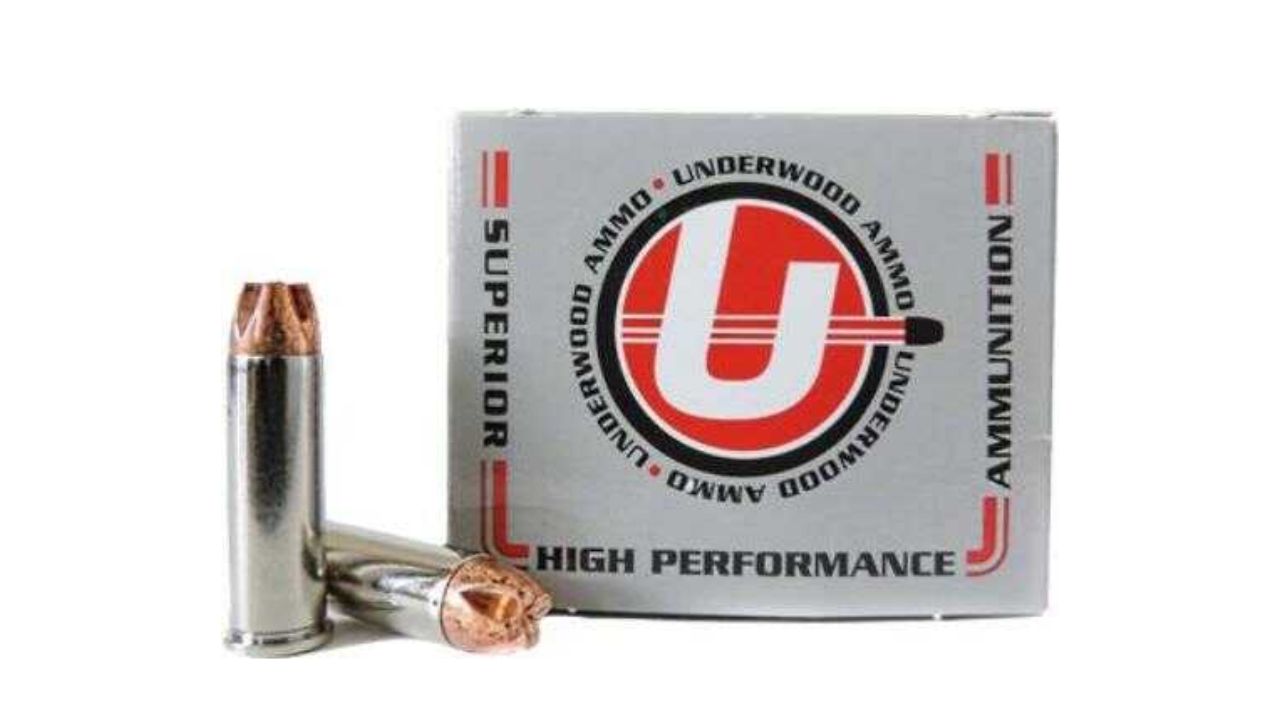
The .50 Beowulf looks like it should turn hogs inside out, and at close range, it can. But its energy drops rapidly, and trajectory falls off like a rock past 100 yards. It’s more dramatic than effective for anything beyond point-blank shots.
While it’s fun to shoot and makes impressive holes, it’s hardly the ballistic hammer it appears to be. The Beowulf delivers a heavy thump, not a deep punch. It’s a close-range bruiser, not the powerhouse it pretends to be.
.458 Winchester Magnum
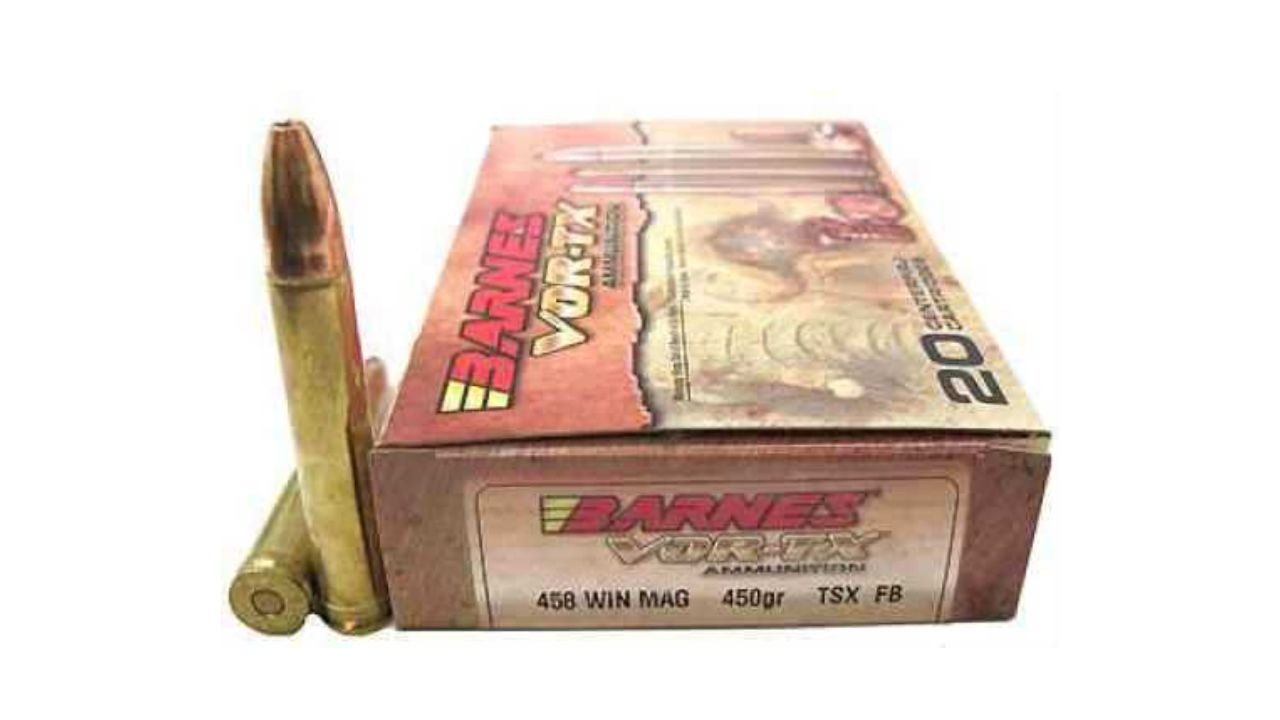
The .458 Winchester Magnum has a legendary name, but in its standard loadings, it never lived up to its intended role. Designed for dangerous game, it often suffered from compressed powder charges and inconsistent velocities.
Early bullets underperformed in tropical heat, leading to erratic penetration on thick-skinned animals. It looks like an elephant round—and was meant to be—but it earned a reputation for being unreliable in the exact scenarios it was built for. It’s big in size, small in consistency.
.45-70 Government (Trapdoor Loads)
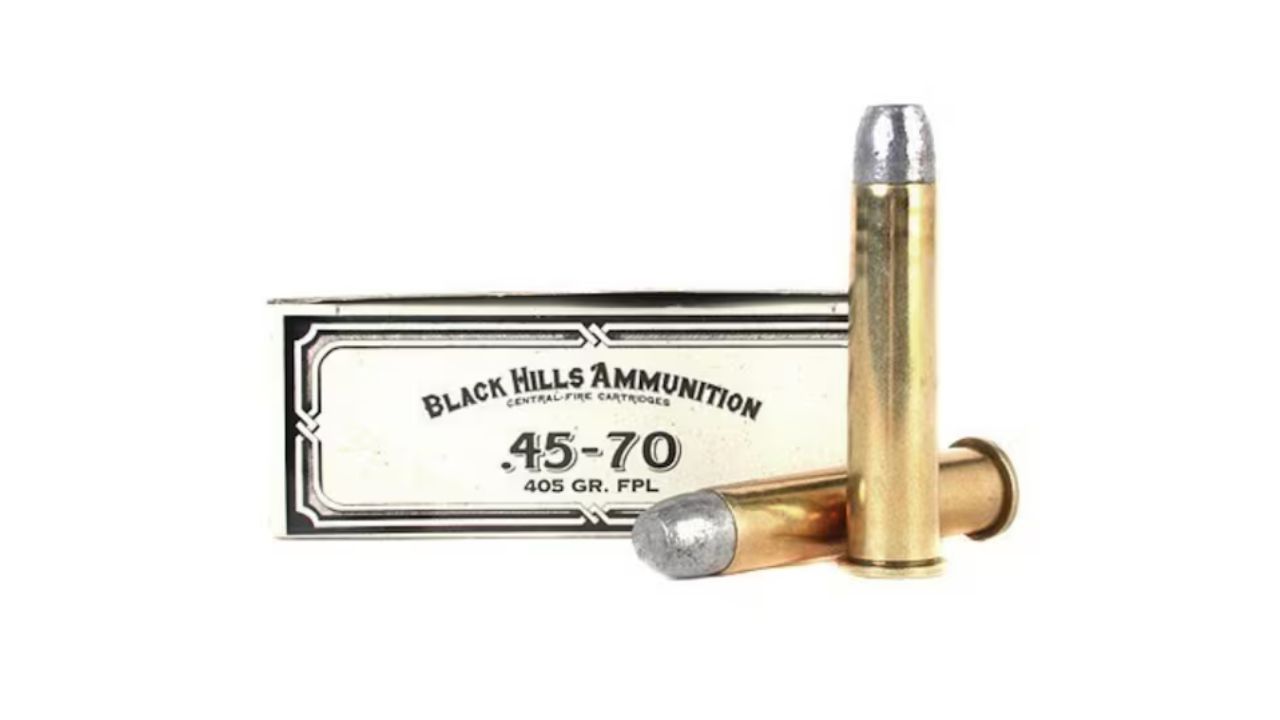
The .45-70 is one of America’s most loved big-bore rounds, but standard “Trapdoor-safe” loads are surprisingly mild. Out of respect for antique rifles, factory ammo stays light, usually pushing 300-grain bullets under 1,400 fps.
It’s accurate and pleasant to shoot, but not nearly as powerful as the cartridge’s legend suggests. Handloaded or modern +P versions are entirely different animals, but if you’re running standard factory ammo, that massive brass case hides a surprisingly soft punch.
.50 AE

The .50 AE looks like something out of an action movie—and it is. But aside from Hollywood appeal, it’s not particularly effective for real-world use. The energy is high, sure, but recoil is brutal, accuracy suffers, and bullet performance often lags behind its size.
It’s impressive to hold, less so to shoot well. Ballistically, it doesn’t outperform high-end 10mm loads by much in real-world penetration. It’s a loud, heavy novelty that looks huge and hits hard—but not nearly as deep as you’d expect.
.480 Ruger

The .480 Ruger has the presence of a dangerous-game revolver round but performs closer to a medium-frame magnum. It throws heavy bullets, but at modest velocities. Recoil is stout, yet energy levels fall short of what the caliber size implies.
It’s accurate and controllable, but when compared to the .454 Casull or .460 S&W, it looks underpowered. The .480 Ruger is a good cartridge that simply can’t live up to its appearance. It’s more of a hard hitter than a heavy one.
.450 Marlin
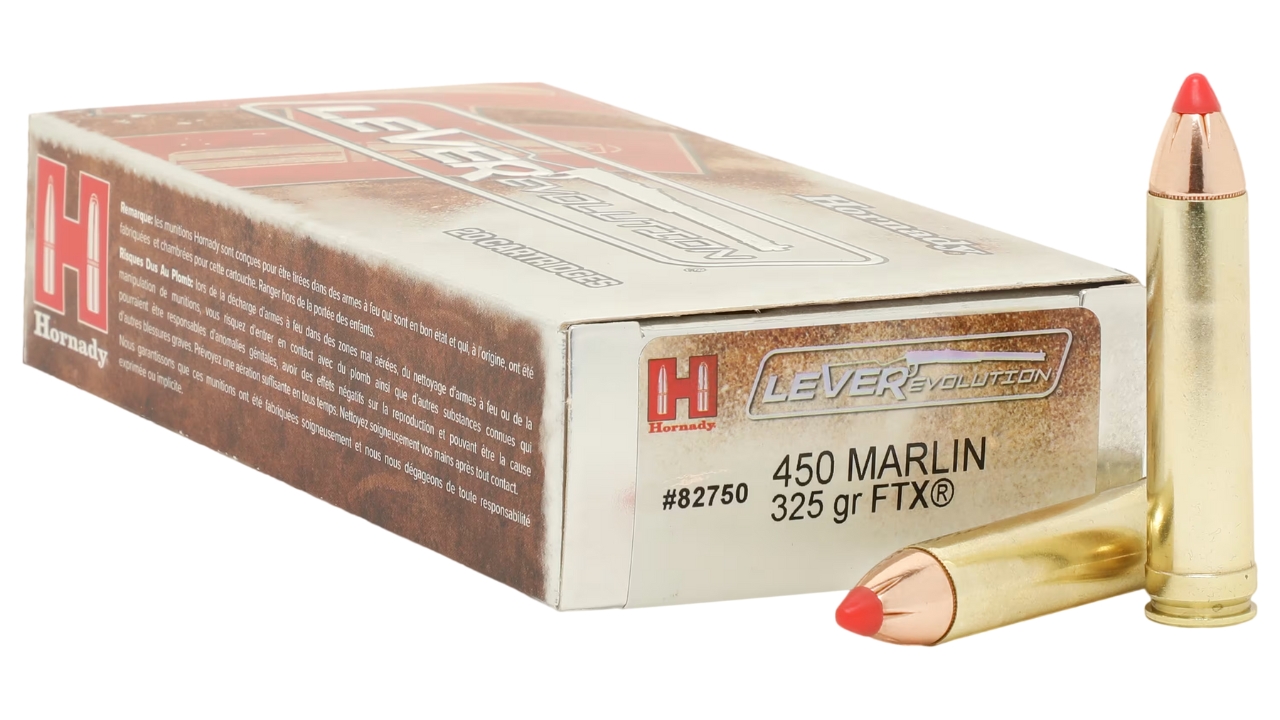
The .450 Marlin was supposed to modernize the .45-70 and make it “magnum ready,” but factory loads were downloaded for safety, leaving it with nearly identical ballistics. Despite the larger case, it doesn’t shoot flatter or hit much harder than a strong .45-70 handload.
It’s an excellent cartridge, but not the powerhouse it looks like. Those big brass belts and thick cases are impressive to see, yet the velocity and range don’t reflect the size. It’s a great idea that never escaped its own limitations.
Like The Avid Outdoorsman’s content? Be sure to follow us.
Here’s more from us:
The worst deer rifles money can buy
Sidearms That Belong in the Safe — Not Your Belt
*This article was developed with AI-powered tools and has been carefully reviewed by our editors.