Photo credit: WorldWarSupply/YouTube
There are guns you buy because they make sense, and then there are guns you hang onto because something about them gets under your skin. Maybe they shoot better than they should. Maybe they remind you of a different time, when prices were sane and racks were still full of models people now treat like lost treasure. Either way, these are the guns owners used to say they’d keep forever, and a lot of them meant it.
The rough part is that life happens. Bills show up, priorities change, and sometimes a gun gets sold with the honest belief that another one can always be found later. Then later shows up and the market has gone completely sideways. These are the firearms that turned that lesson into a painful one for a whole lot of people.
Colt Python
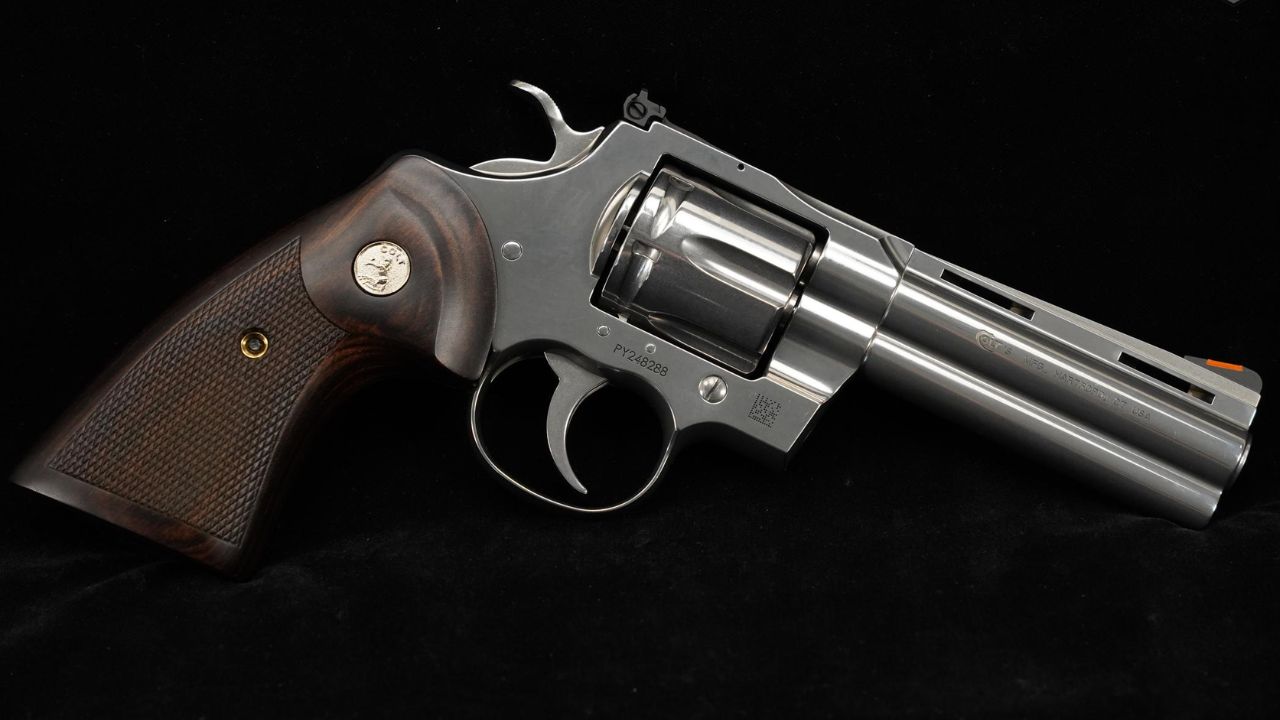
There was a time when a Colt Python was still expensive, but not in a way that felt impossible. A shooter-grade example could still be justified if you really wanted one, and plenty of owners convinced themselves they could always pick up another later. That thinking aged badly. Once older Pythons started getting treated like collectible objects instead of working revolvers, the window closed fast.
What makes the sting worse is that people who sold them usually remember exactly why they liked them in the first place. The trigger felt special, the finish had real presence, and even people who were not die-hard revolver nuts understood they had something a little different. Once those guns left the safe, getting back into one often meant paying a price that felt flat-out ridiculous.
Heckler & Koch SP89

The HK SP89 used to live in that strange space where it was clearly cool, clearly uncommon, and still obtainable if you were serious about owning one. Then time did what time does to imported HK stuff, and suddenly the people who had sold theirs started realizing they were not shopping for a fun oddball anymore. They were chasing a scarce, high-demand piece with a price tag that kept moving the wrong direction.
This one hits hard because the SP89 was never a casual gun to begin with. The people who bought them usually knew exactly what they were after, which means the regret tends to come from enthusiasts, not impulse buyers. Once those owners let one go, they were not replacing a generic pistol. They were trying to re-enter a niche market that had already decided nostalgia and scarcity were worth real money.
Smith & Wesson Model 19

The Model 19 is one of those revolvers that got taken for granted for too long. It was respected, sure, but it was also common enough that many owners treated it like something they could always circle back to. A clean pinned-and-recessed gun or a nice older carry-worn example did not always feel like a sacred object. Then people started appreciating what those older Smiths actually were.
Now the math looks a lot uglier. The same revolver somebody sold years ago because they wanted to fund another project suddenly costs enough to make them stop scrolling. The regret is easy to understand. A good Model 19 has balance, personality, and a feel that newer revolvers do not always match. Once you have owned one, it is very easy to assume another will be waiting for you later. A lot of folks found out that was not true.
Browning Hi-Power

For years, the Browning Hi-Power lived in the shadow of other service pistols that got more hype from modern shooters. People respected it, but a lot of owners still convinced themselves it was expendable if they needed cash or safe space. That was a mistake. Once original Belgian guns, desirable variants, and cleaner examples started climbing, the Hi-Power stopped being a classic people admired and started becoming one they had to budget around.
The painful part is that Hi-Power owners usually remember the feel first. The slim grip, the way it pointed, the history tied to it, and the sense that it carried itself differently than a lot of double-stack pistols all stayed in the memory. Selling one may have made sense at the time, but buying back into that experience now often means paying far more than the original owner ever imagined.
Winchester Model 70 pre-64

Plenty of hunters once treated pre-64 Model 70s like old rifles that would always be around if you wanted one badly enough. They were respected, but not everybody treated them like untouchable heirlooms. That changed in a big way. Once more shooters and collectors started locking onto condition, chambering, and original features, prices started reflecting reputation in a much harsher way.
This is one of those sales people remember in detail. They remember the rifle that fed smoothly, carried well, and had that old-school feel newer production guns never fully duplicated. Then they look at what clean pre-64 examples bring now and realize replacing the exact kind of rifle they let go is no longer a casual decision. It is a serious purchase, and that reality has surprised more than a few former owners.
Colt Diamondback
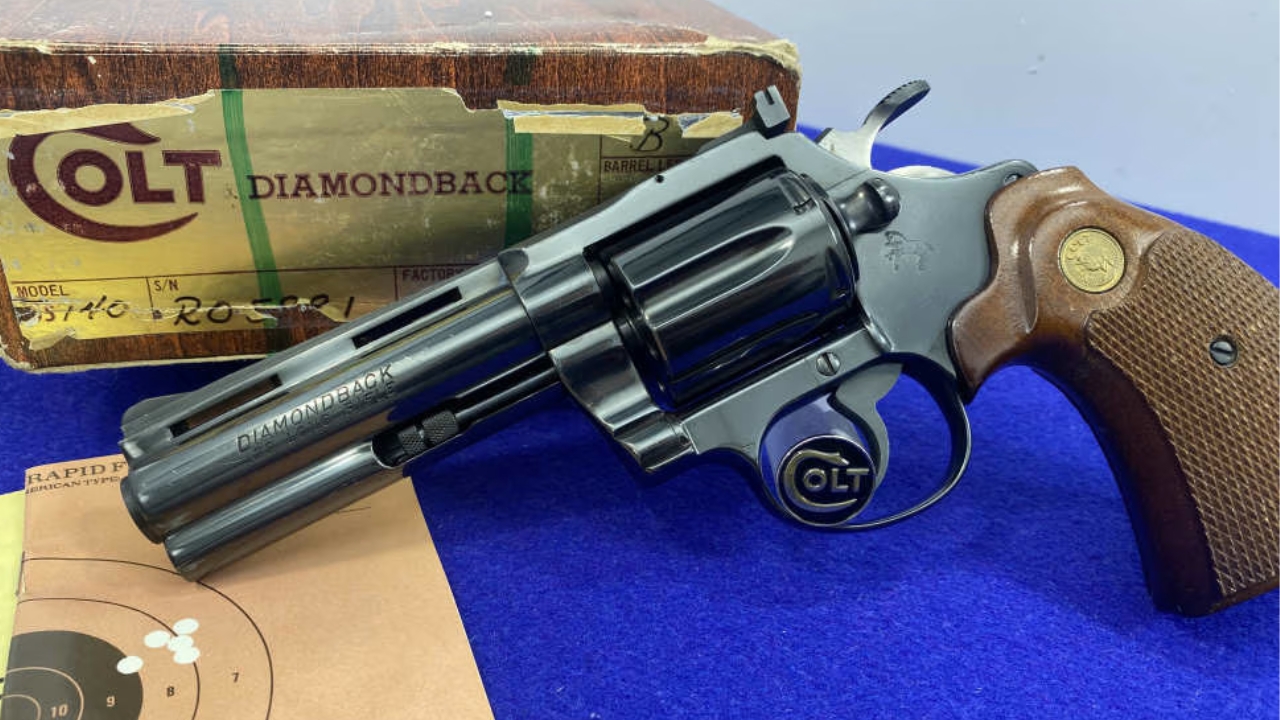
The Diamondback used to be one of those guns people knew was nice, but not always one they treated as financially dangerous to sell. That is long gone. Once collectors and revolver fans pushed demand higher, especially for cleaner examples and desirable barrel lengths, the Diamondback became one of those revolvers people wish they had left alone in the back of the safe.
Part of the regret comes from how easy it was to underestimate the gun when prices were lower. It had the Colt name, the good looks, and that unmistakable revolver appeal, but some owners still saw it as a luxury they could part with. Now it is one of those guns that makes former owners wince when they see one tagged at a show. They are not just looking at a revolver anymore. They are looking at a missed chance.
Springfield Armory M1A pre-ban
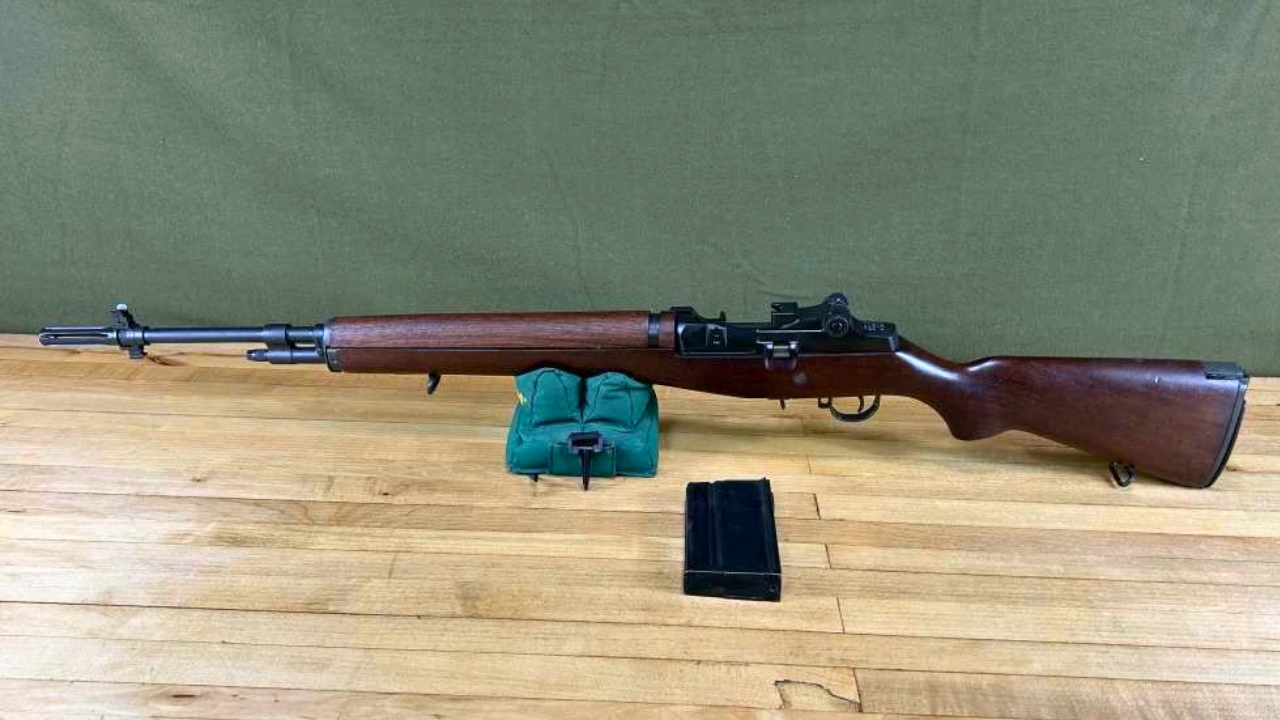
There was a stretch when selling an older M1A did not seem like the kind of move that would haunt you. They had fans, of course, but many owners figured another one would always be available, maybe even better than the one they had. What changed was the market’s growing appetite for older configurations, pre-ban appeal, and the broader nostalgia that always seems to hit battle-rifle-style guns hard.
For the people who let one go, the regret is not always about pure collector value. It is also about character. Older M1As had a certain pull for shooters who liked walnut, steel, and rifles that felt substantial in the hands. Once those owners started trying to replace what they had sold, they found that similar rifles were either much pricier than expected or simply did not scratch the same itch.
Ruger Mini-14 GB
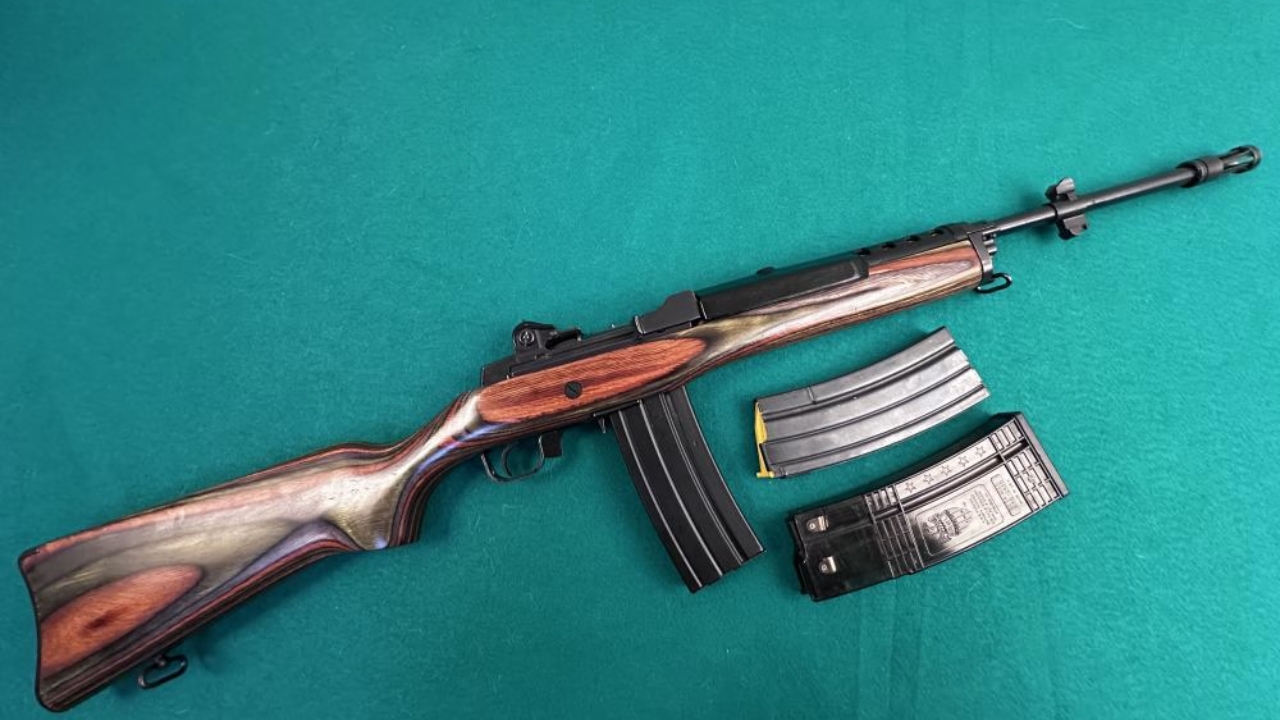
The Mini-14 GB is one of those rifles people dismissed as a neat variation until the market decided it was more than that. A lot of owners sold them during periods when they seemed replaceable enough, especially if they were not using them much. Then older factory configurations started looking a lot more interesting to collectors and Ruger fans, and prices moved up in a way many people did not see coming.
That regret tends to come from owners who now realize how hard it is to find the right version with the right details still intact. Once you start hunting for a GB with the features people want, and you want it clean enough to feel worth buying, the cost gets your attention fast. It is a classic case of a rifle that once felt merely cool becoming one that suddenly feels expensive to revisit.
Belgian Browning Auto-5
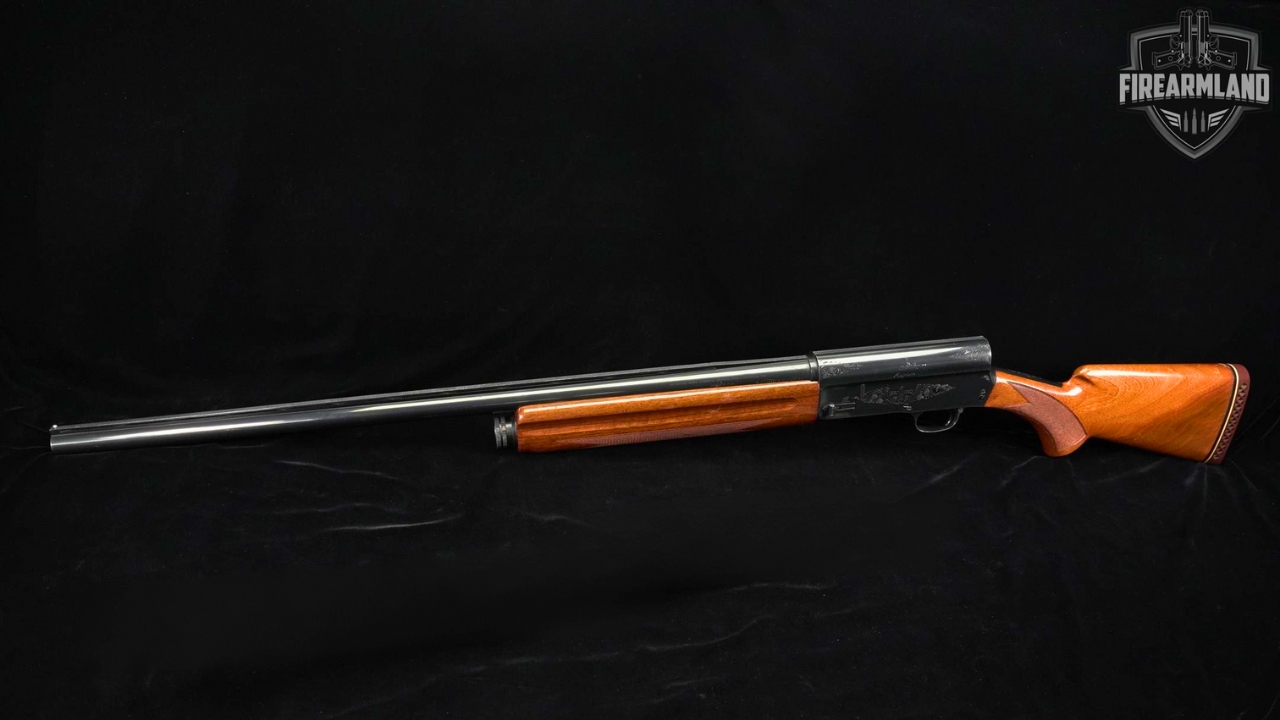
The Belgian-made Browning Auto-5 was once the kind of shotgun people sold because they thought another one would always be floating around. After all, these guns had been in circulation for generations. The problem is that wide availability is not the same thing as easy replacement, especially when buyers start caring more about condition, Belgian manufacture, and specific configurations.
What makes this one hurt is that the Auto-5 is not remembered as a generic shotgun. Owners remember the humpback profile, the old-world feel, and the fact that it had personality in a category full of guns people treat like appliances. Selling one may have felt practical at the time, but replacing a nice Belgian gun now usually means stepping into a market that has already decided the old ones matter more than ever.
Colt Woodsman

The Colt Woodsman is one of those pistols that used to get sold by people who appreciated it but did not fully realize how much harder it would be to buy back later. It was a classy rimfire, it shot well, and it carried the kind of old Colt charm that made it feel a little more special than a basic .22. Still, many owners thought it lived in the “nice but replaceable” category.
That illusion did not last. Once better examples started drying up and more buyers began chasing classic Colt rimfires, Woodsman prices stopped being casual. Former owners who parted with one years ago now run straight into the reality that clean originals are no longer cheap fun. They are collectible handguns with a loyal following, and that makes replacing one a lot tougher than people expected.
Marlin 1894 in .357 Magnum
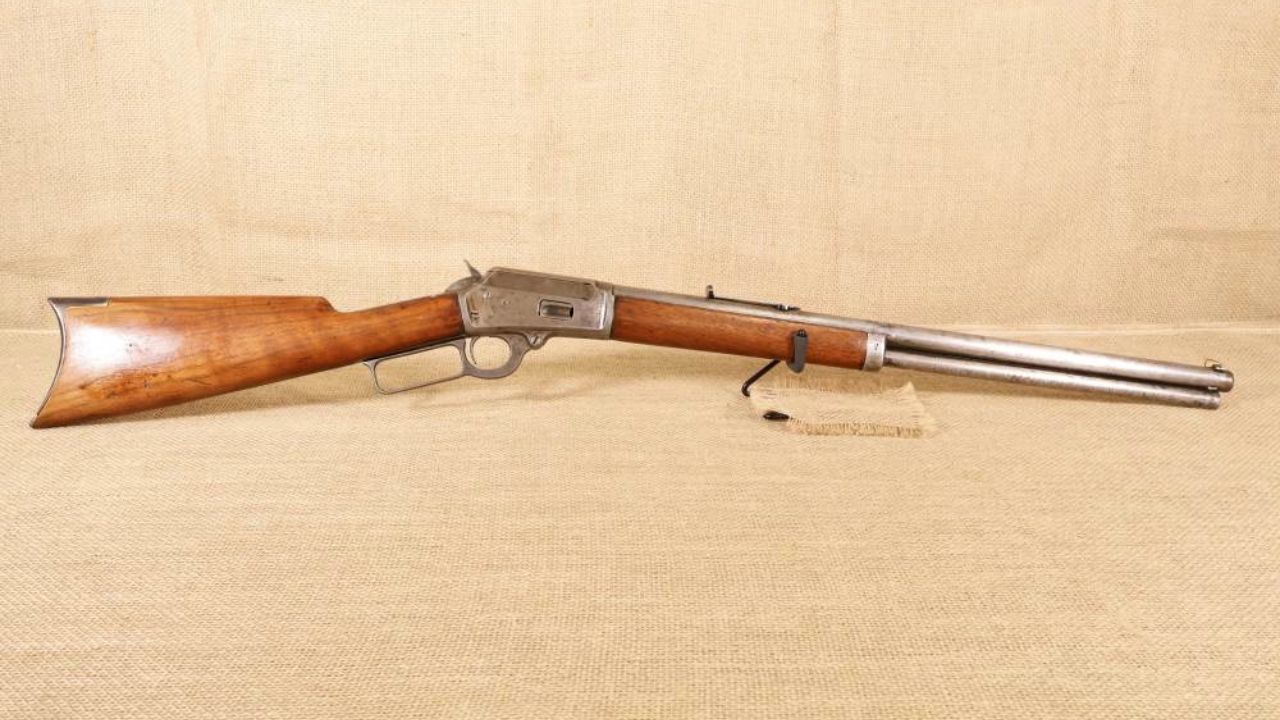
There was a period when lever guns like the Marlin 1894 in .357 Magnum felt like practical, enjoyable rifles that you could own, sell, and probably buy again without much drama. That period is over. Demand for pistol-caliber lever guns exploded, older Marlins gained extra appeal, and suddenly the rifles owners once treated as easy to replace became surprisingly painful to chase down again.
This one especially bothers shooters who actually used them. A good 1894 in .357 is handy, useful, fun to shoot, and more versatile than people give it credit for. Once you have spent time with one, you understand why owners got attached. That is also why the regret hits hard. Selling one used to feel like liquidating a fun extra. Now it feels more like giving away a rifle category that got a whole lot pricier.
SIG Sauer P228 West German

Older West German SIGs have a way of sticking in people’s heads, and the P228 is near the front of that line. Plenty of owners sold them off during the era when polymer pistols were taking over everything and older metal-frame SIGs seemed like nice guns that would never truly disappear. That turned out to be wishful thinking. Clean examples with the right markings started gaining real traction with buyers.
The regret is not hard to understand once you handle one again. The P228 has balance, shootability, and a feel that many modern pistols do not try to replicate. People who let them go often assumed they could simply snag another later if they changed their minds. Later showed up with fewer good examples, more buyer competition, and prices that made former owners realize they had parted with something more valuable than they thought.
Remington 700 BDL old-production rifles
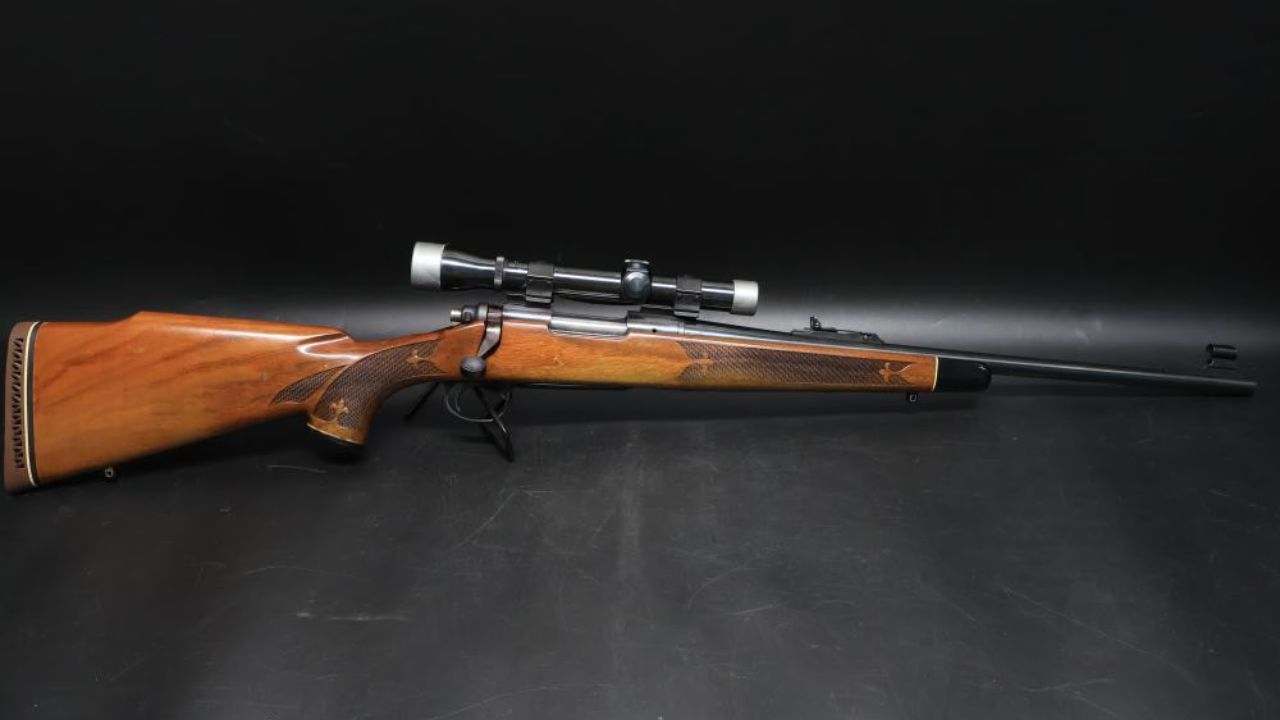
Older Remington 700 BDL rifles used to be treated like sturdy hunting tools, not future wallet-busters. They were everywhere, and that familiarity made them easy to underestimate. Plenty of hunters sold one to fund another rifle, swap calibers, or trim down the safe. Years later, they went looking for a nice older BDL with the same fit, finish, and overall feel, and discovered that “another one” was not quite that easy anymore.
The issue is not that every old BDL turned into an untouchable collectible. It is that good ones began standing out more as shooters noticed the difference in wood, polish, and general character compared with later rifles. That shift changed how people valued them. Owners who once sold theirs with no real hesitation now find themselves paying a premium to get back a rifle that used to seem ordinary.
Smith & Wesson Model 27

The Model 27 has long had admirers, but there was a time when not every owner treated it like a gun that had to be protected at all costs. It was a beautiful revolver, yes, but some were still sold in practical moments when cash mattered more than sentiment. The trouble is that once people started taking older Smith craftsmanship more seriously, the Model 27 became a lot harder to replace without swallowing hard at the asking price.
Former owners usually remember the finish and the feeling first. It had presence. It felt like a revolver from a different era, when a manufacturer was willing to put real effort into details people now barely expect. Once you sell a gun like that, buying your way back into one is not simple. You are competing against collectors, revolver guys, and anyone else who already knows exactly what it is.
HK91

The HK91 was never cheap, but there was still a time when owners could convince themselves that selling one was not the end of the world. The logic was easy enough: it was a cool rifle, sure, but one day another would show up. Then imported roller-lock rifles kept growing in mystique, supply stayed limited, and the cost of getting back into a real HK91 got mean in a hurry.
This is the kind of rifle people regret selling because replacements do not feel interchangeable. It is not only about owning a .308 semi-auto. It is about owning that rifle, with that profile, that action, and that place in gun culture. Once prices took off, former owners were left staring at tags that made their earlier sale feel like a terrible trade. For a lot of them, the rifle they swore they would never sell became the one they still cannot justify buying back.
Colt Single Action Army

Few guns fit this theme better than the Colt Single Action Army. Plenty of owners swore theirs was staying with them for life, and for good reason. It was a Colt, it carried serious history, and it had the kind of presence few revolvers can match. But some still got sold off during lean times or passed along because the owner assumed another one could be found whenever the urge came back.
That assumption has punished a lot of people. Between collector demand, Colt appeal, configuration differences, and the rising cost of genuine examples, the Single Action Army has become the kind of gun people do not casually replace. Former owners know exactly what they lost because there is no generic substitute that truly fixes it. You can buy another single-action revolver. Buying back the same kind of Colt experience is a much more expensive problem.
Like The Avid Outdoorsman’s content? Subscribe to our newsletter so you never miss an article.
Here’s more from us: