Photo credit: Lena Miculek – Trigger Tribe/YouTube
Slow fire can hide a lot. When you’re taking your time, you’re giving the gun a chance to fully cycle, giving the magazine spring time to keep up, and giving your grip time to recover between shots. Start running drills on the timer and everything gets exposed—weak extraction, marginal slide velocity, picky mags, short-stroking, grip sensitivity, heat, and little tolerance-stacking issues that never showed up on a calm bench.
None of this means a pistol is “bad.” It means some designs and setups have less margin when you’re shooting hard. If you’ve ever watched a gun run like a sewing machine at a slow pace and then turn into a jam dispenser the second you start pushing splits, you already know the feeling. Here are specific pistols that can look fine slow, then show their cracks under speed—usually for predictable, fixable reasons.
SIG Sauer P365

The P365 can feel perfectly dependable when you’re shooting slow and deliberate, especially with quality ammo and clean mags. Start pushing it—fast strings, hard transitions, reloads under pressure—and the little margins show up. A compact slide, short recoil system, and steep feed geometry don’t leave a lot of room for weak grip or out-of-spec mags.
Under speed, the common failures are the ones you’d expect: the magazine struggling to keep up, the gun getting picky about grip pressure, or a stoppage that looks like it “should’ve fed.” The fix usually isn’t magic. Fresh mags, good springs, and a grip that stays locked in matter more here than on bigger guns.
SIG Sauer P365 XL

The XL’s extra barrel and sight radius make it feel calmer, and for many shooters it is. But it’s still working with a compact system and compact mags, and the gun can be less forgiving when you start hammering it. Slow fire makes everything seem clean. Speed is where you see if your magazines and grip are truly consistent.
When the pace goes up, you’ll sometimes see feed hiccups or failures to return to battery if the gun is dry, dirty, or running borderline ammo. Another sneaky issue is how easily a shooter can change grip pressure during recoil because the frame is still slim. If you keep your support hand honest and your mags in shape, the XL usually behaves.
SIG Sauer P365 XMacro

The Macro feels like the “fixed” version because it gives you more grip and more capacity. That helps a lot. But when you run it fast, you’re still relying on a high-capacity magazine with small tolerances and a gun that rewards consistency. Slow fire doesn’t test whether your mags are keeping pace at full spring pressure and high slide speed.
Under speed, the weirdness tends to be magazine-related: sluggish feeding, an occasional nosedive, or a stoppage that disappears when you swap mags. It also runs better when it’s not bone-dry. You don’t need to drown it, but a little lubrication where it matters can be the difference between “runs fine” and “why is it doing this on drill three?”
Glock 43

A Glock 43 can look great when you’re punching slow groups. It points naturally, it’s familiar, and it doesn’t feel complicated. Then you run it hard and you learn what small, light pistols demand from you. The short grip gives you less leverage, and under speed it’s easy to lose consistent control without noticing.
When that happens, the gun can start acting “ammo sensitive” even when it’s really grip sensitive. You’ll see failures to feed, failures to return to battery, or the gun just feels less stable shot-to-shot. The 43 isn’t fragile—it just has less margin. If you’re going to run it fast, you need solid magazines, a firm grip, and ammo that actually cycles it with authority.
Glock 42

The Glock 42 is one of the softest shooting pocket guns, and that’s exactly why it can fool you. Slow fire feels pleasant. Speed is where light .380 recoil and a small slide can expose marginal cycling—especially with weaker loads, a loose grip, or a dirty gun.
When the pace goes up, you might see the occasional short-stroke, a weak ejection pattern, or a failure to fully chamber. A lot of shooters blame the gun when it’s really the combination of ammo energy and how the gun is being held while it’s recoiling fast. The 42 can be very reliable, but it likes decent ammo and a grip that doesn’t let the frame soak up the cycle. Run it with intent and it usually rewards you.
Glock 48

The Glock 48 is easy to like because it shoots flatter than most slim guns. Slow fire accuracy is rarely the problem. Under speed, the slim frame and narrow mags can create a different kind of sensitivity than a double-stack Glock. It’s not dramatic—just enough that you’ll notice it when you’re really pushing.
The common pattern is that the gun feels fine until you start shooting fast with a less-than-perfect grip, or you’re using magazines that are worn, dirty, or not genuine. Then you get a weird feed issue that never happened when you were taking your time. The 48 is usually dependable, but it’s not as “anything goes” as a 19 with good mags. Treat your mags like they matter and keep the gun properly lubed.
Springfield Armory Hellcat

The Hellcat has a lot going for it, and slow fire doesn’t usually reveal problems. When you start running it fast, you’re combining a snappy micro-9 recoil impulse with a high-capacity compact magazine. That’s where some shooters start seeing the occasional bobble—usually a feed hesitation or a failure to go fully into battery when everything gets hot and dry.
A big part of it is how easy it is to change grip pressure on a small frame during recoil. Another part is the magazine doing a lot of work in a small space. If you’re running drills, pay attention to magazine condition and don’t ignore lubrication. Micro pistols can run fine when clean and calm, then get picky when you’re hammering strings. The Hellcat is in that category for some hands.
Ruger LCP II

An LCP II can be surprisingly accurate at a slow pace for what it is. But it’s a tiny, ultra-light .380 with a short cycle and minimal grip. Under speed, it’s easy to outrun your own control, and the gun can start to choke if your grip gets loose or your ammo is borderline.
The issues you see are usually classic pocket-gun stuff: weak ejection, a failure to feed, or a failure to return to battery because the gun is dry and getting hot. The LCP II is built for deep concealment, not high-round-count speed work. You can train with it, but you need to accept what you’re asking it to do. If you want to run fast, pick loads that cycle it strongly and keep your grip consistent like your life depends on it.
Ruger LCP Max

The LCP Max adds capacity and better sights, and that tempts people into running it like a bigger pistol. Slow fire feels controlled. Speed is where you find the edge. You’ve still got a tiny frame, a short recoil system, and a magazine that’s packing a lot into a small footprint.
When you push it, magazine timing and grip consistency become everything. You might see a stoppage that disappears when you slow down, because slowing down gives the spring time to do its job and your grip time to reset. The Max can be a solid little gun, but it’s not immune to pocket-pistol physics. Keep your magazines clean, don’t run it dry, and don’t be surprised if it prefers a certain ammo power level when you’re shooting fast.
Smith & Wesson M&P Shield (1.0)

The original Shield earned a good reputation, and plenty of them run hard without complaint. But under speed, the older Shield can show little issues that slow fire never reveals—especially if you’re mixing magazines, using tired springs, or running the gun dry. Some examples also feel more sensitive to grip changes than you’d expect.
The pattern is usually a feed issue or a sluggish return to battery during fast strings, especially when the gun is hot or filthy. It’s not a knock on the design as much as a reality of compact guns with compact springs. The Shield can be excellent, but it rewards maintenance. Fresh magazine springs, a recoil spring that isn’t worn out, and the right lubrication points can turn a “quirky under speed” Shield into a boringly reliable one.
Smith & Wesson M&P Shield EZ (9mm/.380)
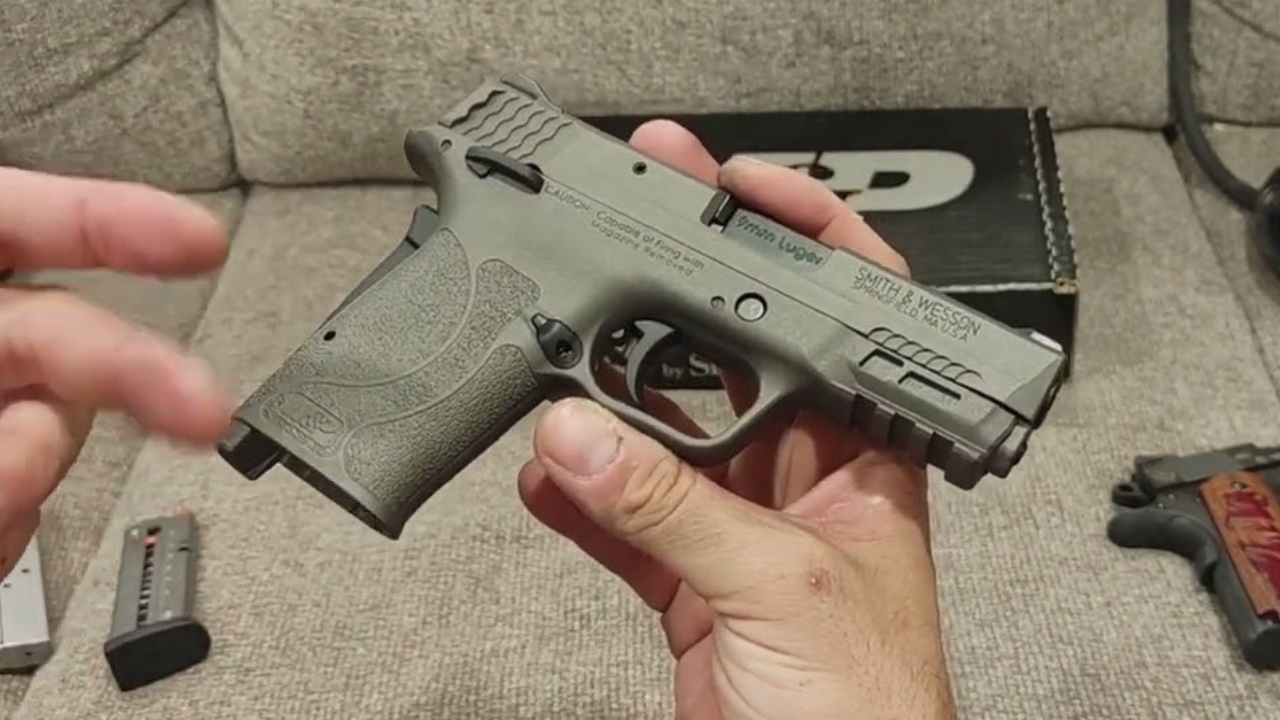
The EZ series is built around easy manipulation, and that often means lighter springing and a different tolerance for technique. Slow fire can feel great—soft recoil, easy handling, decent accuracy. Under speed, though, the “easy” setup can show its limits, especially with inconsistent grip pressure or ammo that’s on the mild side.
When you start pushing, you may see failures to fully cycle or odd ejection patterns that you never saw in slow fire. The gun isn’t built for being babied, but it’s also not built to be a hard-run duty pistol. If you’re choosing one for serious use, test it the way you’ll shoot it—fast strings, reloads, one-handed work. The EZ can be dependable, but it’s not always as forgiving under speed as heavier-sprung designs.
Kimber Ultra Carry II
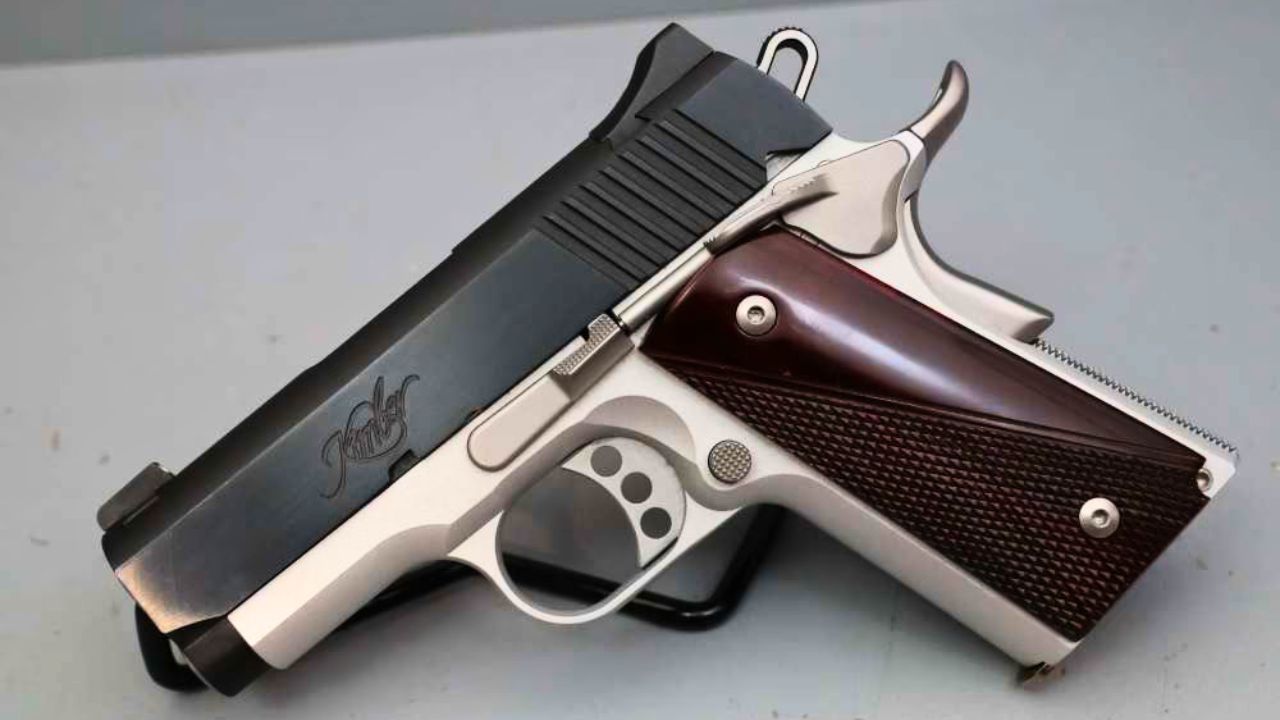
A short 1911 can feel great when you’re shooting slow, and that’s the trap. Under speed, the 3-inch 1911 format is working with less slide travel and tighter timing. That makes it more sensitive to magazines, extractor tension, recoil springs, and even how you’re gripping it.
When you run it hard, you’ll often see the classic short-1911 problems: failures to return to battery, nose-dives, or extraction issues that pop up once the gun gets dirty and hot. Slow fire doesn’t stress the cycle the same way. None of this is guaranteed—some run well—but the platform has less margin. If you want to carry a short 1911, you need to be picky about mags, springs, and maintenance, and you need to prove it on the timer.
Colt Defender

The Colt Defender has a loyal following, and a good one can shoot beautifully. But like any 3-inch 1911, it’s living in a tight timing window. Slow fire can make you think everything is perfect. Under speed, a marginal extractor, tired recoil spring, or magazine that’s “mostly fine” becomes a real problem.
Fast strings are where you see failures to feed, occasional three-point jams, or a slide that doesn’t quite return to battery when the gun is dirty or under-lubed. The fix is usually mechanical, not mystical: correct springs on schedule, quality magazines, and a properly tuned extractor. If you’re going to carry a compact 1911, you don’t get to be casual about it. Speed will tell you quickly whether your setup is actually ready.
Walther PPS M2

The PPS M2 is often accurate and easy to shoot well slow. When you start pushing speed, some shooters discover it’s a little more magazine- and grip-sensitive than expected, especially with the smaller magazines. The gun’s slim frame also means minor grip changes show up faster than they do on a thicker pistol.
Under speed, you might see a failure to lock back, an occasional feeding hiccup, or just a general sense that the gun is less consistent as it heats up and dries out. The PPS M2 can be a very good carry pistol, but it benefits from testing with the exact mags you’ll carry and the exact ammo you’ll run. If one magazine is “the problem,” believe it and retire it. Slim guns don’t forgive weak links.
FN FNX-45

Big pistols can surprise you here too. The FNX-45 often runs fine when you’re shooting slow, but under speed, .45 ACP in a high-capacity, double-stack magazine can expose feed timing issues if your magazines are worn or your ammo varies in shape and power. Slow fire rarely stresses the same stack dynamics.
When you push it, you’re asking the mag spring to keep up while the gun is cycling fast and your grip is changing under recoil. That can lead to occasional nose-dives or a round that doesn’t present cleanly. The gun isn’t “fragile,” but the system is working hard. The fix is usually simple: good mags, strong springs, and ammo that feeds cleanly. If you’re going to run fast drills with a big .45, the magazines matter more than most people want to admit.
Like The Avid Outdoorsman’s content? Subscribe to our newsletter so you never miss an article.
Here’s more from us: