Photo credit: James Case – CC BY 2.0/Wiki Commons
Ask a group of old-school hunters about calibers, and you’ll hear a lot of strong opinions. These guys have seen just about everything in the woods, and they aren’t shy about calling out rounds that just don’t cut it. Whether it’s underpowered performance, poor accuracy, or just bad all-around results, some calibers have earned a reputation for letting hunters down. If you want to avoid a frustrating season, here are the calibers they say you’re better off leaving at home.
.22 Long Rifle for Deer

The .22 LR is a great little round for squirrels and rabbits, but when it comes to deer, it’s way out of its league. Sure, it might be legal in a few places, but even a perfectly placed shot isn’t guaranteed to drop a deer quickly or cleanly.
Most seasoned hunters agree that relying on a .22 LR for deer is a bad idea. You’re more likely to wound the animal and lose it than bring it down ethically. It’s better to leave the rimfire rounds for small game and move up to something with more punch.
.17 HMR for Bigger Game

The .17 HMR is fast and flat-shooting, but it just doesn’t have the muscle for anything bigger than varmints. Some folks get tempted by its accuracy, thinking it might work on small deer or hogs at close range. It won’t.
Veteran hunters have seen too many examples of wounded game to recommend the .17 HMR for anything outside its lane. Stick with it for prairie dogs, groundhogs, and other small critters — that’s where it actually shines.
.410 Bore Slug for Deer

Yes, a .410 slug will technically kill a deer if everything goes perfectly, but that’s a lot of pressure to put on such a small load. Even with modern ammo, the .410 struggles with range, energy, and consistent performance.
Old-timers are quick to say they’ve seen more wounded deer from .410s than clean kills. If you’re hunting deer with a shotgun, stepping up to a 20 gauge (at minimum) will save you a lot of heartache and lost game.
.30 Carbine for Hunting
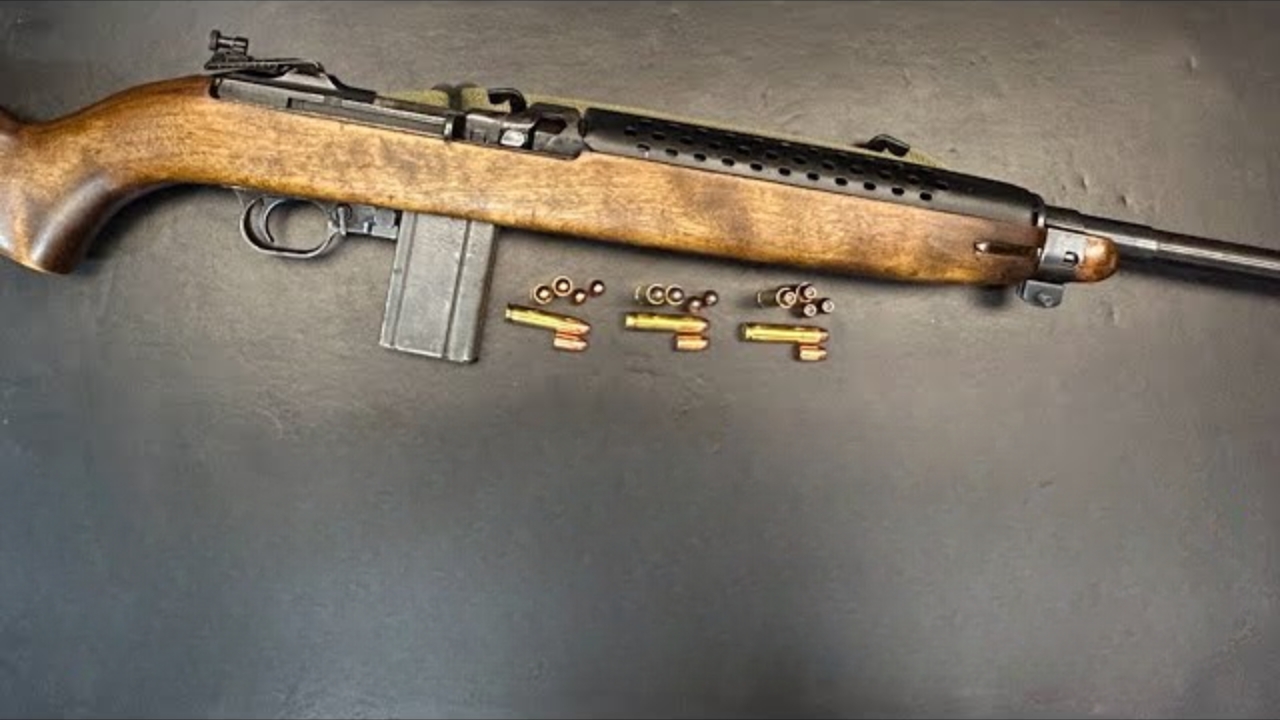
The .30 Carbine round, originally made for the M1 Carbine, is decent for defense but just not great for hunting anything bigger than coyotes. It’s underpowered for deer-sized animals and doesn’t offer much range or energy transfer.
Hunters who’ve used it often mention disappointing performance on game, especially beyond 50 yards. There are so many better hunting options out there that there’s really no good reason to drag a .30 Carbine into the woods.
5.7x28mm for Big Game

The 5.7x28mm is a neat little round for certain tactical uses, but it’s not built for hunting big animals. Light bullets traveling at high speeds don’t always penetrate deeply enough, especially if the shot isn’t perfect.
Seasoned hunters caution that it’s risky business relying on the 5.7x28mm for ethical kills on deer or hogs. It might look good on paper, but when you need reliable stopping power, this one comes up short.
.32 ACP for Anything Bigger Than a Coyote

The .32 ACP has been around forever, and while it’s fine for personal defense in a pinch, it’s not a hunting caliber. Hunters who’ve tried it usually have a few stories about animals running off after being shot.
Its lack of velocity and energy means you’re asking for trouble if you use it on anything bigger than a coyote. For small predators at close range, sure — but don’t expect it to anchor anything more serious.
.223 Remington for Elk or Moose

There’s no doubt the .223 Remington can drop deer with the right bullet and good shot placement. But when it comes to heavy hitters like elk or moose, it’s just not enough gun.
Even hunters who love the .223 for coyotes or deer will tell you it’s wrong for the big boys. Shots on larger animals need deep penetration and massive energy — two things the .223 just doesn’t bring to the table in those situations.
.357 Magnum from a Rifle for Deer

A .357 Magnum fired from a rifle can definitely take a deer under the right conditions. But it’s a very limited setup that leaves little room for error, especially at any distance past about 75 yards.
Experienced hunters often say the round works best in thick woods where shots are close. If you plan to hunt in open areas or need versatility, there are way better rifle choices to make your hunt a lot easier.
7.62x39mm for Elk
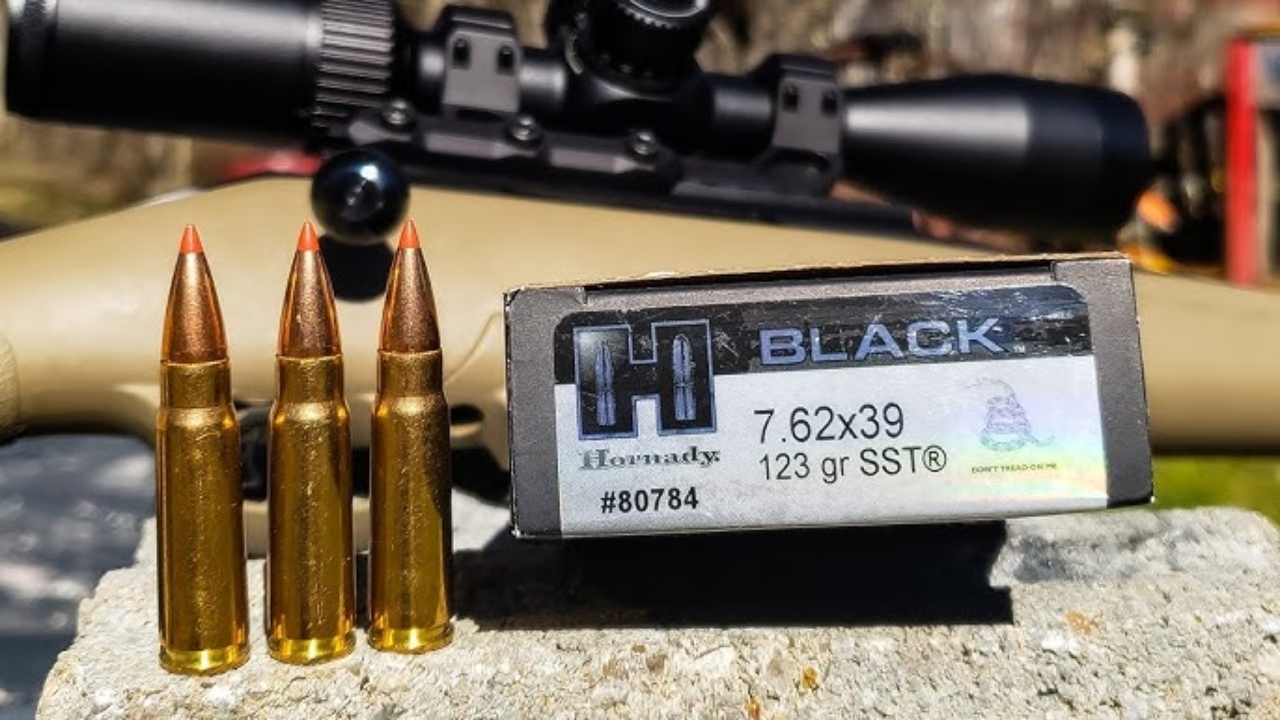
The 7.62x39mm is a proven workhorse for whitetail deer inside 150 yards, but it just doesn’t bring enough horsepower for elk-sized animals. The bullet design and energy levels are better suited for medium game.
Hunters who’ve made the mistake of chasing elk with an SKS or AK often talk about less-than-stellar results. Elk are big, tough animals, and they deserve a caliber that can break heavy bone and still reach vital organs reliably.
.45 ACP for Hog Hunting

The .45 ACP is great in a handgun for self-defense, but when you’re going after tough wild hogs, it’s not the best choice. Hogs are notorious for soaking up poorly placed shots, and the .45’s slower, heavier bullets don’t always penetrate well.
Hunters who’ve spent time chasing hogs usually recommend stepping up to a rifle or a more powerful handgun round. When you’re up against thick hide and muscle, you want as much velocity and energy as you can get.
*This article was developed with AI-powered tools and has been carefully reviewed by our editors.