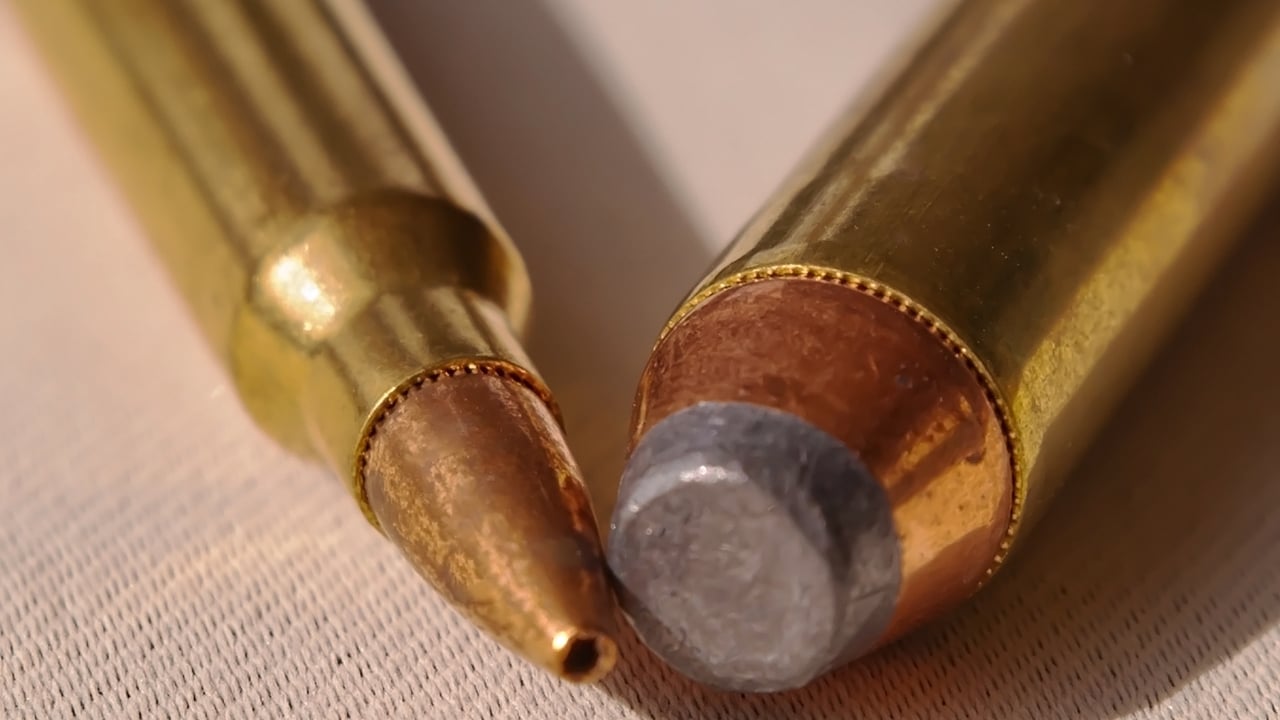
Photo credit: woodsnorthphoto/Shutterstock.com
Gun people are always looking for the next cleaner, faster, flatter, softer-shooting answer. Every few years, some new cartridge shows up with a better chart, a more modern pitch, or a wave of people insisting the old standby is finally finished. And sometimes those new rounds really are good. But replacing a caliber on paper is not the same as replacing it in the real world. That part is a lot harder.
A cartridge that truly lasts usually does more than one thing well. It is available, proven, supported, and familiar to the people who actually use it. It works in real rifles and handguns, not just in marketing copy. That is why some calibers keep surviving every challenge thrown at them. Here are 15 calibers people keep trying to replace and still cannot quite get rid of.
9mm Luger
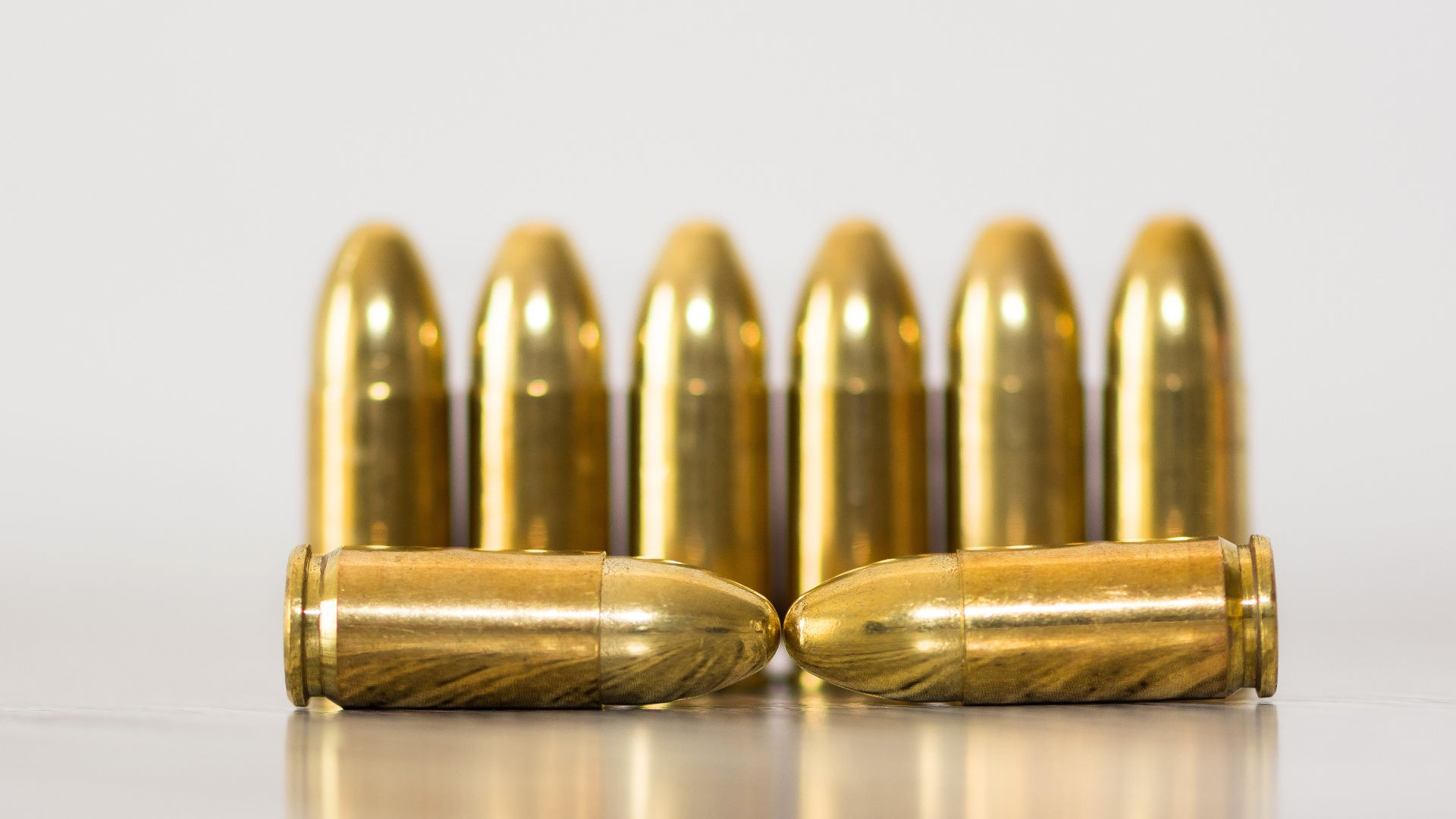
The 9mm has survived so many attempts at replacement that the whole thing almost feels silly now. Every few years, somebody decides it is too weak, too common, too boring, or too overhyped to remain the standard. Then the practical realities show up again: capacity, recoil control, ammo cost, and broad availability still matter a lot more than internet boredom.
That is why the 9mm keeps winning. It is not perfect, but it is easy to shoot well, easy to find, and backed by a huge range of handguns and defensive loads. Replacing something that workable is harder than arguing about it online. That is why so many “better” handgun rounds end up existing beside the 9mm instead of knocking it out.
.30-06 Springfield

The .30-06 has spent decades being “about to be replaced.” First by newer short actions, then by magnums, then by newer all-purpose hunting rounds that looked cleaner on paper. Yet every time people start writing it off, the same thing happens: hunters keep buying it, carrying it, and using it on a huge range of game with no real complaints.
The reason is simple. The .30-06 covers a lot of ground very well. It has bullet flexibility, broad ammo availability, and enough real-world authority that people still trust it when they want one rifle to do almost everything. Lots of calibers challenge it in certain lanes. Almost none truly replace it across the board.
.308 Winchester

The .308 has been challenged from every direction. Long-range shooters want something sleeker. Hunters sometimes want something lighter-kicking or flatter-shooting. Tactical buyers often get seduced by newer cartridges with more modern branding. Yet the .308 just keeps sitting there, doing enough things well enough that nobody has really managed to push it out.
That staying power comes from balance. The .308 is accurate, broadly available, proven on game, and useful in a huge range of rifles. Newer cartridges may beat it in specific categories, but replacing a round that is this practical across so many uses is a lot harder than outperforming it on a spreadsheet. That is why it keeps sticking around.
.30-30 Winchester

People have been trying to replace the .30-30 for so long that it almost feels like a tradition. Newer deer cartridges shoot flatter, carry better optics, and look more modern to buyers who think age automatically means weakness. Yet the .30-30 still matters because so much real hunting still happens inside the distances where it does exactly what it always did.
What keeps it alive is not nostalgia alone. It is the fact that the cartridge works beautifully in light, handy lever guns and still kills deer cleanly where a lot of hunting really happens. You can improve on it in some ways, sure. But fully replacing what it means to woods hunters has turned out to be much harder than people keep pretending.
.45 ACP

The .45 ACP has survived endless attempts at being replaced by something smaller, faster, or more “efficient.” Some of those cartridges have genuine strengths. Still, the .45 never quite leaves because too many shooters know exactly what they like about it and do not feel much need to apologize for it.
It remains controllable in good pistols, easy to suppress well, and widely supported. More than that, it has a kind of staying power that comes from familiarity and confidence. People keep trying to argue past it, but replacing a cartridge that so many shooters still trust in full-size pistols is harder than it sounds. The .45 may not dominate every category, but it refuses to disappear.
.22 LR

The .22 LR has survived attempts at replacement because nothing else does quite what it does at the same price and scale. Newer small cartridges, high-speed little rounds, and boutique rimfire ideas come and go, but the .22 keeps staying useful because it remains the easiest answer for practice, plinking, small game, and plain old frequent shooting.
That matters more than people think. A cartridge that lets shooters practice more, spend less, and still do real work is extremely hard to replace. You can beat the .22 in power. You can beat it in speed. But replacing its place in everyday shooting culture has never really happened, and there is a reason for that.
.357 Magnum

The .357 Magnum has survived every argument about whether it is outdated, too loud, too old-fashioned, or squeezed out by newer semi-auto calibers. People keep trying to move past it, especially in handgun conversations dominated by capacity and modern carry trends. And yet the .357 keeps showing up wherever versatility still matters.
It is hard to replace because it works in revolvers, works in lever guns, hits hard enough to matter, and gives shooters the option of .38 Special practice. That is a very useful mix. A lot of calibers can compete with parts of that formula. Replacing the whole package has proven much harder. That is why the .357 keeps outlasting predictions.
.38 Special

The .38 Special has been “obsolete” for decades if you listen to the wrong people. Yet it remains one of the hardest cartridges in the world to truly replace because it still fits small revolvers, still offers manageable recoil, and still makes practical sense for a lot of shooters who do not want or need something louder, harsher, or more complicated.
It also benefits from simple familiarity. Revolvers chambered in .38 remain common, the ammo remains widely available, and the cartridge still does what many owners need it to do. Replacing a round like that is not just about better terminal numbers. It is about replacing ease, confidence, and long-standing practicality. That is where challengers keep falling short.
.270 Winchester
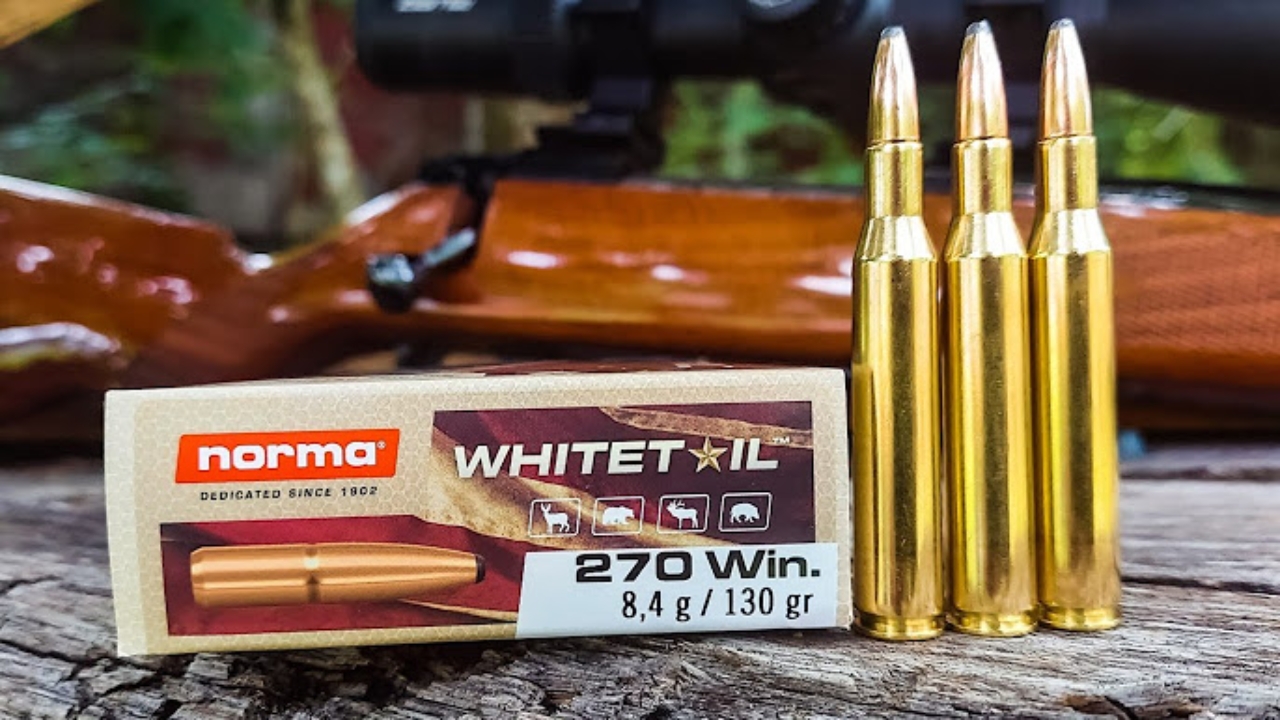
The .270 has been challenged by newer deer cartridges, lighter recoiling cartridges, and short-action cartridges that promised similar field performance in a more modern wrapper. Yet the .270 still holds ground because it remains one of the cleanest hunting answers ever built for the kind of real ranges and real game many hunters deal with every fall.
It is hard to replace because it shoots flat enough, hits hard enough, and has remained trusted long enough that many hunters simply do not see a problem worth solving. New cartridges can nibble around the edges, but replacing a round that still works this well in so many deer camps has proven much harder than the sales pitches make it sound.
.45-70 Government
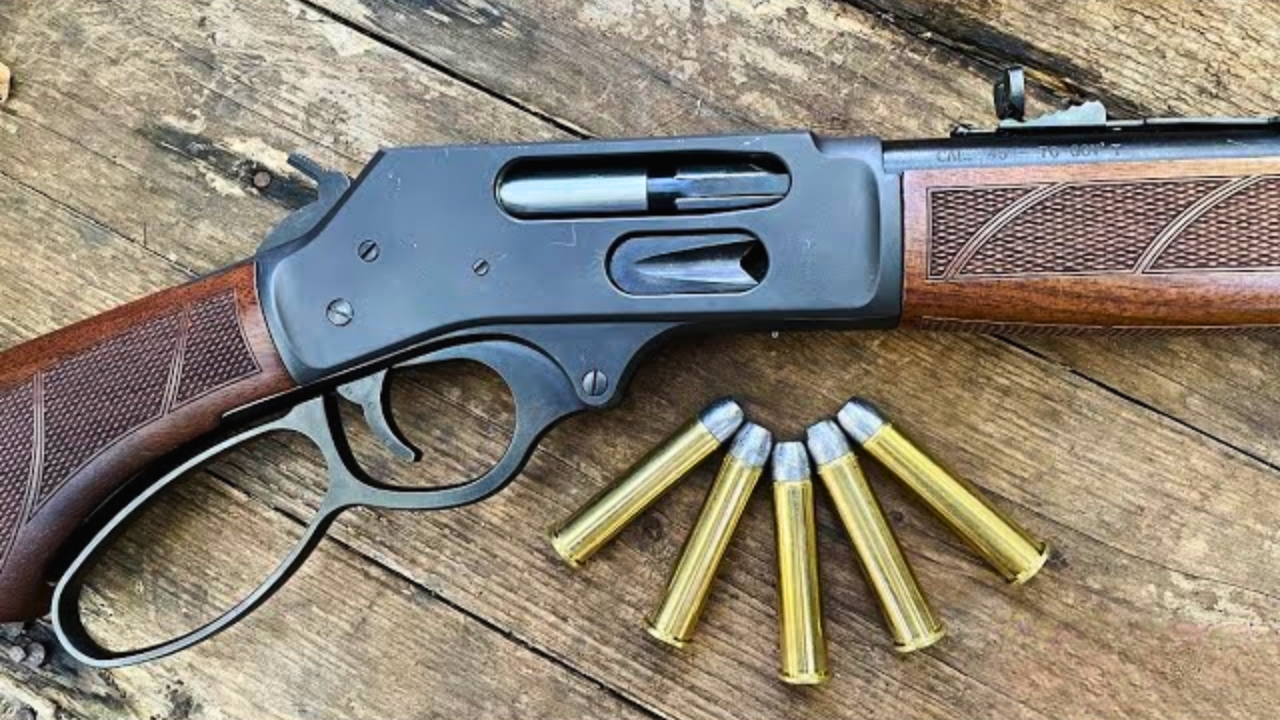
The .45-70 has survived by filling a role newer cartridges often ignore. It is not trying to be sleek, efficient, or trendy. It is trying to hit hard and do it in platforms that many shooters still love. People keep trying to move past it with faster, flatter options, but the old big-bore keeps hanging on because nothing else quite replaces its mix of authority and lever-gun appeal.
That role matters in real life. For bear country, hogs, thick cover, and anyone who likes a hard-hitting lever rifle, the .45-70 still makes too much sense to dismiss. You can find alternatives, of course. But replacing what it means to shooters who trust it is a very different challenge, and that challenge remains unsolved.
12 gauge
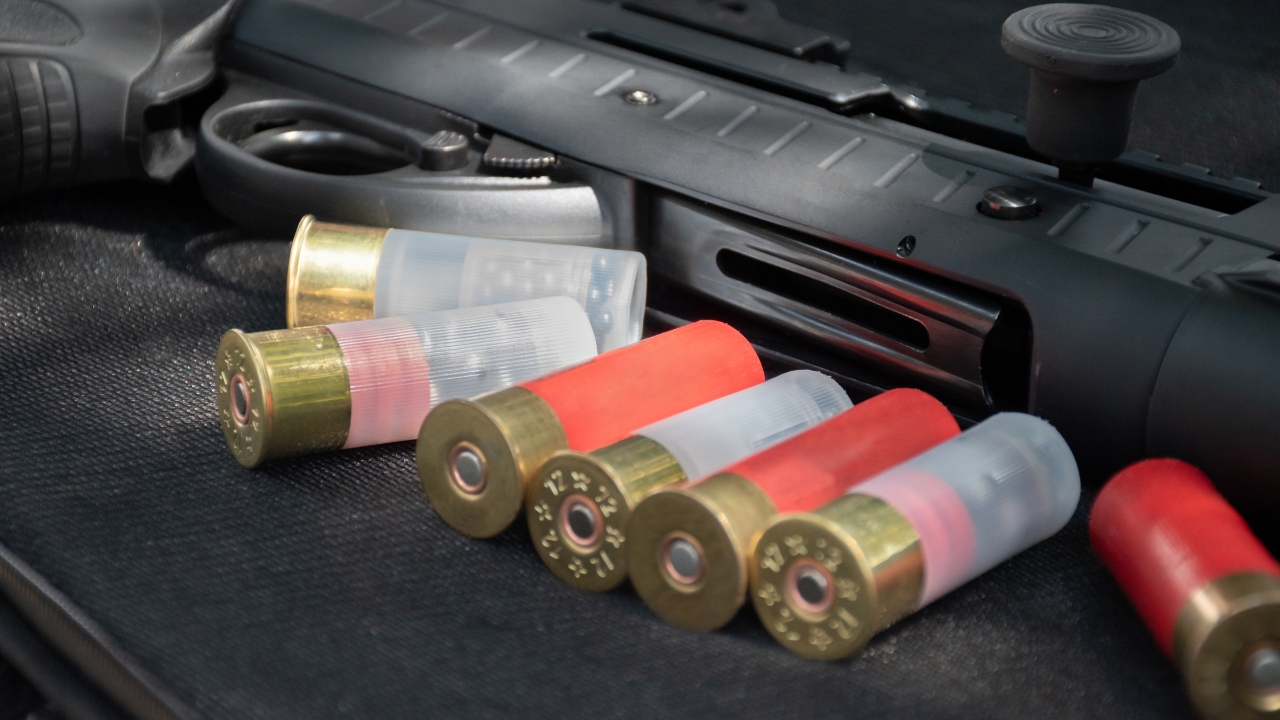
People keep trying to find something that fully replaces the 12 gauge, and they keep falling short. Smaller gauges have their place. Specialized loads and niche shotguns come and go. But when people need one shotgun gauge that can cover birds, clays, buckshot, slugs, and broad general-purpose use, they keep ending up back at 12.
That is because the 12 gauge remains absurdly flexible. It is supported everywhere, backed by endless load options, and trusted in roles that range from hunting to defense to competition. Replacing something that broad is incredibly difficult. That is why so many alternatives exist next to it instead of instead of it.
.223 Remington / 5.56 NATO
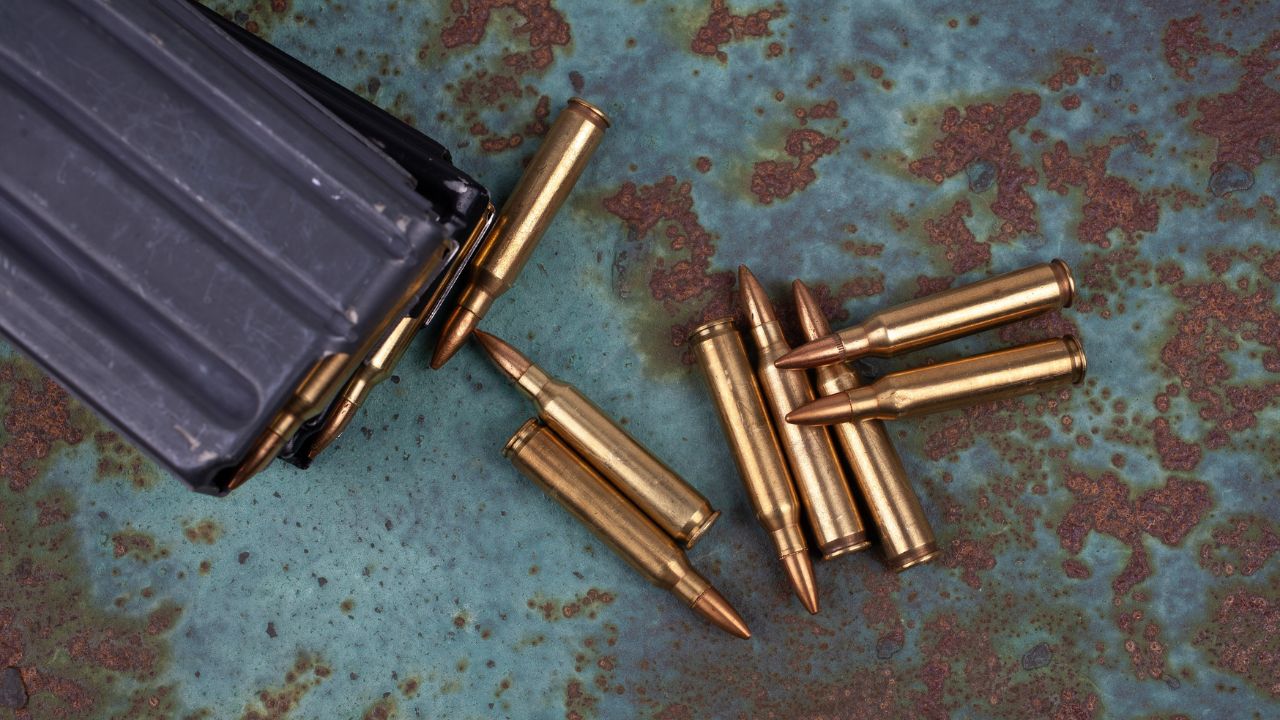
The .223/5.56 family has spent years under attack from cartridges that promise better terminal performance, better long-range ballistics, or better short-barrel efficiency. Some of those challengers are absolutely interesting. Still, none have managed to fully replace .223/5.56 because the original package is simply too practical.
Ammo availability, rifle support, recoil control, cost, and sheer familiarity keep it locked in place. It is good enough at so many things that replacing it across training, defense, varmint work, and general ownership has proven nearly impossible. Newer cartridges may grab attention. The .223/5.56 just keeps getting used.
7.62x39mm
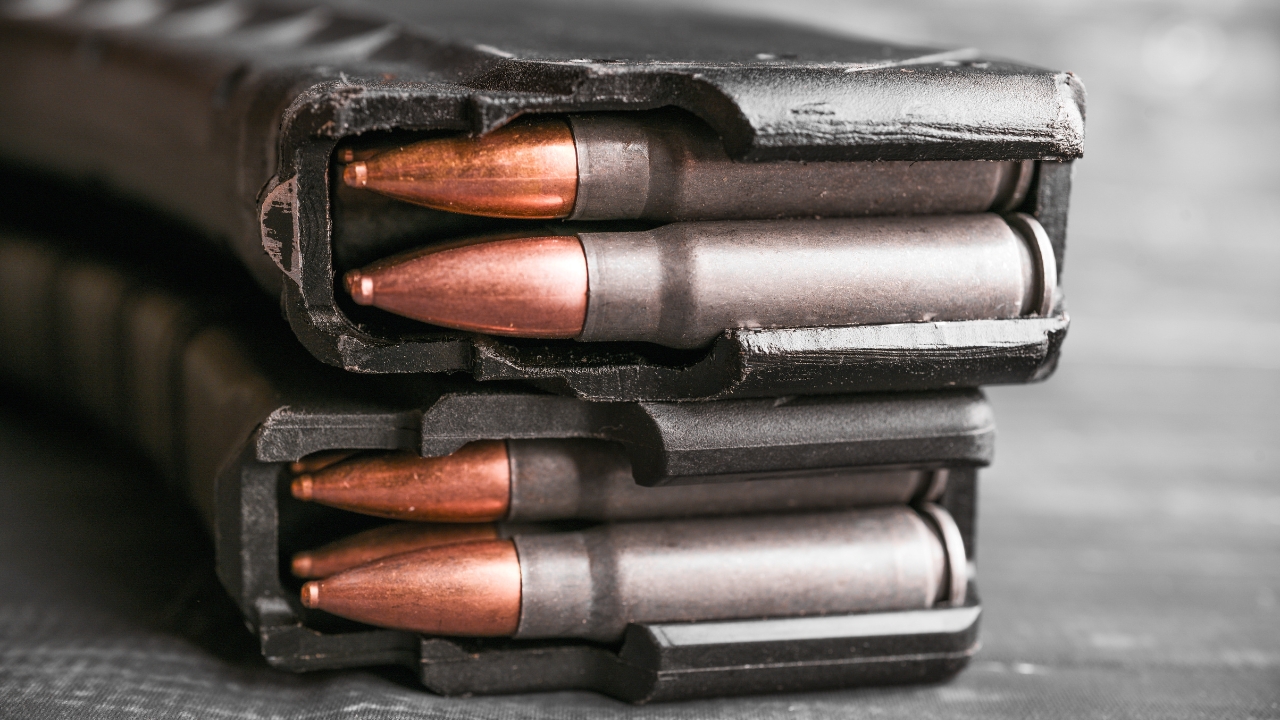
The 7.62×39 keeps surviving because it still makes sense in the platforms that made it famous, and those platforms have not gone away. Buyers keep trying to chase more modern, more accurate, or more refined intermediate rounds, but the old Soviet workhorse stays alive because it remains reliable, recognizable, and capable enough for what many owners actually do.
Replacing a cartridge like that is not only about ballistics. It is about replacing an entire ecosystem of rifles, magazines, expectations, and plain familiarity. That is a huge task. Lots of rounds outperform it in certain ways, but very few have managed to truly erase why people still keep a 7.62×39 around.
7mm Remington Magnum

The 7mm Rem Mag has been challenged by newer long-range hunting rounds for years. Some claim better efficiency. Some promise better barrel life. Some arrive with fresher branding and a more modern image. Yet when hunters want a cartridge that reaches out, hits hard, and still has a long-standing reputation in real hunting country, the 7mm Rem Mag keeps showing up.
That is because it works. It may not be the newest thing, but replacing a cartridge that has proven itself this thoroughly on game is not easy. As with many of the rounds on this list, challengers often look strongest in theory. In the field, the old magnum keeps reminding people why it stayed important.
.44 Magnum

The .44 Magnum keeps surviving because no matter how many people try to dismiss it as too much, too outdated, or too tied to old-school revolver culture, it still owns a very real lane. Trail carry, hunting, and defense against tougher animals are not theoretical jobs, and the .44 still gives practiced shooters a serious option for all of them.
That kind of practical authority is hard to replace. Plenty of cartridges can do part of the job. Replacing the whole package, especially in revolvers and carbines that people already trust, is much tougher. That is why the .44 keeps hanging on even when internet culture keeps trying to move past it.
Like The Avid Outdoorsman’s content? Subscribe to our newsletter so you never miss an article.
Here’s more from us: